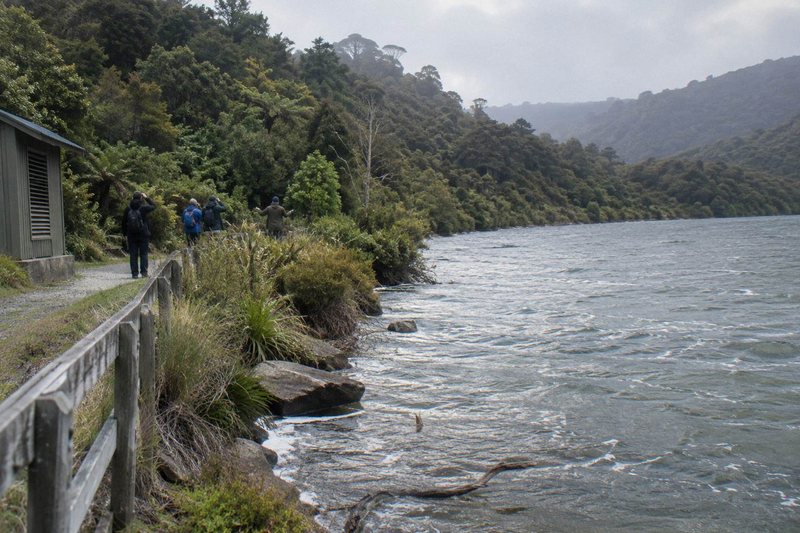
Photography On A Zealandia Guided Tour: Light, Gear And What To Expect
Photography is allowed on the walks at Zealandia, and the three main tour formats hand a photographer three very different kinds of light: full daylight on the day tour, the shift from daylight into dark on the twilight tour, and a torchlit valley at night. Here is what the official pages actually say, and how to plan around it.
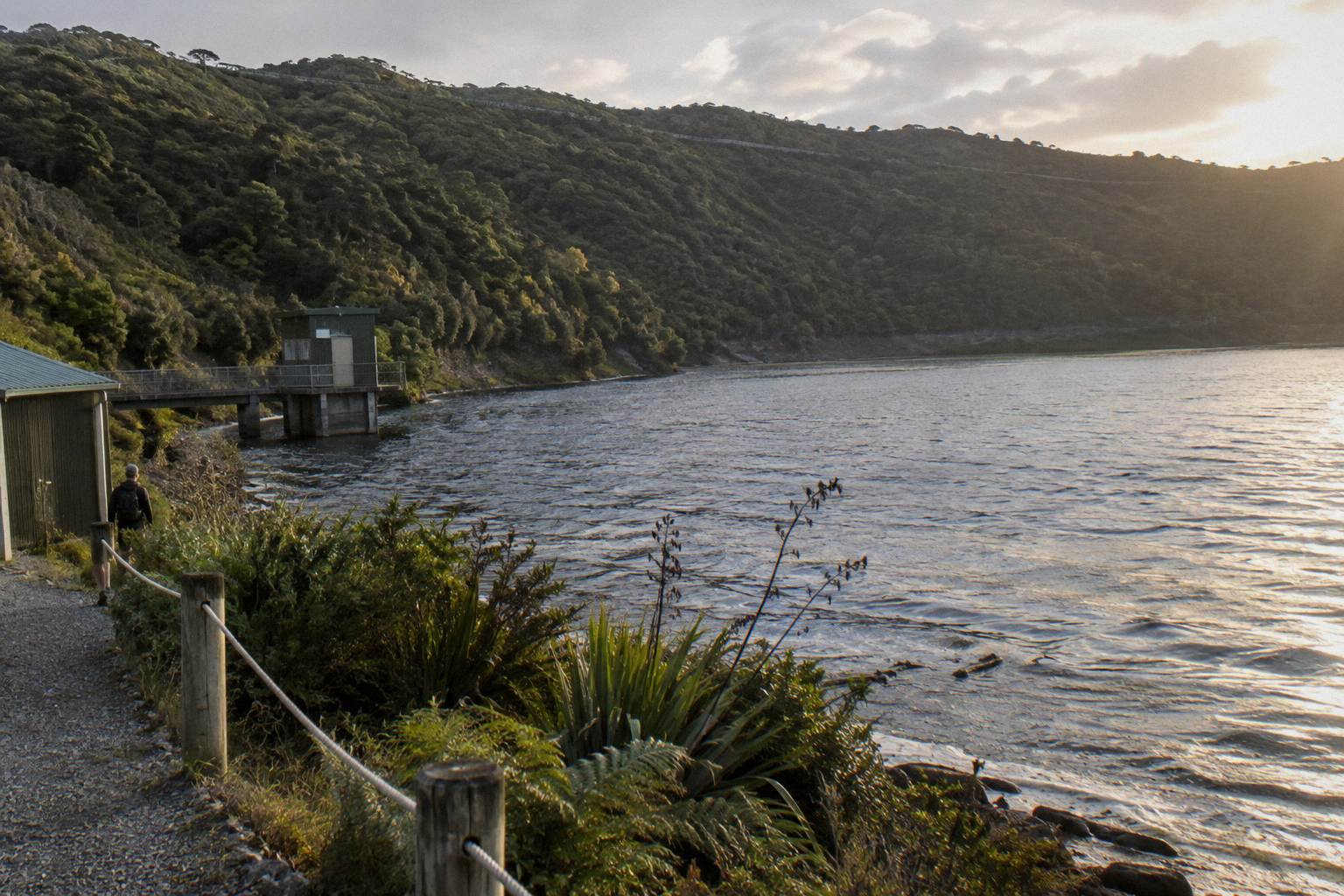
Short answer
Photography is allowed on the Zealandia By Day tour, from NZ$70 per person, rated 4.8 from 252 reviews. The twilight tour runs October to March from NZ$110, and the night tour from NZ$120 with a minimum age of 12. Light differs sharply between the three, and the guides, not rules of thumb, set the wildlife approach.
A camera at Zealandia meets a strange combination: a fenced valley two kilometres from a capital city, birds that were nearly gone from the mainland a generation ago, and tracks that climb and dip over gravel and old dam roads. The sanctuary's own pages are unusually clear about what visitors may do, and photography is explicitly allowed on the day tour. What the pages do not do is tell you how the three tour formats differ for a photographer. That difference is mostly about light, and light at Zealandia comes in three flavours: plain daylight, the dusk transition, and the torchlit dark of the night walk.
The article works through the official position first, then the practical realities of each tour for anyone carrying a camera, and finishes with the mistakes that cost people their best frames. Everything here comes from the sanctuary's own tour pages and the booking listings for the four tours currently sold. Where the official line is silent, it says so, because the answer at Zealandia is usually "ask the guide on the day" rather than a rule someone invented on the internet.
Is Photography Allowed On The Walks?
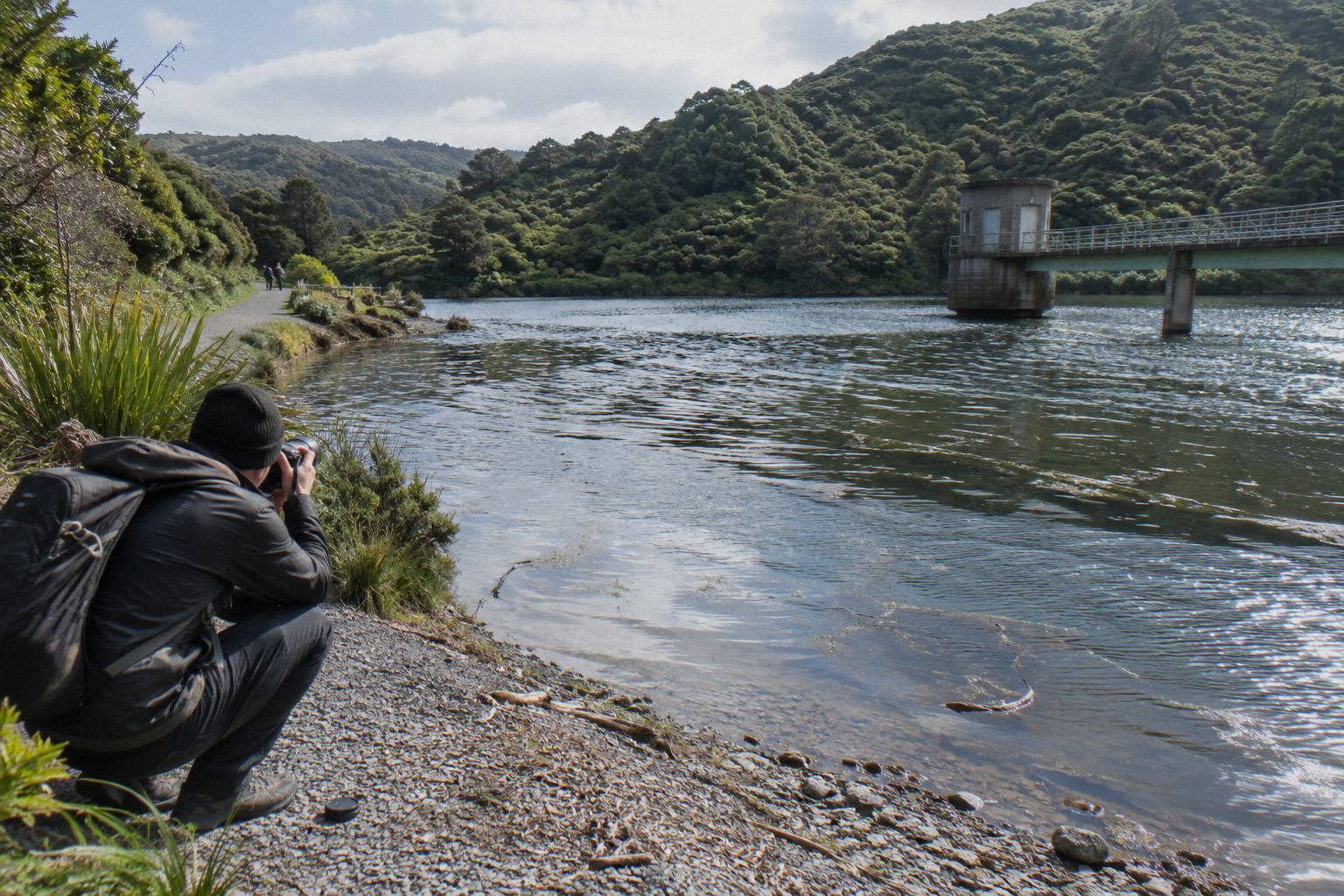
Yes. Photography is allowed, and it is stated on the day tour's own listing among the straightforward facts of the walk. There is no separate permit, no camera fee and no restriction on the type of camera you carry. The catch is that the tours are guided group experiences of up to 12 people moving together, so the shape of your photography is set by the group's pace and the guide's route rather than by any rulebook.
The day tour runs about two hours, daily, with departures from 10am and more slots in summer, from NZ$70 per person, and it is rated 4.8 from 252 reviews. It meets inside the visitor centre at 53 Waiapu Road, Karori, and you should arrive 15 minutes early. After a short intro video the group walks the valley on slopes, gravel and uneven ground: the listing calls it not strenuous but says reasonable fitness is needed, which matters when you are also managing a camera.
Two quiet advantages sit inside the ticket. Every tour ticket includes a General Admission pass valid for the tour day and the following day, so a photographer can scout frames with a guide on day one and come back alone on day two to work them. And because the ticket covers a second day, you effectively get two sessions of light for one booking, which is the single best photography perk in the whole lineup. Free cancellation applies up to 24 hours before the start.
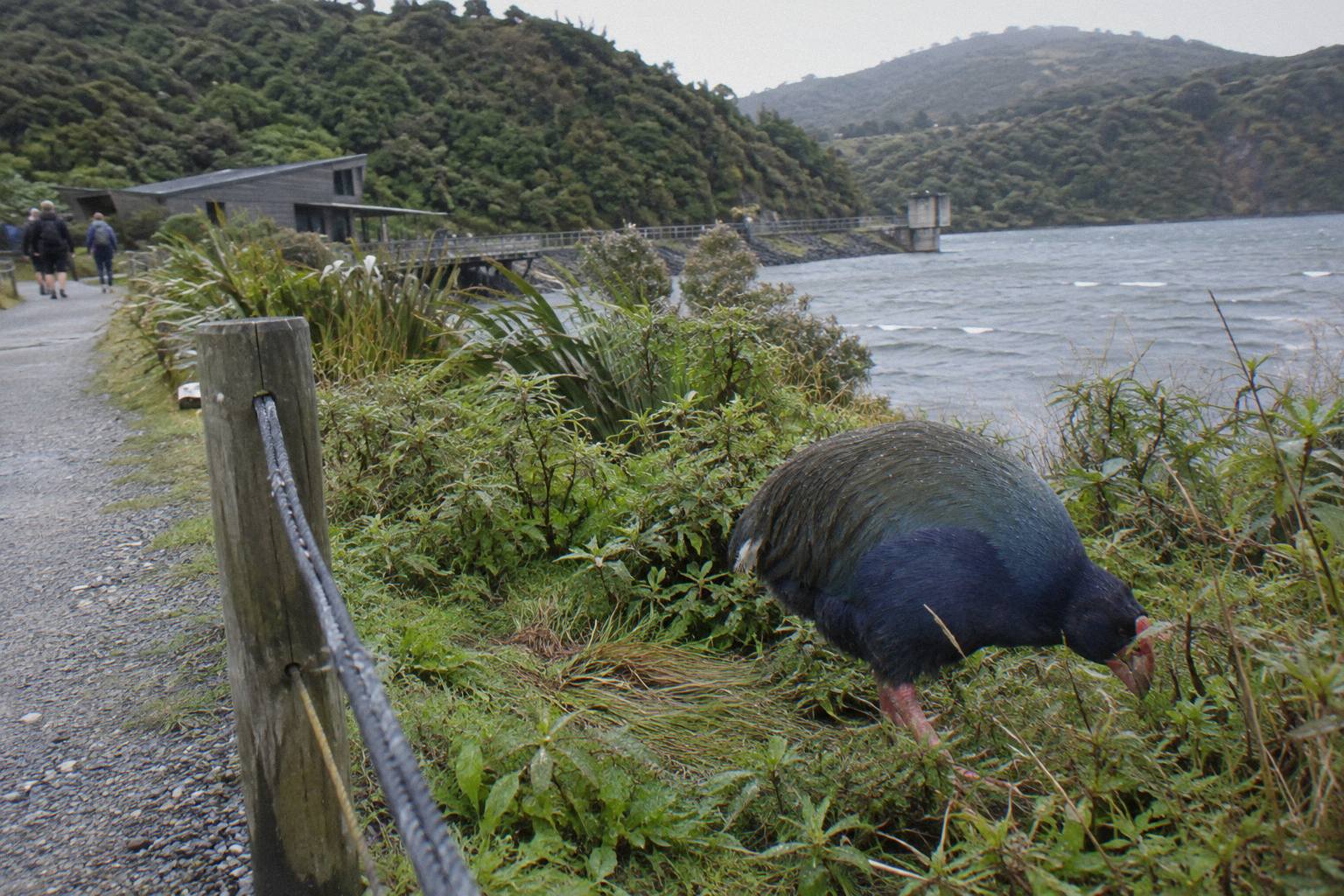
The wildlife you might photograph on the day walk, always as chances rather than promises, includes takahe, tuatara, hihi, kaka, tieke, toutouwai and pateke, alongside the more familiar tui, kereru and korimako. The guides actively look for these species and will usually stop the group when something worthwhile appears. What a day tour will not give you is a kiwi: the official General Admission page states plainly that nocturnal wildlife such as kiwi, ruru, weta and frogs is very unlikely by day. If a kiwi photograph is the goal, the night tour is the only realistic route, and even there nothing is promised.
Before you enter the valley at all, everyone checks their own bags and pockets for seeds, mice and lizards at the biosecurity double gates. For a photographer that is worth knowing in advance: open your camera bag when asked, and expect the process. It takes a minute and it protects exactly the fauna you came to photograph. More on the species themselves is in our guide to takahe, kaka and tuatara on a Zealandia tour, which covers the sanctuary's reintroduction story species by species.
Which Walk Gives Which Kind Of Light?
The day tour gives full daylight, the twilight tour gives the transition from daylight into dark, and the night tour gives a torchlit valley around dusk onward. The twilight and night tours overlap in mood but differ in the moment you experience: twilight starts in light and ends in dark, while the night tour works the valley under torchlight throughout. Neither offers any guarantee of animals, and neither prints a fixed clock start.
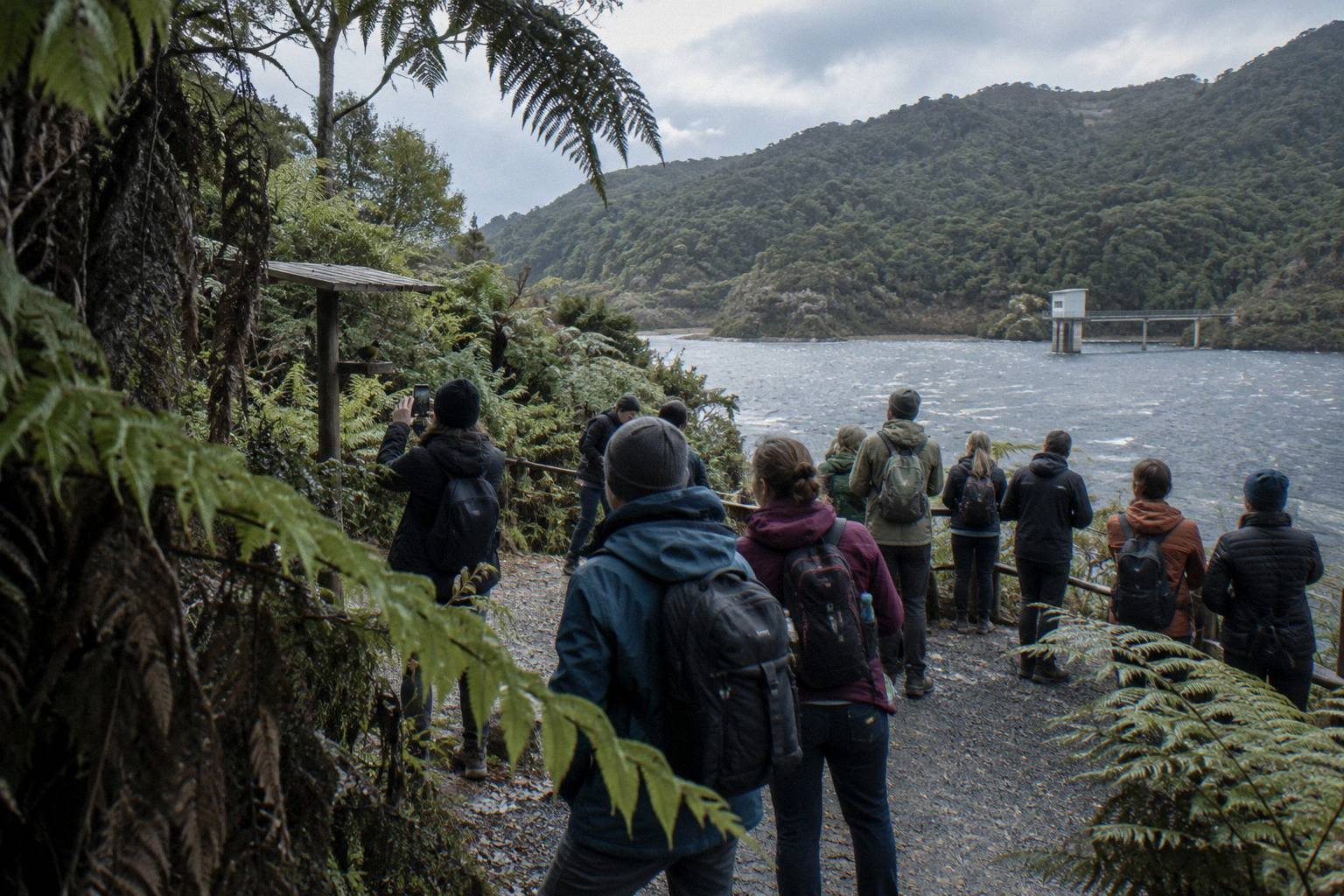
Daylight is the easiest light to plan for and the hardest to make interesting. The day tour's departures begin at 10am, which means high, flat light for most of the year, and forest canopy that splits it into hard contrast. The trade-off is straightforward: everything is visible, the birds are active, and the tracks are dry underfoot in most weather, because the tour runs in almost all conditions. The official listing recommends sturdy shoes, warm clothes and a waterproof layer, and that advice is aimed at people standing still to watch birds as much as at walkers.
The twilight tour, from NZ$110 per person and rated 4.8 from 84 reviews, runs about 2.5 hours from daylight into dark, October to March on the sanctuary's own schedule, with a minimum age of 5 and hot kawakawa tea included. For a photographer it is the most interesting slot in the lineup precisely because it changes: the dusk chorus builds, birds settle to nest, and the light falls away across the walk. It ends, rather than begins, in the dark.
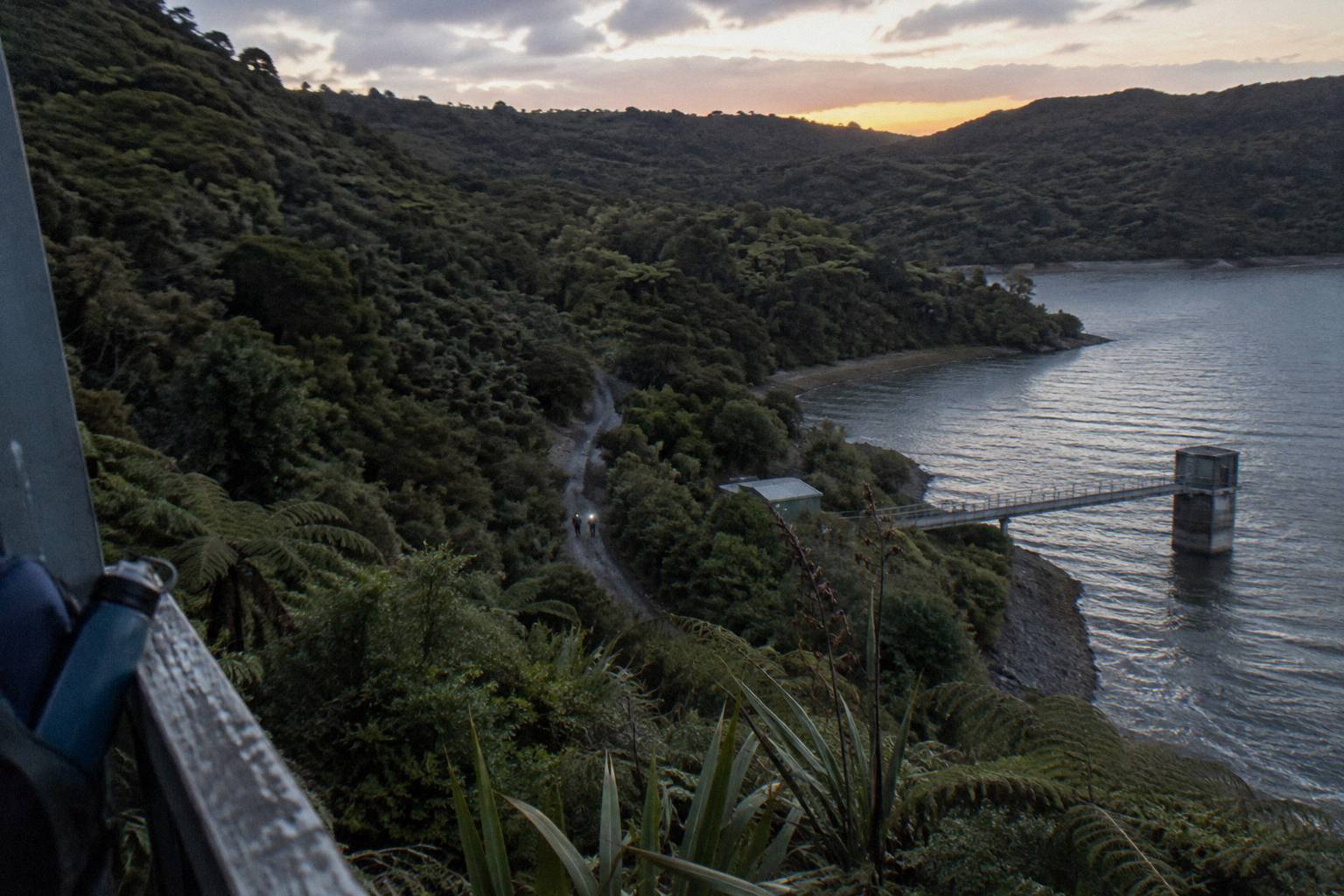
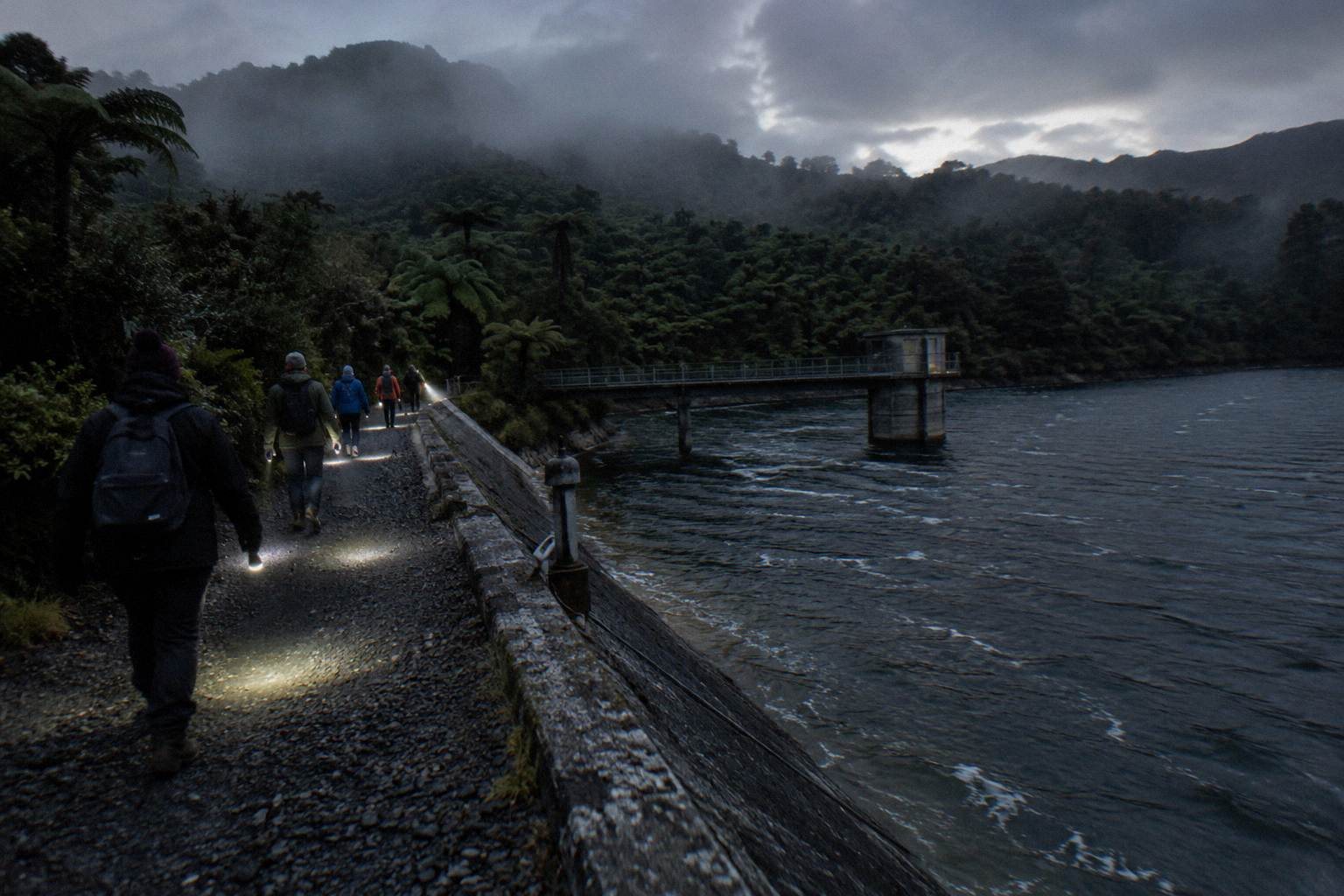
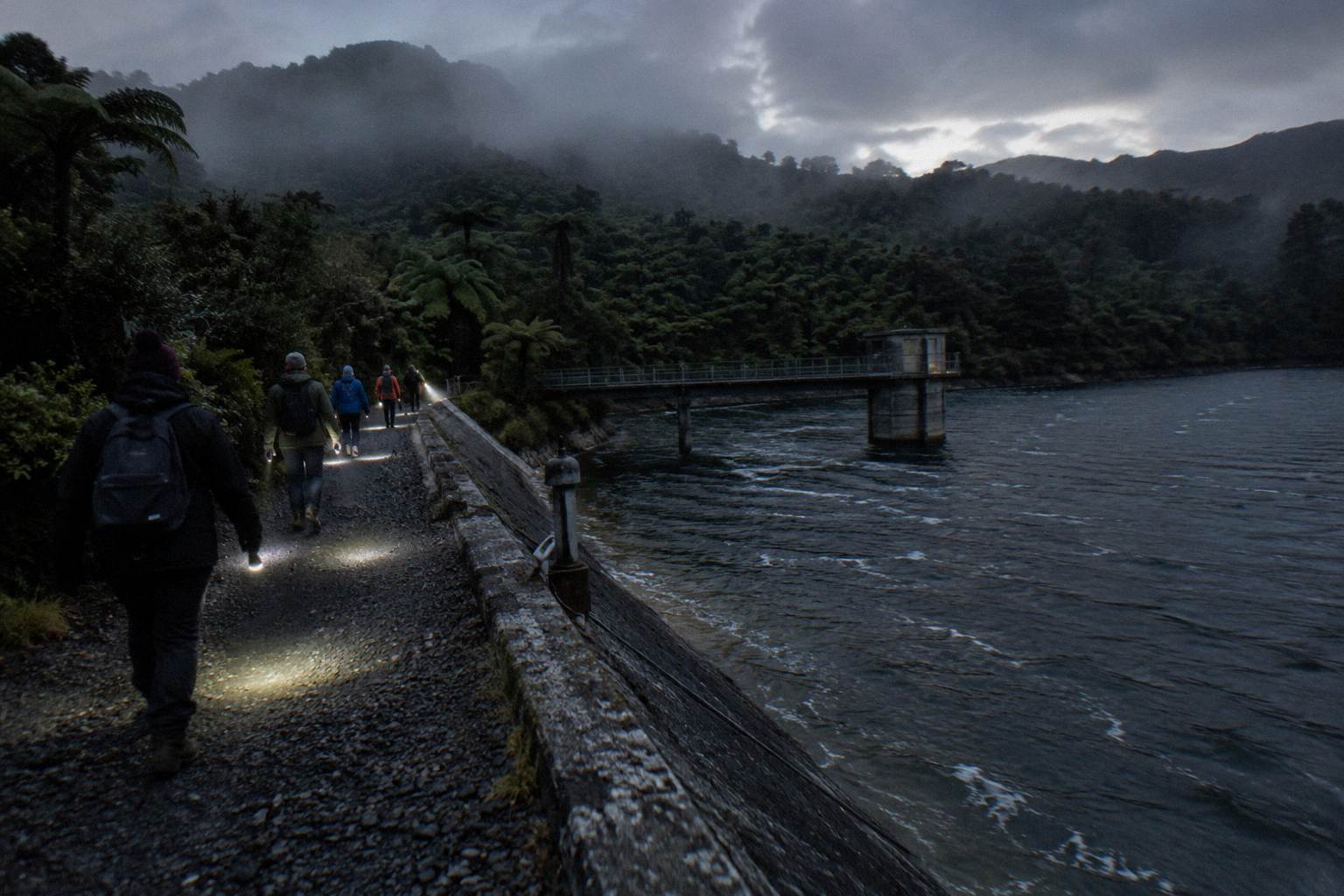
The night tour, from NZ$120 per person, rated 4.8 from 164 reviews, runs about 2.5 hours around dusk, nightly, with a minimum age of 12 and torches supplied. Its light is entirely artificial and mobile: what you photograph is lit by the guides' torches and your own, which changes everything about how a camera behaves. We break down what that means for animals in the night section below, and the broader case for the walk is covered in our Zealandia night tour guide.
| Tour | Light you get | Length | Minimum age | From price | Rating |
|---|---|---|---|---|---|
| Zealandia By Day | Full daylight | About 2 hours | None, under 5s free | NZ$70 per person | 4.8 from 252 reviews |
| Zealandia Twilight Tour | Daylight into dark | About 2.5 hours | 5 | NZ$110 per person | 4.8 from 84 reviews |
| Zealandia By Night | Torchlit valley | About 2.5 hours | 12 | NZ$120 per person | 4.8 from 164 reviews |
One constraint worth flagging for anyone shooting the after-dark walks: visitors may not stay behind in the sanctuary after closing to wait, and after-hours entry is up the driveway to the right of the visitor centre building. You arrive 15 minutes early, you walk with the group, and you leave with the group. There is no lingering for a last frame, which is exactly why the transition light of the twilight tour is so valuable: it packs the interesting hours into the walk itself. If you are weighing the timing against other Wellington plans, our piece on opening hours and the best time of day for a tour works through the whole day.
What Gear Is Practical On Uneven Ground?
The answer is that the official pages carry no gear rules at all beyond footwear and clothing advice, so the only real constraints are physical: slopes, gravel, uneven ground, a moving group of up to 12, and hands that also need to hold a torch at night. Whatever you carry, you will be walking it, and the sanctuary's own advice for the day tour is sturdy shoes, warm clothes and a waterproof layer.
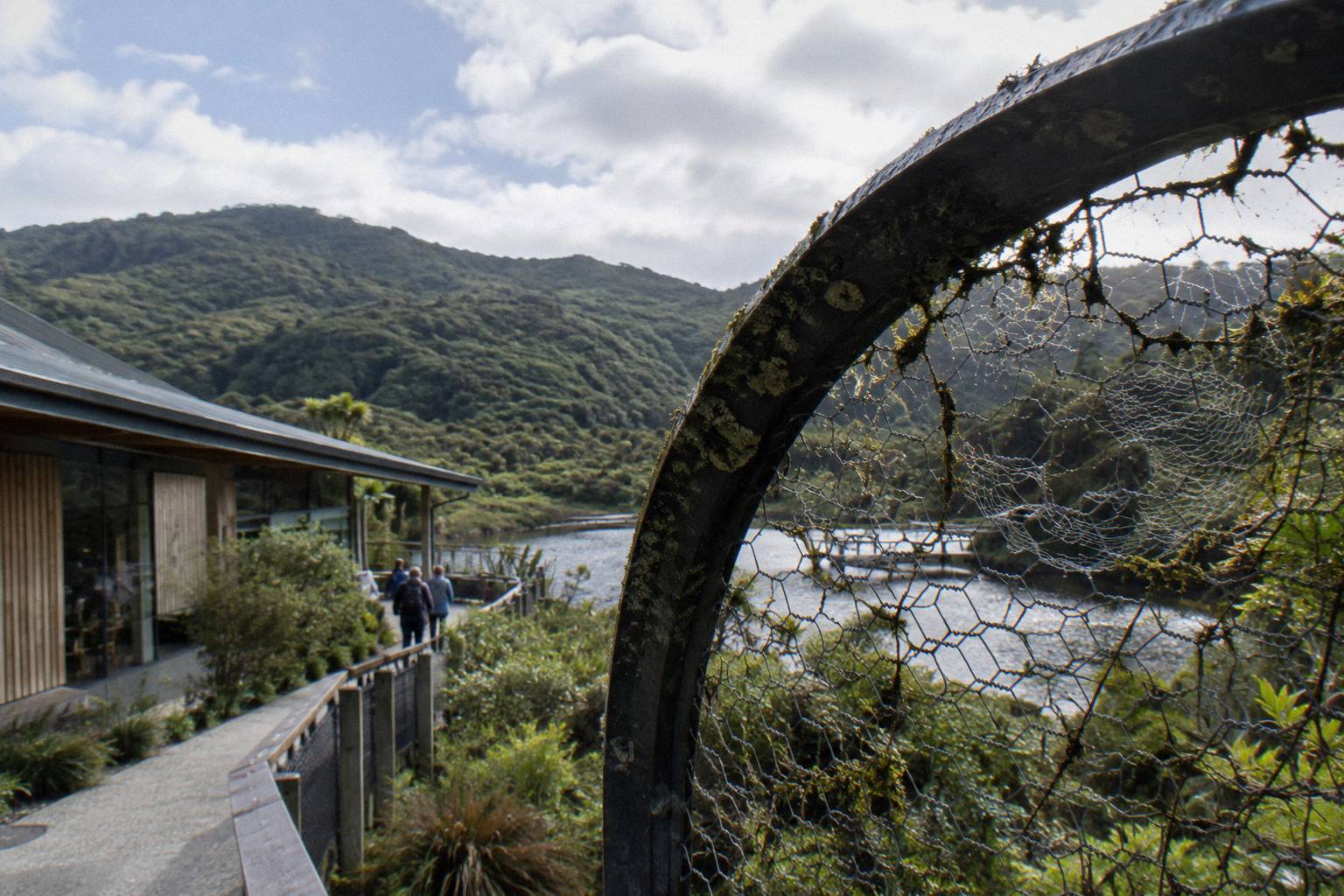
Because the tour is a walk rather than a stand-around, anything heavy becomes a decision about attention. A body and one lens you can work one-handed while steadying yourself on gravel beats a full kit that keeps you fiddling at the back of the group. The tour runs in almost all weather, so a waterproof layer for the camera matters as much as one for you, and the listing's advice about warm clothing applies doubled to anyone standing still to shoot while the group waits.
The night tour adds torches, supplied per the booking page, to the mix. Hands that hold a torch are hands that are not holding a camera steady, which is why the night section below treats gear as a question of technique and questions for the guide rather than a shopping list. The sanctuary's pages do not state flash rules, wildlife-distance rules or any lens guidance, and the article will not invent them: the right source for those answers is the guide on your walk, who can tell you what is appropriate for the species in front of you.
| Consideration | Day tour | Twilight tour | Night tour |
|---|---|---|---|
| Light source | Daylight only | Falling daylight, then dark | Torches only |
| Hands needed for | Camera only | Camera, then torch | Camera and torch |
| Ground underfoot | Slopes, gravel, uneven | Same, ending in dark | Same, in the dark |
| Weather advice | Sturdy shoes, warm layer, waterproof | Warm layers for falling temperatures | Warm layers, torches supplied |
| Group size | Up to 12 | Up to 12 | Up to 12 |
There is no hotel pickup or drop-off on any of the four tours, and no food or drink is included on the day tour, so plan your load accordingly: what you carry in, you carry for the full walk. Our fuller rundown of clothing and kit is in what to wear and bring on a Zealandia tour, which covers the sanctuary's own recommendations in detail. For reaching the meeting point, the free electric shuttle from outside the Takina Convention Centre and from the top of the Cable Car holds 11 people with space not guaranteed, and day tour ticket holders get priority seating by arriving 10 minutes early.
What About Photographing Animals At Night?
The night tour's animals are seen by torchlight: tuatara, takahe, pateke, wetapunga, Hamilton's frog, ruru, glowworms and kaka are all on the guides' list of things they look for, as chances. Little spotted kiwi are seen on most tours, but the official wording is explicit that sightings are not guaranteed. Photographing them means working with moving torchlight, at distance, on a guided group walk.
That official phrase deserves emphasis because it is the sanctuary being plain. A listing that says kiwi are seen on most tours, sightings are not guaranteed, is telling you the odds are good and the outcome is out of everyone's hands. The same humility applies to glowworms: guides point them out in the banks, they are never promised, and Hamilton's frog is described on the official reptiles page as sometimes seen on the night and twilight tours. Everything on the night walk is a chance, and every photograph of it is a bonus rather than an expectation.
Technically, torchlit photography is its own discipline, and the sanctuary's published material says nothing about how to do it, so the article will not either. No flash rules are stated anywhere official. The guide leading your walk is the authority on the spot, both on what is appropriate for the animal in front of you and on where to stand; ask before the walk starts rather than mid-encounter, because night pauses are short and quiet by design. The walk ends with a warm kawakawa, lemongrass and ginger tea at the visitor centre, which is a pleasant coda for a memory card either way.
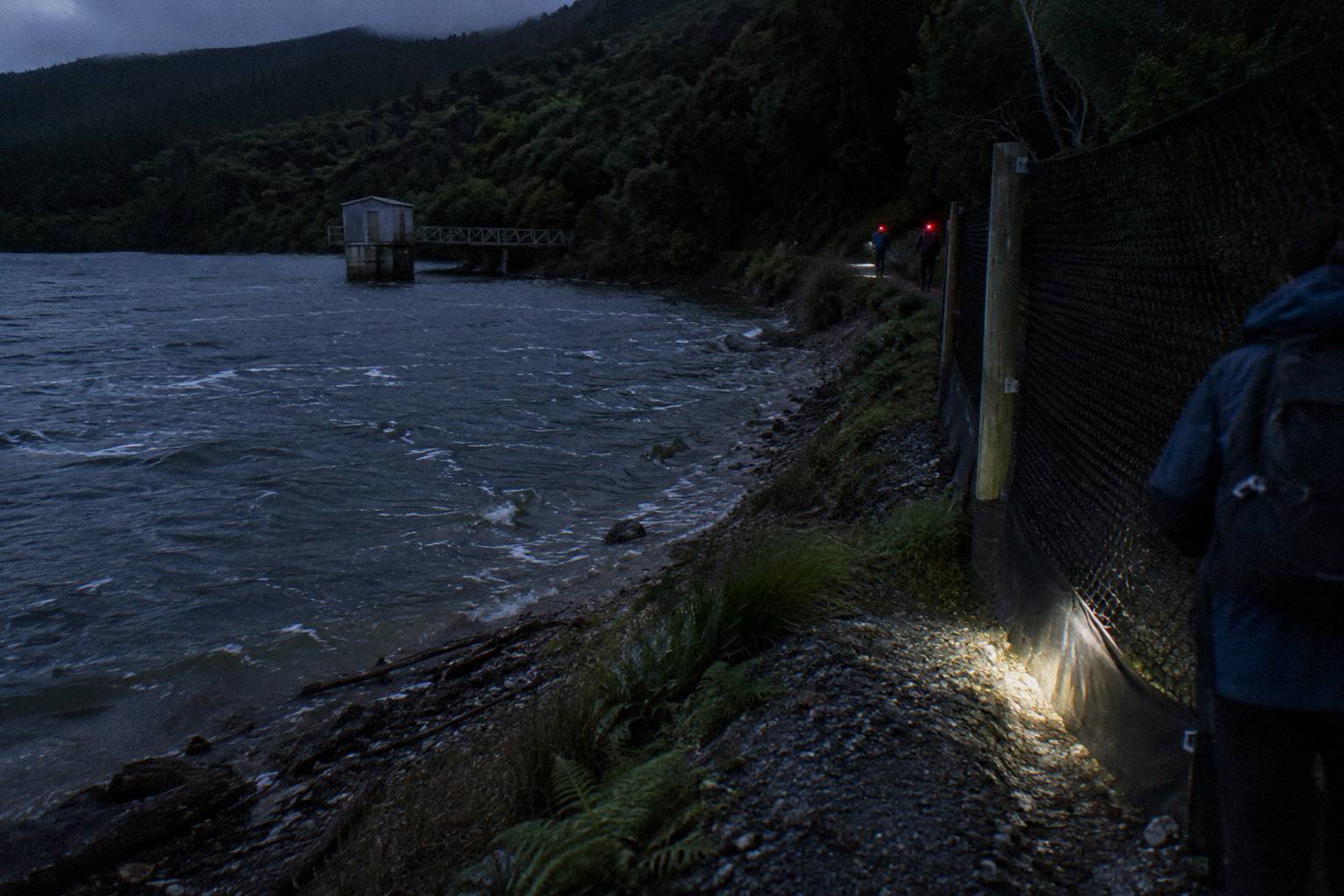
One group who should redirect rather than adapt: families with children under 12, whom the sanctuary points to the twilight tours and the Kids' Night Walks instead of the night tour. And note that service dogs are never admitted at night, which shapes accessibility for the after-dark walks in a way the daytime does not; the operator's own accessibility conditions are the source for specifics, so ask when booking. For where a kiwi sighting fits into a Wellington trip more broadly, our article on where to see a kiwi in Wellington sets out the realistic options.
Is There A Dedicated Photography Tour?
Yes, the sanctuary's own schedule lists Photography tours on select weekends from October to April, alongside Dawn walks on select weekends from April to September and Kids' Night Walks from April to September. They are not among the four tours covered here, carry no price or booking details here, and the sanctuary's own pages are the place to check dates.
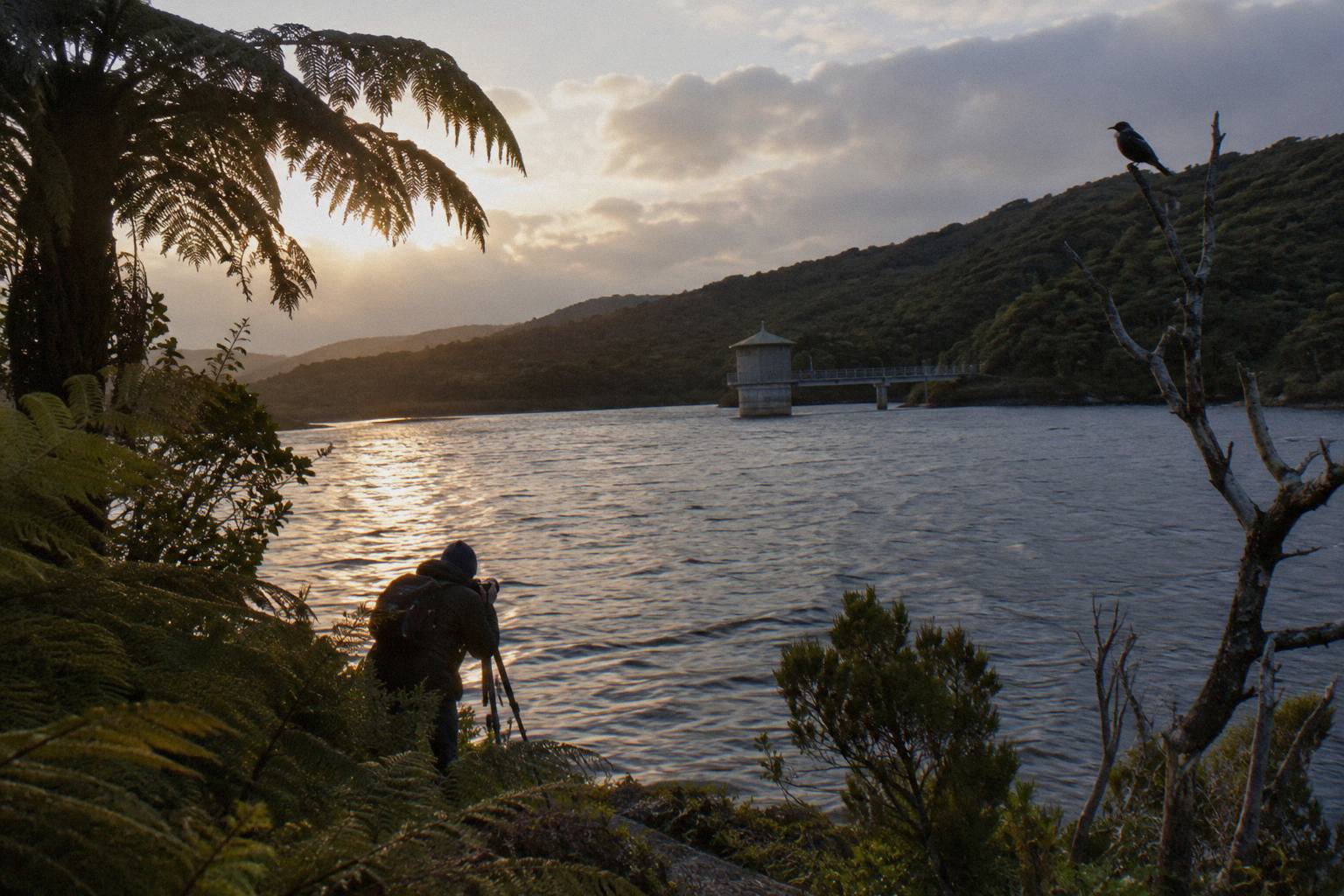
For most visitors the practical answer is the day tour, because photography is allowed on it, it runs daily with departures from 10am, and its ticket includes a second day of General Admission for self-directed work. That second day is quietly the best photography tool in the lineup: guided scouting on day one, then a free return on day two to revisit the spots where the group stopped, at whatever hour suits the light and the opening hours. The sanctuary is open 9am to 5pm with last entry at 4pm, so that return visit runs on the sanctuary's clock rather than a tour's.
There is also a plants-led option worth knowing about: the Forest Secrets Plant Walk, from NZ$70 per person, about 2 hours at 10:30am on Sunday mornings per the sanctuary's page, up to 12 people, no minimum age. It is a new listing with no rating yet, which is worth stating plainly rather than dressing up: nobody has reviewed it, so there is no experience signal either way. Its focus is how forest plants compete and adapt rather than wildlife, which for a photographer means texture, structure and detail in full daylight instead of birds.
Beyond the fence itself, the setting rewards patience in ways a first-time visitor might not expect. The valley was a Wellington water supply, with an earth dam built 1876 to 1878 and a concrete dam completed in 1908, and those structures sit in the landscape as subjects of their own. More than 32 km of tracks cross the 225 hectares, and the 8.6 km predator-exclusion fence, finished in 1999, is itself one of the most photographed man-made lines in New Zealand conservation.
How To Be Considerate Around Wildlife And Other Guests
The group contract is the real rulebook: up to 12 people, one guide, everyone moving together, and animals that are chances rather than fixtures. The sanctuary prints no wildlife-distance or behaviour rules for photographers, so consideration is a matter of the guide's instructions on the day and simple respect for eleven other people who paid for the same walk.
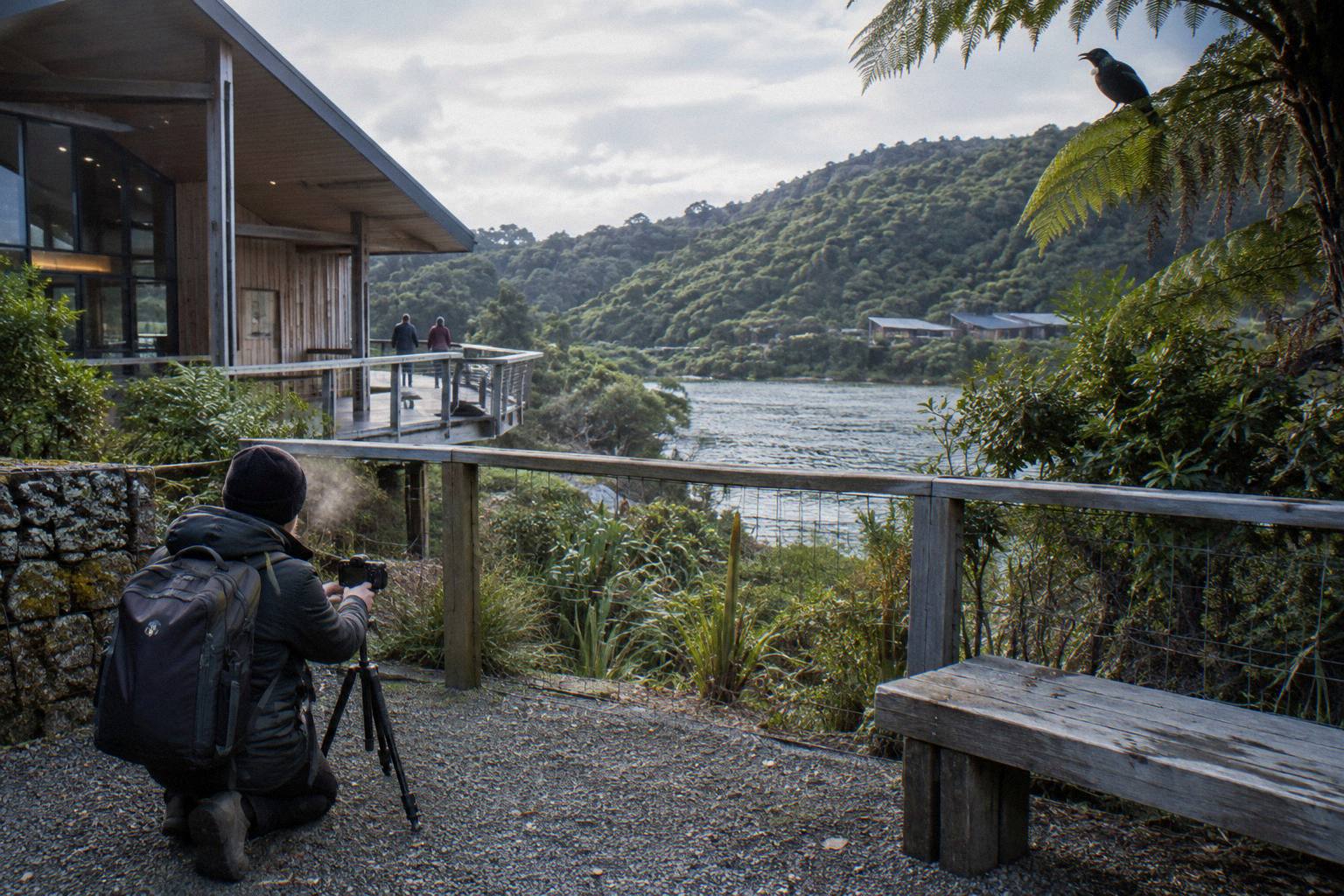
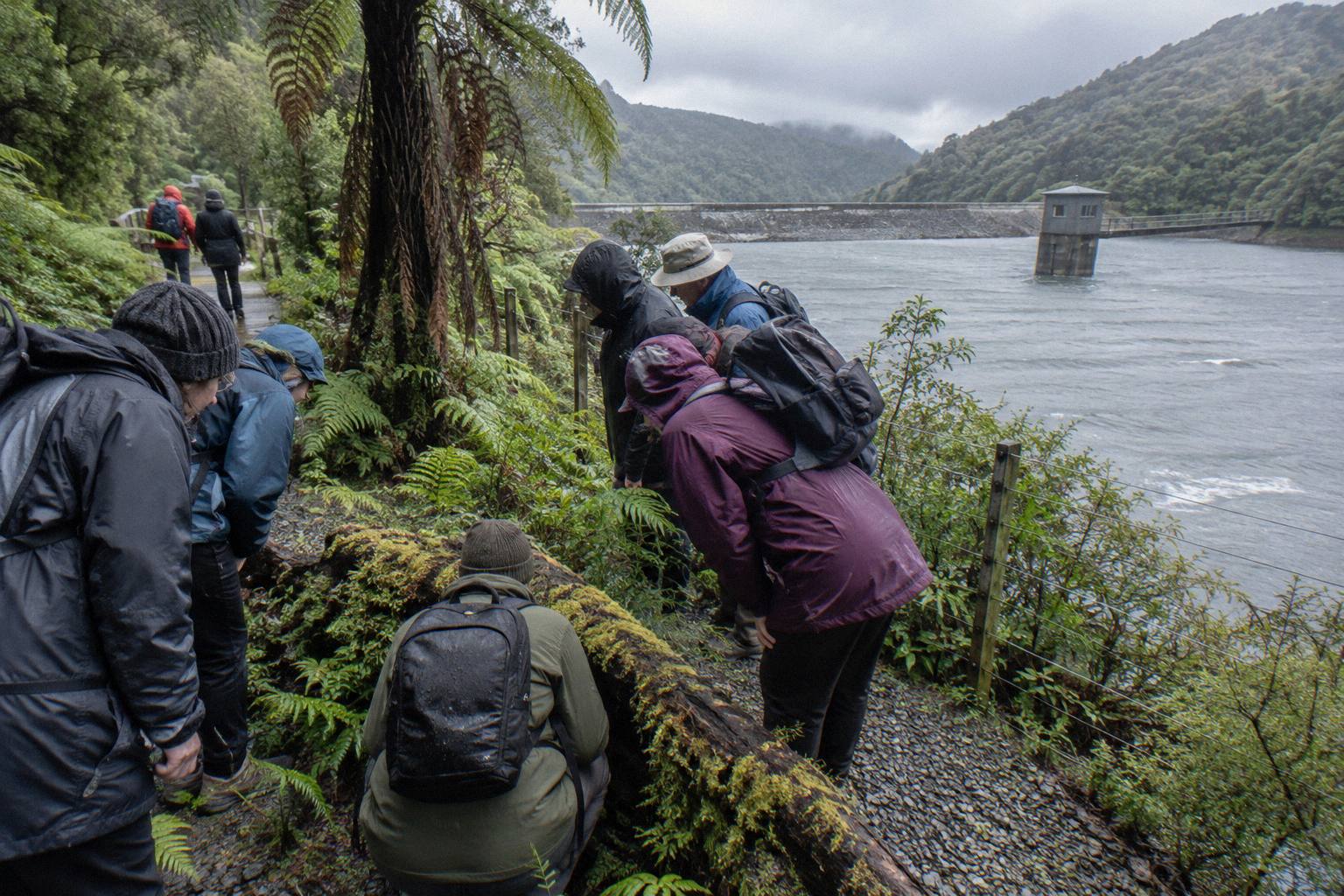
The mechanics of the walks make this concrete. Stops happen when the guide decides they happen, and a bird that holds still for two minutes will not wait for a fourth person to reposition. Night walks add a second dimension: torches are the group's shared tool for finding animals, and a torch aimed carelessly can end an encounter for everyone. Ask the guide how they want the group to behave around each species, and follow that rather than instinct, because the guides are the people who watch these animals daily.
The biosecurity gates deserve a second mention here because they are a consideration issue as much as a practical one. Everyone checks their own bags and pockets for seeds, mice and lizards before the double gates, and that includes camera bags, which accumulate crumbs and grit in every pocket. Opening everything willingly at the gate is part of what keeps the valley photographable. Service and guide dogs only are admitted, with advance notice, and never at night, so the daylight walks are the accessible option in that respect.
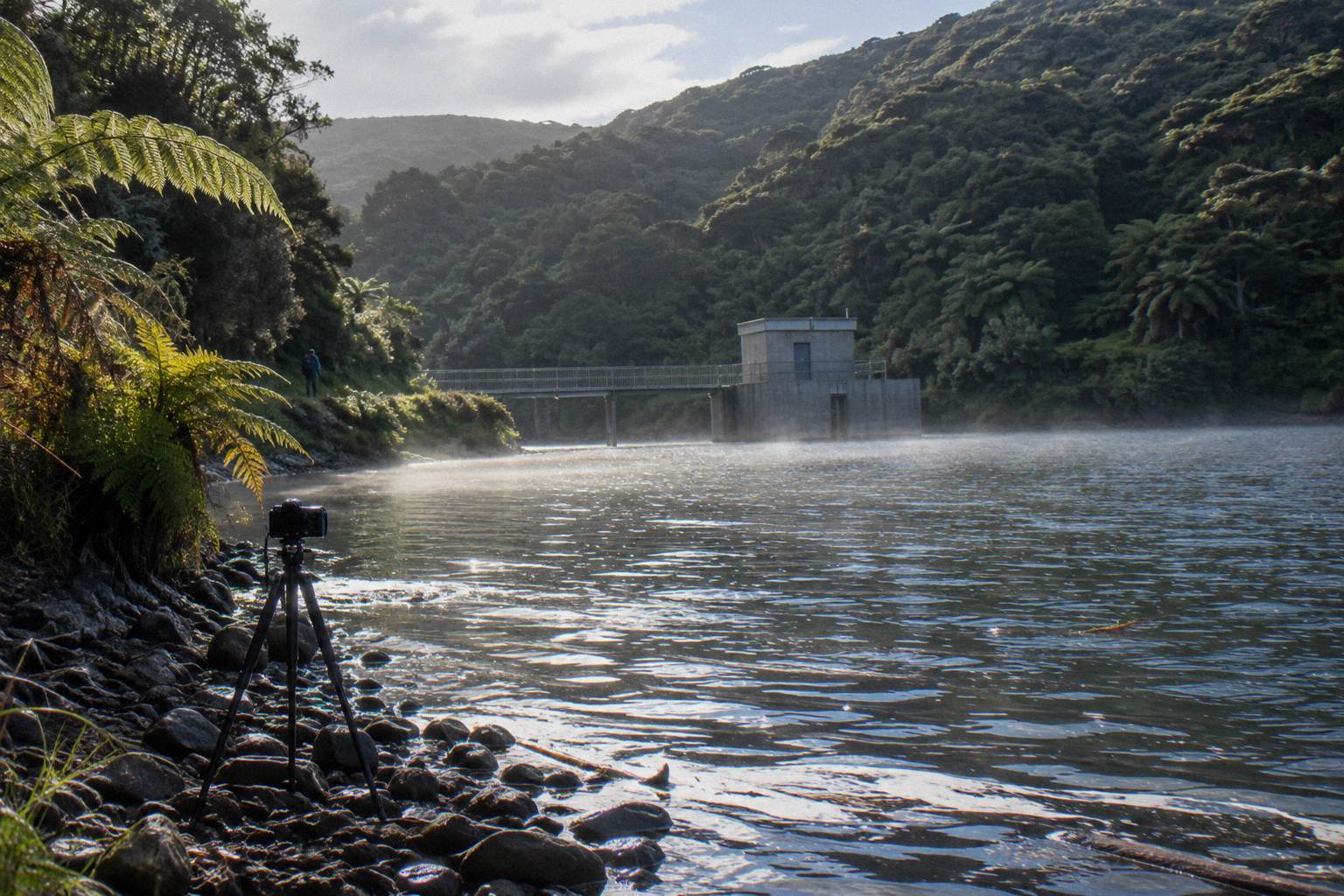
Accessibility shapes other people's experience too, and the sanctuary's own page is the reliable source: much of the lower valley is wheelchair and pram friendly, there is a lift in the visitor centre, free mobility scooters are available if you ask ahead, a companion enters free, and the shuttle has no chairlift. The operator's own conditions govern what suits any individual, so ask when booking rather than assuming, and never state that a tour suits or does not suit a given disability on someone else's behalf.
Common Mistakes With Cameras
The recurring mistakes are expecting a kiwi on a day tour, treating a night walk like a daylight one, overloading on gear the tracks do not forgive, skipping the second day the ticket includes, and asking strangers on the internet for rules that only the guide on the walk can actually set. Each of these costs photographs, and each is avoidable with a small change of plan.
The kiwi mistake is the most common and the most understandable. People book the day tour hoping for nocturnal species, and the official General Admission page is blunt that kiwi, ruru, weta and frogs are very unlikely by day. The day tour's photographic strengths are takahe in daylight, tuatara basking, kaka overhead and the forest itself, and it delivers those chances well. The night tour is the kiwi walk, with the explicit no-guarantee wording attached.
| Mistake | What goes wrong | The fix |
|---|---|---|
| Expecting kiwi by day | Official pages call them very unlikely by day | Book the night tour for kiwi chances, day tour for daylight species |
| Treating night like day | Torchlight behaves nothing like daylight | Ask the guide what works before the walk starts |
| Carrying a full kit | Slopes, gravel and uneven ground punish weight | One body, one lens, waterproof layer for camera and self |
| Forgetting the ticket perk | One visit when two are included | Return on day two with the General Admission pass |
| Ignoring the weather advice | The tour runs in almost all weather | Sturdy shoes, warm clothes, waterproof layer, every time |
The second-day mistake deserves its own line because almost nobody exploits it. A tour ticket includes General Admission valid for the tour day and the following day, and pre-school children enter free on admission, so a family can tour with a guide on Saturday and return Sunday morning to rework the frames. The self-guided option is described on the official tickets and tours page, which is also where the Photography tours on select weekends from October to April are listed for anyone wanting a dedicated session.
The last mistake is subtle: substituting research for the guide. Nothing published by the sanctuary states flash rules, wildlife distances or lens advice, so every confident claim of that kind you read elsewhere is someone's invention. The guide on your walk watches these animals daily and sets the terms in the moment. For more on what the valley holds, the official sanctuary history page covers the fence and the 500-year restoration vision, and the practical question of getting to the valley covers the shuttle, buses and parking. Whether a guided walk is worth it at all is weighed in the guided-tour value post, and choosing light well is only part of the decision.
Photography at Zealandia, in the end, is less about equipment than about matching your expectations to the walk you actually book. Daylight for takahe and forest, dusk for the transition, torchlight for the kiwi chance, and a second day free to consolidate whatever the first one gave you. Zealandia Day Tour covers the featured day walk in full, with its departures, inclusions and the two-day ticket spelled out.
Common Questions About Photography On A Zealandia Guided Tour
Is Photography Allowed On The Walks?
Yes. Photography is allowed on the Zealandia By Day tour, and no official page states any camera restriction, permit or fee for the walks covered here. The shape of your photography is set by the guided group format of up to 12 people rather than by rules.
Can You Photograph A Kiwi At Zealandia?
Only on the night tour, and only as a chance. Little spotted kiwi are seen on most night tours but sightings are not guaranteed, in the sanctuary's own words, and the official General Admission page states that kiwi and other nocturnal wildlife are very unlikely by day.
Which Tour Has The Best Light For Photography?
It depends what you want. The day tour gives full daylight for species like takahe and tuatara, the twilight tour gives the transition from daylight into dark including the dusk chorus, and the night tour works entirely by torchlight. The twilight tour runs October to March.
Is There A Dedicated Photography Tour?
Yes. The sanctuary's own schedule lists Photography tours on select weekends from October to April. They are not among the four tours covered here, so check the official page for dates and details.
What Gear Should I Bring On The Walk?
The official advice covers the walker, not the camera: sturdy shoes, warm clothes and a waterproof layer, because the tour runs in almost all weather over slopes, gravel and uneven ground. No lens, flash or distance rules are published; ask the guide on your walk.
Does The Tour Ticket Let Me Come Back To Photograph On My Own?
Yes. Every tour ticket includes a General Admission pass valid for the tour day and the following day, so you can scout with a guide and return the next day within opening hours to work your frames independently.