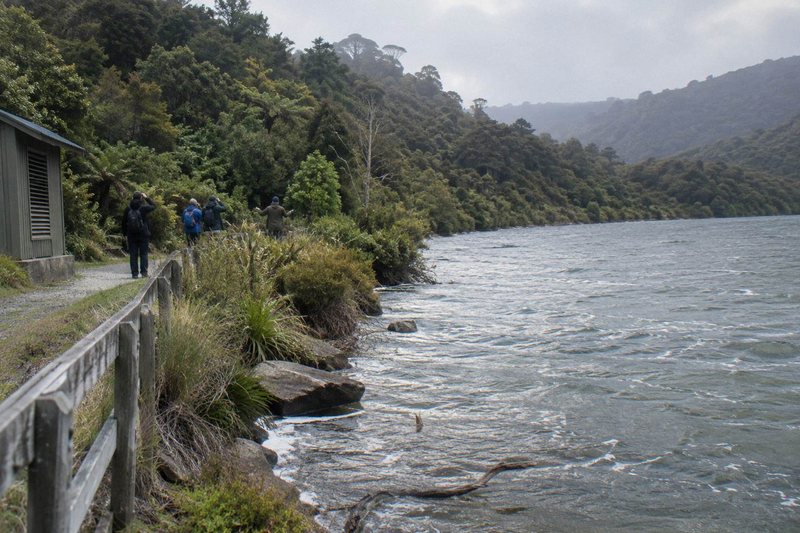
Zealandia Opening Hours And The Best Time Of Day For A Tour
Zealandia opens 9am to 5pm every day except Christmas Day, with last entry at 4pm. Guided day walks run daily from 10am, the twilight tour runs from daylight into dark between October and March, and the night tour starts around dusk with the exact time confirmed at booking.
Short answer
The sanctuary is open 9am to 5pm daily except Christmas Day, last entry 4pm. Day tours run daily with departures from 10am and more in summer. The night tour starts around dusk, confirmed at booking, and the twilight tour runs October to March. Arrive 15 minutes early for any tour.
Zealandia keeps simple hours, and the tours inside them keep even simpler ones. The sanctuary at 53 Waiapu Road, Karori opens at 9am and closes at 5pm, with the last admission at 4pm, every day of the year except Christmas Day. The guided walks layer on top of that frame: a roughly two-hour day tour departing from 10am, a twilight walk that begins in daylight and ends in the dark between October and March, and a night tour whose start time floats with the season because it begins around dusk. The article sets out the verified hours and start facts, then works through how the pieces fit a Wellington day. Check the official site for current hours before you travel.
One thing worth knowing up front: every tour ticket includes a General Admission ticket valid for the tour day and the following day, so a timed walk is also a two-day entry pass to more than 32 km of tracks across 225 hectares. The timing decision is therefore not only about the two hours of the walk itself. It decides when you first step through the biosecurity gates, how the rest of your Wellington day folds around the visit, and whether you have a spare morning the next day to walk the valley at your own pace.
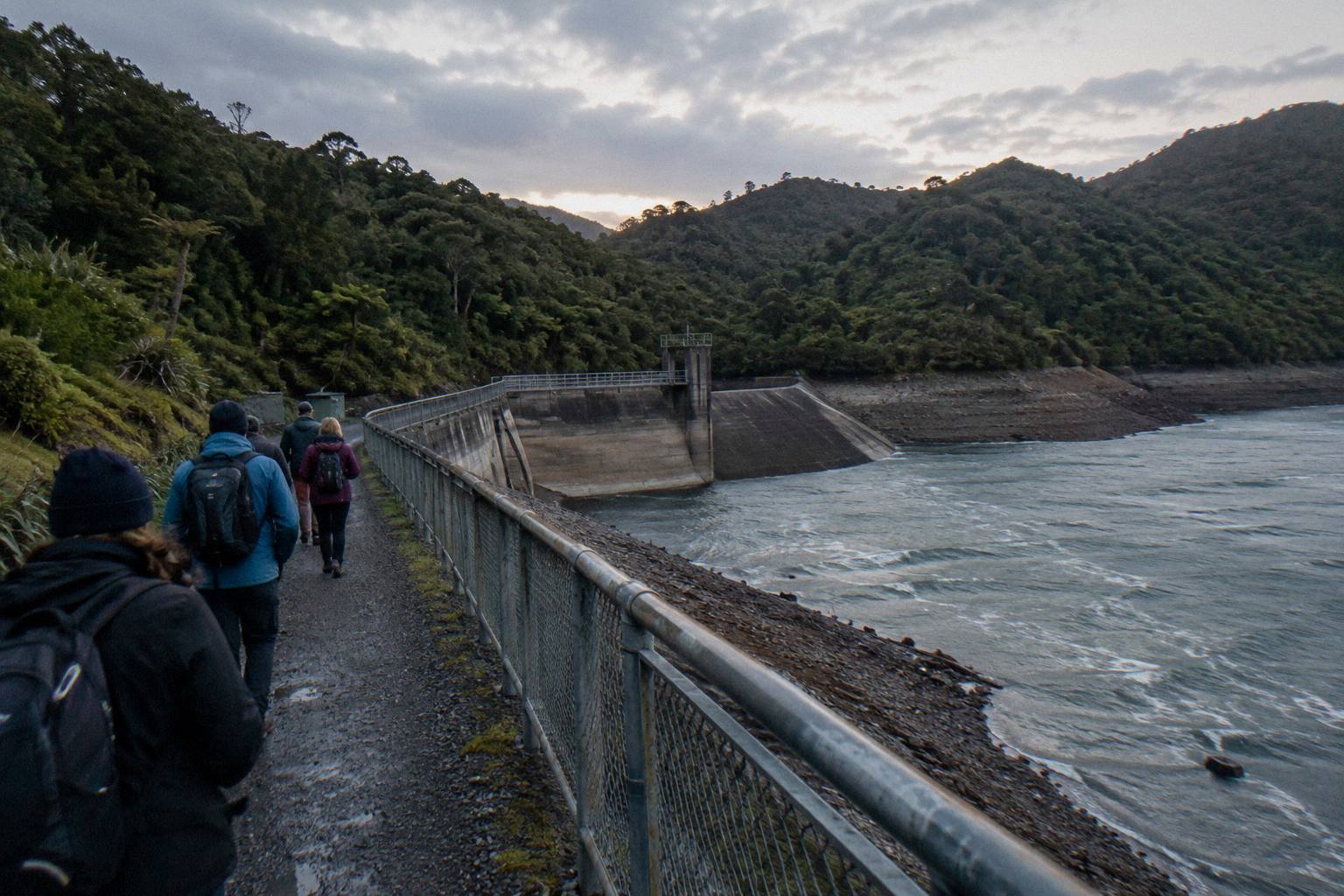
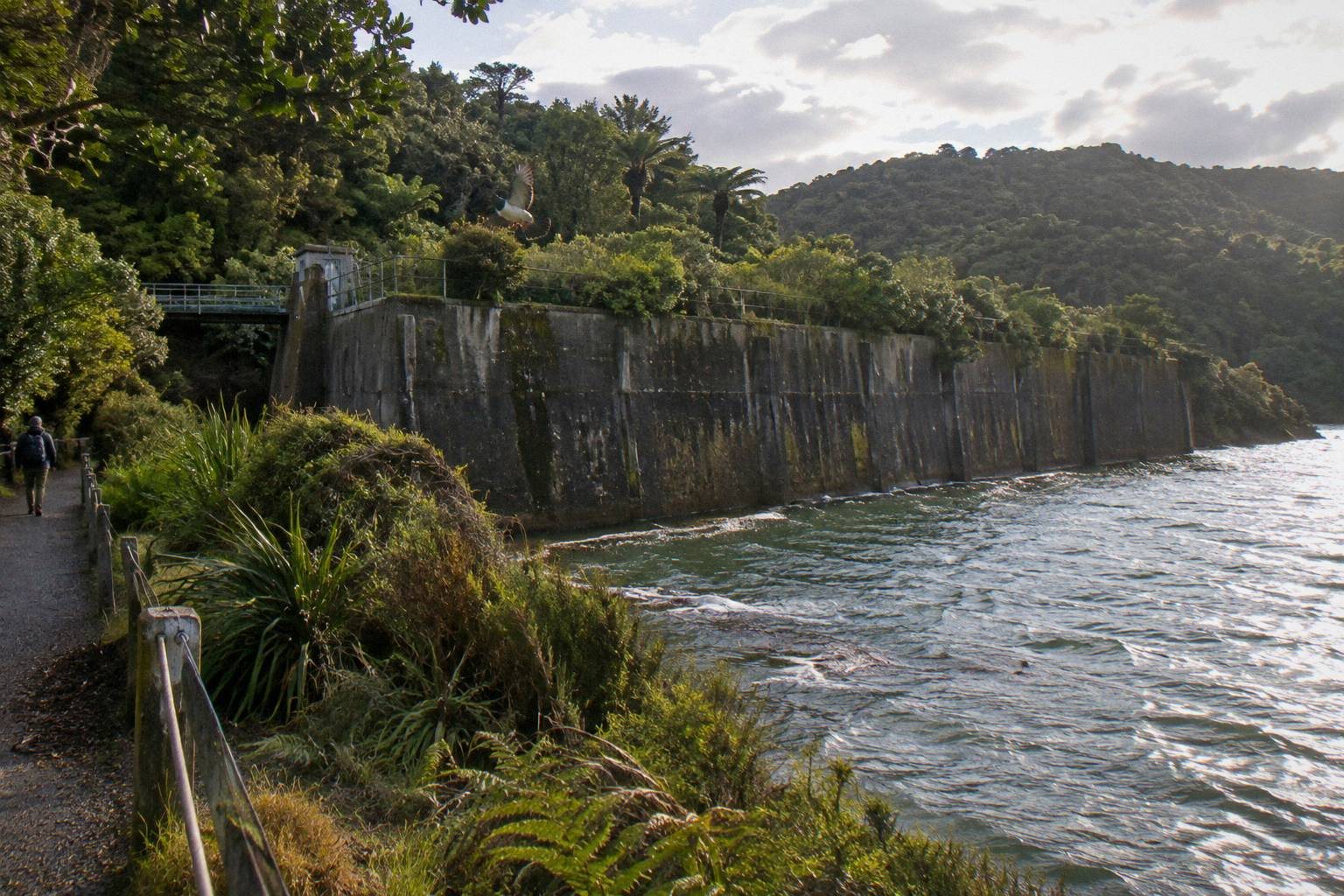
The valley you are timing a visit to has a story that explains its rhythm. It was a Wellington water supply for over a century, with an earth dam built between 1876 and 1878 and a concrete gravity dam completed in 1908, before the upper dam was taken out of service in 1991. The Karori Sanctuary Trust launched in 1995 on a 1992 proposal by Jim and Eve Lynch, the 8.6 km predator-exclusion fence was finished in 1999, and the result was the world's first fully fenced urban ecosanctuary. Hours and tour times are the practical surface of a 500-year restoration vision, which is why the trust behind it runs on more than 500 volunteers.
When Is The Sanctuary Open?
Zealandia is open daily except Christmas Day, from 9am to 5pm, with last entry at 4pm. Tours begin inside the visitor centre, and the operator asks every guest to arrive 15 minutes before the stated start. Self-guided General Admission is separate from the tours and is valid across two consecutive days, with no need to pre-purchase.
Those hours frame everything else on this page. A visitor arriving at 9am when the gates open has the full day ahead; a visitor arriving at 3pm has an hour of walking time and needs to be through the entry by 4pm regardless. The two consecutive days of admission mean a late afternoon arrival does not waste the ticket, since the following day is included, whether that ticket came from a tour or from the General Admission desk on Level 1.
The single annual closure is Christmas Day. Every other date on the calendar, including public holidays and the winter months, keeps the 9am to 5pm frame, though the mix of tours running inside it shifts with the season, which later sections cover. Last entry sitting a full hour before closing is not an arbitrary rule: it exists so the last arrivals still have meaningful time on the tracks before the gates shut, and it matters most for self-guided visitors, since tour guests have a fixed start and a guide tracking the clock for them.
| What | Hours or rule |
|---|---|
| Sanctuary opening | 9am to 5pm, daily except Christmas Day |
| Last entry | 4pm |
| Tour check-in | Inside the visitor centre, 15 minutes before the start |
| Day tour departures | Daily, from 10am, with more departures in summer |
| Twilight tour | October to March, on the sanctuary's schedule |
| Night tour | Nightly, starting around dusk, time confirmed at booking |
| Forest Secrets Plant Walk | 10:30am on Sunday mornings, about 2 hours |
The official plan-your-visit pages carry the current hours and after-hours arrangements, and the sanctuary's own visitor information page is the source for any seasonal variation. One structural detail matters if you are planning a late visit: after the sanctuary closes, entry for evening tours is up the driveway to the right of the visitor centre building, and visitors may not stay behind inside the sanctuary or visitor centre to wait for a night tour to start.
The entry routine also takes a few minutes the first time. Everyone checks their own bags and pockets for seeds, mice and lizards at the biosecurity double gates before entering, a small ritual that protects the predator-free status the fence created when the last possums and hedgehogs were removed by the end of 1999 and the final rabbit followed in 2000. Building that into a tight morning plan is worth doing, and the 15-minute early arrival for tours absorbs it.
What Time Do The Guided Walks Start?
The day tour departs daily from 10am, with additional departures in summer, and each walk lasts about two hours with a group capped at 12. The night tour departs nightly around dusk, with the exact clock time confirmed only at booking. The twilight tour runs October to March, and the Forest Secrets Plant Walk starts at 10:30am on Sunday mornings.
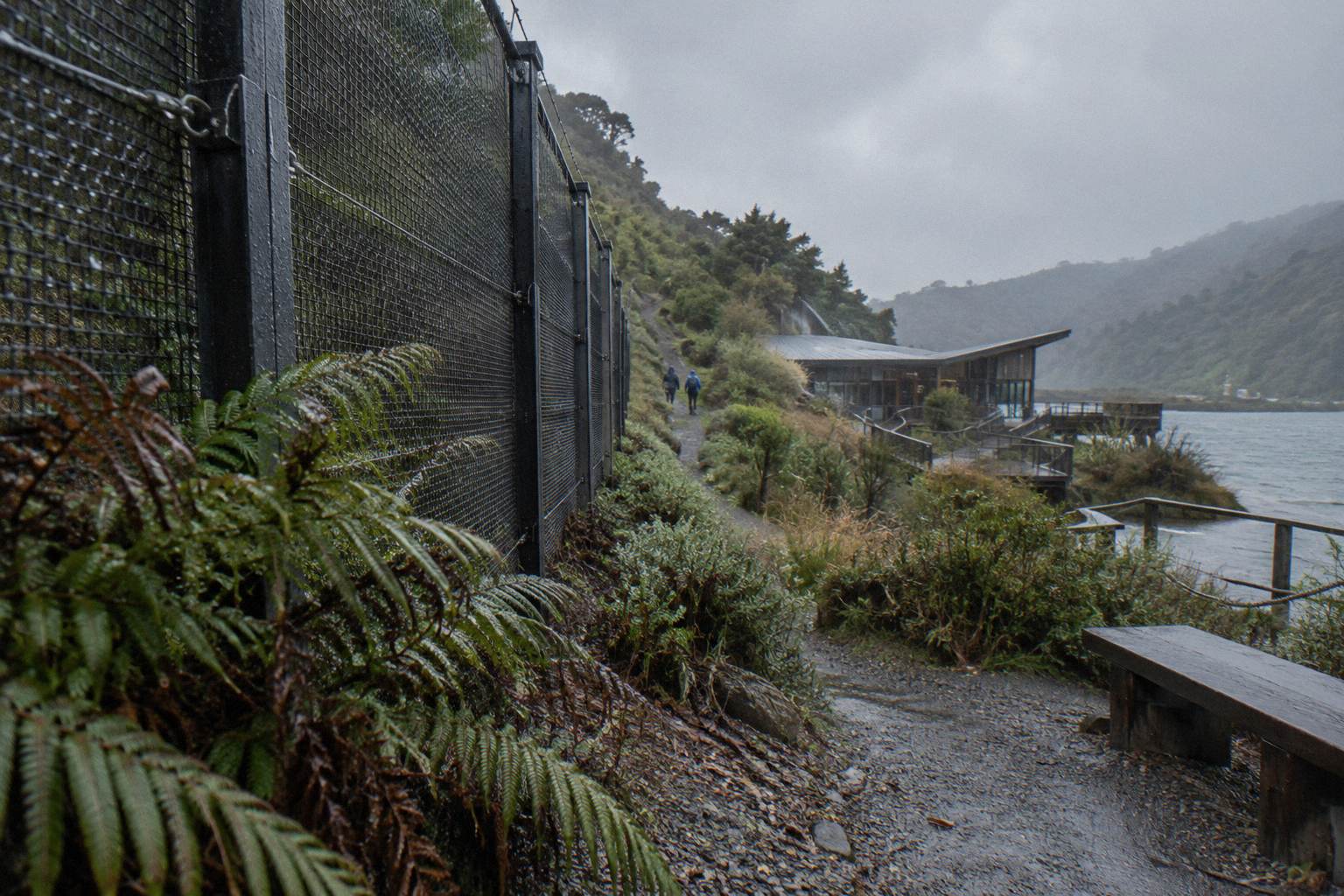
Start times at Zealandia divide into two kinds: fixed clock times for the daytime walks, and seasonal, light-dependent starts for the evening ones. The day tour's published departures begin at 10am and the sanctuary adds more slots across the summer months, which widens the window for fitting a walk between other Wellington plans. Each tour begins with a short introductory video inside the visitor centre before the group heads onto the valley tracks.
The night tour is different by design. It starts around dusk because the animals it looks for, little spotted kiwi above all, are nocturnal, and the start time therefore moves with the season rather than sitting at a fixed hour. The sanctuary's own wording is that kiwi "are seen on most tours, sightings are not guaranteed", and the booking page confirms the exact start time for the evening you choose. No printed timetable can substitute for that, which is why the article never states one.
The Mandarin-language day departures run on a minimum of four people, and the tour may be cancelled if that number is not reached, so language preference is worth flagging when you book rather than assuming at the gate. The tours otherwise run in English, with no audio guide or translated handout stated, so any other language need is a question for the operator at booking time.
For transport timing, a free electric shuttle runs from outside the Takina Convention Centre on Wakefield Street and from the top of the Cable Car, taking about 10 to 15 minutes to the sanctuary, with 11 seats and no guaranteed space. Ticket holders on the day tour get priority seating if they arrive 10 minutes early. Public bus stops at Northland Road and Birdwood Street are about a five-minute walk away, limited parking sits at the sanctuary with an overflow car park on Birdwood Street, and a Cable Car ride to the top of the Botanic Garden plus about a 30-minute walk also works. Our guide to reaching the sanctuary from the city covers all of these options in detail.
Is The Morning Or The Afternoon Better For A Day Walk?
There is no official evidence that any hour of the day tour outperforms another, and Zealandia publishes no claim about crowds, light or animal activity by time of day. The answer is that the choice is logistical: the departure list, your transport, and the rest of your Wellington schedule decide the slot, not a hidden best hour.
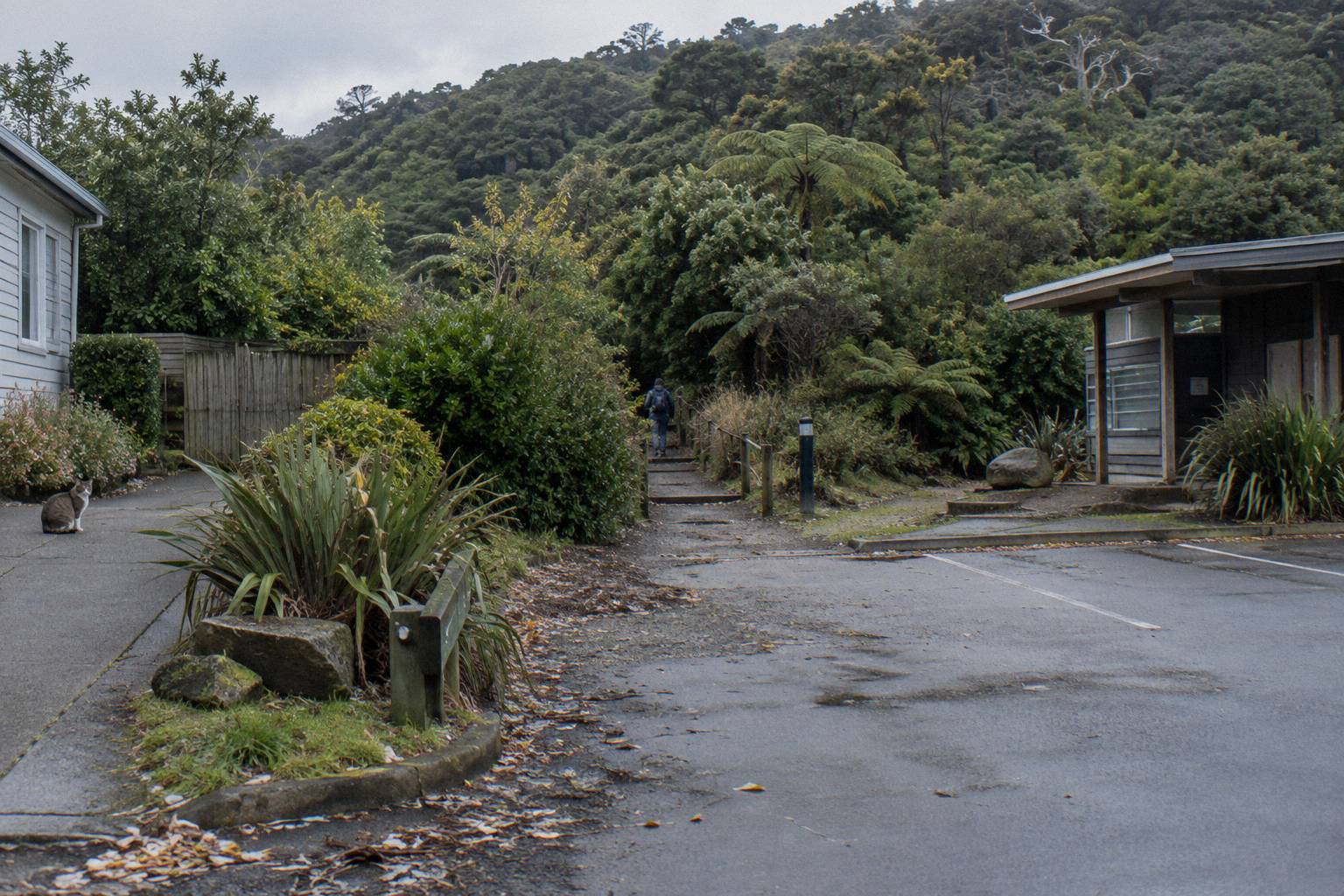
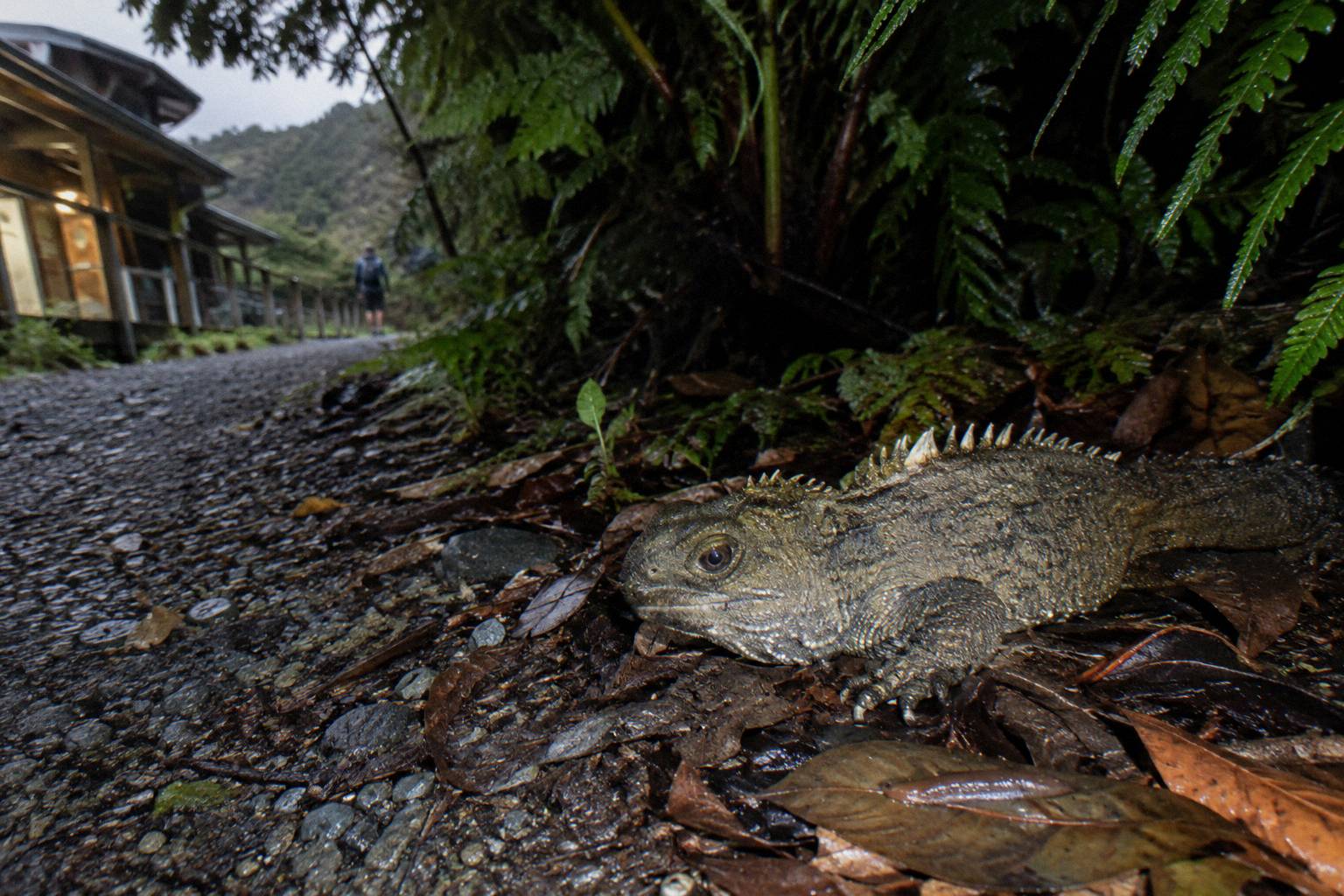
This is worth stating plainly because most tourism writing implies otherwise. The sanctuary's pages describe what the guides look for on the day walk, takahe, tuatara, hihi, kaka, tieke, toutouwai and pateke among the forest birds, always as chances rather than promises, but they do not rank the departure times by likelihood of sightings. Any article claiming the 10am departure beats the 1pm one, or the reverse, is filling silence with invention. The official General Admission page makes one timing-related point that is real: nocturnal wildlife such as kiwi, ruru, weta and frogs are very unlikely by day, which is precisely why the night tour exists.
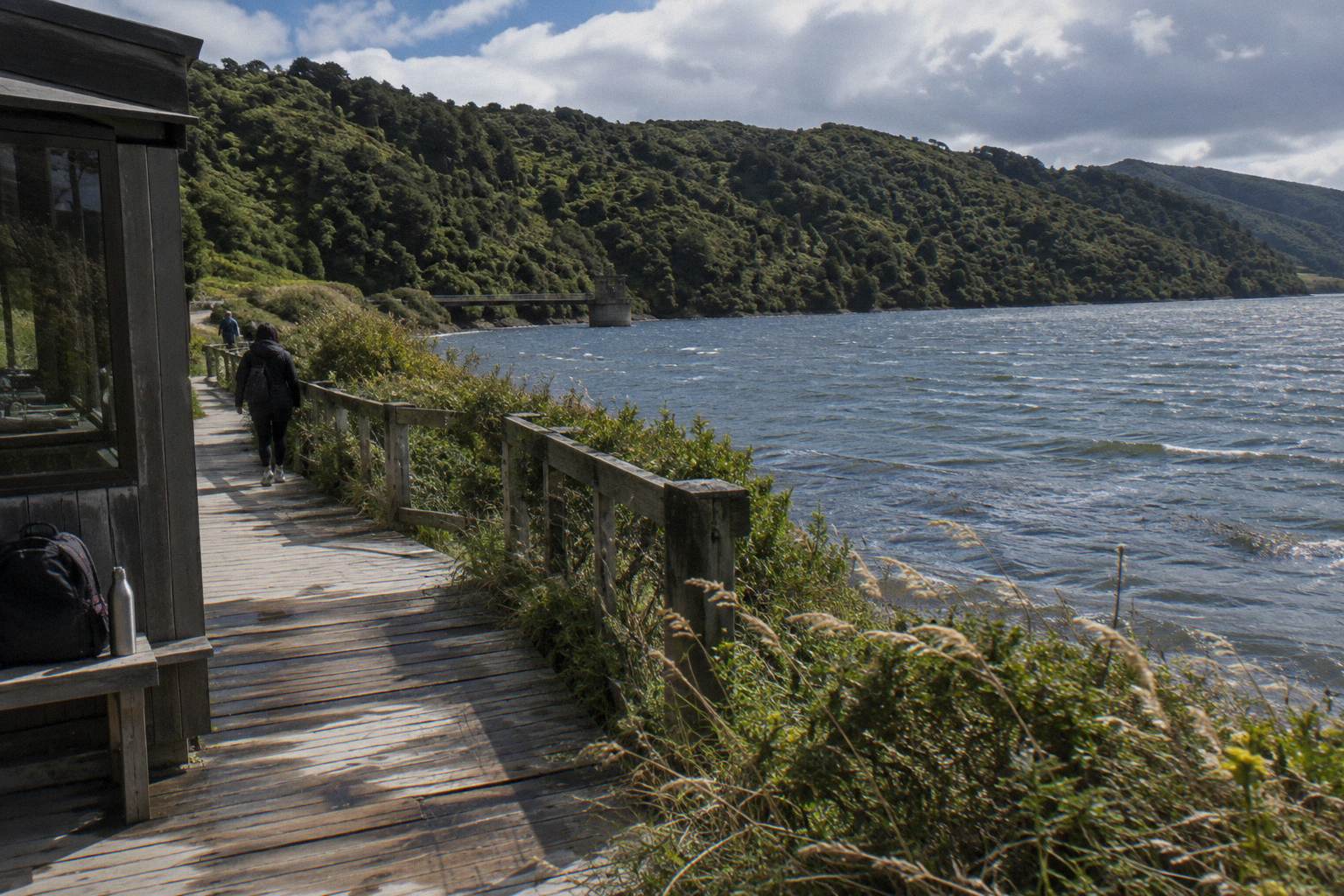
What the slot choice actually affects is practical. A morning departure leaves the afternoon free for the city, and the included next-day admission means you can return the following morning anyway. A midday or early afternoon slot suits a morning arrival into Wellington, a leisurely breakfast, or a ferry or flight that lands late morning. The day tour runs in almost all weather, so rain rarely forces a re-plan, though the operator may call it off in extreme conditions. Sturdy shoes, warm clothes and a waterproof layer are the standing advice, and pushchairs are fine on the walk.
The walk itself is described by the booking page as not strenuous but involving slopes, gravel and uneven ground, with reasonable fitness needed, so the two hours are unhurried rather than a march. Infants sit on an adult's lap, children must be with an adult, and photography is allowed throughout. None of these conditions change by departure time, which is the point: the slot decision is about your clock, not the valley's.
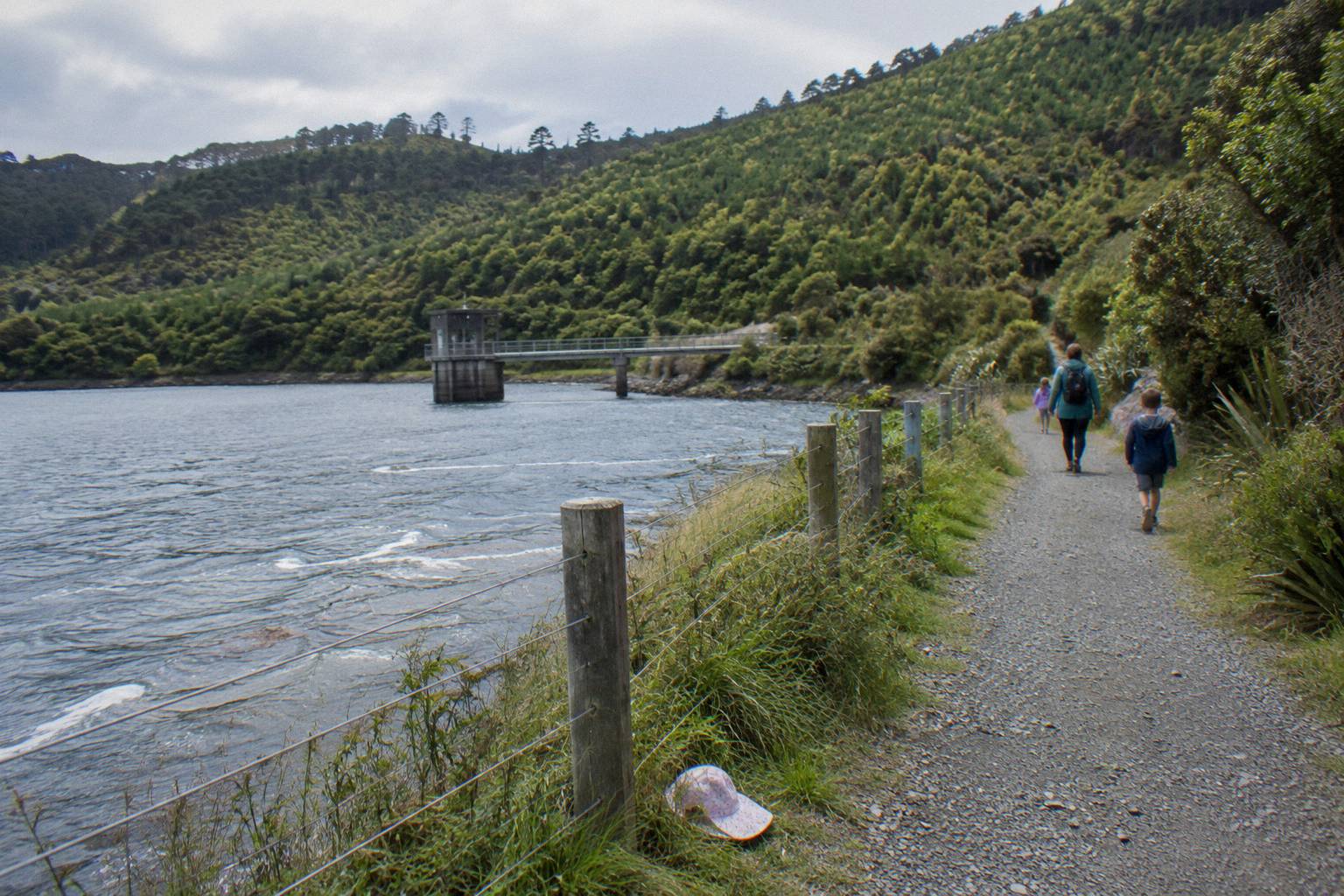
The featured Zealandia By Day tour runs about two hours, costs from NZ$70 per person, and carries a rating of 4.8 from 252 reviews, with under 5s free and no minimum age, which makes it the most schedule-flexible option in the lineup for families. Food and drinks, lunch and alcohol are not included, and no hotel pickup exists on any of the four tours, so the transport leg is yours to plan around whichever slot you choose.
If you are weighing a timed walk against walking in on General Admission instead, our comparison of guided versus self-guided visits sets out what a guide adds and what the unguided ticket covers.
When Does The Night Walk Start?
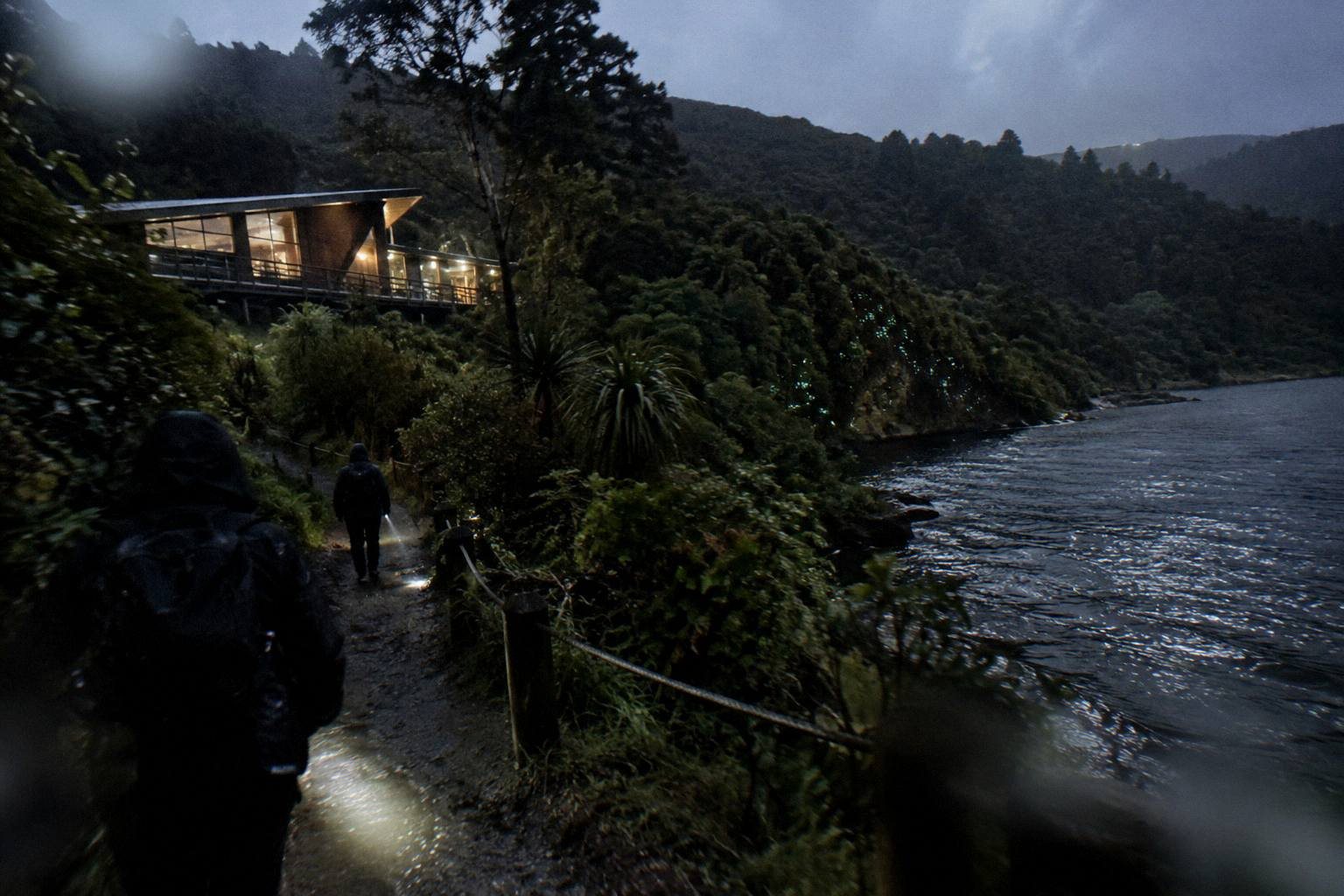
The night tour starts around dusk, nightly, and the exact time is confirmed at booking because dusk moves across the year. The walk lasts about 2.5 hours, is capped at 12 people, requires a minimum age of 12, and ends with a warm kawakawa, lemongrass and ginger tea at the visitor centre.
The dusk rule is the whole answer to the night tour's timetable. Wellington's daylength swings widely between midsummer and midwinter, so a dusk start in January and a dusk start in June can differ by hours, and the operator confirms the clock time when you book. Planning around "around dusk" means planning the surrounding day loosely: leave the late afternoon uncommitted, get to Karori early, and treat the confirmed time as the anchor.
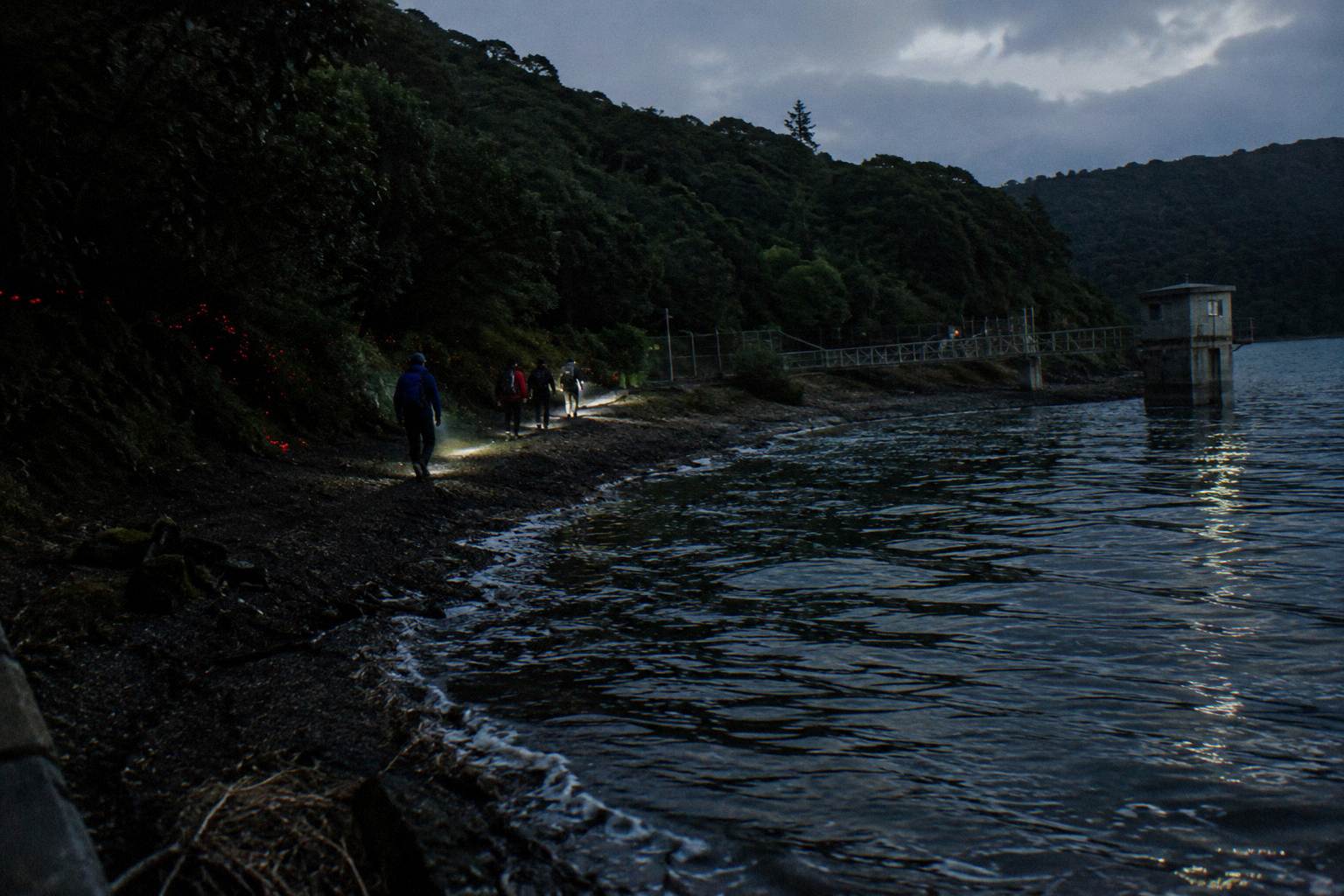
Torches are supplied on the walk, per the booking page, and the route is a torchlit valley walk rather than a floodlit one. The animals the guides look for, always as chances, include tuatara, takahe, pateke, wetapunga, Hamilton's frog, ruru, glowworms and kaka, alongside the little spotted kiwi that most people come for. Glowworms are pointed out in the banks by the guides and never promised. Hamilton's frog is described by the sanctuary's reptiles page as "sometimes seen" on the night and twilight tours.
The kiwi story behind the tour is part of why the timing exists at all. Forty little spotted kiwi were brought to the valley in 2000 and 2001, and the population is now estimated in the hundreds, a recovery that sees the species classed as At Risk-Recovering. Those birds are active after dark, so no clock time printed in a brochure can chase them into daylight, and the sanctuary's phrasing keeps sightings as a probability rather than a promise.
Two timing rules specific to this tour matter. Service dogs are never admitted at night, unlike the daytime arrangements where service and guide dogs are welcome with advance notice. And families with children under 12 are pointed by the sanctuary to the Twilight Tours and the Kids' Night Walks instead, since the minimum age of 12 is firm. Our night tour guide works through the full evening in more detail.
Which Walk Fits Which Part Of The Day?
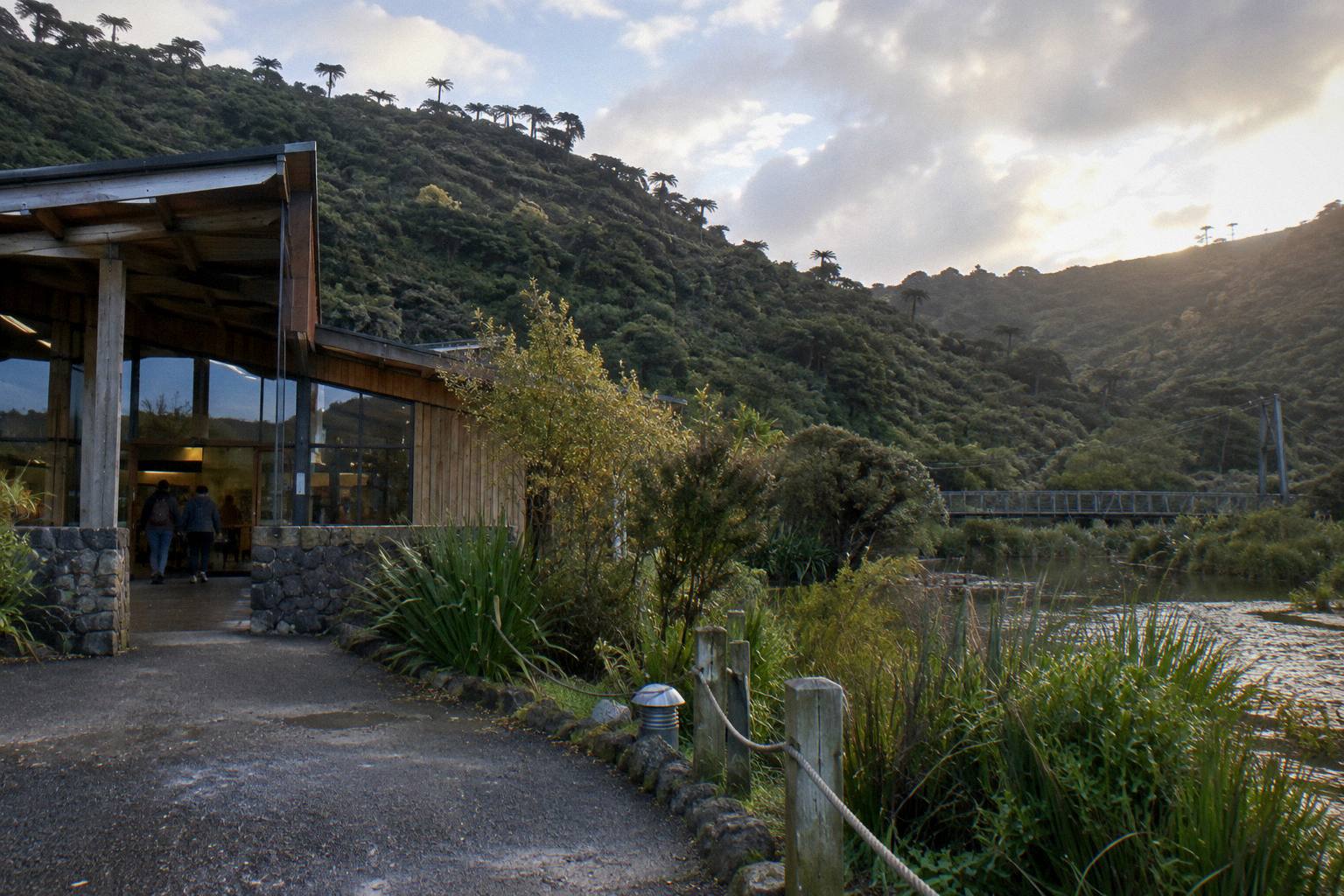
The day tour owns the morning and midday window from 10am, the Forest Secrets Plant Walk holds 10:30am on Sundays, the twilight tour bridges daylight into dark from October to March, and the night tour takes the after-closing hours around dusk. Every walk starts inside the visitor centre and needs a 15-minute early arrival.
Matching a walk to a part of the day is mostly a matter of age limits, season and what else the day holds. The twilight tour is the bridge option: it runs about 2.5 hours from daylight into dark, has a minimum age of 5 rather than 12, includes hot kawakawa tea, and its birdlife pitch is a dusk chorus and birds settling to nest rather than a kiwi hunt. It runs October to March on the sanctuary's schedule, while the Kids' Night Walks cover the April to September half of the year for the same minimum age.
| Walk | Part of the day | Length | Group cap | Minimum age | Season |
|---|---|---|---|---|---|
| Zealandia By Day | Morning to midday, from 10am | About 2 hours | 12 | None, under 5s free | Daily, year-round |
| Forest Secrets Plant Walk | Sunday mid-morning, 10:30am | About 2 hours | 12 | None | Sunday mornings per the sanctuary |
| Zealandia Twilight Tour | Daylight into dark | About 2.5 hours | Up to 12 | 5 | October to March |
| Zealandia By Night | Around dusk | About 2.5 hours | Up to 12 | 12 | Nightly |
The plant walk deserves a line of its own in a timing guide because it is the one fixed weekly slot: 10:30am on Sunday mornings, plants-led rather than wildlife-led, about two hours for up to 12 people with no minimum age. It is a new listing with no rating yet, from NZ$70 per person, and its focus is how forest plants compete and adapt. If your Wellington visit includes a Sunday, it is the only walk in the lineup whose start time you can plan around without checking a booking page.
The sanctuary's own schedule also lists dawn walks on select weekends from April to September and photography tours on select weekends from October to April, alongside the Kids' Night Walks already mentioned. Those sit outside the four tours covered here, and the official tickets and tours page carries their current dates.
For the shoulder-season question, whether October or April visits can still catch an evening walk, our tours by season guide maps the sanctuary's full calendar, including those weekend specials.
What Happens At Closing Time?
The sanctuary closes at 5pm and last entry is 4pm, after which evening access is only through the after-hours entrance up the driveway to the right of the visitor centre. Visitors may not stay behind inside the sanctuary or visitor centre to wait for a night tour, so the gap between closing and a dusk start must be spent elsewhere.
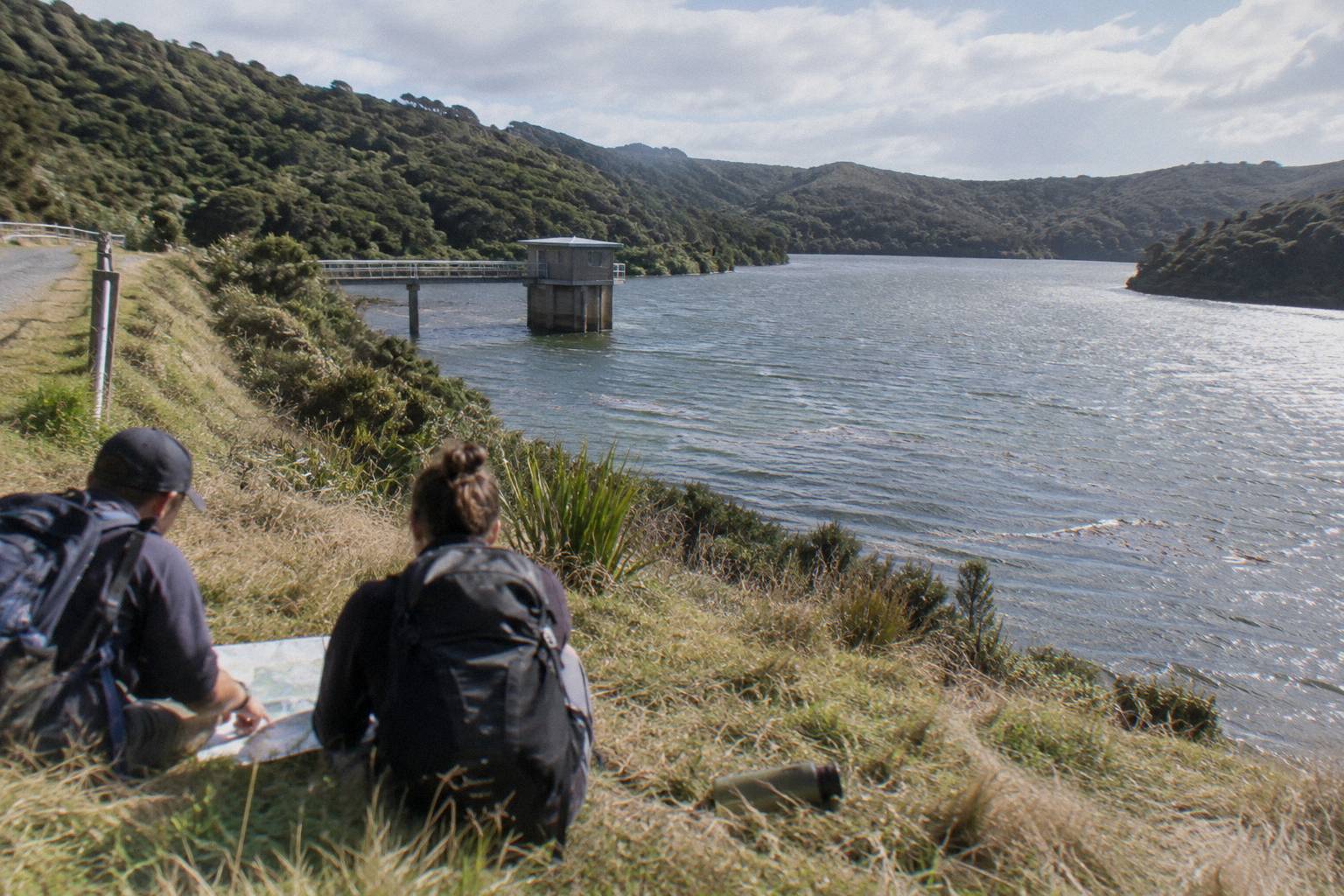
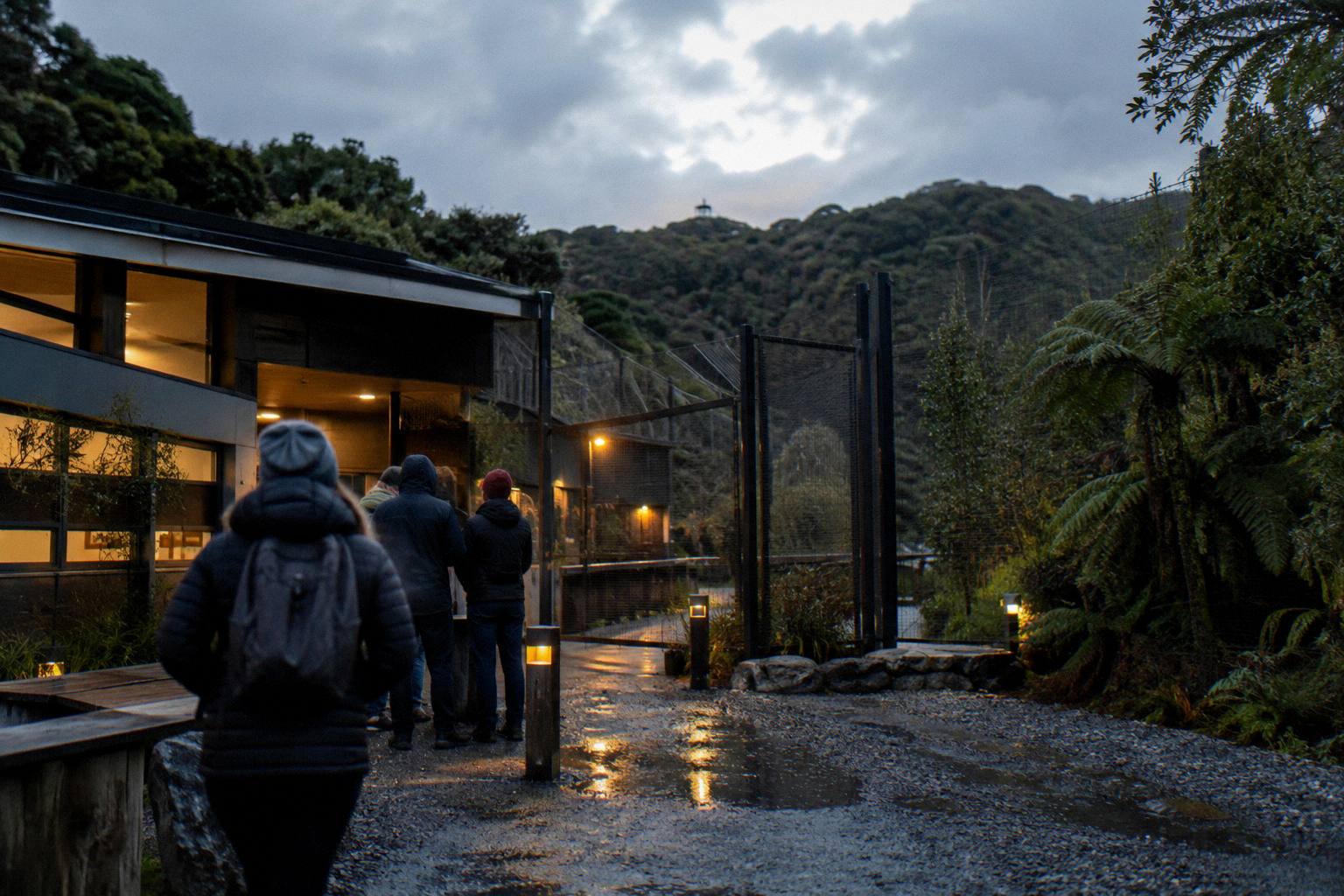
This is the detail that trips up the most itineraries. The night tour starts after the sanctuary has shut for the day, and there is no lounge-and-wait arrangement at the visitor centre in between. Arrive at the visitor centre 15 minutes before the confirmed start, enter by the after-hours route, and plan the earlier part of the evening in Karori or back in the city. The free day shuttle also stops running by then, since night and twilight tours start after the day shuttle's service, so budget for a bus, taxi or drive to Waiapu Road.
On the daytime side, closing time interacts with the two-day admission rule. A walk that finishes near 5pm does not need to be the end of your Zealandia time, because every tour ticket includes General Admission for the following day as well. Many visitors use the tour day for the guided walk and return the next morning at opening to cover tracks the group did not reach, or to revisit a spot where a takahe or tuatara appeared. Takahe are Nationally Vulnerable, and a pair first arrived in 2011, so a second look at a favourite spot is a reasonable use of a free return. Pre-school children enter free on General Admission, and the Level 1 desk sells it, with pricing on the official tickets and tours page.
Accessibility shapes the closing-time plan for some visitors too. Much of the lower valley is wheelchair and pram friendly, there is a lift in the visitor centre, free mobility scooters are available if you ask ahead, a companion enters free, and accessible toilets are on site, though the shuttle has no chairlift. As with any specific need, ask the operator when you book rather than assuming; the operator's own conditions are the reliable source.
Common Mistakes With Timing
The recurring timing errors are arriving without the 15-minute buffer, assuming the night tour has a fixed clock start, expecting to wait inside the sanctuary before an evening tour, treating a seasonal twilight booking as a year-round option, and ignoring that the shuttle ends before the evening walks begin. Each mistake is avoidable with one planning habit: confirm the booked start time first.
The buffer mistake is the most common because it looks trivial. Tours start inside the visitor centre, and the first minutes are the introductory video and briefing, so a visitor who arrives at the stated time has already missed the start. Fifteen minutes is the operator's ask, and shuttle riders on the day tour should add a further 10 minutes of priority-seating margin at the shuttle stop.
The dusk mistake works the other way: travellers book the night tour months out, assume a remembered start time from a blog they once read, and build a dinner reservation around a time that no longer matches the season. Dusk moves, the booking page confirms the real time, and everything downstream of the tour should follow that confirmation rather than a remembered figure. The same discipline applies to the twilight tour's October-to-March window, which does not overlap the Kids' Night Walks' April-to-September window, so a school-holiday date in July points to a different product than the same date in January.
A quieter mistake is forgetting the value built into every ticket. Guests who treat the tour as a single two-hour block routinely miss that General Admission for the following day is included, and leave the second day unused. The reverse also happens: self-guided visitors buy admission without realising a tour ticket adds a guide, a small group of up to 12, and the same two-day entry, which our tickets versus tour prices comparison breaks down line by line.
| Mistake | What goes wrong | The fix |
|---|---|---|
| Skipping the 15-minute buffer | Missed intro video and briefing | Arrive 15 minutes early, inside the visitor centre |
| Assuming a night-tour clock time | Dinner or transport clashes with the real dusk start | Use the time confirmed at booking |
| Waiting inside after 5pm | Not permitted; the centre is closed | Use the after-hours driveway entrance, arrive 15 minutes before |
| Booking twilight out of season | Tour does not run outside October to March | Check the season before locking the date |
| Counting on the shuttle for evening tours | The day shuttle finishes before night starts | Plan a bus, taxi or drive to Waiapu Road |
| Wasting the included next-day admission | A one-hour walk stands in for a two-day pass | Return the next morning at 9am opening |
One last habit closes most of the gaps: every tour here carries free cancellation up to 24 hours before the start, so a slot booked early can still be moved when the confirmed dusk time or the weather forecast lands badly. More context on that flexibility sits in our piece on whether you need to book ahead.
The slot you pick shapes the day around it, and Zealandia Day Tour exists to make that choice straightforward: the day walk from 10am, the seasonal twilight bridge, and the dusk-start night tour each fit a different Wellington itinerary, and all three carry the same two-day admission bonus and 24-hour cancellation window.
Common Questions About Zealandia Opening Hours And Tour Times
When Is The Sanctuary Open?
Zealandia is open daily except Christmas Day, from 9am to 5pm, with last entry at 4pm. Tour guests arrive at the visitor centre 15 minutes before the stated start time. Check the official site for current hours before you travel.
What Time Do The Guided Walks Start?
The day tour departs daily from 10am with more departures in summer, the Forest Secrets Plant Walk starts at 10:30am on Sunday mornings, the twilight tour runs from daylight into dark between October and March, and the night tour starts around dusk with the time confirmed at booking.
Is The Morning Or The Afternoon Better For A Day Walk?
Zealandia publishes no claim that any departure time outperforms another for sightings or crowds, so no careful answer favours a slot on those grounds. Choose by departure list, transport and the rest of your schedule. Every tour ticket includes next-day admission, so either slot leaves you a second morning.
When Does The Night Walk Start?
Around dusk, nightly, with the exact clock time confirmed when you book, because dusk moves with the season. The walk lasts about 2.5 hours, has a minimum age of 12, and ends with a warm kawakawa, lemongrass and ginger tea at the visitor centre.
What Happens At Closing Time?
The sanctuary closes at 5pm and last entry is 4pm. Evening tour guests enter by the after-hours route up the driveway to the right of the visitor centre, arriving 15 minutes before the confirmed start, since waiting inside the closed sanctuary is not permitted.
Do I Need To Arrive Early For A Zealandia Tour?
Yes. All tours start inside the visitor centre at 53 Waiapu Road, Karori, and the operator asks guests to arrive 15 minutes before the start. Day-tour guests using the free shuttle should be at the stop 10 minutes early for priority seating.