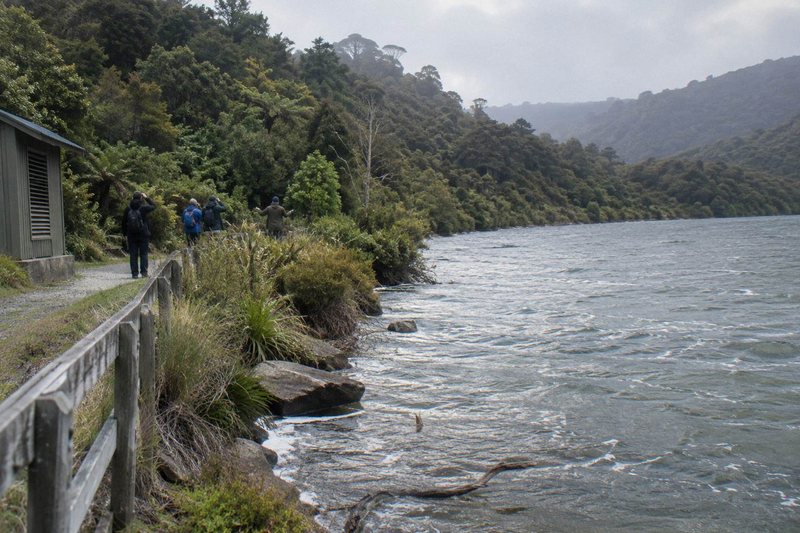
Zealandia Walks By Season: Winter, Summer And The Shoulder Months
The season you visit decides which Zealandia walks are even running: Twilight Tours only run October to March, Kids' Night Walks take the winter window, and the day tour adds departures in summer. Here is how the calendar maps onto the four guided tours.
Short answer
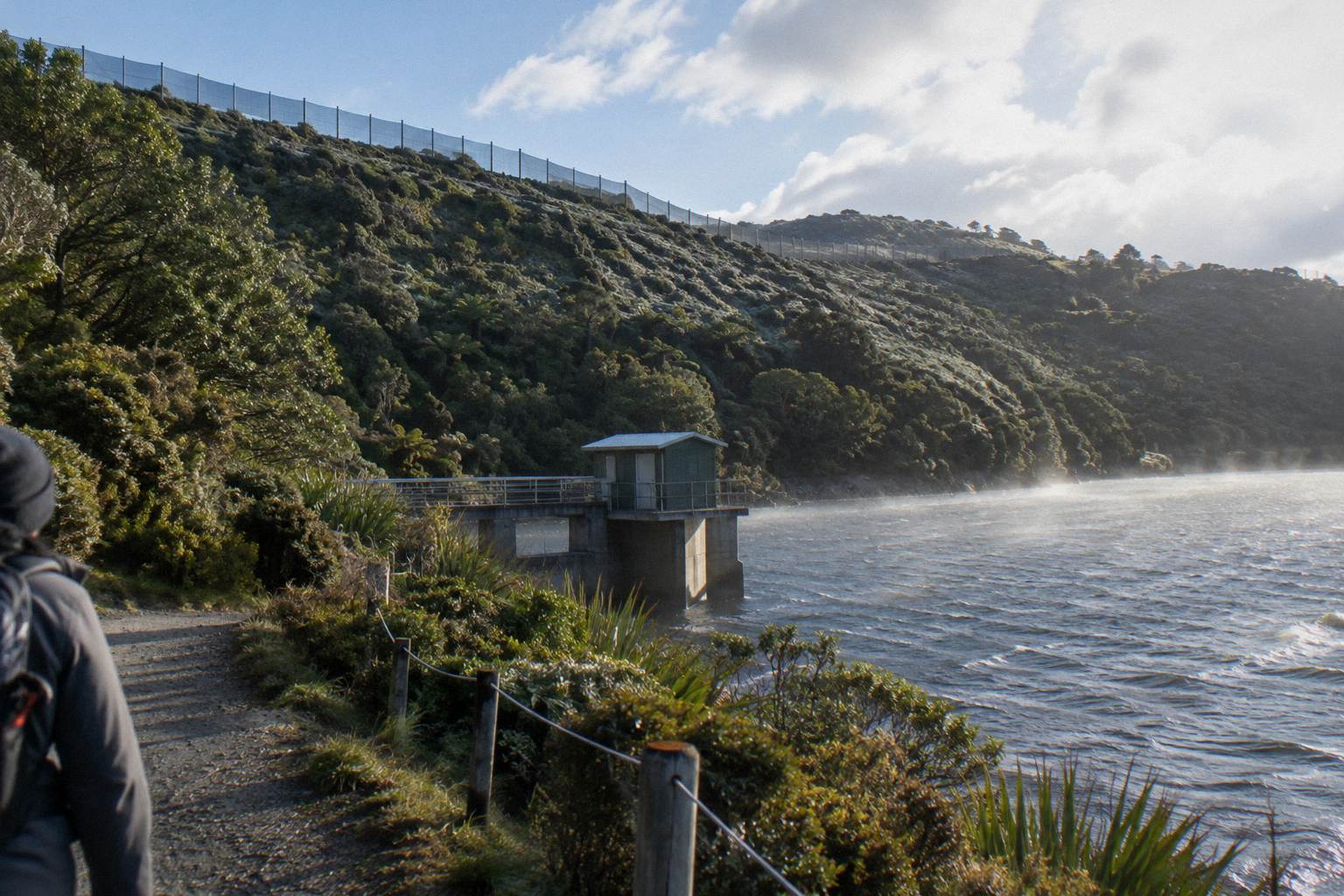
Zealandia By Day runs daily year-round with departures from 10am and more in summer. Zealandia By Night runs nightly around dusk all year. The Twilight Tour runs October to March; Kids' Night Walks fill the April to September window. Dawn walks and Photography tours run on select weekends in their own seasons.
Season is the single biggest variable in a Wellington visit. It decides whether the Zealandia By Day walk is your only option or one of several, whether the dusk tour starts in full daylight or after the sanctuary gates have closed, and whether your family can join a torchlit walk at all. The sanctuary itself runs on a fixed calendar: the Twilight Tour exists only between October and March, and the child-friendly Kids' Night Walks take over the same evening slot from April to September. Nothing here is guesswork, the schedule is published on the sanctuary's own tickets and tours page, and the booking page confirms each night tour's start time when you reserve.
The article walks through that calendar month by month, season by season. It covers what changes between a January visit and a July one, what actually happens in rain or wind, how the twilight and kids' formats differ, which traveller each season suits, and what to pack when the months turn cold. It closes with the mistakes people make most often when they pick a date, and a run of common questions.
Which Walks Run In Which Months?
Zealandia By Day runs daily all year with departures from 10am, and more departures in summer. Zealandia By Night runs nightly all year, starting around dusk. The Twilight Tour runs October to March, the Kids' Night Walks run April to September, both with a minimum age of five, and the night tour needs age twelve. Dawn walks and Photography tours run on select weekends in their own seasons.
That is the whole calendar in one paragraph, and it is worth reading twice before you book flights. The two flagship walks, day and night, never stop: the day tour departs the visitor centre at 53 Waiapu Road in Karori every day of the year except when extreme conditions intervene, and the night tour leaves the same building every evening, with the start time confirmed at booking because it tracks dusk. What changes through the year is the middle tier of walks, the ones built around the shifting light.
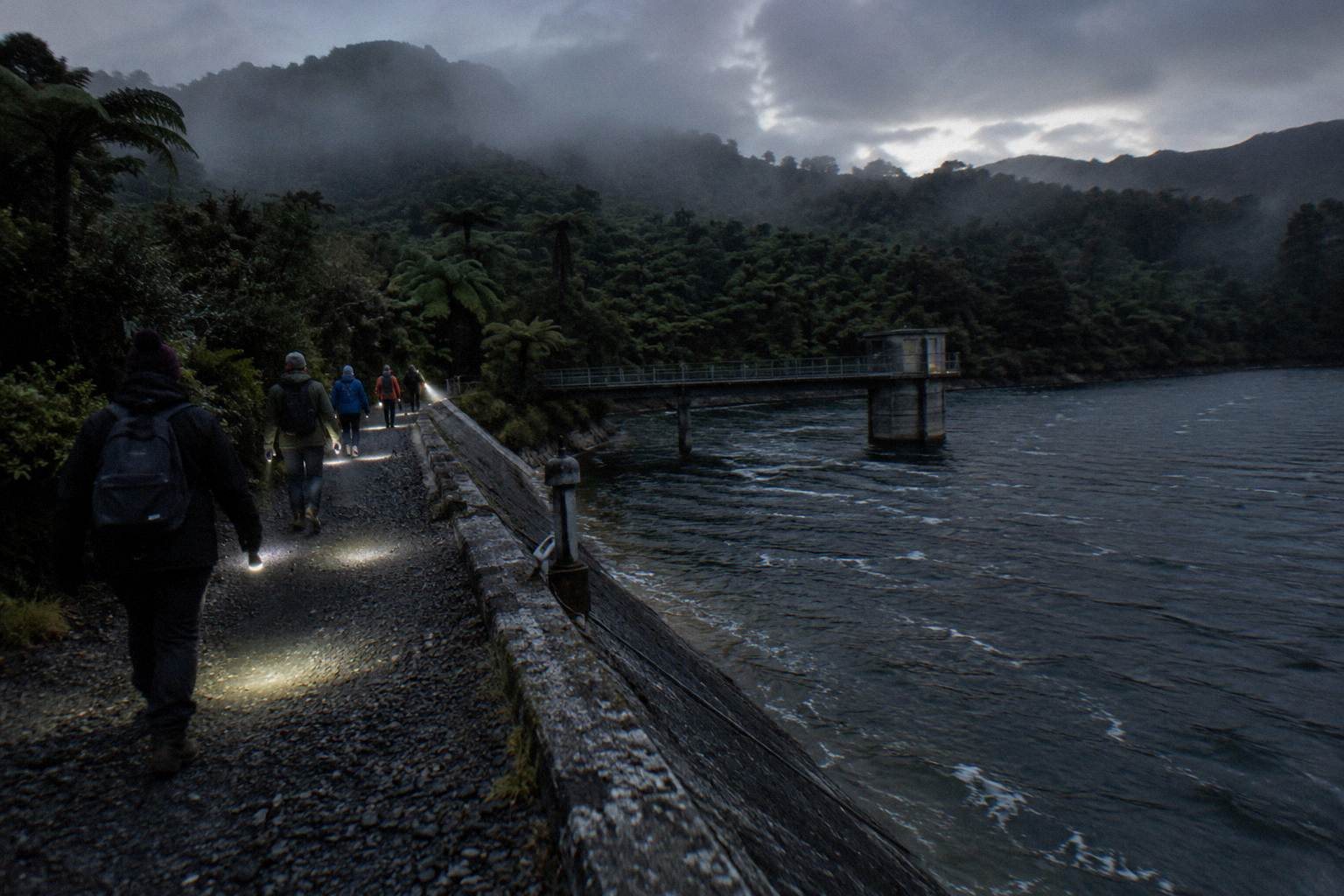
The Twilight Tour, about 2.5 hours walking from daylight into dark with a minimum age of five and hot kawakawa tea included, exists only in the October to March window on the sanctuary's own schedule. When it drops off, the Kids' Night Walks appear in its place, running April to September with the same minimum age of five, a format built for families whose children are too young for the age-twelve night tour. The sanctuary also lists Dawn walks on select weekends from April to September and Photography tours on select weekends from October to April; those sit outside the four guided tours covered here.
| Walk | Months it runs | Frequency | Length | Minimum age |
|---|---|---|---|---|
| Zealandia By Day | All year | Daily, departures from 10am, more in summer | About 2 hours | None, under 5s free |
| Zealandia By Night | All year | Nightly, around dusk | About 2.5 hours | 12 |
| Zealandia Twilight Tour | October to March | On the sanctuary's schedule | About 2.5 hours | 5 |
| Kids' Night Walks | April to September | On the sanctuary's schedule | Not stated here | 5 |
| Forest Secrets Plant Walk | On the sanctuary's schedule | Sunday mornings, 10:30am | About 2 hours | None |
A fourth guided option sits slightly outside the season question: the Forest Secrets Plant Walk, a two-hour plants-led walk that runs at 10:30am on Sunday mornings per the sanctuary's page, with no minimum age and a group of up to 12. It is a new listing with no rating yet. Because it starts late morning, it works in every season and can pair naturally with an afternoon day-tour departure.
One caution that belongs here rather than anywhere later: the schedule above is the published structure, not a promise about any individual date. Walks need their minimum numbers, the Mandarin-language day departures, for instance, need at least four people or the tour may be cancelled. Check the official site for current hours and dates before you lock a day trip around a single walk.
What Changes Between Summer And Winter Starts?
The day tour's biggest summer change is frequency: more departures from the 10am base, giving you several shots at a slot. The night tour's start time moves with dusk, so a summer booking begins in full daylight and a winter one in near dark, but the walk itself stays about 2.5 hours. Twilight exists only in the lighter months.
Start with the day walk. Its departures run from 10am, and in summer the sanctuary adds more, which matters more than it sounds. A 10am departure puts you inside the fence when birds are still active and still leaves your whole afternoon for the city; an early afternoon departure leaves the morning free for the Cable Car or the waterfront. In the colder months the choice narrows, so the departure you want is worth booking ahead rather than expecting on the day. Every ticket, whatever the season, includes a professional guide and a General Admission pass valid for the tour day and the next day, which means a summer booking can double as a two-day sanctuary entry.
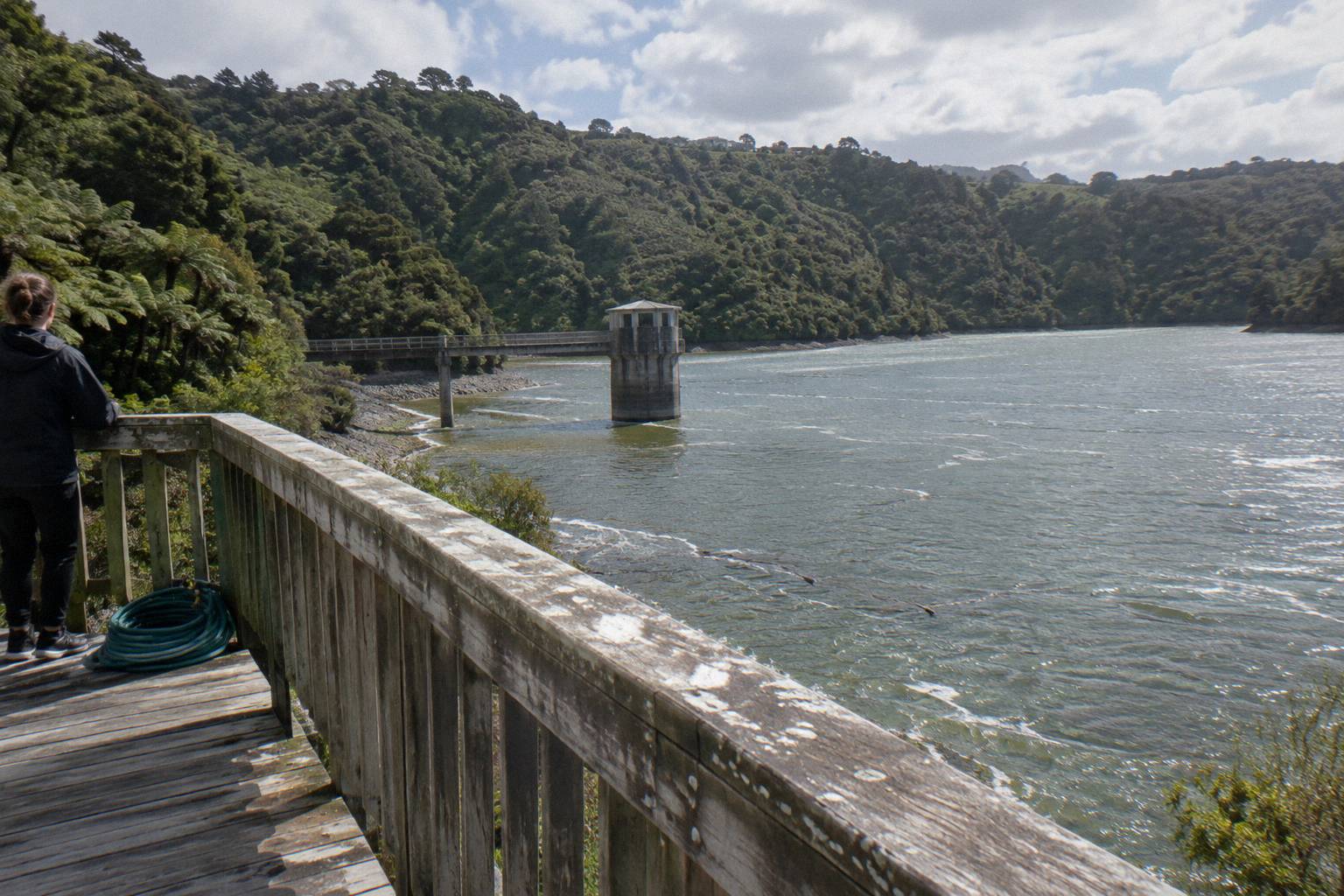
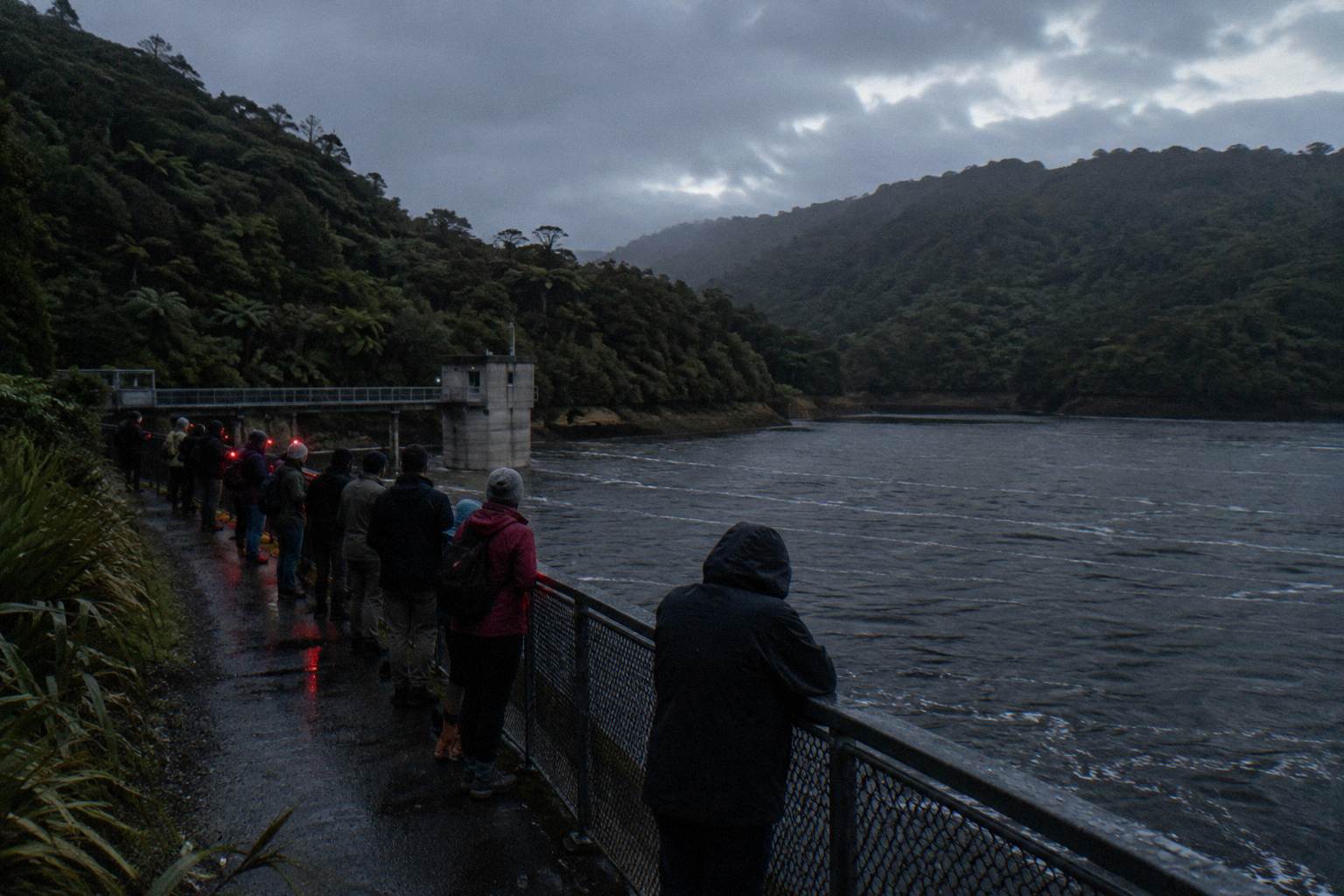
The night walk is where the season genuinely reshapes the experience, without changing a word of the description. It starts around dusk, confirmed at booking, and dusk is a moving target across the year: a midsummer departure begins with the valley still bright, so the first stretch is a daylight walk that darkens as you go, while a midwinter departure starts with the night already established. The official line on wildlife holds either way: little spotted kiwi are seen on most tours, and sightings are never guaranteed. The walk ends with a warm kawakawa, lemongrass and ginger tea at the visitor centre, a detail that earns its keep in the colder half of the year.
| What shifts | Summer months | Winter months |
|---|---|---|
| Day tour departures | More, from the 10am base | Fewer, from 10am |
| Night tour start | Around dusk, still light at the start | Around dusk, dark early |
| Twilight Tour | Running, October to March | Not running |
| Kids' Night Walks | Not running | Running, April to September |
| What you pack | Layers still advised | Full cold-weather kit, see packing below |
The twilight walk deserves its own sentence in this comparison because it is built entirely around the seasonal shift: about 2.5 hours from daylight into dark, catching the dusk chorus and birds settling to nest, with hot kawakawa tea included. In the shoulder months at either edge of its October to March window the light changes fastest, so the character of the walk leans more heavily on its timing than in the deep summer. Conditions and wildlife activity change through the year, but the sanctuary publishes no month-by-month wildlife claims, and neither will the article.
Does Rain Or Wind Stop A Walk?
The day tour runs in almost all weather and is only called off in extreme conditions, so rain alone will not stop it. The same practical rule governs the evening walks. Sturdy shoes, warm clothes and a waterproof layer are the operator's own recommendation, and the free-cancellation window runs to 24 hours before the start.
Wellington is a windy city and Zealandia sits in a valley that catches it, so the weather question comes up constantly. The answer is that a wet or breezy day is a normal day for these walks, not a cancellation. The day tour's own conditions describe a walk on slopes, gravel and uneven ground that is not strenuous but needs reasonable fitness, and the recommended kit list, sturdy shoes, warm clothing, a waterproof layer, is written for a valley microclimate rather than a sheltered museum. Photography is allowed, so a shower is an inconvenience, not an exclusion.
Where weather genuinely bites, the operator decides, not you. Extreme conditions can end a departure, and if that happens the free cancellation policy is your backstop: up to 24 hours before the start you can cancel any of the four walks without cost, which is one reason to book early and adjust later rather than waiting for a perfect forecast that Wellington rarely provides. Inside the final 24 hours the decision is made, so check the forecast the day before and make your call then.
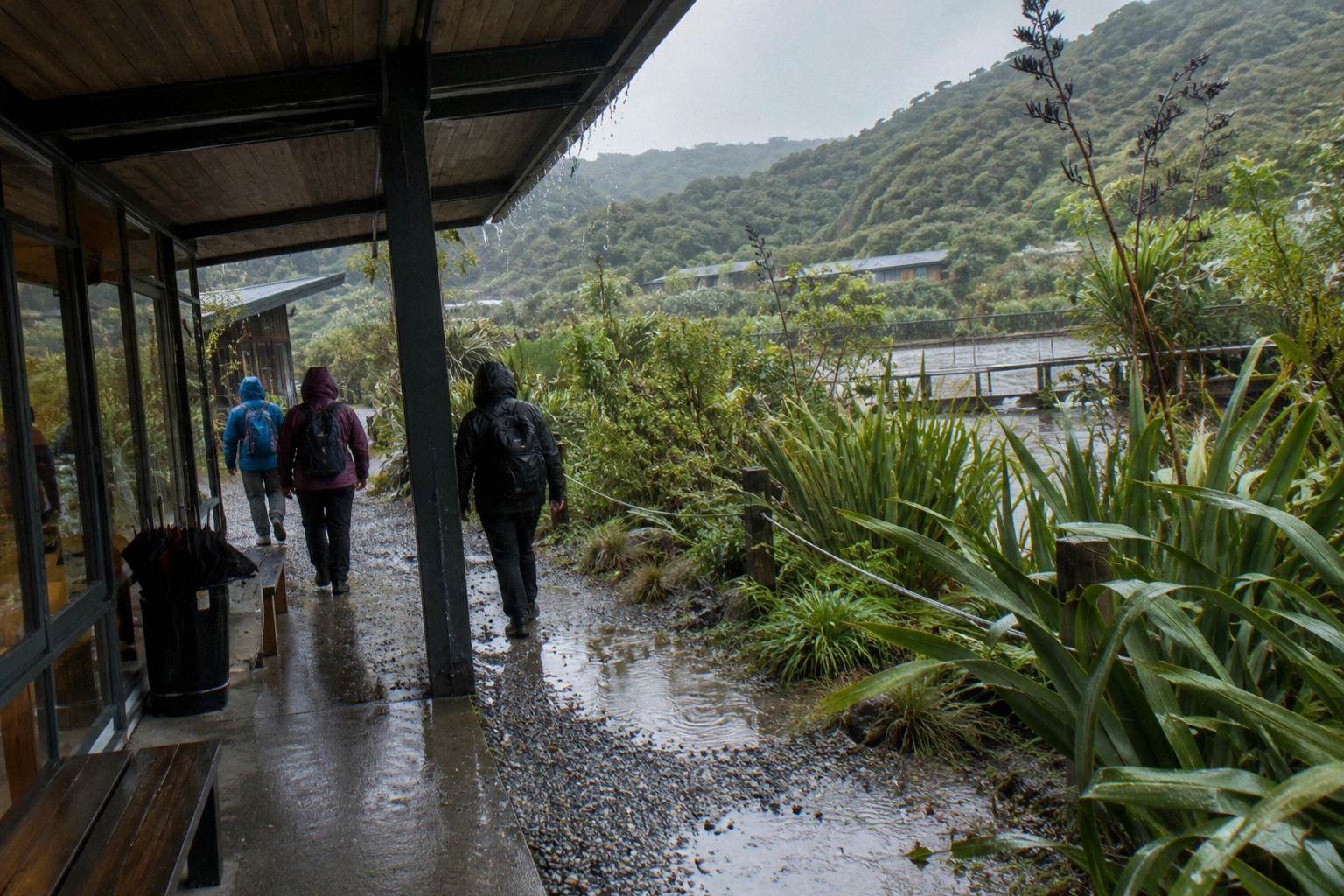
Rain changes the walk rather than killing it, and mostly it changes the wildlife odds in ways no one can promise. Bush is quieter in heavy rain, birds shelter, and the guides' long list of possible sightings, takahe, tuatara, hihi, kaka, tieke, toutouwai, pateke, plus tui, kereru and korimako on the day walk, is always a list of chances. Kiwi are not a day-tour prospect in any weather: the official general admission page is blunt that nocturnal wildlife such as kiwi, ruru, weta and frogs is very unlikely by day. If a damp forecast lands on your one free evening, the question is covered in detail in the site's piece on whether Zealandia tours run in the rain.
Twilight Walks Versus Kids' Night Walks
The Twilight Tour runs October to March for ages five and up, about 2.5 hours from daylight into dark, with kawakawa tea included. The Kids' Night Walks run April to September with the same minimum age of five, taking the family evening slot while the adult night tour keeps its age limit of twelve. Both are torchlit formats aimed at the dusk window.
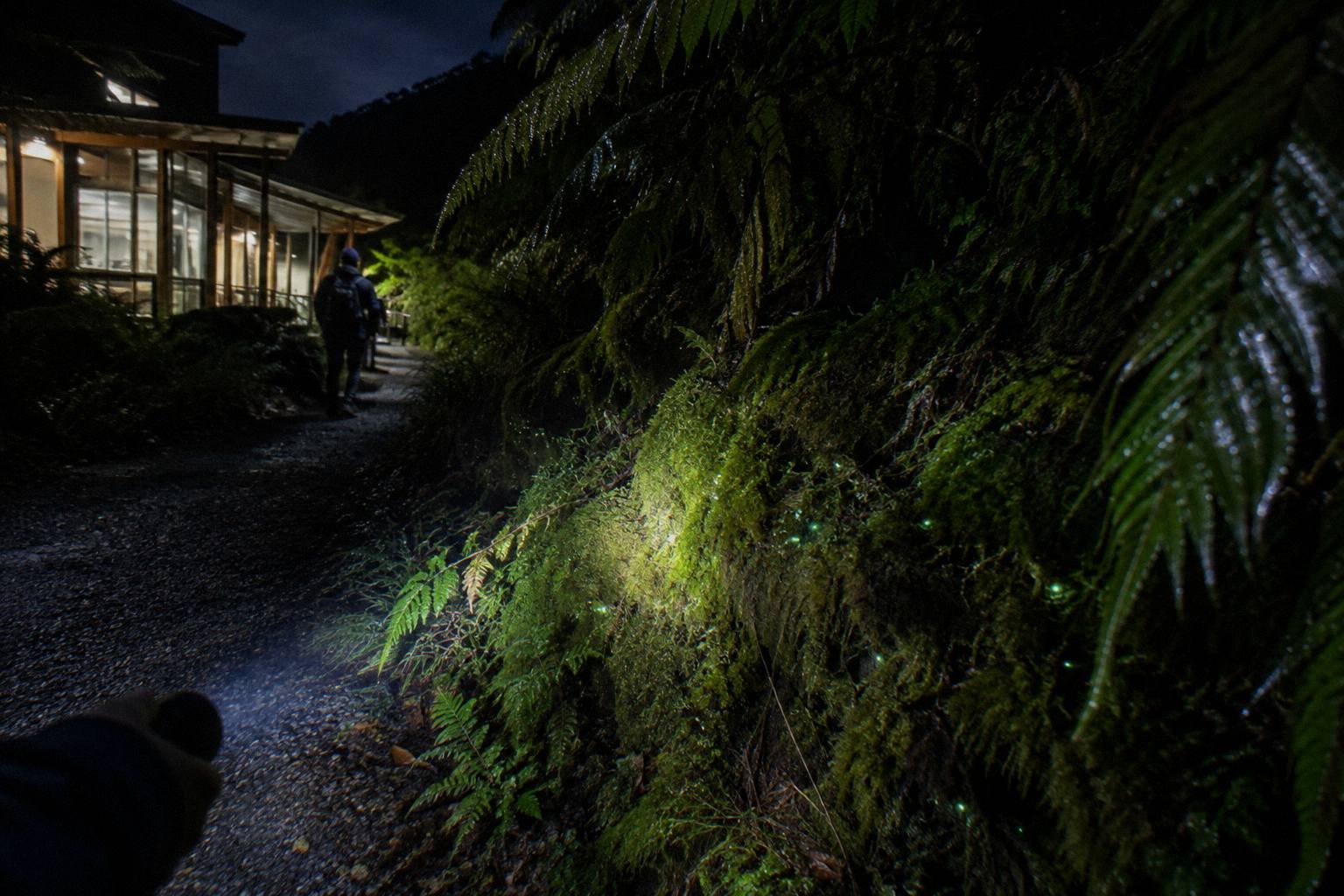
These two walks are the same seasonal slot, the family-friendly evening, split across opposite halves of the year. If you travel with children aged between five and eleven, this pairing is the single most important line in the whole calendar: in the October to March months your family takes the Twilight Tour, in April to September the Kids' Night Walks fill the gap, and the full night tour stays off-limits until the youngest traveller turns twelve. The sanctuary itself points families with under-twelves to these two formats.
| Feature | Twilight Tour | Kids' Night Walks |
|---|---|---|
| Months | October to March | April to September |
| Minimum age | 5 | 5 |
| Length | About 2.5 hours | Not stated here |
| What it catches | Daylight into dark, dusk chorus, birds settling | Early-night walk built for children |
| Tea | Hot kawakawa tea included | Not stated here |
The Twilight Tour's shape is its selling point: it starts in daylight, so the first part of the walk reads as an ordinary bush walk, and it darkens toward the end, which is why it carries a minimum age rather than none. Hamilton's frog is sometimes seen on the night and twilight walks per the official reptiles page, always as a chance. The Kids' Night Walks are listed on the sanctuary's schedule rather than among the four bookable tours the site covers, so their details, length and inclusions live on the official page rather than here. Both run with the sanctuary's standard free cancellation up to 24 hours before where they are bookable.
For families planning around school holidays, note the neat alignment: the Twilight Tour covers the long summer break, and the Kids' Night Walks cover the April, July and September holiday windows. Whichever half of the year you visit, an evening option for children exists, and the site's fuller comparison of day versus twilight Zealandia tours breaks down what actually differs on the ground.
Which Season Suits Which Traveller?
Travellers chasing the most departures and the longest days want summer, with the day tour at its fullest schedule and twilight running. Families with under-twelves should match the school holidays to the twilight or kids' formats. Bird and wildlife watchers get most value from the dawn and dusk edges of the day, and off-peak visitors trade fewer departures for quieter tracks.
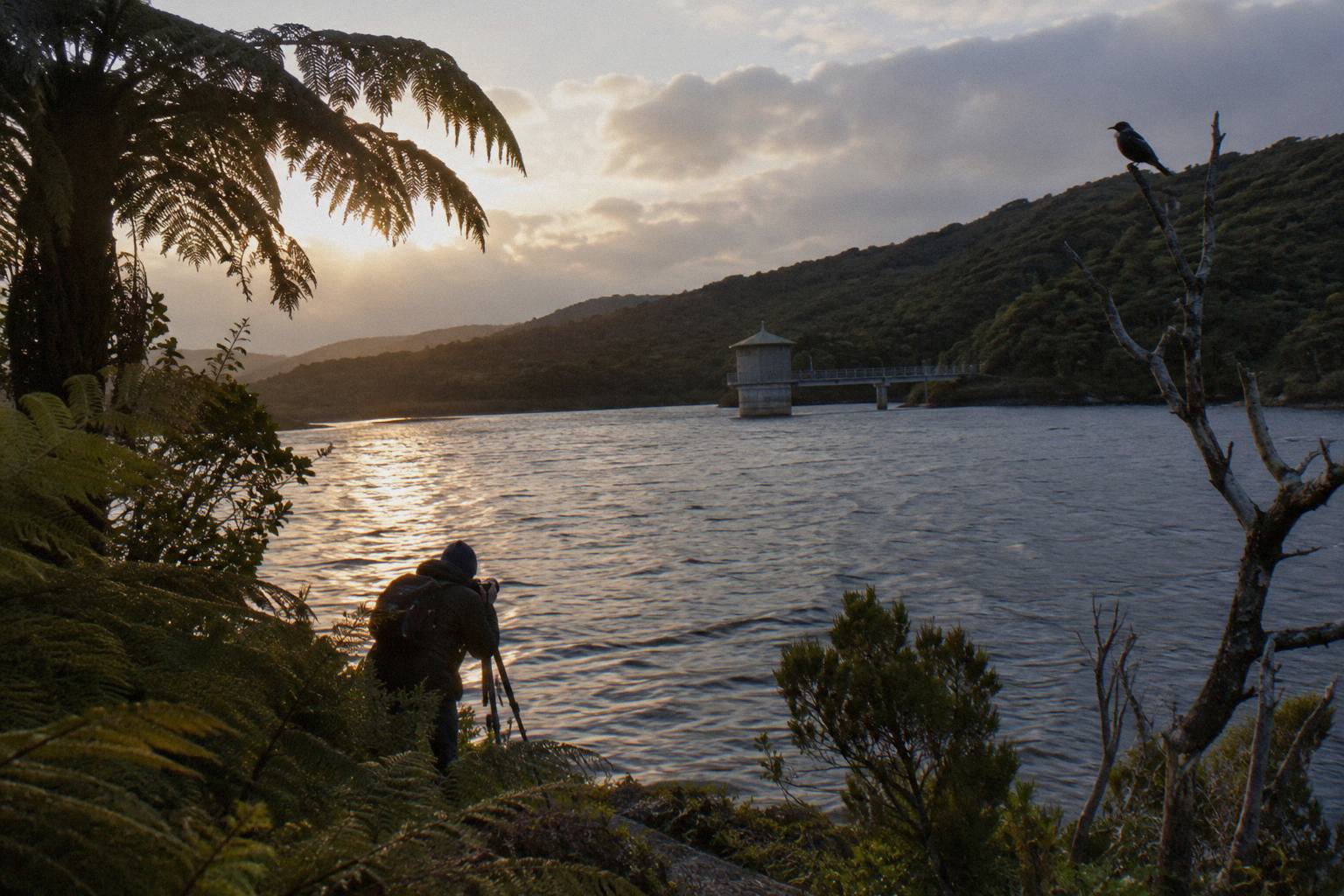
There is no bad season, but there are better fits. The summer visitor, October to March, gets everything on the table at once: the day tour at maximum frequency, the nightly kiwi-focused walk, and the twilight walk as a third evening option. That traveller can book a morning day walk, return the next day on the included second-day General Admission, and still fit a dusk walk, which is the fullest Zealandia week possible. It is also the season the sanctuary is set up for, so booking ahead matters most here; the site's guide to whether you need to book a Zealandia tour in advance covers the timing question.
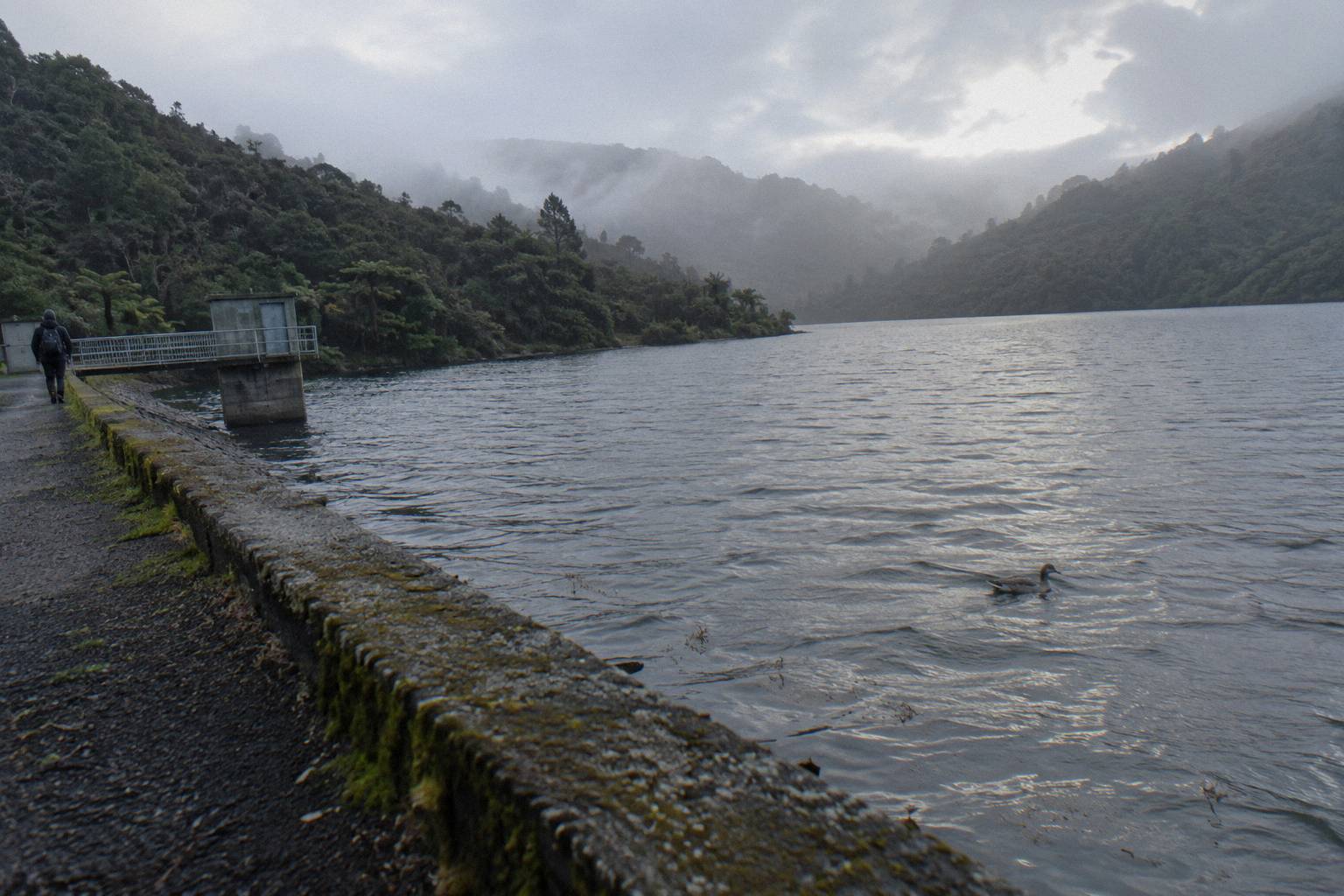
The winter traveller, April to September, gets a different and quieter experience. Day tour departures are fewer, tracks are emptier, the night walk starts in established dark, and the Kids' Night Walks open the evening slot to families. Dawn walks run on select weekends in this window, which suits the photographer and the serious birdwatcher willing to plan around a specific date. The trade is simple: less choice, more solitude, and a proper need for the packing list in the next section.
| Traveller | Best months | Best walk | Why |
|---|---|---|---|
| Family with children 5 to 11 | Any, matched to format | Twilight or Kids' Night Walks | Only evening formats open to under-twelves |
| Wildlife-focused visitor | Year-round | Night tour, age 12 and up | Kiwi seen on most tours, never guaranteed |
| Cruise or short-stay visitor | Any | Zealandia By Day | Daily departures, next-day admission included |
| Photographer | October to April | Day tour plus select-weekend Photography tours | Light and the specialist format align |
| Off-peak, quiet-seeking visitor | April to September | Day or night tour | Fewer departures, emptier valley |
Two practical notes cut across every season. First, every tour ticket includes General Admission for the tour day and the next, so a two-day itinerary costs nothing extra at the gate. Second, no tour includes hotel pickup; everyone makes their own way to the visitor centre at 53 Waiapu Road, arriving 15 minutes early, and the free electric shuttle from outside the Takina Convention Centre or the top of the Cable Car runs for day-tour arrivals, with priority seating for ticket holders who arrive 10 minutes early. Getting there is covered fully in the site's guide to reaching Zealandia for your tour.
What To Pack For The Cold Months
Pack sturdy shoes, warm layers and a waterproof layer, which is the operator's own recommendation for every season and not just winter. For the evening walks add nothing: torches are supplied on the night tour. The walk covers slopes, gravel and uneven ground, so footwear matters more than anything else in the bag.
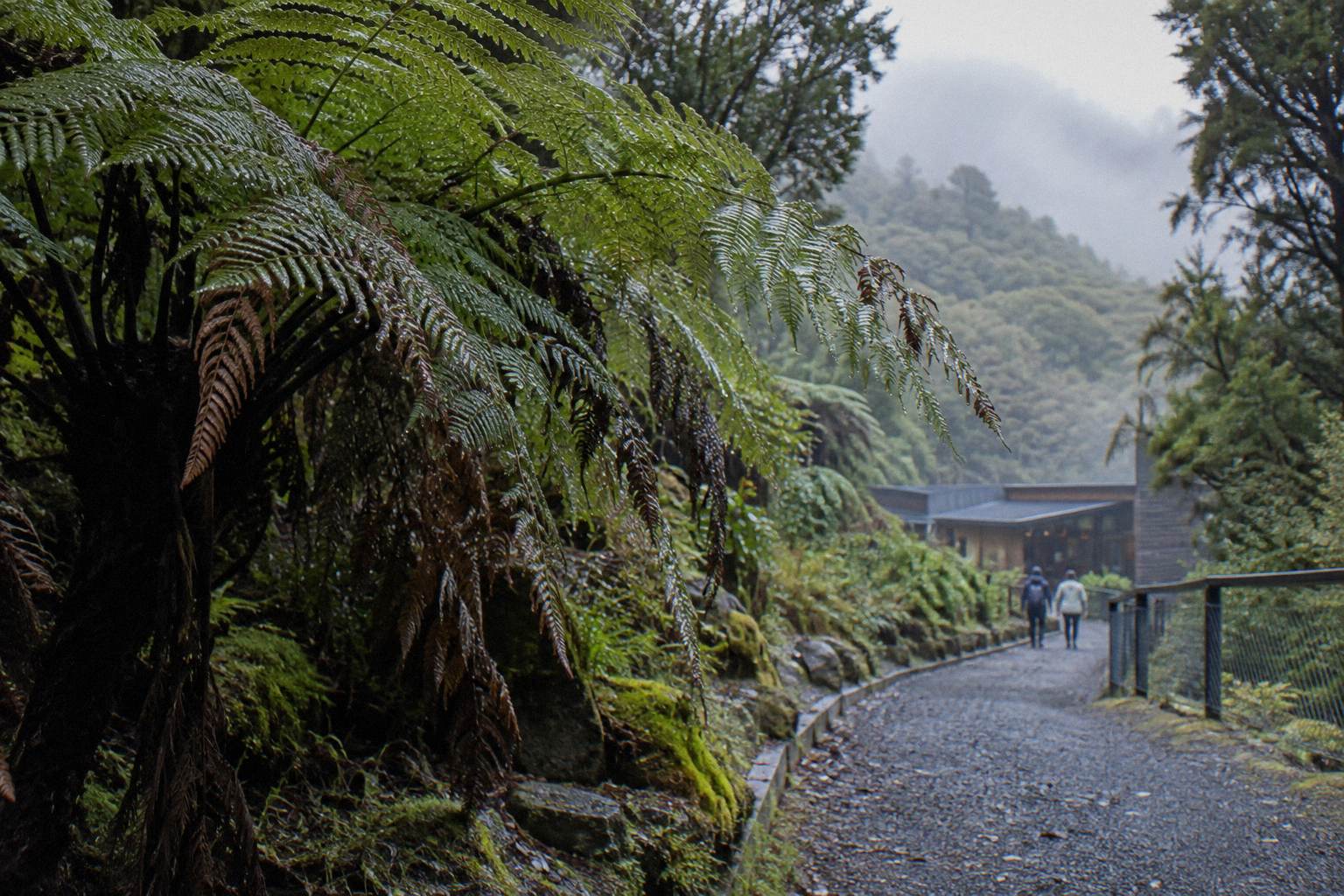
The kit list for the cold half of the year is short because the walks are short. Two hours on the day tour, two and a half on the night or twilight formats, in a valley that holds chill and damp. The single most important item is footwear: the tracks are gravel and uneven, they slope, and the operator describes the walk as not strenuous but requiring reasonable fitness. Shoes with grip turn a November evening walk from a careful shuffle into a relaxed one.
Layers beat one heavy coat, because these walks start and end in different conditions. A night tour begins outside the visitor centre and ends there too, with a warm kawakawa, lemongrass and ginger tea waiting, but the middle stretch is a torchlit valley walk in whatever the sky is doing. A waterproof outer layer is on the official recommendation list alongside warm clothing, and Wellington's wind can make a dry-but-cold night feel colder than the forecast suggests. The sanctuary is open daily except Christmas Day, and the walks run in almost all weather, so the packing assumption should be that yours runs.
| Item | Why | Applies to |
|---|---|---|
| Sturdy shoes with grip | Gravel, slopes, uneven ground | All four walks |
| Warm layers | Valley chill, especially after dark | Night, twilight, cold-month day walks |
| Waterproof layer | Runs in almost all weather | All walks, all seasons |
| Nothing extra for light | Torches supplied on the night tour | Night tour |
| Snacks eaten before entry | No food inclusions on any tour | All walks |
Two non-clothing points finish the list. Food and drinks, including lunch, are not included on any of the four tours, so the cold-month trick of a thermos before you arrive is yours to arrange outside the gate. And everyone, adult or child, checks their own bags and pockets for seeds, mice and lizards at the biosecurity double gates before entering, so pack in a way that makes that quick. The full rundown, including what families and photographers add, sits in the site's what-to-wear guide.
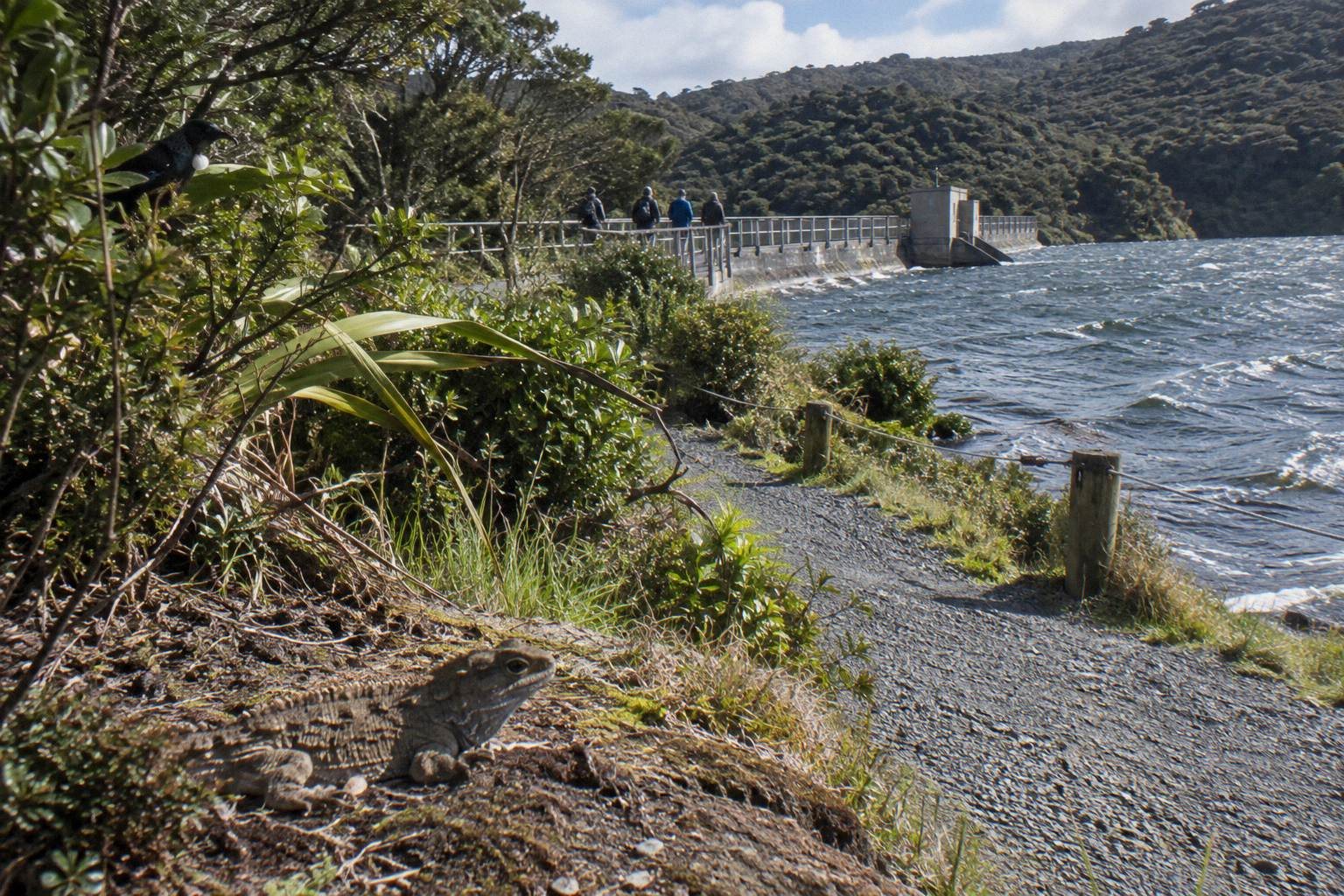
Accessibility is the last cold-month consideration, because shorter days put more visitors on the dusk walks. Much of the lower valley is wheelchair and pram friendly, the visitor centre has a lift, free mobility scooters are available if you ask ahead, and a companion enters free; the shuttle, though, has no chairlift, and the booking page for the day tour notes uneven surfaces and a moderate level of walking. Never assume either way: ask the operator when you book, quoting your own needs, and see the sanctuary's accessibility page for its own conditions.
Common Mistakes When Choosing A Season
The classic errors are assuming the twilight walk runs all year, booking the night tour for a family with young children, expecting a set clock time for dusk starts, and forgetting that no tour includes transport. Each mistake is avoidable with one fact: the schedule is seasonal, age-gated at twelve for the night walk, and every start time is confirmed at booking.
The first mistake is the most common: travellers build a whole Wellington itinerary around a twilight walk in June. It does not run; that slot belongs to the Kids' Night Walks from April to September. The second is booking the age-twelve night tour for a family with an eight-year-old and hoping for leniency. The minimum is fixed, and the sanctuary's own answer for those families is the Twilight Tour or the Kids' Night Walks. The site's piece on whether kids can join the night tour covers the workarounds.
The third mistake is printing yourself a clock time. Night tours start around dusk and the start time is confirmed at booking, full stop; any timetable you read online is a guess at a moving target. The fourth is transport: no tour includes hotel pickup or drop-off, the meeting point is inside the visitor centre at 53 Waiapu Road, Karori, and the free shuttle stops running before the evening walks end, so night and twilight visitors plan their own way home. The fifth is treating the day tour as a kiwi chance; the official line is that kiwi and other nocturnal wildlife are very unlikely by day, and the day-tour sightings list is takahe, tuatara, hihi, kaka and the rest, always as chances.
The sixth mistake cuts the other way: skipping the night walk because you visited in winter and assumed nothing runs. The night tour runs nightly, every month of the year, and a dark-at-five departure is in many ways the purest version of it. The seventh is paying for a second day that is already free: every tour ticket includes General Admission for the tour day and the next, so the return visit costs nothing at the gate. And the quietest mistake of all is not checking the sanctuary's own hours page before a late-winter arrival; the sanctuary opens 9am to 5pm with last entry at 4pm, and a 3pm arrival buys you one hour. Check the official site for current hours, and the General Admission page for standalone ticket detail.
Whether you land in the twilight months or the deep of winter, the season shapes the walk more than any packing decision does. The plan that works in every month of the year is the same: pick the walk that runs in your window, book it ahead for the slot you actually want, layer for the valley, and use the second-day admission to come back slower. That is the whole method behind Zealandia Day Tour, the site's coverage of the four guided walks and the valley they run in.
Common Questions About Zealandia Guided Tours By Season
Which Walks Run In Which Months?
Zealandia By Day runs daily all year with departures from 10am and more in summer. Zealandia By Night runs nightly all year around dusk. The Twilight Tour runs October to March, the Kids' Night Walks run April to September with a minimum age of five, and Dawn walks and Photography tours run on select weekends in their own seasons.
What Changes Between Summer And Winter Starts?
In summer the day tour adds departures to its 10am base and the night tour starts in daylight. In winter the day tour's departures are fewer and the night tour starts in the dark, at a time confirmed at booking because it tracks dusk. The Twilight Tour runs only in the October to March months.
Does Rain Or Wind Stop A Walk?
No. The day tour runs in almost all weather and may only be called off in extreme conditions. The operator recommends sturdy shoes, warm clothes and a waterproof layer. Free cancellation applies up to 24 hours before the start of any of the four tours.
Twilight Walks Versus Kids' Night Walks: Which Runs When?
The Twilight Tour runs October to March, about 2.5 hours from daylight into dark, minimum age five, with hot kawakawa tea included. The Kids' Night Walks run April to September with the same minimum age of five, filling the family evening slot in the months twilight does not run.
Which Season Suits Which Traveller?
Summer suits travellers wanting the most departures and the twilight option. Winter suits families, since the Kids' Night Walks run April to September, and quiet-seekers who accept fewer day departures. Wildlife watchers take the night tour in any month: kiwi are seen on most tours, never guaranteed.
What To Pack For The Cold Months?
Sturdy shoes with grip for gravel and uneven ground, warm layers, and a waterproof layer, which is the operator's own recommendation. Torches are supplied on the night tour, so you need nothing for light. No tour includes food or drinks, and everyone checks their own bags at the biosecurity gates before entering.