What To Wear And Bring On A Zealandia Guided Tour, Day Or Night
The sanctuary's own pages ask for three things on the day walk: sturdy shoes, warm clothes and a waterproof layer. Here is what that means in practice, what changes after dusk, and what survives the biosecurity gates.
Short answer
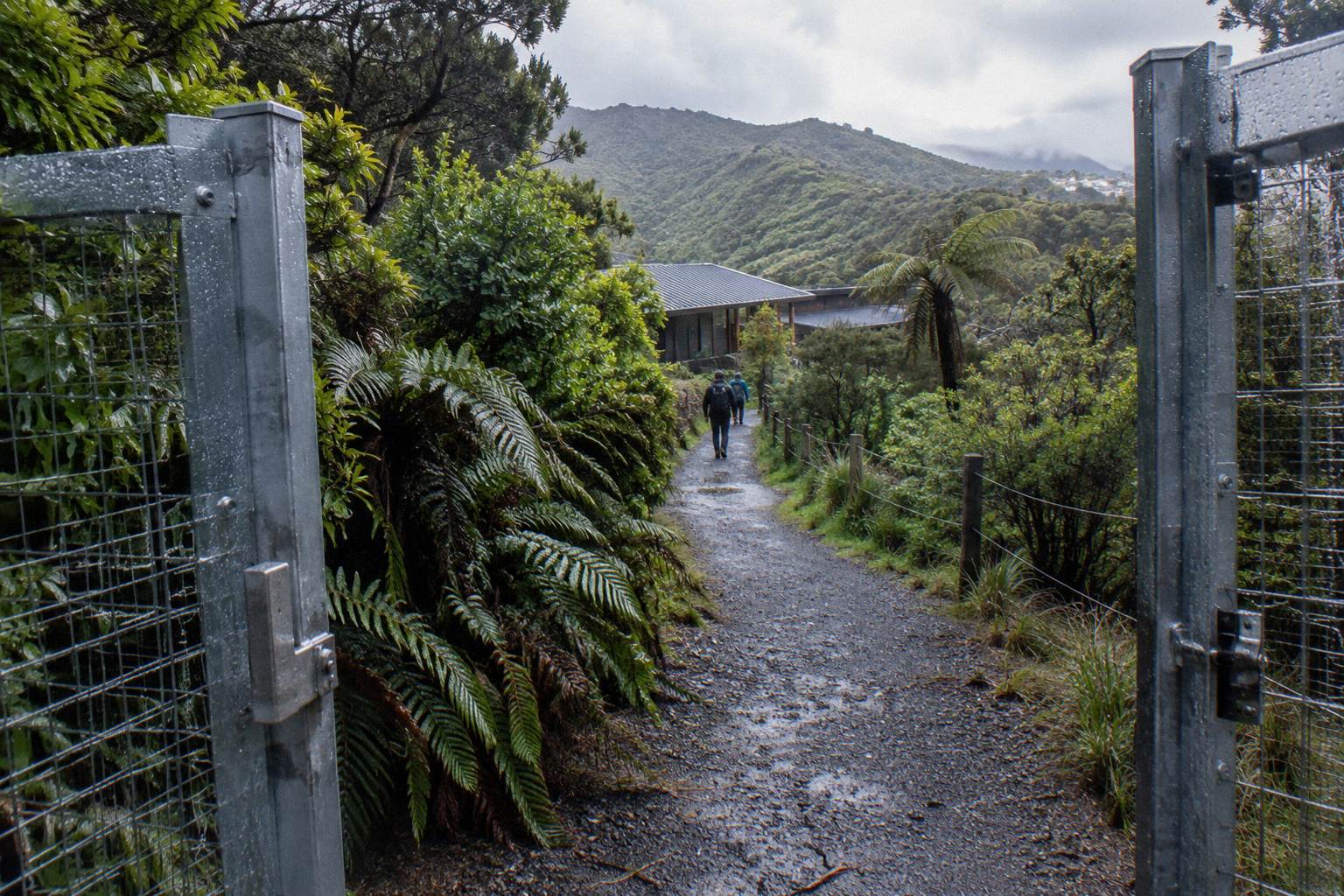
Wear sturdy shoes, warm layers and a waterproof jacket for the day walk; it runs in almost all weather on gravel and uneven ground. Torches are supplied on the night tour. Everyone checks their own bags and pockets for seeds, mice and lizards at the double gates. Food and drinks are not included in the tour price.
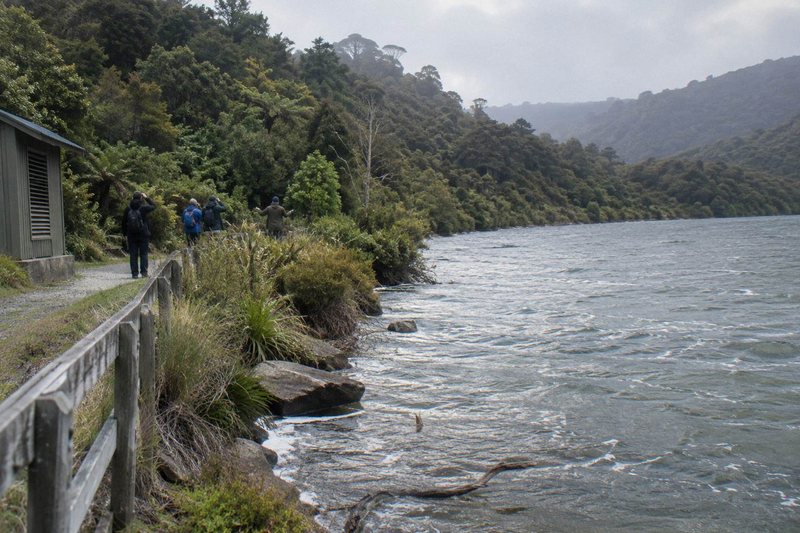
A fence 8.6 kilometres long, more than 32 kilometres of tracks and 225 hectares of regenerating bush sit behind the double gates at 53 Waiapu Road, Karori. Every one of those tracks is gravel, dirt or uneven ground, and Wellington's weather does not negotiate. The sanctuary's own advice for the day walk is short and practical: sturdy shoes, warm clothing and a waterproof layer, because the tour runs in almost all weather. That is the whole official wardrobe brief, and it is enough, provided you read it the way a valley, not a city street, demands.
The article unpacks that brief section by section, for the 2-hour day walk and the 2.5-hour torchlit night walk alike. It also covers the one rule almost nobody expects: before you enter, you check your own bags and pockets for seeds, mice and lizards. That biosecurity check shapes what you should carry in the first place, and it is the reason a clean, half-empty bag beats a packed one every time.
What Should You Wear On The Day Walk?
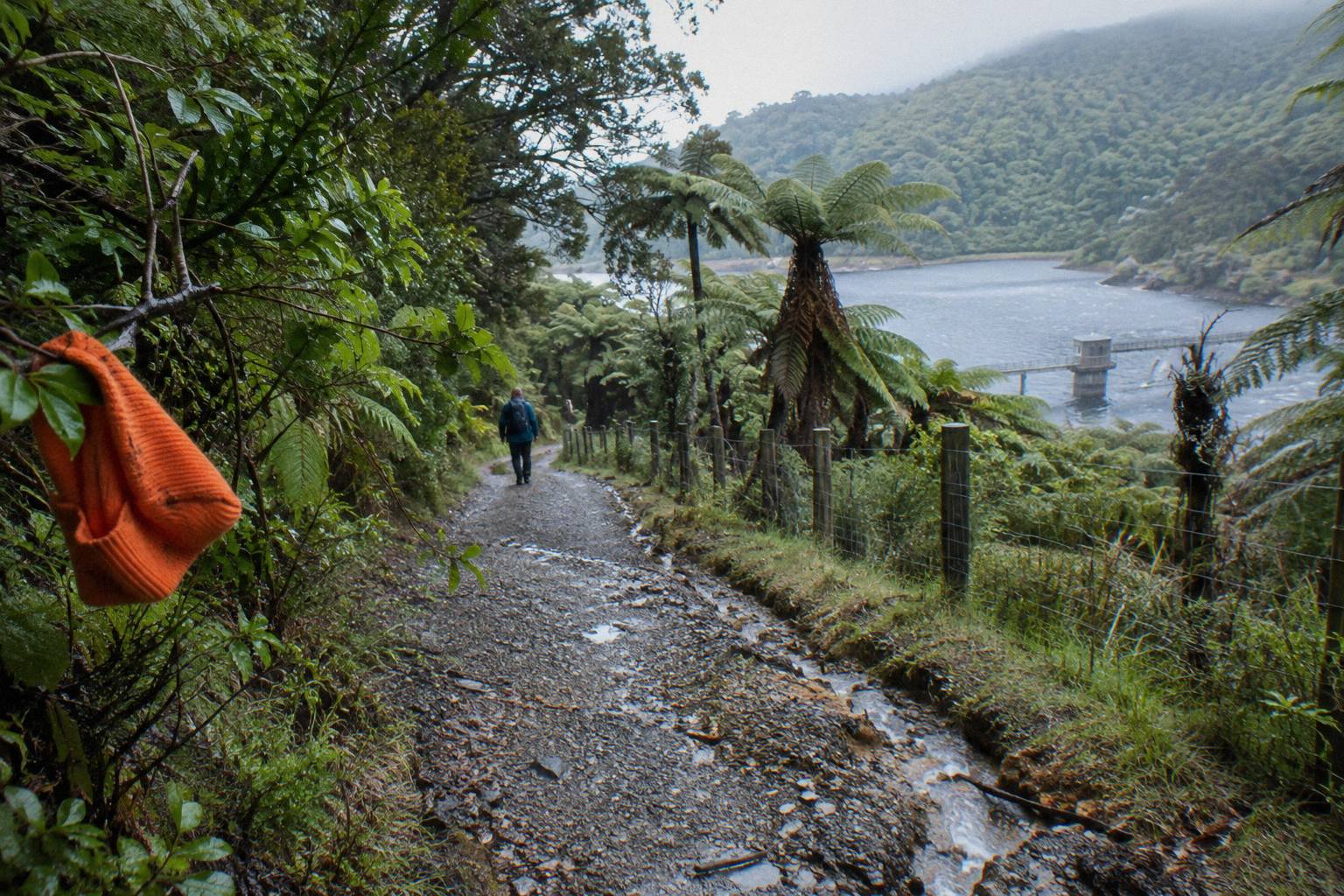
The official brief is three items: sturdy shoes, warm clothes and a waterproof layer. The day walk covers slopes, gravel and uneven ground for about two hours, and the sanctuary calls it not strenuous but says reasonable fitness is needed. It runs in almost all weather and may be called off only in extreme conditions, so dress for the day you actually have.
Start with the shoes, because they matter most. "Sturdy" means a sole with grip and a shoe that holds your foot: the track network includes gravel, slopes and uneven surfaces, and the same footing that is pleasant in trainers on a dry afternoon becomes slick after rain. Walking shoes, trail runners or light boots all work. What does not work is anything you would wear to the beach, and thin-soled fashion shoes that transmit every stone to your foot.
Warm clothes is a layering instruction, not a single garment. The valley sits in a dip, the bush holds damp air, and you will be standing still while the guide talks, which is when you feel cold, not while you are walking. A base layer, a warm mid-layer such as a fleece, and the ability to add or strip one layer without stopping the group is the practical read of "warm clothing". The waterproof layer goes over the top and lives in your bag, not on your body, until Wellington changes its mind, which it does.
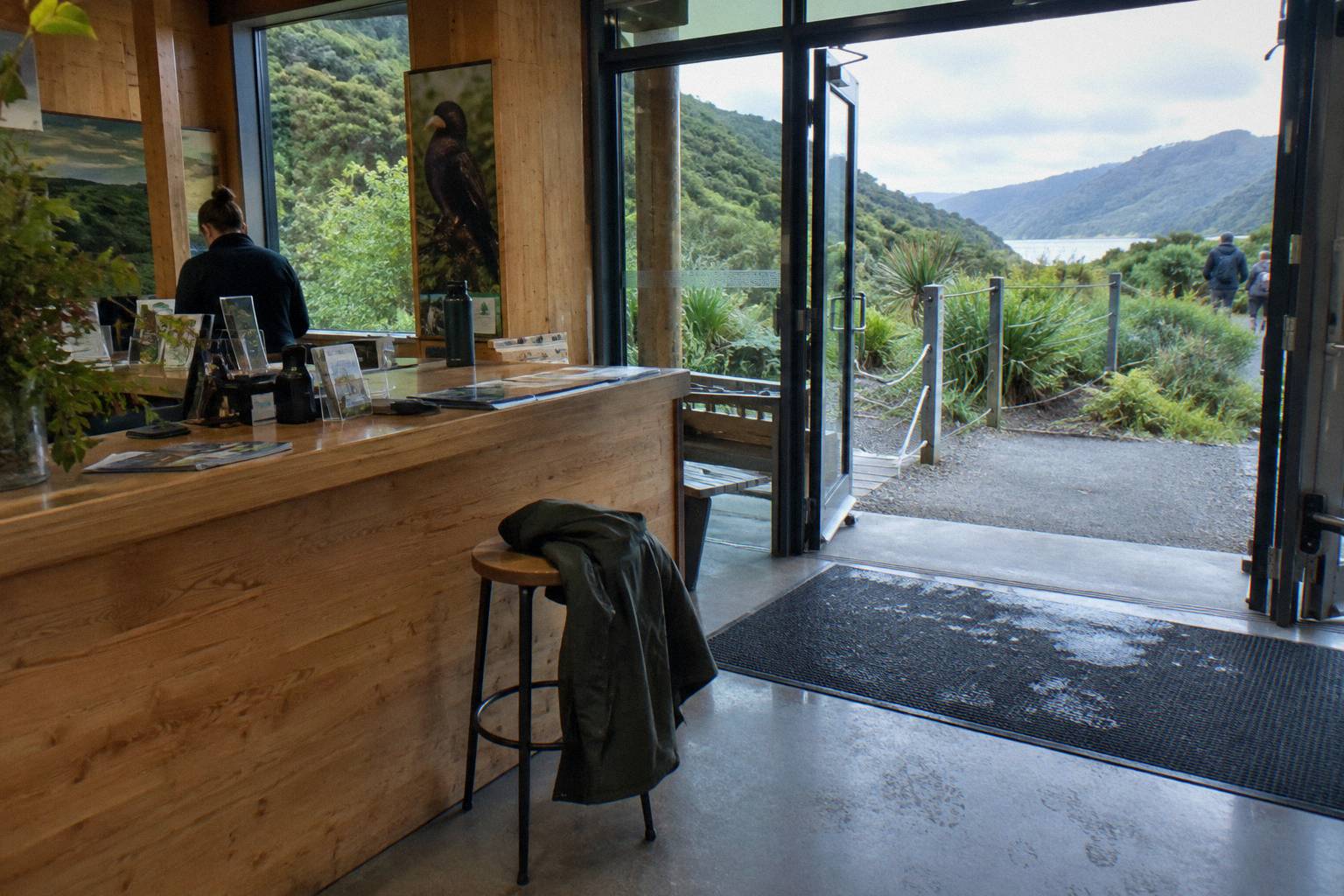
The tour itself frames all of this. Zealandia By Day runs daily, departs from 10am with more departures in summer, and takes up to 12 people with no minimum age and under 5s free. It starts inside the visitor centre with a short intro video, then heads out on the walk. Every ticket includes a professional guide and a General Admission ticket valid for the tour day and the next day, which is worth knowing when you pack, because you may want the same shoes again tomorrow for a self-guided return. The full rundown is on our Zealandia Wellington tour and visit guide.
| Item | Official line | Practical read |
|---|---|---|
| Footwear | Sturdy shoes | Grippy soles; trail shoes, runners or boots |
| Warm clothing | Warm clothes advised | Two to three layers you can adjust standing up |
| Outer layer | Waterproof layer | Pack it even on a fine morning |
| Weather policy | Runs in almost all weather | Only extreme conditions stop it |
| Fitness | Not strenuous, reasonable fitness needed | Two hours on slopes and gravel at guide pace |
If you are weighing the day walk against a self-guided entry instead, the clothing advice is identical either way: our piece on choosing a guided tour or a self-guided visit covers what changes, and it is not the wardrobe.
What Changes For The Night Walk?
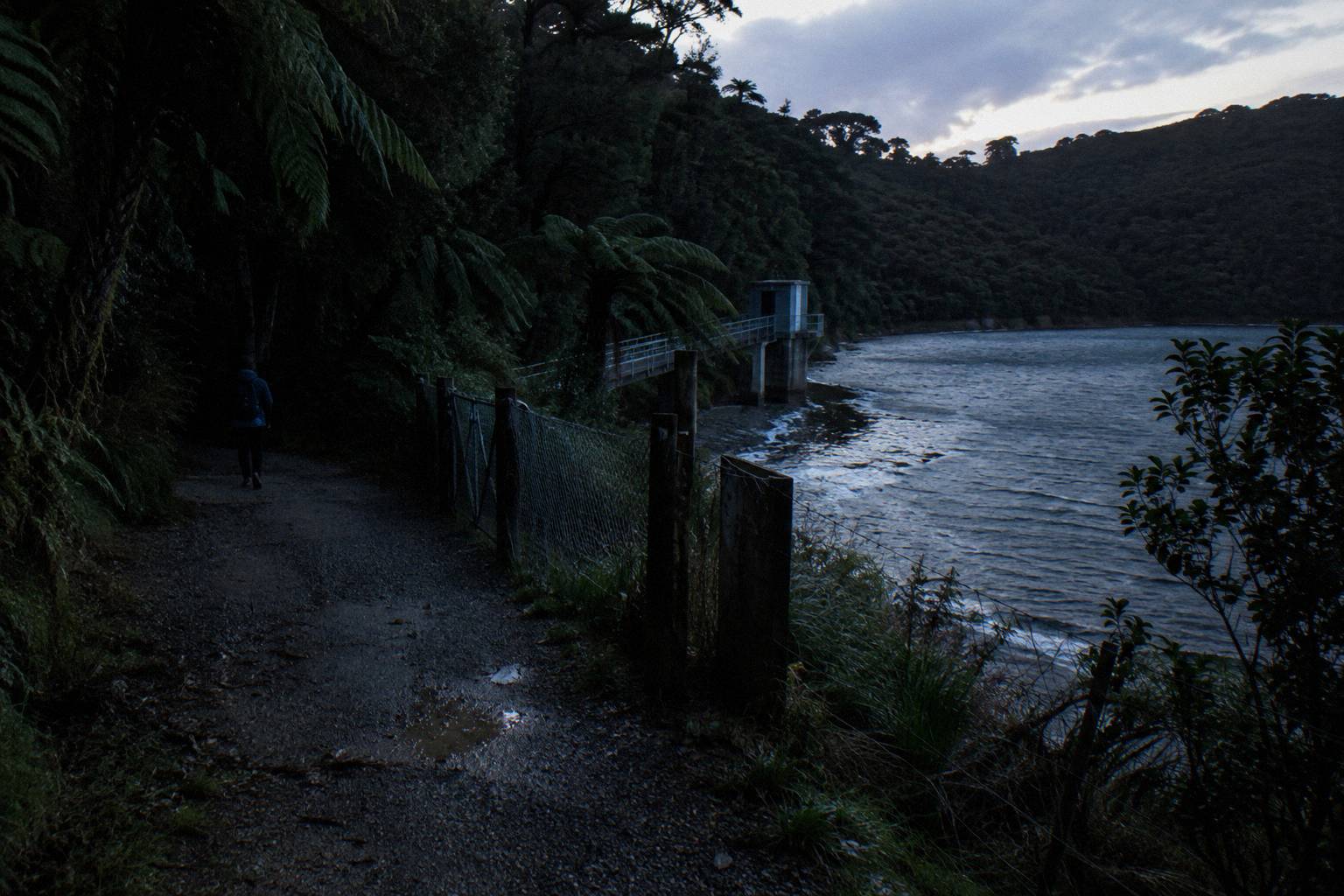
The night tour runs about 2.5 hours around dusk, and torches are supplied, so you do not need to bring your own light. What changes is warmth and darkness management: temperatures drop fast once the sun goes, the walk is torchlit, and the minimum age is 12. Wear everything the day brief asks for, then add a layer, and keep your hands free.
The start time is confirmed at booking, because "around dusk" moves with the season, and the sanctuary never prints a fixed clock time for good reason. That has a clothing consequence: you will arrive in daylight, or late afternoon light, and finish in the dark, which is the classic recipe for under-dressing. The evening that feels mild at the visitor centre is several degrees colder two hours later at the far end of the valley, standing still while a guide sweeps a torch across a bank looking for glowworms, which are pointed out when they are there and never promised.
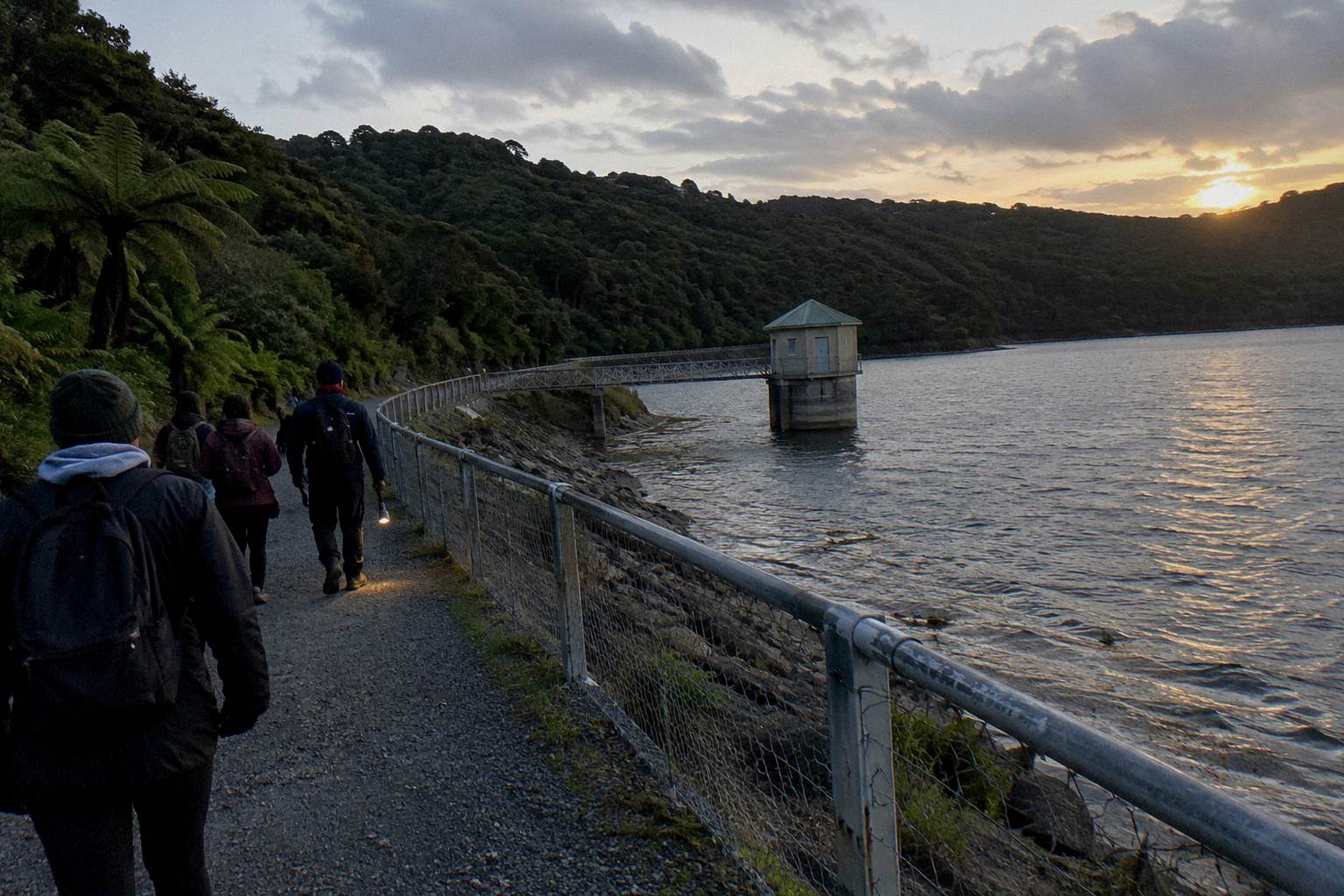
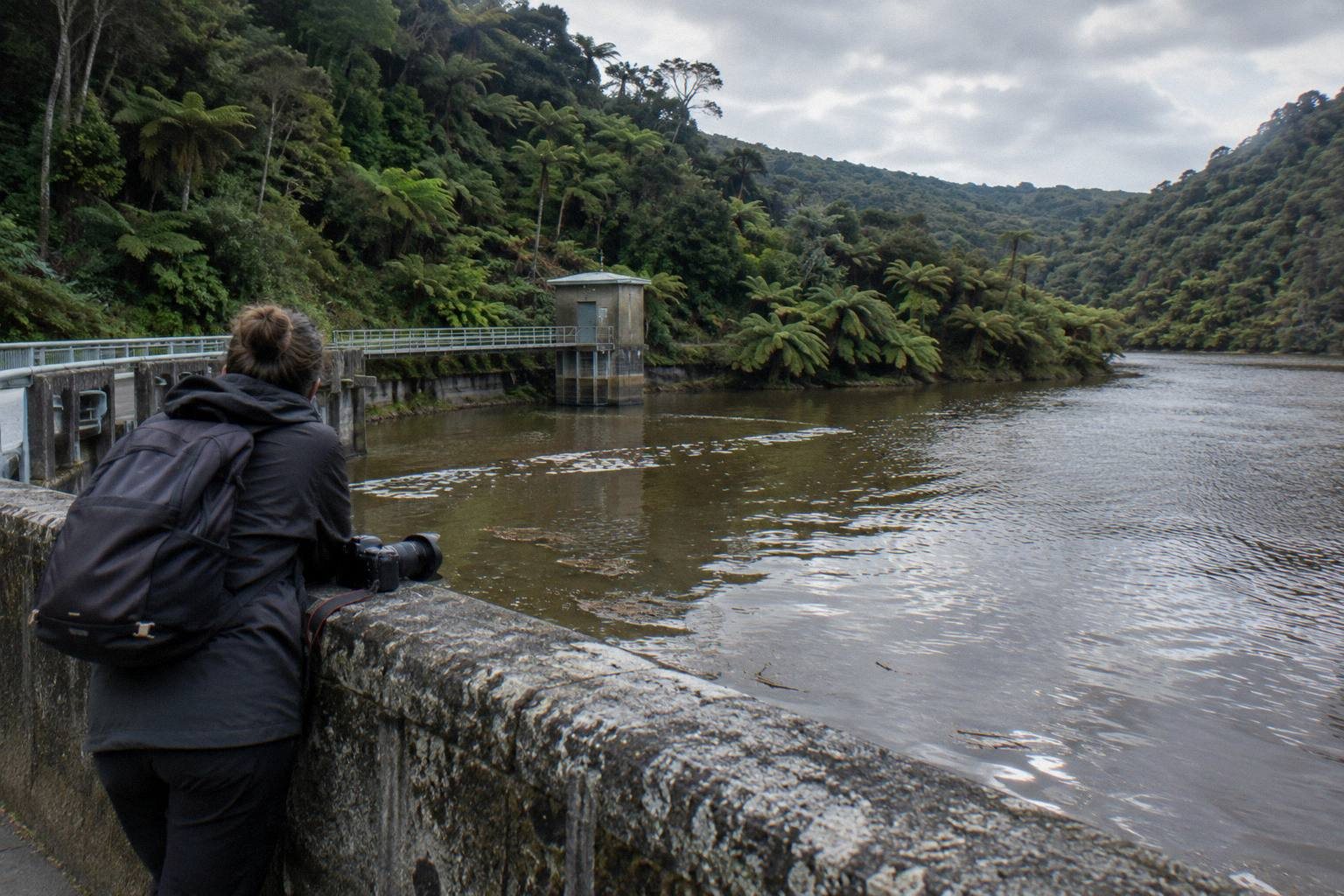
Torches are supplied per the booking page, so a headlamp is not required kit. Many people still bring nothing light-related at all, which is the correct call, because a personal torch that gets used mid-walk can interfere with what the group is watching. If you do carry a phone for its camera, keep it pocketed and dimmed except when the guide says otherwise; a bright screen in a dark valley is the fastest way to lose your night vision and everyone else's goodwill. Photography is allowed on the tours, but night photography of moving wildlife is a specialist game.
The tour ends with a warm kawakawa, lemongrass and ginger tea at the visitor centre, so there is a hot drink built into the finish, but no food stop. Little spotted kiwi are seen on most tours and sightings are never guaranteed, and the same holds for tuatara, takahe, ruru, wetapunga, Hamilton's frog and kaka as chances, not promises. For the full after-dark picture, read our Zealandia night tour guide, which covers the sighting odds in detail.
One practical note on arrival: get to the visitor centre 15 minutes before the start, and after closing the entry for tours is up the driveway to the right of the building, since visitors may not stay behind inside to wait. Families with children under 12 are pointed by the sanctuary to the Twilight Tours and the Kids' Night Walks instead, and the Twilight option, October to March, minimum age 5, takes you from daylight into dark with hot kawakawa tea included, which is a gentler dress problem than full night.
What Can You Bring Through The Biosecurity Gates?
Everyone checks their own bags and pockets for seeds, mice and lizards at the biosecurity double gates before entering. There is no locker or confiscation desk; the check is yours to do, plainly, and it is the single biggest reason to bring a clean, recently emptied bag rather than the one that has lived in your boot since summer.
The fence is the whole experiment. Built in 1999, 8.6 kilometres of predator-exclusion mesh with an underground skirt, it made this the world's first fully fenced urban ecosanctuary, and 13 invasive mammal species were eradicated behind it, the last rabbit in 2000. A single seed cluster on a boot lace or a mouse stowed in a day pack undoes a fraction of that work, which is why the gates exist and why the sanctuary puts the check on you rather than on a staffer rifling your bag.
In practice: empty your pockets before you leave the hotel. Tipping out a day pack the night before matters more than any purchase. Look for seeds caught in boot laces and trouser cuffs, crumbs at the bottom of the bag, and anything organic you have carried on another walk. Do the same check at the gates, visibly, because you are also modelling it for the eleven other people in your group of up to 12. The check takes two minutes and it is the only genuinely mandatory preparation step on any of these tours.
| Where you carry it | Check for | Best practice before you leave |
|---|---|---|
| Day pack | Seeds, crumbs, food scraps, a stowaway mouse | Empty and shake it out the night before |
| Pockets and coat | Seeds, burrs, old receipts with food residue | Empty everything, re-pocket only what you need |
| Boots and laces | Seeds, mud from other trails, gravel dust | Brush and pick clean; check laces and cuffs |
| Pushchair wheels | Seeds and grit from pavements and parks | Wipe the wheels and frame down |
Pushchairs are fine on the day tour, with infants on an adult's lap where needed, so the pram check applies to real families and not just hikers. The same logic covers camera bags, which collect more organic debris than almost anything else people carry. If you want the background on why the gates and the fence matter so much, our piece on the restoration fence and the 500-year vision explains what the sanctuary is protecting. The sanctuary's own planning page sets out the biosecurity check, per Zealandia's plan-your-visit information.
Can You Bring Food And Drink?
Start with what is written down. The day tour's inclusions are a professional guide and General Admission for the tour day and the next day. The exclusions are food and drinks, lunch, alcohol, and hotel pickup and drop-off. That is a pricing fact, not a prohibition: it tells you nobody is feeding you, and it stops well short of banning a muesli bar. Because the official pages state no food rule, the article will not invent one; the right move is to ask the operator what you can carry, and to mention it when you book if it matters to you.
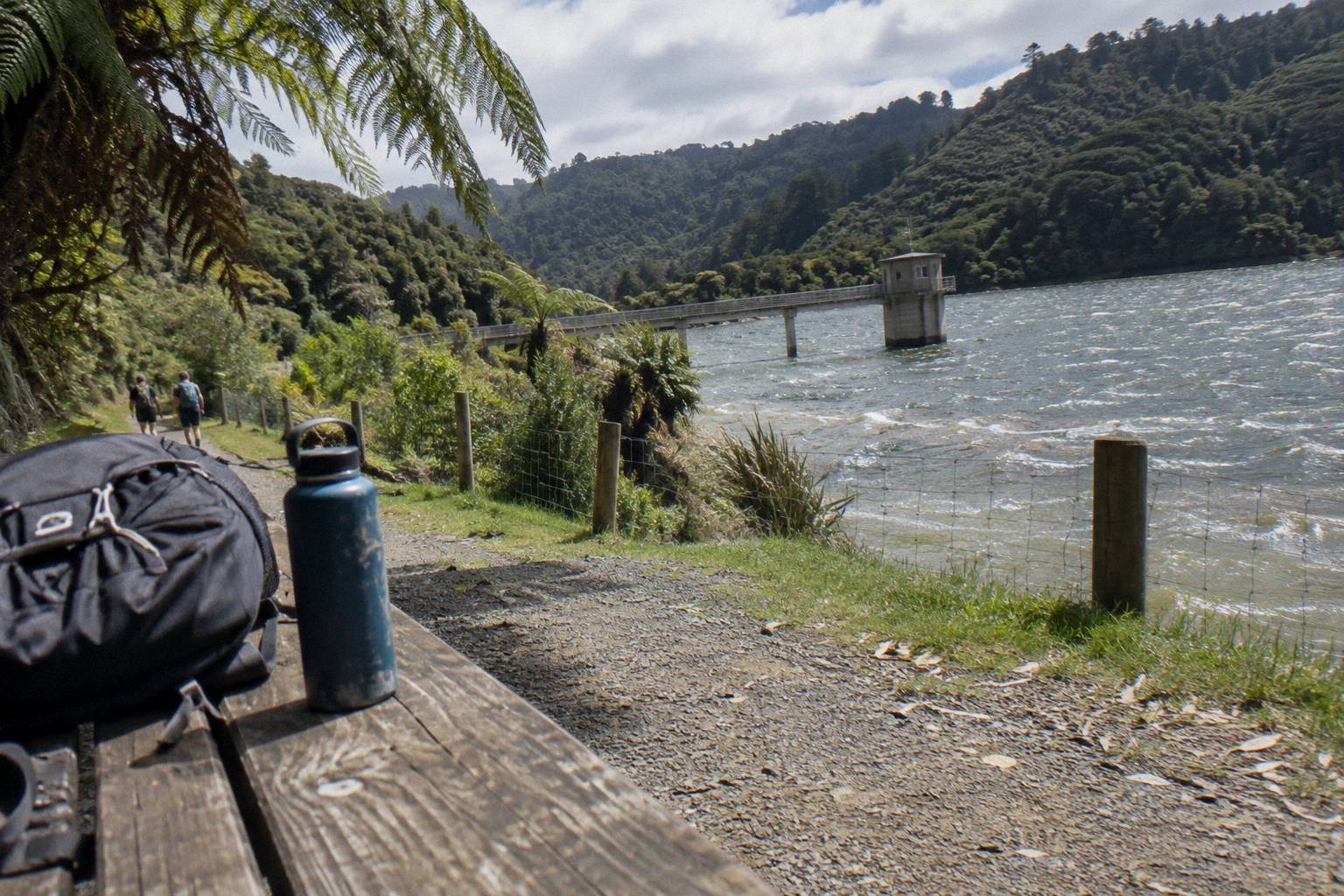
The biosecurity check is where food actually meets policy. Anything edible in your bag needs to be sealed, crumb-free and re-sealable, because loose food residue is exactly what the seed-and-mouse check is looking to keep out. A zip-closed bag with a plain sandwich passes any reasonable inspection; a paper bag of bakery goods shedding flakes does not. Water bottles are unremarkable and sensible on a two-hour walk with slopes, whatever the weather.
Alcohol is explicitly excluded from the day tour's inclusions, so leave it behind. As for the night tour, its finish is a warm kawakawa, lemongrass and ginger tea at the visitor centre, included per the booking page, which covers the hot-drink question for the after-dark walk. Whether a daytime visit justifies packing a full picnic is a different question with a different answer, and our post on whether you can take food into Zealandia on a tour works through it in detail.
What Should Stay In The Car Or Hotel?
Leave behind anything with wheels that is not a pushchair, anything valuable, and anything you would hate to drop on a dark track: umbrellas, drones, bulky camera rigs without a strap, and any bag you have not emptied and checked. There is no hotel pickup on any of the four tours, and the sanctuary's own getting-here advice covers parking, so travel light and plan the arrival.
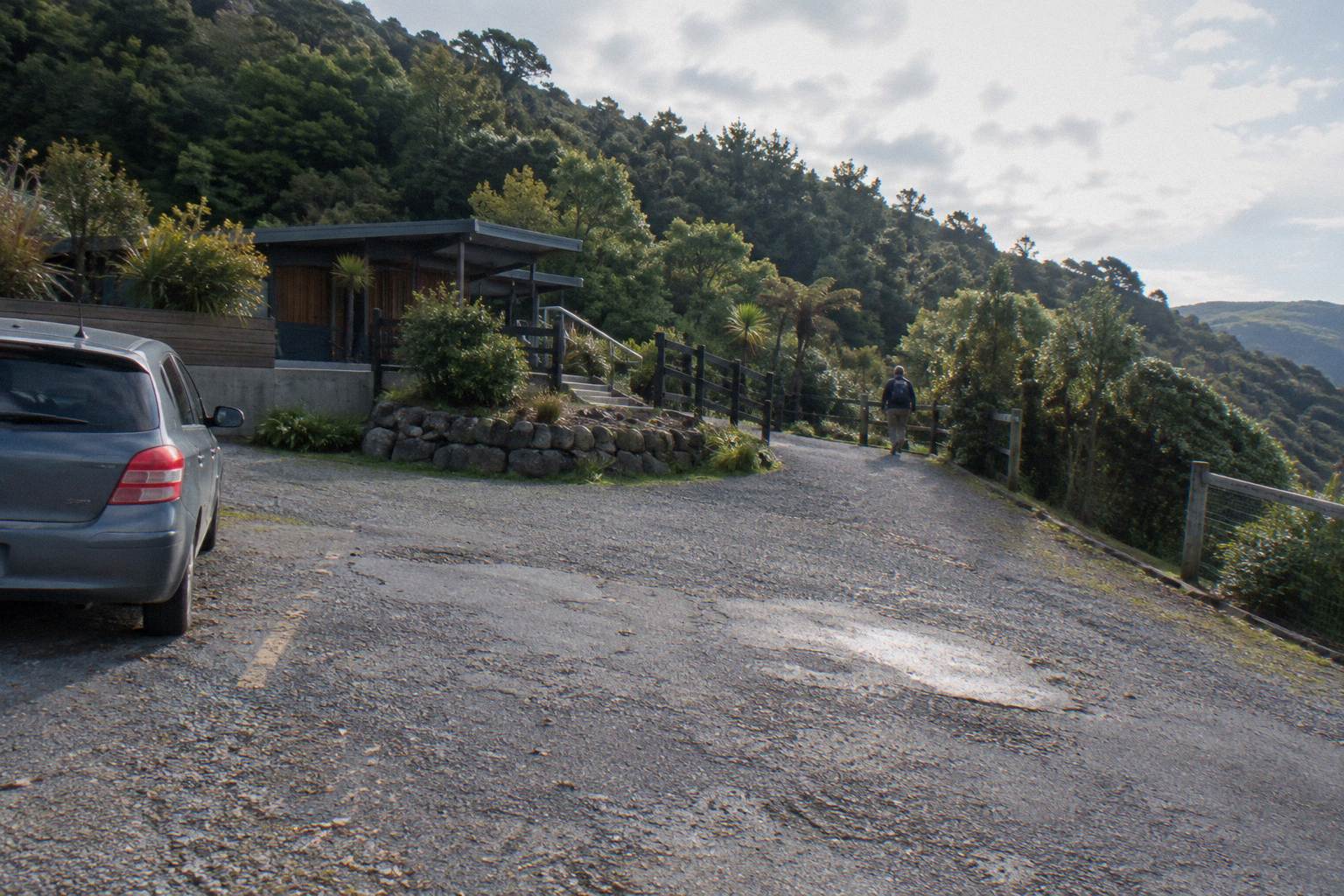
The no-pickup point first, because it surprises people. None of the four tours includes hotel pickup and drop-off, and every tour starts inside the visitor centre at 53 Waiapu Road, Karori, with a request to arrive 15 minutes early. That means your arrival plan and your packing plan are the same plan. Parking at the sanctuary is limited, with an overflow car park on Birdwood Street, so whatever you leave in the car should be out of sight, and whatever you carry should already have survived the bag check described earlier.
The umbrella question answers itself on a valley track: a waterproof layer with both hands free beats a hand-held canopy on gravel, and doubly so after dark. Drones and playback gear have no place in a sanctuary whose entire point is that wildlife behaves naturally; photography is allowed, but a huge rig on an uneven, sometimes crowded track is a trip hazard more than a kit choice. A camera with a strap, a phone, a water bottle and a sealed snack covers nearly every visitor's needs.
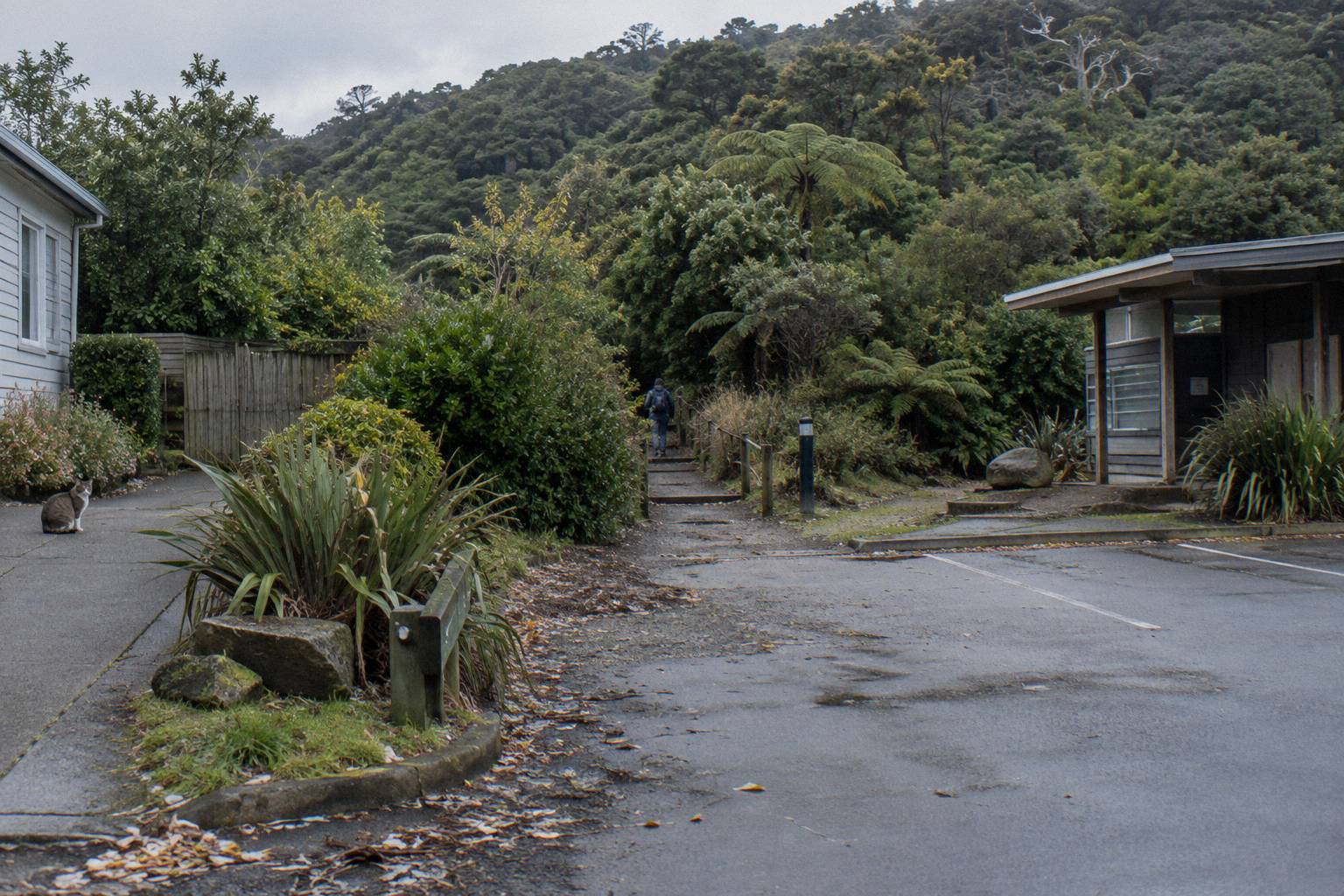
Jewellery, passports and anything you would be upset to lose in undergrowth can stay wherever you are sleeping. The valley has more than 32 kilometres of tracks, and small dropped objects are genuinely hard to find in regenerating bush, especially at night. The sanctuary is run by a not-for-profit trust with more than 500 volunteers, and nobody on the team wants to spend an hour of their week hunting a dropped earbud, least of all at the edge of a torch beam.
| Leave behind | Why | Carry instead |
|---|---|---|
| Umbrella | Occupies a hand on gravel and in the dark | Waterproof jacket with a hood |
| Bulky camera rig without a strap | Trip hazard on uneven, shared track | Camera with a neck or wrist strap |
| Big, unemptied day pack | Fails your own biosecurity check quickly | Small pack checked the night before |
| Valuables and travel documents | Drop risk in dense bush, day or night | Phone, card, key, nothing more |
| Alcohol | Excluded from the tour's inclusions | Nothing; tea ends the night tour |
If you are building the wider day around the tour, the practical logistics, shuttle, Cable Car and bus options, are covered in the getting-to-Zealandia guide, and remember the free electric shuttle from outside the Takina Convention Centre and the top of the Cable Car carries only 11 people per trip with space not guaranteed.
How Should Kids And Older Walkers Dress?
Children need the same three-item brief as adults, adjusted for the fact that they feel cold faster standing still: sturdy shoes, warm layers and a waterproof, with under 5s free and no minimum age on the day tour. Older walkers should treat the guide's own words as the benchmark, not strenuous, but slopes, gravel and uneven ground, so supportive footwear and a walking pole if you use one.
The day tour is genuinely family-shaped: no minimum age, under 5s free, pushchairs fine, infants on an adult's lap, children with an adult. Dress kids in one more layer than you would wear yourself, because the standing-and-listening parts of a guided walk are where children cool down, and a wet, cold child ends the tour early for everyone. Closed, grippy shoes rather than school sandals, and a spare layer in the adult's pack rather than the child's.
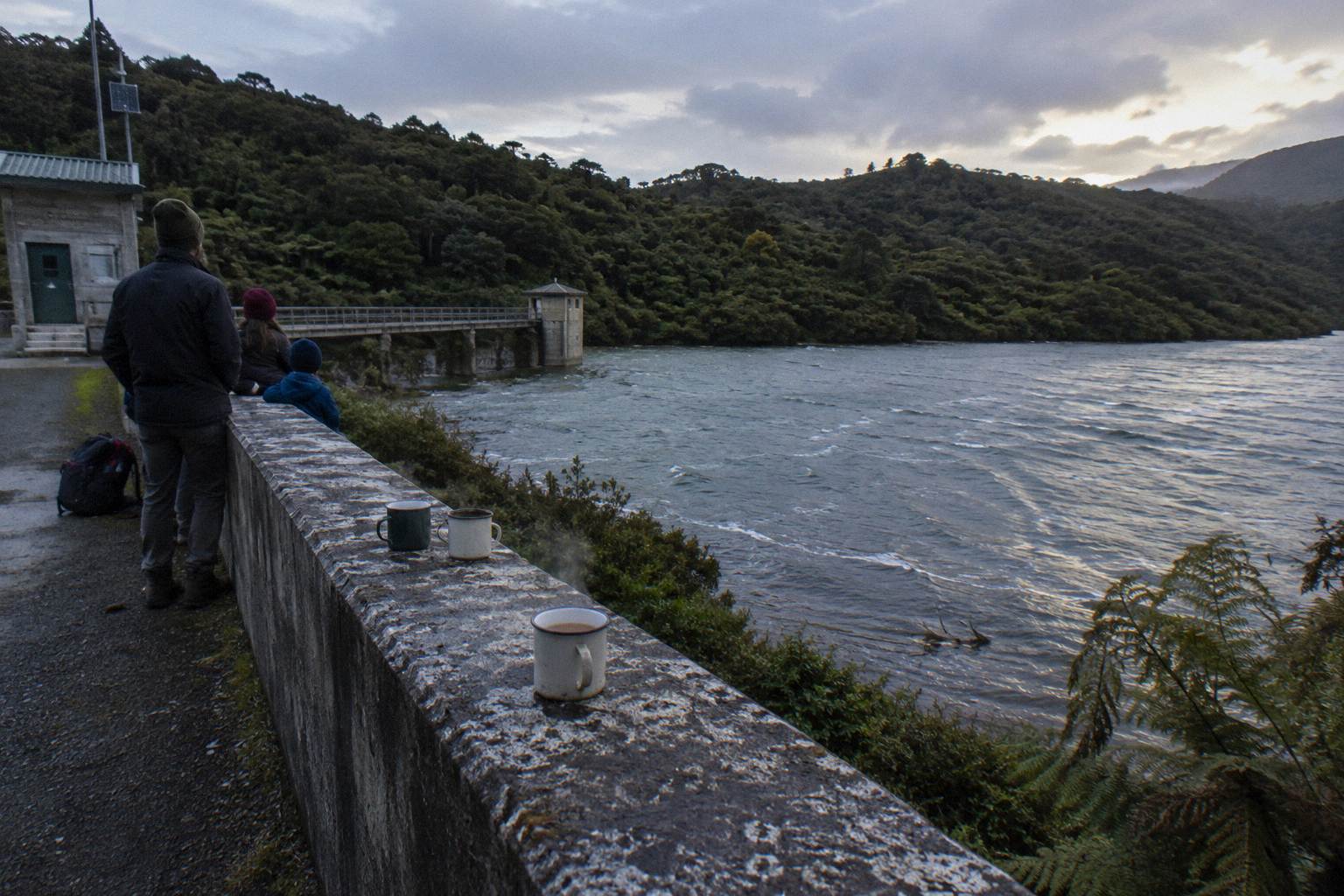
The night tour is the one with a hard line: minimum age 12, with families of younger children pointed to the Twilight Tours, October to March, minimum age 5, which runs about 2.5 hours from daylight into dark. The twilight dress brief sits between the two: day layers at the start, night warmth by the end, and the hot kawakawa tea at the finish. Our piece on kids joining the Zealandia night tour covers the age rules fully.
For older walkers, quote the operator rather than guessing. The booking page for the day tour describes uneven surfaces and a moderate level of walking; the official accessibility page says much of the lower valley is wheelchair and pram friendly, with a lift in the visitor centre, free mobility scooters if you ask ahead, a companion entering free, and accessible toilets, though the shuttle has no chairlift. Whether any given tour suits any given person is a question for the operator when you book, not for a checklist; ask them, and quote their own conditions back. There is also a quieter Sunday option worth knowing about: the Forest Secrets Plant Walk, about 2 hours, 10:30am Sunday mornings, up to 12 people, no minimum age, from NZ$70 per person, a new listing with no rating yet, and plants-led rather than wildlife-led.
Common Mistakes With Clothing And Bags
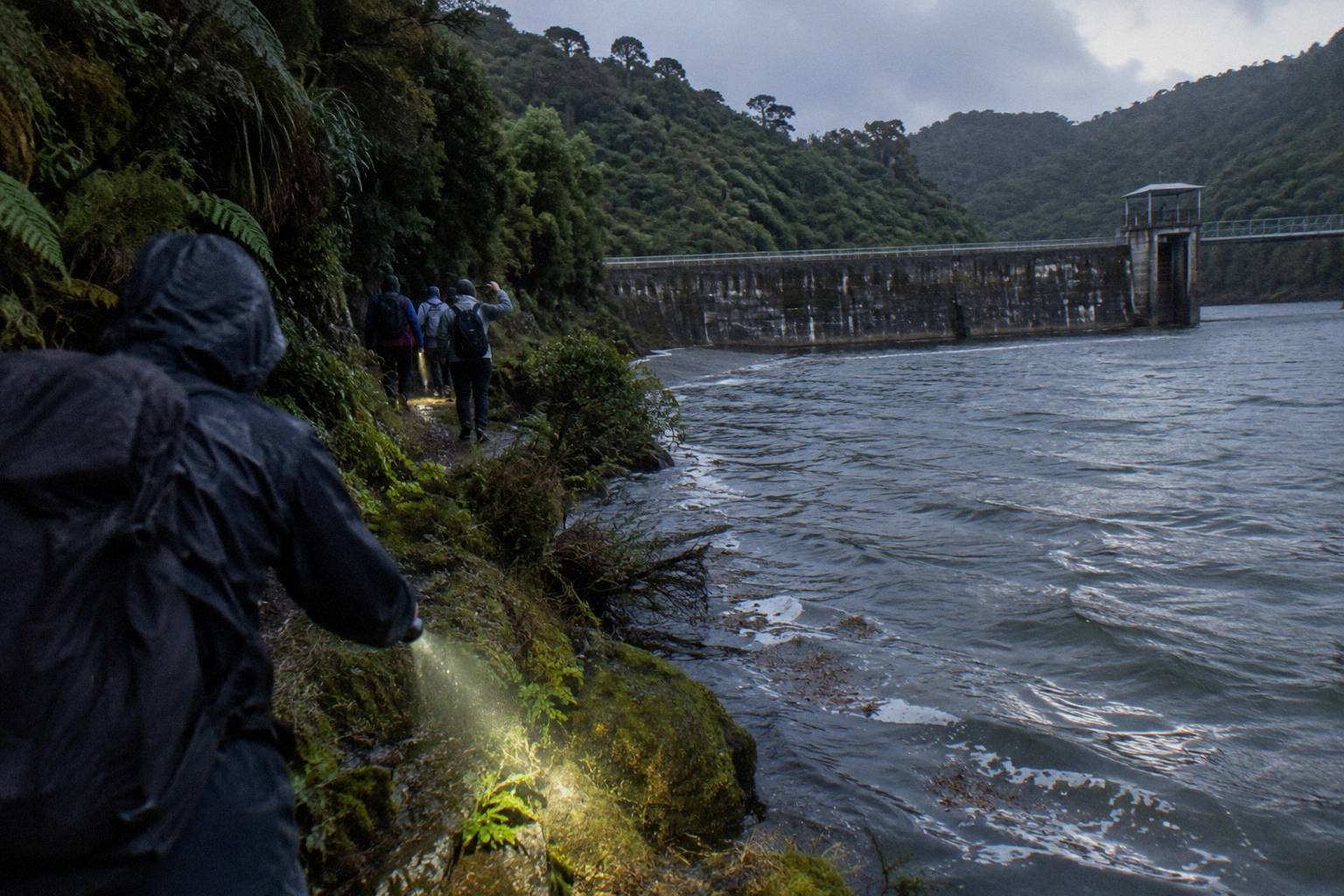
The recurring mistakes are dressing for the city temperature rather than the valley, skipping the self-check at the biosecurity gates, bringing a bag full of old crumbs and seeds, relying on a phone torch after dark, and carrying too much. Every one of them is avoidable the night before, and none of them costs money to fix, which is what makes them frustrating to see repeated tour after tour.
The first mistake is trusting the forecast's number instead of its direction. Wellington afternoons can read mild in the city and feel raw in the Karori valley an hour later, and the tour runs in almost all weather, so the people who arrive in a t-shirt "because it looked warm" are the people borrowing warmth by the halfway point. The official brief, warm clothes and a waterproof layer, exists precisely because the sanctuary knows this valley. Trust it over the forecast.
The second is treating the biosecurity check as a formality someone else will handle. Nobody else will handle it: everyone checks their own bags and pockets for seeds, mice and lizards, and the person who arrives with a crumby bag from yesterday's road trip discovers the problem exactly when eleven other people are waiting behind them. Do the check at your accommodation, then do it again at the gates. It is the only step of the whole visit that the sanctuary formally asks of every visitor.
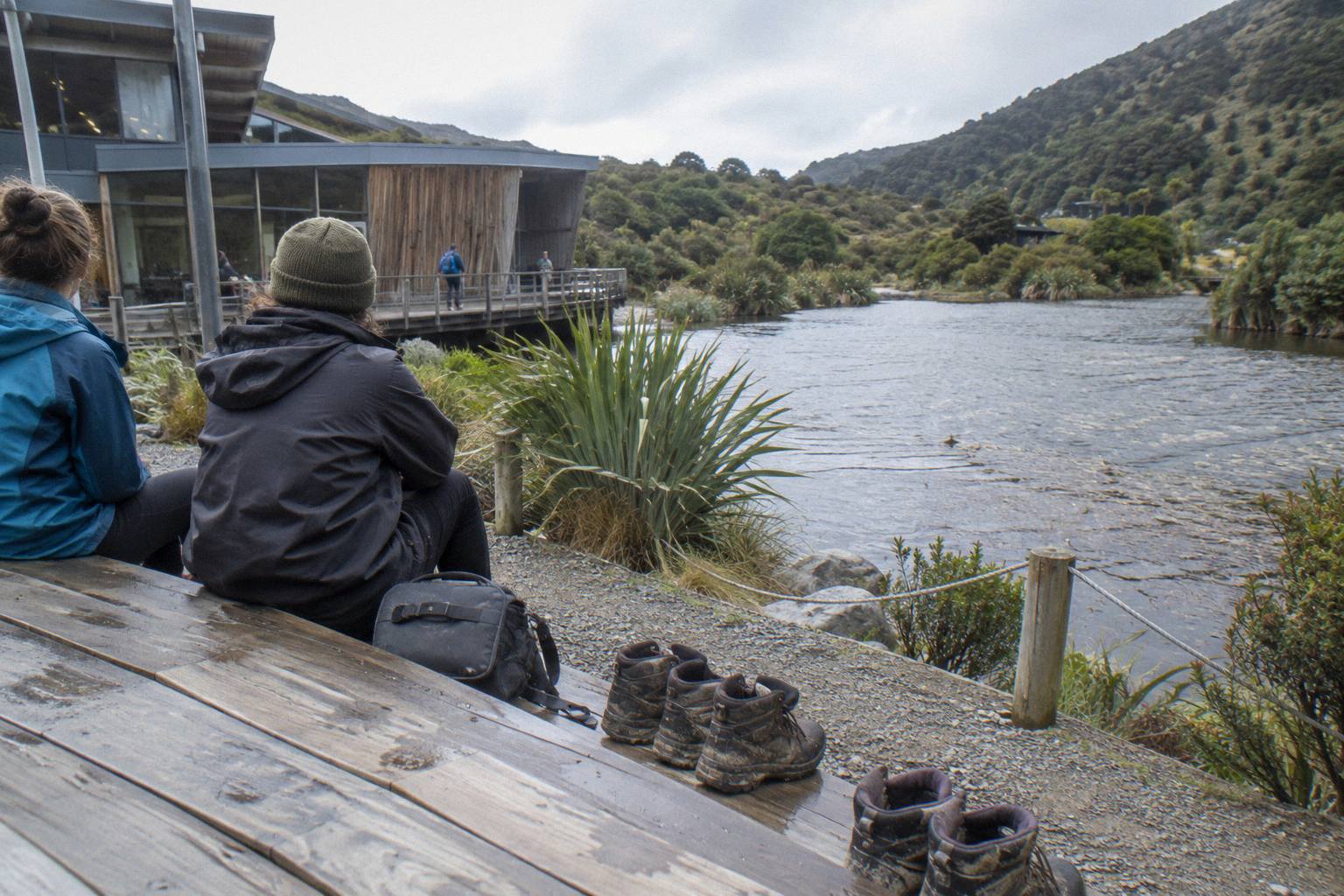
The rest of the list is shorter. Assuming your phone torch is enough for the night tour, when torches are supplied and a phone screen kills your night vision. Bringing a full picnic when the exclusion list already tells you lunch is not included and the answer is to ask the operator what you can carry. Dressing children in exactly what you are wearing instead of a layer more. And carrying a big bag at all, when the perfect Zealandia kit is small, clean, checked and mostly empty. For the wider planning picture around all of this, Zealandia Day Tour collects the site's guides in one place.
Common Questions About What To Wear And Bring On A Zealandia Guided Tour
What Shoes Should I Wear On A Zealandia Tour?
Sturdy shoes with grip. The day walk covers slopes, gravel and uneven ground for about two hours, and the sanctuary's own brief lists sturdy shoes first. Trail shoes, runners or light boots all work; sandals and smooth-soled fashion shoes do not.
Do I Need To Bring A Torch On The Night Tour?
No. Torches are supplied on the Zealandia By Night tour per the booking page. It is better to keep your phone dark and pocketed so you keep your night vision while the guide sweeps the banks.
Can I Bring Food And Drink Into Zealandia?
Food and drinks are not included in the tour price, and the official pages state no food rule. Ask the operator what you can carry when you book, and keep anything edible sealed and crumb-free for the biosecurity check.
Does The Tour Still Run If It Rains?
Yes, the day tour runs in almost all weather and may be called off only in extreme conditions, which is exactly why the waterproof layer is part of the official brief. Free cancellation applies up to 24 hours before the start.
What Is The Biosecurity Bag Check?
Everyone checks their own bags and pockets for seeds, mice and lizards at the double gates before entering. Do it the night before as well, especially boot laces, coat cuffs and the bottom of your day pack.
How Should I Dress Children For The Tour?
In the same three items as adults, sturdy shoes, warm layers and a waterproof, plus one extra layer carried by an adult. There is no minimum age on the day tour and under 5s go free; the night tour has a minimum age of 12, and the Twilight Tour takes children from age 5.