What A Zealandia Guided Tour Explains: The Fence, The Dam And The 500-Year Vision
The fence, the dams and the half-millennium plan are the parts of Zealandia a guide explains best. Here is the history a guided walk covers, fact by fact.
Short answer
Zealandia began with a 1992 proposal by Jim and Eve Lynch and became the world's first fully fenced urban ecosanctuary when its 8.6 km fence was finished in 1999. The valley was a Wellington water supply from 1876 until 1991, and the restoration vision runs for 500 years.
The most interesting thing inside Zealandia is not an animal. It is a line of reasoning, written in steel mesh across 8.6 kilometres of ridge, and it takes about two hours to walk through it with someone who can explain it. The fence answers a question most visitors never think to ask: what does it take to give a forest back its birds, inside a capital city, and how long are you willing to wait?
That question has a stated answer, and it is longer than a human lifetime. The sanctuary's restoration plan runs for 500 years, because the rata and rimu planted on the valley slopes need centuries to become what they are meant to become. The story is what separates a guided walk from a solo stroll, and it is the reason Zealandia Day Tour exists: the tour is the explanation. The article lays out the whole history, from a 1992 backyard proposal to a takahe pair browsing near a dam wall, so you know exactly what a guide is adding before you decide between the two.
How Did The Sanctuary Begin?
Zealandia began as a 1992 proposal by Jim and Eve Lynch, who argued that the retired Karori water reserve could be fenced, cleared of predators and returned to forest. The Karori Sanctuary Trust was launched in 1995 to carry the idea, and the fence was finished in 1999, making the valley the world's first fully fenced urban ecosanctuary.
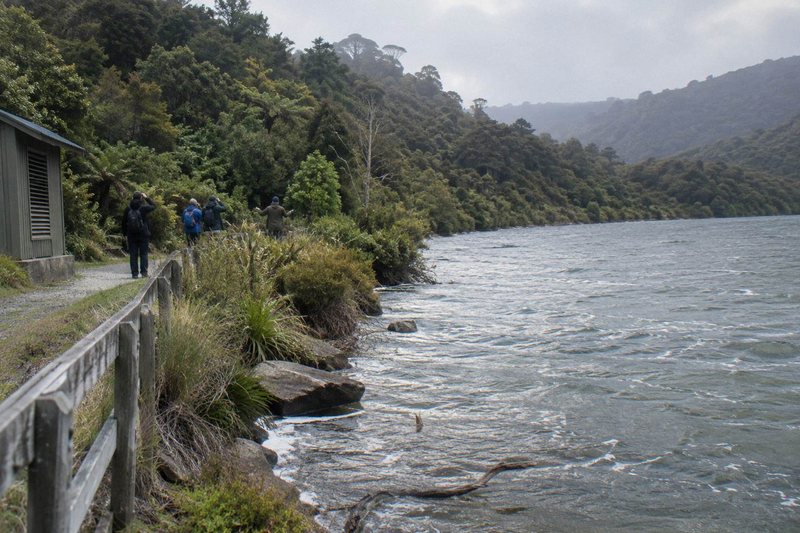
Seven years separate a private proposal from a world first. In 1992 the idea that a city could build a predator-proof fence around a whole valley, and that native birds would then come back on their own terms, was close to fringe thinking. Urban conservation meant pockets of bush and wishful thinking. The Lynches' insight was that Wellington happened to own a large, retired water catchment, already mostly free of houses and roads, sitting four kilometres from the central city. The upper dam had been taken out of service in 1991, which left the valley with no custodian and a future as a liability.
The trust that formed in 1995 had to prove two things before anything could grow: that a fence could actually keep mammals out, and that the public would care. The fence design was tested, refined and finally built through 1999, and the first urgent job after it closed was the hardest one, removing every possum, hedgehog and rabbit already inside. Possums and hedgehogs were gone by the end of 1999 and the last rabbit followed in 2000. Thirteen mammal species were eradicated in total. Only then could the first translocations begin.
A detail worth carrying with you on any visit: none of this is ancient history. People who volunteered at the planting stage are still around, and more than 500 volunteers keep the place running today. The trust is not-for-profit, and it won the 2023 Air New Zealand Supreme Tourism Award, which is the tourism industry's own acknowledgement that a restoration project had become one of the country's significant visitor experiences. For a fuller run of what a visit involves day to day, the main Zealandia Wellington tour and visit guide covers tickets, timing and transport.
What Was The Valley Before The Fence?
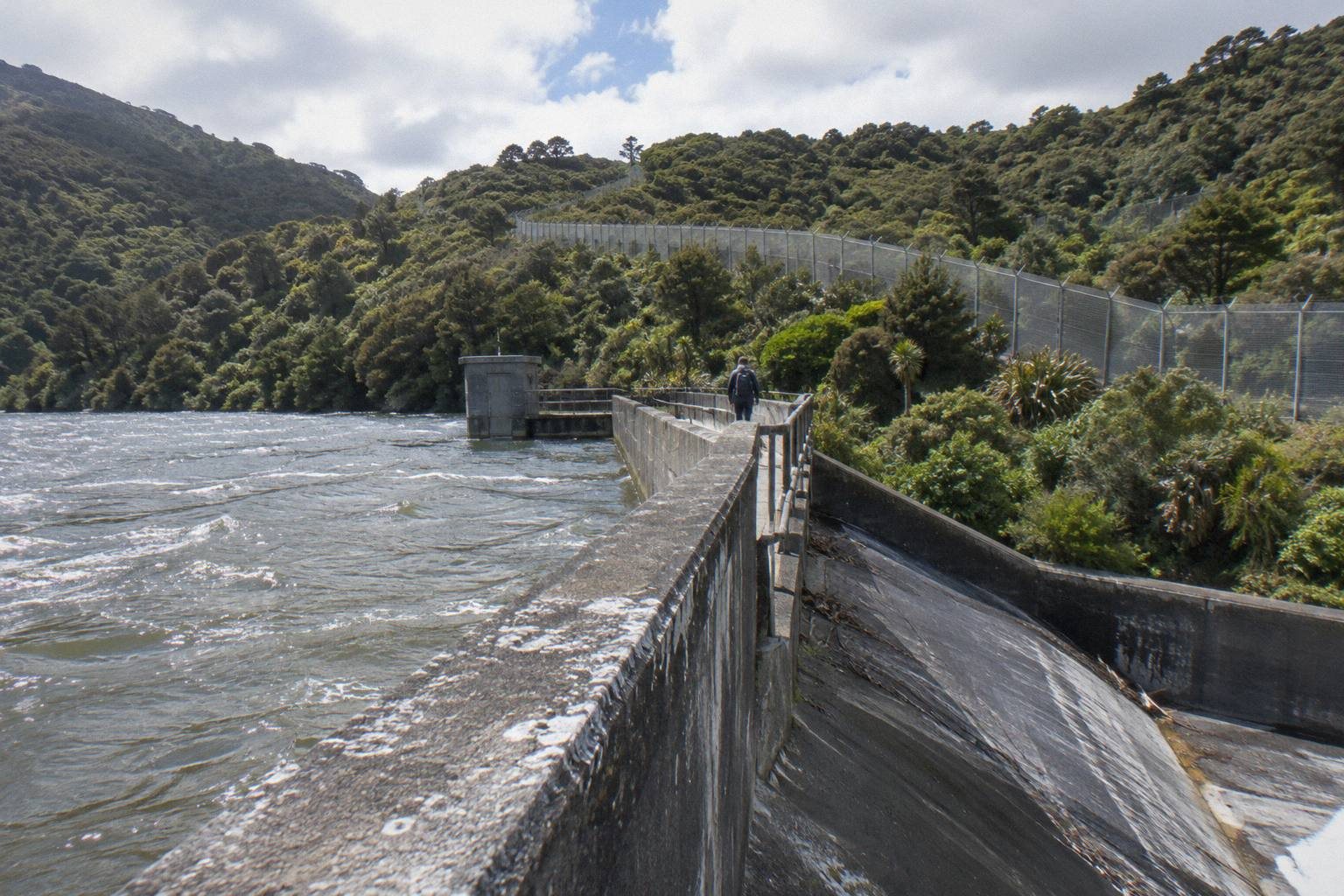
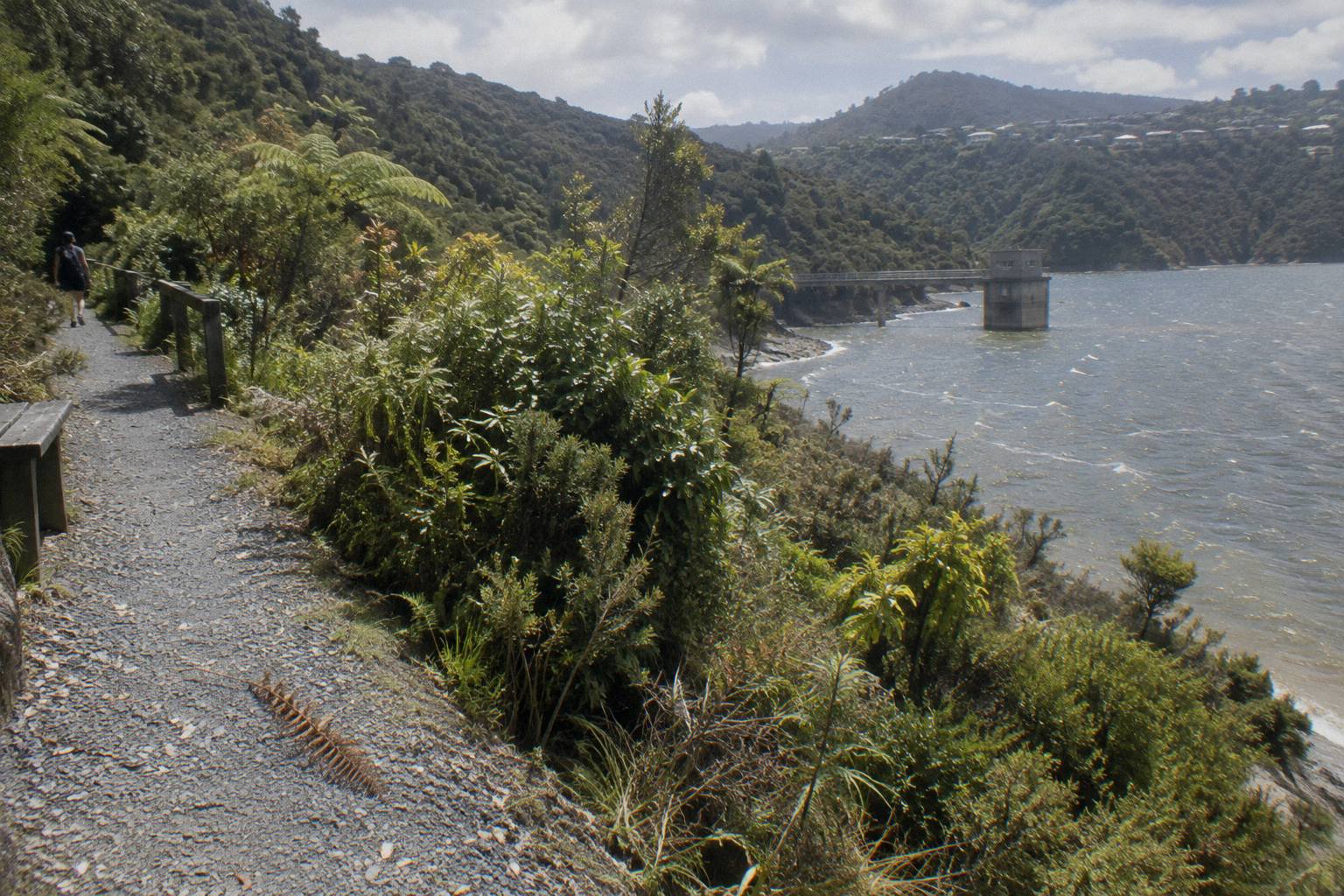
Before the fence, the valley was a working water supply for Wellington for over a century. An earth dam was built between 1876 and 1878, a concrete gravity dam followed in 1908, and the upper dam was taken out of service in 1991, leaving a retired reservoir valley that became the sanctuary's footprint.
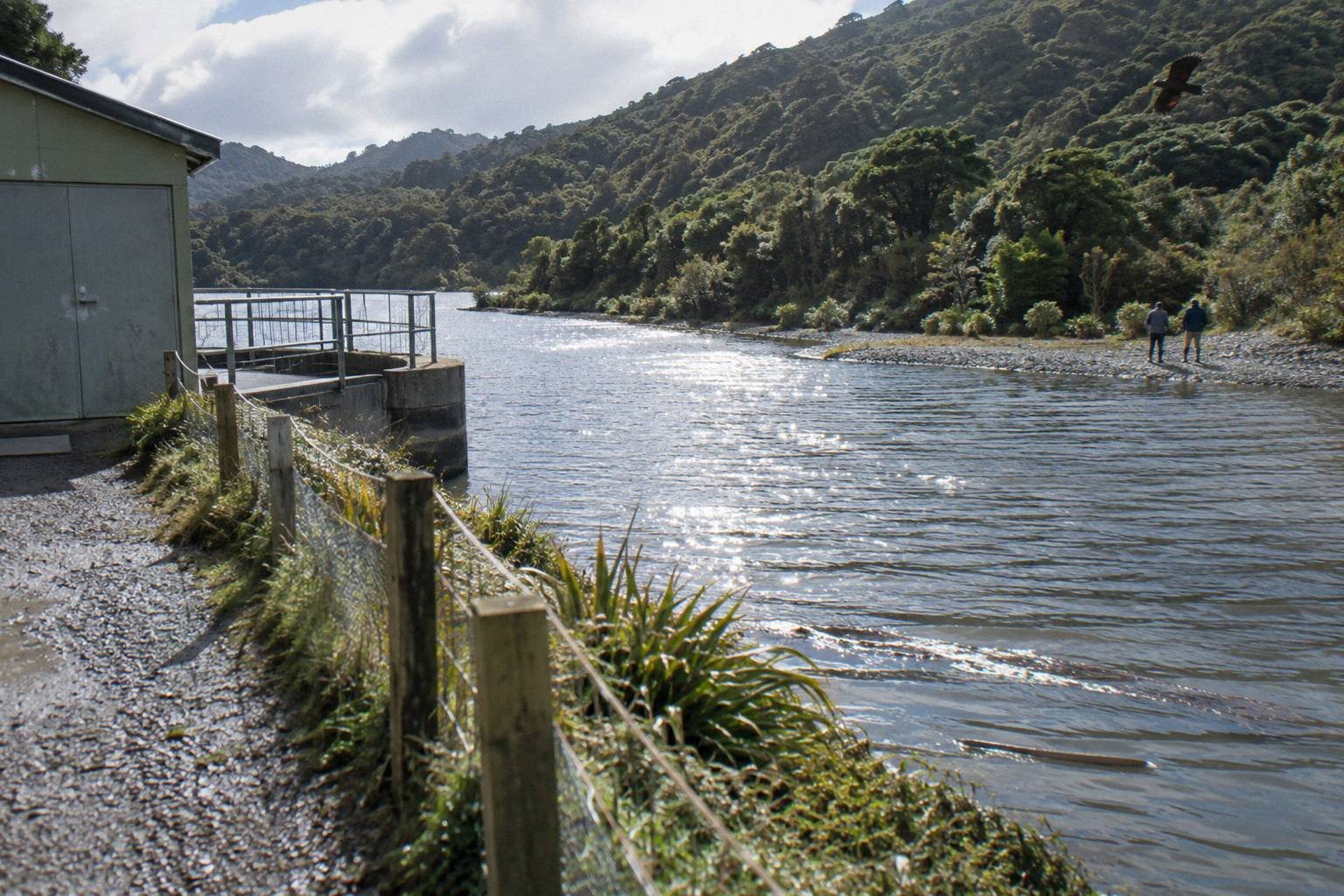
The water history is the part most visitors skip, and it is the part a guide uses to explain the landscape you are actually looking at. The valley's dams are not scenery; they are the reason the valley exists as an open space at all. When you stand at a dam wall on a tour, you are standing on some of the city's oldest surviving infrastructure, staring at a forest that is being built for a future no one present will see.
The sequence matters. The Wellington waterworks act of 1871 set aside 228 acres, and the earth dam built from 1876 to 1878 was the first of its kind in Wellington, possibly in the country. It was a significant engineering move for a young colonial town. As the city grew, so did its thirst, and in 1908 a concrete gravity dam was completed, the first large-scale concrete gravity dam in New Zealand. The two lakes you walk past are these two dammed waters, one much older than it looks, one much younger than its concrete suggests.
| Period | What happened | What it left behind |
|---|---|---|
| 1871 | Wellington waterworks act set aside 228 acres | Legal protection that kept the valley free of housing |
| 1876 to 1878 | Earth dam built, first of its kind in Wellington | The upper lake's basin |
| 1908 | Concrete gravity dam completed | The lower lake and the dam wall visitors walk past |
| 1991 | Upper dam taken out of service | A retired catchment with no future use, and an opening |
| 1992 to 1999 | Proposal, trust, fence | The world's first fully fenced urban ecosanctuary |
Guides also use the water years to explain something counterintuitive: the forest you see is not old growth. The valley was cleared, grazed and planted in pines for decades while it supplied water. What grows on the slopes now is a restoration, dense and young and deliberately diverse, with canopy trees planted at intervals intended to mature across centuries. That reframing changes how the walk feels. You are not looking at a remnant that survived; you are looking at something being rebuilt, in real time, on old reservoir land.
How Does The Predator-Proof Fence Work?
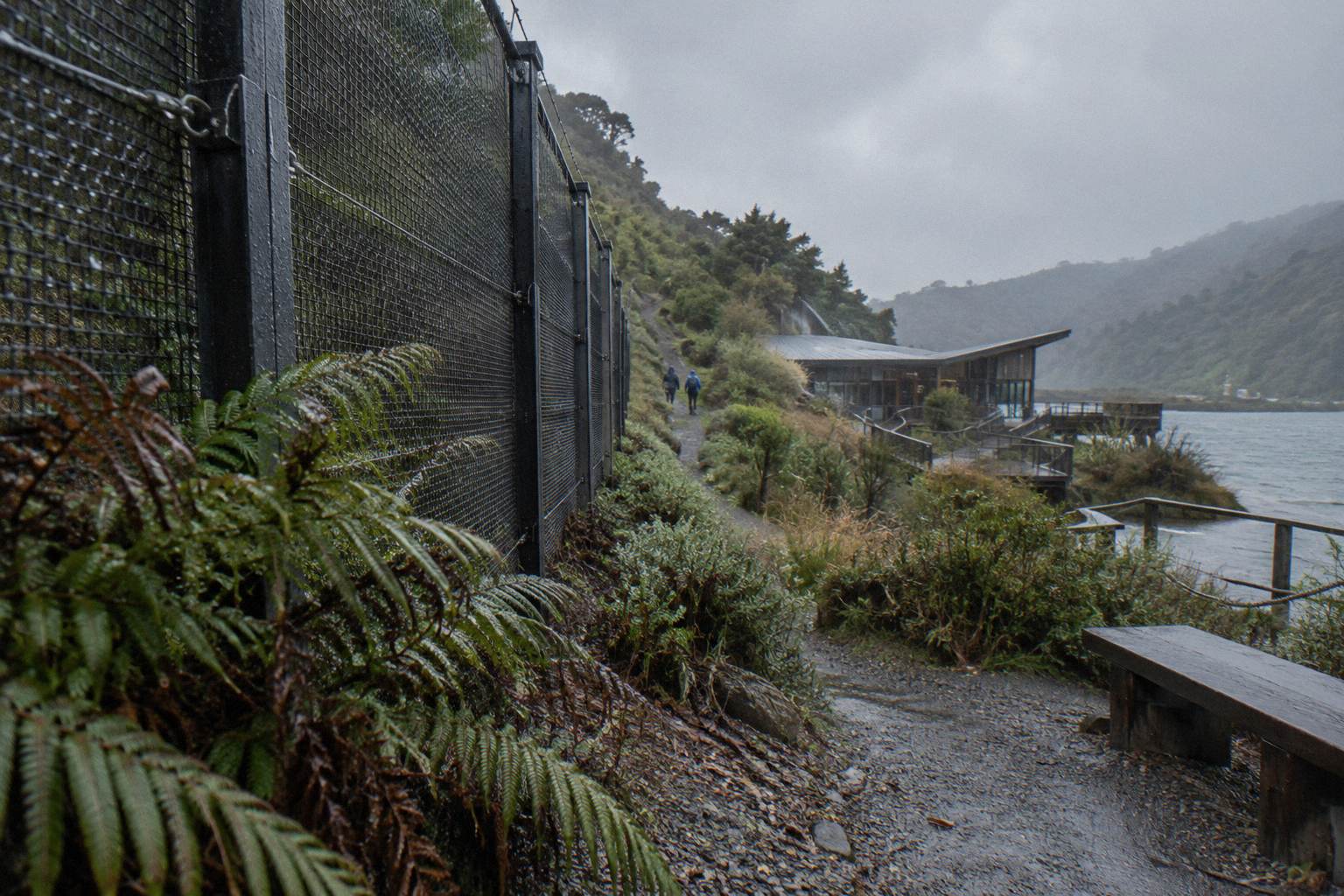
The fence runs 8.6 kilometres around the sanctuary's perimeter, stands 2.2 metres high and was finished in 1999. Its mesh gaps are small enough to stop juvenile mammals, and a 400 mm underground skirt stops burrowing underneath, which together keep the 225 hectares inside mammal-free.
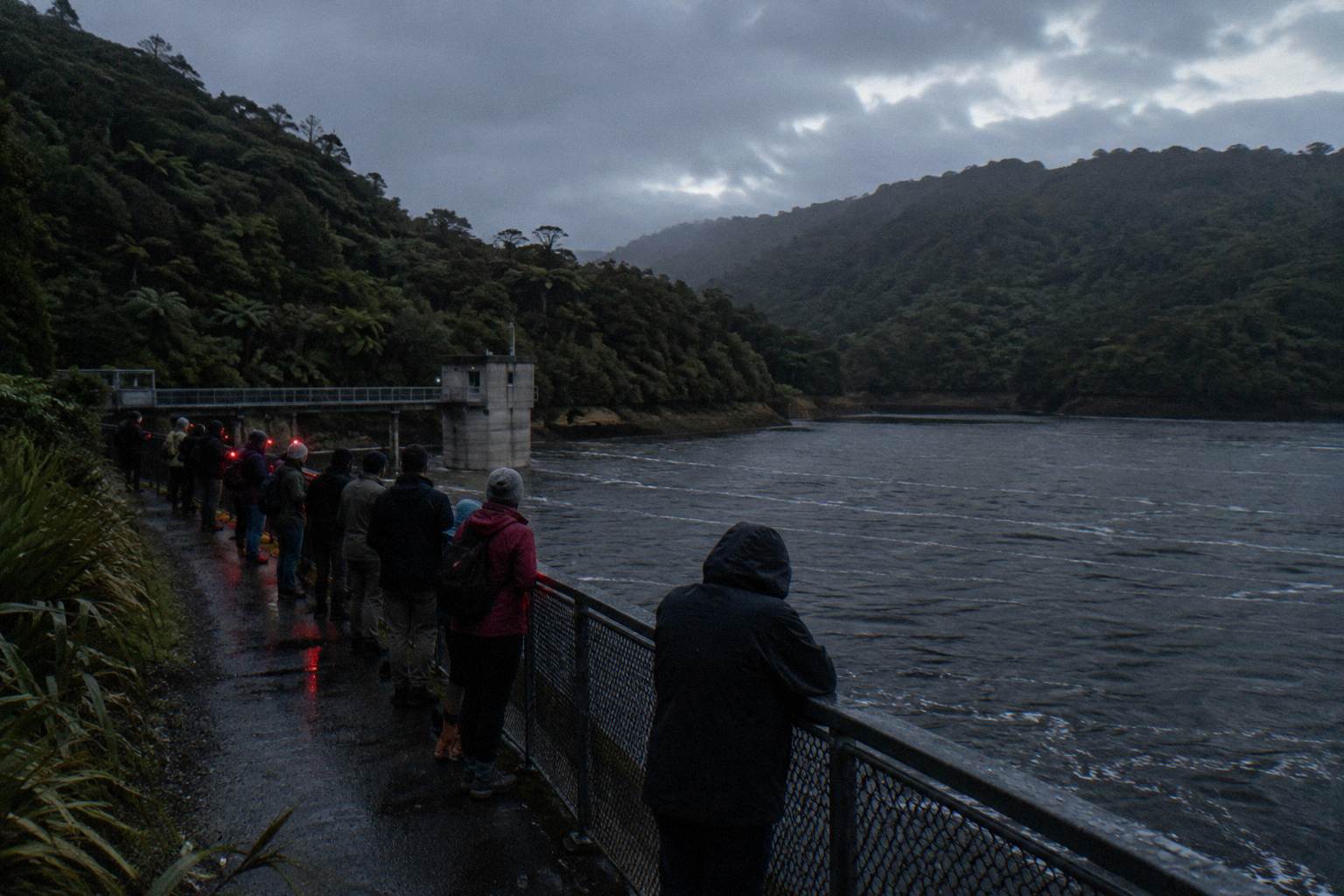
Fences had been tried before, and they had failed for boring reasons: animals climb, animals dig, and animals squeeze. A fence that stops an adult possum is useless if a juvenile rat walks through the mesh, and a fence that stops a digger on the surface is useless if one tunnels under. Zealandia's design answered all three at once. The mesh has a minimum gap of 6 by 50 millimetres, fine enough to exclude young mammals. The skirt of the same fence extends 400 millimetres below ground so burrowers hit steel, not soil. The curved top cap defeats climbers, and 2.2 metres of height removes the jump option.
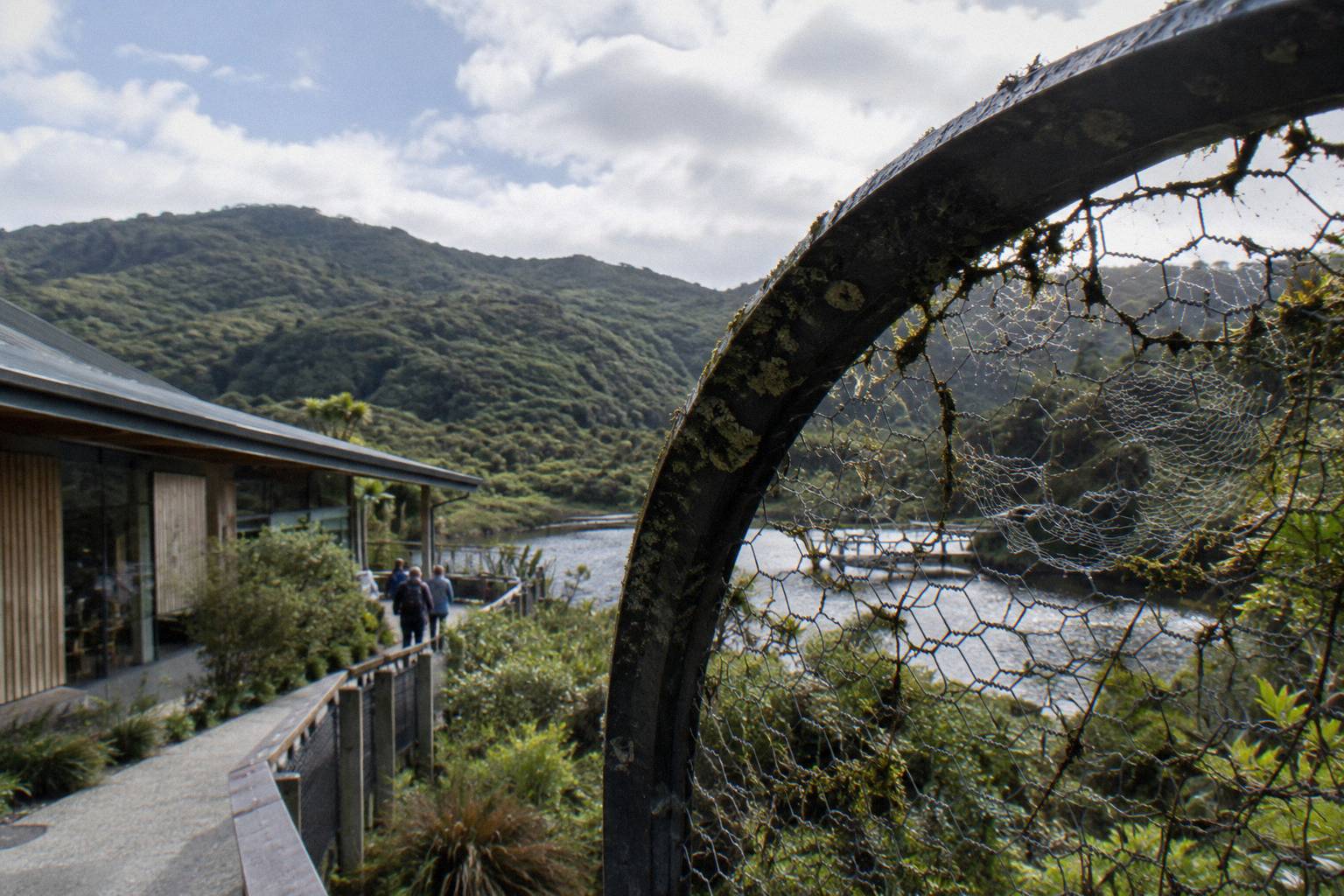
The fence also created a protocol that every visitor passes through. At the double gates, everyone checks their own bags and pockets for seeds, mice and lizards. It feels like a formality; it is not. The fence is a one-way promise, and the biosecurity gates are where each person either keeps or breaks it. A single pregnant mouse inside the fence would undo decades of trapping and translocation, so the sanctuary treats every jacket pocket as part of the perimeter.
| Fence element | Dimension | The problem it solves |
|---|---|---|
| Total length | 8.6 km | Encloses the full 225 hectare valley |
| Height | 2.2 m | Stops jumpers and climbers |
| Underground skirt | 400 mm | Stops burrowing underneath |
| Minimum mesh gap | 6 x 50 mm | Stops juvenile mammals walking through |
| Completed | 1999 | World's first fully fenced urban ecosanctuary |
The fence's success is also why the project could be ambitious about time. Once mammals were out and the barrier held, the limiting factor stopped being predation and became patience. Trees grow at their own pace. That is the reasoning behind the 500-year framing you meet on the sanctuary's own world-first sanctuary history page, and it is worth reading before a visit if the engineering side interests you.
Which Animals Have Come Back?
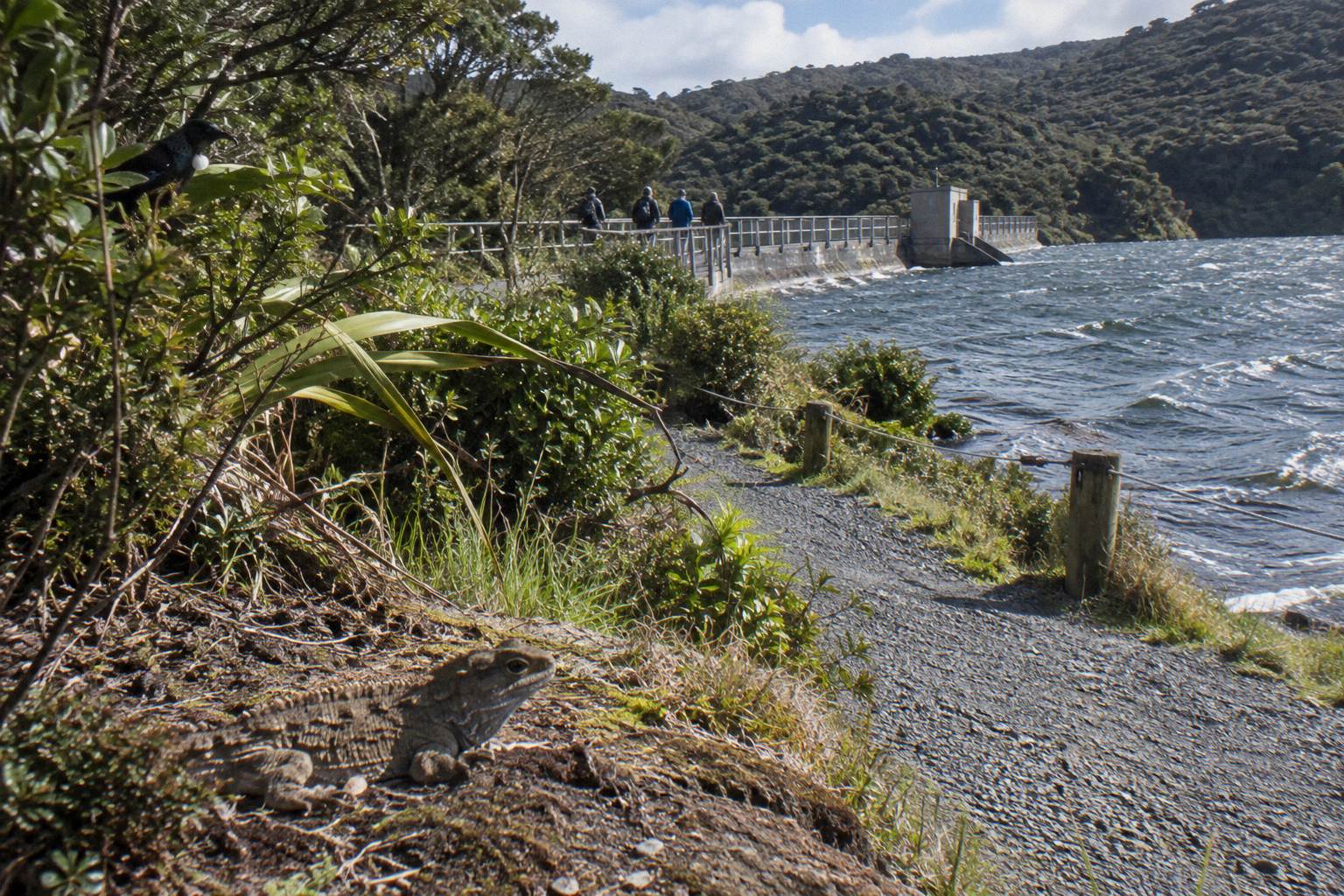
Little spotted kiwi returned first: 40 birds were brought in during 2000 and 2001, and the population is now estimated in the hundreds. Tuatara followed in 2005 and 2007 in the first mainland release, kaka returned in the early 2000s, and a takahe pair arrived in 2011. All remain chances to see, never certainties.
Every translocation on that list was an event. The kiwi release in 2000 was the moment the project stopped being theoretical, because kiwi are the species everyone in New Zealand measures conservation against. Forty little spotted kiwi, a species classed as At Risk-Recovering, were transferred in two batches and released into forest that had not held kiwi in living memory. Their descendants, now estimated in the hundreds, are the birds people hear, and occasionally see, on the night walks today.
The tuatara release carried different weight. Tuatara had been absent from mainland wild spaces since mammal predation pushed them onto offshore refuges, and the 2005 and 2007 releases at Zealandia were the first mainland release, a genuinely historic step for a reptile whose lineage predates the dinosaurs. Takahe, Nationally Vulnerable, arrived as a pair in 2011, and their story is the one guides most often pause on, because there are so few of these birds in existence that every individual has a name and a file. Kaka, the noisy forest parrots that now swing over Wellington suburbs well beyond the fence, returned in the early 2000s and have become the sanctuary's most visible proof that a fenced valley can overflow: birds raised inside eventually flew out and recolonised the city's green spaces.
| Species | Returned | Conservation status | Chance of seeing on a tour |
|---|---|---|---|
| Little spotted kiwi | 40 birds in 2000 and 2001 | At Risk-Recovering | Night tours only, seen on most, never guaranteed |
| Tuatara | 2005 and 2007 | Ancient lineage, mainland release | Often basking on sunny days, a chance |
| Kaka | Early 2000s | Not stated | Frequently active by day, a chance |
| Takahe | A pair in 2011 | Nationally Vulnerable | Often near the wetlands, a chance |
| Hihi, tieke, toutouwai, pateke | Translocated over the years | Rare or recovering | All day-tour possibilities, never promises |
Two candor notes apply, and guides give both. Kiwi are not a day-tour prospect: the official General Admission page is blunt that nocturnal wildlife such as kiwi, ruru, weta and frogs is very unlikely by day. If hearing a kiwi is the goal, the after-dark walk is the one that offers the chance, and the Zealandia night tour guide covers what that experience involves, from supplied torches to the kawakawa, lemongrass and ginger tea at the end. Second, everything on the day walk is phrased as a chance. Guides look for takahe, tuatara, hihi, kaka, tieke, toutouwai and pateke, alongside tui, kereru and korimako, but no sighting is promised, and the deeper story of these species is unpacked in which wildlife a Zealandia tour shows you.
The twilight format splits the difference: 2.5 hours from daylight into dark, minimum age 5, running October to March, with hot kawakawa tea included. It suits families whose children are too young for the age-12 night tour, and it catches the dusk chorus as birds settle.
What Does A 500-Year Vision Mean?
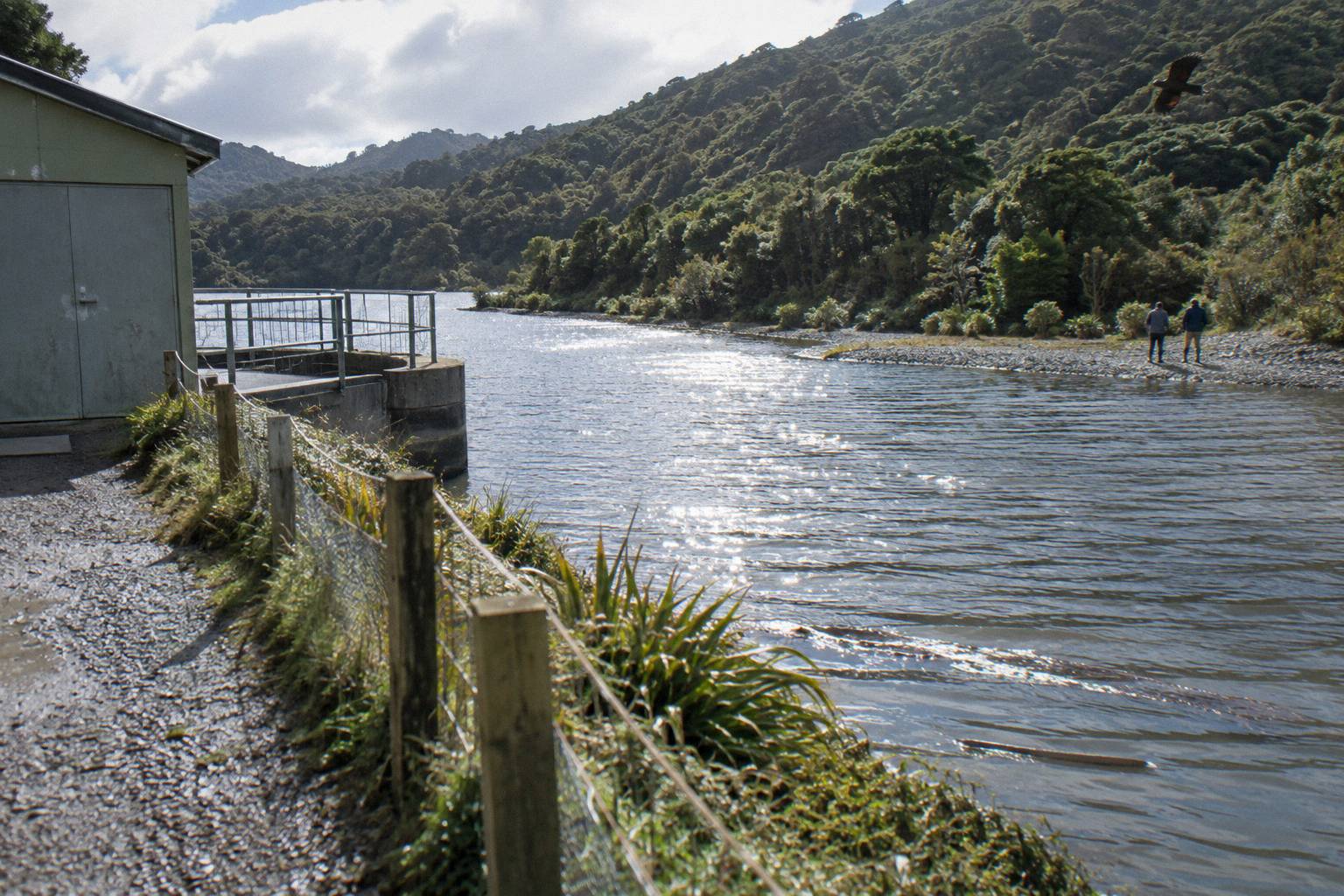
The sanctuary's vision runs for 500 years because its planted trees, including rata and rimu, need centuries to reach maturity. The commitment is not a slogan: the trust frames its work on a 500-year horizon, with a 25-year strategy from 2016 to 2035 turning that horizon into current jobs.
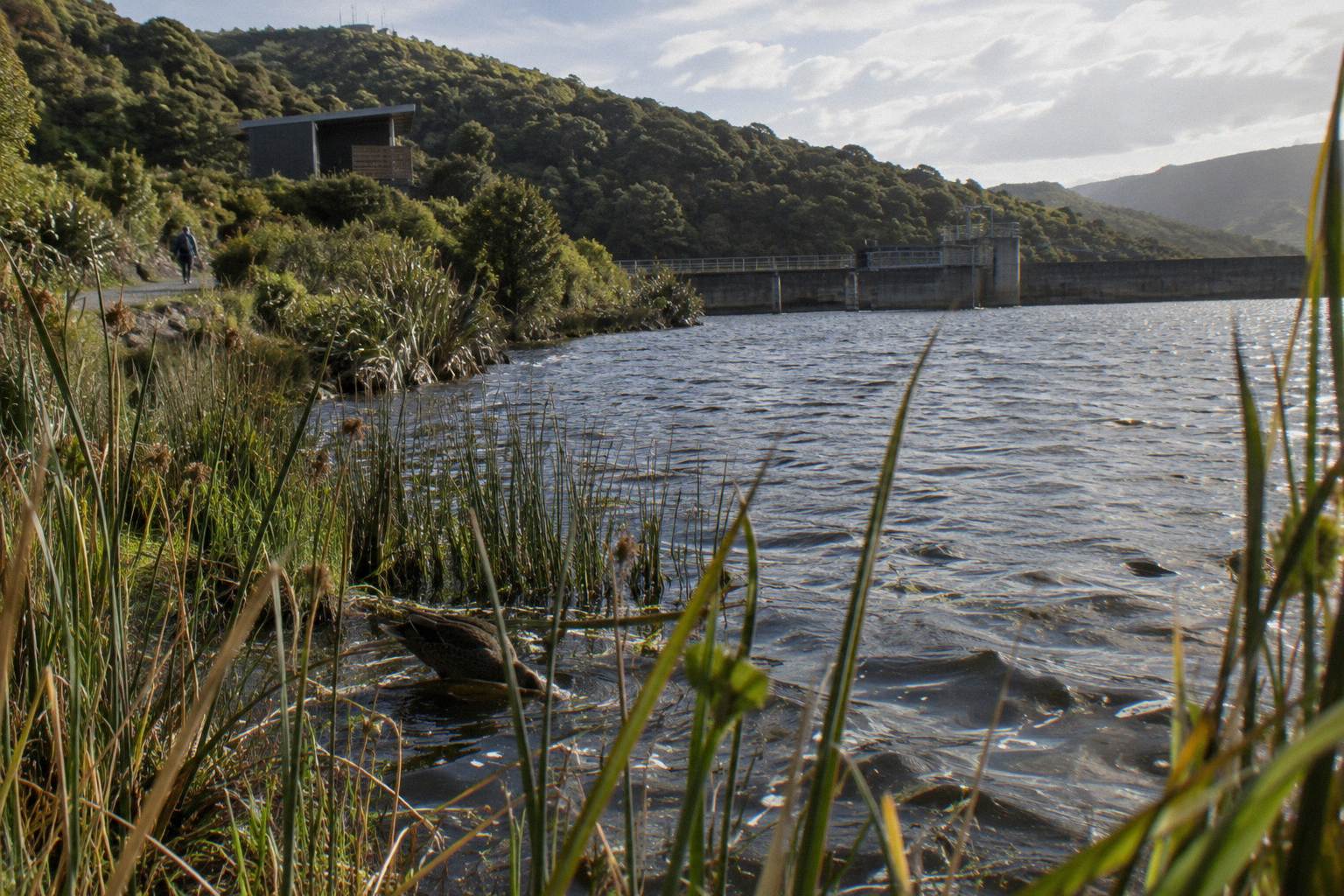
Five hundred years is an uncomfortable number for visitors, and it is meant to be. It forces a different mental arithmetic than almost any other tourist attraction uses. A restoration that ends when the planting contractor leaves is landscaping; a restoration that ends when the rata have epiphytes climbing their trunks and the rimu are pushing past the canopy is forest, and nobody involved will see the finish. The people who planted those trees knew they would not sit under them as mature canopy. That is the piece of information a guide delivers at a specific spot on the walk, usually at a planting, and it is the moment many visitors say changed the visit from pleasant to memorable.
The 500-year framing also explains the sanctuary's structure, laid out on its own vision page. Because the payoff is intergenerational, the trust works on a 25-year strategy, running 2016 to 2035, that sets the measurable middle distance: forest recovery indicators, species targets, pest-control thresholds inside the fence. The very long vision and the very concrete strategy are two ends of the same candor. You cannot manage a forest over five centuries; you can manage it over the next decade, repeatedly, fifty times.
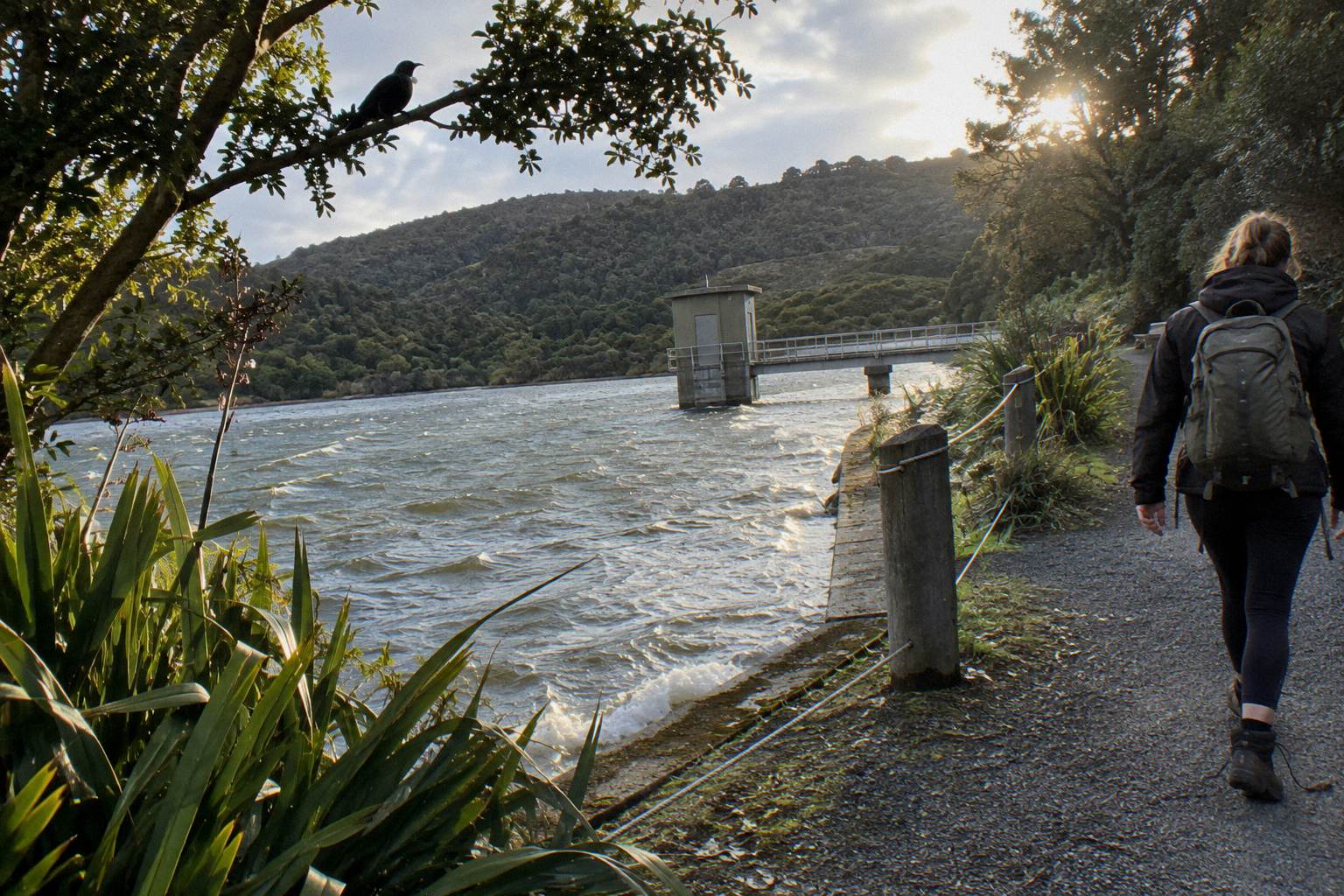
For a visitor, the practical effect is that the valley looks unfinished, because it is. Tracks thread through a mix of pioneer growth, planted stands, and the scrubby early stages of what will eventually be deep forest. More than 32 kilometres of tracks cross the 225 hectares, and much of the walking is on slopes, gravel and uneven ground: not strenuous, but real walking. The conservation endpoint is not on display today and will not be within any living visitor's lifetime. What is on display is the process, plainly labelled, which is rarer than it sounds.
Who Runs The Sanctuary Today?
The Karori Sanctuary Trust, a not-for-profit, runs Zealandia with the help of more than 500 volunteers, and the project won the 2023 Air New Zealand Supreme Tourism Award. The trust funds its restoration partly through visits, which is why every tour ticket doubles as a General Admission pass valid for two consecutive days.
The volunteer number deserves a pause. More than 500 people give time to this valley, on tracks, in the nursery, at the biosecurity gates and in pest control beyond the fence. The sanctuary's influence now extends past its own boundary: the halo of predator control around Karori, and the kaka and tui turning up across Wellington, trace back to the fence. The city's birdlife is measurably different because a trust in one valley held a line for decades.
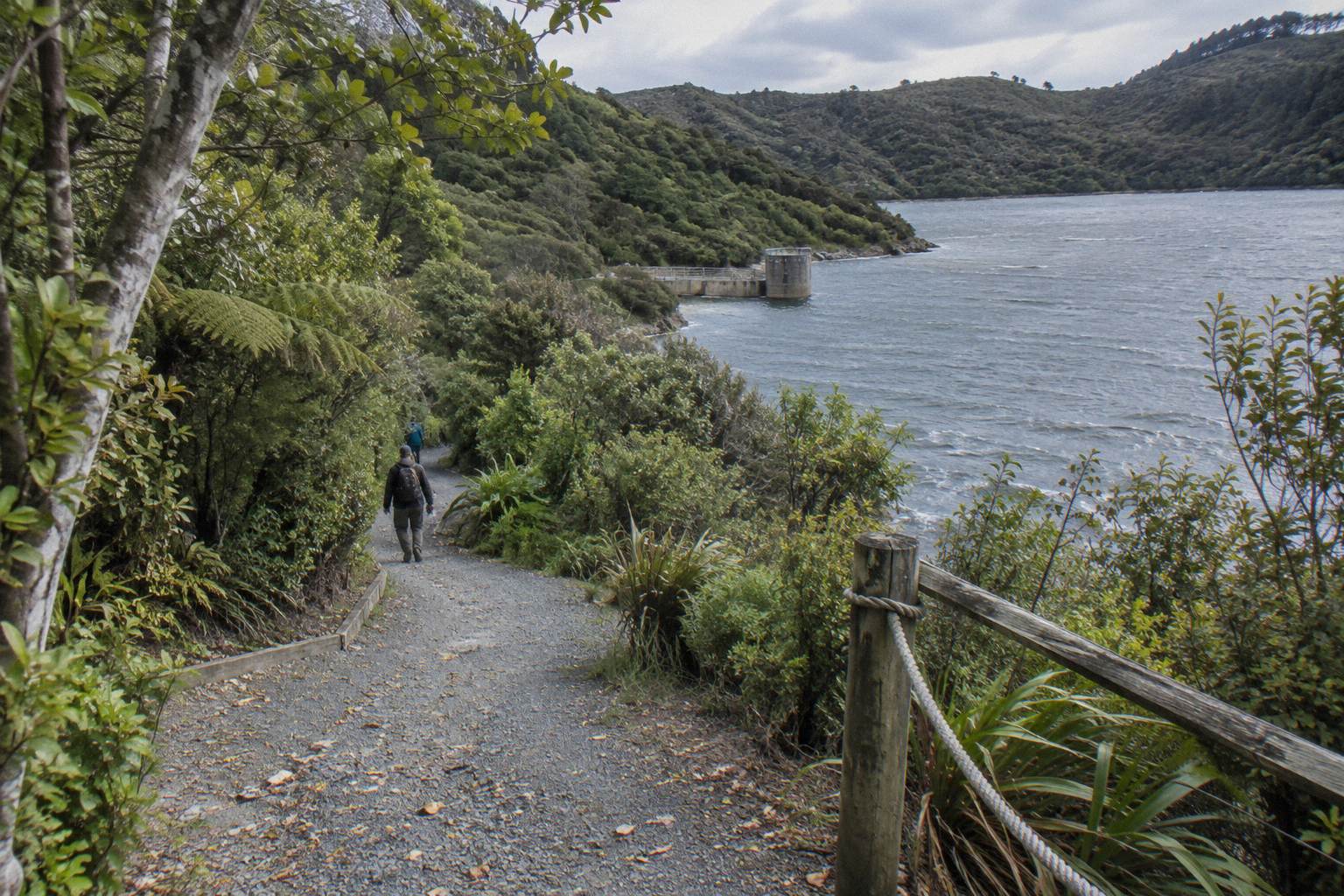
For visitors, the economics matter in one specific way. Tour tickets fund the trust, and every tour ticket includes General Admission for the tour day and the following day, so a guided walk is also a two-day entry pass. Come back the next morning alone and walk the valley again with fresh eyes, checking on the birds you learned to identify. If you are weighing guided against self-guided on cost, the Zealandia tickets versus guided tour comparison breaks down what each option includes, and the general admission prices that are not printed here are listed on the operator's official General Admission page.
The night walk is where the funding and the vision meet most dramatically: 2.5 hours around dusk, torchlit, up to 12 people, minimum age 12, with the sanctuary's own wording that little spotted kiwi are seen on most tours though sightings are never guaranteed. It is the tour that shows what the fence was for.
How Does A Guided Walk Tell This Story?
A guided walk turns the fence, dams and planting into a narrative told at the spots where each event happened, with a professional guide identifying birds a solo visitor would walk straight past. Zealandia By Day runs about two hours in groups of up to 12, from NZ$70 per person, daily from 10am.
The difference is not the information, which is public. It is the timing. A guide tells the dam story at the dam, the kiwi story in the vegetation the first birds were released into, and the fence story where you can see the mesh and the skirt and the curve of the cap. Facts delivered in place stick in a way that facts delivered in a visitor centre do not, and a guide also carries the identification skills that turn rustles into takahe, hihi and toutouwai. Rated 4.8 from 252 reviews, the day walk is the format most visitors choose, and the mechanics are simple: it meets inside the visitor centre at 53 Waiapu Road, Karori, you arrive 15 minutes early, watch a short intro video and then walk.
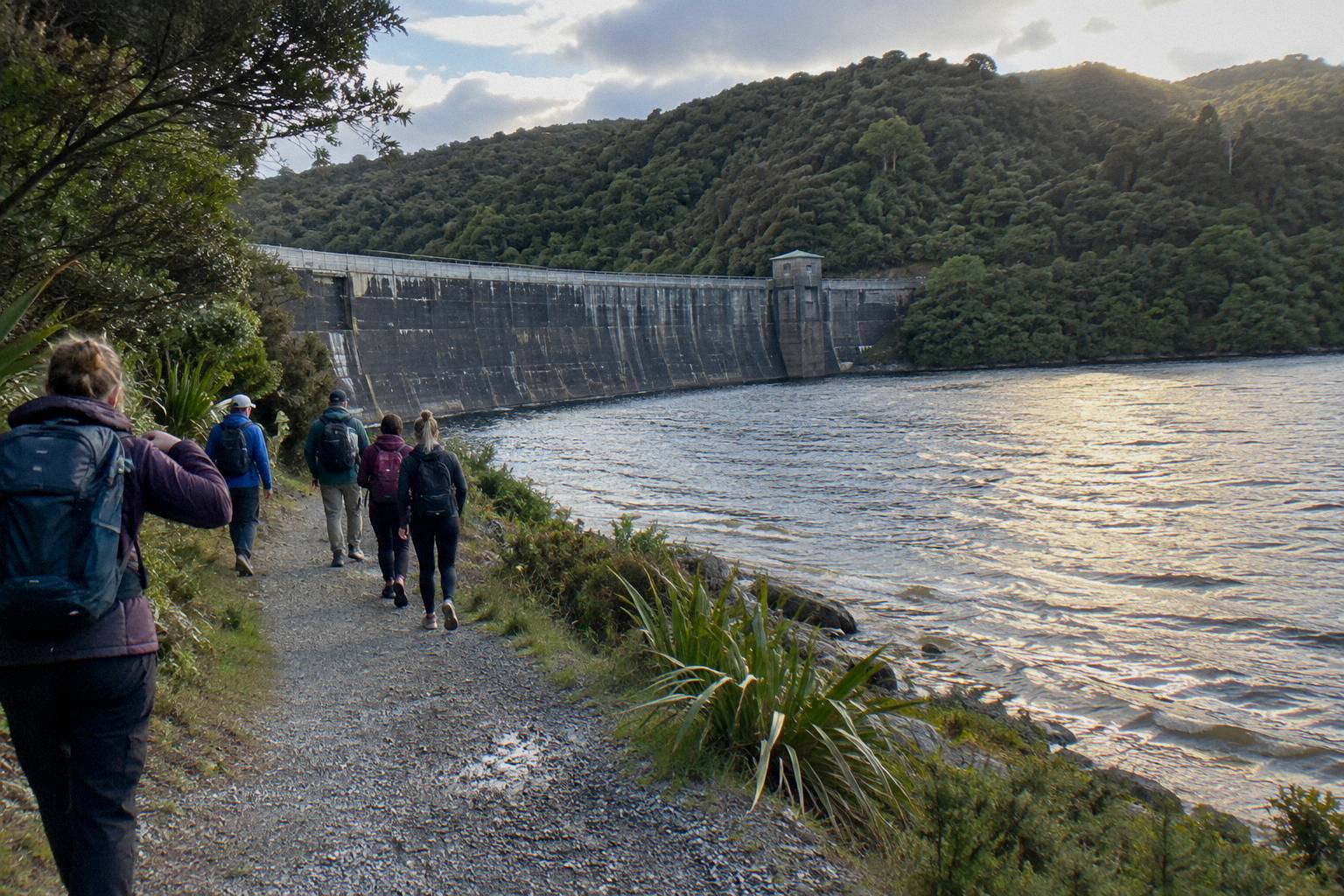
Practicalities are visitor-friendly. There is no minimum age and under 5s are free, pushchairs are fine, photography is allowed, and free cancellation applies up to 24 hours before the start. Wear sturdy shoes and bring a warm layer and a waterproof, because the tour runs in almost all weather. Mandarin-language departures exist and need a minimum of four people to run. Details on the Zealandia By Day tour page cover what is included and what is not; food and hotel pickup are your own arrangements.
The story-telling format is also the reason some visitors pick a specialist walk instead. The newest option is a plants-led one: rather than chasing birds, it walks the same valley asking how forest plants compete and adapt, which is the ecological half of the 500-year story that wildlife tours only touch. It runs about two hours from 10:30am on Sunday mornings per the sanctuary, up to 12 people, from NZ$70 per person, no minimum age. As a new listing it carries no rating yet, so judge it on its content rather than a review pool that does not exist.
Whichever format you choose, the question the article set out to answer has a short form. You can walk Zealandia alone and see a pretty valley with a fence. Or you can walk it with someone who can point at a concrete wall and tell you it was the first of its kind in the country, at a stand of trees and tell you they were planted by people who knew they would never see them mature. Same valley, same fence, entirely different visit. If the whole story appeals, the classic daytime walk covers the history in full.
Common Mistakes About The Fence And The History
The most common mistakes are assuming the forest is ancient, assuming the fence made the sanctuary wildlife-friendly overnight, and expecting kiwi on a daytime walk. The valley is a rebuild on old water-supply land, translocations took years, and kiwi are nocturnal and very unlikely by day.
| Mistake | The reality |
|---|---|
| The forest is ancient bush | It is a restoration on cleared water-supply land; the oldest planted trees are decades, not centuries, old |
| The fence alone brought the birds back | Thirteen mammal species had to be eradicated first, then birds translocated species by species |
| Kiwi can be seen on any tour | Kiwi are nocturnal and very unlikely by day; they are a night-tour chance, seen on most, never guaranteed |
| The project is finished | The vision runs 500 years; the current strategy covers 2016 to 2035 |
| It is a government park | A not-for-profit trust runs it with more than 500 volunteers |
A smaller mistake worth naming: expecting the valley to look wild in the cinematic sense. Restoration looks like work in progress, because it is. The people who enjoy Zealandia most are the ones who arrive knowing the plot, and the walk's rhythm, from waterworks to fence to returning species to a plan nobody present will see finished, is the plot. The history of Zealandia's restoration on the sanctuary's own pages fills in the water-supply era for anyone who wants the primary source.
Common Questions About The Zealandia Fence And History
How Long Is The Zealandia Fence And When Was It Built?
The predator-exclusion fence runs 8.6 kilometres and was finished in 1999, making Zealandia the world's first fully fenced urban ecosanctuary. It stands 2.2 metres high with a 400 mm underground skirt and fine mesh to stop juvenile mammals.
What Was The Valley Before It Became A Sanctuary?
It was a Wellington water supply. An earth dam was built between 1876 and 1878, a concrete gravity dam followed in 1908, and the upper dam was taken out of service in 1991, which left the valley open for the sanctuary proposal.
Who Founded Zealandia?
The sanctuary was founded on a 1992 proposal by Jim and Eve Lynch, and the Karori Sanctuary Trust was launched in 1995 to carry the project through to the fence's completion in 1999.
What Does The 500-Year Vision Actually Mean?
The restoration plan runs for 500 years because planted trees such as rata and rimu need centuries to mature. The trust works to it through a 25-year strategy running 2016 to 2035, so the long vision is managed in measurable steps.
When Did The Animals Come Back?
Little spotted kiwi were brought in as 40 birds during 2000 and 2001, with the population now estimated in the hundreds. Tuatara returned in 2005 and 2007 in the first mainland release, kaka in the early 2000s, and a takahe pair arrived in 2011.
Do You Need A Guided Tour To Understand The History?
No, but a guide tells the story where it happened, which is why many visitors choose one. Zealandia By Day runs about two hours in groups of up to 12 from NZ$70 per person, and every tour ticket includes General Admission for the tour day and the next day.