Zealandia Tickets Versus A Guided Tour: What You Pay And What You Get
Zealandia sells two kinds of ticket: plain entry to walk the valley yourself, and small guided walks that bundle a guide with entry. Here is what each one pays for, what the tour prices are, and how the two compare.
Short answer
Every guided tour at Zealandia includes a General Admission ticket valid for the tour day and the next day, so the tour price already covers two days of self-guided access. Guided walks run from NZ$70 to NZ$120 per person. The exact General Admission price is on the official page and is not sold as a printed figure here.
A tour ticket at Zealandia is two products stitched together: a guided walk with a sanctuary guide, and a General Admission ticket that lets you walk the valley on your own for the rest of that day and all of the next. That bundle is the single most misunderstood part of the sanctuary's pricing, and it changes the maths more than the headline figures suggest.
This page works through what the four guided walks cost, what the price includes, what it leaves out, and how the choice between plain entry and a guided walk actually plays out. The entry side of the comparison is deliberately kept general, because the current General Admission prices live on the sanctuary's own page and shift often enough that a printed figure would mislead. The tour from-prices below are stable, printable, and confirmed on each operator listing.
What Does A Guided Tour Ticket Include?
Every guided tour ticket at Zealandia bundles three things: the guided walk itself with a sanctuary guide, a General Admission ticket valid for the tour day and the following day, and free cancellation up to 24 hours before the start. The guide, the two days of entry and the flexibility are the product. Nothing about food, transport or hotel pickup is included on any of the four walks.
The two-day admission clause is the part worth pausing on. A visitor who books the day walk on a Monday morning can return on Tuesday, walk the 32-plus kilometres of tracks at their own pace, and treat the guided walk as the introduction rather than the whole visit. All four tours carry the same clause, including the night walk and the twilight walk, so a Thursday dusk tour also unlocks Friday daytime entry.
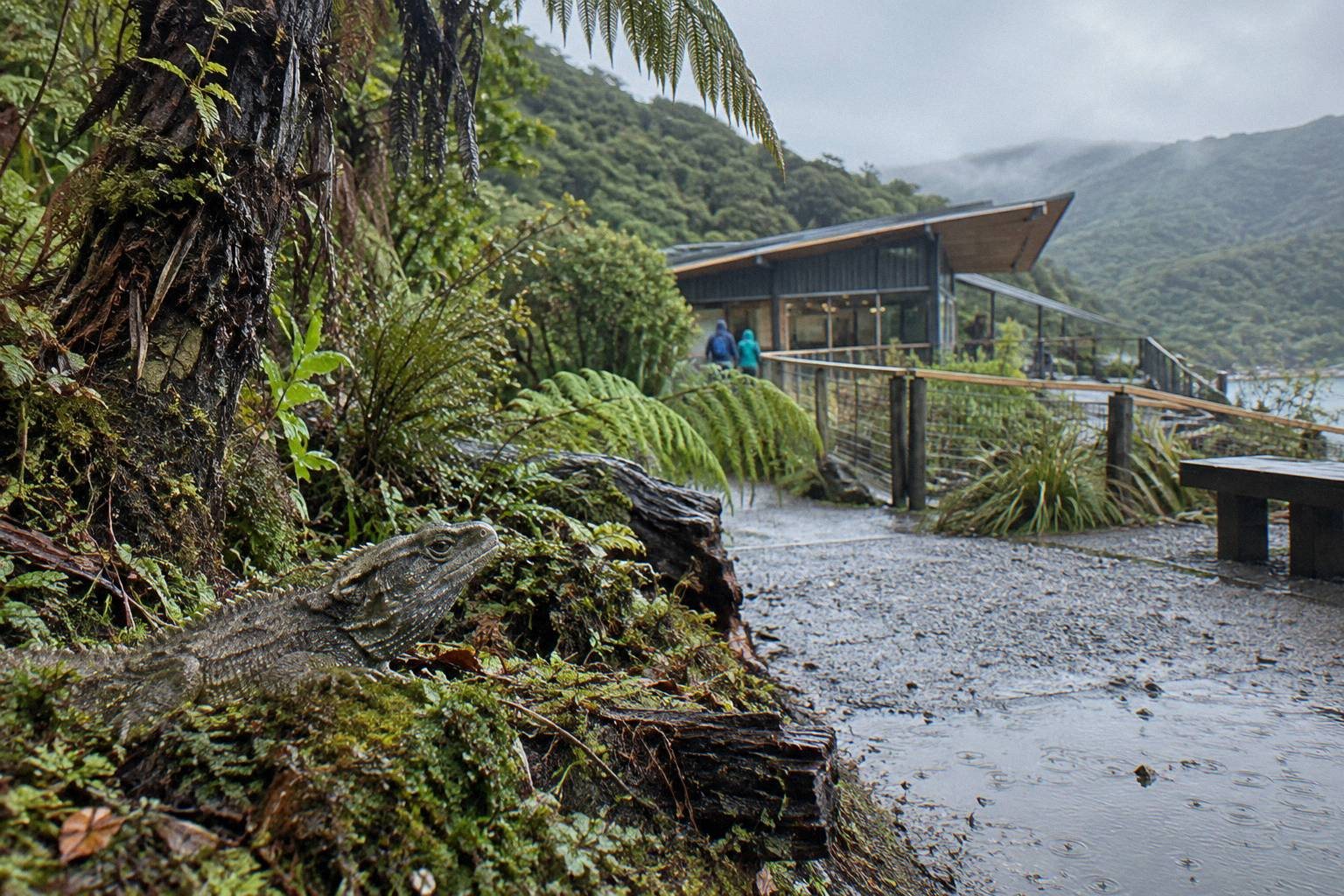
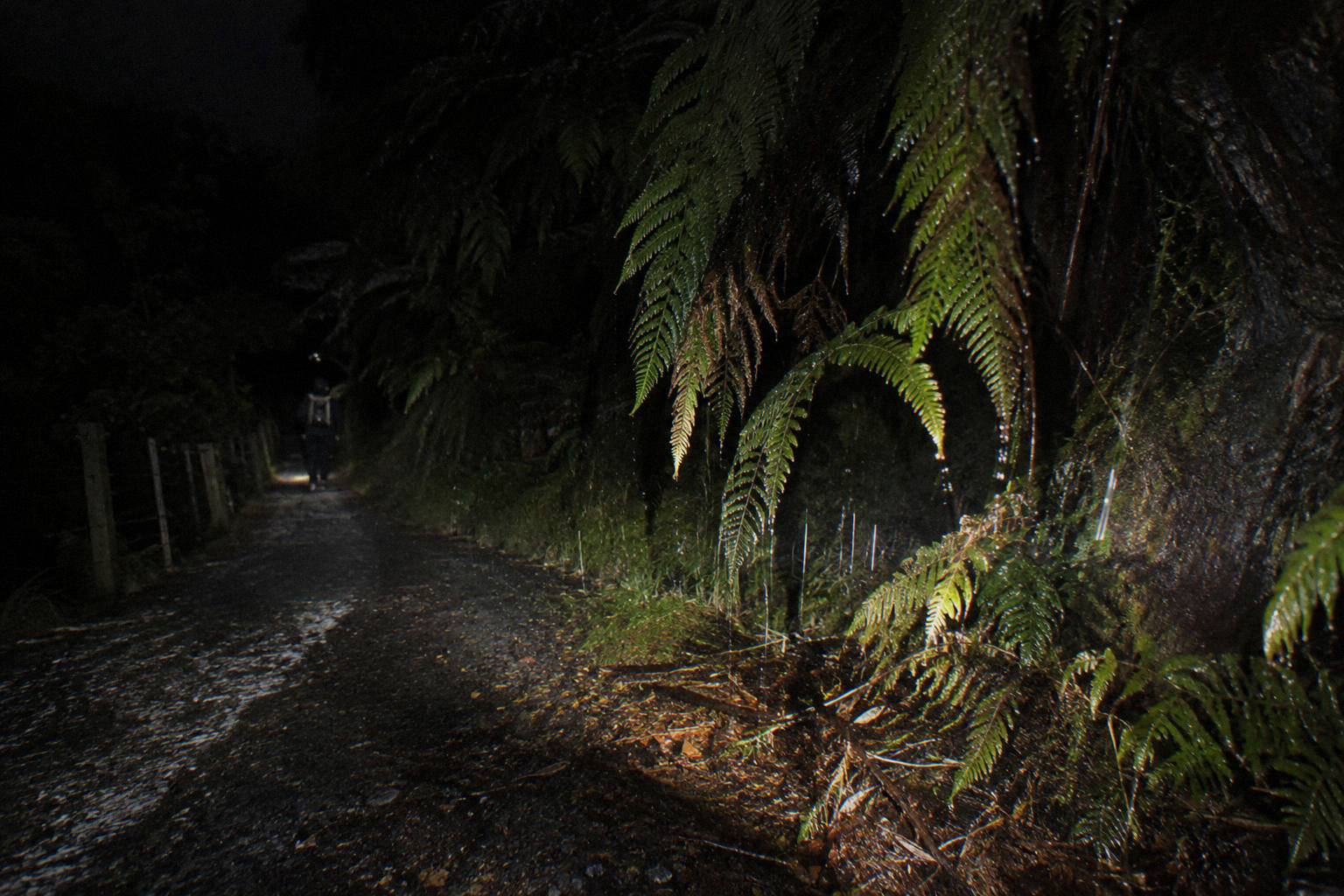
What that looks like on the ground varies by tour. The day walk runs about two hours in a group of up to 12, starting with a short intro video inside the visitor centre and then a guided loop on slopes, gravel and uneven ground: the operator calls it not strenuous, but reasonable fitness is needed, and sturdy shoes plus a warm layer are the standard kit. The night walk runs about 2.5 hours around dusk with torches supplied, and finishes with a warm kawakawa, lemongrass and ginger tea at the visitor centre. The twilight tour covers the same length of time as the light fades, with hot kawakawa tea included. The Forest Secrets Plant Walk is two hours on Sunday mornings, led on plants rather than wildlife.
| What the price covers | Day | Night | Twilight | Forest Secrets |
|---|---|---|---|---|
| Professional sanctuary guide | Yes | Yes | Yes | Yes |
| Admission, tour day and next day | Yes | Yes | Yes | Yes |
| Intro video and visitor centre start | Yes | Briefing | Briefing | Briefing |
| Torch supplied | No | Yes | Partial | No |
| Hot drink at the end | No | Kawakawa tea | Kawakawa tea | No |
| Group size | Up to 12 | Up to 12 | Up to 12 | Up to 12 |
One more inclusion is easy to miss: the walks run in almost all weather, and Wellington supplies plenty of it. The day tour may be called off in extreme conditions, but drizzle and wind are normal operating weather, and the birds are often more active in it. Cancellation policy, weather policy and the two-day admission are the three clauses worth reading before booking anything.
How Do Entry Tickets And Guided Tours Compare?
General Admission is a self-guided product: two consecutive days of access to the valley and its tracks, with no guide, bought at the Level 1 desk or in advance. A guided tour is a smaller-group experience that includes that same two-day admission plus roughly two hours of a trained guide's knowledge. The choice is really about whether a guide adds enough for you.
The admission ticket stands on its own and does not need to be pre-purchased: it is sold at the desk, is valid for two consecutive days, and pre-school children enter free. Its current price sits on the official General Admission page, and the figure is left there, because entry prices change. What can be said firmly is the structure: pay once, walk two days, follow more than 32 km of tracks across 225 hectares on your own legs.
The guided side of the ledger is different in kind, not just in price. A guide knows where the takahe pair tends to graze, can distinguish hihi from tieke by call, and will point out tuatara basking spots that most self-guided walkers stroll past. The tours are capped at 12 people, which keeps the pace conversational. Guides phrase every sighting as a chance rather than a promise, takahe, tuatara, hihi, kaka, tieke, toutouwai and pateke on the day walk, plus tui, kereru and korimako, and that candor is itself a mark of the product.
There is also a timing difference that matters at dusk. The night and twilight tours start after the day shuttle has stopped running, and visitors on those tours enter up the driveway to the right of the visitor centre rather than through the normal gate. Plain admission cannot buy that after-hours window: the sanctuary closes to general visitors in the late afternoon, so the fenced valley at night is accessible only on a guided walk. For anyone whose goal is the nocturnal side of the sanctuary, admission alone is not an option at all.
The fuller decision logic, including who each product genuinely suits, is worked through in the site's guide on whether a guided tour beats a self-guided visit, and the sanctuary-wide picture is in the full Zealandia tour and visit guide. The short version: admission suits confident walkers who want birdsong and dam views at their own pace; a tour suits first-timers, birders who want eyes and ears on tap, and anyone at the sanctuary for the first time in a short Wellington stay.
What Do The Four Guided Walks Cost?
The four guided walks cost from NZ$70, NZ$70, NZ$110 and NZ$120 per person respectively: Zealandia By Day from NZ$70, Forest Secrets Plant Walk from NZ$70, the Twilight Tour from NZ$110, and By Night from NZ$120. Every price varies by date and the live listing confirms the final figure. All four include next-day admission.
The two NZ$70 walks sit at the entry level of the range. Zealandia By Day, from NZ$70 per person, rated 4.8 from 252 reviews, is the sanctuary's core product: about two hours, daily, departures from 10am with more in summer, no minimum age and under 5s free. Forest Secrets, also from NZ$70 per person, is a new listing with no rating and no review count yet, which is worth knowing rather than dancing around: nobody has reviewed it, so the only evidence of quality is the sanctuary's own reputation. It runs about two hours from 10:30am on Sunday mornings.
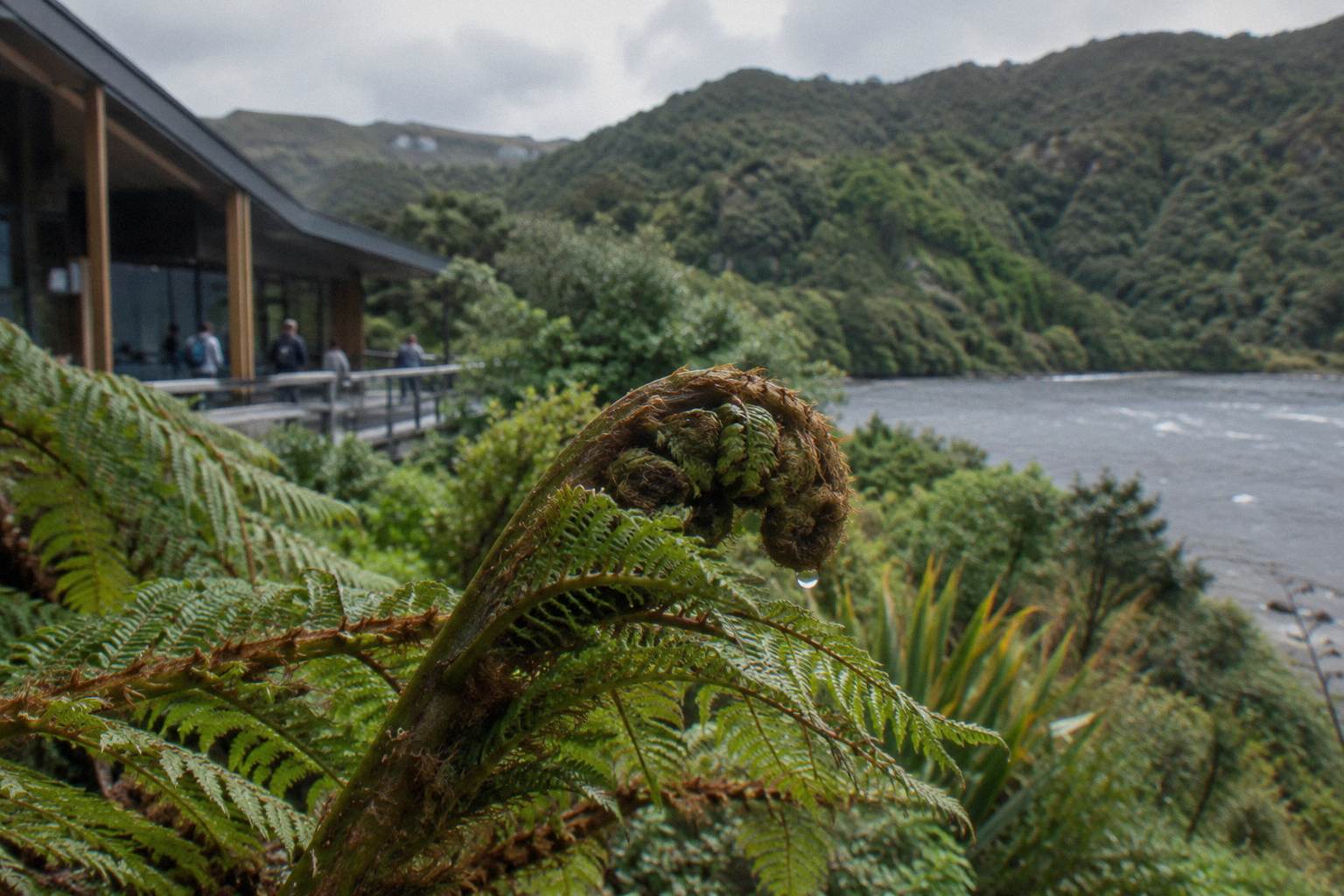
The two evening walks cost more and deliver different things. The Twilight Tour, from NZ$110 per person and rated 4.8 from 84 reviews, runs about 2.5 hours from daylight into dark between October and March, with a minimum age of 5, so it is the evening option for families with younger children. By Night, from NZ$120 per person and rated 4.8 from 164 reviews, is the full torchlit experience: about 2.5 hours around dusk, nightly, minimum age 12, torches supplied, ending with kawakawa tea. The sanctuary's own wording on its star species is precise and worth quoting: little spotted kiwi are seen on most tours, but sightings are not guaranteed.
| Tour | From price | Length | Runs | Min age | Rating |
|---|---|---|---|---|---|
| Zealandia By Day | NZ$70 pp | About 2 hrs | Daily | None, under 5s free | 4.8 from 252 reviews |
| Forest Secrets Plant Walk | NZ$70 pp | About 2 hrs | Sunday mornings | None | New listing, no rating yet |
| Twilight Tour | NZ$110 pp | About 2.5 hrs | October to March | 5 | 4.8 from 84 reviews |
| By Night | NZ$120 pp | About 2.5 hrs | Nightly, around dusk | 12 | 4.8 from 164 reviews |
Prices move with the date, which is why every figure here is a from-price rather than a fixed one. School holidays, peak summer weekends and the October to March twilight season can all shift the number on the live listing, and the listing is the only place the final price exists. Treat the from-prices as a guide to the range rather than a total, because the final figure moves with any input.
The featured walk, Zealandia By Day on its own page, is the natural starting point for most visitors, and Zealandia Day Tour covers it in detail: the route, the wildlife chances and the practicalities of the meeting point inside the visitor centre at 53 Waiapu Road, Karori, 15 minutes before departure.
What Is Not Included In The Tour Price?
None of the four tours include food, drinks, lunch or alcohol, and none include hotel pickup and drop-off: the ticket buys the guide and the two-day admission, full stop. Everyone makes their own way to Karori, and everyone eats on their own budget. That is the whole exclusions list, and it is short, but each line has planning consequences.
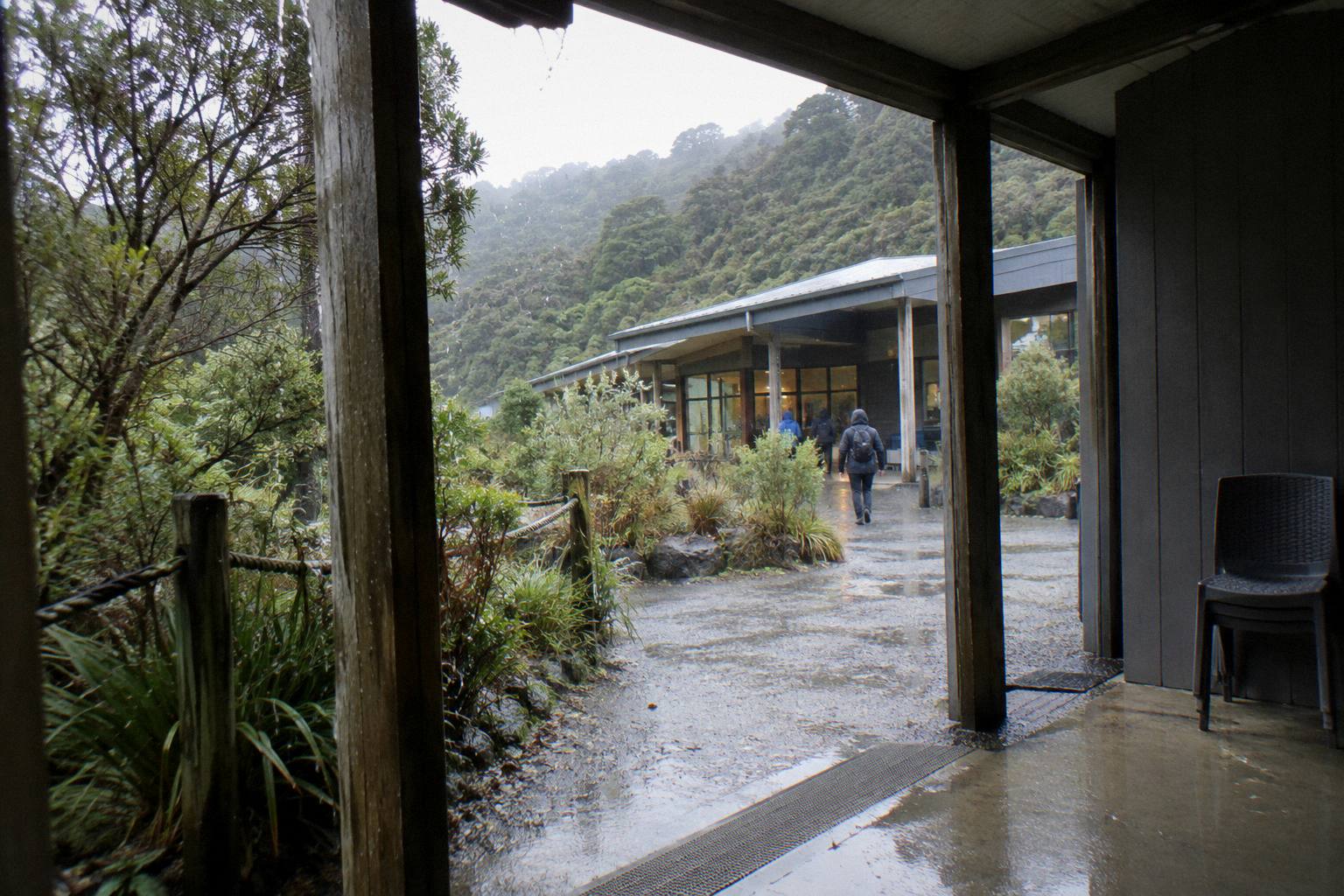
Getting there is the exclusion with the most moving parts. There is no hotel pickup on any tour, so the trip to the sanctuary is either the free electric shuttle from outside the Takina Convention Centre on Wakefield Street or the top of the Cable Car, a public bus with stops about five minutes' walk away at Northland Road and Birdwood Street, a Cable Car ride plus about a 30-minute walk through the botanic garden, or the sanctuary's limited parking with an overflow car park on Birdwood Street. The shuttle carries 11 people per trip, space is not guaranteed, and day tour ticket holders get priority seating if they arrive 10 minutes early. Evening tours start after the day shuttle stops, which is why the no-pickup clause bites hardest at night: plan the return leg before you book a dusk walk.
Food is the simpler exclusion. The day walk has no catering, the evening walks end with tea but nothing before it, and a two to 2.5 hour walk on gravel slopes in Wellington wind burns energy. The surrounding question of what you can carry inside is covered in the site's piece on whether you can take food into Zealandia on a tour, and the biosecurity gates at the entrance, where everyone checks their own bags and pockets for seeds, mice and lizards, are the reason the sanctuary cares.
| Excluded | What it means in practice |
|---|---|
| Food and drinks | Bring your own water and snacks; no catering on any tour |
| Lunch | No meal stop, even on the longest walk |
| Alcohol | Not part of any tour product |
| Hotel pickup and drop-off | Shuttle, bus, Cable Car, walking or parking; plan the return leg for evening tours |
Two soft exclusions deserve a line each. Mandarin-language day departures exist but need a minimum of four people, and the tour may be cancelled if that number is not reached, so language needs are worth raising when booking rather than assuming. And service dogs are admitted by day with advance notice but never at night, which is an operator condition, not a preference, and applies to every night and twilight departure.
Is A Guided Walk Good Value If You Want Admission Too?
For a visitor who wants both a guide and general access, the tour ticket is the only product that buys both at once: the walk plus two consecutive days of entry in one purchase. Whether that stacks up against plain admission plus no tour depends on how much a guided two hours is worth to you, and this page deliberately does not run that arithmetic.
The framing is this: a tour ticket is not an upgrade to admission, it is a different purchase that happens to contain admission. Visitors who know they will walk the valley twice on their own anyway, once with a guide and once without, are getting the bundled structure exactly as intended. Visitors who planned a single hour's stroll and nothing more are paying for a guide they may not have budgeted for, and the self-guided product at the Level 1 desk is the answer for them.
The two-day window rewards a particular pattern: tour on day one, self-guided return on day two. Because the admission is valid for the tour day and the following day, the second visit costs nothing extra, and it is the day most people go looking for the species the guide name-dropped but the bush kept hidden. Takahe sightings, tuatara basking, kaka overhead: the day tour opens those doors as chances, and the free second day is when you chase them yourself.
The value question also splits by time of day in a way the price list alone does not show. By day, self-guided admission is a genuine alternative, because the sanctuary is open, the tracks are walkable and the birds are audible. After dark it is not: the valley closes to general visitors, and the only way in is a guided walk with a torch. So the night and twilight tours compete with nothing, while the day tour competes with the desk ticket. That asymmetry, more than any price gap, is the real decision structure, and it is laid out further in the comparison of day versus twilight Zealandia tours and what changes.
How Does Free Cancellation Work?
All four guided walks can be cancelled free of charge up to 24 hours before the start time, with no exceptions listed between the tours. Inside that 24-hour window the booking is committed. Weather cancellations are different: the operator may call a tour off in extreme conditions, and that decision is theirs, not yours.
The 24-hour line is generous for a weather-dependent product and worth using deliberately. Wellington's forecast firms up inside 48 hours, so a booking cancelled the day before on a deteriorating forecast costs nothing. Book the day walk early in a trip rather than the last morning, and the free window becomes a genuine insurance policy against the one thing Wellington reliably supplies.
The operator-side cancellation runs the other way. The day tour runs in almost all weather, drizzle, wind and cold included, but extreme conditions can end it, and the Mandarin-language departures can be cancelled if the four-person minimum is not reached. In those cases the operator cancels and the remedy flows through the booking, which is one reason to book through the live listing rather than any third arrangement.
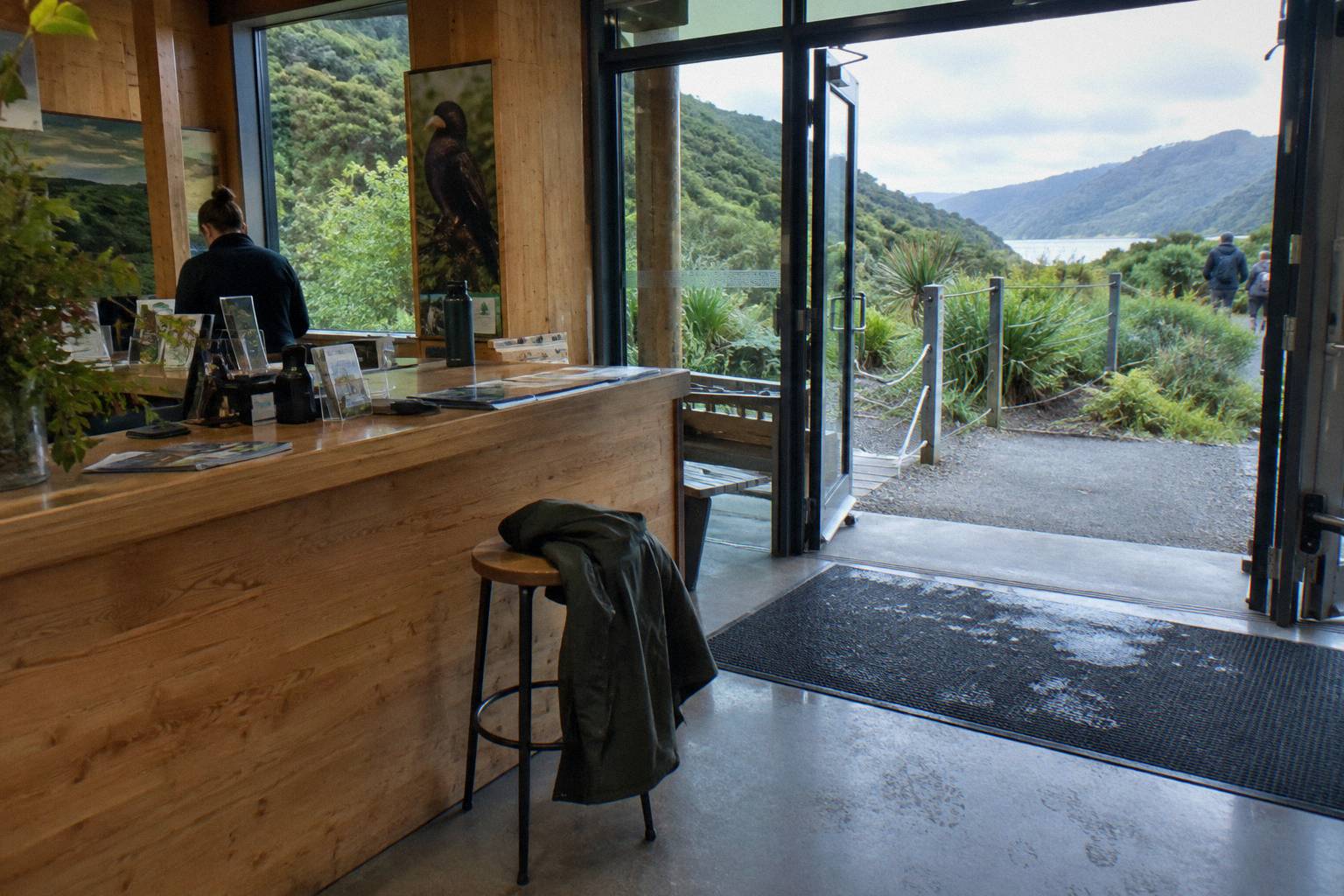
Timing the cancellation window against the tour start matters for the evening walks, because their start time moves with the season. The night tour departs around dusk, and the clock time is confirmed at booking, never printed in advance. A traveller calculating "24 hours before" against a guessed start time can misjudge the window by an hour or more, so the rule is simple: work from the confirmed time on the booking, not from an assumption about when dusk falls. The site's opening hours and best-time-of-day guide covers the same logic for planning arrival and second-day visits.
One boundary condition closes the loop: visitors cannot stay inside the sanctuary after closing to wait for an evening tour, and after-hours entry is up the driveway to the right of the visitor centre. Arrive 15 minutes before the confirmed start, which is also the moment the cancellation window has long since closed, so the two policies meet at the same door.
Which Ticket Suits Which Traveller?
First-time visitors and birders get the most from Zealandia By Day; families with children aged 5 to 11 are pointed by the sanctuary to the Twilight Tour; solo adults and couples chasing kiwi take By Night; plant-minded walkers and locals take Forest Secrets. Visitors who want tracks without a guide buy General Admission at the desk. That mapping covers nearly everyone.
The mapping is not marketing, it is structural. The age limits do most of the sorting: By Night has a minimum age of 12, the twilight walks take children from 5, and the day walk has no minimum at all with under 5s free and infants on an adult's lap. Pushchairs are fine on the day tour. The sanctuary itself steers families with under-12s away from the night walk and toward twilight options and the Kids' Night Walks that run April to September, so the choice for families is partly made already.
| Traveller | Best fit | Why |
|---|---|---|
| First visit, short stay | By Day, from NZ$70 pp | Two hours, no minimum age, includes next-day return |
| Family with 5 to 11 year olds | Twilight, from NZ$110 pp | Minimum age 5, dusk chorus, kawakawa tea |
| Kiwi hopefuls, adults | By Night, from NZ$120 pp | Only after-dark access; kiwi seen on most tours |
| Plant and forest nerds | Forest Secrets, from NZ$70 pp | Sunday 10:30am, plants-led, small group |
| Confident self-guided walkers | General Admission at the desk | Two consecutive days, no pre-purchase needed |
Interest does the rest of the sorting. A photographer chasing takahe at close range gets more from a guide who knows the pair's habits than from a map, and the sanctuary also runs specialist photography weekends outside these four tours. A Wellington local who has walked the valley a dozen times gets more from Forest Secrets, which is built on how forest plants compete and adapt, than from another general introduction. And a visitor who has already done a guided walk here in a past trip may reasonably skip the guide entirely and buy admission, because the second-day clause in an old tour ticket is long expired.
Budget sits underneath all of it. The from-prices span NZ$70 to NZ$120 per person, and the gap between the cheapest and dearest walk is the difference between a morning product and the only night access the sanctuary offers. Neither end of that range is a premium tier over the other; they are different products at different times of day, and the price follows the light. For a fuller breakdown of how the evening options differ, the site's assessment of whether the Zealandia night tour is worth it and whether you will see a kiwi goes deep on exactly that trade.
Common Mistakes When Buying Tickets
The recurring mistakes are assuming the tour price is separate from entry, comparing from-prices as if they were fixed totals, booking an evening tour with no plan for the trip back, and expecting a kiwi on a daytime ticket. Each one is avoidable with a single fact, and each fact is printed on this page.
The first mistake is the most common: treating admission and the tour as two purchases. They are one. Every tour ticket includes General Admission for the tour day and the next day, so a visitor who buys a tour and then a desk ticket has bought the valley twice. The reverse mistake also happens: a visitor buys plain admission hoping for after-dark access and finds the sanctuary closed to general visitors by late afternoon. Night access exists only on the guided walks.
The second is arithmetic. From-prices vary by date, the final figure lives on the live listing, and any total, saving or per-hour cost computed from them is a guess dressed as a calculation. The third is transport: no tour includes pickup, the free shuttle stops before the evening tours begin, and a 2.5-hour walk that ends in the dark ends a long way from the CBD if nobody planned the bus. The fourth is wildlife expectations. Kiwi are very unlikely by day in the sanctuary's own words, and even on the night walk sightings are not guaranteed, though they happen on most tours. Every day-tour species listing, takahe, tuatara, hihi, kaka and the rest, is a chance rather than a promise.
A fifth mistake is quieter: booking the wrong tour for the family and discovering the age limit at check-in. By Night takes nobody under 12, the twilight walk takes children from 5, and the day walk takes everyone, with under 5s free. Booking the night walk for a family with a 9-year-old means a turned-away group at the visitor centre. The sixth is ignoring the 24-hour cancellation window until it has already closed, usually by booking a tour for the final morning of a trip. The window is free to use, and the forecast is far more reliable inside that window than it is a week ahead.
Common Questions About Zealandia Tickets
What Does A Guided Tour Ticket Include?
Every guided tour ticket includes the guided walk with a sanctuary guide, a General Admission ticket valid for the tour day and the following day, and free cancellation up to 24 hours before the start. The night walk also includes a supplied torch and a kawakawa, lemongrass and ginger tea at the end.
How Do Entry Tickets And Guided Tours Compare?
General Admission is self-guided access to the valley for two consecutive days, sold at the Level 1 desk, with current prices on the official page. A guided tour covers roughly two to 2.5 hours with a guide in a group of up to 12, includes that same two-day admission, and is the only product that runs after dark.
What Do The Four Guided Walks Cost?
Zealandia By Day costs from NZ$70 per person, Forest Secrets Plant Walk from NZ$70, the Twilight Tour from NZ$110 and By Night from NZ$120. Prices vary by date and the live listing confirms the final figure. All four include admission for the tour day and the next day.
Is A Guided Walk Good Value If You Want Admission Too?
Yes, structurally: the tour ticket already bundles admission for the tour day and the next day, so a visitor wanting both a guide and general access buys one product, not two. Whether it suits you personally depends on how much you value a guided two hours, which this page deliberately does not price for you.
How Does Free Cancellation Work?
All four tours can be cancelled free of charge up to 24 hours before the confirmed start time. Inside that window the booking is committed. The operator may separately cancel in extreme weather, and Mandarin-language day departures may be cancelled if the four-person minimum is not reached.
Which Ticket Suits Which Traveller?
First-timers and birders suit Zealandia By Day; families with children aged 5 to 11 suit the Twilight Tour, which the sanctuary itself recommends over the night walk for under-12s; adults chasing kiwi suit By Night, minimum age 12; plant-minded walkers suit Forest Secrets on Sunday mornings; and confident self-guided walkers can simply buy General Admission.