Day Versus Twilight Zealandia Walks: What Actually Changes
A fact-by-fact comparison of the Zealandia By Day and Twilight tours: duration, minimum age, season window, price, rating, light and what the guides actually look for at each hour.
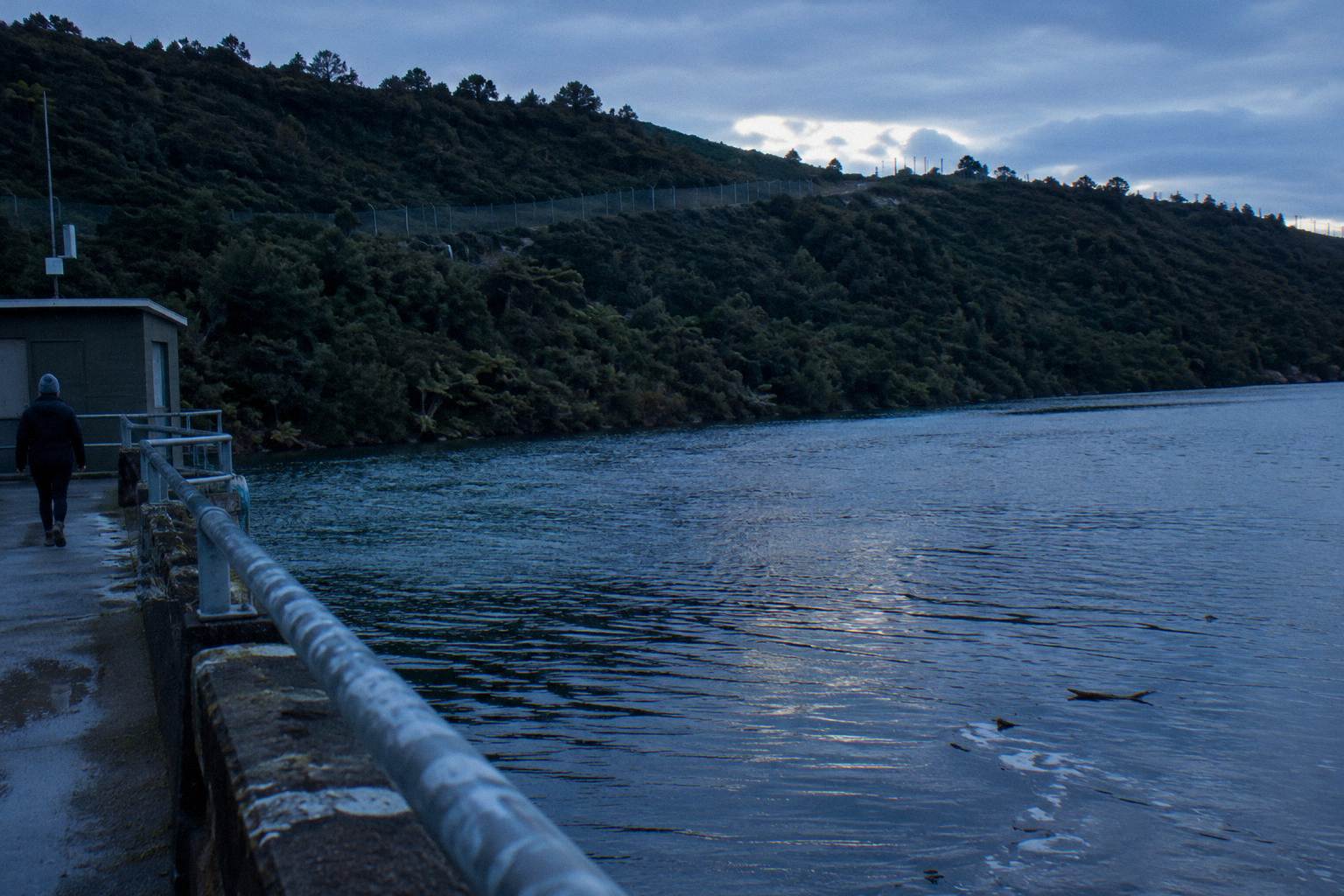
Four things change on paper and one changes in the valley: the day walk runs about 2 hours with no minimum age, the twilight walk runs about 2.5 hours with a minimum age of 5, twilight only runs October to March, and the prices differ by NZ$40, from NZ$70 versus from NZ$110 per person. The fifth change is the light itself, and it decides which animals the guides can look for. Both walks cap the group at 12, and both fold in a General Admission ticket valid for the tour day and the next day, and both offer free cancellation up to 24 hours before the start. So the choice is narrower than it first looks, which is exactly why it deserves a careful comparison rather than a coin flip.
The site exists to help you plan a visit to the sanctuary, and the day-versus-twilight question is one of the most common ones arriving in the inbox. The answer is that neither walk is the better walk in the abstract. The day walk suits families with preschoolers, tight schedules and travellers who want the full two-day General Admission window to explore on their own. The twilight walk suits visitors who specifically want the transition from daylight into dark, the dusk chorus, and birds settling to nest, and who are visiting inside the October to March window.
The comparison below sticks to stated facts only: duration, minimum age, season window, price, rating with its review count, tea, and light. Where something is a chance rather than a promise, it stays a chance. Where a figure is not stated anywhere in the lineup or the official pages, this article prints nothing rather than guessing.
One framing note before the details. The night tour is included in the comparison table because a reader weighing day against twilight is really weighing three light conditions, and the night walk, from NZ$120 per person with a minimum age of 12, is the third corner of that triangle. A fuller treatment of it lives in the night tour guide, and the dedicated Zealandia By Day tour page covers the day walk in depth.
What Should Decide Between Day And Twilight?
The decision rests on three stated factors in order: whether your visit falls inside the October to March twilight season, whether anyone in your party is under 5, and whether you would rather have the extra half hour and the fading light or the extra NZ$40 in your pocket. Everything else, group size, tea, cancellation, the admission ticket, is identical or near-identical between the two walks.
Start with the calendar, because it can decide the question for you. The Twilight Tour runs October to March on the sanctuary's own schedule. Outside that window it simply does not run, and the sanctuary points families with children under 12 to the Kids' Night Walks, which run April to September with a minimum age of 5. If your trip falls in April, the twilight walk is off the table and the day walk, which runs daily, is the default guided option among the tours covered here.
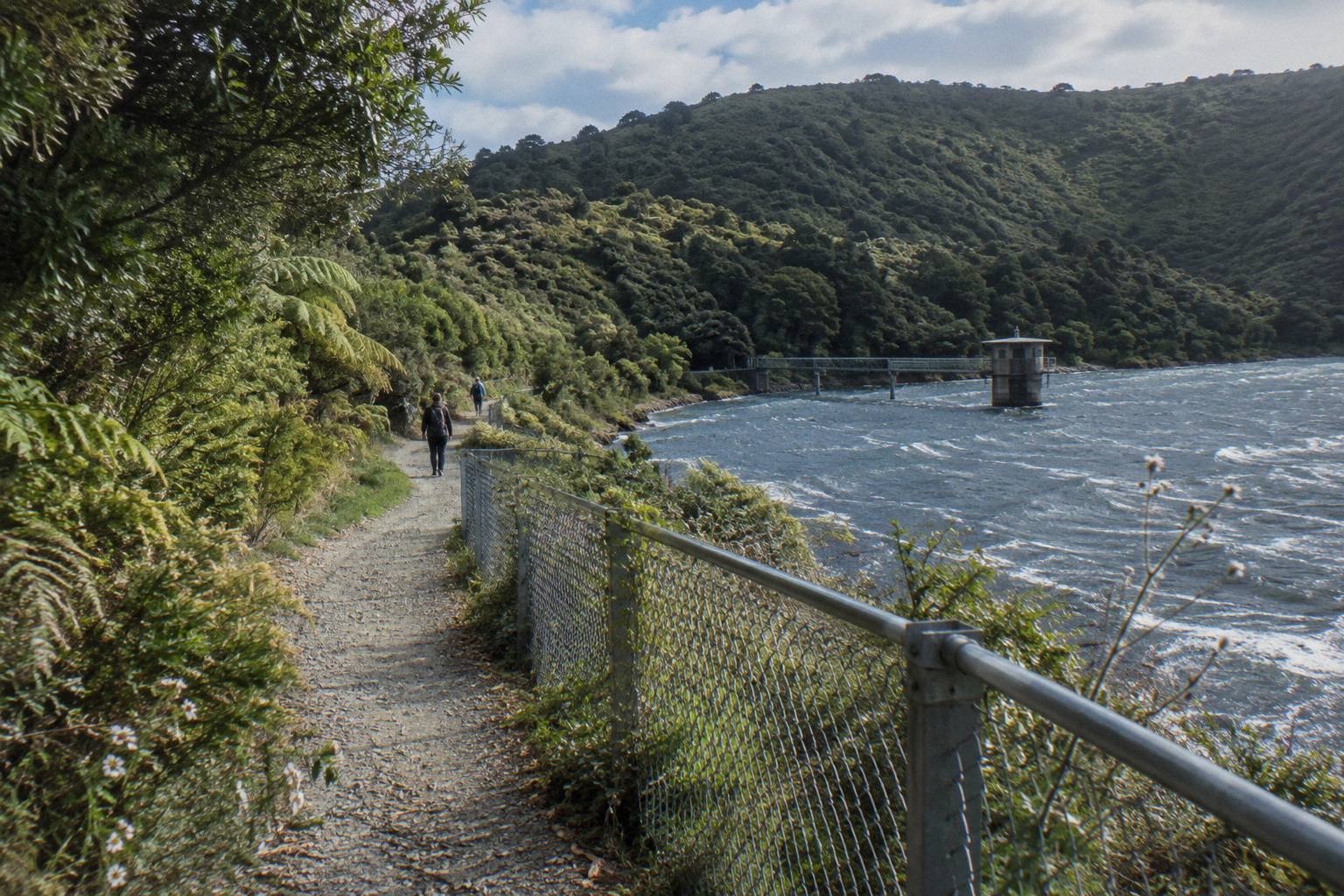
Then the ages. The day walk has no minimum age at all, and under 5s go free, with infants on an adult's lap and pushchairs fine on the tracks. The twilight walk sets the line at 5. That single stated rule is the whole family calculus: a household with a 3-year-old has one walk available, and a household with two children aged 6 and 9 has a genuine choice.
Then the money and the clock. The day walk costs from NZ$70 per person and runs about 2 hours. The twilight walk costs from NZ$110 per person and runs about 2.5 hours from daylight into dark. Neither price includes hotel pickup and drop-off, because no tour at the sanctuary offers it, and both meet inside the visitor centre at 53 Waiapu Road, Karori, with arrival 15 minutes early expected.
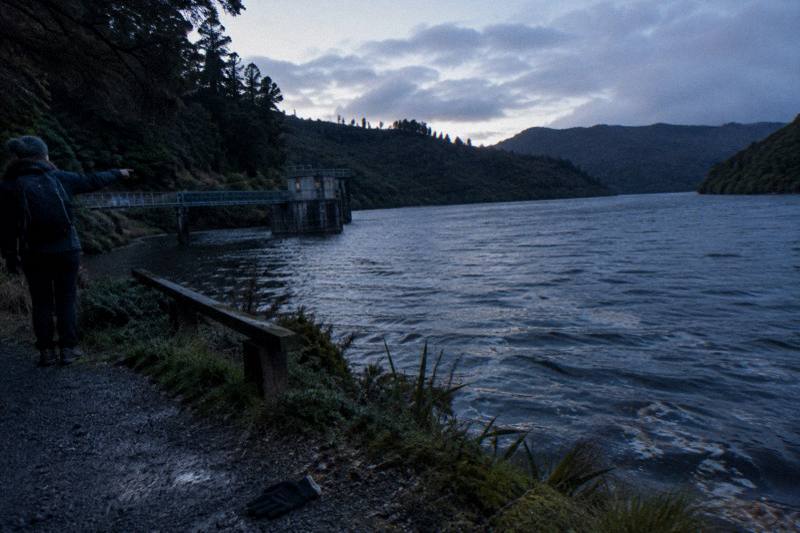
Finally, the light itself, which no table row captures properly. The day walk happens while the valley is fully lit, which is when the diurnal birds are active and the nocturnal ones are effectively invisible. The twilight walk is built around the changeover: a dusk chorus and birds settling to nest, then darkness arriving while you are still on the track. That changeover is the product you are buying, and it is the only difference that cannot be priced.
How Do The Day And Twilight Walks Differ On Paper?
Side by side: the day walk is about 2 hours, from NZ$70, no minimum age, rated 4.8 from 252 reviews, running daily with departures from 10am; the twilight walk is about 2.5 hours, from NZ$110, minimum age 5, rated 4.8 from 84 reviews, running October to March. The night walk sits beyond both at about 2.5 hours, from NZ$120, minimum age 12, rated 4.8 from 164 reviews.
The table below holds only figures stated in the lineup and the official pages. Where a cell says the schedule confirms it, that is the limit of what can be printed.
| Stated fact | Zealandia By Day | Zealandia Twilight | Zealandia By Night |
|---|---|---|---|
| Duration | About 2 hours | About 2.5 hours | About 2.5 hours |
| From-price | From NZ$70 per person | From NZ$110 per person | From NZ$120 per person |
| Rating | 4.8 from 252 reviews | 4.8 from 84 reviews | 4.8 from 164 reviews |
| Minimum age | None, under 5s free | 5 | 12 |
| Season | Daily, year round | October to March | Nightly |
| Start time | Departures from 10am, more in summer | From daylight into dark, start on the schedule | Around dusk, confirmed at booking |
| Group size | Up to 12 | Up to 12 | Up to 12 |
| Tea at the end | Not stated as included | Hot kawakawa tea included | Kawakawa, lemongrass and ginger tea |
| Admission | Tour day and next day | Tour day and next day | Tour day and next day |
| Cancellation | Free up to 24 hours before | Free up to 24 hours before | Free up to 24 hours before |
Three rows deserve a second read. The rating row shows identical scores with very different review pools: 252 reviews against 84 and 164. A 4.8 across 252 reviews and a 4.8 across 84 reviews are both strong signals, but they are not the same weight of evidence, and printing the count beside the score is the clearest way to show that. The start-time row shows the real difference in certainty: the day walk has a printed departure window, while the twilight and night walks move with the season and are confirmed at booking, so no clock time can be printed here. The tea row is a small but real differentiator: the twilight and night walks both finish with a warm cup at the visitor centre, which is a pleasant end to a walk that finishes in the dark.
The admission row is the quiet bargain in every option. All tour tickets include a General Admission ticket valid for the tour day and the next day, so a walk bought for Monday afternoon also buys unrestricted valley access on Tuesday. That second day softens the price gap between the day and twilight walks considerably, because both leave you with a full extra day of self-guided exploring.
Which Tour Fits Which Traveller?
Families with under 5s, visitors on a tight schedule and anyone visiting between April and September fit the day walk; visitors inside the October to March window who want the dusk chorus, the fading light and the longer walk fit the twilight walk; visitors whose whole goal is the kiwi chance need the night walk, because the official pages state plainly that kiwi are very unlikely by day.
The family case is the clearest. The day walk's rules are unusually accommodating: no minimum age, under 5s free, pushchairs fine, infants on a lap, children with an adult. The walk is described as not strenuous but it does cover slopes, gravel and uneven ground, so reasonable fitness and sturdy shoes are the stated requirements. Nothing equivalent is stated for the twilight walk, and its minimum age of 5 does the sorting instead. There is a fuller treatment of visiting with children in the Zealandia tour with kids guide.
| If you are... | The stated facts point to | The deciding rule |
|---|---|---|
| A family with a child under 5 | Zealandia By Day | No minimum age, under 5s free, pushchairs fine |
| Visiting between April and September | Zealandia By Day | Twilight runs October to March only |
| A photographer wanting full light | Zealandia By Day | Photography allowed, diurnal species active |
| Visiting October to March, party all 5 and over | Zealandia Twilight | Dusk chorus and birds settling to nest, minimum age 5 |
| Hoping for the kiwi chance | Zealandia By Night | Kiwi very unlikely by day; night minimum age 12 |
| Torn between two days at the sanctuary | Any walk, then a second day | Every ticket includes next-day General Admission |
The photographer's case splits down the middle. Photography is allowed on the tours, and the day walk gives you the light that forest photography usually wants. The twilight walk gives you something the day walk cannot: birds settling to nest and a valley going dark around you. If you are carrying a camera rather than a phone, the seasonal photography tours run on select weekends from October to April and are worth knowing about, though they are separate from the tours compared here.
The wildlife case is where candor matters most. The day tour's stated sightings list is entirely diurnal: takahe, tuatara, hihi, kaka, tieke, toutouwai and pateke, plus tui, kereru and korimako, all phrased as chances, never promises. The official general admission page goes further and calls nocturnal wildlife such as kiwi, ruru, weta and frogs very unlikely by day. The twilight walk bridges the two lists, and Hamilton's frog is stated as sometimes seen on the night and twilight tours. If a kiwi is the reason you are going, the night walk is the right choice, with the sanctuary's own wording that little spotted kiwi are seen on most tours and sightings are not guaranteed.
The budget case favours the day walk but less than it first appears. The NZ$40 gap between from-prices is real, but both tickets carry the two-day General Admission. If you were going to buy admission separately for a second day's exploring anyway, the effective premium for twilight shrinks toward the cost of a longer walk in changing light, a hot tea, and a start time that saves your morning for the city.
How Do Cancellation And Booking Work?
All three walks carry the same stated terms: free cancellation up to 24 hours before the start, a meeting point inside the visitor centre at 53 Waiapu Road, Karori, and arrival 15 minutes early expected. The differences are procedural, not financial: the twilight walk only exists October to March, and the day walk's Mandarin departures need a minimum of four people or the departure may be cancelled.
The 24-hour cancellation window is the single most useful fact for a Wellington itinerary, because Wellington weather changes fast. Both walks run in almost all weather, and the day walk is stated to run in almost all conditions with possible cancellation only in extremes. If a front is forecast, the cancellation terms mean you can rebook or withdraw up to a day out without penalty, and the operator's live listing shows the current terms before you commit.
Booking lead time matters more for twilight than for day, for a simple capacity reason: the twilight walk runs on a seasonal schedule with a group capped at 12, while the day walk runs daily with multiple departures from 10am and more in summer. Fewer seasonal departures meeting the same 12-person cap means the twilight slots are the ones that fill first in peak summer. There is a fuller discussion of lead times in whether you need to book a Zealandia tour in advance.
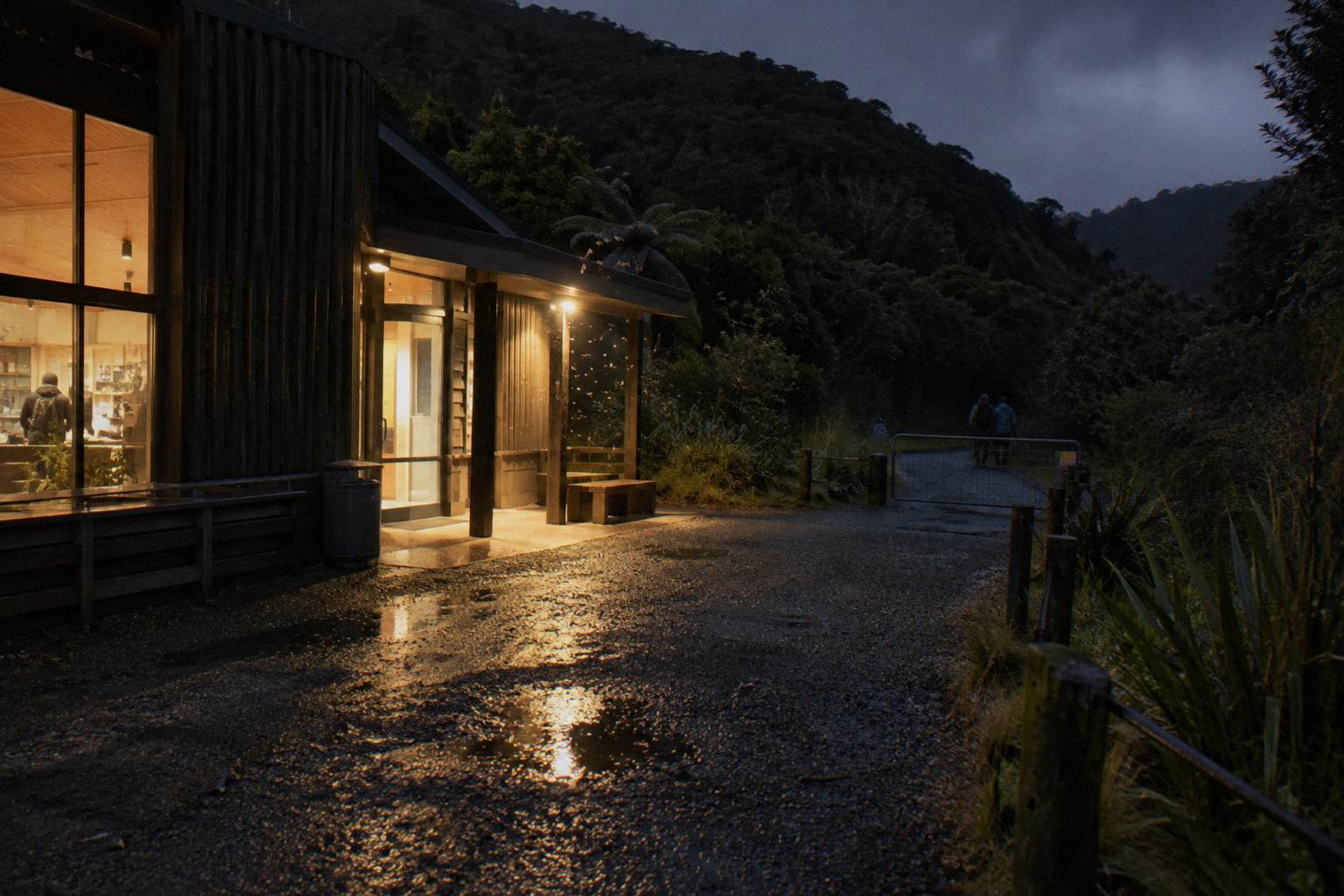
Two fine-print items are worth printing verbatim in spirit. First, after-hours tours, which includes twilight and night, use a different entry: up the driveway to the right of the visitor centre building, and visitors may not stay behind in the sanctuary or visitor centre after closing to wait for a later start. Second, no tour includes hotel pickup or drop-off, so the free electric shuttle, public buses or the limited parking at the sanctuary are the stated ways in, covered in the getting to Zealandia guide.
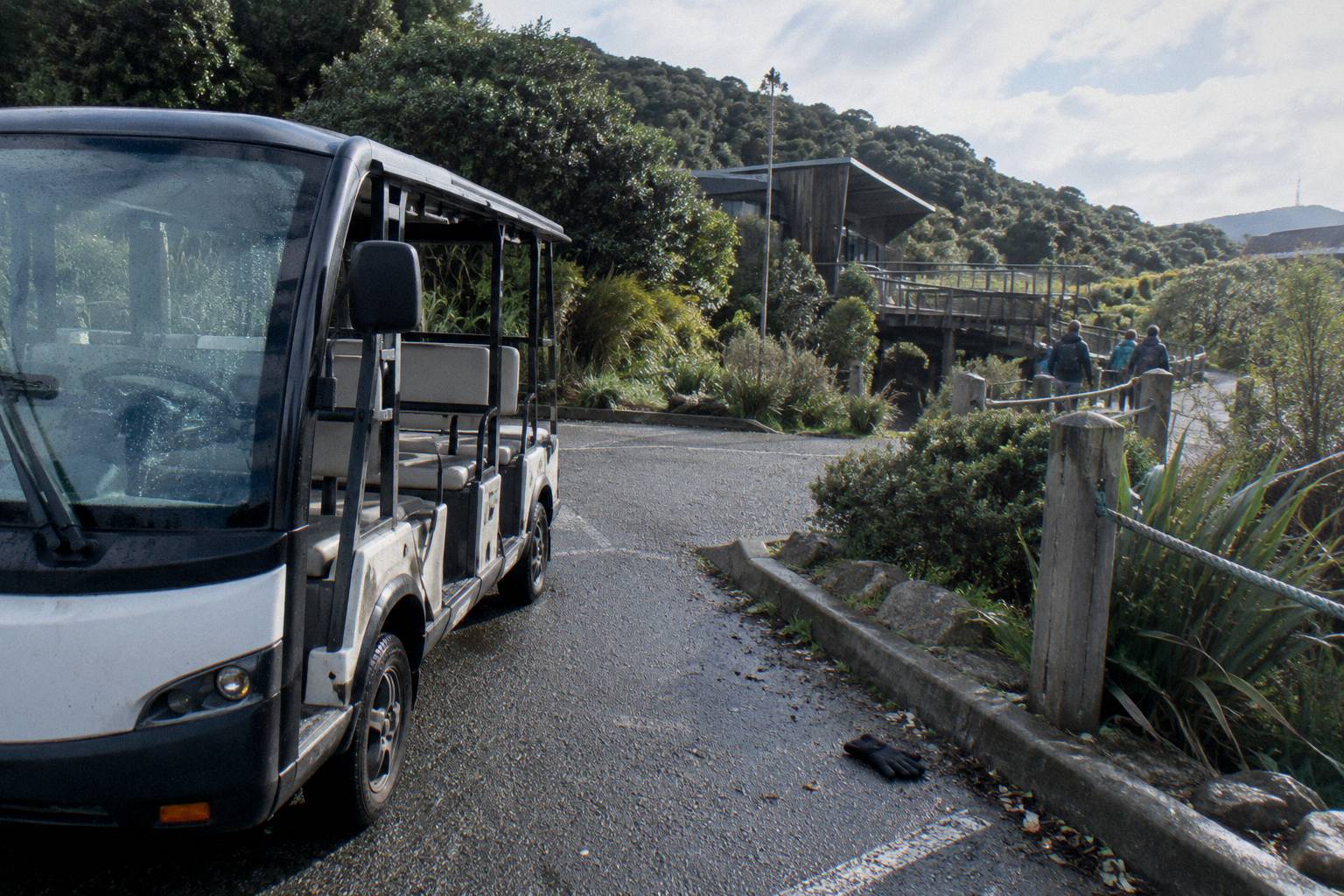
The shuttle detail matters most for the day walk, because the free electric shuttle runs on the day schedule and twilight starts after the day shuttle has finished. Day tour ticket holders get priority seating if they arrive 10 minutes early, but a twilight booking means planning your own way to Waiapu Road for an after-hours arrival.
What Happens To The Wildlife As The Light Changes?
The stated sightings lists shift completely between day and dark: the day walk's list is all diurnal species, the night walk's list is built around little spotted kiwi, ruru, wetapunga and glowworms, and the twilight walk sits across the changeover with a dusk chorus and birds settling to nest. Every one of these is a chance the guides look for, never a promise.
By day, the valley belongs to the birds you can watch at length. The day tour's stated list, always as chances: takahe, tuatara, hihi, kaka, tieke, toutouwai, pateke, plus tui, kereru and korimako. Takahe are Nationally Vulnerable, and the sanctuary's pair arrived in 2011; kaka returned in the early 2000s. These are the sightings you can photograph in full light, and photography is allowed on the tours.
At twilight, the tone of the forest changes before its cast does. The stated experience is a dusk chorus and birds settling to nest, which means the diurnal species winding down rather than the nocturnal ones fully out. The half hour of extra walking in the twilight option compared with the day option happens across that transition. Hamilton's frog is stated as sometimes seen on the night and twilight tours, one of the few species that appears on both after-dark lists.
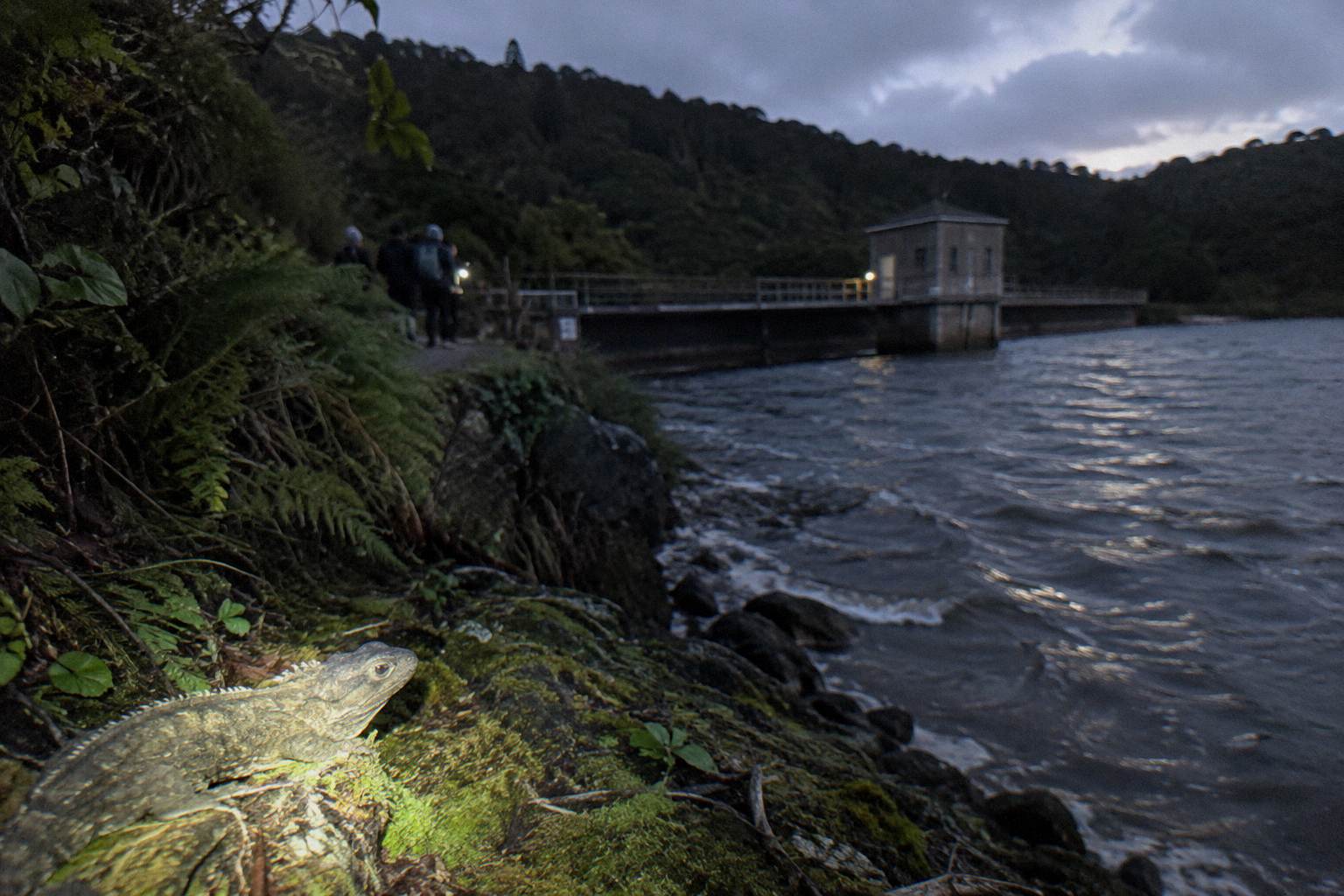
By full dark, the list flips. The night walk's stated chances: little spotted kiwi, tuatara, takahe, pateke, wetapunga, Hamilton's frog, ruru, glowworms and kaka. Glowworms are pointed out in banks by the guides, never promised. The sanctuary's own wording on kiwi is worth repeating because it is the most candid sentence in wildlife tourism: little spotted kiwi are seen on most tours, sightings are not guaranteed. The 40 birds brought in during 2000 and 2001 have grown to a population now estimated in the hundreds inside the fence.
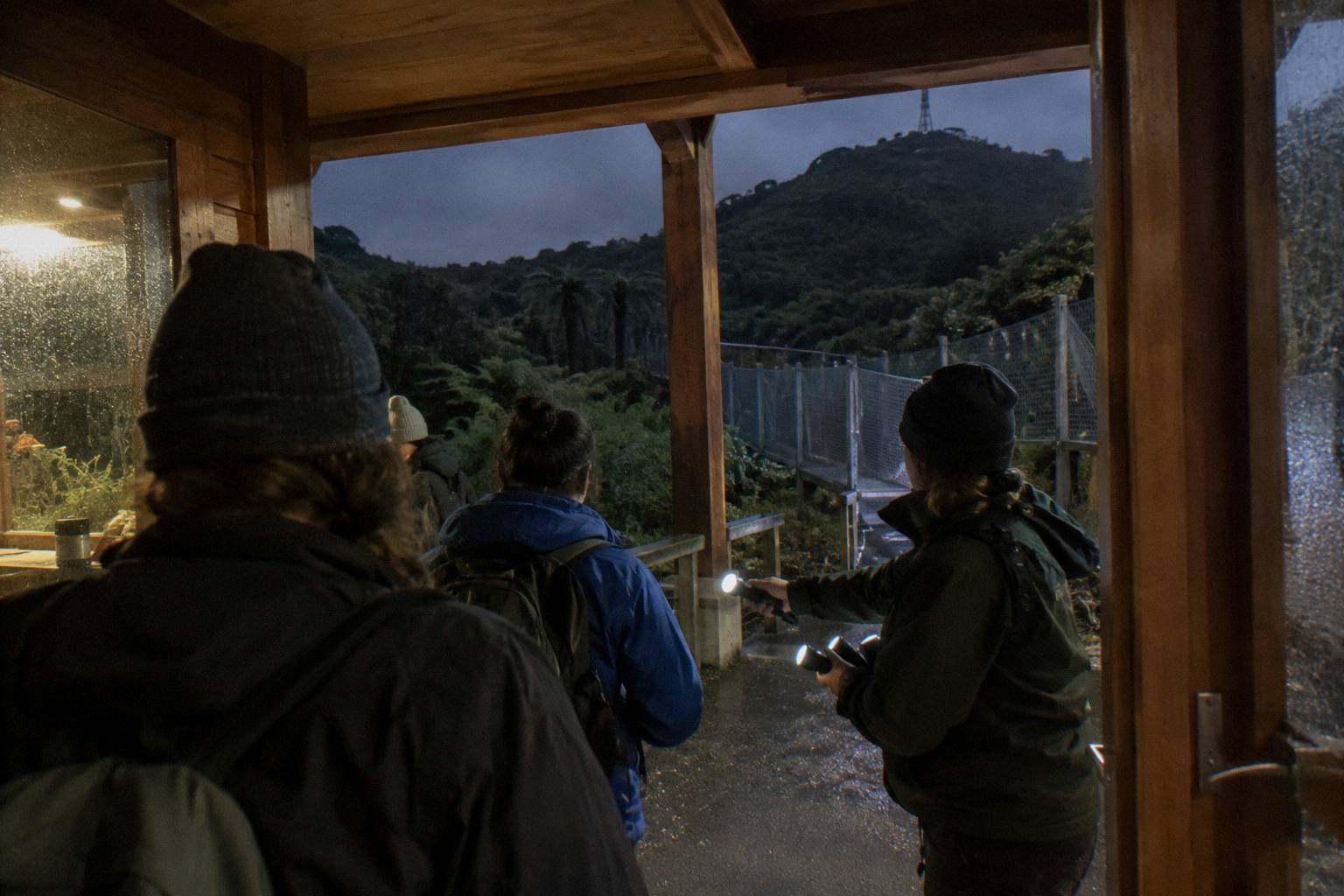
The reason this comparison cannot be settled by a sightings checklist is that the lists answer different questions. The day list answers "what can I watch for an hour in good light". The night list answers "what might move in the dark around a torch beam". The twilight list answers neither question fully, and instead sells the moment one list hands over to the other. Readers who want the species-by-species treatment of the diurnal birds will find it in the Zealandia wildlife on tour guide.
If the dusk handover is what you want, checking availability on the Twilight Tour's live listing is the only way to see the season's current dates, since the sanctuary sets the schedule itself. Check availability
What To Ask The Operator Before You Book
Three questions cover the gaps the published facts leave open: the exact start time of a twilight departure on your date, whether the stated terrain and light conditions suit anyone in your party with mobility or vision considerations, and whether any language need beyond English can be met, since only Mandarin day departures are stated to exist and they need a minimum of four people.
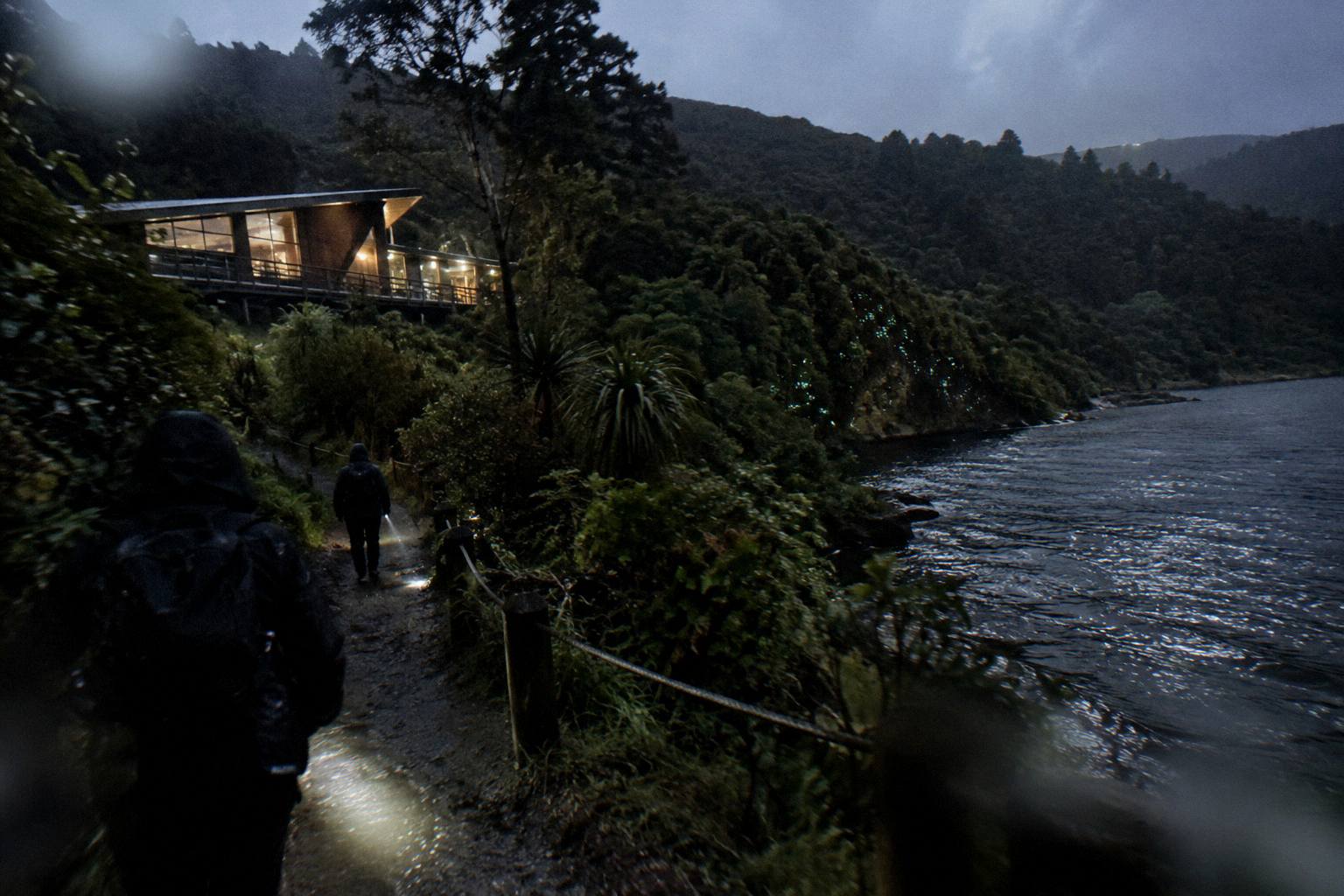
The start-time question is the most practical. Twilight walks run from daylight into dark, which means the departure shifts with the season, and the confirmed time appears at booking. Before you book, the operator can tell you what the walk's start and finish will mean for your dinner plans, your transport home in the dark, and the clothing you carry. The stated kit advice for the valley, sturdy shoes, warm clothes and a waterproof layer, applies to every season.
The accessibility question has a stated answer with a stated limit. Much of the lower valley is wheelchair and pram friendly, the visitor centre has a lift, free mobility scooters are available if you ask ahead, a companion enters free, and there are accessible toilets. The shuttle, however, has no chairlift. No tour can be declared suitable or unsuitable for a given person from a webpage, so the instruction is the operator's own: ask when you book and quote your circumstances.
The language question is narrower than many visitors expect. The tours covered here run in English. Mandarin-language day departures exist and need a minimum of four people, and the departure may be cancelled if that minimum is not reached. No audio guide, other language or translated handout is stated, so any need beyond English and Mandarin is an ask-the-operator matter.
A fourth question is worth adding if you are torn between two dates: what the second day of your General Admission is worth to you. Because every tour ticket includes admission for the tour day and the next, a Monday twilight walk pairs naturally with a Tuesday morning self-guided loop, and asking about track conditions for that second day costs nothing.
Common Mistakes When Choosing A Time Slot
The three commonest mistakes are expecting a kiwi chance on a day or twilight booking, assuming the twilight walk runs year round, and budgeting as though the tour ticket is the whole cost, when the two-day General Admission inside every ticket is often the difference between a good and a rushed visit. Each mistake is avoidable with one stated fact.
The kiwi mistake is the most frequent and the most forgivable, because marketing summaries often blur it. The official pages do not blur it: nocturnal wildlife such as kiwi, ruru, weta and frogs are very unlikely by day, and the kiwi chance belongs to the night walk, where sightings happen on most tours but are never guaranteed. A visitor who books the day walk hoping for a kiwi has bought the wrong product, however excellent the day walk is at what it actually does.
The calendar mistake catches April visitors. The Twilight Tour runs October to March on the sanctuary's schedule. A trip planned for the shoulder months can arrive to find no twilight departures at all, with the Kids' Night Walks, minimum age 5, running April to September in their place. Checking the season before building an itinerary around twilight is a two-minute job that saves a rebuild.
The budget mistake runs the other way: treating the from-price as the whole value. Both walks include General Admission for the tour day and the next, and separate self-guided admission exists for visitors who want the valley without a guide. A reader deciding between the day walk and the twilight walk is often, without noticing, also deciding between one day at the sanctuary and two. The tickets versus guided tour prices guide works that arithmetic through.
The fourth mistake is logistics: forgetting that no tour includes hotel pickup, and that the free shuttle runs on the day schedule. A twilight booking means arriving at Waiapu Road under your own steam for an after-hours entry up the driveway to the right of the building, with arrival 15 minutes before the start. It is a small thing on paper and a real thing on the night.
The Bottom Line On Choosing Your Slot
Choose the day walk if your visit falls outside October to March, if anyone in your party is under 5, or if the NZ$40 saving and the extra morning matter more than the fading light; choose the twilight walk if you are inside the season, your party is 5 and over, and the dusk chorus and the walk into darkness are the experience you came for.
Both choices are defensible, and the identical 4.8 ratings, across 252 and 84 reviews respectively, suggest visitors are broadly as happy either way. What the scores cannot tell you is which experience you are shopping for, and that is the question this article has tried to isolate: light, duration, age floor, season and price, each stated plainly and nothing invented to fill a gap.
There is also a case for both, and it is stronger than it looks. The two-day General Admission inside every ticket means a day walk on your first afternoon and a twilight or night walk the next evening is a coherent two-day plan rather than an indulgence, with the valley explored in three different light conditions from one valley fence. The Zealandia Day Tour site's guides on tours by season cover how that stack works across the year.
Whichever slot you choose, the practical constants hold: meet inside the visitor centre at 53 Waiapu Road, arrive 15 minutes early, check your own bags and pockets for seeds at the biosecurity gates, wear sturdy shoes and a warm layer, and cancel free up to 24 hours before if your plans or the weather turn.
And if after all of this the kiwi is still the reason you are going, be realistic with yourself about it: the night walk is the only one of the three built around that chance, and the sanctuary says so in its own words.
Common Questions About Day Versus Twilight Zealandia Walks
Day Versus Twilight Zealandia Walks: What Actually Changes?
Duration (about 2 hours versus about 2.5), minimum age (none versus 5), season (daily versus October to March), price (from NZ$70 versus from NZ$110 per person) and the light itself. Group size (up to 12), the kawakawa tea at the end, the two-day General Admission and free cancellation up to 24 hours before are shared or near-shared.
Is The Twilight Tour Worth The Extra NZ$40?
Only you can weigh it, but the stated differences are the extra half hour, the dusk chorus and birds settling to nest, the walk from daylight into dark, and the included hot kawakawa tea. If none of those is the experience you are shopping for, the day walk delivers the same valley, the same group cap and the same two-day admission for less.
Can Children Under 5 Go On The Twilight Tour?
No. The Twilight Tour has a stated minimum age of 5. The day walk has no minimum age and under 5s go free, with infants on an adult's lap and pushchairs fine. The Kids' Night Walks, April to September, also set the minimum age at 5.
Which Walk Has The Better Chance Of A Kiwi?
Neither. Kiwi are nocturnal and the official general admission page calls them very unlikely by day; the twilight walk is not a kiwi product either. The night walk is the one with the kiwi chance, and even there the sanctuary's wording is that little spotted kiwi are seen on most tours and sightings are not guaranteed.
Do Both Tickets Include General Admission?
Yes. Every tour ticket includes a General Admission ticket valid for the tour day and the following day, on the day walk, the twilight walk and the night walk alike.
Does The Twilight Tour Run All Year?
No. It runs October to March on the sanctuary's own schedule. Outside that window the sanctuary points families with children under 12 to the Kids' Night Walks, which run April to September with a minimum age of 5.