Do You Need To Book A Zealandia Guided Tour In Advance?
Group caps of 12, free cancellation up to 24 hours before, and a two-day admission ticket shape when to book a Zealandia tour. Here is what the official facts say.
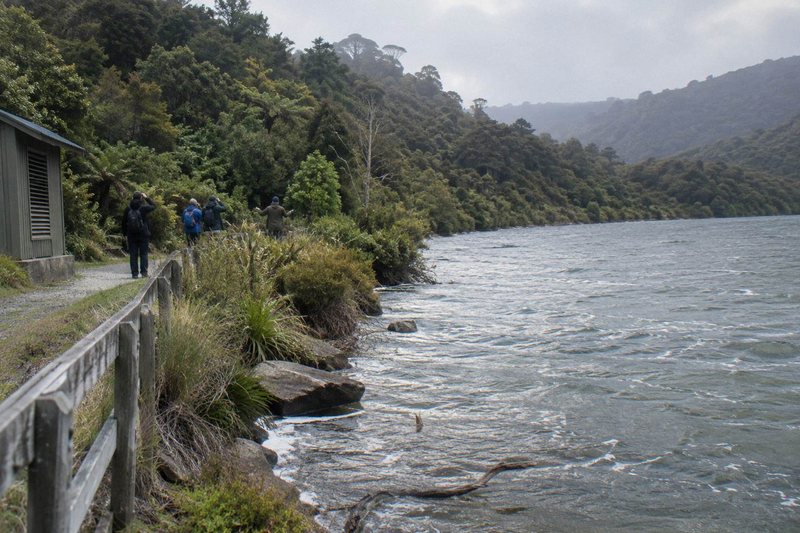
You do not need to book a Zealandia tour in advance in the sense that walk-up self-guided entry needs no pre-purchase, but guided tours cap each departure at 12 people and the booking pages show live availability by date, so reserving ahead is the reliable way to lock a seat, and every tour can be cancelled free up to 24 hours before the start.
That is the short version. The longer version depends on which of the four guided walks you want, the season you are visiting in, and how flexible your Wellington itinerary is. The sanctuary runs a featured Zealandia By Day walk from NZ$70 per person, plus a night tour from NZ$120, a twilight walk from NZ$110, and a Sunday-morning plant walk from NZ$70. All four share the same small-group cap and the same 24-hour cancellation window.
What no careful guide can tell you is that a particular departure "sells out," because the verified facts hold no sell-out data and no lead-time rule. What the facts do hold is enough to make a sensible booking decision: hard group caps, daily or nightly schedules, a stated cancellation policy, and the fact that separate self-guided General Admission never needs pre-purchase at all. This page works through those facts tour by tour.
What Decides How Early You Should Book?
Three things decide whether booking ahead matters for you: the 12-person cap shared by every guided tour, the date-specific availability shown on the operator's live listing, and the shape of your own itinerary, since free cancellation up to 24 hours before means an early booking costs you flexibility only inside that final day.
Start with the cap. Every tour in the lineup, from the two-hour day walk to the 2.5-hour night tour, takes a maximum of 12 people. That is a deliberate part of how the sanctuary operates: a small group moves quietly enough for guides to point out tuatara basking or a takahe pair feeding near the track. It also means each departure has exactly twelve seats, no more, and the booking page for your chosen date is the only place that shows how many remain.
Next, the schedule. The day tour runs daily with departures from 10am and more in summer, which gives a visitor several chances on a single day. The night tour runs nightly around dusk, so there is one departure per evening, and the twilight tour runs October to March on the sanctuary's own schedule. A once-a-day departure with twelve seats is inherently tighter than a walk with multiple daily departures, whatever the season.
Finally, your own plans. Free cancellation up to 24 hours before the start changes the arithmetic completely. Booking two weeks out and cancelling nine days later costs nothing, so for most travellers the real question is not "do I need to book now?" but "am I sure enough about this date more than 24 hours ahead?" For almost anyone with a fixed Wellington itinerary, the answer is yes, and the booking is free to change or drop until that final day.
Which Tour Fits Which Traveller?
Families with children under 12 should book the day tour or, from age 5, the twilight walk; wildlife-focused visitors after kiwi should book the night tour, which has a minimum age of 12 and runs nightly; plant and forest-curious visitors can book the Sunday-morning Forest Secrets walk; and anyone who mainly wants to wander the valley can skip a tour entirely and buy self-guided admission on the day.
The featured day walk is the general-purpose choice. It has no minimum age, under 5s go free, pushchairs are fine, and children just need to be with an adult. Mandarin-language departures exist and need a minimum of four people, a detail worth knowing if you are hoping for one: the tour may be cancelled if that minimum is not reached. Wildlife on the day walk is always a chance rather than a promise, with guides looking for takahe, tuatara, hihi, kaka, tieke, toutouwai and pateke, plus tui, kereru and korimako. Kiwi are not a day-tour prospect at all: the official General Admission page calls nocturnal wildlife such as kiwi, ruru, weta and frogs very unlikely by day.
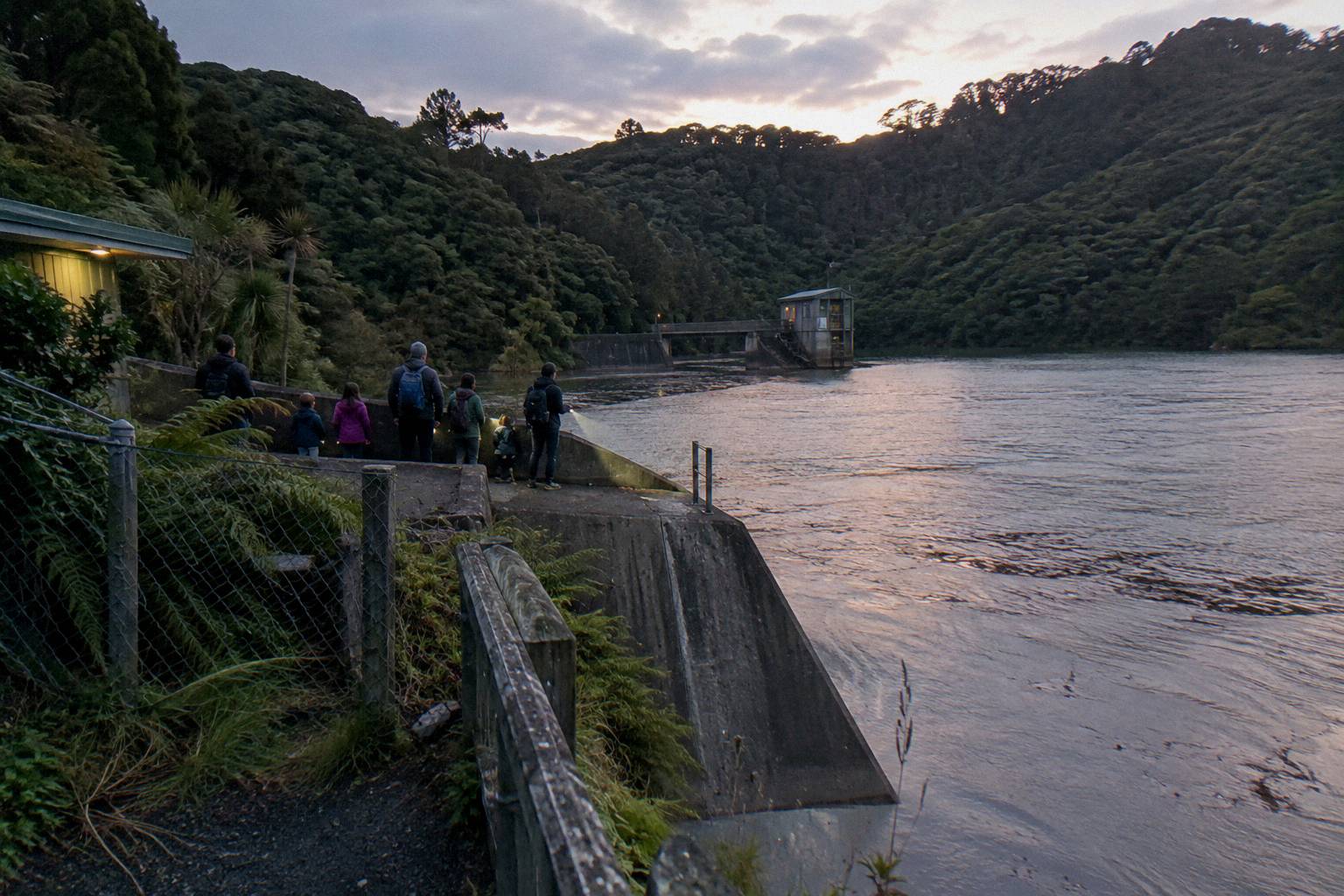
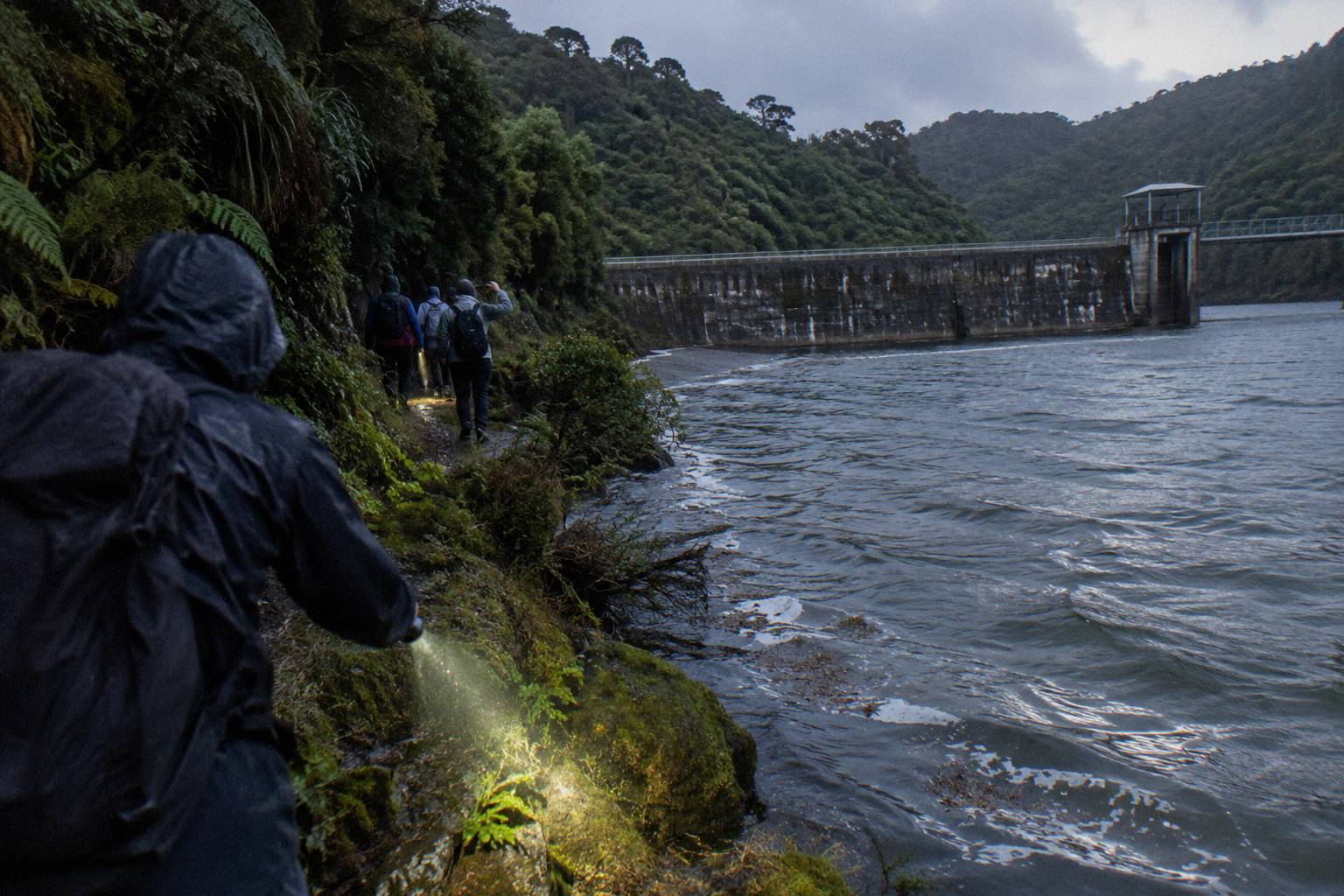
The night tour is the specialist option, and the one where booking ahead is most obviously sensible, because it is the only walk where kiwi are even in play. Little spotted kiwi are seen on most tours, though the sanctuary's own wording is careful: sightings are not guaranteed. It runs about 2.5 hours around dusk, torches are supplied, and it ends with a warm kawakawa, lemongrass and ginger tea at the visitor centre. Families with children under 12 are pointed by the sanctuary to the twilight tours and the Kids' Night Walks instead.
The twilight tour splits the difference: about 2.5 hours from daylight into dark, minimum age 5, hot kawakawa tea included, and a dusk chorus as birds settle to nest. It runs October to March on the sanctuary's schedule. The Forest Secrets Plant Walk, new in the lineup and unrated so far, runs about 2 hours at 10:30am on Sunday mornings with no minimum age, and is led around how forest plants compete and adapt rather than around wildlife.
How Do Group Caps And Start Times Differ By Walk?
The four tours differ mainly in schedule and age limits: the day tour is daily with departures from 10am and no minimum age, the night tour is nightly with a minimum age of 12, the twilight tour runs October to March from age 5, and the plant walk is Sunday mornings at 10:30am with no minimum age; all four cap groups at 12 and all four cancel free up to 24 hours before.
The table below pulls the lineup facts into one place. Read it as a scheduling table, not a popularity contest: the ratings are printed beside their review counts precisely so you can judge how much weight each one can bear, and the new plant walk has no rating yet at all.
| Tour | Length | Schedule | Min age | Group cap | From price | Rating |
|---|---|---|---|---|---|---|
| Zealandia By Day | about 2 hours | daily, departures from 10am, more in summer | none, under 5s free | up to 12 | NZ$70 per person | 4.8 from 252 reviews |
| Zealandia By Night | about 2.5 hours | nightly, around dusk | 12 | up to 12 | NZ$120 per person | 4.8 from 164 reviews |
| Zealandia Twilight Tour | about 2.5 hours | October to March, sanctuary schedule | 5 | up to 12 | NZ$110 per person | 4.8 from 84 reviews |
| Forest Secrets Plant Walk | about 2 hours | Sunday mornings, 10:30am | none | up to 12 | NZ$70 per person | new listing, no rating yet |
One booking-relevant fact sits outside the table: the Mandarin-language day departures. They need a minimum of four people and may be cancelled if the minimum is not reached, which is the one place in the lineup where a confirmed booking can still fall over. Anyone counting on a Mandarin departure should check with the operator when booking, and have the English-language departure as a fallback.
Another sits inside every row: the admission ticket. Every tour ticket includes General Admission valid for the tour day and the next day, so a booked tour is also a two-day valley pass. That matters for timing, because it means you can book a tour for your first day and return on the second day to walk the tracks alone, at no extra cost.
How Do Cancellation And Booking Work?
Every tour in the lineup offers free cancellation up to 24 hours before the start, booking pages show availability by date, and self-guided General Admission never needs pre-purchase at all: it is sold at the Level 1 desk, valid for two consecutive days, with pre-school children free, and prices sit on the official General Admission page.
The 24-hour window is the single most useful fact on this page, because it converts "book in advance" from a commitment into a placeholder. Book a fortnight out, watch your plans firm up, and drop the tour without cost any time until the day before. Inside that final 24 hours, the booking is real money. That is the whole policy for all four tours: the day walk, the night tour, the twilight tour and the plant walk all carry the same free-cancellation-up-to-24-hours condition. The wider set of guides lives on Zealandia Day Tour.
Self-guided admission works differently, and this is where "do I need to book?" has a clean answer of no. General Admission needs no pre-purchase, is valid for two consecutive days, and is sold at the Level 1 desk on arrival, with pre-school children free. For prices and concession details, see the official General Admission page, because those figures sit there rather than in the tour lineup. What a self-guided ticket does not include is a guide, and the difference is not trivial: guides know where tuatara bask and which banks carry glowworms, knowledge a map will not hand you.
The second table sets the two ways of visiting side by side, booking terms against ticket terms, because that comparison is what the advance-booking question is really asking.
| Guided tour (all four) | Self-guided General Admission | |
|---|---|---|
| Pre-purchase needed? | booking page shows availability by date | no, sold at the Level 1 desk |
| Group size | up to 12 per departure | you walk on your own |
| Cancellation | free up to 24 hours before the start | no booking to cancel |
| Validity | tour day and the following day | two consecutive days |
| Children | under 5s free on the day tour, pre-school children free on admission | pre-school children free |
| Guide | professional guide included | none |
Two practical notes for the day itself. Tours start inside the visitor centre at 53 Waiapu Road, Karori, and the standard advice is to arrive 15 minutes early. For night tours, the start time is confirmed at booking because the walk begins around dusk and the clock time moves with the season; visitors may not stay behind in the sanctuary after closing to wait, and after-hours entry is up the driveway to the right of the building. If you are working out how to reach the valley, the getting-to-Zealandia guide covers the free shuttle, bus stops and parking in full.
What To Ask The Operator Before You Book
The questions worth asking at booking time are the ones the published facts cannot answer: whether your chosen date still has seats, whether a Mandarin departure has reached its four-person minimum, how the tour handles mobility needs on uneven ground, and what language options exist beyond English, since no audio guide or translated handout is stated anywhere in the lineup.
Availability is the first question because the facts deliberately do not answer it. The booking pages show availability by date, and that live view is more reliable than any rule of thumb about how far ahead to book. The same goes for the twilight tour's seasonal schedule: it runs October to March on the sanctuary's own schedule, so ask which dates are running before you build an itinerary around one.
Accessibility is the second. The official accessibility page says much of the lower valley is wheelchair and pram friendly, there is a lift in the visitor centre, free mobility scooters are available if you ask ahead, a companion enters free, and the shuttle has no chairlift. The day-tour booking page, meanwhile, describes uneven surfaces and a moderate level of walking. Neither adds up to a verdict for any individual, so the instruction is the operator's own: ask the operator when you book. More detail on visiting with wheels or little legs sits in the kids and accessibility guide.
Language is the third. The tours covered here run in English, with Mandarin-language day departures as the stated exception. No audio guide, no other language and no translated handout is stated, so if you need one, the answer is again to ask at booking rather than assume. The foreign-language tour question is covered in its own post.
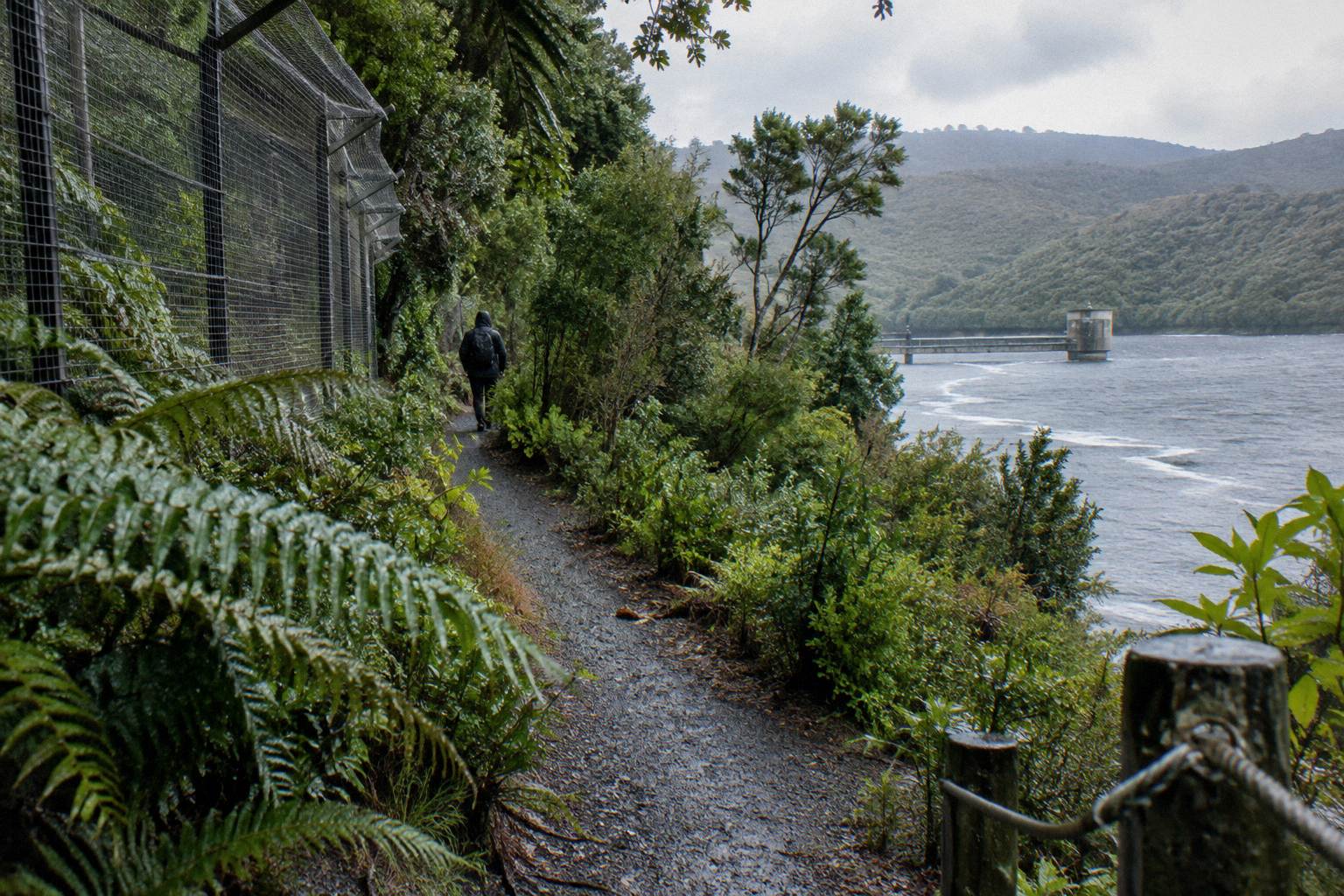
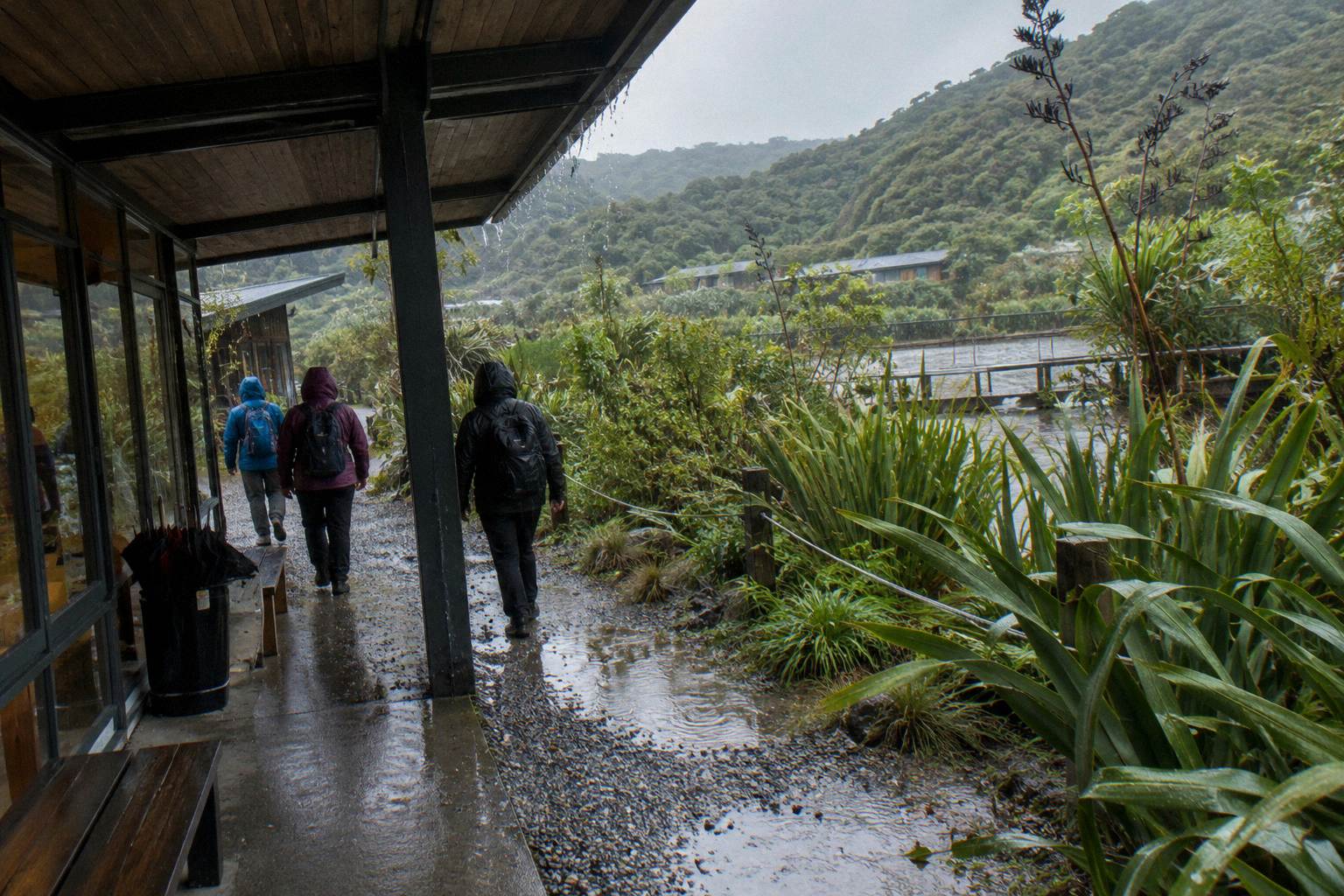
Weather is the fourth, and a small one. The day tour runs in almost all weather and may be called off only in extreme conditions, so rain alone is not a reason to stay away. The do tours run in the rain post takes that further, including what to wear on slopes, gravel and uneven ground.
Common Mistakes
The recurring mistakes are assuming kiwi are a daytime possibility, treating the night tour as family-friendly, forgetting the 24-hour cancellation cliff, overlooking the two-day admission ticket bundled into every tour, and leaving no buffer for the shuttle or the 15-minute-early arrival rule, all of which are avoidable with one extra minute of planning.
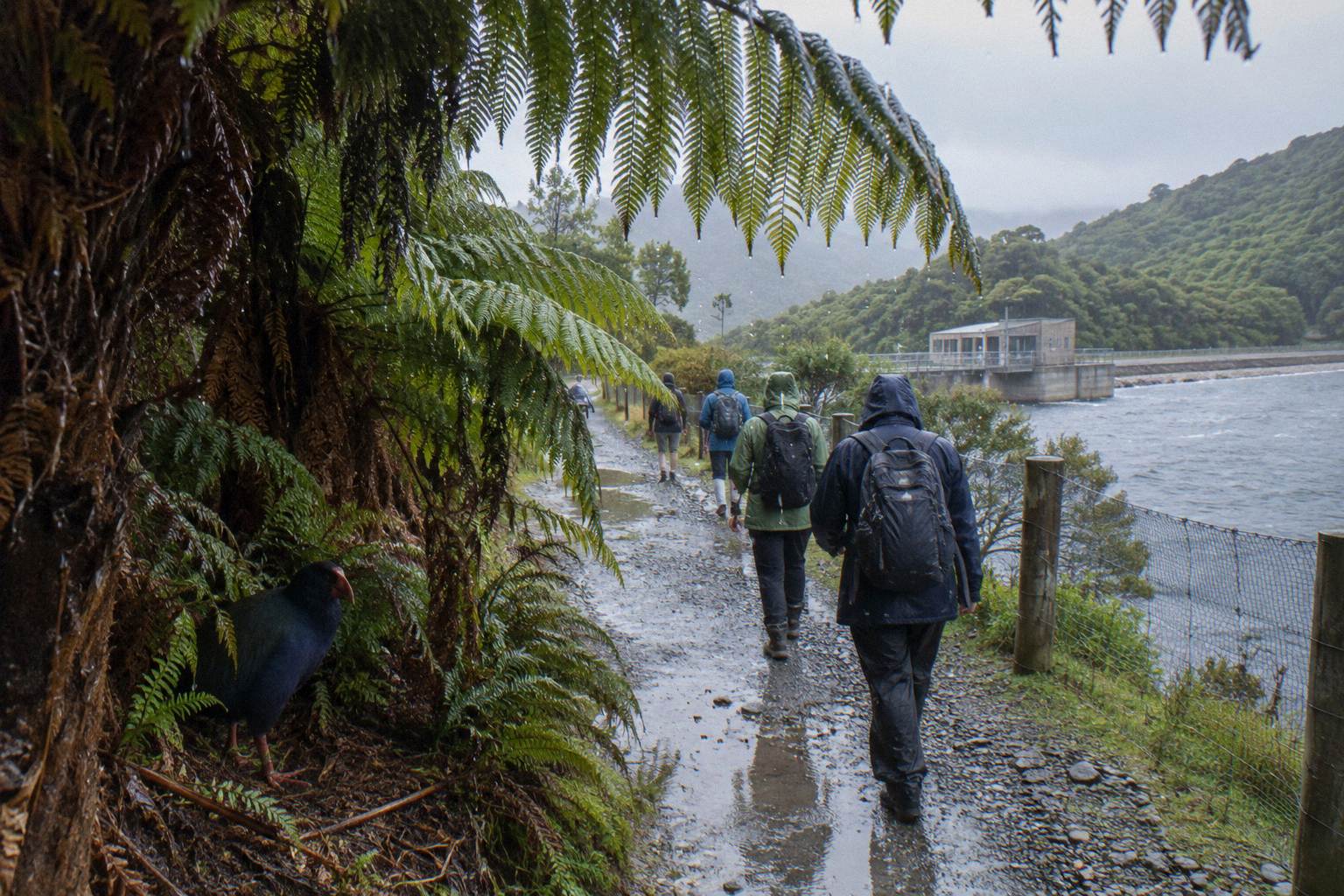
The kiwi mistake is the most common. Visitors book the day tour hoping for kiwi and are disappointed, when the official General Admission page is explicit that nocturnal wildlife such as kiwi, ruru, weta and frogs are very unlikely by day. If kiwi are the reason you are coming, the night tour is the only walk where they are even seen on most tours, and even there the sanctuary's own wording says sightings are not guaranteed. Booking the wrong tour for that goal is not fixable on the day.
The family mistake is the mirror image. The night tour has a minimum age of 12, and the sanctuary points families with younger children to the twilight tours and the Kids' Night Walks. The day tour, with no minimum age and under 5s free, and the twilight tour, from age 5, are the family options. The age limits are printed on the booking pages, so a minute of checking beats a turned-away child at the visitor centre.
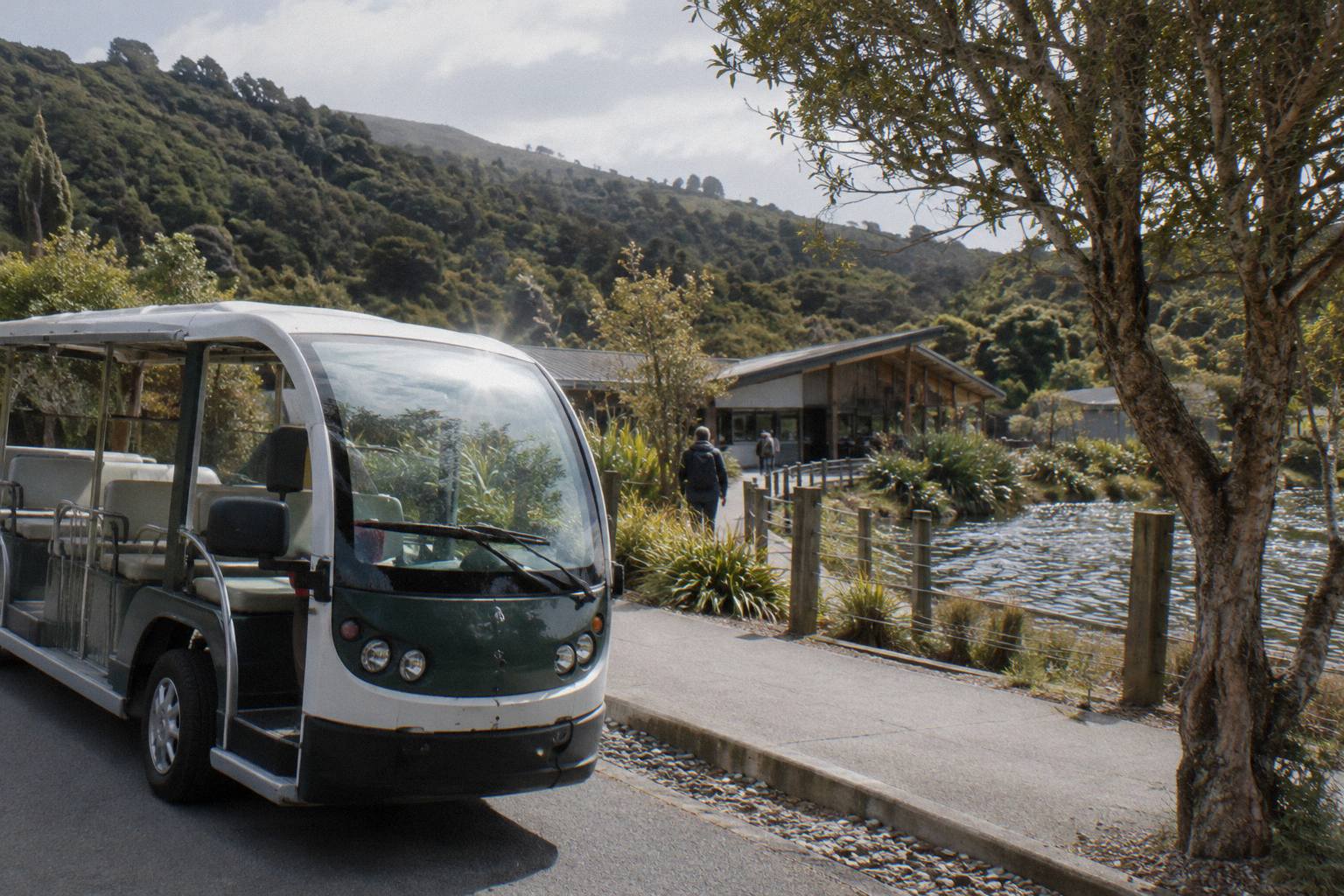
The ticket mistake is the quietest one. Every tour ticket includes General Admission for the tour day and the next day, and plenty of visitors never use the second day. If your schedule allows, an afternoon tour followed by a morning return walk is the best value in the lineup. The final mistake is timing: tours start inside the visitor centre, the advice is to arrive 15 minutes early, and the free electric shuttle has 11 seats with space not guaranteed, though day-tour ticket holders get priority seating if they arrive 10 minutes early. A booking protects your tour seat, not your shuttle seat.
Where Does Each Tour Meet, And When Should You Arrive?
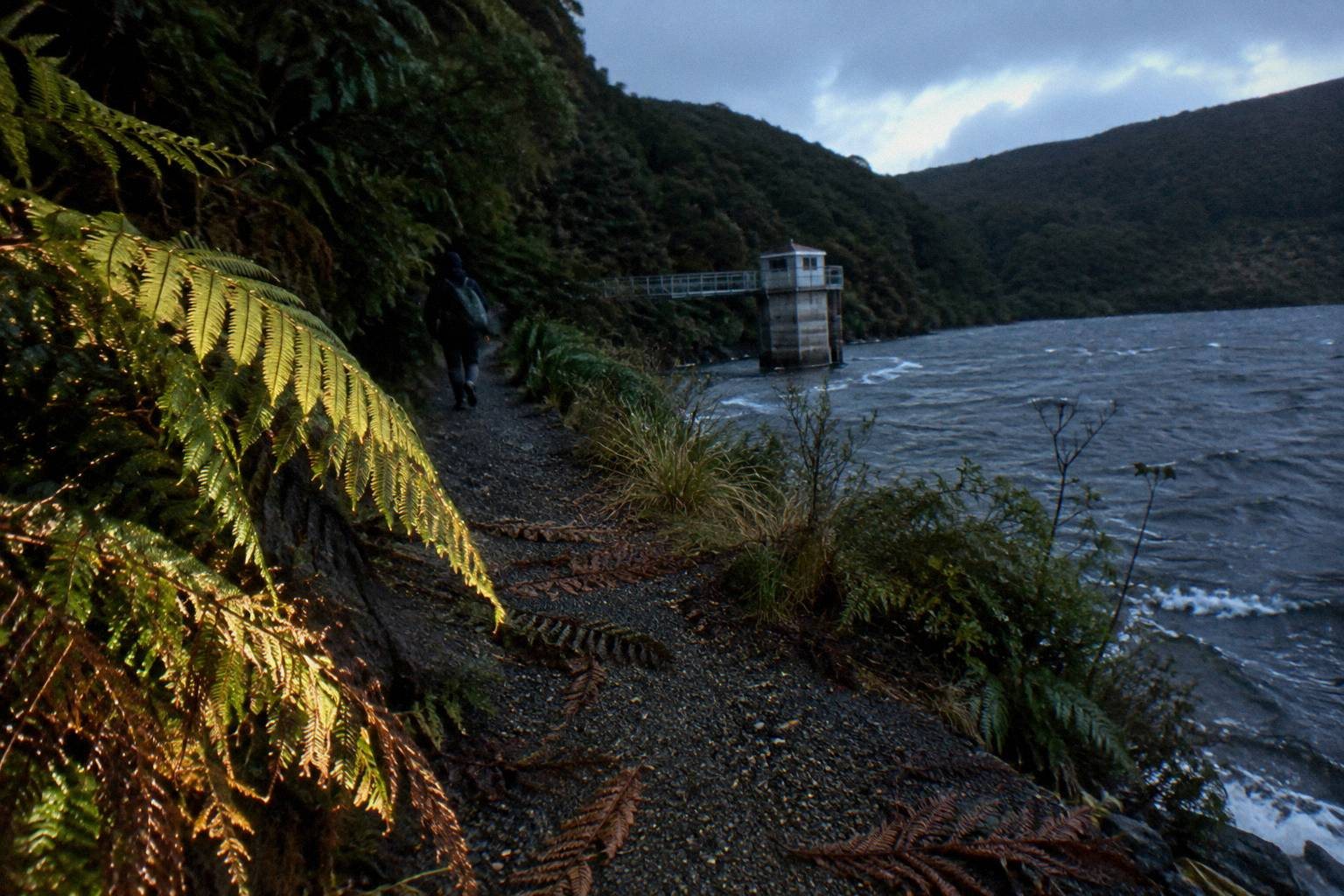
All four tours meet inside the visitor centre at 53 Waiapu Road, Karori, Wellington 6012, with arrival 15 minutes before the start; day tours follow the printed departure times from 10am, while the night tour's start time is confirmed only at booking because it runs around dusk, and after-hours entry is up the driveway to the right of the building.
The meeting point is consistent, which simplifies planning: whether you book the day walk, the night tour, the twilight walk or the Sunday plant walk, you head to the same visitor centre. The differences are all in the clock. Day departures run from 10am with more in summer, so the booking page tells you which slot you hold. The plant walk starts at 10:30am on Sunday mornings. The night tour's start is the one you cannot plan from a printed schedule, because dusk moves with the seasons; the confirmed time arrives with your booking confirmation.
The after-hours detail matters more than it looks. Night and twilight tours start after the day shuttle finishes, and visitors may not stay behind in the sanctuary or visitor centre after closing to wait. If your plan is to arrive mid-afternoon, wander, then join a dusk tour, check the timing with the operator instead of assuming the gap works. The sanctuary is open 9am to 5pm with last entry at 4pm, though check the official site for current hours.
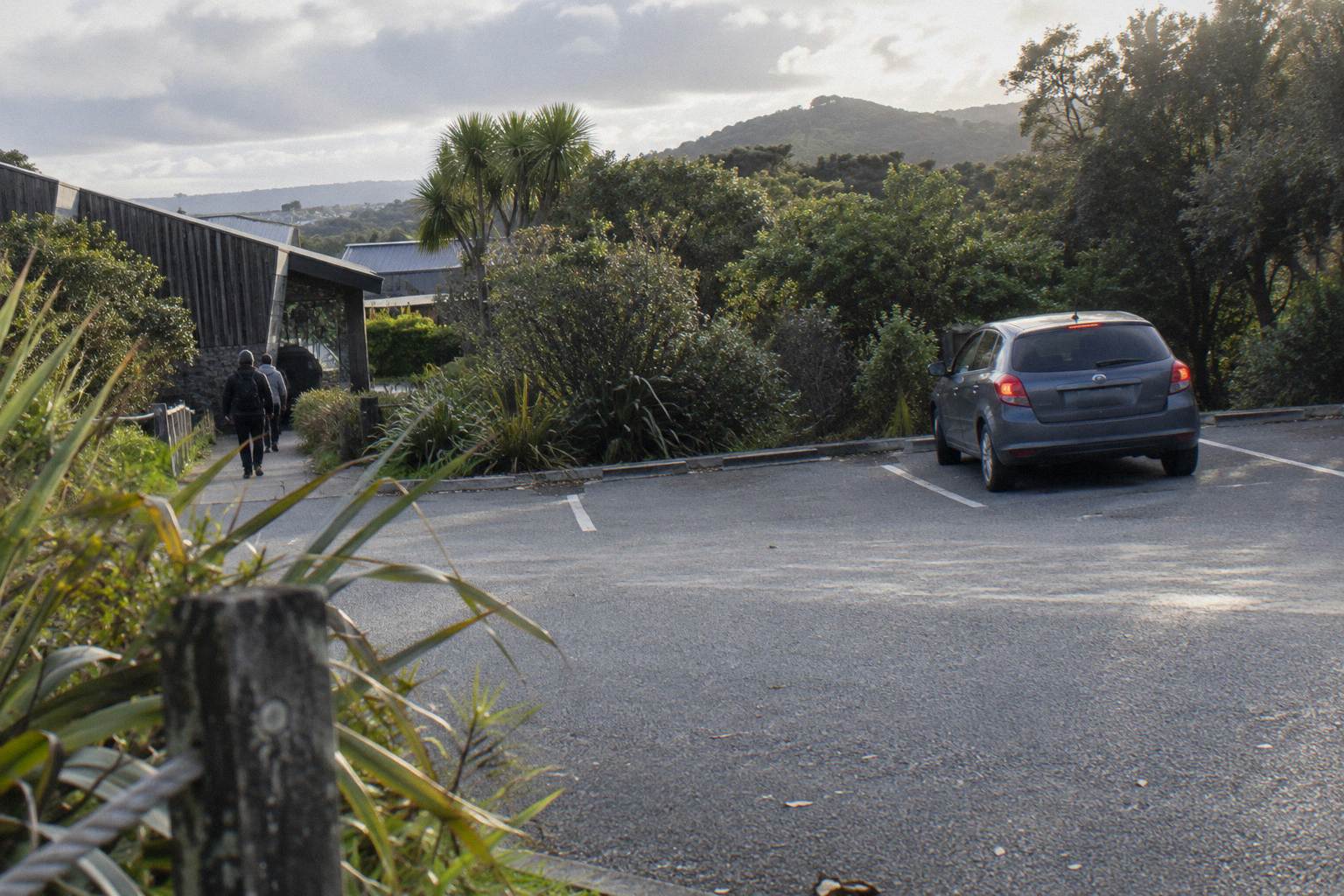
One logistics fact finishes the picture: there is no hotel pickup on any of the four tours, so the journey to Karori is yours to arrange. The free electric shuttle from outside the Takina Convention Centre on Wakefield Street and from the top of the Cable Car takes about 10 to 15 minutes, public bus stops at Northland Road and Birdwood Street are about a five-minute walk away, and there is limited parking at the sanctuary with an overflow car park on Birdwood Street.
Does Booking Ahead Change What You See?
No: booking ahead changes only whether you have a seat, not what the valley shows you, because wildlife on every tour is a chance rather than a promise, the guides look for the same species regardless of when you booked, and the sanctuary's 225 hectares, 32 km of tracks and 8.6 km fence are identical whichever day you come.
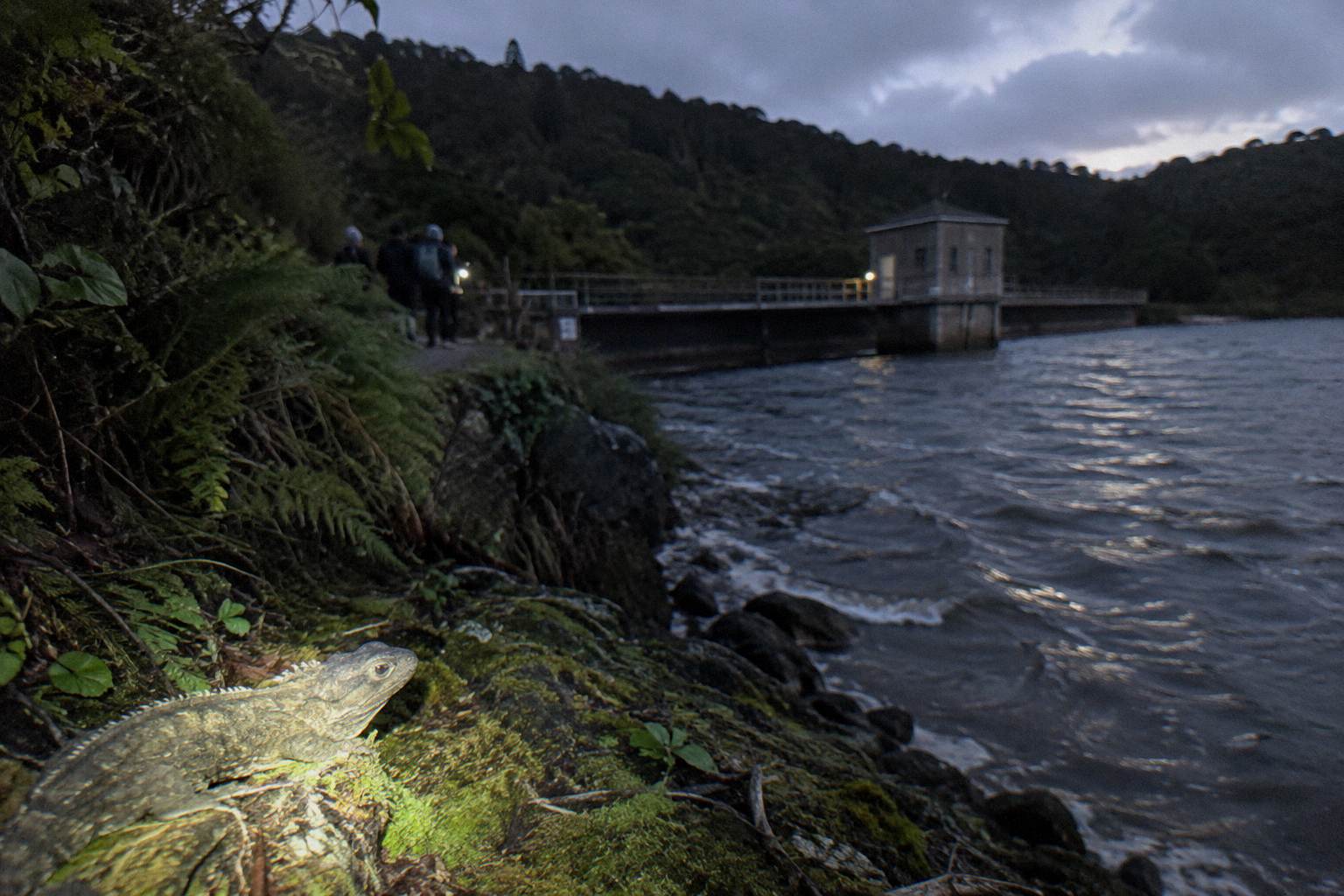
It is worth separating the booking question from the wildlife question, because reviews often blur them. The day-tour guides look for takahe, tuatara, hihi, kaka, tieke, toutouwai and pateke, plus tui, kereru and korimako; the night-tour guides add little spotted kiwi, wetapunga, Hamilton's frog, ruru and glowworms to the list of chances. None of that depends on how early you booked. A seat booked a month out and a seat booked a day out get the same guide, the same valley, and the same plain uncertainty.
What timing does affect, modestly, is which tour you can join at all. The twilight tour exists only October to March; the Kids' Night Walks that carry the same family role run April to September. Summer adds day-tour departures. If seeing a specific tour matters more than seeing the valley on a specific day, book the tour first and shape the itinerary around it, using the tours by season guide to match months to walks.
The last word goes to the sanctuary's own framing of the enterprise. This is a valley with a 500-year vision, where planted rata and rimu need centuries, run by a not-for-profit trust with more than 500 volunteers. A tour booking buys you two hours or three in the company of people working on that timeline. Whether you book a week ahead or a month, the valley is playing a much longer game, and that is part of what makes a visit here feel different from a standard city attraction.
Common Questions About Booking A Zealandia Guided Tour
Do You Need To Book A Zealandia Tour In Advance?
Not strictly: self-guided General Admission needs no pre-purchase and is sold at the Level 1 desk. But every guided tour caps each departure at 12 people and booking pages show availability by date, so reserving ahead is the reliable way to lock a seat, and free cancellation up to 24 hours before means an early booking stays flexible.
Can I Cancel A Zealandia Tour After Booking?
Yes, up to 24 hours before the start. All four tours, the day walk, the night tour, the twilight tour and the plant walk, carry the same free-cancellation-up-to-24-hours condition.
Does A Tour Ticket Include Entry To The Sanctuary?
Yes. Every tour ticket includes General Admission valid for the tour day and the next day, so a booked tour also works as a two-day valley pass.
Which Tour Should A Family With Young Children Book?
The day tour has no minimum age, under 5s go free and pushchairs are fine. The twilight tour takes children from age 5. The night tour has a minimum age of 12, and the sanctuary points families with younger children to the twilight tours and the Kids' Night Walks.
Can I Just Turn Up Without Booking Anything?
For self-guided entry, yes: General Admission needs no pre-purchase, is valid two consecutive days, and is sold at the Level 1 desk. For a guided tour, turning up means relying on a 12-seat departure having room on the day, which the live listing is better placed to answer than any rule of thumb.
What Happens If It Rains On My Tour Day?
The day tour runs in almost all weather and may be called off only in extreme conditions. Wear sturdy shoes, warm clothes and a waterproof layer, since the walk covers slopes, gravel and uneven ground.