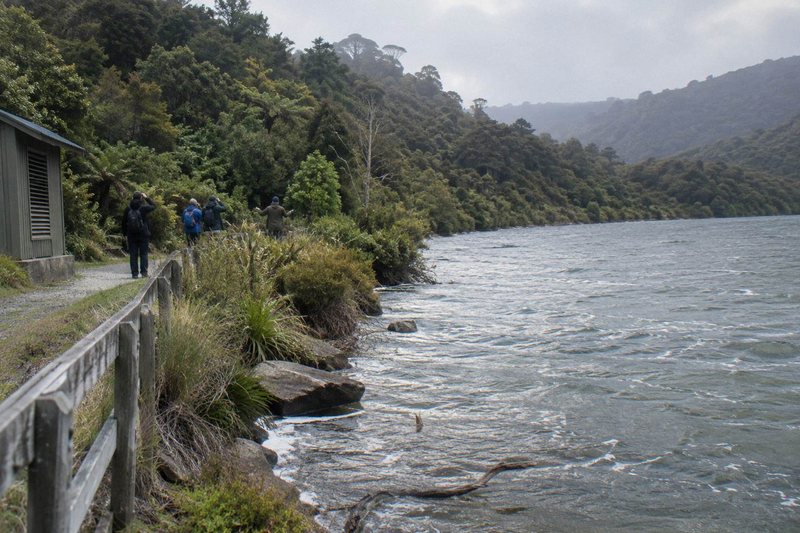
Is There A Foreign Language Zealandia Guided Tour Or Audio Guide?
Zealandia's tours run in English, with Mandarin-language day departures when at least four people book. Here is what that means for overseas visitors.
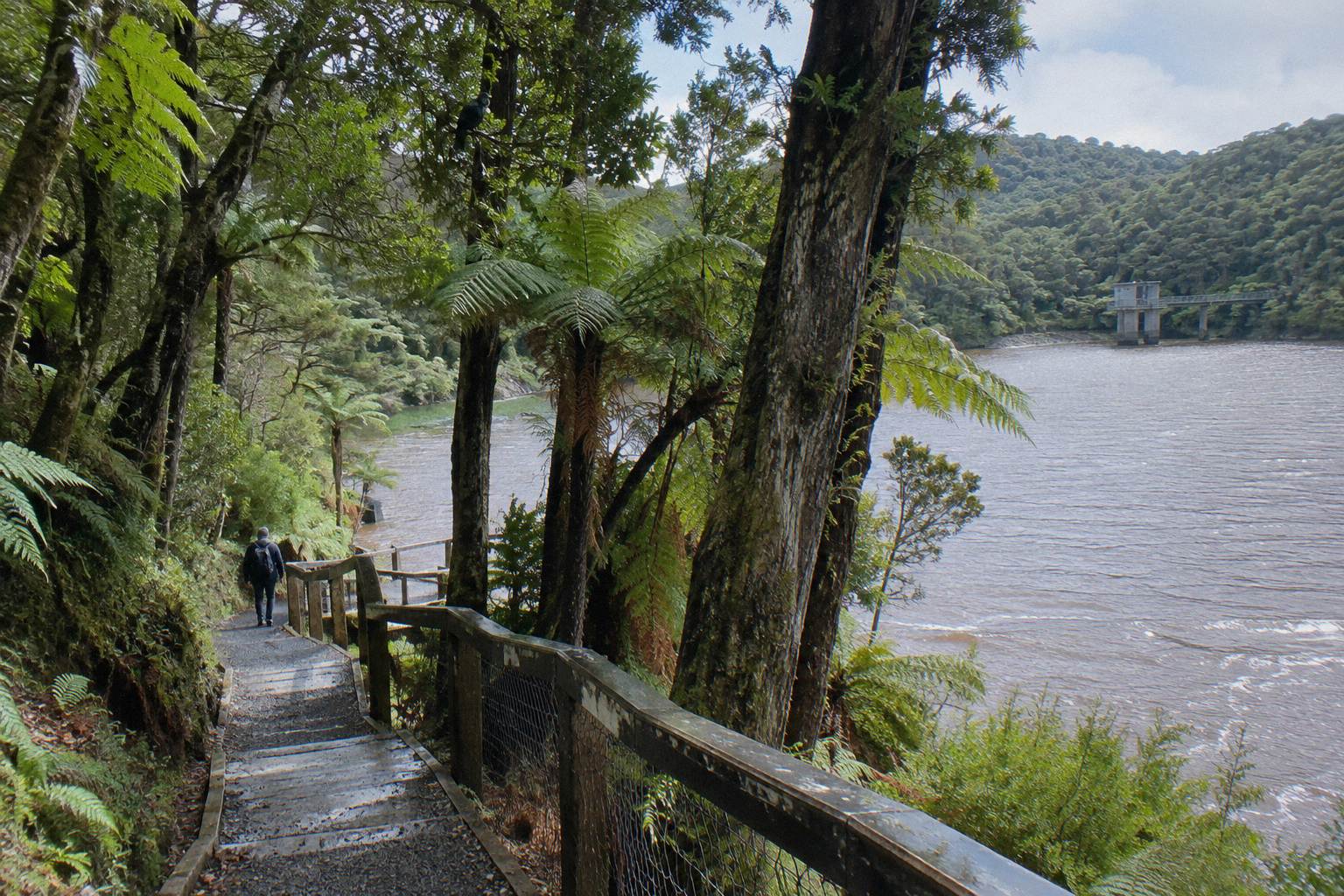
Yes, with limits: the four regular tours run in English, and Zealandia also offers Mandarin-language departures of the day tour, which need a minimum of four people to go ahead. There is no audio guide, no other guided language and no translated handout stated on any official page, so travellers who need a different language should ask the operator directly when booking rather than assume one exists.
That single sentence answers the practical question, but it hides a lot of decision-making detail for overseas visitors. A Mandarin departure that can be cancelled if fewer than four people book changes how you plan. An English-only night tour changes whether a teenager in your family can join at all. And the absence of a stated audio guide matters for visitors who prefer to explore at their own pace in their own language.
This article walks through what the official facts actually say, walk by walk, and what to ask before you commit money. Zealandia Day Tour covers the sanctuary's four bookable tours in detail, and the language question touches all of them.
The short version for a reader skimming before a flight: if you speak English comfortably, every tour in the lineup works. If your group speaks Mandarin and at least four of you book together, the day tour has departures in your language. Everyone else should contact the operator before booking, because nothing in the stated facts promises anything further.
What Decides Whether Your Group Is Covered?
The answer depends on three things: which of the four walks you want, how many people are in your party, and the age of the youngest traveller, because the Mandarin departures attach only to the day tour, the night tour has a minimum age of 12, and the twilight walk has a minimum age of 5. A family of two adults and a six-year-old faces a different set of options from a group of six Mandarin-speaking adults.
Start with the walk itself. Zealandia By Day is the flagship: about two hours, a small group capped at 12, departing daily from 10am with more departures in summer. It has no minimum age, under 5s are free, and it is the one tour in the lineup with Mandarin-language departures. Those departures need a minimum of four people, and the tour may be cancelled if that number is not reached, which is the single most important planning detail for a language-focused reader.
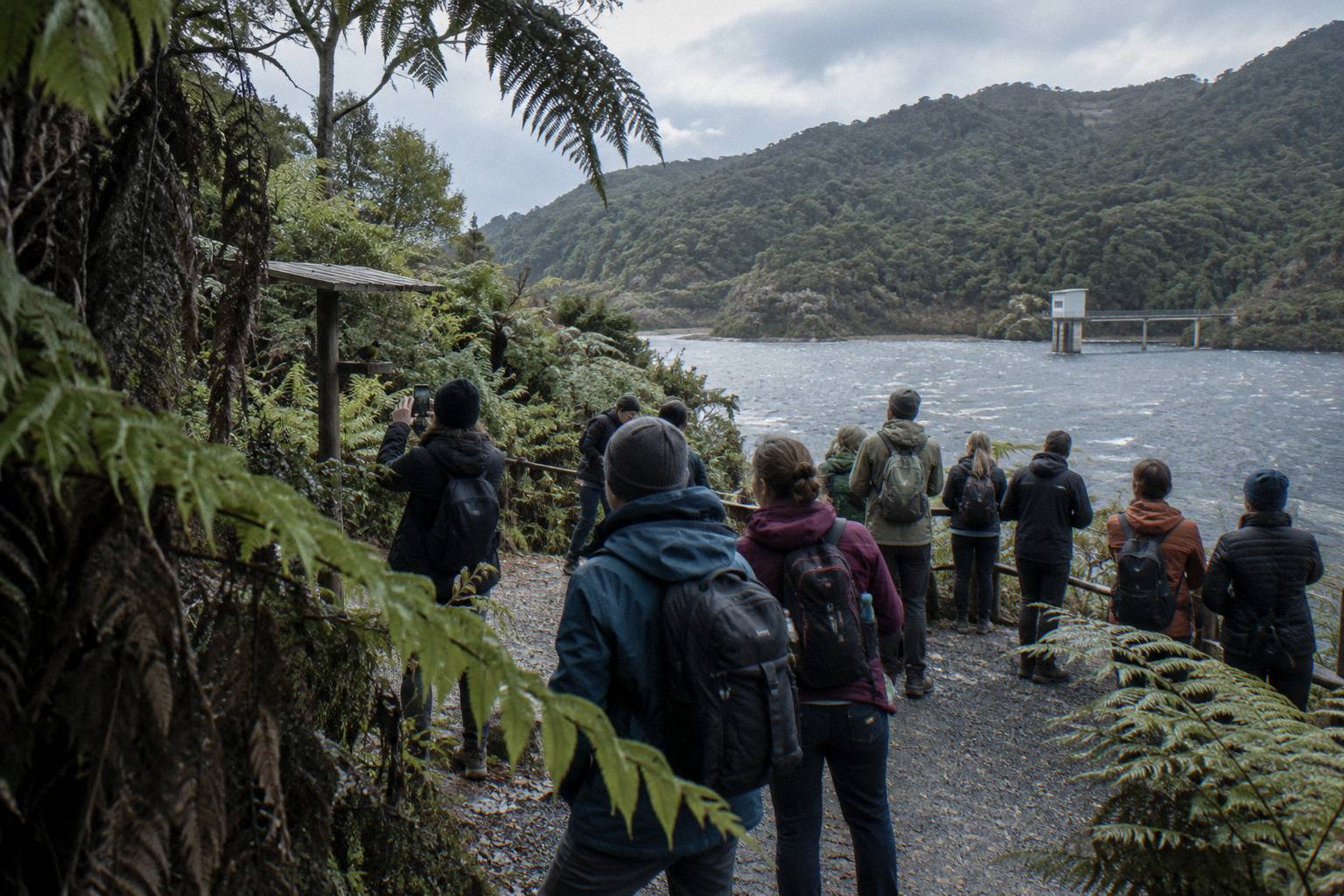
The other three walks are stated as English-language tours. Zealandia By Night runs about 2.5 hours around dusk, nightly, with a minimum age of 12 and a group of up to 12. The Twilight Tour runs about 2.5 hours from daylight into dark, October to March, minimum age 5. The Forest Secrets Plant Walk runs about two hours on Sunday mornings at 10:30am, up to 12 people, no minimum age, and focuses on how forest plants compete and adapt rather than on wildlife.
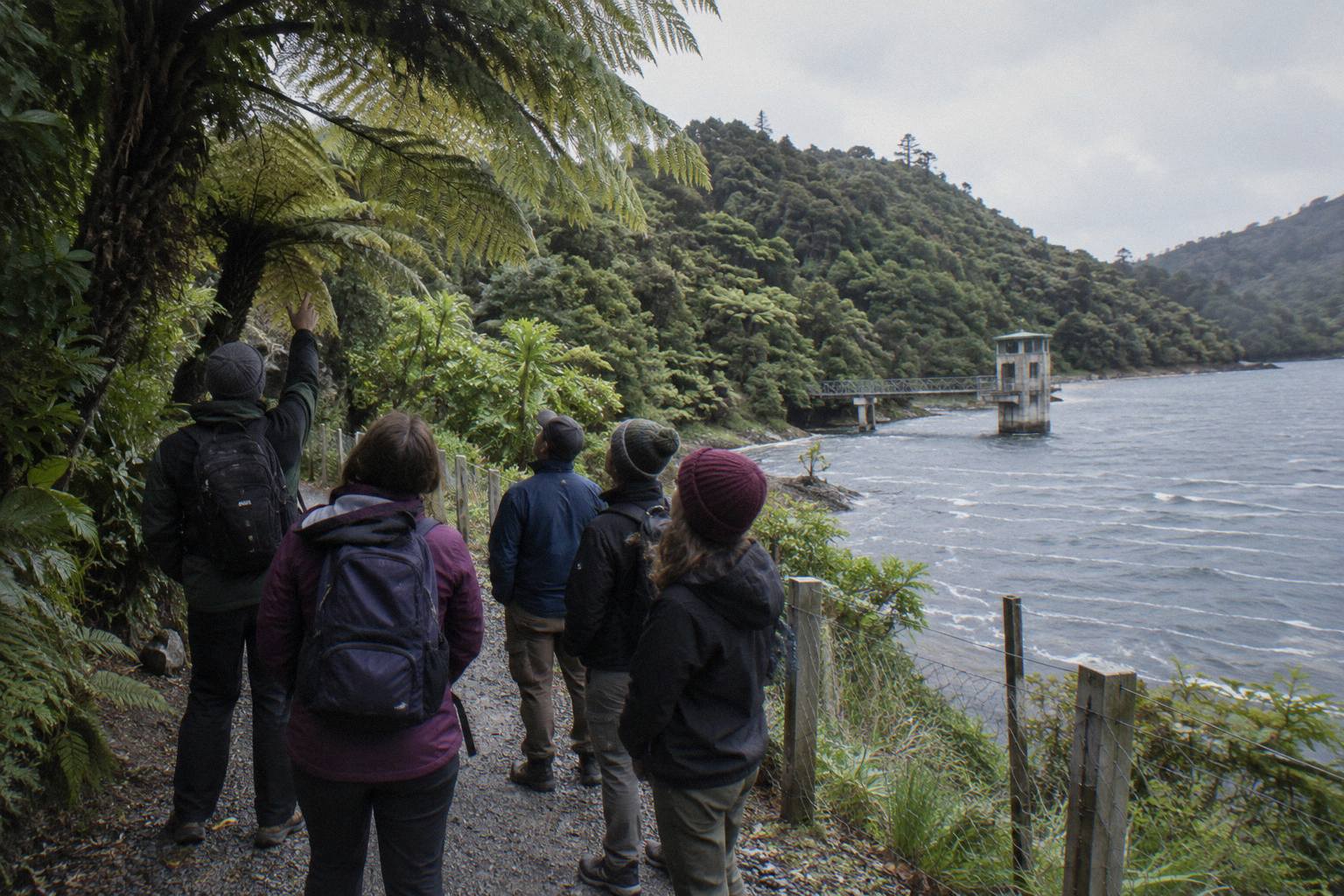
None of those three states any language option beyond English. If your group needs one of them in another language, the operator's answer at booking time is the only answer that counts.
Group size interacts with the Mandarin minimum in an obvious way: four people is the floor. A couple cannot trigger a Mandarin departure on their own, though they may join one already running. Solo travellers and pairs should treat the Mandarin option as a possibility rather than a plan.
Which Tour Fits Which Traveller?
For Mandarin speakers, the day tour is the stated fit, provided four or more people book. For confident English speakers, all four walks work. For families with children under 12, the night tour is out by rule, the twilight walk from age 5 and the day walk at any age, so the language question is usually secondary to the age question for families.
A visitor weighing the language question is often really weighing comprehension. A guided walk lives or dies on the guide's commentary: the stories about the 8.6 km predator-exclusion fence finished in 1999, the little spotted kiwi brought in during 2000 and 2001, the tuatara returned in 2005 and 2007. Missing those stories because the English is fast or technical turns a rich two hours into a pleasant forest walk, and at these prices that difference matters.
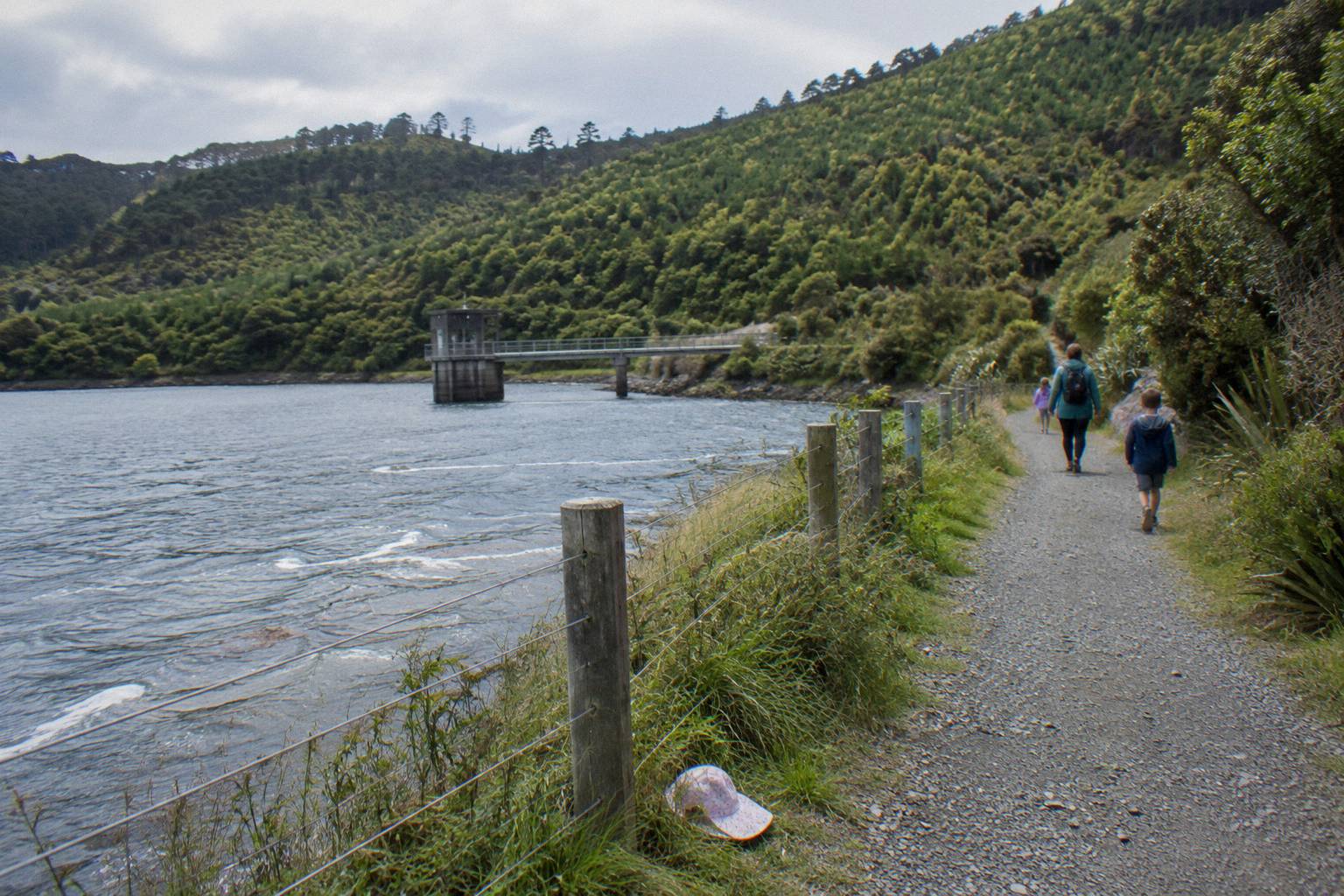
That argues for candor about your own listening level rather than optimism. The day tour begins with a short intro video in the visitor centre before the walk proper, so there is a structured opening even before the guide talks. The walk itself covers slopes, gravel and uneven ground, described officially as not strenuous but needing reasonable fitness, so attention is split between footing and commentary.
Worth reading alongside this: the site's breakdown of whether a guided tour beats a self-guided visit, since a visitor whose English is weak sometimes concludes that self-guiding with signage is the better experience, and how long each Zealandia tour takes for the time budget each walk demands.
For a mixed group, one common pattern is to split: English speakers take the night tour for the kiwi chance while others take the day tour in Mandarin. The night tour's official wording is that little spotted kiwi are seen on most tours but sightings are never guaranteed, and the walk ends with a warm kawakawa, lemongrass and ginger tea at the visitor centre, so both halves of the split get a complete experience.
Which Walks List Languages Or Audio Options?
The stated facts are: English commentary on all four tours, Mandarin departures on the day tour only with a four-person minimum, no stated audio guide, and no stated translated handout on any walk. The table below collects every language-relevant fact the official pages carry, so you can see at a glance where your situation sits.
| Tour | Language stated | Stated minimum age | Length | From price per person |
|---|---|---|---|---|
| Zealandia By Day | English; Mandarin departures, minimum 4 people | None, under 5s free | About 2 hours | NZ$70 |
| Zealandia By Night | English | 12 | About 2.5 hours around dusk | NZ$120 |
| Zealandia Twilight Tour | English | 5 | About 2.5 hours, October to March | NZ$110 |
| Forest Secrets Plant Walk | English | None | About 2 hours, Sunday 10:30am | NZ$70 |
Read the table with the cancellation rule in mind, which applies to every walk: free cancellation up to 24 hours before the start. That softens the risk of booking a Mandarin day departure that later cancels for missing its four-person minimum, though a cancelled tour still leaves you re-planning a day.
The day tour carries the strongest review record in the lineup: 4.8 from 252 reviews, from NZ$70 per person. The night tour holds 4.8 from 164 reviews and the twilight walk 4.8 from 84. Forest Secrets is a new listing with no rating and no review count yet, which is worth knowing plainly rather than reading around: nobody has reviewed it in numbers that tell you anything.
Every tour ticket, on all four walks, includes General Admission valid for the tour day and the following day. For a language-conscious visitor that is a quiet bonus: even if the guided commentary runs faster than comfortable, the second day's self-guided entry lets you revisit the valley and read the signage at your own pace. The sanctuary also lists Kids' Night Walks, dawn walks and photography walks on its own schedule; those sit outside the four tours here and their language arrangements are not stated.
How Do Booking And Cancellation Work?
All four tours cancel free up to 24 hours before the start, every tour ticket includes next-day General Admission, and the Mandarin day departures carry one extra condition, the tour may be cancelled if the four-person minimum is not reached. Booking, therefore, carries modest risk on any walk, with the Mandarin minimum the one conditional case.
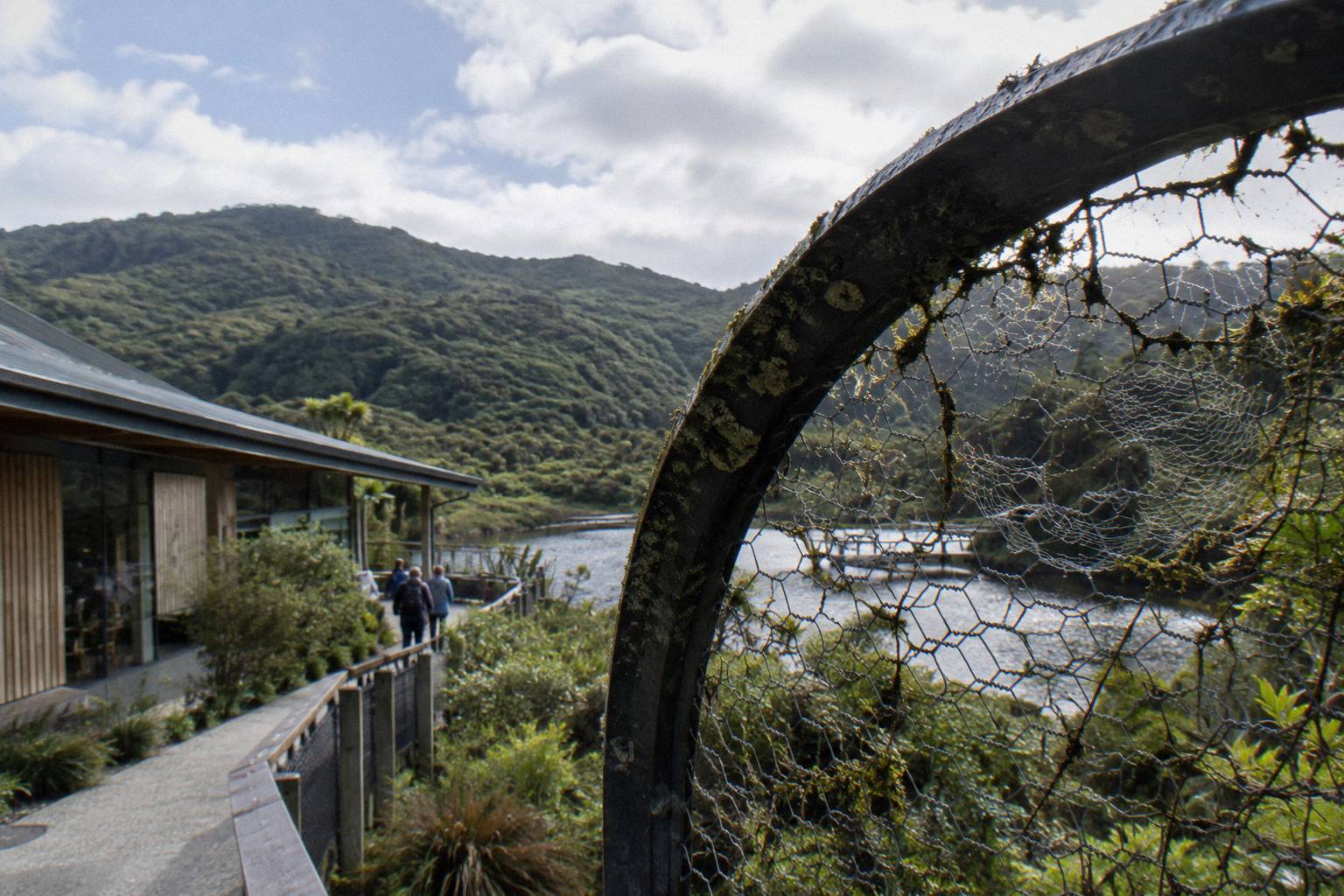
The practical sequence for an overseas visitor is straightforward. Book through the operator's live listing, check the departure time it confirms (the night tour's start time moves with the season because the walk begins around dusk, so never plan around a clock time you saw elsewhere), and note the meeting point inside the visitor centre at 53 Waiapu Road, Karori, arriving 15 minutes early.
Getting there is covered in detail in how to reach the sanctuary for your tour, but the headline facts matter to a language-focused reader too: a free electric shuttle runs from outside the Takina Convention Centre on Wakefield Street and from the top of the Cable Car, about 10 to 15 minutes, with 11 seats and no guaranteed space, and day tour ticket holders get priority seating if they arrive 10 minutes early.
For the Mandarin departure specifically, the smart move is to book early in your trip window rather than on your last day. If the minimum of four is not reached and the departure cancels, an early booking leaves room to rejoin a standard English departure or rebook another day, still inside the free-cancellation window if you act more than 24 hours ahead.
One more planning fact that overseas visitors regularly ask about: whether to book ahead at all. The site's answer on whether you need to book in advance covers the general case, but for a language-specific departure the answer skews harder toward booking early, because a niche departure needs its quorum confirmed, not just a seat.
What To Ask The Operator Before You Book
Ask three things: whether a departure in your language exists on your date, what the cancellation terms are if a minimum group size is not met, and whether any written material, subtitle or handout supplements the live commentary. No audio guide is stated, so treat any device or translation as something to confirm rather than expect.
The operator here is Zealandia itself, the sanctuary, not a third-party reseller, which makes the asking simpler: one organisation answers the question about its own walks. Contact details sit on the sanctuary's official pages, and the tickets page is the natural place to verify departure options before you commit: the official tickets and tours page.
| Question to ask | Why it matters |
|---|---|
| Is a Mandarin day departure running on my date, and how many are booked? | The departure needs four people and may be cancelled if the minimum is not reached |
| Can the guide slow or simplify the commentary? | Groups are capped at 12, so a guide has room to adapt; nothing in the stated facts promises it |
| Is there any written or subtitled material for my language? | No audio guide or translated handout is stated on any official page |
| What are the terms if my language departure cancels? | Free cancellation applies up to 24 hours before the start on every tour |
Phrase the questions concretely. Rather than asking whether the tour "supports other languages," ask whether a Mandarin departure is running on your specific date and how many people are currently booked on it. Rather than asking about accessibility of the commentary, state your situation: a hearing question, a comprehension question, or a language question each have different answers, and the accessibility page notes the sanctuary's own conditions, listed on its accessibility page, including that much of the lower valley is wheelchair and pram friendly.
Worth asking too, if your English is functional but tiring: whether the guide can slow the commentary. Nothing in the stated facts promises this, but a small group capped at 12 gives a guide more room to adapt than a coach tour ever would, and visitors report good results simply from saying so at the start.
Finally, if the answer is that no departure in your language exists on your date, ask about the intro video. The day tour opens with a short video in the visitor centre, and a video format at least carries the possibility of subtitles in a way a live walking commentary does not. Nothing states that it does, so this is a question for the operator, not a fact to rely on.
Common Mistakes Language-Focused Visitors Make
The three commonest mistakes are assuming an audio guide exists, booking the night tour for a family with young children because the language page looked promising, and treating the Mandarin minimum as guaranteed once a departure is listed. Each mistake comes from reading a partial answer on one page and not checking the conditions attached to it.
The first mistake is the most understandable. Many major attractions worldwide hand out audio guides in a dozen languages, so a visitor assumes Zealandia does too. No official page states one, and inventing the assumption leads to a day-of disappointment that a single pre-booking question would have prevented.
The second mistake is age blindness. The night tour's minimum age of 12 is firm, and families with younger children are pointed by the sanctuary to the Twilight Tours and the Kids' Night Walks. A family that solved the language question perfectly for the wrong tour still cannot walk through the gate at dusk. The twilight walk takes children from age 5, the day tour at any age, with under 5s free.
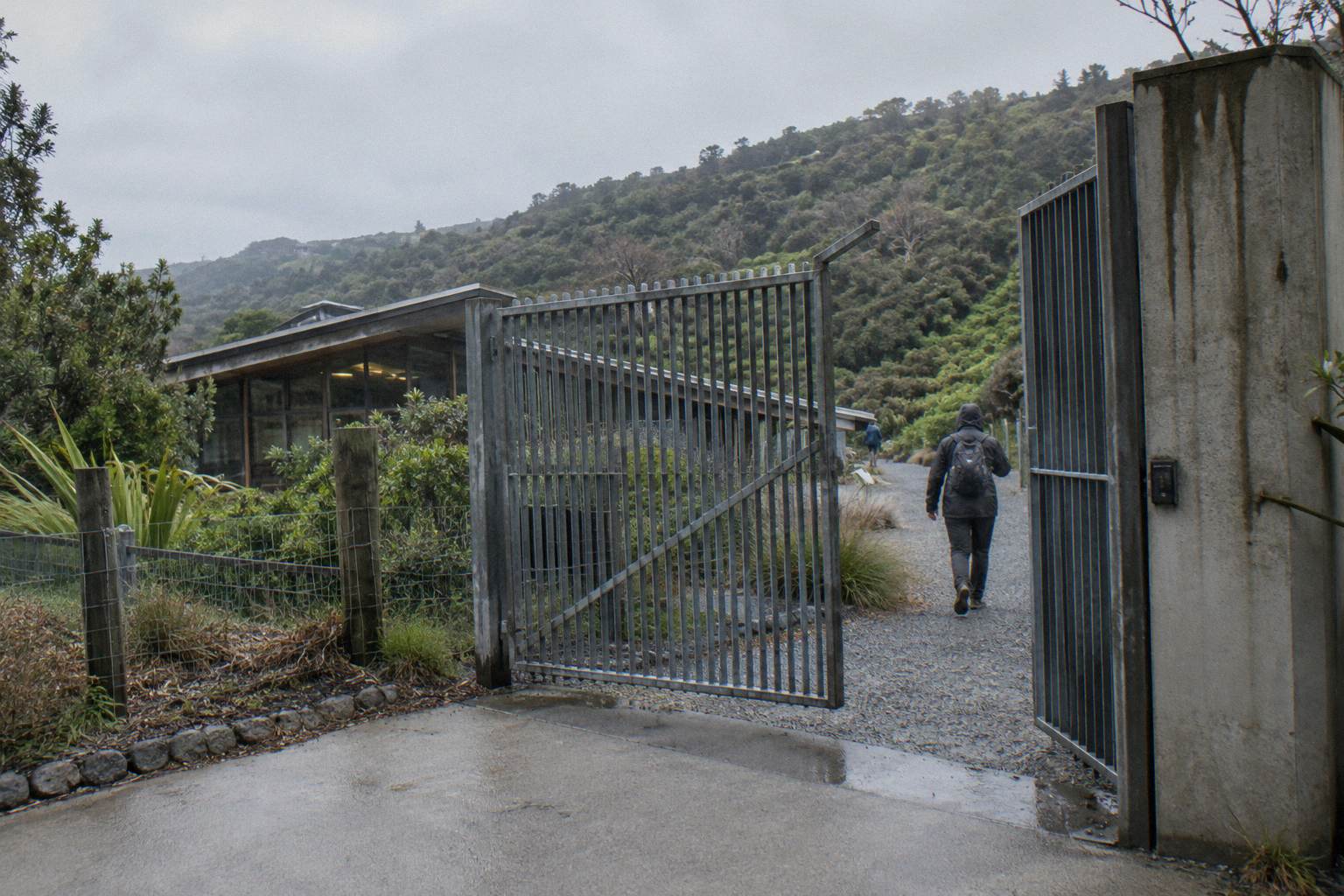
The third mistake is the quietest one: the Mandarin minimum. A listed departure is not a confirmed departure. If fewer than four people book, the tour may be cancelled, and a traveller who built their one Wellington day around it is left re-planning at short notice. Booking early in the trip and keeping a fallback is the fix, and the 24-hour free cancellation makes the fallback cheap.
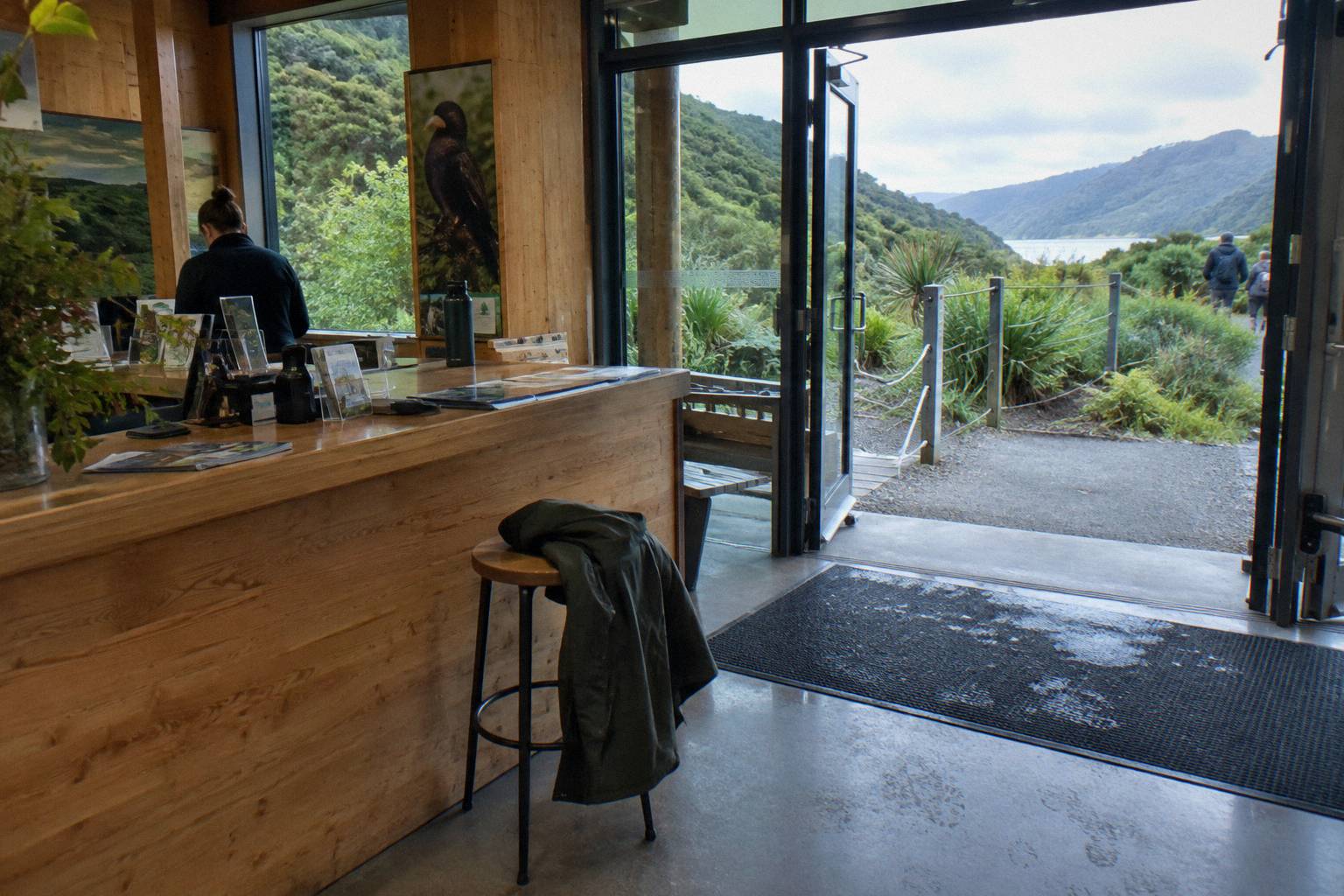
A fourth, smaller mistake deserves a line: expecting the guide to translate wildlife. The species the guides look for, takahe, tuatara, hihi, kaka, tieke and toutouwai among them, carry Maori names that many English speakers also meet for the first time on the walk. The names themselves are part of the tour's value, not a barrier to it, whatever language the commentary runs in.
Does The Guided Format Help If English Is Your Second Language?
Yes, usually: a small group of up to 12, a walking pace set by the guide, and repeated stops at birds and exhibits give more comprehension support than a bus commentary or a museum audio track, and every tour includes next-day General Admission so you can revisit signage at your own pace. But the tours are stated as English-language, so the support is incidental, not a designed feature.
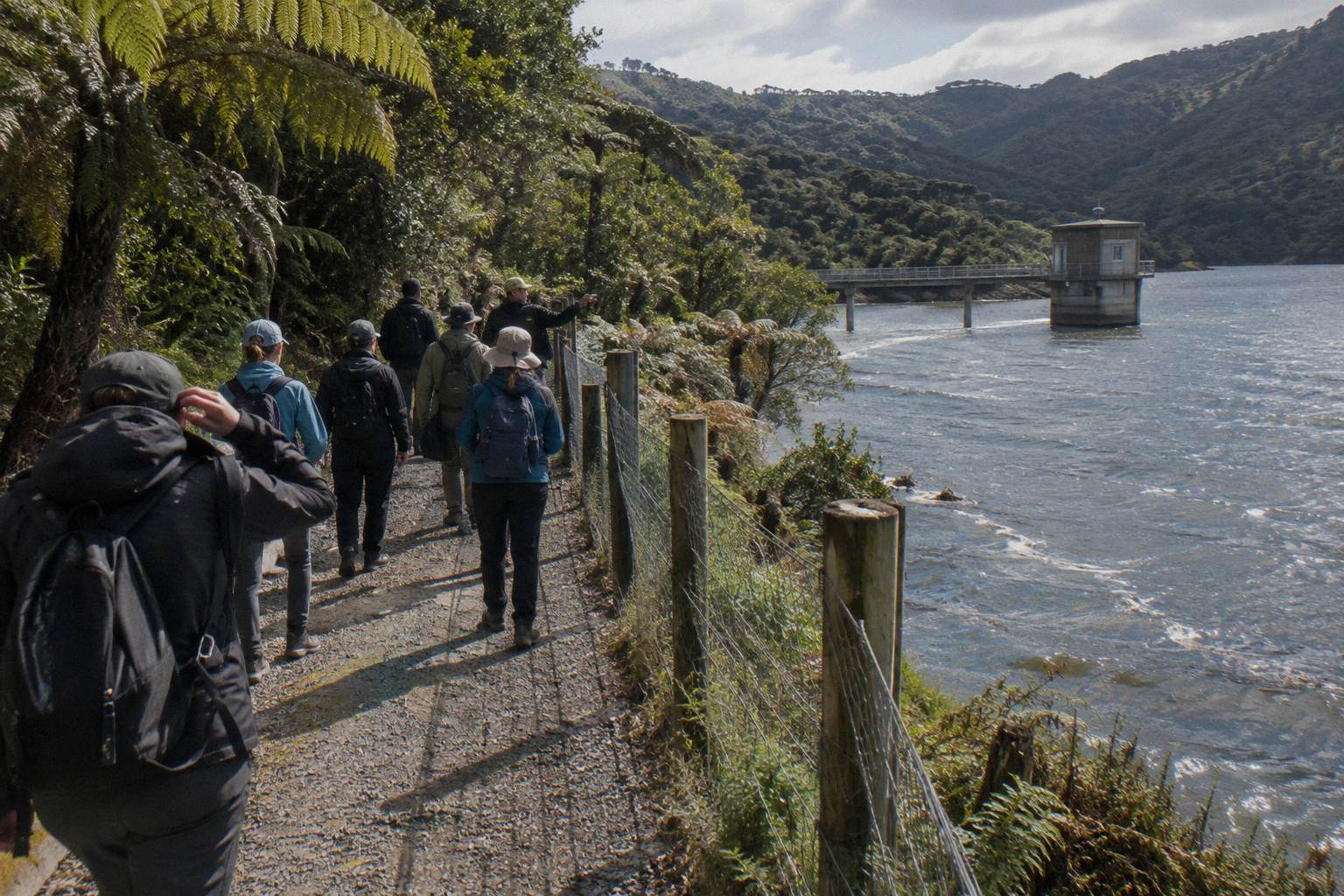
Consider what the two hours actually look like on the day tour. The group gathers inside the visitor centre, watches a short intro video, then walks into the valley behind a professional guide, stopping when an animal appears or a landscape feature tells a story. The stops are frequent and the guide faces the group. Compare that with a coach tour's driver talking over a PA while traffic passes, or a museum where captions rush past in dense paragraphs.
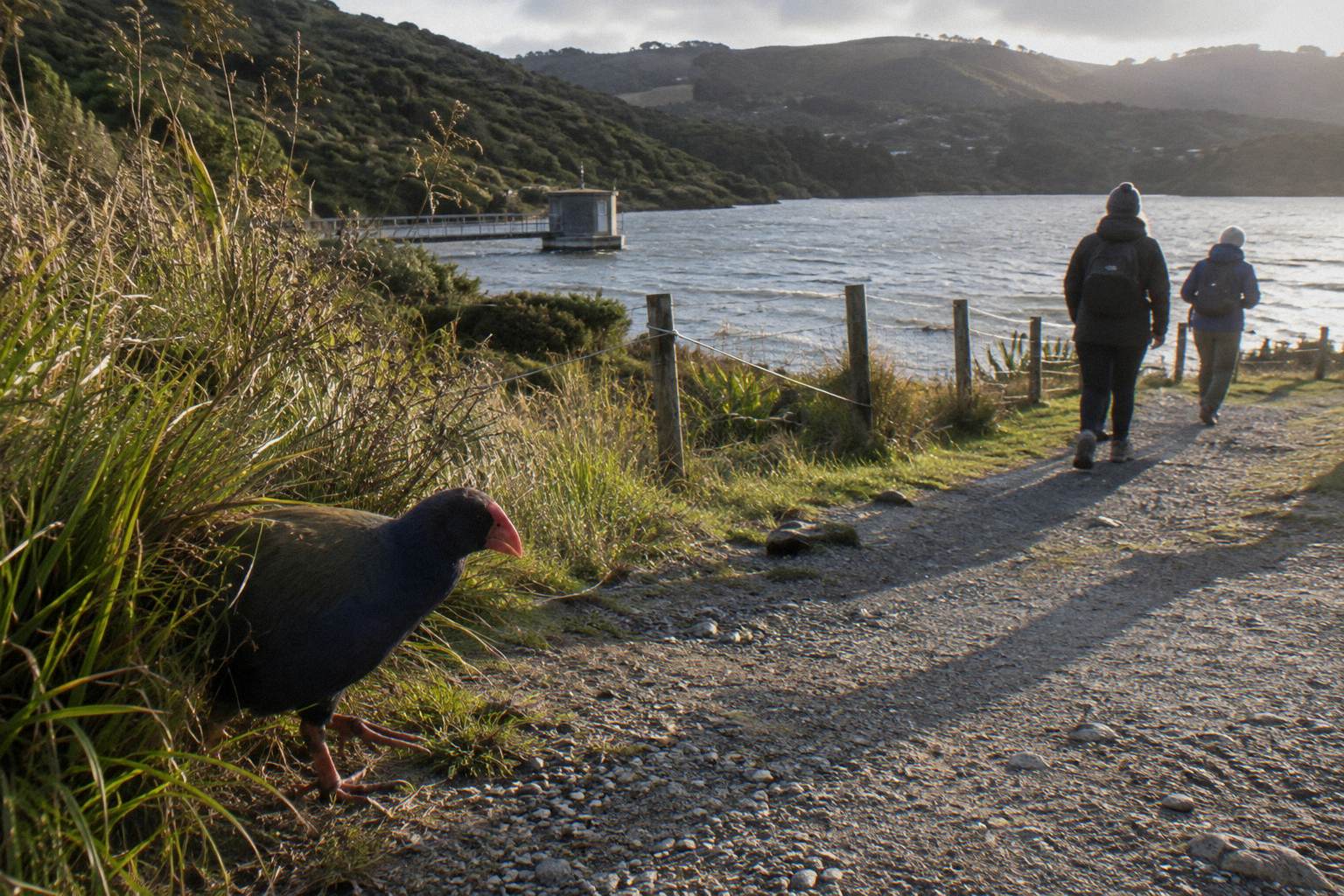
The wildlife itself needs no translation. A takahe stepping out of the undergrowth, a tuatara sunning on a rock ledge, kaka calling overhead: these are the moments the tour sells, and they cross every language line. The official material is careful to phrase all of these as chances the guides look for, never promises, and the general admission page notes that nocturnal wildlife such as kiwi, ruru, weta and frogs are very unlikely by day, which is why the kiwi question belongs to the night tour, not this one.
For visitors who want the full story in a language the tours do not offer, there is a realistic hybrid: take the walk for the sights and the guiding, then use the next-day admission to read the valley's signage slowly. The sanctuary runs to more than 32 km of tracks across 225 hectares, so a second day is not a repeat but an extension.
The site's guide to photography on a guided tour makes a related point from a different angle: photography is allowed on the walks, and a camera is a language-independent way of taking the tour home.
How Does Zealandia Compare With Other Wellington Options?
Zealandia's stated offer, English walks plus Mandarin day departures, is narrower than a large museum's but richer than most wildlife parks, because its guided walks are the product rather than an add-on; the comparison that matters for a language-focused visitor is guided versus self-guided, not Zealandia versus another attraction.
Wellington's other headline attractions each handle language differently, and a visitor building an itinerary often weighs them against the sanctuary. The site's comparison of Zealandia against Wellington Zoo and its guide to pairing the sanctuary with the Botanic Garden and Otari Wilton Bush cover the substance; the language angle adds one filter. A zoo or botanic garden is self-paced signage, readable slowly and re-read. A guided eco-walk is live speech.
That filter does not decide the question, it shapes it. A visitor who cannot follow fast English but wants Zealandia's story can lean on the Mandarin departure, on the hybrid of guided walk plus next-day signage, or on asking the operator what else exists. A visitor who can follow English comfortably loses nothing by choosing the guided walk and gains the guide's eye for animals that signage cannot point out.
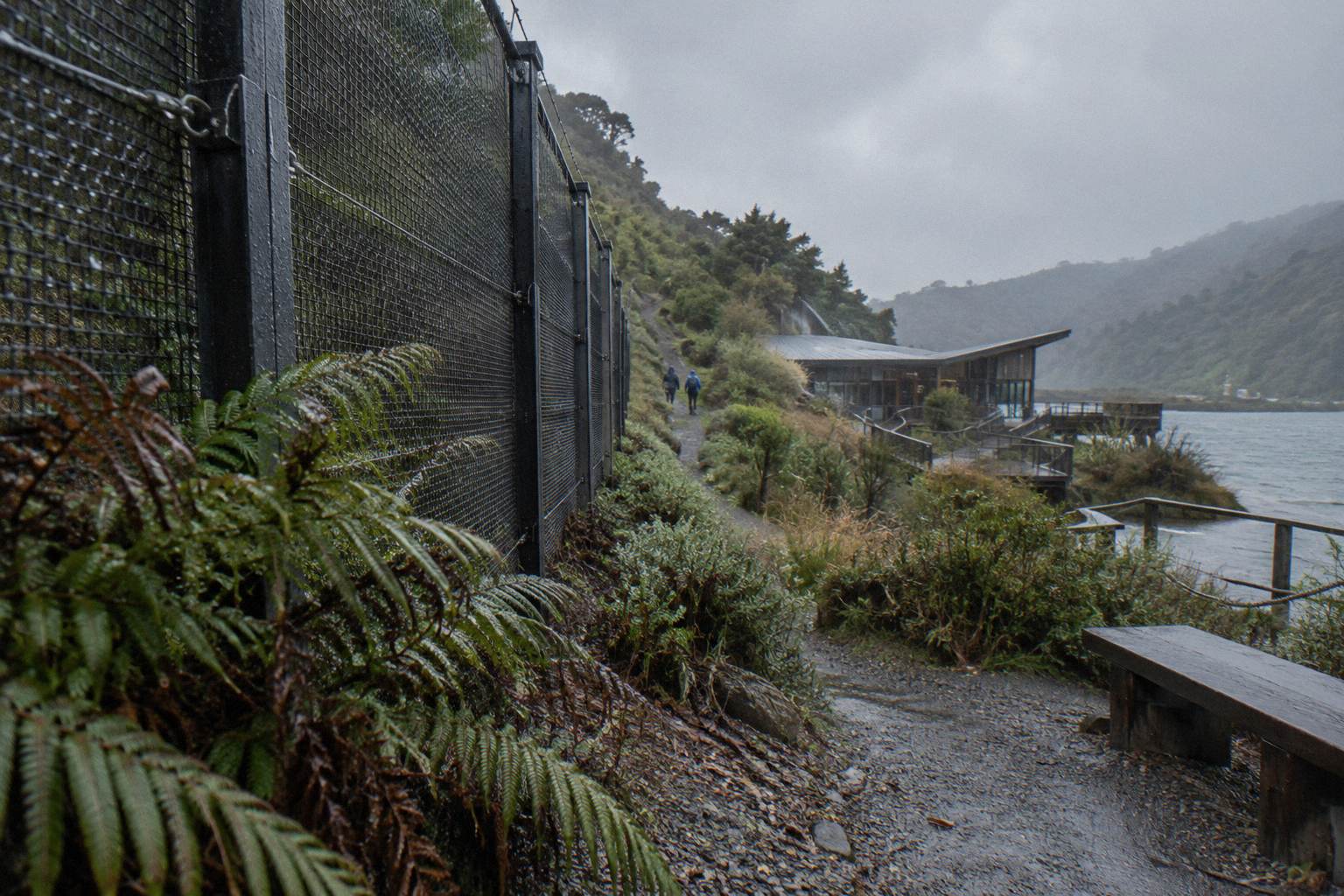
The sanctuary's own story also rewards comprehension more than most attractions. Founded on a 1992 proposal by Jim and Eve Lynch, fenced with 8.6 km of predator-exclusion fence finished in 1999 as the world's first fully fenced urban ecosanctuary, run by a not-for-profit trust with more than 500 volunteers, and working to a 500-year vision because planted rata and rimu need centuries: the story is the tour. A visitor who misses it sees a pretty valley; a visitor who hears it sees an experiment in ecological restoration.
What Should You Do Next?
Decide your walk first, your language second: families with under-12s are on the day or twilight walks regardless of language, Mandarin speakers should confirm a day departure with four or more people, and everyone else should book the walk that fits and ask the operator about language support in the same message. Free cancellation up to 24 hours ahead makes an early booking low-risk on every tour.
The featured day walk is the natural starting point for most of these situations. Zealandia By Day, Check availability on its live listing, or read the site's full page on the Zealandia By Day walk first. It runs about two hours, groups up to 12, from NZ$70 per person, rated 4.8 from 252 reviews, and every ticket includes General Admission for the tour day and the next.
If the dusk experience is what drew you to Wellington, the night walk deserves a look even though its commentary is English. Below it, in the same family, for comparison.
And for families whose children are five or older and who want daylight into dark without the night tour's age-12 line, the twilight walk is the bridge option, October to March.
Whichever walk you choose, put the language question in writing before you pay, and keep the sanctuary's own pages as your source for schedules and conditions. For a language-focused visitor, a confirmed answer beats a hopeful assumption every time, and the small group sizes at Zealandia mean the operator can actually tell you what your specific departure will look like.
Common Questions About Foreign Language Zealandia Guided Tours
Is There A Foreign Language Zealandia Tour Or Audio Guide?
The four regular tours run in English. Mandarin-language departures of the day tour exist and need a minimum of four people, and the tour may be cancelled if that number is not reached. No audio guide, other language or translated handout is stated, so ask the operator when you book.
Which Zealandia Tours Offer Mandarin Commentary?
Only the day tour. Mandarin-language departures of Zealandia By Day exist with a minimum of four people per departure. The night, twilight and plant walks are stated as English-language tours.
Is There An Audio Guide At Zealandia?
No audio guide is stated on any official page. Self-guided General Admission exists separately and is valid across two consecutive days, but nothing states a device, a translation or a multilingual handout, so confirm with the operator before relying on one.
Can Children Join A Tour If We Book A Mandarin Departure?
Yes on the day tour, which has no minimum age, with under 5s free and children needing to be with an adult. The night tour has a minimum age of 12 and the twilight tour a minimum age of 5, regardless of language.
What Happens If A Mandarin Departure Does Not Reach Four People?
The tour may be cancelled if the four-person minimum is not reached. Free cancellation applies up to 24 hours before the start on every tour, so book early in your stay and keep a fallback plan.
Will I Understand The Tour If English Is My Second Language?
Many visitors manage well: the group is capped at 12, the guide stops frequently, and every ticket includes next-day General Admission so you can revisit the valley's signage at your own pace. Ask the operator when you book about slowing the commentary or any written support.