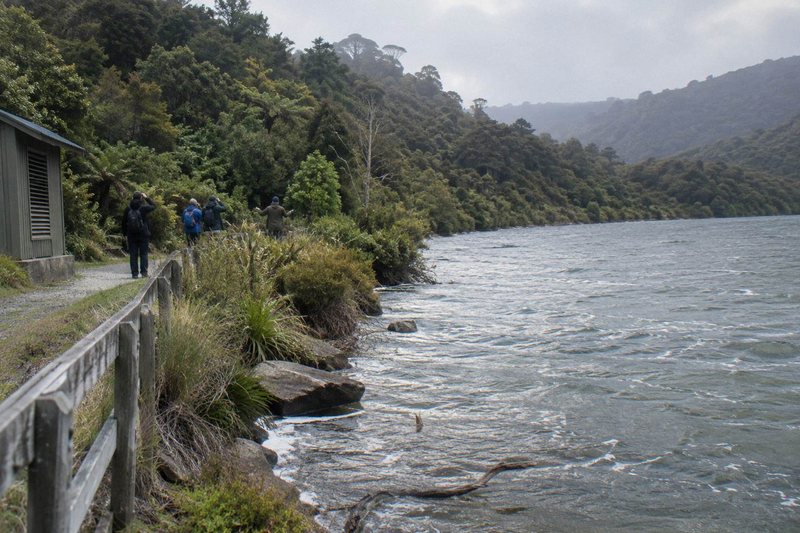
Zealandia Guided Tour Or Self-Guided Visit: Which Fits Your Day
A guided walk at Zealandia and a self-guided visit buy you the same valley, but a different day. Here is how the two options actually compare on time, tickets, wildlife chances and pace.
Short answer
Zealandia By Day is a guided walk of about 2 hours in a group of up to 12, from NZ$70 per person, and includes General Admission valid the tour day and the next. Self-guided General Admission covers two consecutive days over more than 32 km of tracks, with no guide; see the official page for its price.
Zealandia is one valley with two very different ways to see it. The guided walk is about two hours long, capped at twelve people, and follows a professional guide who knows where the takahe and tuatara tend to be. The self-guided option hands you the same 225 hectares and more than 32 km of tracks, and lets you set the pace yourself. Both start at the same visitor centre at 53 Waiapu Road, Karori, and both pass the same biosecurity double gates, where everyone checks their own bags and pockets for seeds, mice and lizards.
The answer is that neither option is objectively better. The guided walk compresses the valley's story into a short, structured window and removes the guesswork. The self-guided visit trades that structure for freedom and a second full day inside the fence. This page lays out what each actually includes, what each costs in time and money, and which travellers each one suits, so you can match the option to your day rather than the other way round. For the wider picture, the Zealandia Wellington tour and visit guide covers planning end to end.
What Do You Get On A Guided Walk That You Miss Alone?
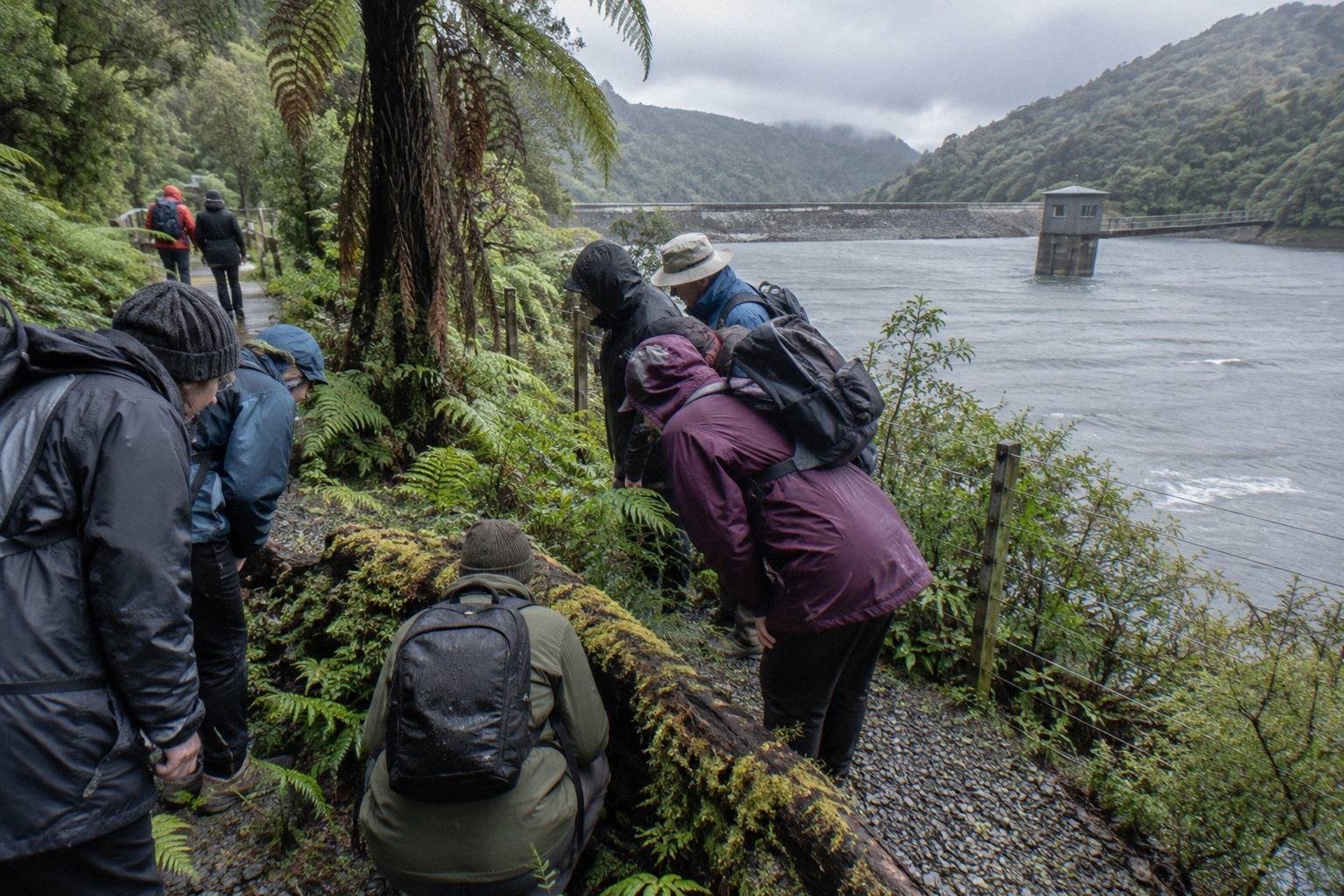
A guided walk at Zealandia buys you roughly two hours with a professional guide in a group of up to 12, plus a short intro video, and the guides actively look for named species such as takahe, tuatara, hihi, kaka, tieke, toutouwai and pateke. Wildlife is always chance-based, but the guide knows the valley's recent habits and the stories behind the fence. The day tour starts inside the visitor centre with a five-minute introductory video, then heads out onto slopes, gravel and uneven ground. The operator describes it as not a strenuous walk, but reasonable fitness is needed, and sturdy shoes, warm clothing and a waterproof layer are the standard kit. It runs in almost all weather.
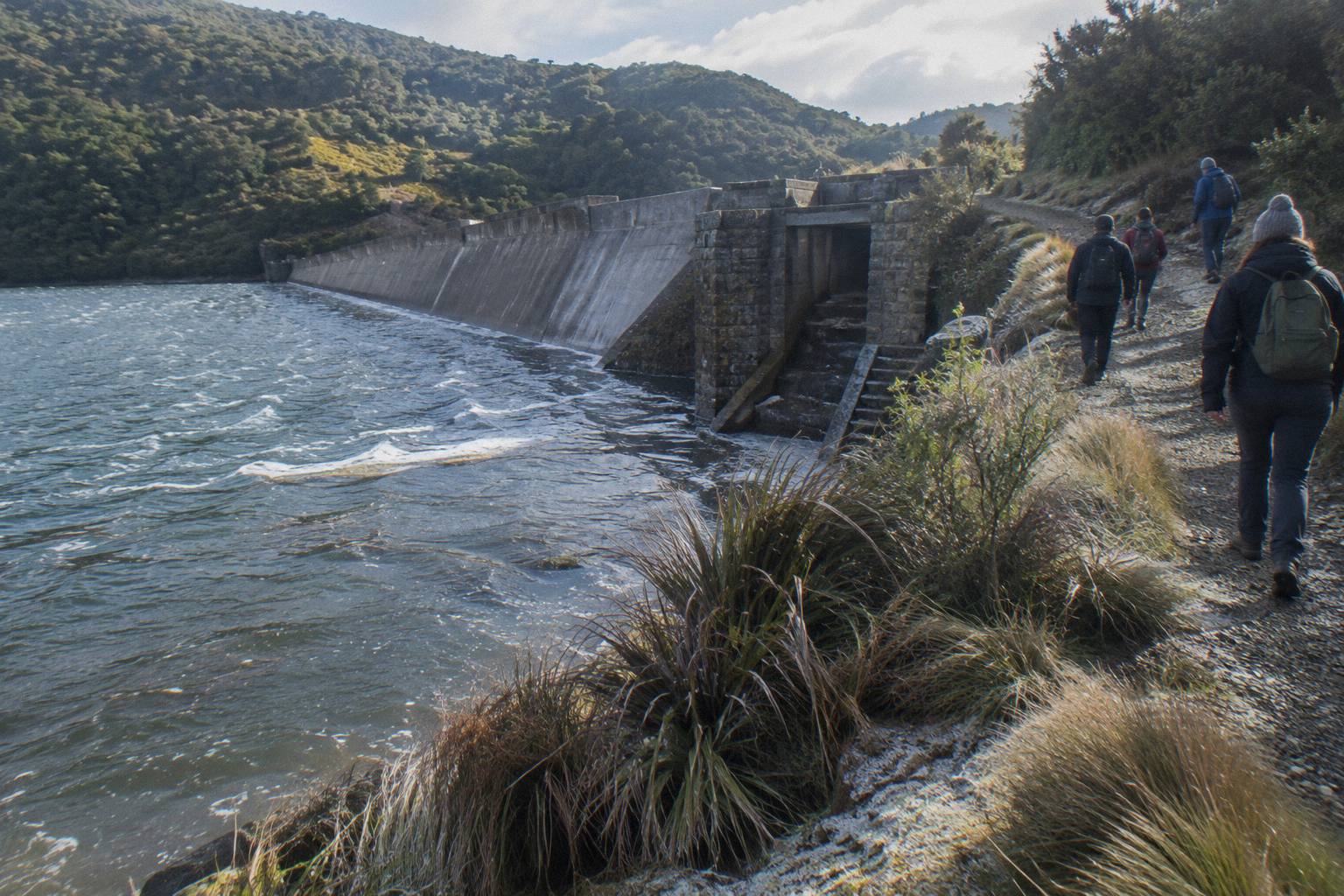
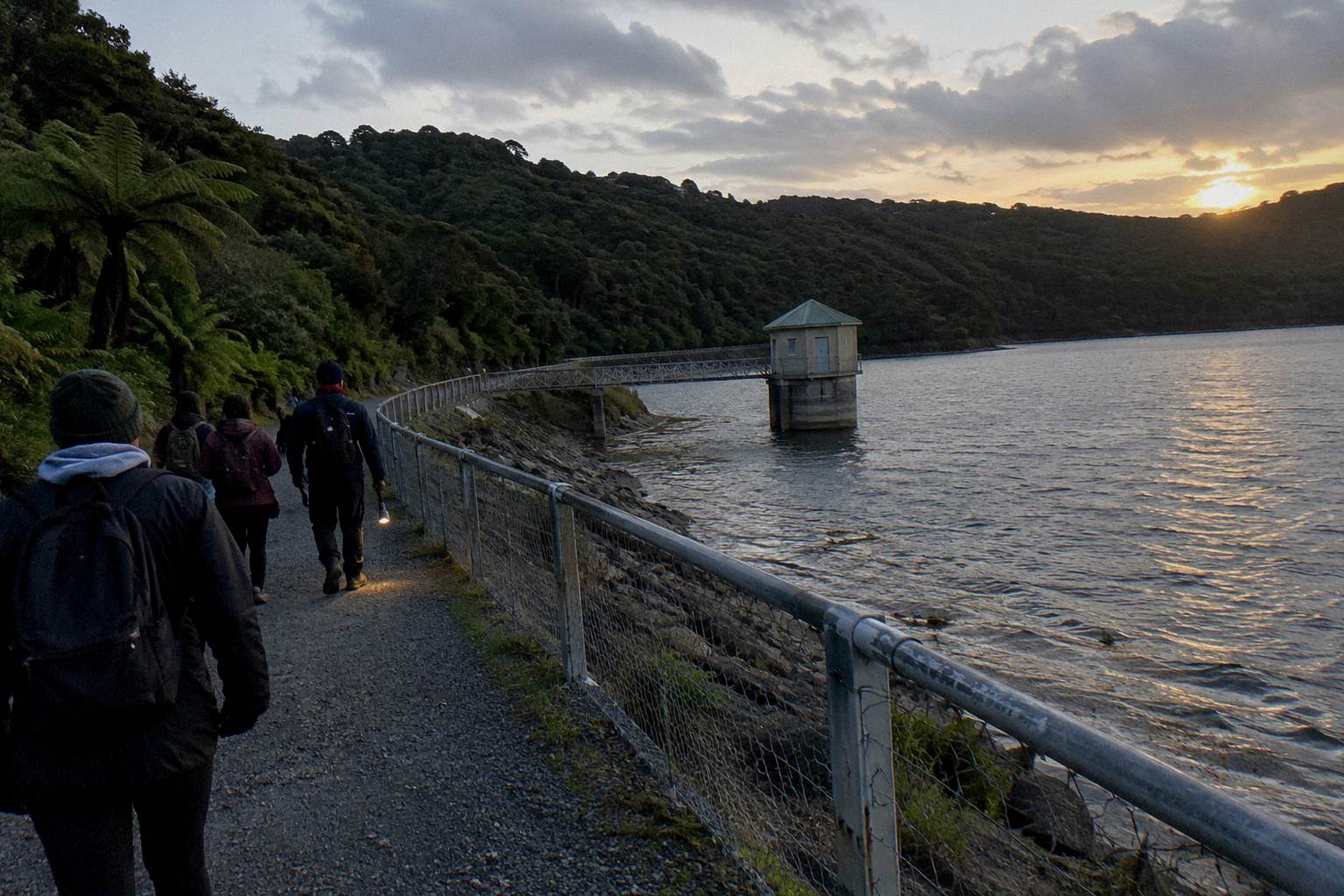
What the guide adds is context. The valley was a Wellington water supply before it was a sanctuary: an earth dam went up between 1876 and 1878, a concrete gravity dam followed in 1908, and the upper dam was taken out of service in 1991. A guide walks you past that infrastructure and explains the 1999 predator-exclusion fence, the 8.6 km of mesh that made this the world's first fully fenced urban ecosanctuary. Alone, those facts are signage; with a guide, they are a narrative that holds small groups for two hours.
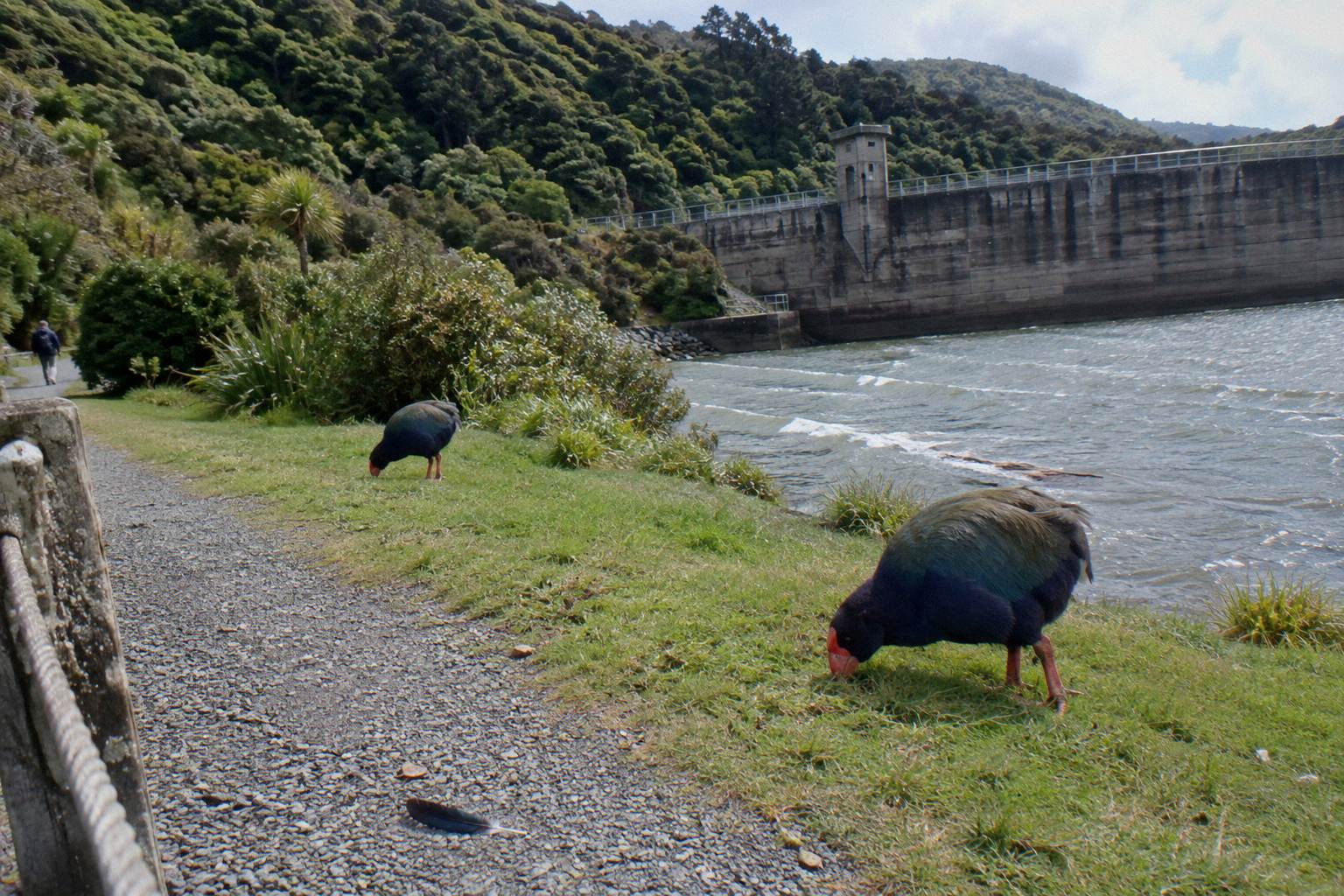
The species list is where the difference shows most clearly. Guides on the day tour look for takahe, tuatara, hihi, kaka, tieke, toutouwai and pateke, plus the more familiar tui, kereru and korimako. Those are chances, never promises, and the same is true for a self-guided walker covering the same ground. The difference is that a guide is told where things have been lately, and can spot a tuatara half-hidden in vegetation that most visitors would walk straight past. Photography is allowed on the tour, and many of the best takahe and kaka shots credited to this sanctuary come from walks exactly like this one; the photography on a guided tour guide goes deeper on that.
One thing a day walk does not offer is kiwi. The official General Admission page is blunt that nocturnal wildlife such as kiwi, ruru, weta and frogs is very unlikely by day, guided or not. If kiwi are the goal, the after-dark walks are the ones to look at, and the Zealandia night tour guide covers that option in full.
What Does A Self-Guided Visit Look Like?
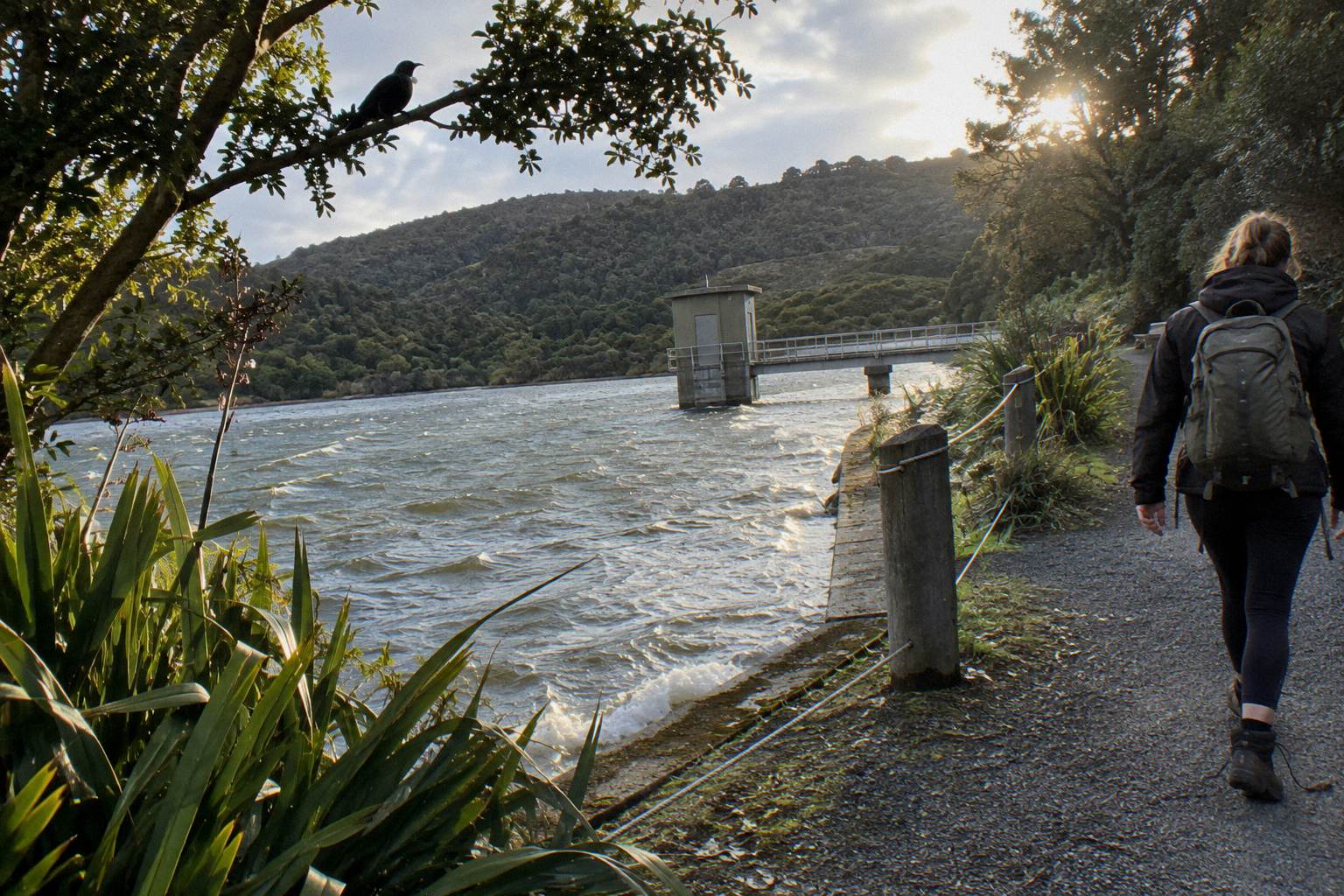
A self-guided visit is General Admission to the sanctuary: it is valid across two consecutive days, there is no need to pre-purchase, and it is sold at the Level 1 desk, with pre-school children free. You get more than 32 km of tracks over 225 hectares and set your own route, with no guide and no fixed schedule. See the official General Admission page for the current price. The sanctuary opens 9am to 5pm with last entry at 4pm, daily except Christmas Day; check the official site for current hours before you travel.
The appeal is freedom. Walkers can loop the lower valley around the reservoir dams, climb toward the upper dam, or sit still at a spot where birds come through, for as long as they like. The lower valley is largely wheelchair and pram friendly, there is a lift in the visitor centre, free mobility scooters are available if you ask ahead, a companion enters free, and there are accessible toilets. For visitors whose ideal sanctuary visit involves an hour of stillness beside a pest-free forest, this is the format that allows it.
What the self-guided option does not include is interpretation, unless you bring your own. Signage covers the fence, the dams and some species, and the visitor centre adds background, but nobody is pointing out where a tieke was feeding ten minutes ago. Wildlife is chance-based either way: a lucky self-guided walker can cross paths with the same takahe a guided group finds, and an unlucky one can walk all afternoon through empty bush. The difference is the probability boost that comes from a guide who is in the valley every day.
Because the admission is valid for two consecutive days, the self-guided route also suits repeat visits: a first afternoon to get oriented, a second morning to return to the spots that delivered. That structure is impossible on a two-hour guided walk, which visits the valley once. The trade is simple, and it is worth weighing against the ticket detail in the Zealandia tickets versus guided tour prices comparison.
How Do The Two Options Compare On Time And Pace?
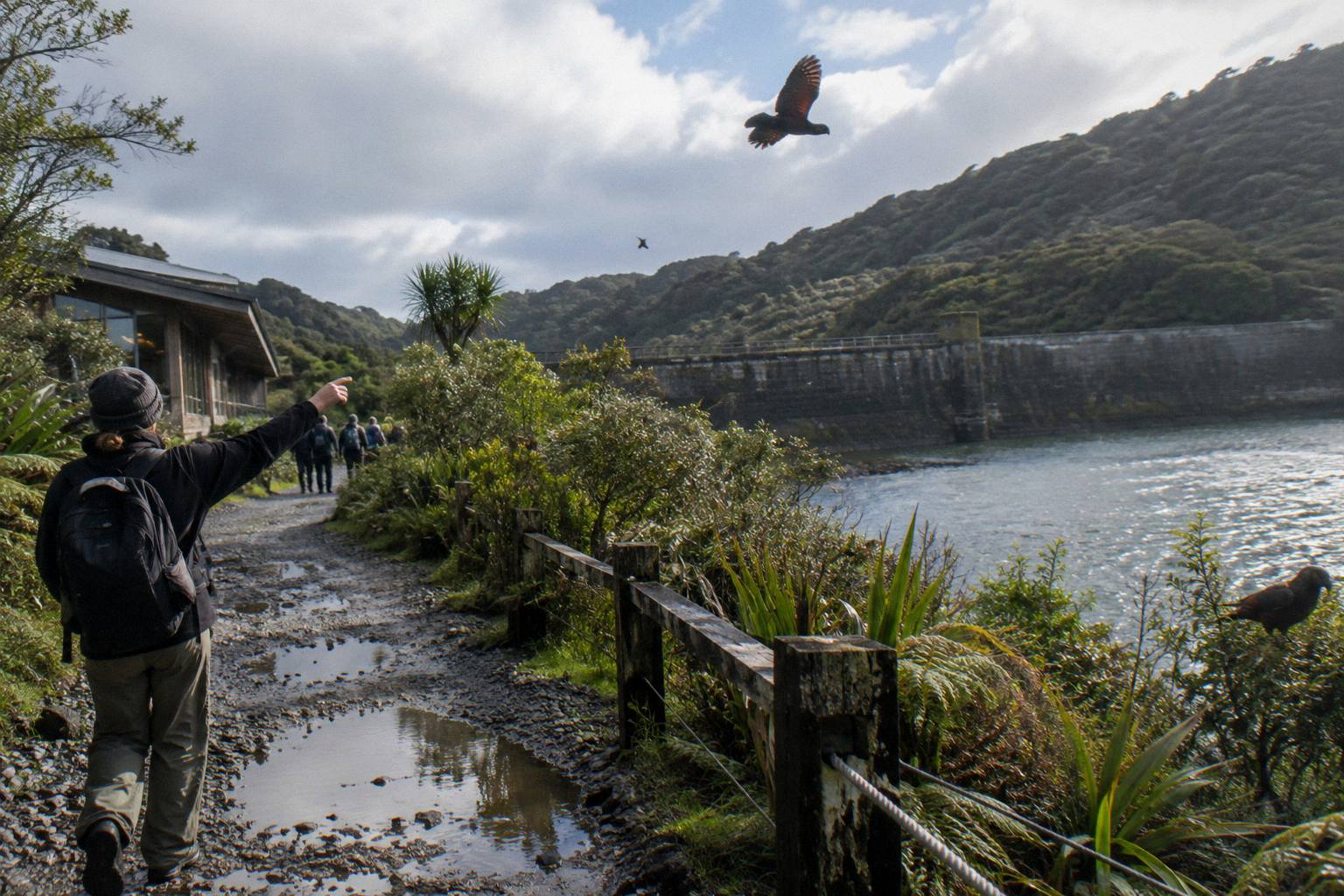
The guided day walk takes about 2 hours in a group of up to 12, departing daily from 10am with more departures in summer, and it runs to the guide's pace, not yours. A self-guided visit lasts as long as you want within opening hours and covers whatever share of the 32 km of tracks you choose, across two consecutive days of admission. Neither option is physically demanding by design, but the guided walk does involve slopes, gravel and uneven ground at a set pace for a set time.
Time also includes getting there. The sanctuary sits at the end of Waiapu Road in Karori. A free electric shuttle runs from outside the Takina Convention Centre on Wakefield Street and from the top of the Cable Car, taking about 10 to 15 minutes, with 11 seats per trip and space not guaranteed. Zealandia By Day ticket holders get priority seating if they arrive 10 minutes early. Public bus stops at Northland Road and Birdwood Street are about a five-minute walk away, and a Cable Car ride to the top of the Botanic Garden plus about a 30-minute walk also works. Getting-there logistics are the same for both options, so they should not decide the choice.
| Factor | Guided walk (Zealandia By Day) | Self-guided visit |
|---|---|---|
| Duration | About 2 hours, fixed | As long as you like within opening hours |
| Group size | Up to 12 | Solo, couple or your own group |
| Schedule | Daily, departures from 10am, more in summer | Any time within opening hours, last entry 4pm |
| Admission validity | Tour day and the next day | Two consecutive days |
| Interpretation | Professional guide throughout | Signage and visitor centre only |
| Terrain | Slopes, gravel, uneven ground | Same tracks, your own pace |
| Best for | First visits, short stays | Repeat visits, photographers, slow wanderers |
Pace matters most at the margins. Photographers who want to wait twenty minutes for a kaka to turn into the light will frustrate a group of eleven other people on a guided walk, and a group moving on will pull the photographer with it. Conversely, visitors with a cruise ship clock or a tight afternoon cannot afford to wander 32 km of tracks on spec; the guided walk guarantees the valley's highlights inside a known window. The cruise ship day with a Zealandia tour guide deals with exactly that squeeze.
Which Option Suits Families, Photographers And Slow Walkers?
Families with young children fit both options: the guided day walk has no minimum age, under 5s are free, pushchairs are fine, and infants sit on an adult's lap. Photographers and slow walkers generally suit a self-guided visit, because pace is the one thing a group walk cannot flex. The twilight tour, minimum age 5, splits the difference with a 2.5 hour walk from daylight into dark. Children on the day tour must be with an adult, and Mandarin-language departures exist with a minimum of four people, with the tour possibly cancelled if that number is not reached.
For families, the guided walk has a quiet advantage: two hours is a manageable block for school-age attention spans, and a guide who answers questions keeps children engaged in a way signage cannot. The sanctuary also runs Kids' Night Walks outside the four tours covered here; its official tickets page lists the full schedule. The family and accessibility picture, including the free mobility scooters and the companion-free policy, is laid out in the Zealandia tour with kids and accessibility guide.
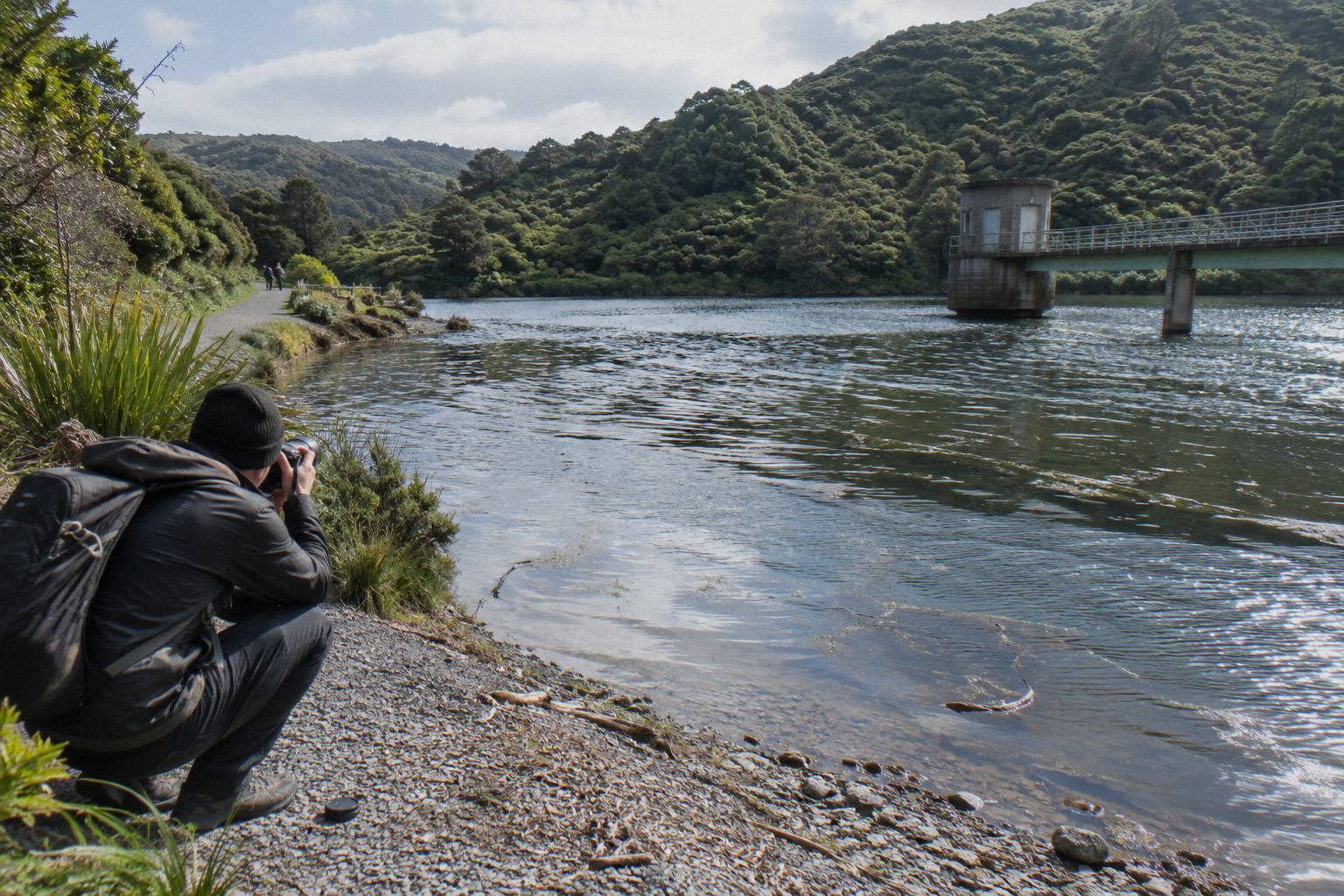
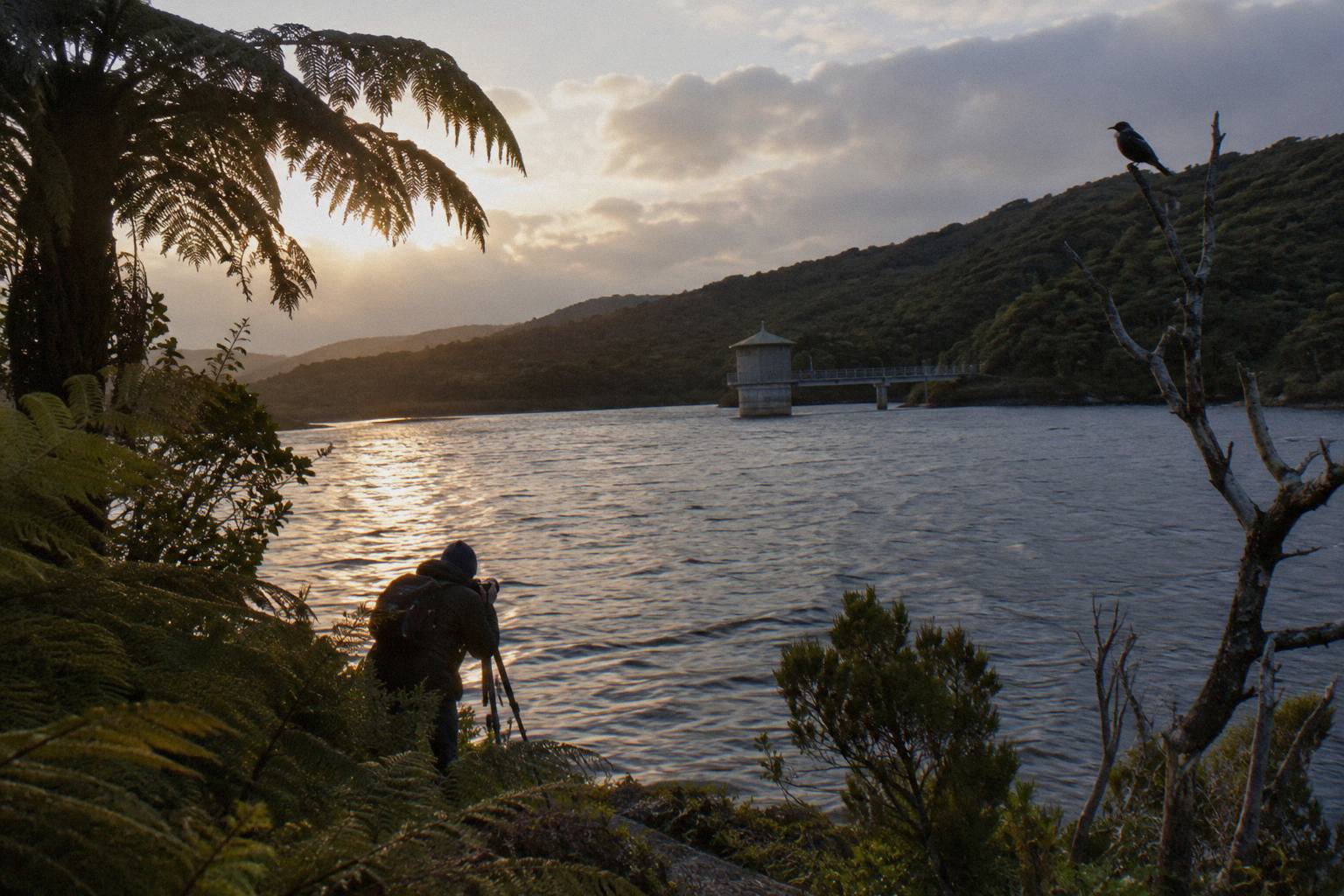
Photographers lean self-guided for the reasons above: the light at Zealandia changes hour by hour, and the best bird moments reward patience rather than distance covered. Slow walkers lean the same way, since the group keeps a steady pace and the terrain is uneven in places. That said, a photographer on a first visit often does the guided walk to learn the valley, then uses the included next-day admission to return alone with the camera. It is a genuinely effective pattern, and it costs nothing extra.
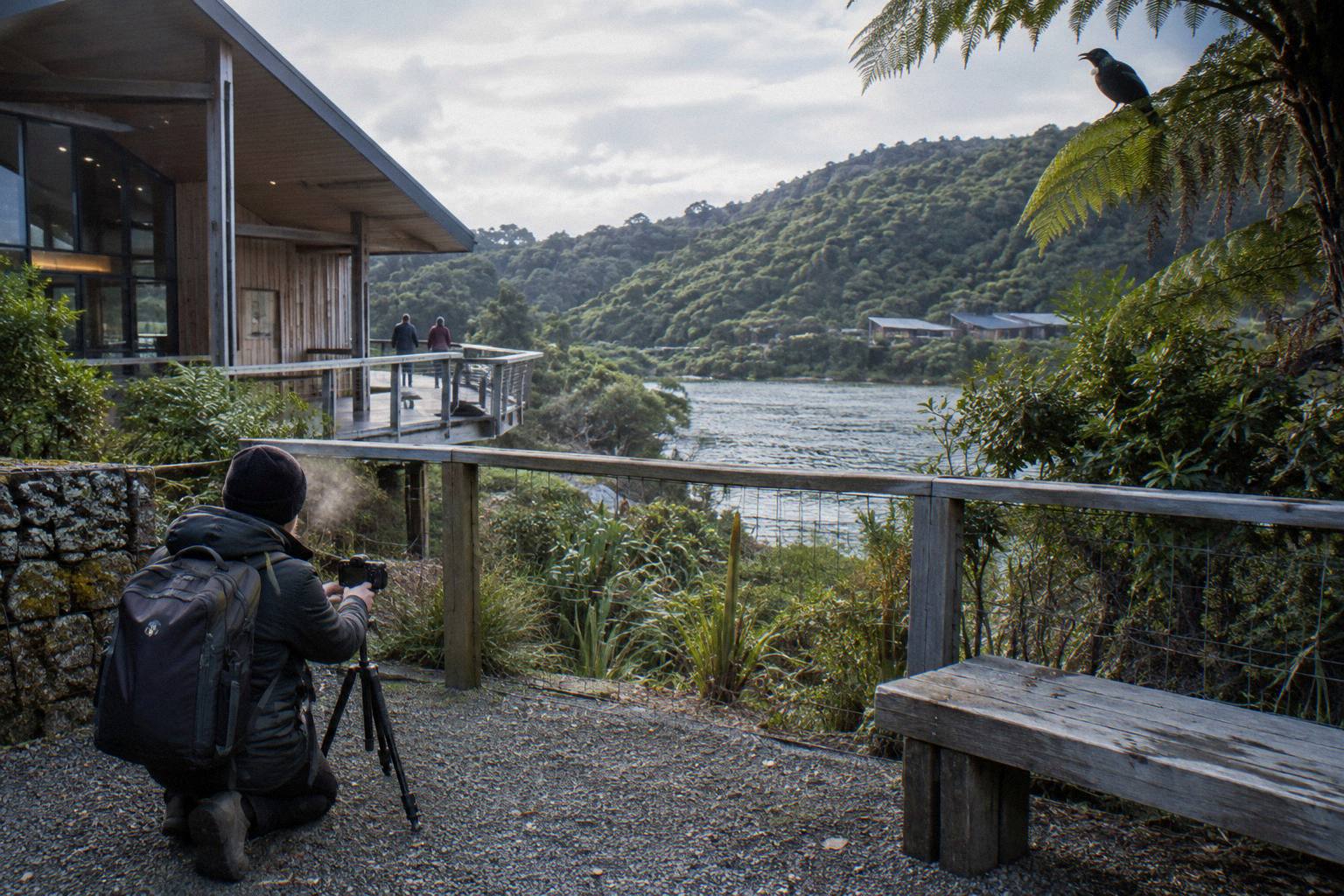
The twilight option deserves a mention here because it was built for exactly this middle ground. At about 2.5 hours from daylight into dark, from NZ$110 per person with a minimum age of 5, it runs October to March on the sanctuary's schedule and ends with hot kawakawa tea. It suits families whose children are too young for the night tour's minimum age of 12, and photographers who want the dusk chorus.
If the family arithmetic is pointing you toward the guided day walk rather than away from it, the timing detail is friendly: it runs daily from 10am, and free cancellation applies up to 24 hours before the start, so a tentative plan costs nothing to hold.
How Do Admission Tickets Work With A Guided Walk?
Every tour ticket at Zealandia, including the guided day walk, includes General Admission valid for the tour day and the following day, so a guided walk also buys you a self-guided return. Self-guided General Admission is a separate product: valid for two consecutive days, no need to pre-purchase, sold at the Level 1 desk, with pre-school children free. See the official General Admission page for pricing. This overlap is the single most useful ticket fact on this page and the one most visitors miss.
The practical effect is that the guided walk is cheaper than it looks. You pay from NZ$70 per person for Zealandia By Day, rated 4.8 from 252 reviews, and the ticket quietly contains a second full day in the sanctuary at no added cost. Arrive on a Tuesday for the walk, come back Wednesday with the camera or the toddler, and the self-guided experience is already paid for. That is why many returning visitors book the walk first and wander second, a pattern the one day in Wellington with a Zealandia tour itinerary builds around.
| Ticket question | Guided walk (Zealandia By Day) | Self-guided General Admission |
|---|---|---|
| Price | From NZ$70 per person | See the official General Admission page |
| Validity | Tour day and the next day | Two consecutive days |
| Pre-booking | Book ahead; free cancellation up to 24 hours before | No need to pre-purchase; sold at the Level 1 desk |
| Young children | No minimum age, under 5s free | Pre-school children free |
| Included extras | Professional guide, intro video | Tracks, signage, visitor centre |
Cancellation follows the same shape across the four tours: free cancellation up to 24 hours before the start. The guided day walk meets inside the visitor centre with arrival 15 minutes early, and the walk itself includes a professional guide, the intro video and admission, while food and drinks, lunch, alcohol, and hotel pickup and drop-off are not included. No hotel pickup exists on any of the four tours, so getting to Karori is on you either way. Everything else covered here is indexed on Zealandia Day Tour.
When Does Guided Make The Most Sense?
Guided makes the most sense on a first visit, on a tight schedule, or when the wildlife matters more than the walking: the day walk compresses the valley into about 2 hours with a guide looking for takahe, tuatara, hihi, kaka, tieke, toutouwai and pateke, all as chances. It also makes sense when a second day in Wellington is available, because the next day's admission is already in the ticket. Travellers passing through for a single afternoon benefit most from that compression.
The night tour answers a different version of the question. At about 2.5 hours around dusk, from NZ$120 per person with a minimum age of 12, it ends with warm kawakawa, lemongrass and ginger tea, and little spotted kiwi are seen on most tours, though sightings are never guaranteed. A self-guided daytime visit cannot offer that at any pace, because kiwi are nocturnal and the official admission page calls them very unlikely by day. Guided after dark is simply the only format in which kiwi are a realistic prospect.
Beyond wildlife, guided makes sense for visitors who want the restoration story told properly. The fence went up in 1999; possums and hedgehogs were gone by the end of that year and the last rabbit by 2000. Forty little spotted kiwi arrived in 2000 and 2001 and the population is now estimated in the hundreds; tuatara returned in 2005 and 2007 in the first release of its kind on the mainland; a takahe pair arrived in 2011; kaka came back in the early 2000s. A guide carries that timeline, and it reshapes what you are looking at. The deeper story is in the restoration, fence and 500-year vision guide.
Common Mistakes When Choosing
The most common mistake is treating the choice as either-or when the guided ticket already includes a self-guided day: booking the walk forfeits nothing and adds a second day inside the fence. The second is expecting kiwi on a daytime visit, guided or not, which the official admission page rules out as very unlikely. The third is assuming the guided walk is physically easy because it is short; it covers slopes, gravel and uneven ground. Each mistake costs a different kind of disappointment.
A short list of the traps, and how to avoid them:
| Mistake | What goes wrong | The fix |
|---|---|---|
| Expecting kiwi by day | The official page calls nocturnal species very unlikely in daylight | Book the night tour if kiwi are the goal |
| Skipping the walk to save money | You lose the guide and the ticket still only covers two days | Remember the tour price includes next-day admission |
| Wrong footwear | Slopes, gravel and uneven ground in sandals or thin soles | Sturdy shoes, warm layer, waterproof |
| Assuming hotel pickup | No tour includes pickup or drop-off | Plan the shuttle, bus or Cable Car route in advance |
| Booking the night tour for young kids | Minimum age 12 on the night walk | Twilight tour from age 5, or the day walk at any age |
| Ignoring the weather policy | The walk runs in almost all weather, gear decides comfort | Dress for the forecast, not the brochure |
Two quieter mistakes round it out. Visitors sometimes dismiss the self-guided option as a lesser experience, when for photographers and repeat visitors it is the better one: nobody photographs a takahe well while keeping up with a group. And visitors sometimes buy a guided walk for the wrong reason, expecting guaranteed sightings. The operator's own wording is that kiwi are seen on most night tours and sightings are not guaranteed; the day walk's species list is a list of chances, and the guide's craft is in raising those chances, not promising them.
What To Ask Before You Book
Ask three things before committing: whether your date suits a walk or a wander, whether anyone in your party needs the pace flexibility of self-guiding, and whether the operator's conditions fit your group, since the booking describes uneven surfaces and a moderate level of walking. Where accessibility is a live question, ask the operator when you book rather than assuming either way. The answers usually settle the decision in under a minute.
Specific questions worth having ready: does the day's forecast match the gear you own, since the walk runs in almost all weather; is your group's youngest child under 5, travelling free, or older; do you want the Mandarin-language departure, which needs a minimum of four people; and will you actually use the second day of admission, which is where the guided ticket's value concentrates. If the answer to the last one is no, the plain comparison of Zealandia tour or just visit in the daytime is the next read.
For plant-minded visitors there is a fourth format entirely: the Forest Secrets Plant Walk, about 2 hours at 10:30am on Sunday mornings, from NZ$70 per person, up to 12 people with no minimum age, led on how forest plants compete and adapt. It is a new listing with no rating yet, so there is no review pool to lean on, but for anyone whose interest is botany rather than birds it reframes the whole guided-versus-alone question.
Whatever you choose, book or arrive with the basics settled: the meeting point is inside the visitor centre at 53 Waiapu Road, Karori, 15 minutes early for tours, and everyone, guided or alone, checks their own bags at the biosecurity gates. Service and guide dogs only, with advance notice, and never at night. The valley runs on a 500-year vision, and both formats put you inside it; the only real question is how you want your hours spent.
Common Questions About Zealandia Guided Tours Versus Self-Guided Visits
Is A Guided Zealandia Tour Worth It Compared To Self-Guided?
The guided day walk costs from NZ$70 per person for about 2 hours in a group of up to 12, rated 4.8 from 252 reviews, and includes General Admission for the tour day and the next. For a first visit or a short stay, the guide's knowledge and the next-day admission usually make it worth it; repeat visitors and photographers often prefer self-guided.
Does A Zealandia Tour Ticket Include General Admission?
Yes. Every tour ticket includes General Admission valid for the tour day and the following day, so a guided walk also buys a self-guided return the next day at no extra cost.
Can You Visit Zealandia Without A Tour?
Yes. Self-guided General Admission is valid for two consecutive days, needs no pre-purchase and is sold at the Level 1 desk, with pre-school children free. See the official General Admission page for pricing and details.
Will You See More Wildlife On A Guided Tour?
Wildlife is chance-based either way, but the guides actively look for takahe, tuatara, hihi, kaka, tieke, toutouwai and pateke, and are in the valley daily, so the odds of spotting shyer species are better with a guide. Nothing is guaranteed.
Can You See Kiwi On A Self-Guided Daytime Visit?
No. Kiwi are nocturnal, and the official General Admission page states that nocturnal wildlife such as kiwi, ruru, weta and frogs is very unlikely by day. The night tour, about 2.5 hours around dusk with a minimum age of 12, is the realistic option.
How Long Does Each Option Take?
The guided day walk takes about 2 hours; the twilight and night tours each take about 2.5 hours. A self-guided visit lasts as long as you like within opening hours, with last entry at 4pm, and the admission covers two consecutive days.