Zealandia Night Tour: What Happens After Dark
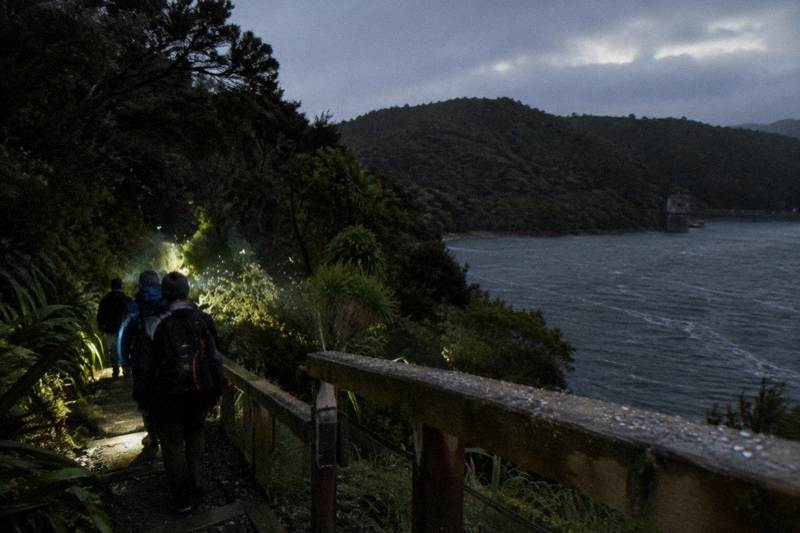
The Zealandia By Night tour is a 2.5 hour guided walk through the sanctuary valley after dusk, in a group of up to 12, looking for little spotted kiwi, tuatara, ruru and glowworms with torches supplied.
Short answer
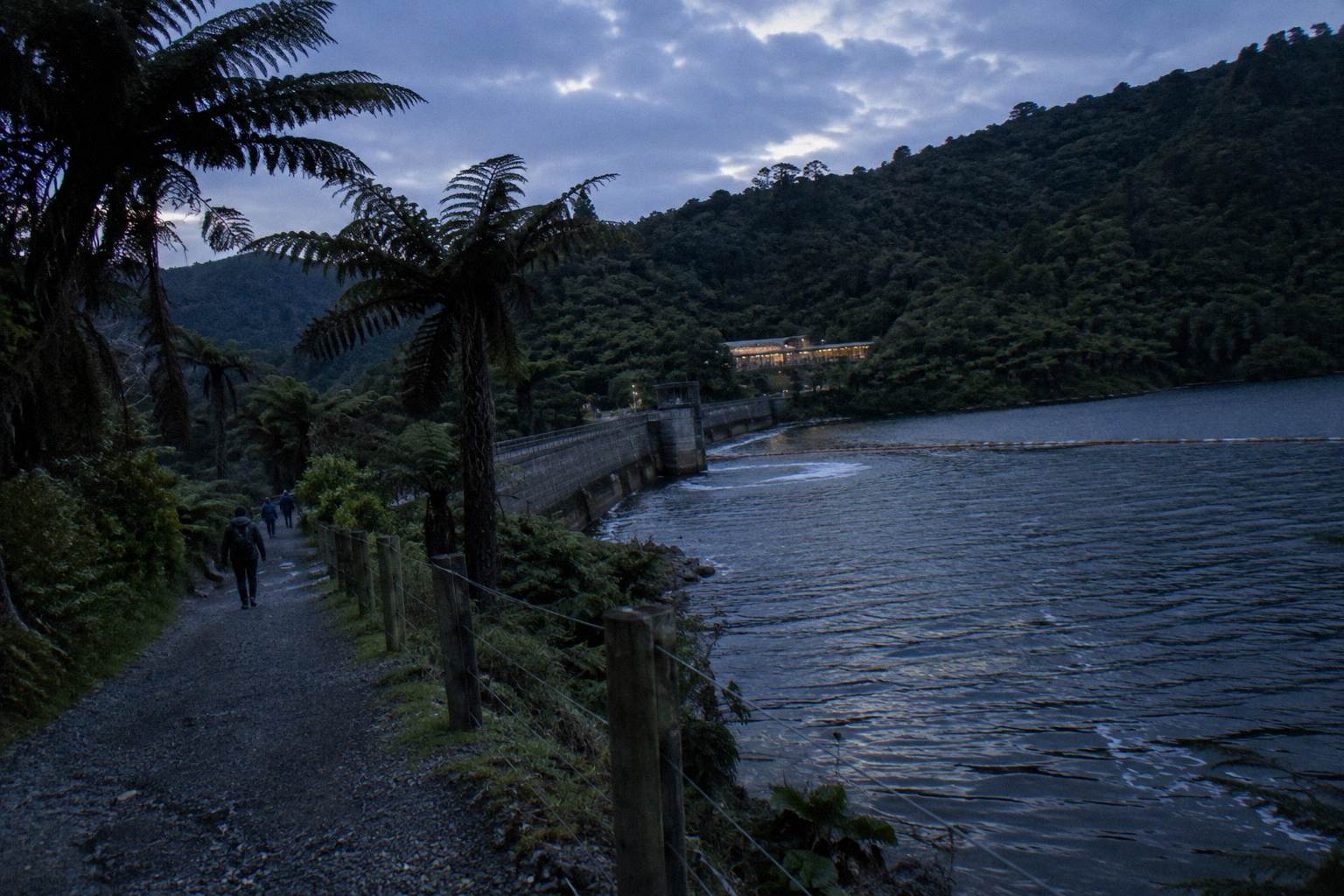
The Zealandia night tour runs nightly for about 2.5 hours around dusk, from NZ$120 per person, with up to 12 guests and a minimum age of 12. Little spotted kiwi are seen on most tours but never guaranteed, and free cancellation applies up to 24 hours before.
A torchlit walk through a 225 hectare predator-fenced valley, ten minutes from central Wellington, is the closest most visitors will ever get to hearing a wild kiwi call. The Zealandia night tour is that walk: about 2.5 hours, nightly, in a group capped at 12, from NZ$120 per person. The article covers what actually happens on it, which animals the guides look for, and the logistics that trip people up, because after dark a few ordinary planning details, like getting home, work differently than they do by day.
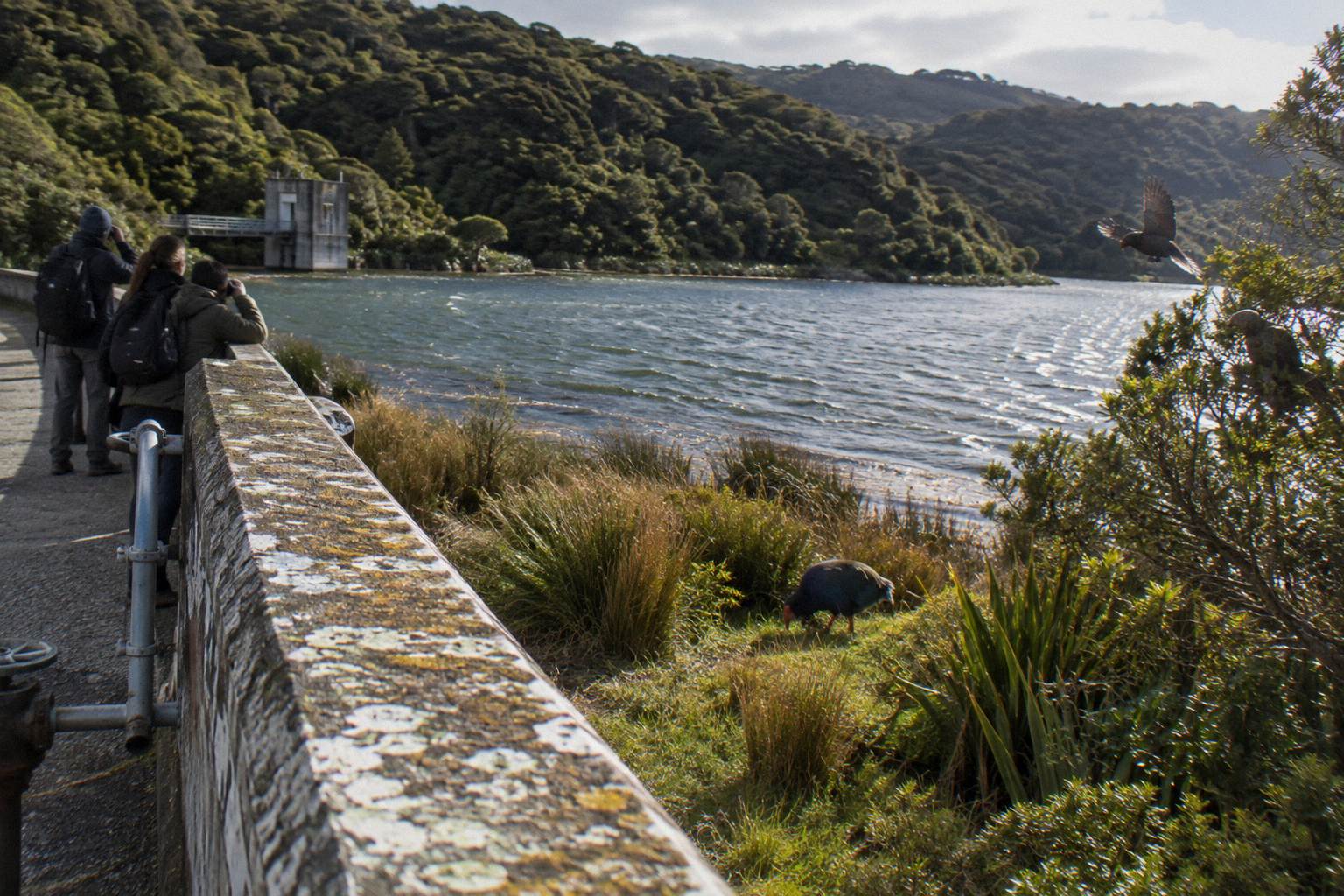
The sanctuary itself sits at the end of Waiapu Road in Karori, behind an 8.6 km predator-exclusion fence finished in 1999. It was the world's first fully fenced urban ecosanctuary, built on the site of a former Wellington water supply reservoir, and it is run by a not-for-profit trust with more than 500 volunteers. By day it is busy with walkers and school groups. After the gates close, the valley belongs to the night shift, and a small guided group is one of the few ways to be in it.
The tour on this page, Zealandia By Night, is rated 4.8 from 164 reviews and starts around dusk, with the exact start time confirmed when you book. It is worth being clear about one thing from the outset: kiwi are wild birds in a forested valley, not an exhibit. The sanctuary's own wording is that little spotted kiwi are seen on most tours, and that sightings are not guaranteed. That candor is part of what makes a sighting feel like something. If you want the fuller picture of the daytime version first, our Zealandia By Day walkthrough covers the 2 hour guided option from NZ$70, and Zealandia Day Tour covers planning the visit end to end.
What Happens On A Night Walk After Dark?
The walk runs nightly for about 2.5 hours around dusk, in a group of up to 12 people aged 12 and over. You meet inside the visitor centre at 53 Waiapu Road, Karori, 15 minutes before the confirmed start time, and the evening ends back there with a warm kawakawa, lemongrass and ginger tea. Torches are supplied.
The start time is the detail people most often get wrong. The tour begins around dusk, which means the clock time moves with the seasons, and the booking page confirms it when you book. Nothing is printed here because nothing is fixed. Arrive at the visitor centre 15 minutes before that confirmed time, and note that after-hours entry is up the driveway to the right of the building, since the sanctuary itself is closed by then.
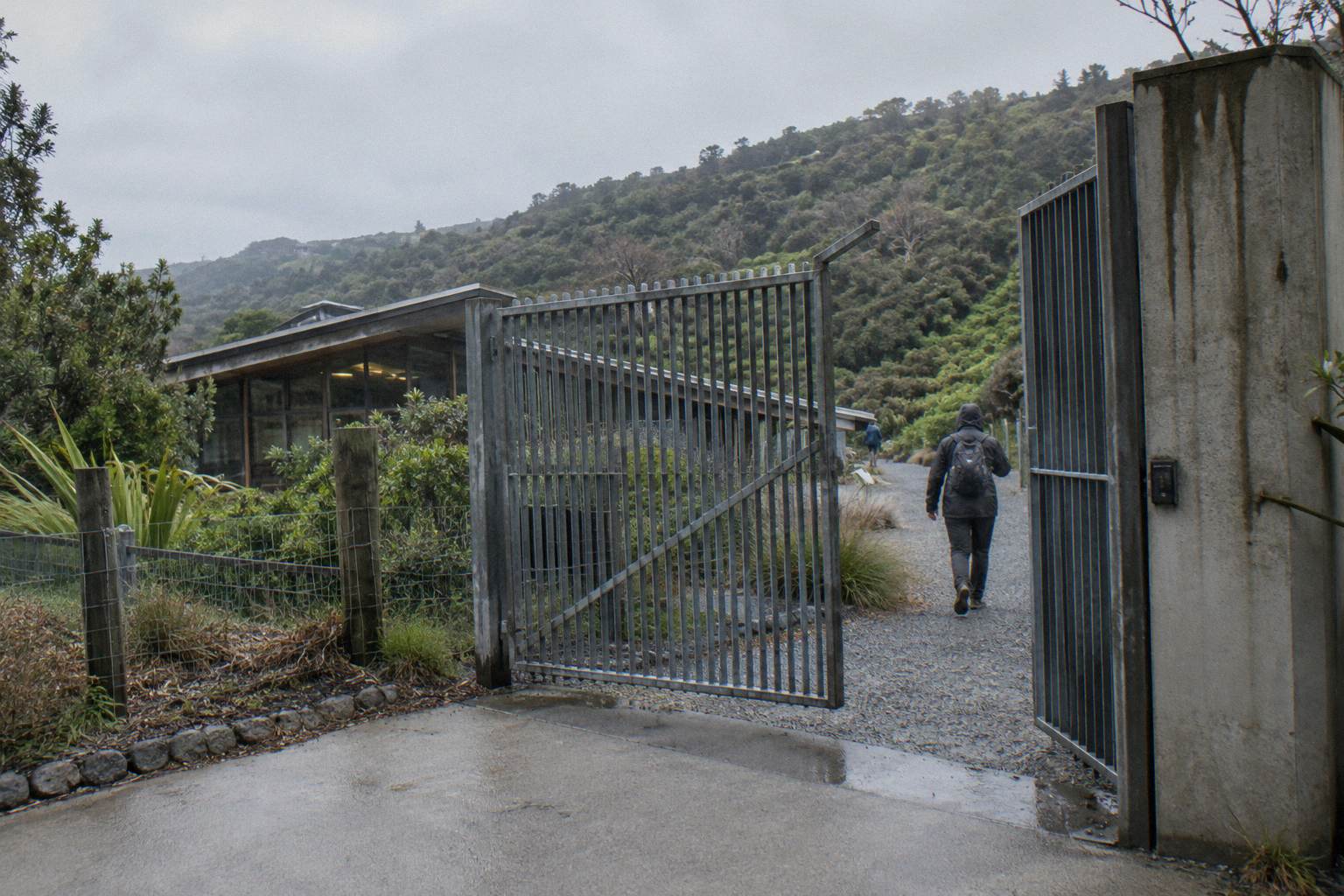
Before you enter the valley, everyone goes through the biosecurity double gates, checking their own bags and pockets for seeds, mice and lizards. It takes a minute and it is non-negotiable. Then the walk proper begins: a guided route on the valley's tracks, lit by supplied torches and by whatever the sky is doing. The pace is set by the guide and by what the group finds, not by a schedule.
The walk finishes back at the visitor centre with tea. That closing detail matters more than it sounds: after a couple of hours in cold night air, a warm drink indoors is a genuinely welcome ending, and it gives the group a chance to ask the guide questions that did not fit on the track. Free cancellation applies up to 24 hours before the start, which is worth knowing if Wellington weather is doing something noncommittal.
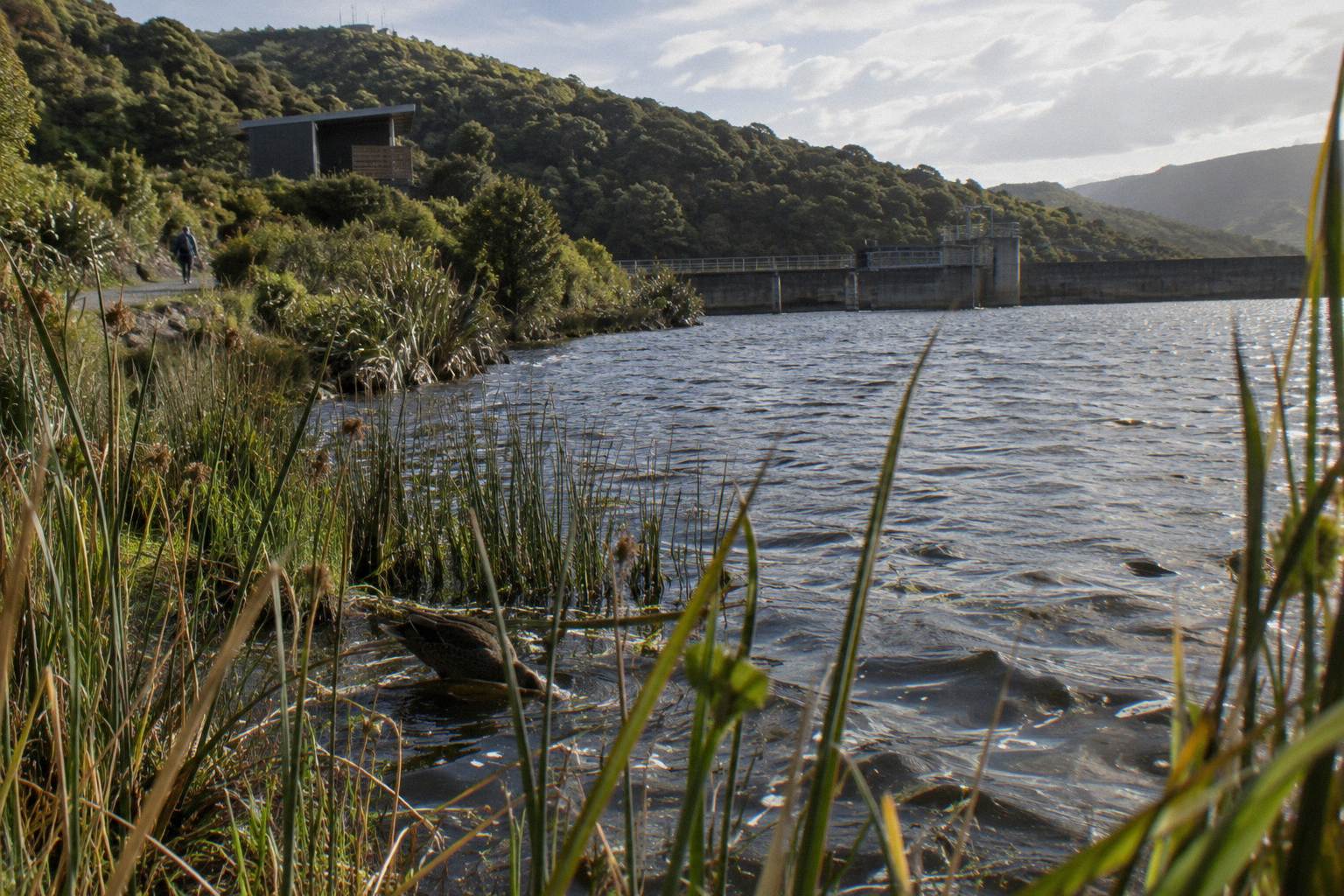
The comparison worth making before you book is between the three evening-and-day formats the sanctuary runs. The table below lays out the bones of each.
| Tour | Length | From price | Group | Minimum age | Runs |
|---|---|---|---|---|---|
| Zealandia By Night | About 2.5 hours | NZ$120 per person | Up to 12 | 12 | Nightly, around dusk |
| Zealandia Twilight Tour | About 2.5 hours | NZ$110 per person | Up to 12 | 5 | October to March |
| Zealandia By Day | About 2 hours | NZ$70 per person | Up to 12 | None, under 5s free | Daily, from 10am |
Every tour ticket, including the night tour, also includes a General Admission ticket valid for the tour day and the following day. That is a real factor in the value calculation: you can walk the valley on your own the next morning and see the tracks you crossed in the dark, in daylight.
Which Animals Do The Guides Look For At Night?
The guides look for little spotted kiwi, tuatara, takahe, pateke, wetapunga, Hamilton's frog, ruru, glowworms and kaka, always as chances rather than promises. Each tour finds a different slice of that list, and the guide's local knowledge of recent activity is what shapes the route.
It helps to know why the list is what it is. Night is when the valley's most famous residents are active. Little spotted kiwi were brought here in two transfers, 40 birds in 2000 and 2001, and the population is now estimated in the hundreds, which is why a guided night walk in this valley is one of the better kiwi prospects anywhere near a capital city. The species is classed At Risk-Recovering.
Tuatara returned in 2005 and 2007, the first mainland release of the species, and they are often the reliable highlight of a night walk: they do not flee, they sit, and a torch beam held at the right angle finds them. Takahe, a pair of which arrived in 2011, are Nationally Vulnerable and are looked for on both day and night tours. Kaka returned in the early 2000s and their evening screeches carry across the valley.
The smaller players are the ones people do not expect. Wetapunga, one of the world's heaviest insects, live in the trees. Hamilton's frog is, in the sanctuary's own words, sometimes seen on the night and twilight tours. Ruru, the native morepork, call from the canopy. Glowworms, titiwai, are pointed out by the guides in the banks beside the tracks, when conditions allow; they are never promised. If glowworms are the reason you are weighing this tour, our glowworms on the night walk piece goes deeper on what to expect.
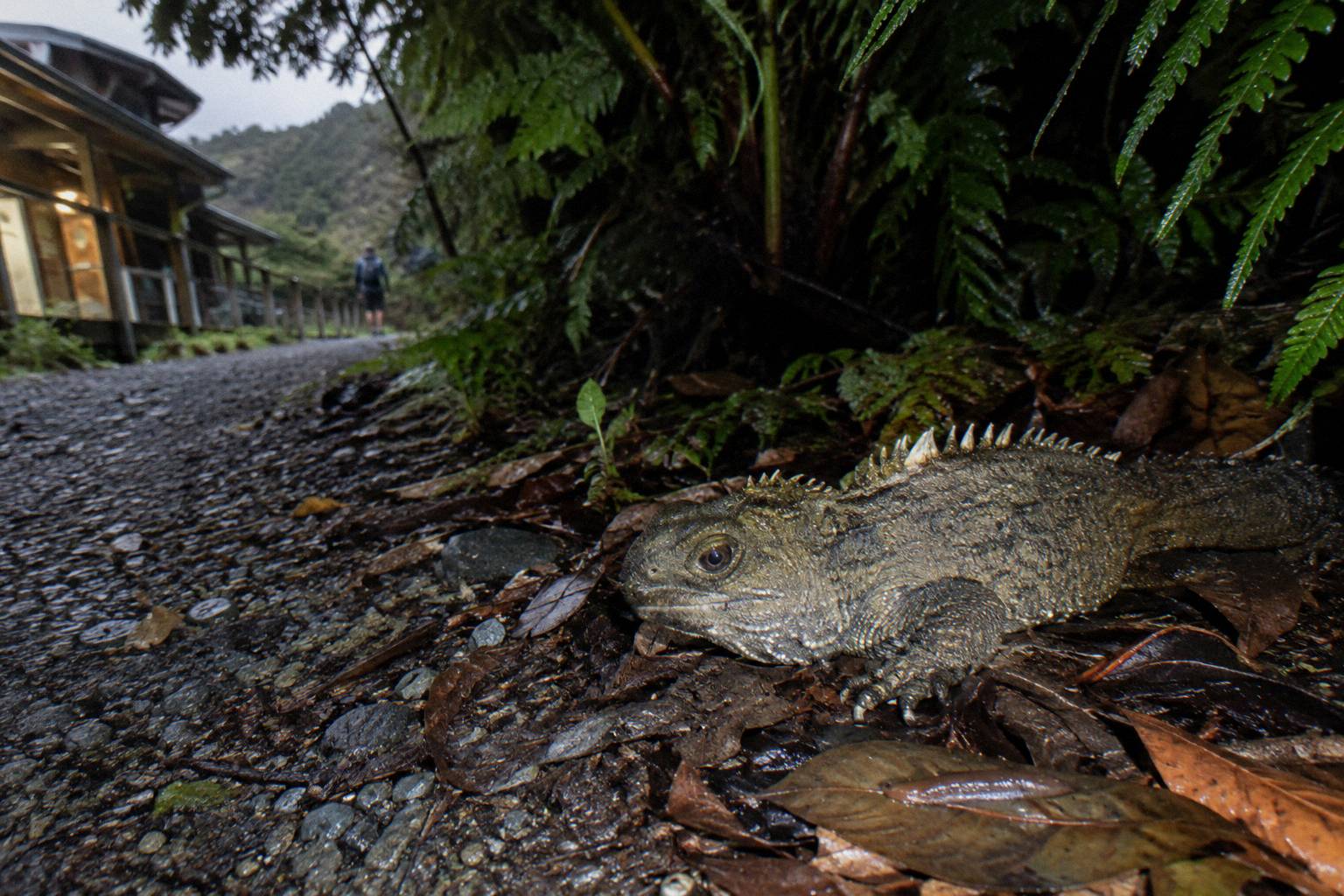
The full cast the guides scan for, and the conservation standing the sanctuary reports for the headline species, sits below. Treat every row as a chance, not a checklist.
| Animal | What it is | Night tour status |
|---|---|---|
| Little spotted kiwi | Nocturnal icon, At Risk-Recovering | Seen on most tours, never guaranteed |
| Tuatara | Reptile, returned 2005 and 2007 | A regular chance |
| Takahe | Flightless rail, Nationally Vulnerable | A chance |
| Ruru (morepork) | Native owl | A chance, often heard first |
| Glowworms (titiwai) | Glowing larvae in banks | Pointed out by guides when present |
| Wetapunga | Giant weta | A chance in the trees |
| Hamilton's frog | Rare native frog | Sometimes seen |
| Pateke | Brown teal | A chance |
| Kaka | Forest parrot | A chance, often audible at dusk |
A night walk here is a different experience from a daytime one for a simple ecological reason: the sanctuary's general admission page notes that nocturnal wildlife such as kiwi, ruru, weta and frogs are very unlikely by day. If the night list is what you came for, the night tour is the only format that delivers it.
Will You See A Kiwi On The Night Walk?
Plain answer: probably, but not certainly. The sanctuary's official wording is that little spotted kiwi are seen on most tours and that sightings are not guaranteed. They are wild birds in 225 hectares of forest, no bait or call is used, and a quiet group that follows the guide's instructions gives itself the best odds.
What that means in practice is worth unpacking. The kiwi here forage naturally, moving through the undergrowth probing for invertebrates. On a good night you hear one first, a shrill whistle or a gruff growl in the dark, and then the guide's torch, held low and dimmed, picks up the bird. The moment typically lasts seconds. Groups that talk loudly, use phone lights or step off the track reduce their own chances, and guides will say so.
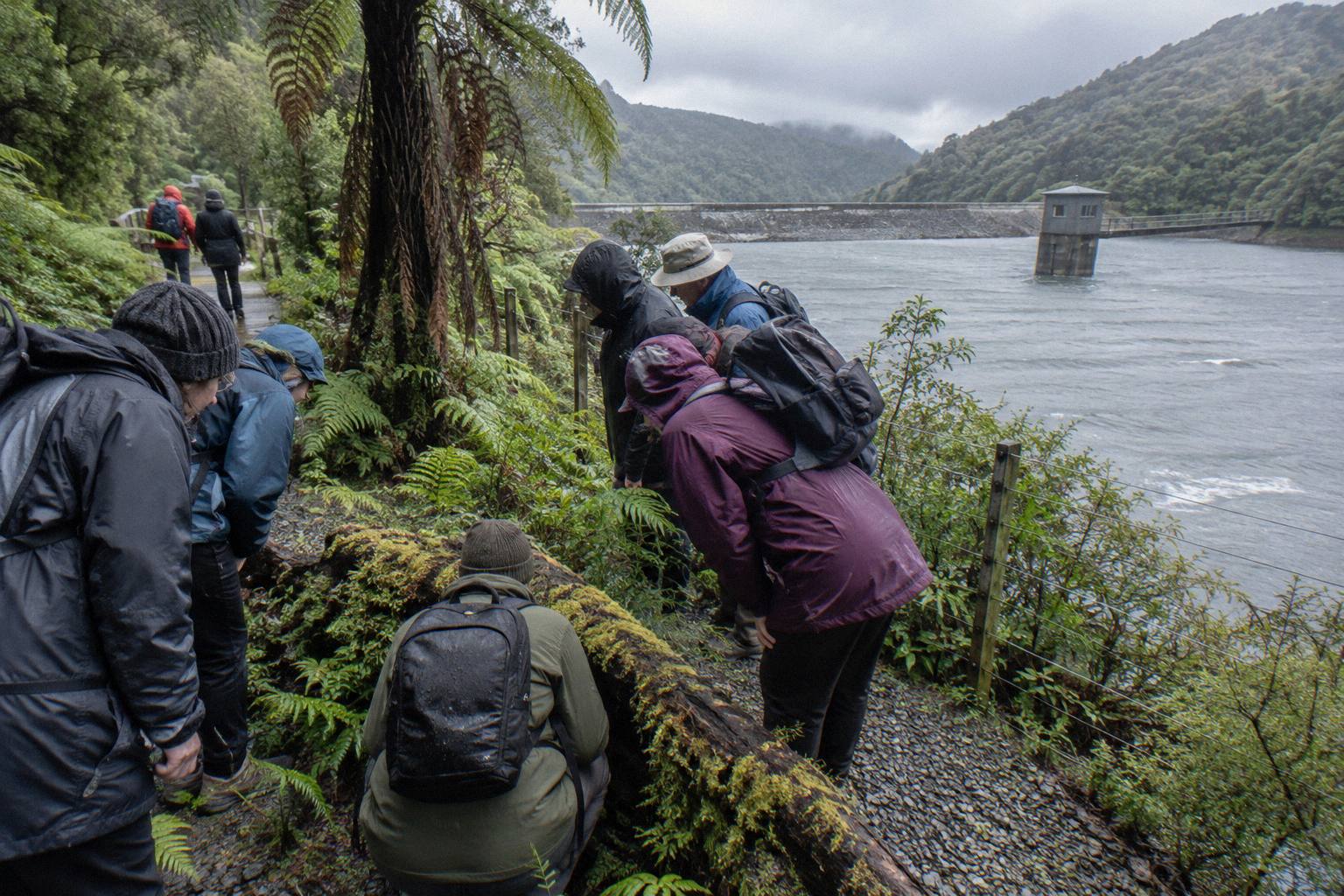
The odds also explain why the tour is built the way it is. Small groups, up to 12, keep noise and torch-spread down. The roughly 2.5 hour length gives the guide room to work several areas of the valley rather than racing one loop. And the around-dusk start means the first part of the walk catches the shift change, when daytime birds settle and the night species begin to move, before full dark for the kiwi-sensitive stretch.
If a guaranteed kiwi is what you need, this is not that, and nothing plain in Wellington is. What the tour does guarantee is access to the valley after closing, a guide who knows where kiwi have been active, and the tea at the end. For the fuller argument about whether that trade is worth the price, read whether the night tour is worth it, which works through the kiwi odds in detail.
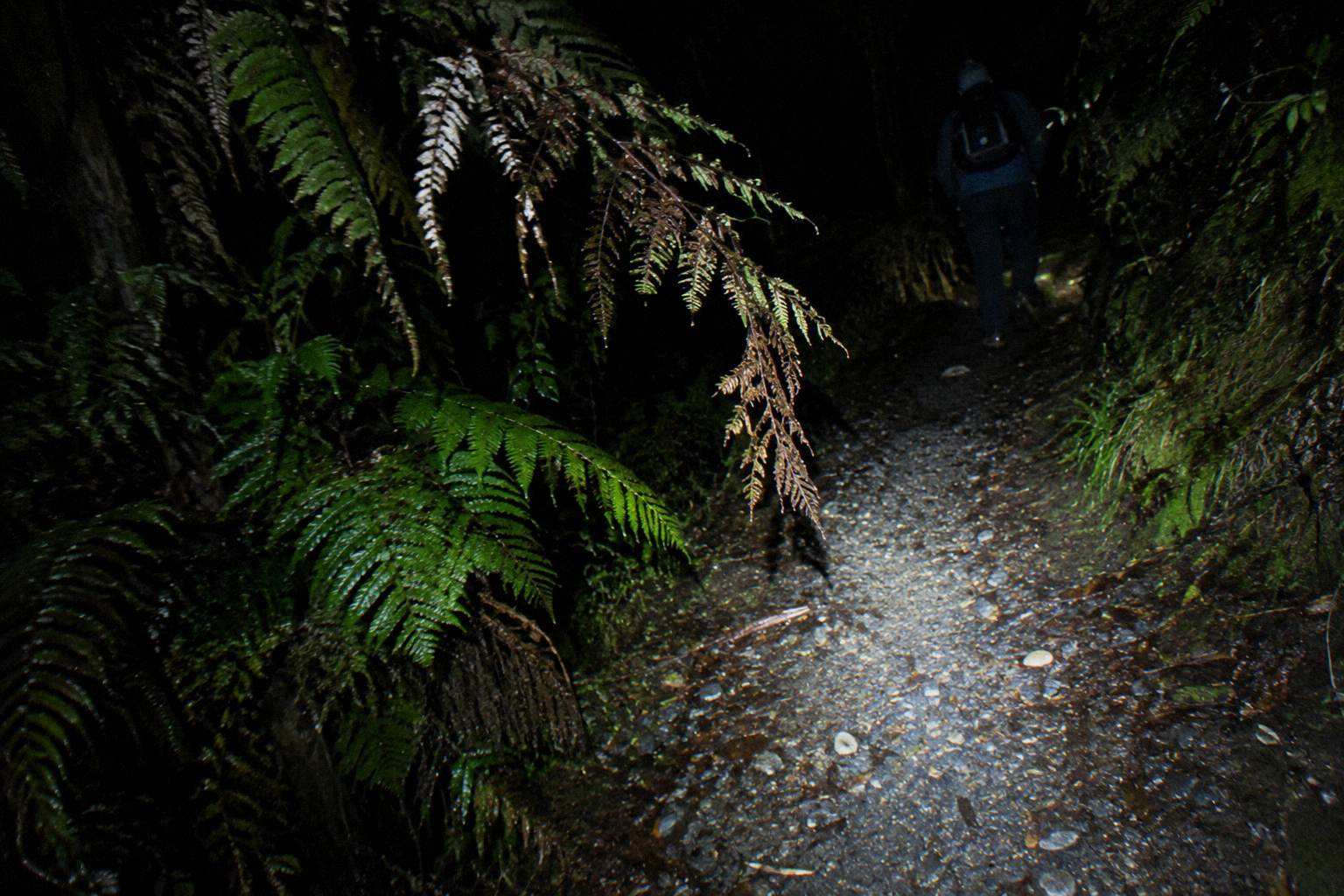
One group for whom the kiwi question has a different answer is families. The night tour has a minimum age of 12, and the sanctuary points families with children under 12 towards the Twilight Tours and the Kids' Night Walks instead. If you are planning around children, our Zealandia tours with kids guide covers those options and the accessibility picture together.
A reasonable hedge, if your dates allow, is to do both formats: the day tour from NZ$70 to learn the valley and see takahe, tuatara and hihi in daylight, then the night tour from NZ$120 for the kiwi chance. Because each ticket includes General Admission for the following day, a two-visit plan costs less than it looks. Check availability for the night tour, and see the day tour's own page here for the daytime option.
Who Can Join The Night Walk And What Are The Age Limits?
Anyone aged 12 or over can join, in groups of up to 12. There is no upper age limit, but the walk covers slopes, gravel and uneven ground in the dark, so reasonable fitness and steady footing matter. Service dogs are never admitted at night. Ask the operator when you book about any mobility concern.
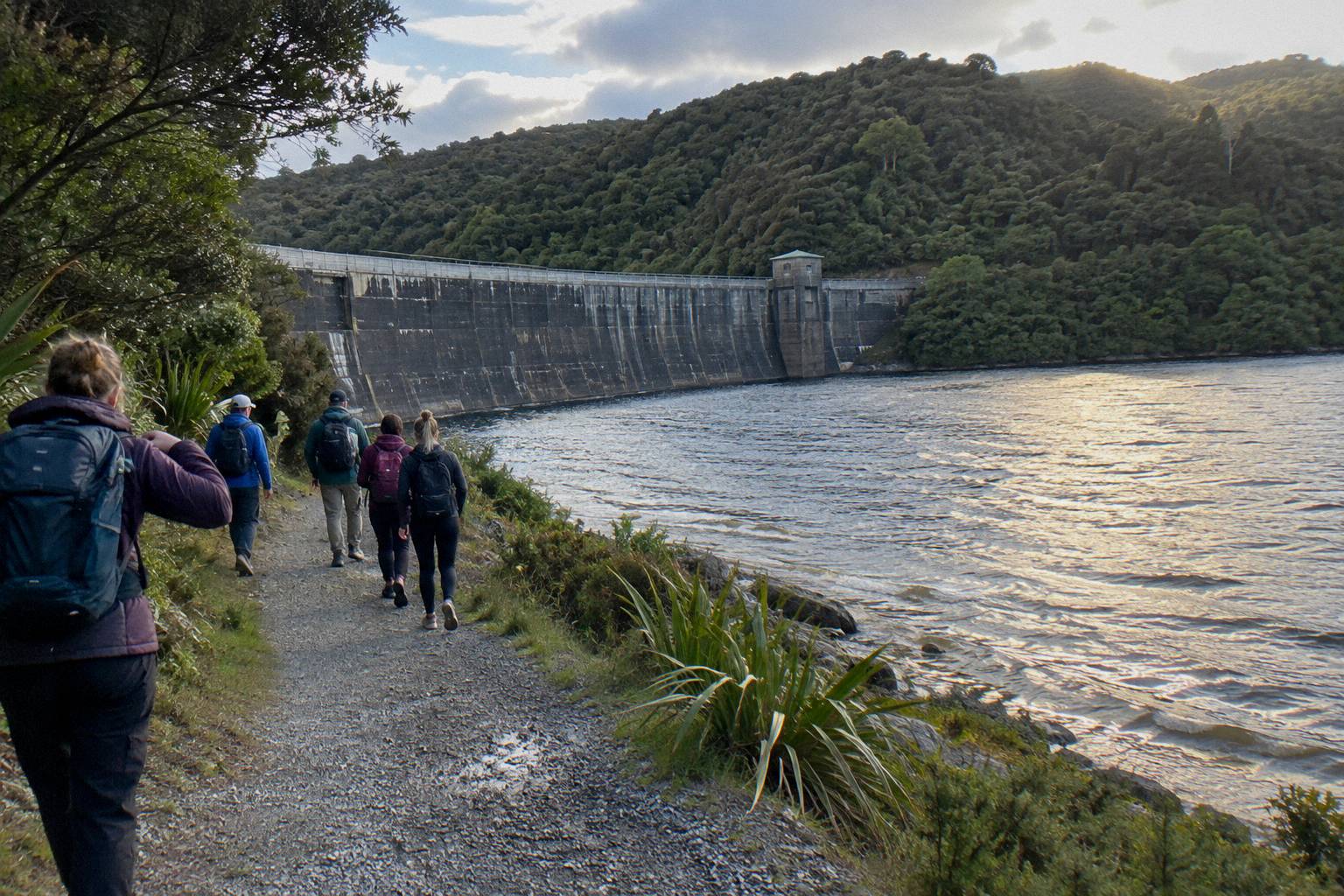
The age limit is firm and it exists for good reasons: a quiet group is a functional requirement of a kiwi walk, and the valley at night is genuinely dark. Families with under 12s are directed by the sanctuary to the Twilight Tour, which takes children from age 5 and runs October to March, or to the Kids' Night Walks, which run April to September with the same minimum age of 5.
The terrain is the other filter. This is the same valley as the day tour, tracks with slopes and gravel and uneven surfaces, walked in darkness with torchlight. It is not a strenuous hike, but anyone unsure about footing on rough ground in the dark should ask the operator when booking rather than assume. Much of the lower valley is wheelchair and pram friendly in daytime, but a night walk is a different proposition, and the correct answer is the operator's own conditions, not a guess from a guide like this one.
Here is the practical rule-of-thumb summary for who each evening format suits.
| Your group | Best fit | Why |
|---|---|---|
| Adults only, kiwi is the goal | Zealandia By Night | Only format that looks for kiwi |
| Children aged 5 to 11 | Twilight Tour or Kids' Night Walk | Night tour minimum age is 12 |
| Mixed ages visiting in winter | Kids' Night Walk | Runs April to September, from age 5 |
| Anyone wanting dusk birds, not kiwi | Twilight Tour | Dusk chorus, birds settling to nest |
What To Wear And Bring After Dark
Wear sturdy shoes and warm layers with a waterproof outer layer, even on a fine evening. Night temperatures in the valley drop fast, the walk stands still whenever the guide finds something, and supplied torches cover lighting. Bring nothing that squeaks, glows or smells strongly.
The warm clothes advice is not boilerplate. On a night walk you spend stretches standing still while the guide works a torch across a bank or holds a hush for a kiwi call, and stationary time in Wellington night air gets cold quickly. Layers you can shed are better than one heavy coat. A waterproof layer matters because the tour runs in almost all weather, and the valley holds moisture under the canopy long after rain has stopped in the city.
Footwear is the second half. The tracks are gravel and earth with slopes and uneven patches; ankles in thin-soled shoes have a long night. Trail shoes or boots with grip are the call. Beyond that, the kit list is short because the sanctuary supplies the torches. The standard rules that apply to every visit also apply here: your own bag and pocket check at the biosecurity gates, and no dogs at all at night, including service dogs, which are admitted by day only with advance notice.
| Item | Bring it? | Notes |
|---|---|---|
| Sturdy shoes or boots | Yes | Gravel, slopes, uneven ground |
| Warm layers | Yes | Standing-still time gets cold |
| Waterproof jacket | Yes | Tour runs in almost all weather |
| Torch | No | Supplied on the tour |
| Snacks and drinks | Not needed | Tour ends with warm tea |
| Phone light | Leave off | White light damages night vision |
Our fuller what to wear and bring guide covers the reasoning in more depth, including how the same list changes between the day and night formats.
How Do You Get There When The Day Shuttle Has Stopped?
The free electric shuttle that runs from central Wellington by day does not serve night tour starts, so plan your own way to 53 Waiapu Road, Karori. Realistic options are a taxi or rideshare, a public bus to the Northland Road or Birdwood Street stops about five minutes away, or the limited on-site parking and the Birdwood Street overflow car park.
By day the shuttle makes this easy: it runs from outside the Takina Convention Centre on Wakefield Street and from the top of the Cable Car, taking 10 to 15 minutes to the sanctuary, with 11 seats and no guaranteed space. Night tours start after the day shuttle's service ends, so none of that applies to the walk on this page. Ask the operator when you book about night arrival options; never assume a pickup exists, because no hotel pickup or drop-off is offered on any of the four tours.
Driving yourself is straightforward. There is limited parking at the sanctuary and an overflow car park on Birdwood Street. The bus stops at Northland Road and Birdwood Street are about a five-minute walk from the entrance.
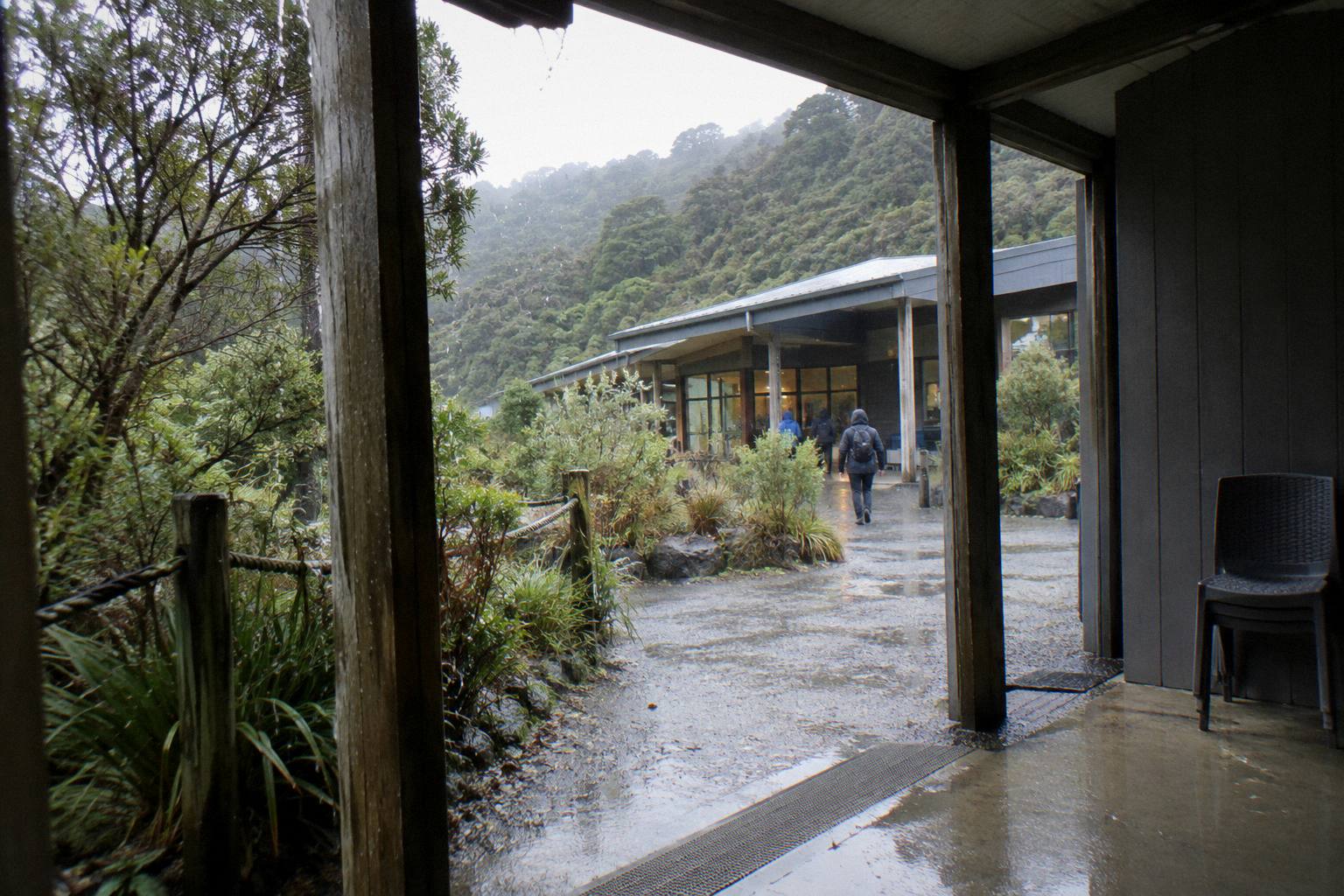
Two arrival details are specific to the after-hours format. First, arrive 15 minutes before your confirmed start time, because the group enters together. Second, after-hours entry is up the driveway to the right of the visitor centre building, since the main entrance is closed once the sanctuary's day is over. Visitors may not stay behind in the sanctuary or visitor centre after closing to wait, so time your arrival for the tour, not for a pre-tour wander. The sanctuary's own getting here page carries the current details.
Getting home is the half people forget: you finish at the visitor centre around 2.5 hours after a dusk start, in a residential suburb, with no shuttle back. Have a taxi or bus plan before you walk in, or expect a cold wait at a bus stop calculating how long it has been since the last one. Our getting to Zealandia guide covers the daytime options in full, including the Cable Car route with its roughly 30-minute walk from the Botanic Garden, which is a pleasant idea by day and a poor one by night.
Night Walk Or Twilight Walk: Which Fits Your Group?
Choose the night tour if everyone is 12 or over and kiwi are the goal; choose the twilight tour if you have children from age 5, want the dusk chorus as daylight fades, or prefer a lower price from NZ$110. Both run about 2.5 hours, cap at 12 guests, end with warm kawakawa tea, and cancel free up to 24 hours ahead.
The formats overlap less than their names suggest. The night tour is a torchlit walk in full dark built around nocturnal species, above all the little spotted kiwi chance. The twilight tour starts in daylight and moves into dark, catching the dusk chorus and birds settling to nest, and it runs October to March on the sanctuary's own schedule, so it simply is not an option for a winter visit. In the April-to-September window, the family-format equivalent is the Kids' Night Walk.
Price and rating barely separate them: the night tour is 4.8 from 164 reviews from NZ$120, the twilight tour 4.8 from 84 reviews from NZ$110. The decision is really about who is in your group and what you came to see. Kiwi chance versus child-friendly dusk is the clean way to frame it, and our day versus twilight comparison works through the adjacent question if you are still weighing the daytime side.
| Question | Night tour answer | Twilight tour answer |
|---|---|---|
| Minimum age | 12 | 5 |
| Season | Nightly, year round | October to March |
| Best for | Kiwi chance, full dark | Families, dusk chorus |
| Start | Around dusk, time confirmed at booking | Before dusk, from daylight into dark |
| Ending | Kawakawa, lemongrass and ginger tea | Hot kawakawa tea |
| From price | NZ$120 per person | NZ$110 per person |
A third option earns a line for completeness: the sanctuary's own schedule also lists Dawn walks on select weekends April to September and Photography tours on select weekends October to April. They are not among the four tours covered here, so check the official tickets and tours page for anything beyond the formats above.
Common Mistakes When Booking A Night Walk
The recurring mistakes are printing a wrong start time in your head, arriving without a way home, assuming kiwi are guaranteed, bringing under-12s, and dressing for the city temperature rather than the valley. Each one is avoidable in about a minute of planning, and every one of them has cost a real visitor their evening.
First, the start time. Because the tour runs around dusk, the clock time shifts across the year, and the booking page confirms it. Do not plan transport around a time you remember from a review; check the confirmation. Second, the return leg: no shuttle, no hotel drop-off, so book the taxi or know the bus before you go. Third, expectations: sightings of kiwi, glowworms and everything else on the list are chances, and the sanctuary says so in exactly those terms. Book the walk for the experience of the valley at night, and let a kiwi be the bonus.
Fourth, ages. The 12-plus limit is checked, and there is no wiggle room, so families should book the twilight or kids' format instead of negotiating at the gate. Fifth, kit: warm layers, waterproof, sturdy shoes, and no reliance on a phone torch. Sixth, cancellation timing: free cancellation runs to 24 hours before the start, which is generous, but inside that window a no-show is a spent ticket. And finally, the next-day entry: every tour ticket includes General Admission for the tour day and the following day, and leaving it unused is the most commonly wasted part of the purchase. Go back in the morning and see the valley you crossed blind.
Common Questions About The Zealandia Night Tour
Will You See A Kiwi On The Night Tour?
Probably, but not certainly. The sanctuary's official wording is that little spotted kiwi are seen on most tours and sightings are not guaranteed. Quiet groups that follow the guide's torch discipline have the best odds.
What Time Does The Night Tour Start?
Around dusk, and the exact clock time moves with the seasons. The start time is confirmed at booking, so plan your transport around the confirmation rather than a time you have seen elsewhere.
How Long Is The Night Tour?
About 2.5 hours, including the biosecurity gate check at the start and the warm kawakawa, lemongrass and ginger tea at the visitor centre at the end.
Can Children Join The Night Tour?
No. The minimum age is 12. Families with children under 12 are directed to the Twilight Tour (minimum age 5, October to March) or the Kids' Night Walks (minimum age 5, April to September).
Is There A Shuttle For The Night Tour?
No. The free electric shuttle runs by day only, and night tours start after its service ends. Ask the operator when you book about night arrival options; no hotel pickup or drop-off is offered on any of the four tours.
What Does The Night Tour Cost And Can You Cancel?
From NZ$120 per person, and free cancellation applies up to 24 hours before the start. The ticket also includes General Admission for the tour day and the following day.