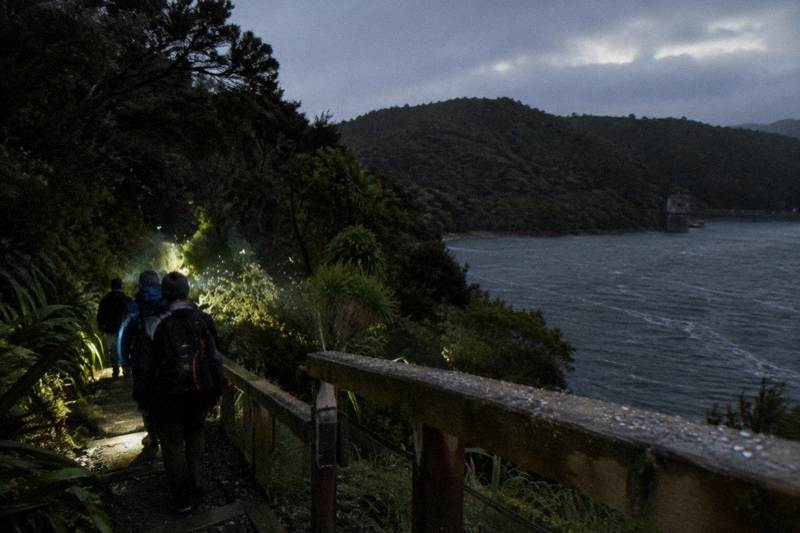
Are There Glow-Worms On The Zealandia Night Tour?
Glow-worms are a chance, never a promise, on the Zealandia night tour. Here is what the official facts actually say, and how to pick between the night, twilight and day walks.
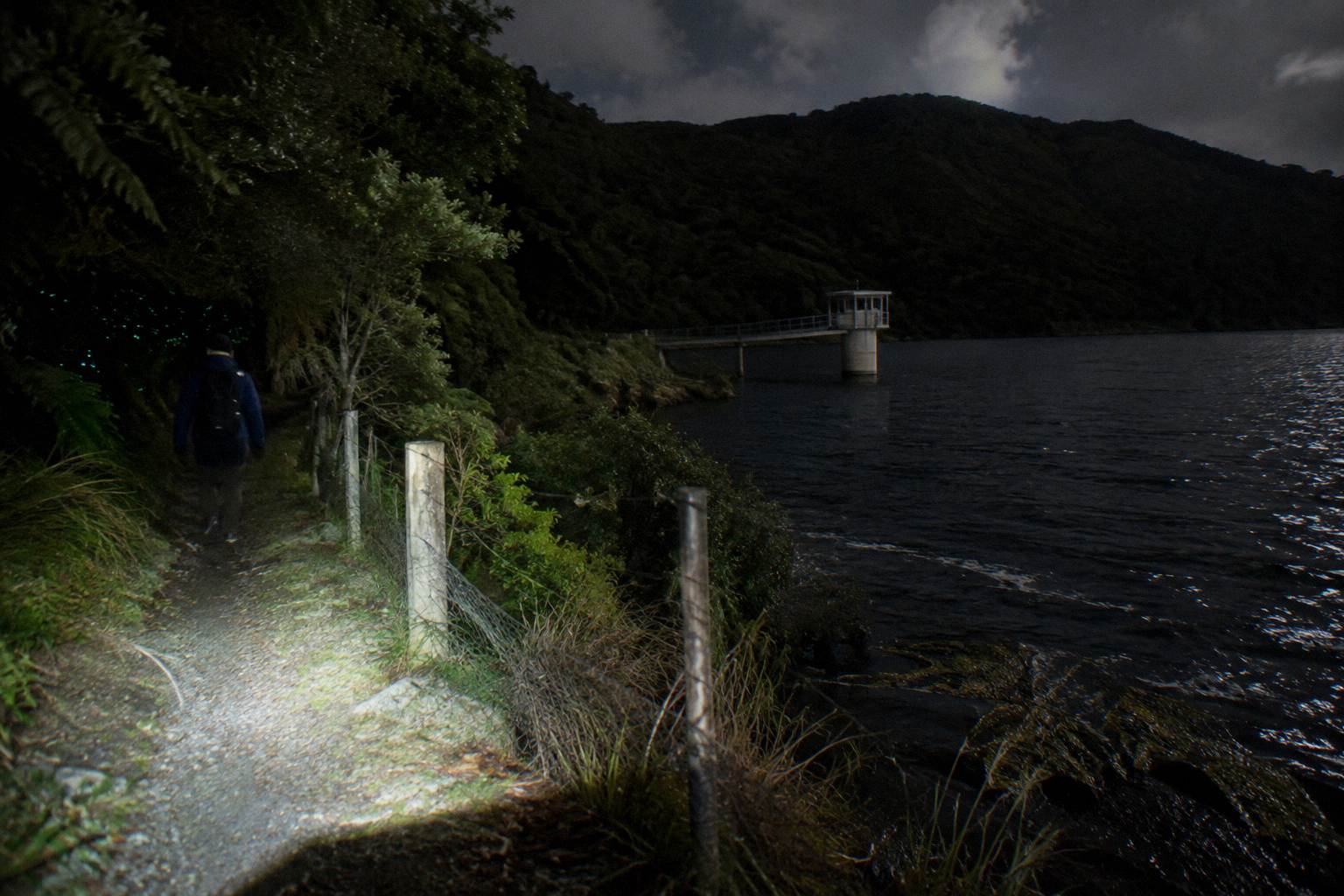
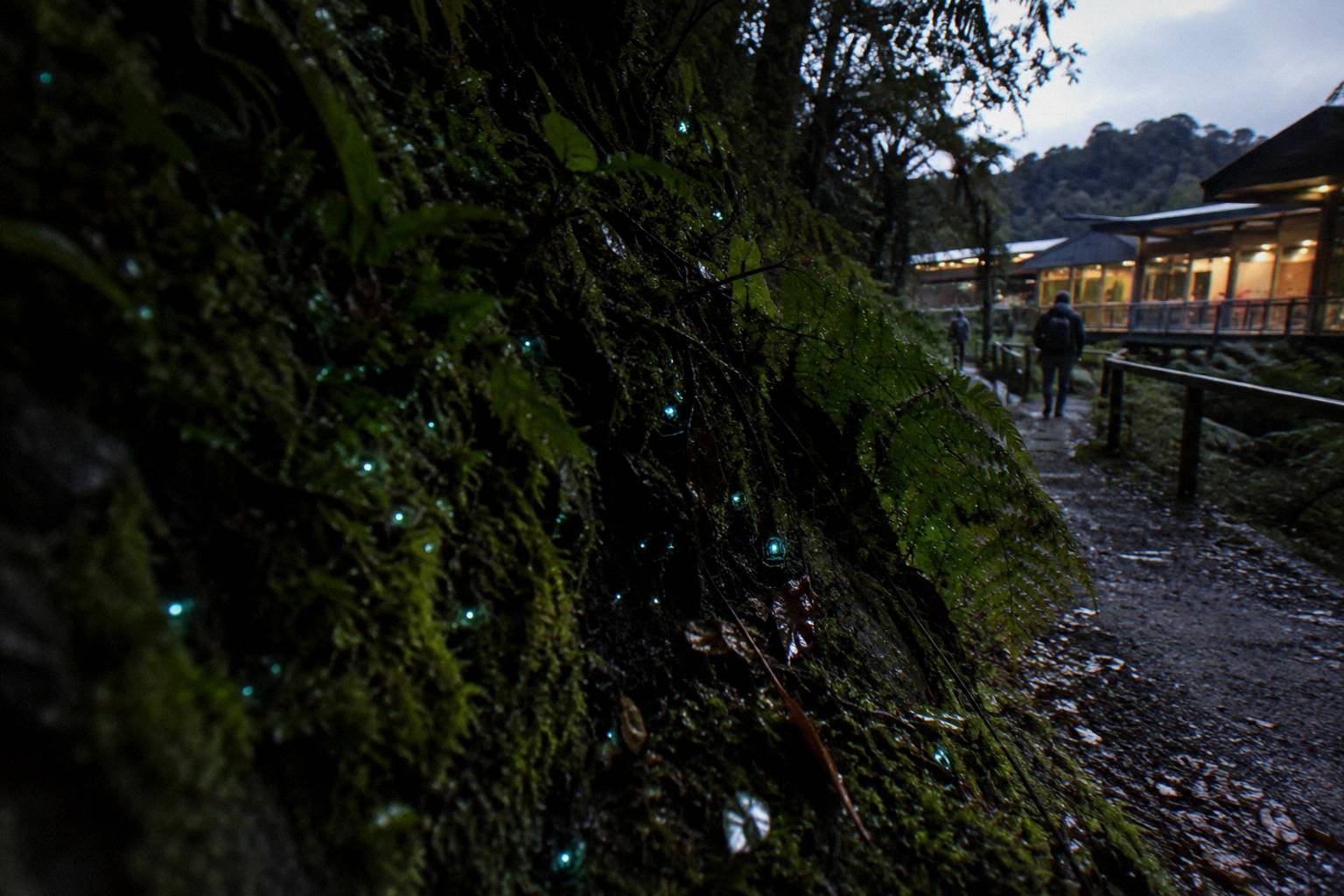
Yes, glow-worms are one of the animals Zealandia By Night guides look for, and the official tour facts say guides point them out in banks along the torchlit valley walk. But they are always written as a chance, never a promise, exactly like every other species on the walk. The tour runs about 2.5 hours around dusk, costs from NZ$120 per person, carries up to 12 people, and requires a minimum age of 12.
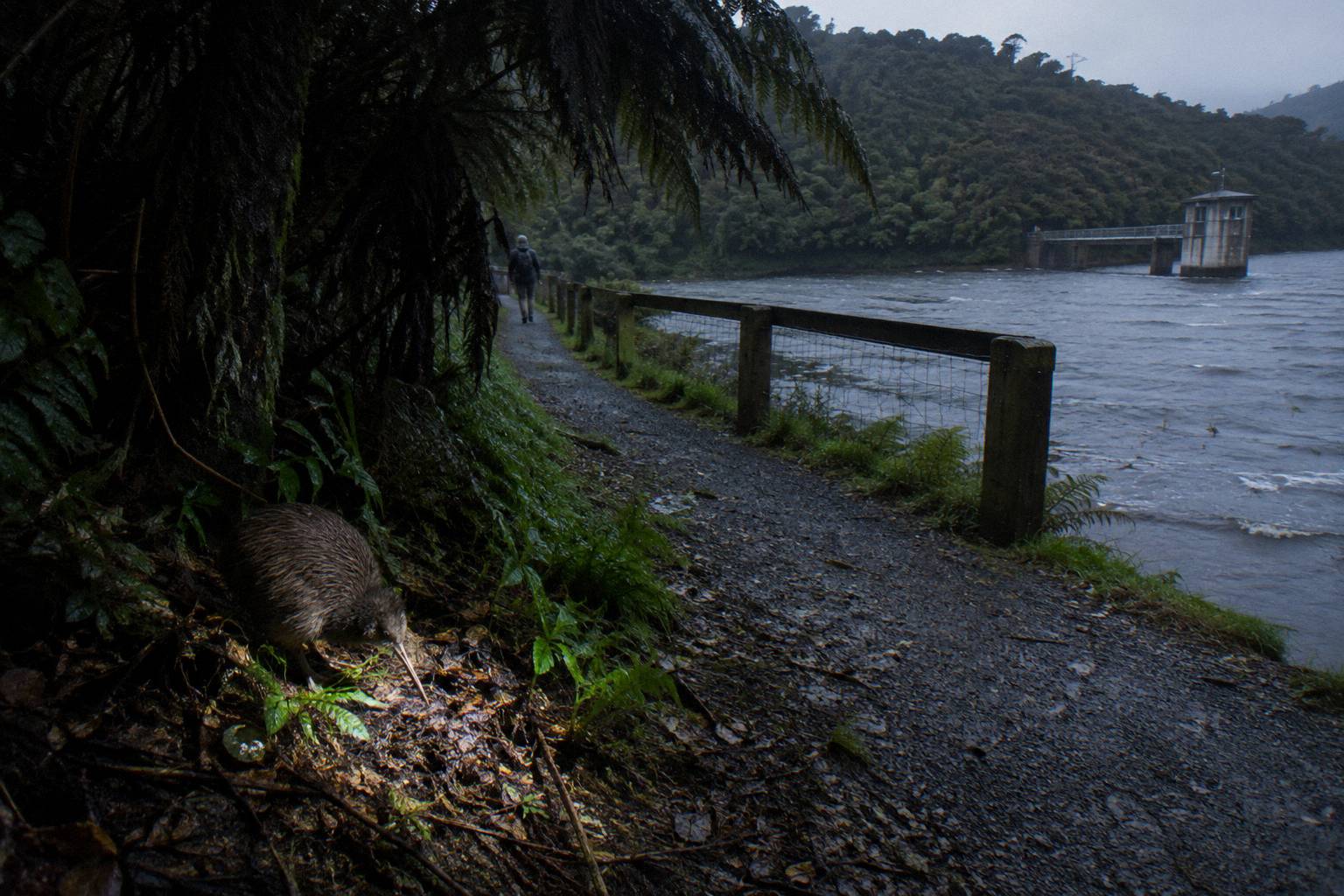
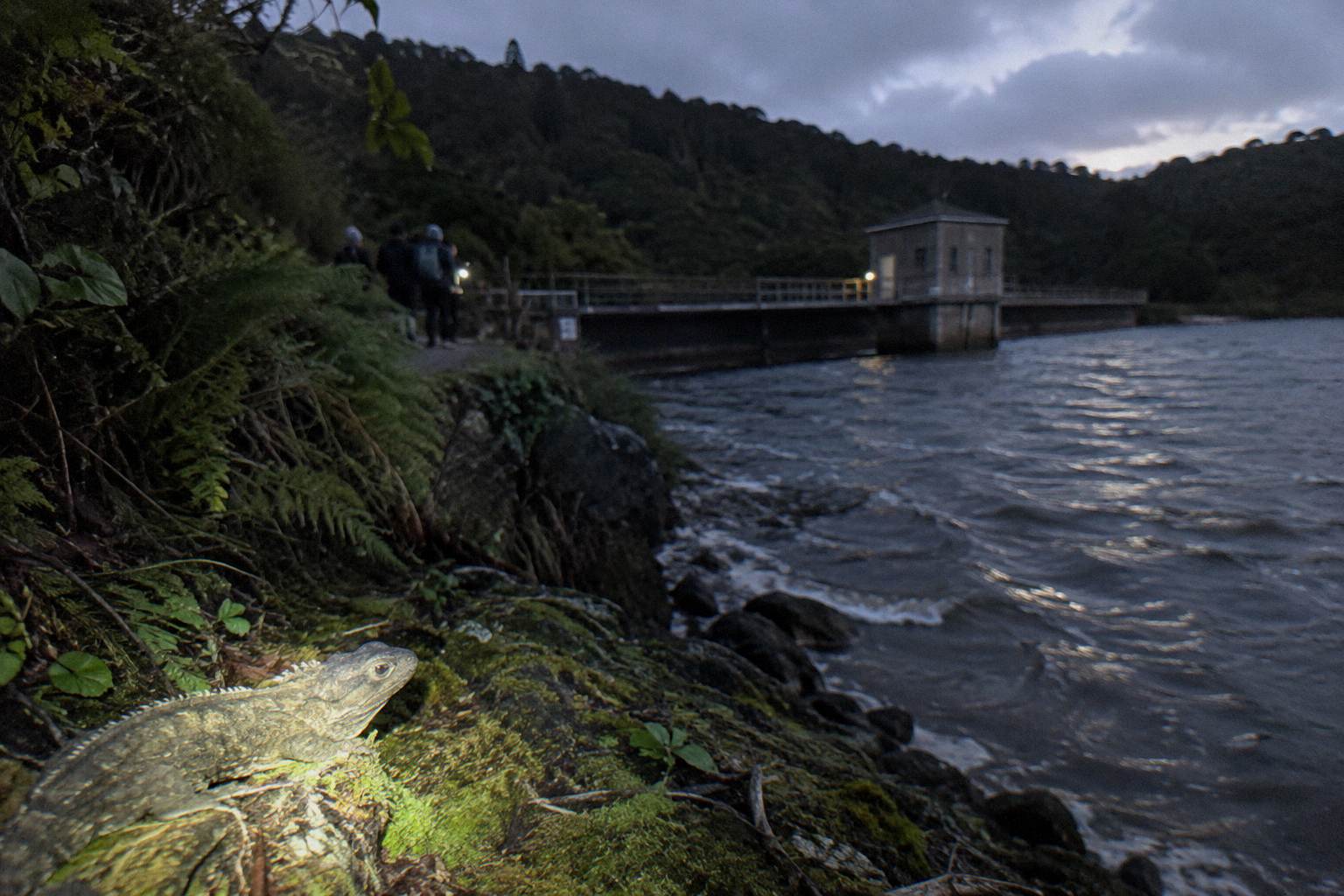
The answer sits in the sanctuary's own wording. The night tour page lists glow-worms, known in te reo Maori as titiwai, among the animals guides "might see" on the walk, alongside tuatara, takahe, little spotted kiwi, pateke, wetapunga, Hamilton's frog, ruru and kaka. The verb matters. Nothing on the official page converts any of those species into a commitment, and the strongest claim made about any animal on the tour concerns kiwi, which "are seen on most tours", with sightings "not guaranteed". Glow-worms get a softer line than that.
So the practical reading is this: the guides know where glow-worms tend to show on the valley's banks, they walk a torchlit route past those banks most nights, and they point the colonies out when they are showing. What the sanctuary will not do, on paper or in person, is tell you that you will see them, tell you where exactly they sit, tell you in which season they glow brightest, or tell you how many there are. None of that is published, and a page that invents a season or a count is guessing dressed up as fact.
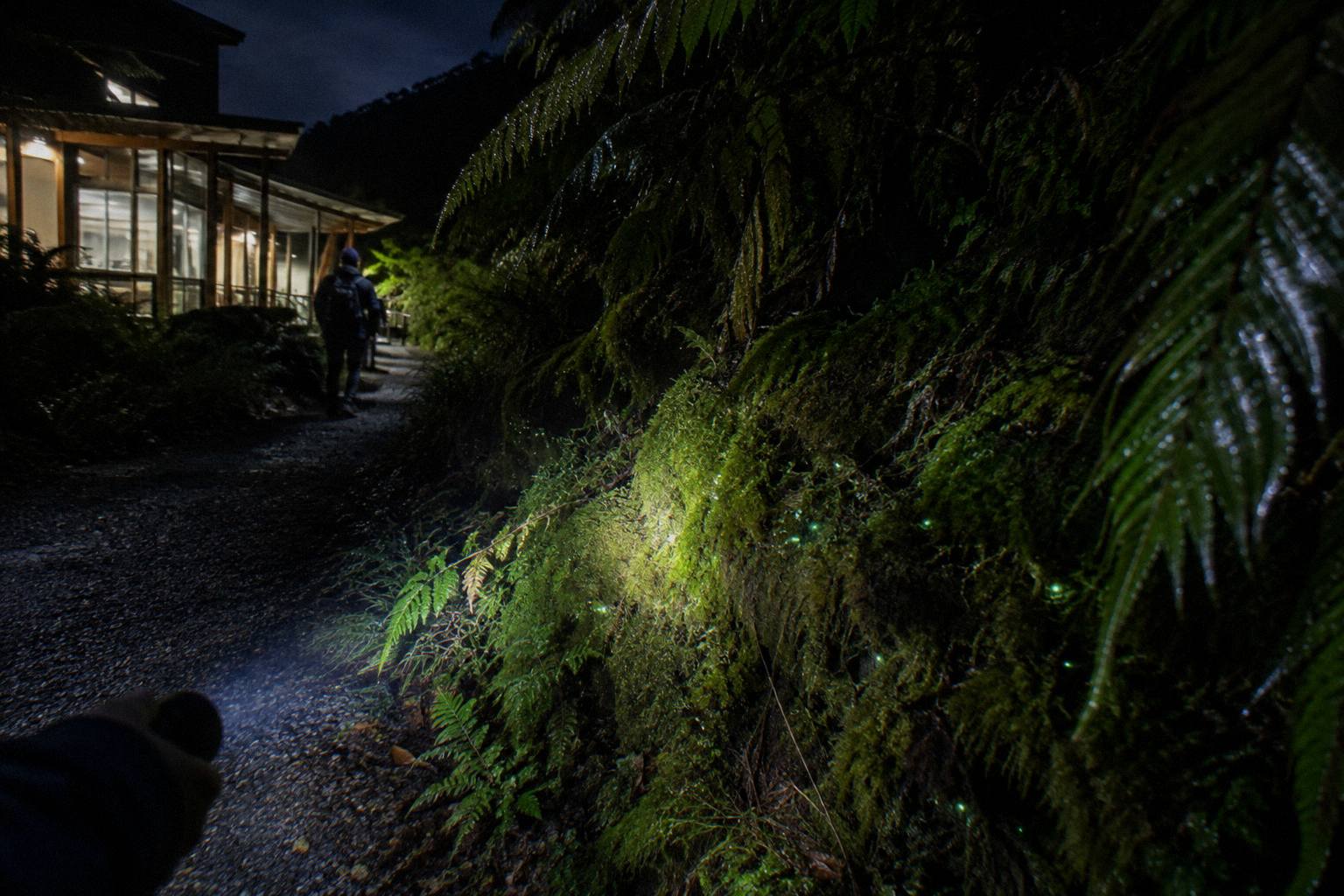
That matters because glow-worms are, for many visitors, the quiet second reason they booked a night walk at all. The headline animal is the little spotted kiwi, and the glow-worms along the banks are the consolation prize that often turns out to be the more reliable of the two. Guides on the Zealandia Day Tour site's covered walks will tell you the same thing in person: the banks hold what they hold, and the dark decides what you notice.
If glow-worms are the main reason you are weighing the night tour, the facts below, all drawn from the sanctuary's own tour pages and the booking listings, are what you actually have to work with.
What Affects Whether The Glow-Worms Show?
Whether glow-worms appear on your walk depends on three things the official facts name: the torchlit route the guides take through the valley, the banks where colonies hold on, and simple chance on the night. Darkness quality matters too, and the tour starts around dusk, a time that shifts with the season and is confirmed only at booking. No season claim is published, so treat any "best month" advice as hearsay.
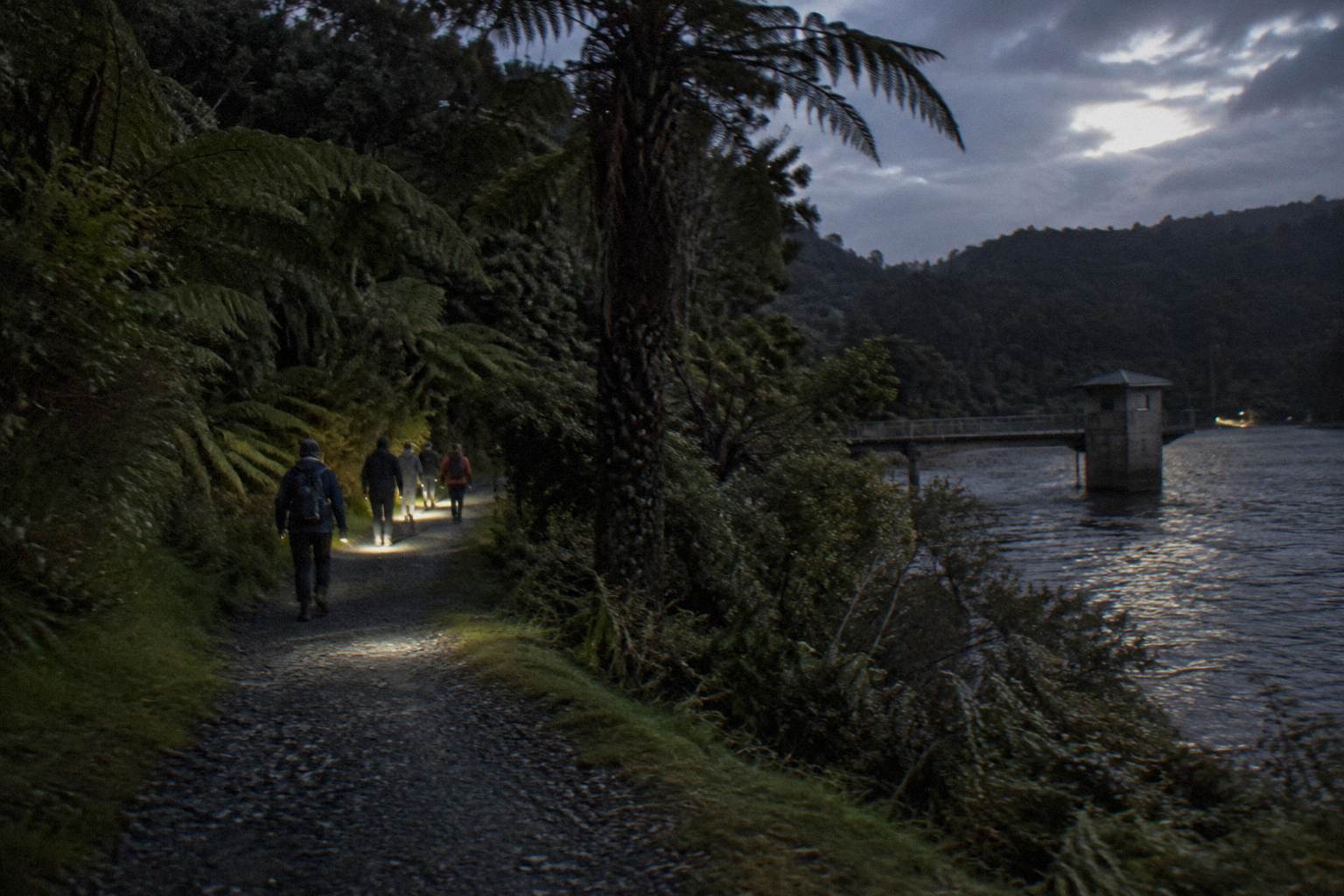
Start with the route. Zealandia By Night is described as a torchlit valley walk of about 2.5 hours, with torches supplied per the booking page. A guided torch in a fenced, predator-free valley is doing quiet double duty: it lights the track, and it lets a guide who knows the valley slow the group at the banks where glow-worms sit. That knowledge is the single biggest variable in your favour. A self-guided daytime visitor walks the same valley and sees almost none of this, because the sanctuary's own general admission page says nocturnal wildlife such as kiwi, ruru, weta and frogs are very unlikely by day. Glow-worms belong to that same after-dark economy.
Next, the banks. The official reptiles and tour pages say glow-worms are "pointed out in banks" by guides. That phrasing tells you the colonies are patchy rather than continuous, living in concentrations on certain bank faces rather than scattered evenly along every track edge. It also tells you the guides have locations they return to. What it does not tell you, and what no official page states, is which banks, how many colonies, or whether they glow all year. Any article that names a spot, a count or a season is writing fiction.
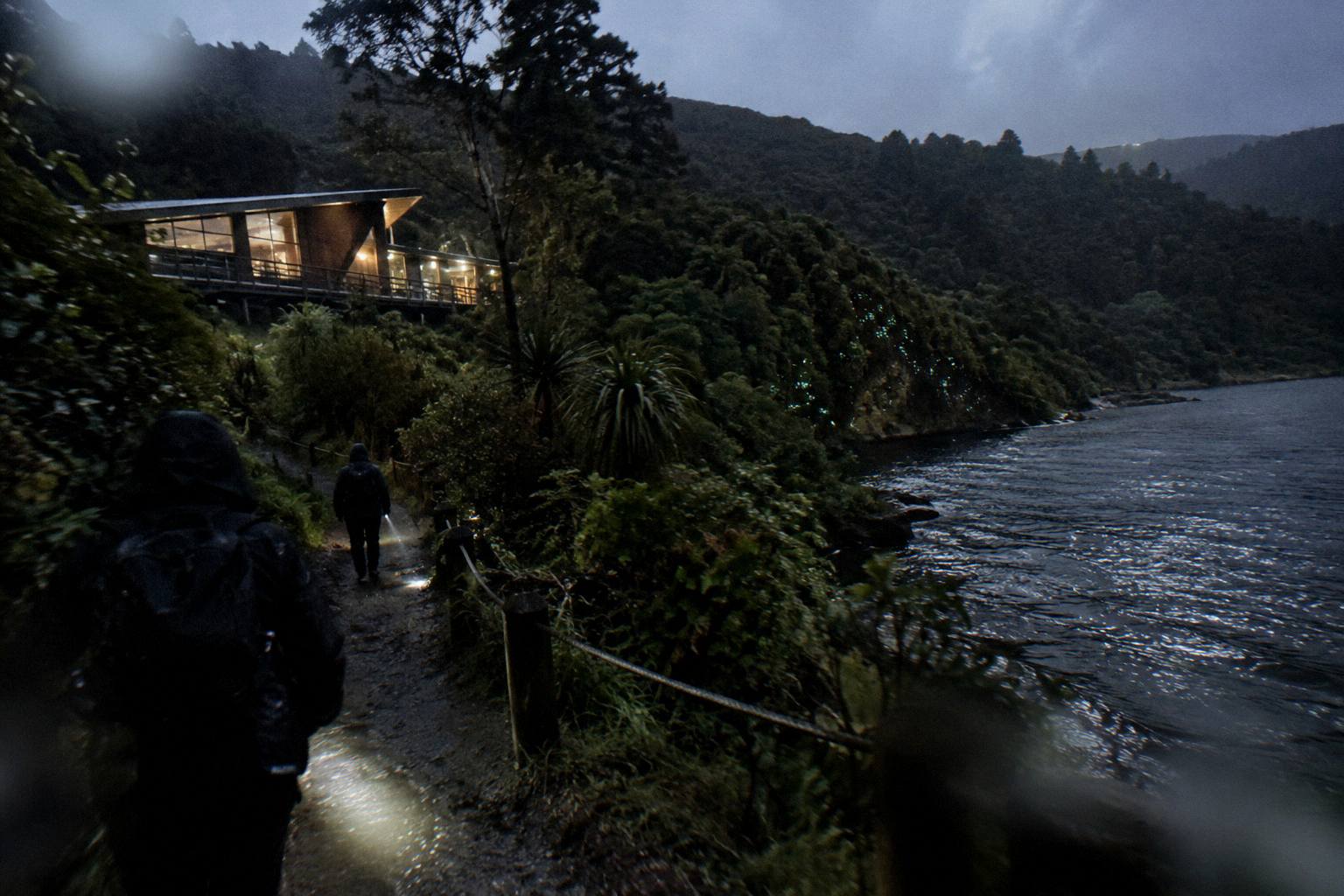
Then the chance element. Glow-worms are living insects in larval glow, and their display varies with conditions the sanctuary does not publish data on. The guides' list is candid about this by using "might see" language for every species, glow-worms included. Your group of up to 12 will be told what is showing that night, and the walk ends back at the visitor centre with a warm kawakawa, lemongrass and ginger tea regardless of what the valley produced.
A note on darkness itself: the tour departs around dusk and the start time is confirmed at booking, because dusk moves. Never print or expect a fixed clock time; the booking confirmation is the authority. That seasonal drift also means the character of the walk changes across the year, midsummer walks carry more twilight at the start, winter walks begin in deeper dark, and neither version is officially better for glow-worms.
Which Walks Pass Through The Glow-Worm Hours?
The four Zealandia tours divide cleanly for a glow-worm question: the night tour is the only one whose official page lists glow-worms at all, the twilight tour runs from daylight into dark and carries a dusk chorus, the plant walk is plants-led, and the day tour's page warns nocturnal species are very unlikely by day. Ratings sit at 4.8 across the board where they exist, and from-prices run NZ$70 to NZ$120.
Here is the lineup side by side, using only the printable figures from the sanctuary's own listings.
| Tour | Length | From price | Rating | Minimum age | Glow-worms listed? |
|---|---|---|---|---|---|
| Zealandia By Night | About 2.5 hours around dusk | NZ$120 per person | 4.8 from 164 reviews | 12 | Yes, as a chance |
| Zealandia Twilight Tour | About 2.5 hours, daylight into dark | NZ$110 per person | 4.8 from 84 reviews | 5 | Not stated on its page |
| Zealandia By Day | About 2 hours | NZ$70 per person | 4.8 from 252 reviews | None, under 5s free | No; nocturnal species very unlikely by day |
| Forest Secrets Plant Walk | About 2 hours, Sunday mornings | NZ$70 per person | New listing, no reviews yet | None | No; plants-led walk |
Read the glow-worm column carefully, because it is where most confusion starts. "Yes, as a chance" is the strongest statement any official source makes. The twilight tour's page talks about a dusk chorus and birds settling to nest, and it includes hot kawakawa tea, but it does not list glow-worms among its species. In practice a walk that finishes in darkness passes some of the same banks, but the sanctuary does not promise or even list that, so a glow-worm-motivated booker should choose the listing that actually names them.
The night tour also carries the strictest practical rules of the four. Service dogs are never admitted at night, families with children under 12 are pointed by the sanctuary toward the Twilight Tours and the Kids' Night Walks, and the minimum age of 12 is firm. Arrive at the visitor centre 15 minutes before the start, and know that after-hours entry is up the driveway to the right of the building, because you may not wait inside the sanctuary or visitor centre after closing.
Every tour ticket, on all four walks, includes a General Admission ticket valid for the tour day and the following day. That is a quiet but real part of the value: if the night tour leaves you wanting a second, slower look at the valley in daylight, you can walk back in the next day on the same ticket.
Which Tour Fits Which Traveller?
A glow-worm-motivated traveller with no children under 12 fits the night tour best, since it is the only listing that names glow-worms. Families with children aged 5 to 11 fit the twilight tour, which runs October to March. Travellers who want birds, reptiles and valley history in daylight fit the featured day tour, and plant-minded walkers fit the Sunday morning Forest Secrets walk.
The night tour suits patient adults who understand the deal. You are buying 2.5 hours with a guide who knows where nocturnal life sits, not a guarantee list. The torchlit route, the supplied torches, the ending tea at the visitor centre and the 4.8 rating from 164 reviews describe a walk that delivers an atmosphere independently of any single sighting. If a kiwi calls and the banks glow, the night exceeds its promise; if neither happens, the walk was still the only way to be in this valley after dark with someone who knows it.
The twilight tour, from NZ$110 per person, suits families the night tour cannot take and anyone who wants to watch the transition rather than arrive in full dark. It runs October to March on the sanctuary's own schedule, the Kids' Night Walks cover the April to September half of the year, and Hamilton's frog is listed as "sometimes seen" on both the night and twilight tours per the official reptiles page. Glow-worms are not on its page, so book it for the dusk chorus, not the banks.
The day tour, covered in full on the featured day tour page, suits the majority: it is the cheapest of the walks at NZ$70 per person, it has the deepest review pool at 252 reviews, it has no minimum age with under 5s free, and it is the one tour where the sanctuary's daylight species list, takahe, tuatara, hihi, kaka, tieke, toutouwai and pateke, plus tui, kereru and korimako, is actually in play. A reader deciding between the two should read whether a Zealandia guided tour is worth it before paying.
The plant walk, also from NZ$70, is the outlier: a new Sunday 10:30am listing with no reviews yet, led on how forest plants compete and adapt rather than on wildlife at all. It is a forest story, not a lights story.
| If you are... | Best fit | Why |
|---|---|---|
| An adult chasing glow-worms and kiwi chances | By Night | Only listing naming glow-worms; kiwi seen on most tours, never guaranteed |
| A family with children 5 to 11 | Twilight | Minimum age 5, October to March, dusk chorus and settling birds |
| A first-time visitor on a budget | By Day | From NZ$70, 252 reviews at 4.8, under 5s free, next-day admission included |
| A walker interested in plants | Forest Secrets | Plants-led Sunday walk, no minimum age, no reviews yet |
What Else Might You See After Dark?
The night tour's official species list, all phrased as chances, runs: tuatara, takahe, little spotted kiwi, pateke, wetapunga, Hamilton's frog, ruru, glow-worms and kaka. The kiwi line is the strongest claim on the page, "seen on most tours, sightings are not guaranteed", and little spotted kiwi are classified At Risk-Recovering. Takahe are Nationally Vulnerable.
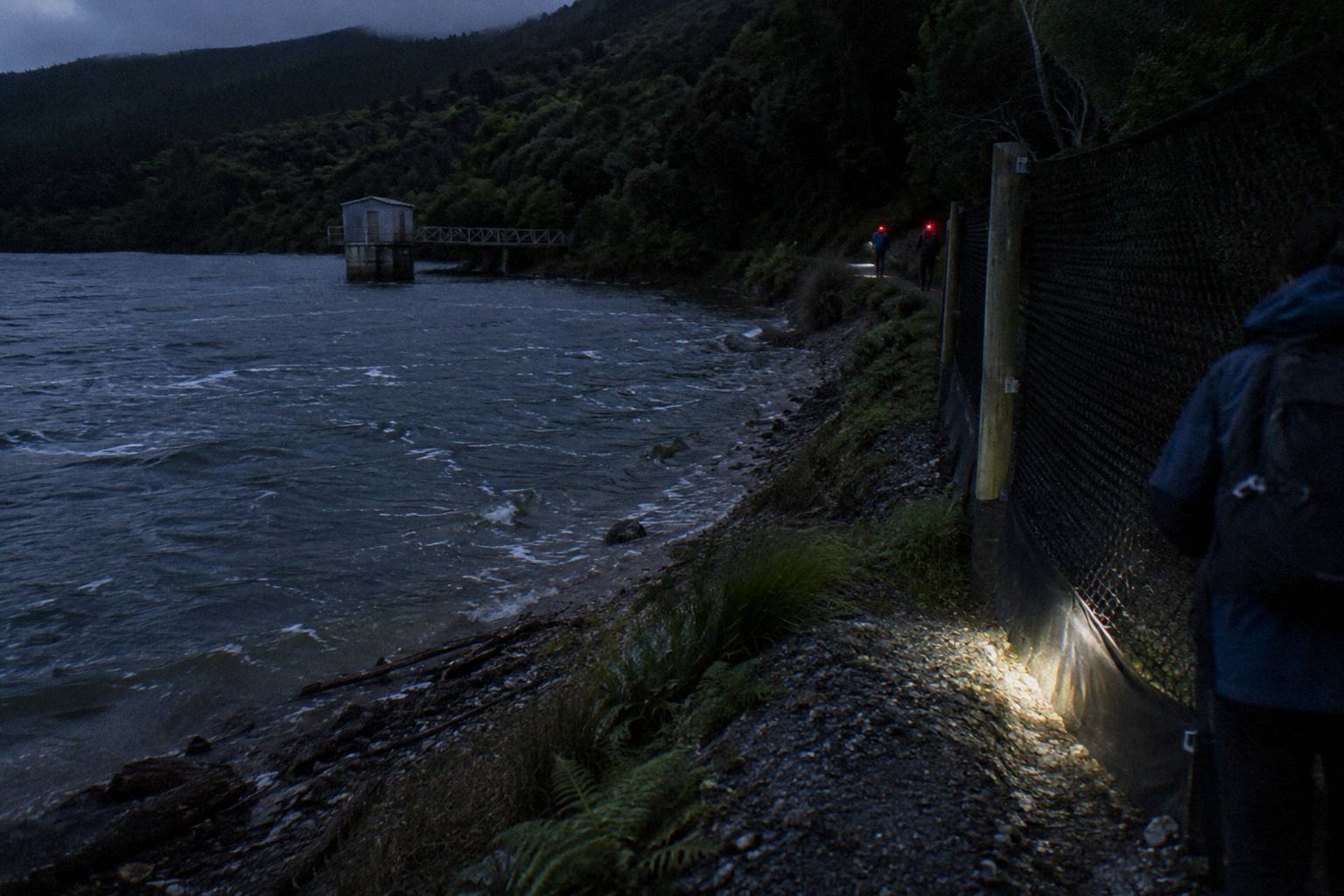
That list is unusual for an urban setting, and it exists because of the fence. Zealandia is the world's first fully fenced urban ecosanctuary, an 8.6 km predator-exclusion barrier finished in 1999, with possums and hedgehogs gone by the end of that year and the last rabbit removed in 2000. Thirteen mammalian species were eradicated in total. The valley's nocturnal community is a direct product of that engineering: little spotted kiwi, 40 birds brought in during 2000 and 2001 with the population now estimated in the hundreds, tuatara returned in 2005 and 2007 as the first mainland release, kaka back in the early 2000s, and a takahe pair since 2011.
Wetapunga and Hamilton's frog are the quiet stars many visitors miss. Hamilton's frog is "sometimes seen" on the night and twilight tours per the official reptiles page, which is a careful phrase: present, findable by a good guide, and by no means routine. Ruru, the morepork, are heard as often as seen, and their calls carry across the valley in a way a daytime visitor never experiences. Kaka can still be active at dusk, and their screech over the tree line is one of the sounds the night walk is known for.
The glow-worms fit into this list as the still, silent counterpoint to all the movement. While a guide scans for a kiwi moving through undergrowth or a tuatara on a warm surface, the banks simply hold their light. Titiwai, the Maori name used on the official pages, translates roughly to "lights reflected in water", and seeing them held on a dark bank inside a predator-free valley ten minutes from a capital city is a genuine oddity of Wellington's geography.
None of this is guaranteed, and that is the correct frame for the whole evening. What is guaranteed is the structure: about 2.5 hours, up to 12 people, a torchlit route, supplied torches, and a warm kawakawa, lemongrass and ginger tea at the visitor centre to finish.
How Do Cancellation And Booking Work?
All four tours carry free cancellation up to 24 hours before the start, and all four include General Admission for the tour day and the next day. The night tour runs nightly with groups of up to 12, the twilight tour runs October to March on the sanctuary's schedule, and the day tour runs daily with departures from 10am and more in summer. Book through the operator's live listing for current times.
The 24-hour window is the practical number to plan around. A night tour is often booked around a Wellington itinerary that includes late changes, dinners or a cruise departure, and the cancellation line means you can lock a dusk walk early without betting the schedule. Inside 24 hours, assume the booking stands.
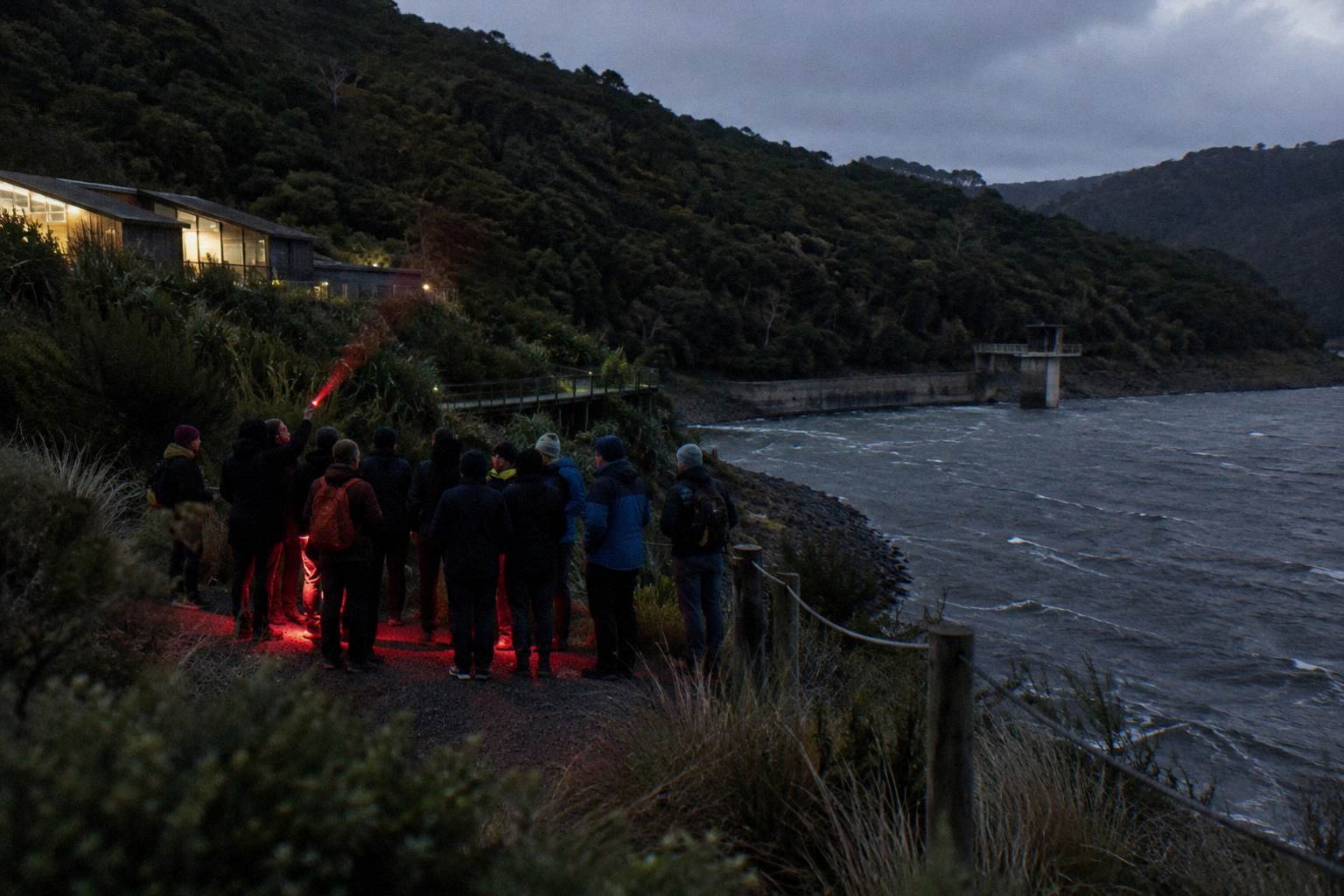
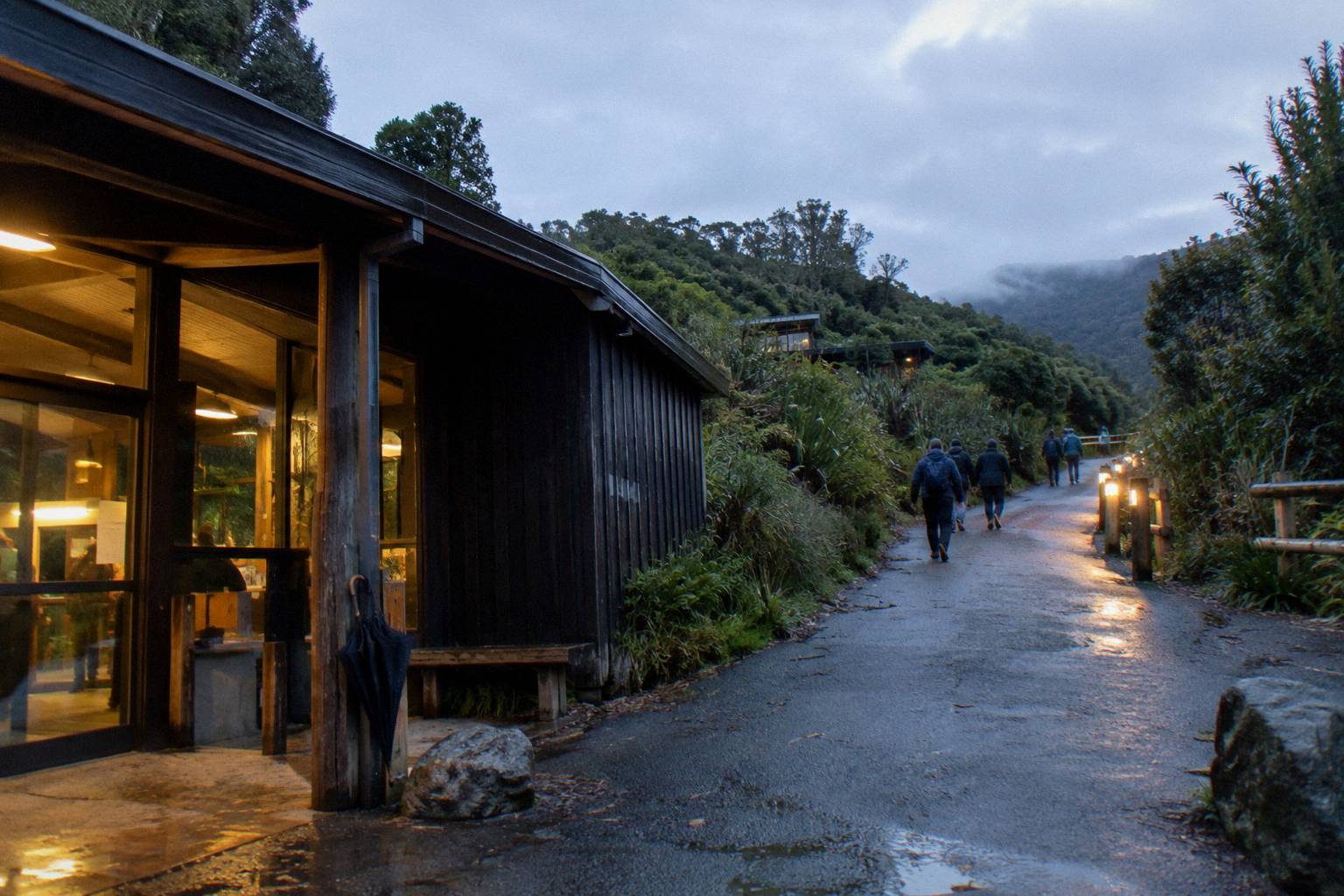
Group size shapes the experience more than most visitors expect. Twelve is the cap on all four walks, and on a night walk twelve torches is a lot of light moving through the valley, which is part of why guides manage the group's beam discipline near the banks. The tour meets inside the visitor centre at 53 Waiapu Road, Karori, and you should arrive 15 minutes early; after-hours entry, once the sanctuary has closed, is up the driveway to the right of the building.
Booking in advance matters most for the night tour in summer, when dusk falls late and demand for the kiwi walk peaks, and for the twilight tour, whose October to March season is fixed by the sanctuary's own schedule. A reader unsure on timing can check whether you need to book a Zealandia tour in advance for the fuller picture, including how the Mandarin-language day departures work, which need a minimum of four people and may be cancelled if that is not reached.
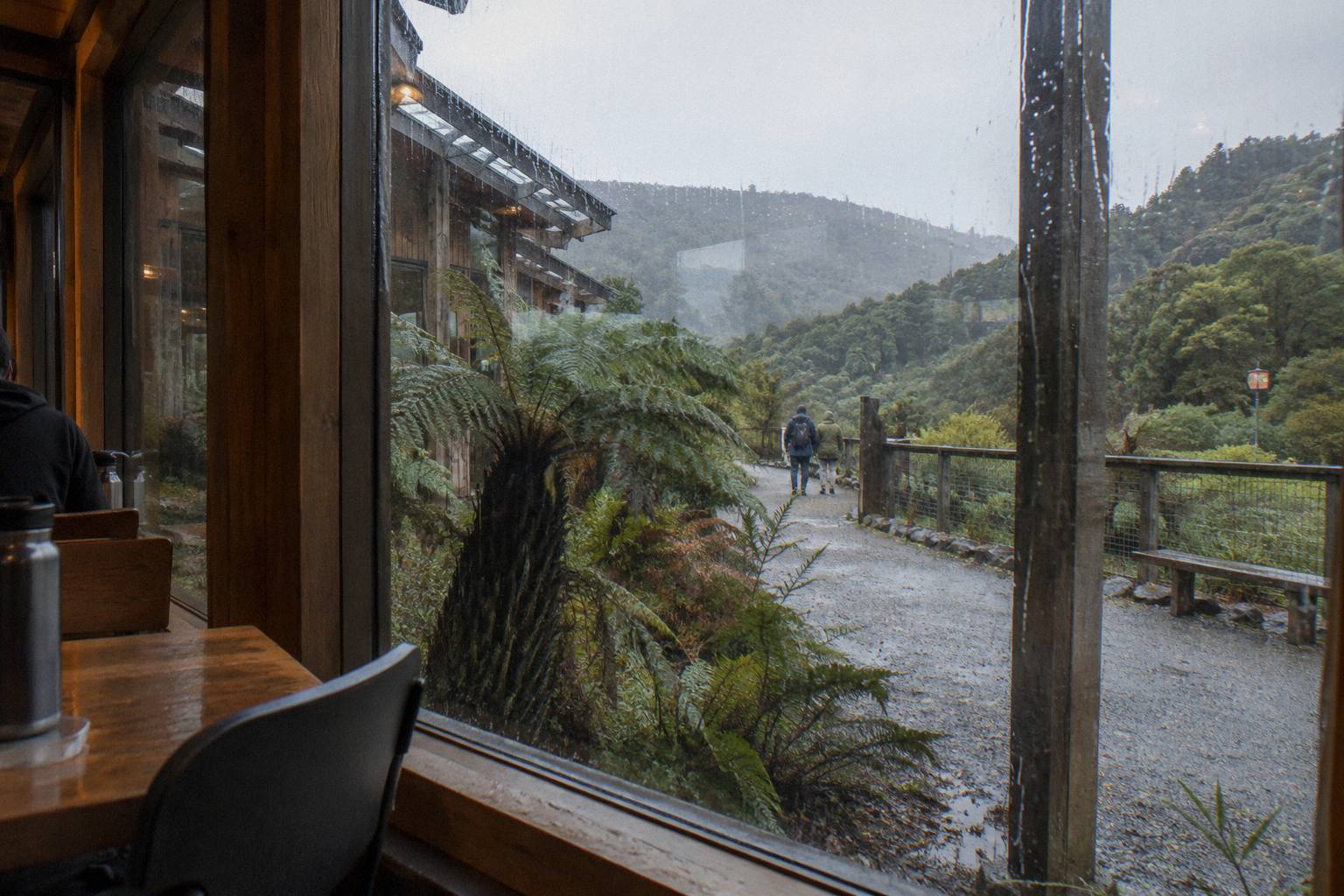
Getting there is its own small decision. A free electric shuttle runs from outside the Takina Convention Centre on Wakefield Street and from the top of the Cable Car, about 10 to 15 minutes to the sanctuary with 11 seats and no guaranteed space, though day tour ticket holders get priority seating if they arrive 10 minutes early. Night and twilight tours start after the day shuttle finishes, so plan a bus, taxi or the roughly five-minute walk from the Northland Road or Birdwood Street stops. No tour includes hotel pickup or drop-off.
What To Ask The Operator Before You Book
Ask three things when you book: whether glow-worms have been showing on recent walks, what the confirmed dusk start time is for your date, and what the weather plan is, since the walk runs in almost all weather and may be called off in extreme conditions. For accessibility questions, ask the operator directly and quote their own conditions rather than assuming.
The glow-worm question is fair to ask, even though the operator will not promise anything. Recent sightings are current knowledge a guide or booking desk has, and the answer, "they have been good this week" or "patchy lately", is information, not a guarantee. It calibrates your expectations before you pay NZ$120 per person. You can check availability on the operator's live listing and ask at the same time.
The start time question matters because "around dusk" is deliberately unspecific on every official page. The confirmed clock time is given at booking, and it can differ by hours between midsummer and midwinter. If you are fitting the walk around a dinner reservation or an early ferry the next morning, get the actual time in writing before you plan around it.
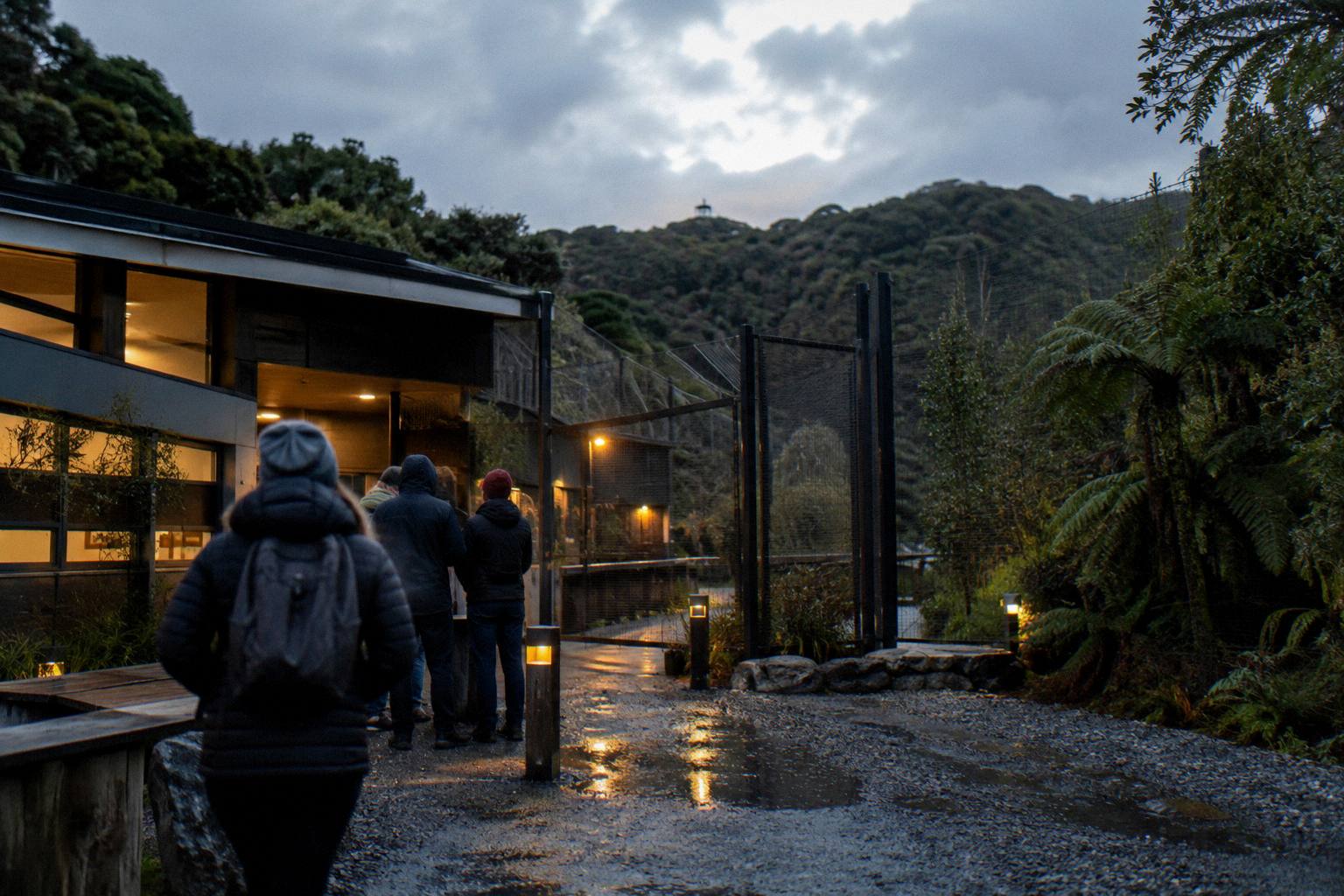
The weather question matters because the walk runs in almost all weather. Wellington delivers wind and rain year-round, and a torchlit valley walk in drizzle is a different experience from a still night. Ask what the operator's threshold is for calling a tour off, and how a cancellation on their side interacts with the free 24-hour cancellation policy.
Accessibility is the fourth plain question. The official accessibility page notes that much of the lower valley is wheelchair and pram friendly, with a lift in the visitor centre, free mobility scooters if you ask ahead, accessible toilets and a free companion entry, while the shuttle has no chairlift and the night walk covers uneven surfaces at a moderate level of walking. Only the operator can tell you whether the torchlit route suits your circumstances, so ask when you book rather than relying on any article, including this one. And note the firm rule: service and guide dogs, admitted by day with advance notice, are never admitted at night.
Common Mistakes
The common mistakes are booking the night tour with a child under 12, expecting a guaranteed kiwi or glow-worm sighting, assuming the day tour offers the same species, arriving without a plan for getting home, and printing a fixed start time in your own itinerary. Each of these contradicts a plain fact on the sanctuary's own pages.
The age mistake is the most common and the most avoidable. The night tour's minimum age of 12 is firm, and the sanctuary itself points families with younger children to the Twilight Tours, minimum age 5, October to March, and the Kids' Night Walks, April to September, also from age 5. A family that books a night tour with a 9-year-old is not arguing their way in at the door. The fuller family picture is in the kids and accessibility guide.
The expectation mistake is subtler. Visitors read "kiwi seen on most tours" as "I will see a kiwi", and the official line explicitly cuts that off with "sightings are not guaranteed". The same logic, at a softer level, applies to the glow-worm banks. The right mental model is a high-quality chance in the best possible setting, not a ticketed exhibit.
The day-tour mistake is assuming interchangeability. The day walk, from NZ$70, is a superb introduction to takahe, tuatara, hihi and kaka in daylight, but the sanctuary's own general admission page states that nocturnal wildlife, especially kiwi, is very unlikely by day. Glow-worms are simply not a day prospect. The two walks are complements, not substitutes, and the next-day admission included with every tour ticket is the sanctuary quietly encouraging you to do both.
The logistics mistake is the homeward journey. The free shuttle's priority seating applies to day tour ticket holders arriving 10 minutes early; night and twilight tours start after the day shuttle, and no tour includes hotel pickup or drop-off. Know your bus stop, your taxi plan or your parking before the walk ends over tea at the visitor centre, in the dark, in Karori.
The itinerary mistake is the fixed clock time. Every source says the night tour starts around dusk with the time confirmed at booking. Writing "8pm glow-worm tour" into a schedule before booking is inventing a fact, and in midwinter or midsummer it will be wrong in opposite directions.
Common Questions About Glow-Worms On The Zealandia Night Tour
Are There Glow-Worms On The Zealandia Night Tour?
Yes, as a chance. Glow-worms are on the night tour's official species list, and guides point them out in banks along the torchlit walk, but they are never promised, and no official source states where, when or how many.
Are Glow-Worm Sightings Guaranteed?
No. Every species on the tour's list, glow-worms included, is phrased as a chance. Even the kiwi, "seen on most tours", carries the explicit note that sightings are not guaranteed.
Can Children See Glow-Worms At Zealandia?
Not on the night tour, which has a minimum age of 12. Families with children aged 5 and over are pointed by the sanctuary to the Twilight Tours, October to March, and the Kids' Night Walks, April to September.
Which Tour Should I Book For Glow-Worms?
The night tour, from NZ$120 per person, is the only listing that names glow-worms. The twilight tour, from NZ$110, finishes in darkness but does not list them; the day tour's page says nocturnal species are very unlikely by day.
How Long Is The Night Tour?
About 2.5 hours around dusk, in a group of up to 12, with torches supplied, ending with a warm kawakawa, lemongrass and ginger tea at the visitor centre. The confirmed start time is given at booking.
Can I Cancel If The Weather Looks Bad?
Free cancellation applies up to 24 hours before the start on all four tours. The walk runs in almost all weather and may be called off by the operator in extreme conditions.