Is A Zealandia Guided Tour Worth It?
A decision-focused look at whether a Zealandia guided tour is worth the money, comparing the four guided walks on facts: price, group size, what a guide adds, and cancellation terms.
For most first-time visitors, yes: a guided walk is the better use of the entry money, because the guides carry the knowledge that the valley itself does not display. Zealandia By Day runs about 2 hours in a group of up to 12, from NZ$70 per person, rated 4.8 from 252 reviews, and every tour ticket includes General Admission for the tour day and the next day, so nothing is lost against going alone. The people who skip the guide are usually return visitors, birders who bring their own expertise, or travellers on a strict budget.
That is the short version. The longer version is that "worth it" is not one question but several, and the answer shifts depending on whether you are a family, a photographer, a solo traveller with two hours to spare, or someone who has already walked the lower valley once. This article does not hand down a verdict. It lays out the verifiable facts for each of the four guided walks, what a guide demonstrably adds, how the booking and cancellation terms work, and the mistakes that cost people money or sightings.
The four tours in the lineup are Zealandia By Day, Zealandia By Night, the Zealandia Twilight Tour and the Forest Secrets Plant Walk. Each has a defined length, group cap, minimum age and from-price, and those numbers, not marketing language, are what a worth-it decision should rest on. The featured walk, Zealandia By Day, is the natural starting point because it carries the largest review pool and the lowest from-price of the three rated tours.
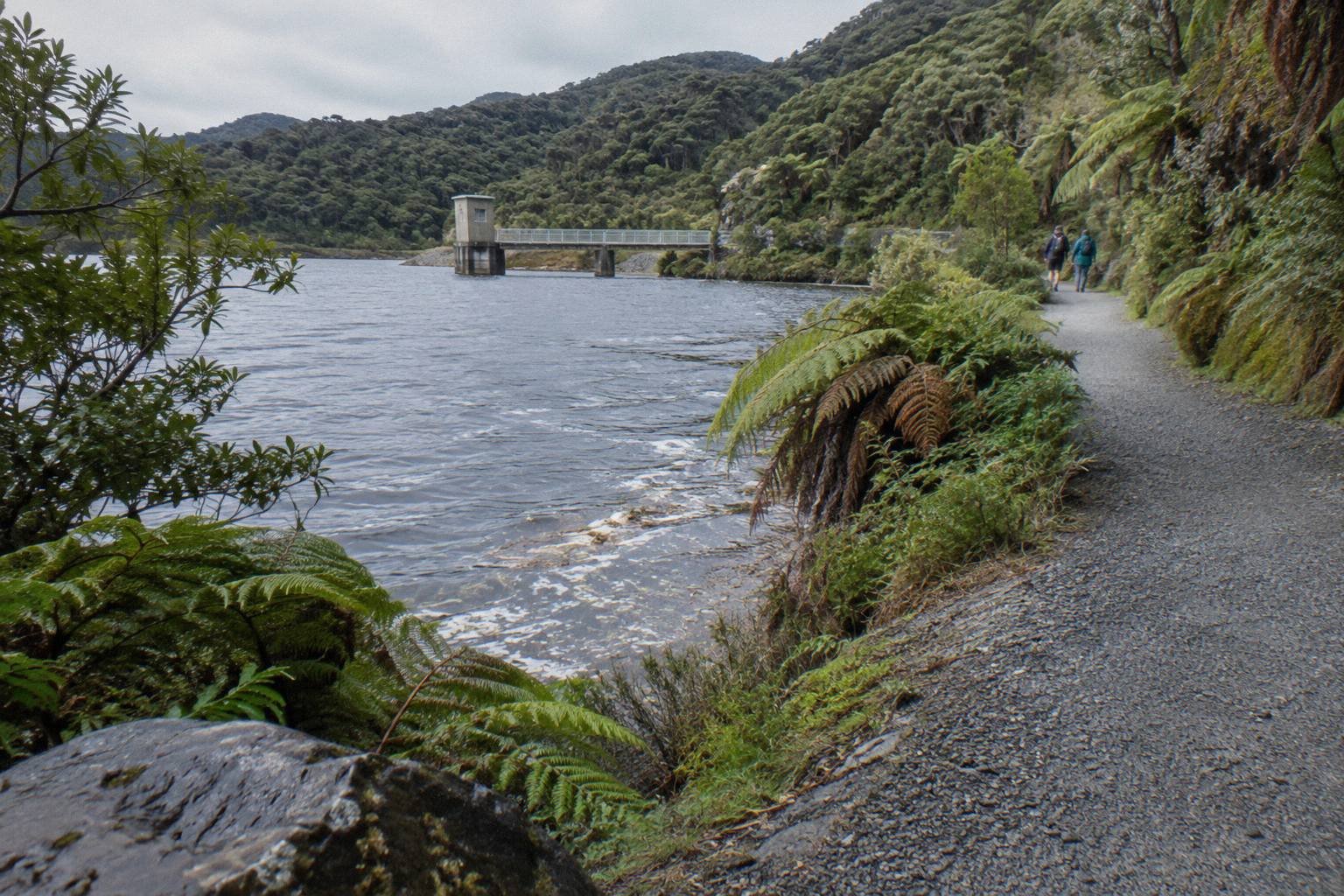
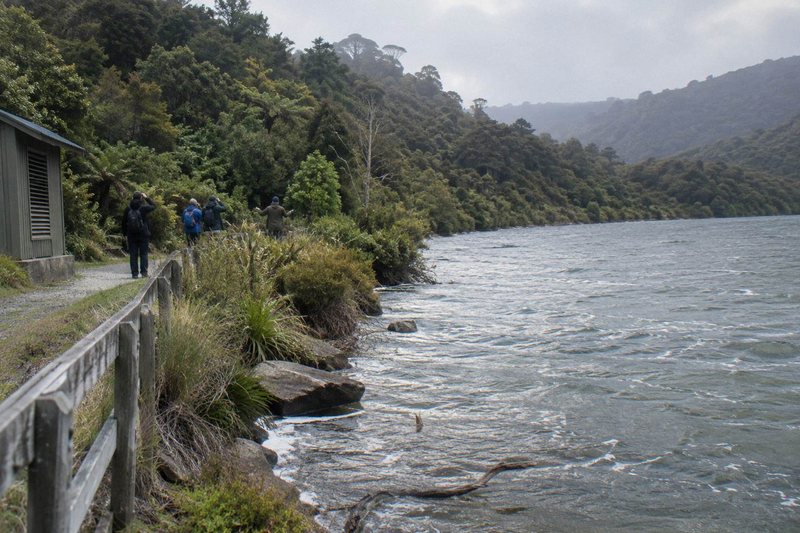
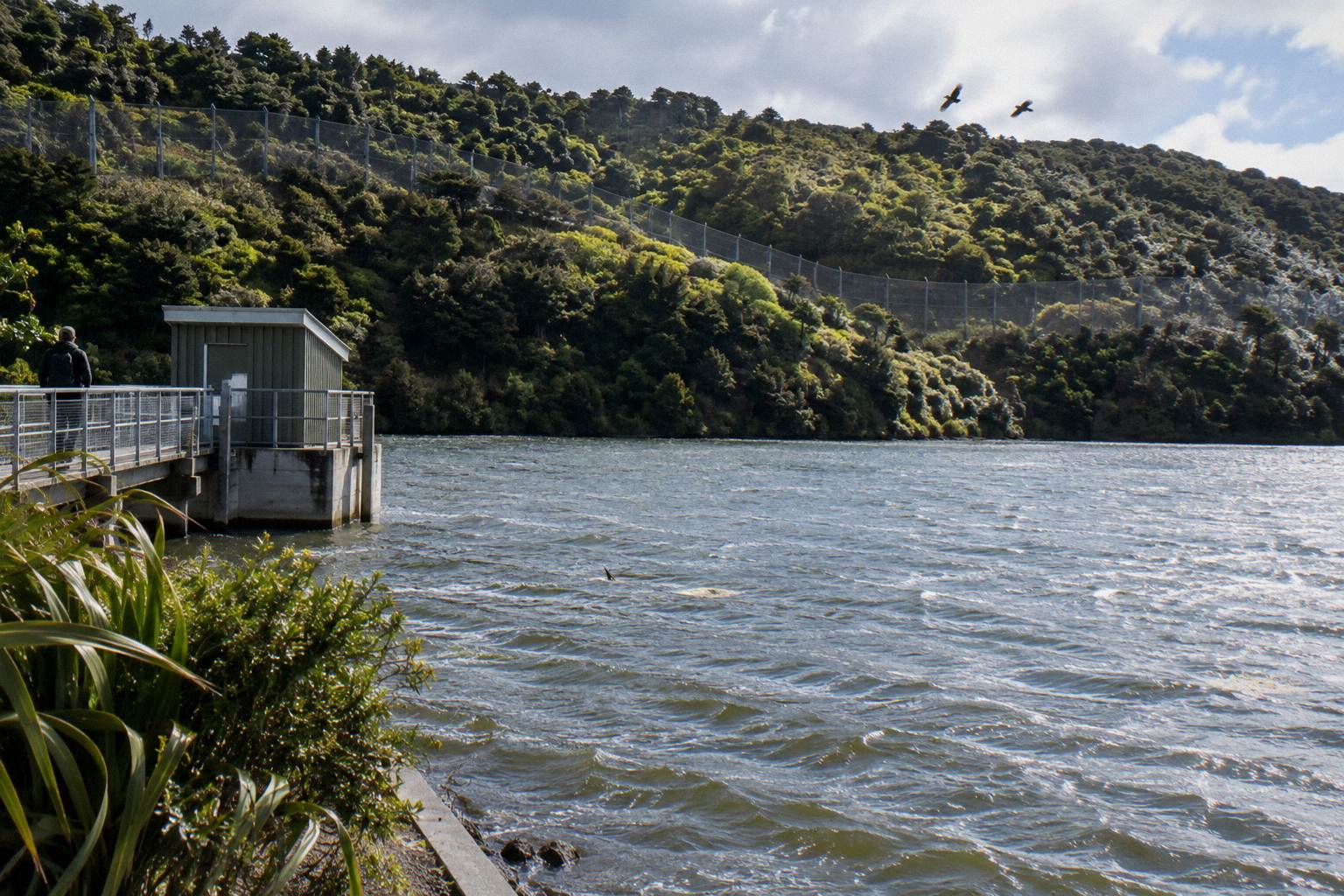
It also helps to know what the sanctuary is before judging the price. Zealandia is a 225-hectare valley behind an 8.6 km predator-exclusion fence finished in 1999, the world's first fully fenced urban ecosanctuary, with more than 32 km of tracks. It is run by a not-for-profit trust with more than 500 volunteers, and it won the 2023 Air New Zealand Supreme Tourism Award. A tour fee funds that work as much as it buys your two hours.
What Decides Whether The Price Is Worth It?
Start with knowledge. The sanctuary's own day-tour page lists what guides look for: takahe, tuatara, hihi, kaka, tieke, toutouwai and pateke, plus tui, kereru and korimako. To a local birder those names carry pictures and calls; to a visitor newly off a long-haul flight they are words on a board. A takahe standing in grass looks, to most untrained eyes, like a large pukeko, and the difference between the two is precisely the kind of thing a guide exists to point out. That knowledge gap is the single strongest predictor of whether a tour feels worth it.
Age comes second. Zealandia By Day has no minimum age and under 5s go free, with pushchairs fine on much of the lower valley, so families with small children fit it without compromise. Zealandia By Night carries a minimum age of 12, and the sanctuary itself points families with younger children to the Twilight Tour, which runs from daylight into dark with a minimum age of 5. Choosing against those constraints does not save money; it cancels bookings.
Time of day matters more here than at most attractions because the wildlife shifts. The official General Admission page is blunt that nocturnal wildlife, especially kiwi, is very unlikely by day. Anyone whose main goal is a little spotted kiwi is not choosing between tours on price; they are choosing between a day walk and a dusk or night walk, and no day ticket delivers that sighting. The 40 little spotted kiwi brought in during 2000 and 2001 have grown to a population estimated in the hundreds, but they are active after dark, and they are seen on most night tours with sightings never guaranteed.
Finally, the second-day admission. Every tour ticket includes General Admission valid for the tour day and the next, so a guided walk effectively prices the guide component as the margin over a two-day entry. A visitor with only one afternoon in Wellington may never use day two, which changes the arithmetic slightly, while a visitor with a relaxed itinerary gets a free self-guided return trip to look for whatever the guide flagged. That return trip, with fresh knowledge, is where many people say the guided fee quietly paid for itself.
Which Tour Fits Which Traveller?
The decision table below matches traveller types to the walk that fits the stated facts. It is planning logic, not a promise: wildlife on every tour is a chance, never a guarantee, and the night tour's own wording says that while little spotted kiwi are seen on most tours, sightings are not guaranteed.
| Traveller type | Best fit | Why, in the lineup facts |
|---|---|---|
| Family with under 5s | Zealandia By Day | No minimum age, under 5s free, pushchairs fine, about 2 hours |
| Family with children 5 to 11 | Twilight Tour | Minimum age 5, runs October to March, hot kawakawa tea included |
| Adults chasing a kiwi sighting | Zealandia By Night | Around dusk, about 2.5 hours, kiwi seen on most tours, never guaranteed |
| Plant and forest nerd | Forest Secrets Plant Walk | Sunday 10:30am, plants-led, up to 12 people, from NZ$70 |
| Cruise or short-stay visitor | Zealandia By Day | Daily, departures from 10am, more in summer, second-day admission as a bonus |
| Returning visitor | By Night or Twilight | A different valley after dark, same fence, different wildlife window |
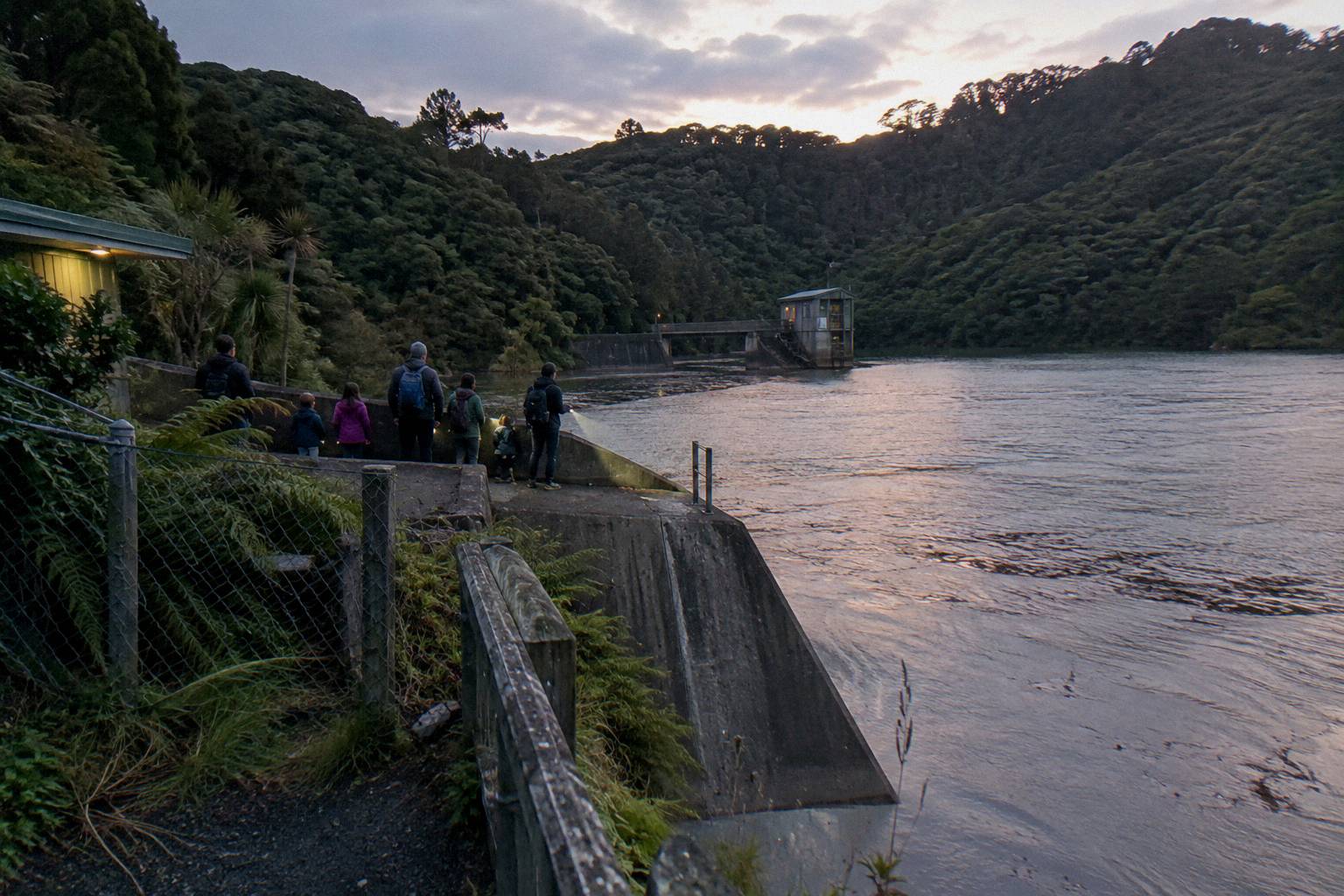
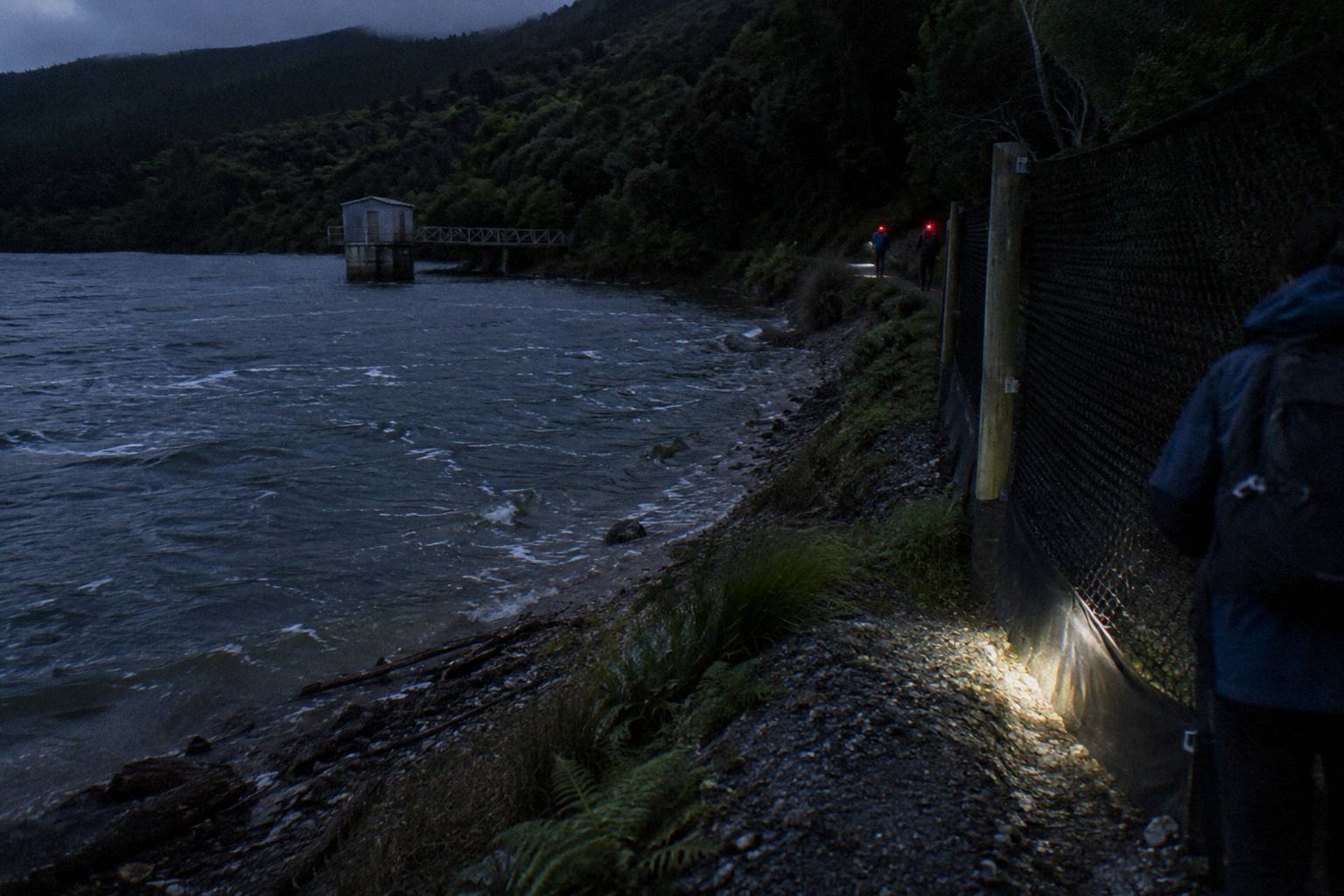
Two fit notes deserve expansion. The night tour ends with a warm kawakawa, lemongrass and ginger tea at the visitor centre, a small thing that lands well after 2.5 hours on a torchlit valley walk, with torches supplied. And the twilight option is the underrated one for families: it catches the dusk chorus and birds settling to nest before full dark, holds the minimum age at 5 rather than 12, and still finishes with hot kawakawa tea. The sanctuary also runs Kids' Night Walks from April to September for the same age floor, listed on its official tickets and tours page.
For solo travellers and couples without children, the framing is that all four tours work, and the choice collapses to time of day and price. By Day from NZ$70 and Forest Secrets from NZ$70 sit at the bottom of the range; Twilight from NZ$110 and By Night from NZ$120 sit above it, reflecting the longer 2.5-hour format and the dusk window. The price varies by date and the booking page confirms it.
If the kiwi question is the one driving your decision, the Zealandia Day Tour site's night-tour coverage is worth a read before you commit, because the night walk is a genuinely different product from the day walk rather than a longer version of it.
What Do Price, Rating And Group Size Say For Each Walk?
| Tour | From-price | Length | Group cap | Minimum age | Rating |
|---|---|---|---|---|---|
| Zealandia By Day | NZ$70 per person | About 2 hours | Up to 12 | None, under 5s free | 4.8 from 252 reviews |
| Zealandia By Night | NZ$120 per person | About 2.5 hours | Up to 12 | 12 | 4.8 from 164 reviews |
| Zealandia Twilight Tour | NZ$110 per person | About 2.5 hours | Up to 12 | 5 | 4.8 from 84 reviews |
| Forest Secrets Plant Walk | NZ$70 per person | About 2 hours | Up to 12 | None | New listing, no rating yet |
Read the columns rather than the scores. All three rated walks hold 4.8, but the review counts differ by an order of magnitude, and comparing them against each other as better or worse would be reading meaning into sample sizes. What the table actually shows is a coherent product family: a 12-person cap everywhere, a two-hour daytime format at NZ$70, and a 2.5-hour dusk format at NZ$110 to NZ$120 where the premium buys the dark and the wildlife window that comes with it.
The Forest Secrets Plant Walk deserves its own sentence rather than being treated as an afterthought. It is plants-led rather than wildlife-led: the guide's material is how forest plants compete and adapt, not where the takahe hangs out. It runs at 10:30am on Sunday mornings per the sanctuary's own page, in the same up-to-12 group format, at the same from-price as the day walk, and it has no reviews yet purely because the listing is new. No rating is not a bad rating; it is an absence of data, and it should be printed as such.
The day walk's printable detail is the fullest in the lineup. It departs daily with departures from 10am and more in summer, starts with a short intro video inside the visitor centre, then moves onto slopes, gravel and uneven ground: the official wording calls it not a strenuous walk but one needing reasonable fitness. Sturdy shoes, warm clothes and a waterproof layer are the stated kit, and the tour runs in almost all weather. Mandarin-language departures exist and need a minimum of four people, with the tour possibly cancelled if that number is not reached, which matters if you are booking a language-specific slot late.
Every ticket across all four tours includes a General Admission pass valid for the tour day and the following day. Separately, self-guided General Admission exists, valid for two consecutive days, sold at the Level 1 desk, with pre-school children free and no need to pre-purchase; see the official General Admission page for its prices, which we do not print here.
What Does A Guide Actually Add On The Ground?
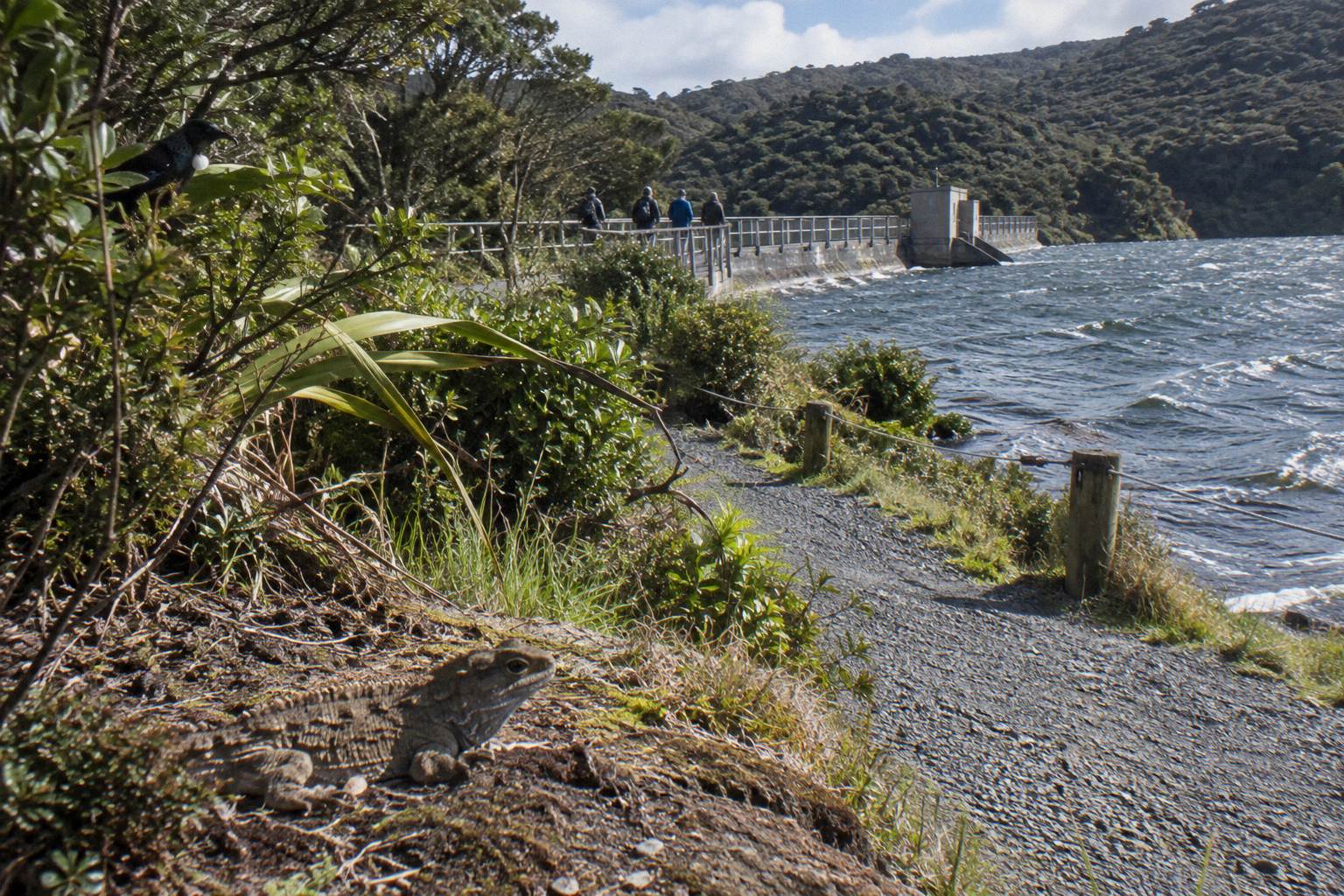
The eyes are the practical core of it. Tuatara returned to the valley in 2005 and 2007 in the first mainland release of its kind, and they bask motionless in colours that blend into rock and scrub. A takahe pair arrived in 2011; takahe are Nationally Vulnerable, and they do graze in the open, but knowing where to stop and look is not obvious on 32 km of track. Kaka returned in the early 2000s and are loud, which helps, but hihi, tieke, toutouwai and pateke are quiet, fast and easy to walk past. The sanctuary phrases all of these as might-see species, and the guide's contribution is raising the odds of actually seeing them, not guaranteeing anything.
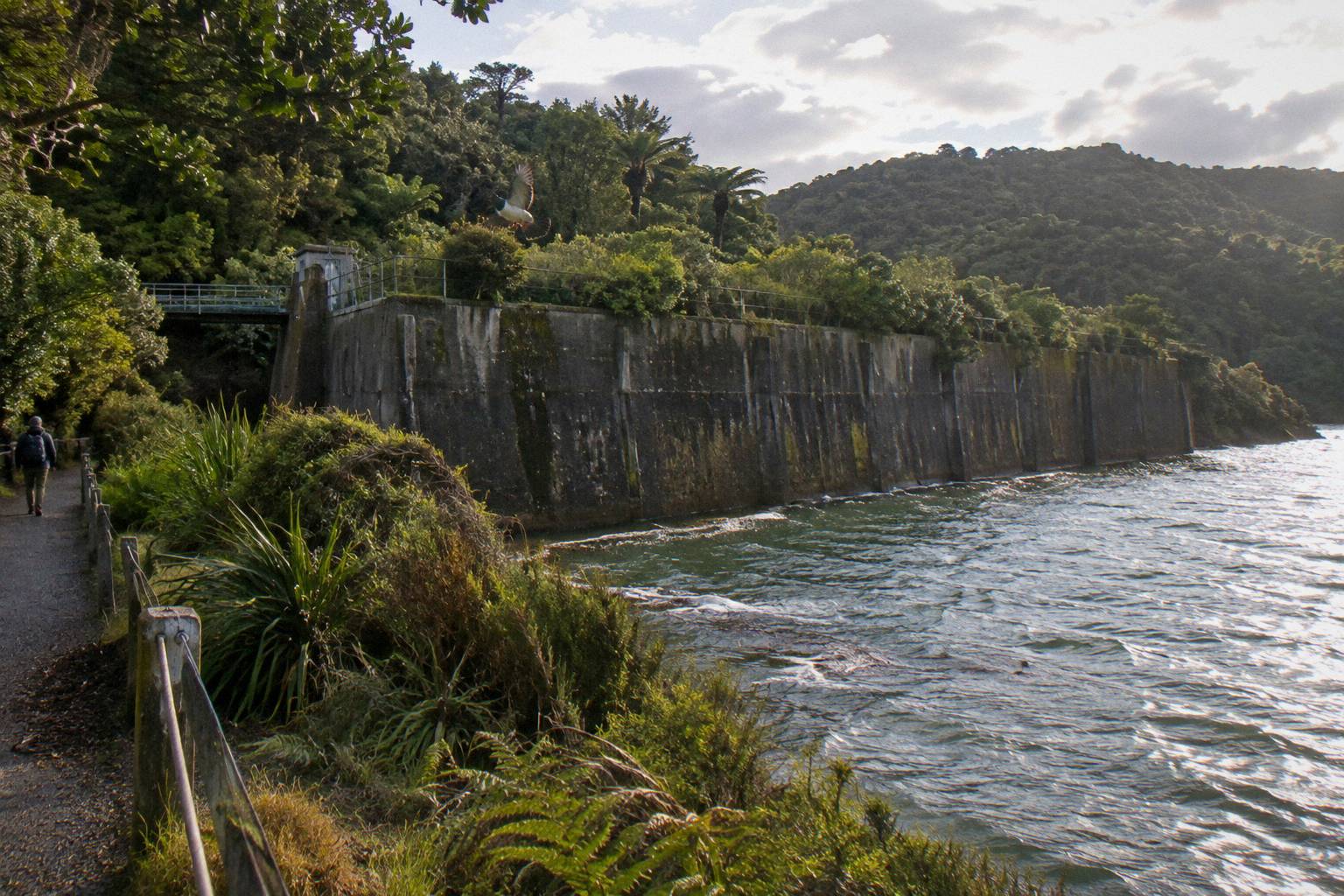
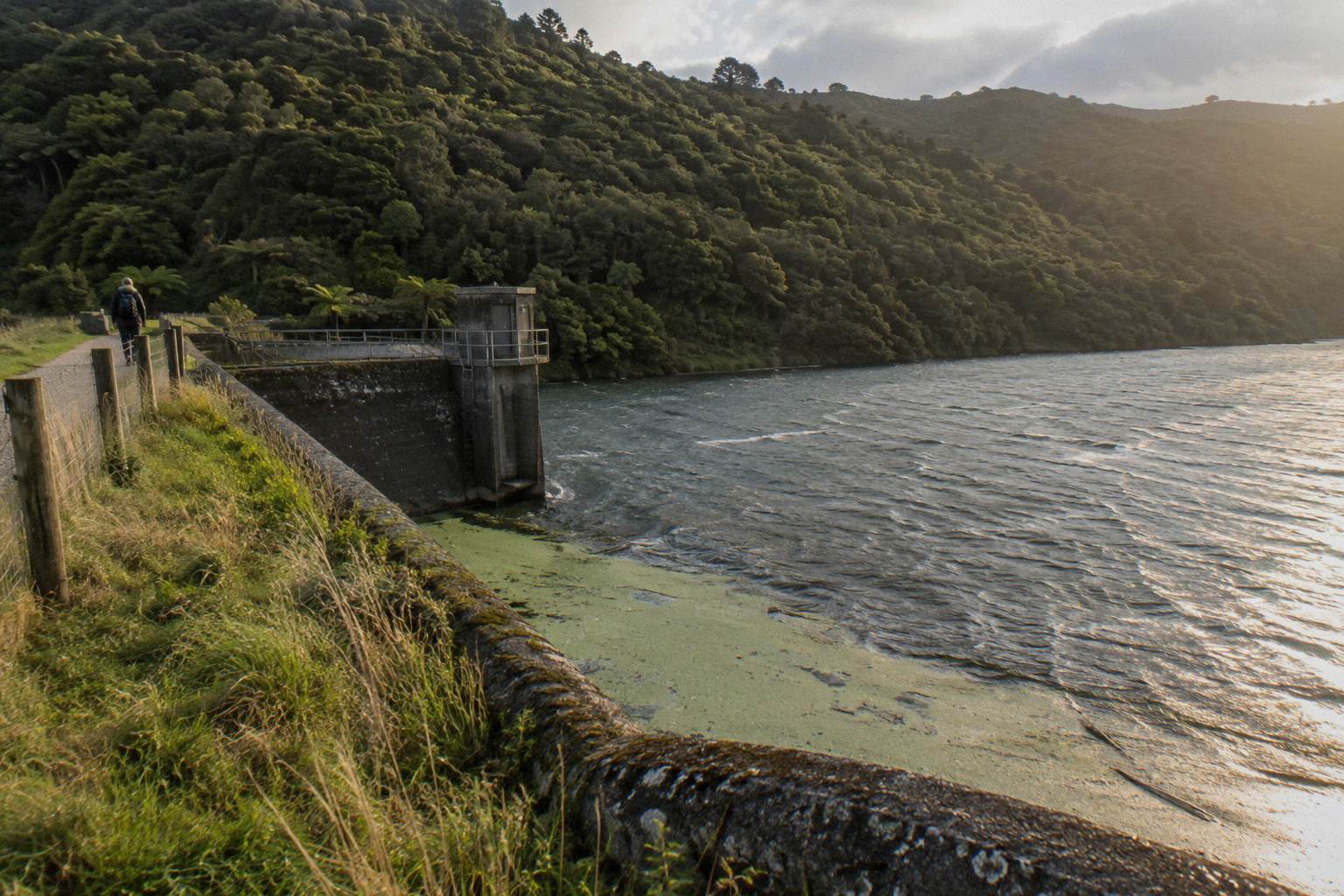
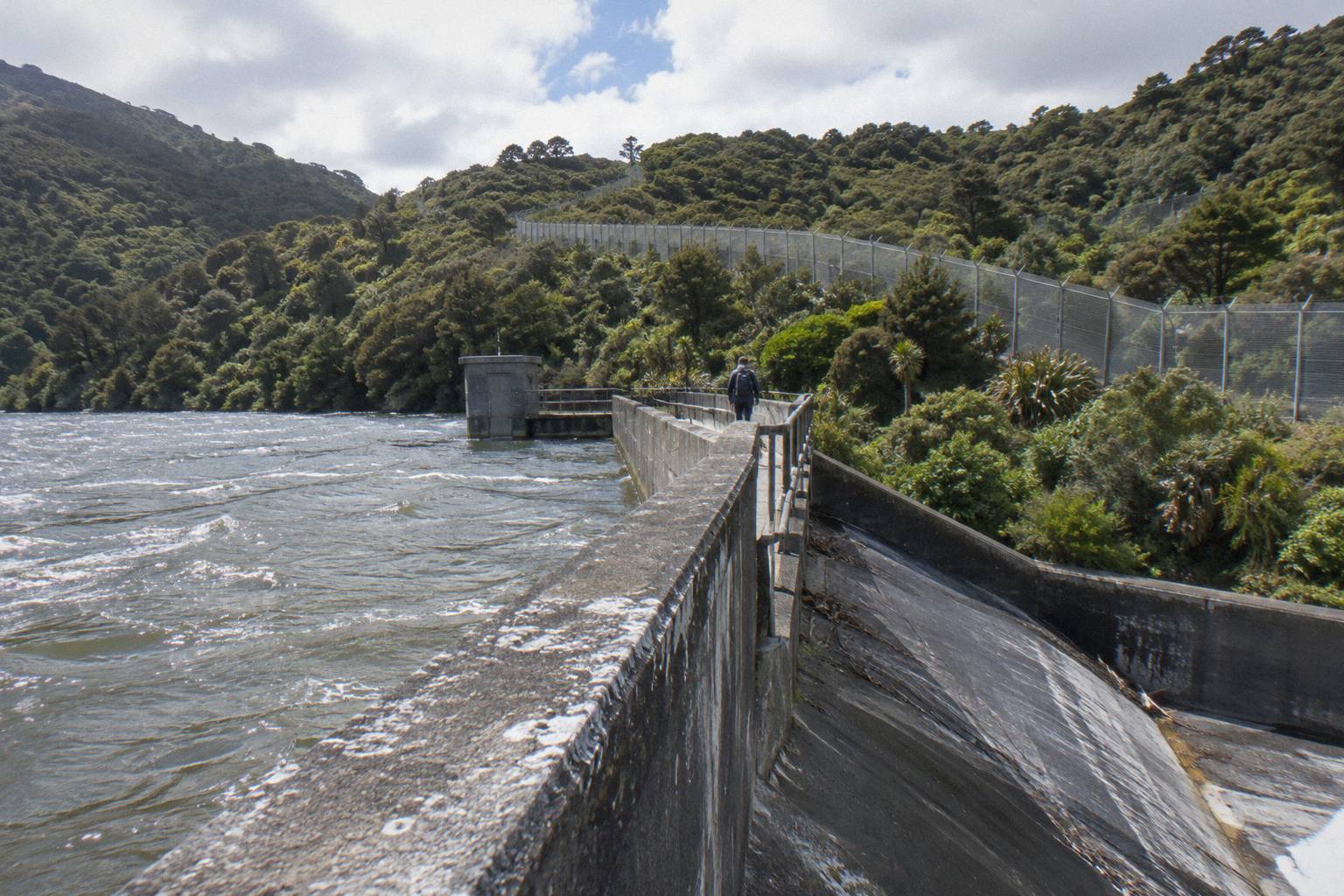
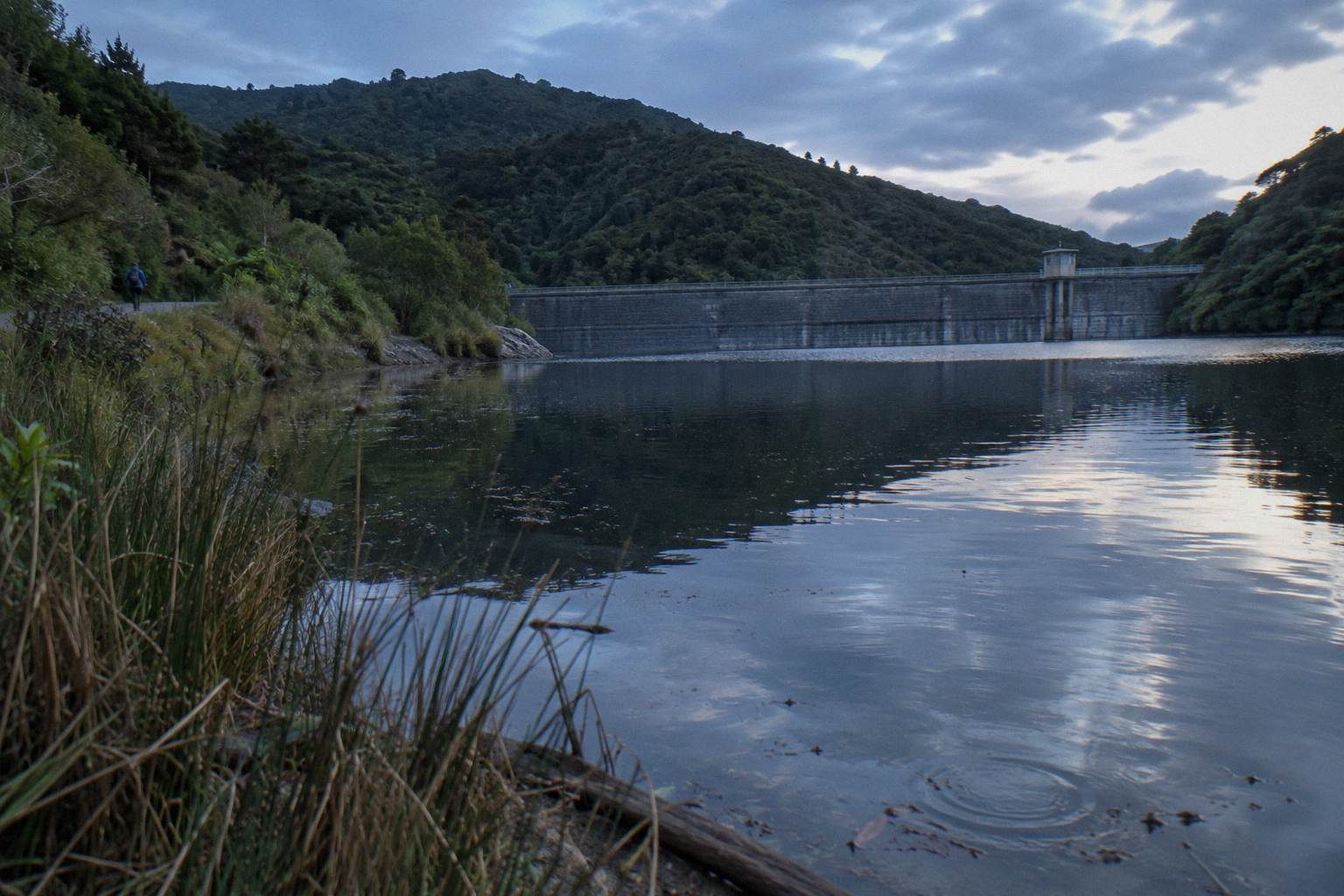
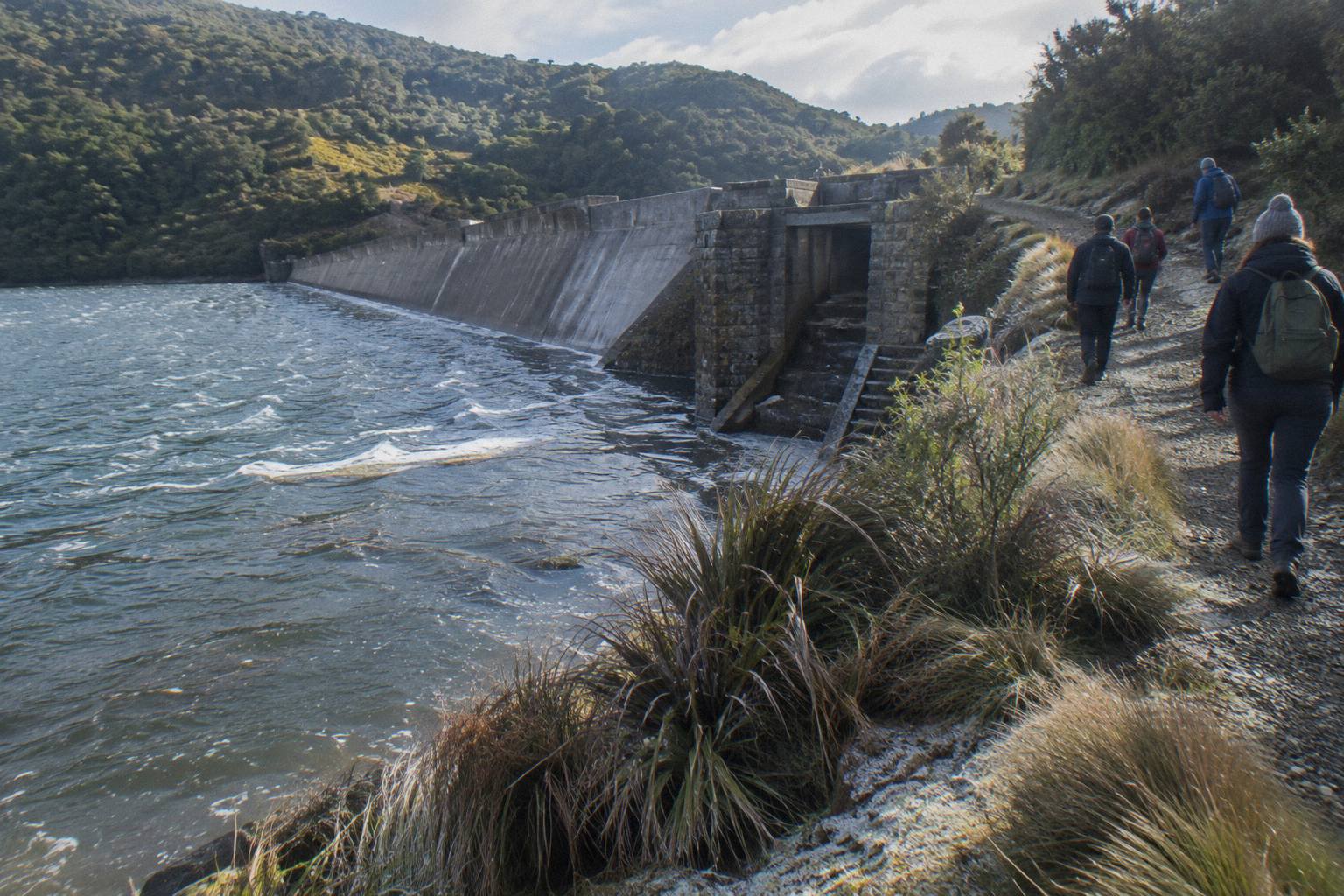
The backstory is the second layer. The valley was a Wellington water supply before it was a sanctuary: an earth dam went up between 1876 and 1878, a concrete gravity dam followed in 1908, and the upper dam was taken out of service in 1991. The whole project traces to a 1992 proposal by Jim and Eve Lynch, the Karori Sanctuary Trust launched in 1995, and the 8.6 km fence finished in 1999, after which possums and hedgehogs were gone by the end of that year and the last rabbit by 2000. Walk those tracks alone and the dams are scenery; walk them with a guide and they are the reason the forest is coming back. The trust frames the work as a 500-year vision because planted rata and rimu need centuries.
The route curation matters for short-stay visitors most. Two hours with a guide covers the productive ground, the lower valley and the lake edges, without time lost consulting a map. The trade is pace: a group of up to 12 moves at the guide's rhythm, stops where the guide stops, and cannot chase a bird the way a solo birder with patience might. Serious photographers sometimes weigh this, and the sanctuary's schedule lists dedicated photography tours on select weekends from October to April for exactly that reason.
For deeper background on which animals you might encounter and what is being said about them, the guide to takahe, kaka and tuatara on tour covers the flagship species in detail, including the conservation statuses quoted above.
How Do Cancellation And Booking Work?
The 24-hour cancellation window is the fact that makes booking early low-risk. A traveller holding a morning slot can cancel the previous morning at no cost, which matters in Wellington, a city where weather changes plans, and where the day tour is stated to run in almost all weather but may be called off in extreme conditions. If the operator cancels, the terms are the operator's own; the printable fact is your free-cancellation right up to 24 hours before start on all four walks.
Booking ahead is also a capacity question rather than only a convenience one. Groups are capped at 12 on every tour, and the night and twilight walks run once per evening on a dusk-dependent schedule, so a single departure can genuinely sell out in peak season. The day tour's multiple daily departures from 10am give it more slack. If your dates are fixed, the guide to whether you need to book in advance works through the timing in detail.
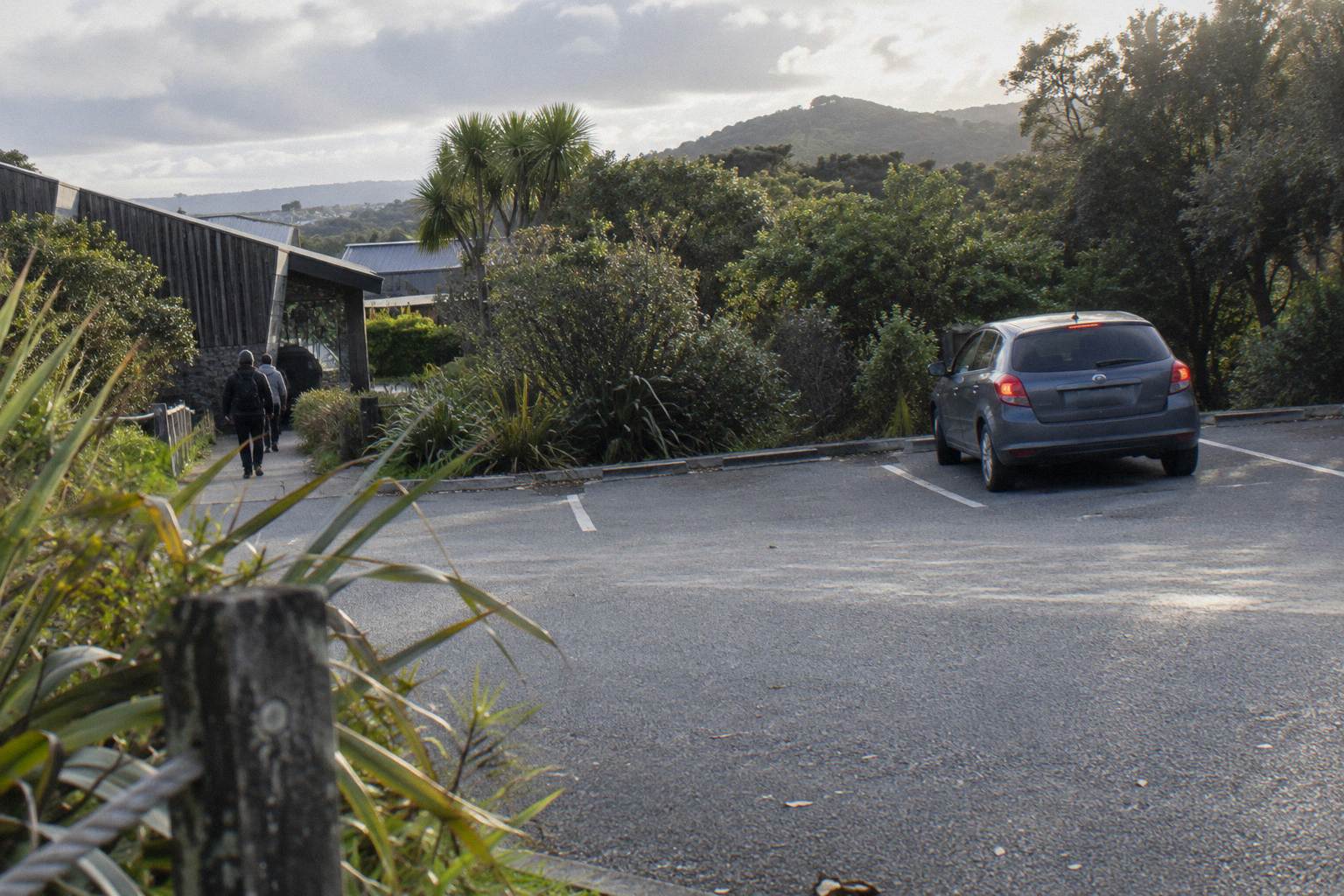
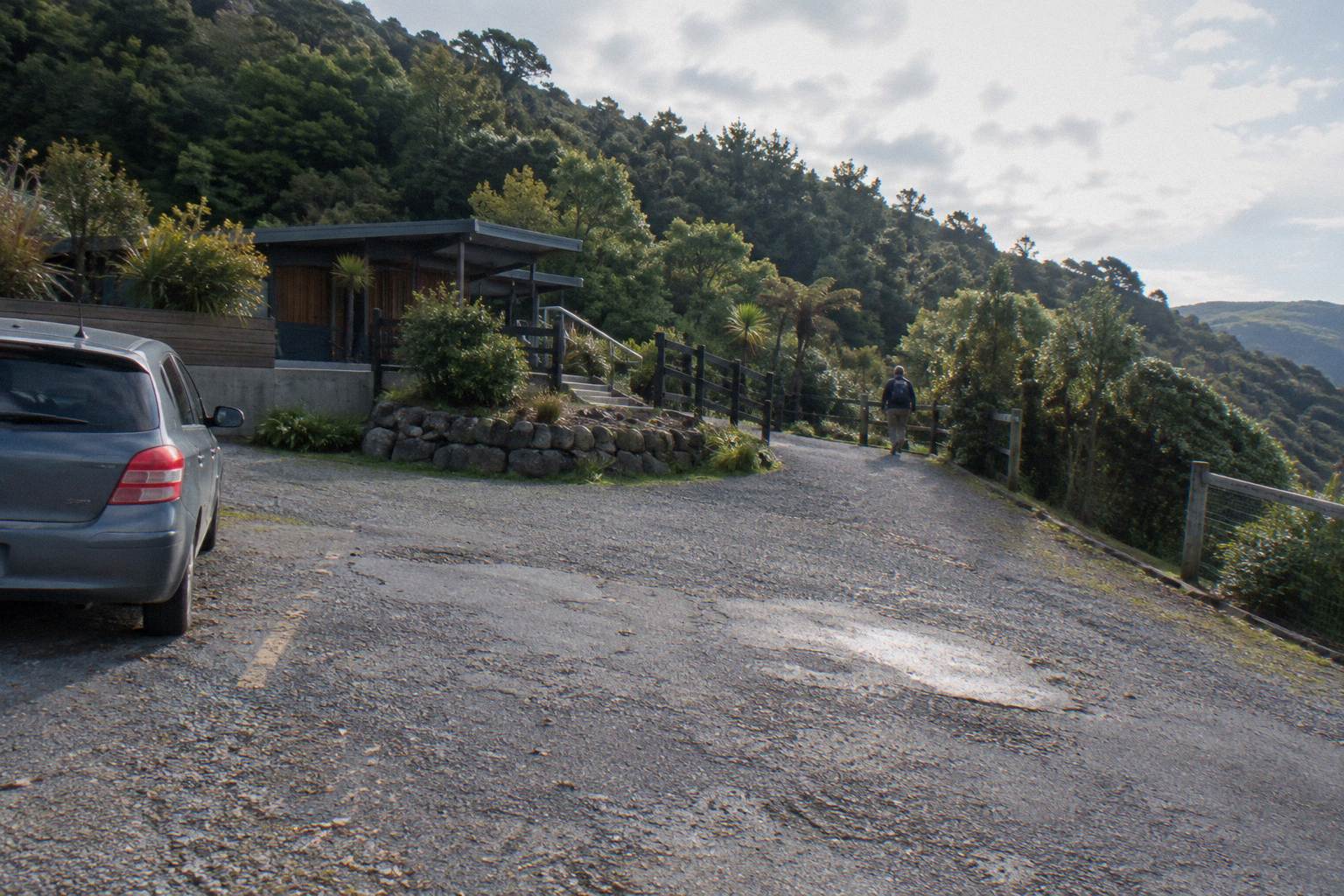
Getting there is part of the booking plan because no hotel pickup exists. A free electric shuttle runs from outside the Takina Convention Centre on Wakefield Street and from the top of the Cable Car, taking about 10 to 15 minutes with 11 seats and space not guaranteed; By Day ticket holders get priority seating if they arrive 10 minutes early. Public bus stops at Northland Road and Birdwood Street are about a five-minute walk, and the sanctuary has limited parking plus an overflow car park on Birdwood Street. The getting-to-Zealandia guide covers each option.
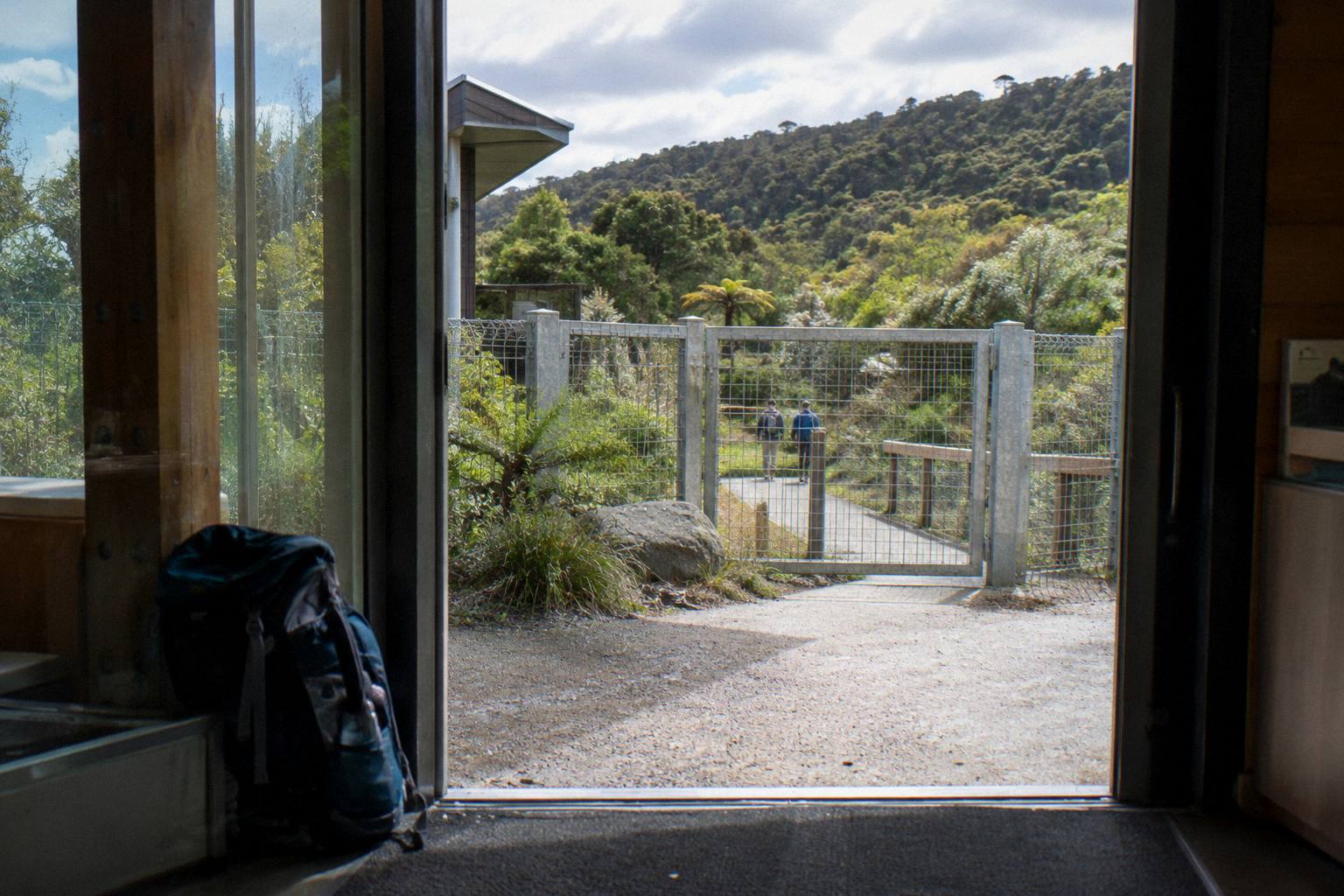
One administrative detail that surprises people: the night and twilight tours start after the day shuttle stops, so evening visitors need their own transport plan. And after-hours entry is up the driveway to the right of the visitor centre building, since the sanctuary itself closes at 5pm with last entry at 4pm; check the official site for current hours. Everyone, on every ticket, checks their own bags and pockets for seeds, mice and lizards at the biosecurity double gates before entering.
What To Ask The Operator Before You Book
The language question has a clean factual answer. The four tours run in English, Mandarin-language day departures exist and require a minimum of four people, and no audio guide, other language or translated handout is stated. Anyone needing something beyond that should ask the operator when booking rather than assume, because the lineup prints nothing further.
Accessibility is similar. The official accessibility page records that much of the lower valley is wheelchair and pram friendly, there is a lift in the visitor centre, free mobility scooters are available on request, a companion enters free, and there are accessible toilets. Against that, the day tour's booking page describes uneven surfaces and a moderate level of walking, and the shuttle has no chairlift, with hoist vans available through Combined Taxis. Those are the operator's conditions quoted, not a verdict on who should book; the advice is to ask the operator directly with your specific needs.
Service and guide dogs are admitted only, with jacket and certification, and only with advance notice, and never in the sanctuary at night, which rules them out of the night tour entirely. The twilight tour's after-dark portion sits in a grey zone the lineup does not resolve, so again: ask when booking rather than inferring.
The last questions worth asking are practical ones the lineup answers only partially. Whether a Mandarin departure has reached its four-person minimum, whether the twilight tour is running on your specific October-to-March date, and whether the day tour's summer departure additions have started yet are all live facts that move, and the operator's live listing holds the current answer. The season-by-season tour guide explains which walks run when.
Common Mistakes
The kiwi mistake is the most common. The official General Admission page states that nocturnal wildlife such as kiwi, ruru, weta and frogs is very unlikely by day, and the day tour's species list contains no kiwi at all. Booking a morning walk and hoping for a kiwi is not a plan; it is a mismatch. The birds live in the hundreds in the valley, they are simply asleep. Anyone whose whole trip hinges on a kiwi should be booking the night tour, with the sanctuary's own caveat attached: sightings are never guaranteed.
The age mistake cancels bookings outright. Zealandia By Night carries a minimum age of 12, and the sanctuary points families with younger children to the Twilight Tour and the Kids' Night Walks. Showing up on the evening of a night tour with an 8-year-old is not something a guide can waive at the gate.
The clothing mistake sounds trivial until Wellington weather arrives. The stated kit for the day walk is sturdy shoes, warm clothes and a waterproof layer, because the tour runs in almost all weather over slopes, gravel and uneven ground. Night-tour walkers are out for about 2.5 hours around dusk, when temperatures drop; the tea at the end is warm, the walk before it is not.
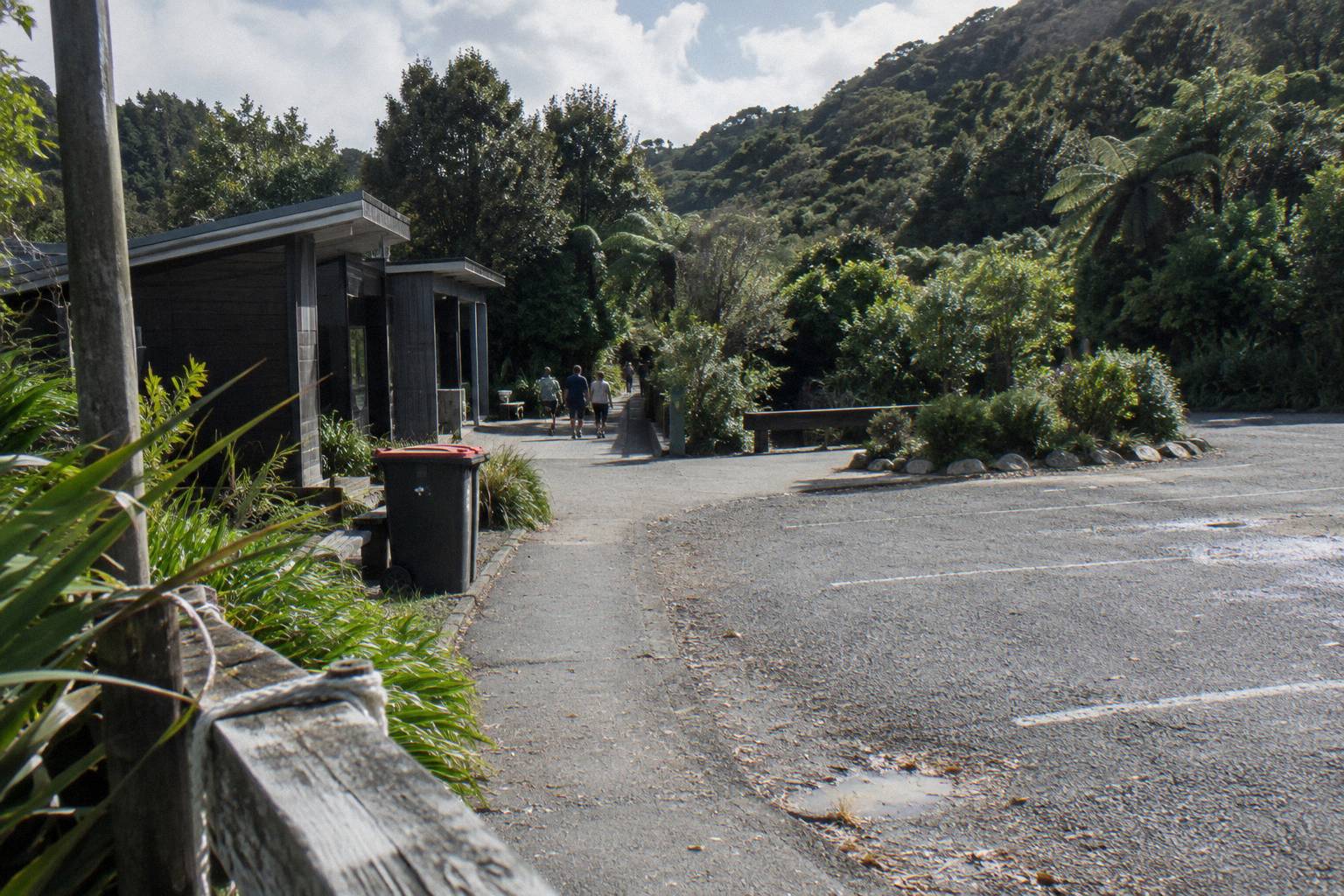
The transport mistake is assuming the shuttle will be there. It has 11 seats, space is not guaranteed, and priority seating for By Day ticket holders requires arriving 10 minutes early. For the evening tours the day shuttle has already stopped, so a bus, taxi or parked car is the real plan. The overflow car park on Birdwood Street exists precisely because the sanctuary's own parking is limited.
The quietest mistake is leaving value unused. Every tour ticket includes General Admission for the tour day and the next day, and plenty of visitors walk out of the visitor centre after their tour and never come back. A second, self-guided morning costs nothing extra and is the chance to find, on your own, the birds your guide named. If you are weighing a tour against just visiting in the daytime, count that second day on the tour side of the ledger.
Family Budgets And The Under 5s Rule
Run a concrete family case. Two adults and a 3-year-old on Zealandia By Day pay two adult fares from NZ$70 each, with the child free, for a two-hour guided walk that ends with the whole family free to return the next day on the included admission. The same family on the night tour cannot go at all. A family with children aged 6 and 9 lands on the Twilight Tour between October and March, at from NZ$110 per person, with a minimum age of 5 met and hot kawakawa tea at the end.
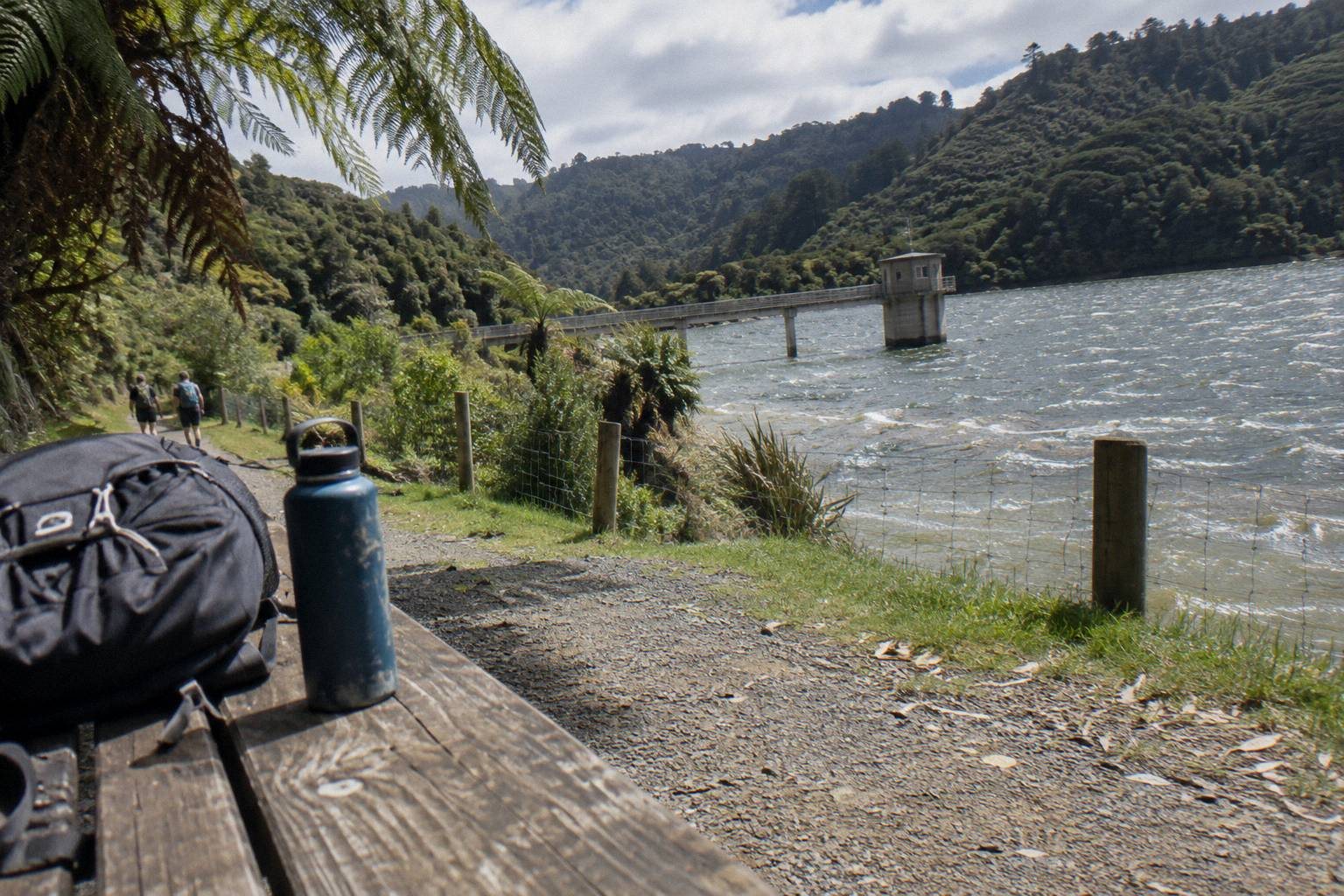
The format detail that matters with small children is the walk itself. The official description is not strenuous, with reasonable fitness needed, on slopes, gravel and uneven ground. Pushchairs are fine on much of the lower valley, per the accessibility page, but the guided route's terrain is what it is. Parents of toddlers sometimes prefer to let the child set the pace on a self-guided visit and take the guided tour another day, which the two-day admission structure actually supports if the tour is booked for day one.
Older children get more from the guide than from the fence-line displays, because the story is genuinely gripping: a 1992 proposal, a fence built by 1999, 13 invasive mammal species eradicated, and birds brought back that had been absent from the mainland for generations. The touring-with-kids guide works through age-by-age fit, including the Kids' Night Walks the sanctuary runs from April to September.
One cost note to keep clean: tour from-prices are the only figures printed here, and self-guided General Admission prices, including concession and family rates, are deliberately not, because those figures live on the operator's own pages and change. Pre-school children are free on General Admission, which is stated, and beyond that the General Admission page is the source of record.
What The Reviews Do And Do Not Tell You
The review counts are the useful lens. A 4.8 from 252 reviews on the day tour is a heavily exercised product; a 4.8 from 84 reviews on the twilight tour is a smaller but still substantial sample of a seasonal walk; the plant walk's blank is a new listing, not a warning. Anyone who treats the plant walk as inferior because it lacks a number is misreading an absence.
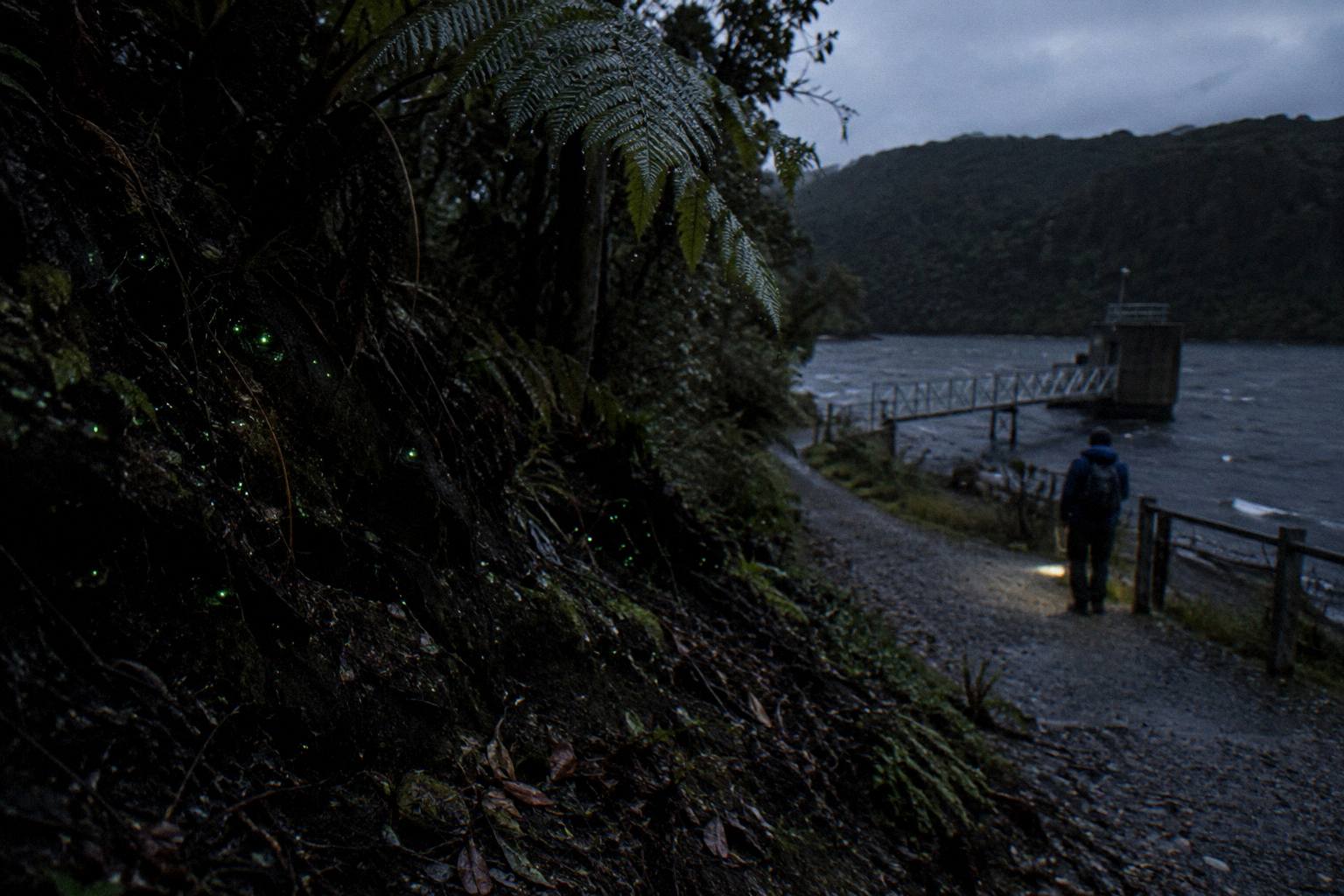
What reviews can inform is the fit question, in a general voice. Guest reviews of guided walks at nature sanctuaries consistently credit guides by name and credit sightings when they happen, which tracks with what the product actually is: a person, a route and a set of chances. Reviews rarely change the underlying facts, the length, the cap of 12, the minimum ages, because those are fixed. If you are deciding between tours, the lineup decides it; reviews mostly tell you the format is reliably delivered.
Where a rating genuinely matters is peace of mind on the larger spend. The night tour is the highest from-price at NZ$120 per person and carries a 4.8 from 164 reviews, which is a reasonable basis for confidence in the operator's delivery of a dusk walk, torches supplied and tea included, even though the kiwi outcome remains a chance in every single booking. The sanctuary's own wording on that point is worth repeating because it is the operator being candid with you, which is itself a signal about how the place is run.
Common Questions About Zealandia Guided Tour Value
Is A Zealandia Guided Tour Worth It?
For most first-time visitors, yes. A guided walk adds identification, trained eyes and the sanctuary's story to a valley that does not label itself, and every tour ticket includes General Admission for the tour day and the next. Visitors with strong local bird knowledge, or a strict budget, may get full value from self-guided entry instead.
Which Zealandia Tour Is Best For Families With Young Children?
Zealandia By Day: no minimum age, under 5s free, pushchairs fine, about 2 hours, from NZ$70 per person. Children aged 5 to 11 fit the Twilight Tour, which runs October to March. The night tour requires everyone to be at least 12.
Can You See A Kiwi On A Zealandia Day Tour?
No. The official General Admission page calls nocturnal wildlife such as kiwi, ruru, weta and frogs very unlikely by day. Kiwi sightings belong to the night tour, where little spotted kiwi are seen on most tours and sightings are never guaranteed.
What Is The Cheapest Zealandia Tour?
Zealandia By Day and the Forest Secrets Plant Walk both start from NZ$70 per person. The Twilight Tour starts from NZ$110 and the night tour from NZ$120, reflecting the longer 2.5-hour format. Prices vary by date and the booking page confirms them.
Can I Cancel A Zealandia Tour If My Plans Change?
Yes. All four tours allow free cancellation up to 24 hours before the start. Tours meet inside the visitor centre at 53 Waiapu Road, Karori, and you should arrive 15 minutes early.
Does The Tour Ticket Include General Entry To The Sanctuary?
Yes. Every tour ticket includes General Admission valid for the tour day and the following day, so you can return self-guided the next morning at no extra cost.