Is The Zealandia Night Tour Worth It, And Will You See A Kiwi?
A plain look at the Zealandia By Night tour: the price, the kiwi odds in the sanctuary's own words, who it suits, and how it compares with the twilight and day walks.
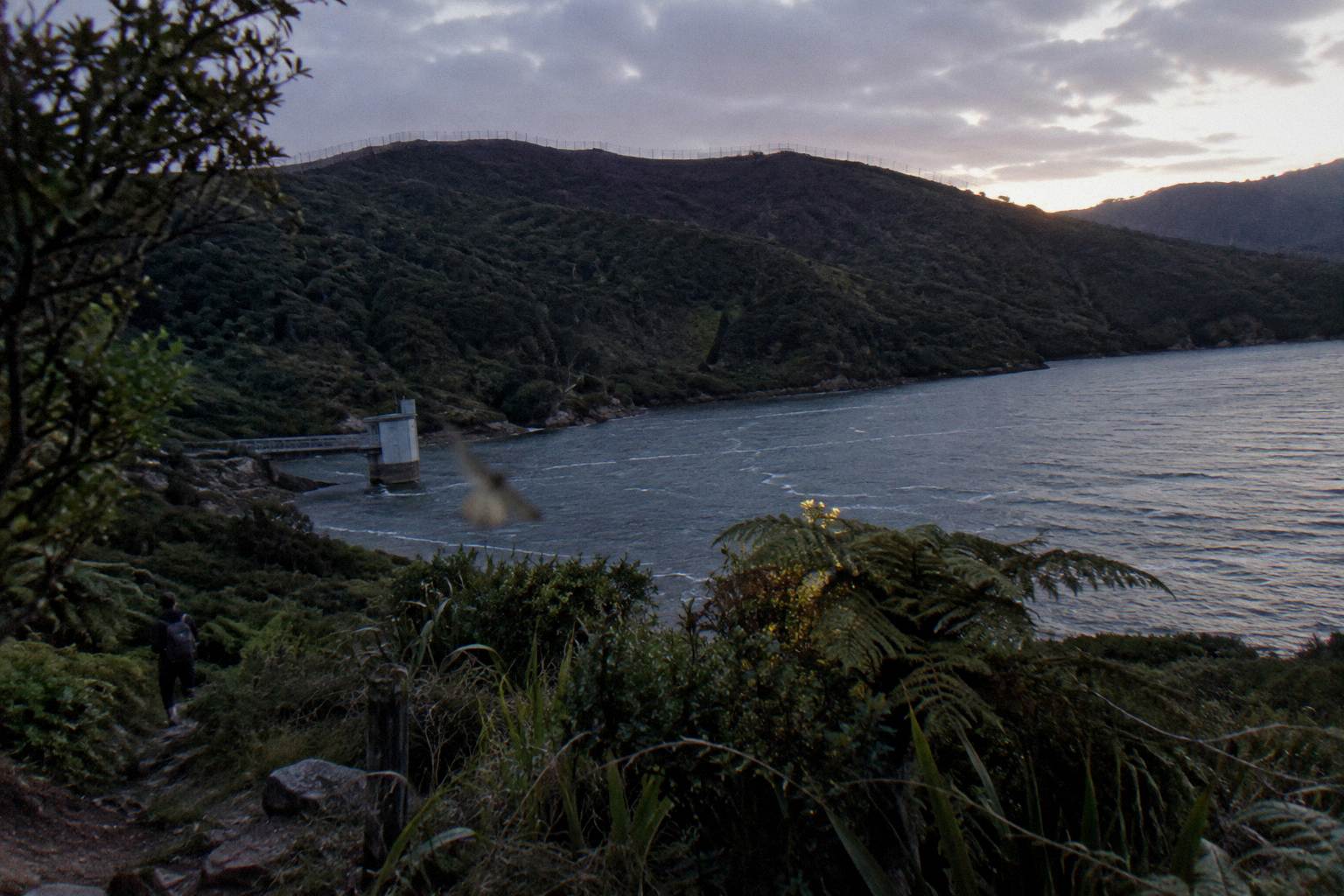
Yes, for most visitors with an evening to spare, the Zealandia By Night tour is worth it, from NZ$120 per person with a 4.8 rating from 164 reviews. It is the only walk in the sanctuary where kiwi are a genuine prospect: little spotted kiwi are seen on most tours, though sightings are never guaranteed, so weigh your budget and how much a nocturnal wildlife chance matters.
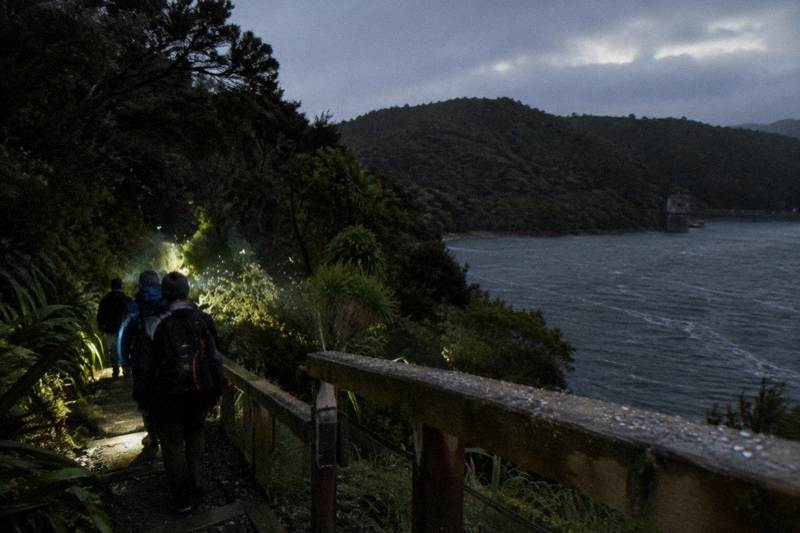
That is the summary, but the details matter more. The night tour is a different product from the day walk, not just the same route in the dark. It runs about 2.5 hours around dusk, with the start time confirmed at booking because it shifts with the season. Groups are capped at 12, the minimum age is 12, and the walk is torchlit, with torches supplied. It ends back at the visitor centre with a warm kawakawa, lemongrass and ginger tea, a small ritual that regulars mention as often as the birds.
The kiwi question deserves its own section, and gets one below. The short version is that Zealandia is one of the few places on the mainland where little spotted kiwi live free behind an 8.6 km predator-exclusion fence, finished in 1999, which made this the world's first fully fenced urban ecosanctuary. Forty birds were brought in during 2000 and 2001, and the population is now estimated in the hundreds. Guides listen for them, and the odds are good, but the birds write their own schedule.
If you are weighing the night walk against the other options, the featured Zealandia By Day tour is the cheaper starting point, and the Zealandia day tour and visit guide covers the daytime case in full.
What Decides Whether The Night Walk Is Worth It?
Worth is a personal calculation, and for this tour it turns on four things: whether NZ$120 per person fits your budget, whether everyone in your group is 12 or older, how much you value a guided nocturnal experience over a cheaper daylight walk, and how you will feel if the kiwi stay hidden. Anyone hoping for a guaranteed sighting should not book, because no such guarantee exists or could plainly be made.
Start with the money. The night tour sits at the top of Zealandia's guided price range: from NZ$120 per person, against NZ$110 for the twilight walk and NZ$70 for the day tour. The price varies by date, and the booking page confirms it. What the fee buys is a small group of up to 12, a guide with a torch and an ear for the valley, and the sanctuary after dark, which self-guided visitors cannot access at that hour. Every tour ticket also includes General Admission valid for the tour day and the following day, so a night booking quietly covers a daytime return visit the next morning.
Then the ages. The minimum age of 12 is firm, and it is the single most common booking mistake. Families with children under 12 are pointed by the sanctuary to the Twilight Tours and the Kids' Night Walks, which are built for younger walkers. If you are travelling with a mixed group, splitting the party, adults on the night walk and everyone together at twilight, is a workable pattern.
Then your wildlife priorities. If kiwi are the reason you are in Wellington, the night tour is the only one of the four covered walks where they are a realistic prospect; the official General Admission page notes that nocturnal wildlife such as kiwi, ruru, weta and frogs are very unlikely by day. If tuatara, takahe and forest birds are enough, the day walk delivers them in better light for half the price. And if your heart is set on certainty, no tour anywhere can offer that with wild animals, and the move is to book for the experience, not the checkbox.
What Do The Night Walk Facts Say Against The Others?
The four guided walks at Zealandia split cleanly by clock, price and audience: the day tour at about 2 hours from NZ$70, the twilight tour at about 2.5 hours from NZ$110, the night tour at about 2.5 hours from NZ$120, and the Sunday-morning plant walk at about 2 hours from NZ$70. All cap groups at 12, all include next-day admission, and all allow free cancellation up to 24 hours before.
Here is the comparison in one place, using only the sanctuary's own published figures:
| Tour | From price | Rating | Length | Minimum age | Runs |
|---|---|---|---|---|---|
| Zealandia By Day | NZ$70 per person | 4.8 from 252 reviews | About 2 hours | None, under 5s free | Daily, from 10am, more in summer |
| Zealandia Twilight Tour | NZ$110 per person | 4.8 from 84 reviews | About 2.5 hours | 5 | October to March |
| Zealandia By Night | NZ$120 per person | 4.8 from 164 reviews | About 2.5 hours | 12 | Nightly, around dusk |
| Forest Secrets Plant Walk | NZ$70 per person | New listing, no rating yet | About 2 hours | None | Sunday mornings |
Two readings of that table are worth pulling out. First, the ratings are strikingly consistent, 4.8 across all three established walks, but the review pools differ in size, and each rating stands on its own count. Second, the price ladder maps almost exactly onto the clock: the later the walk starts, the more it costs, because you are buying access to the valley at the hours when its rarest residents are moving.
The plant walk is the outlier, a plants-led rather than wildlife-led walk about how forest species compete and adapt, at 10:30am on Sunday mornings per the sanctuary's schedule. It is new enough that it has no rating yet, which is worth knowing rather than glossing over. Each of these walks is examined in more detail in Zealandia tours by season, which matches the options to the time of year you are visiting.
Is a night tour the right call for your evening?
Which Tour Fits Which Traveller?
Choose the night tour if you are 12 or older, can spend NZ$120, and want the valley's nocturnal side; choose the twilight tour if you have children aged five and up or prefer the dusk chorus to full dark; choose the day tour for the broadest wildlife viewing in the best light at the lowest price. The plant walk suits gardeners and slow walkers who want ecology explained rather than animals spotted.
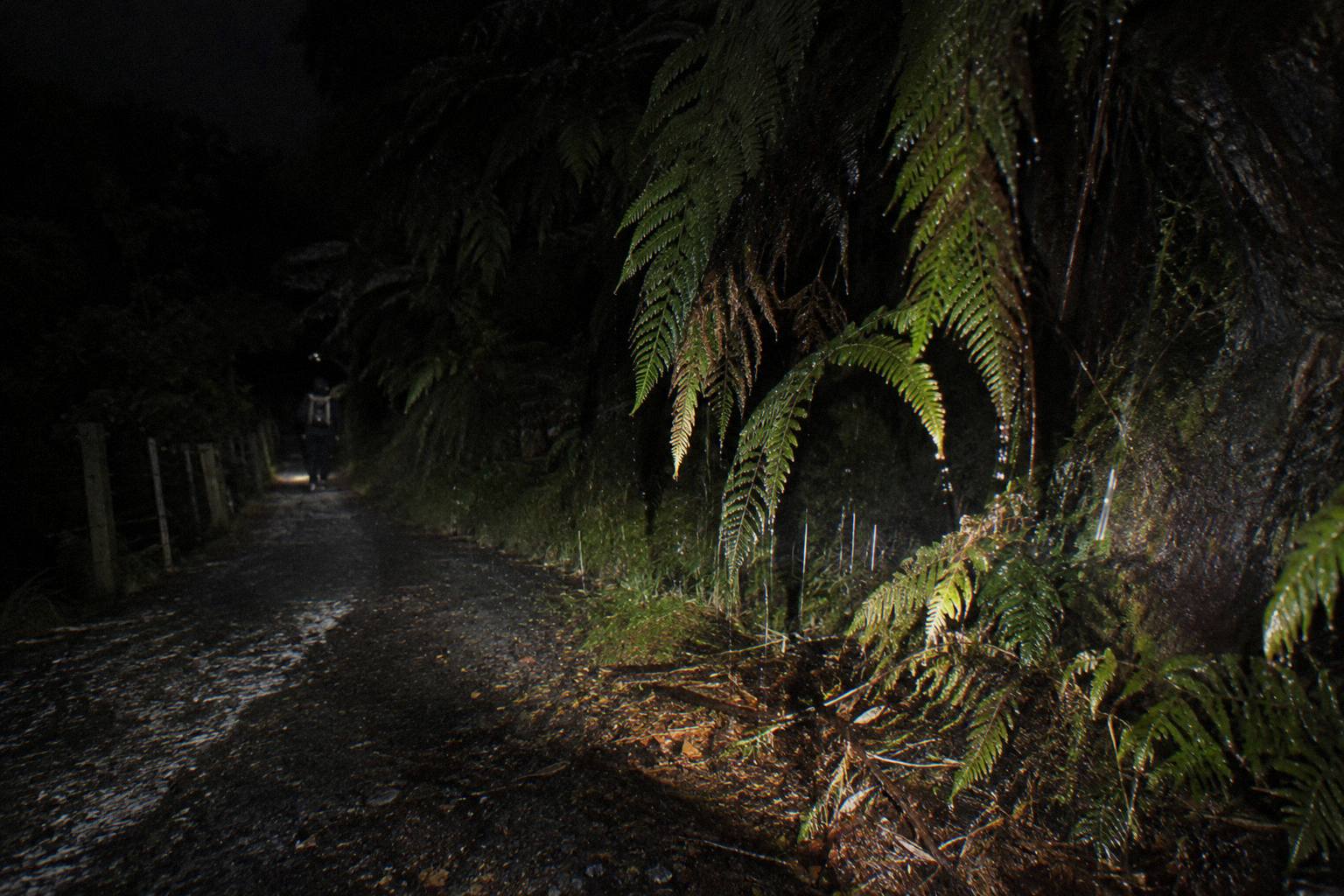
The night walk rewards a particular temperament. You will walk in near dark, on the same slopes, gravel and uneven ground the day tours use, listening more than looking. Guides supply torches, point out glowworms in the banks where they appear, and tune the pace to the group. Beyond kiwi, the animals guides look for, always as chances, include tuatara, takahe, pateke, wetapunga, Hamilton's frog, ruru and kaka. Hamilton's frog is officially described as sometimes seen on the night and twilight tours, which is the right level of expectation to carry for everything on that list.
The twilight tour, from NZ$110, is the family compromise and the light-and-warmth compromise in one. It runs about 2.5 hours from daylight into dark, minimum age 5, October to March on the sanctuary's schedule, with hot kawakawa tea included. You get the dusk chorus and birds settling to nest before the sky fully goes, and younger children can come along. For travellers who find a 9pm finish unappealing, or who want photographs with some light left in the sky, it is often the better buy, a trade-off explored in day versus twilight Zealandia tours: what changes.
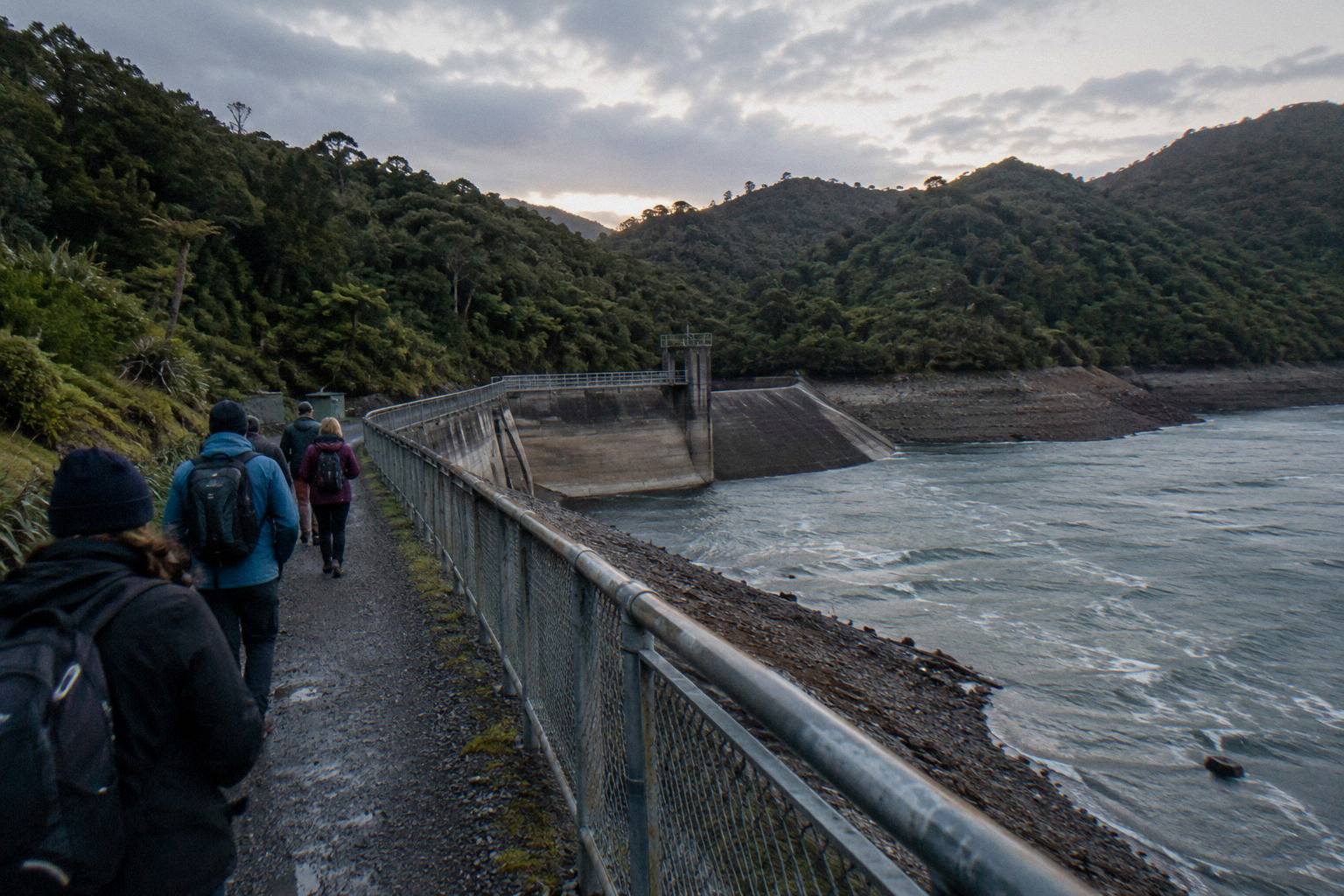
The day tour, from NZ$70 with a 4.8 from 252 reviews, is the volume pick, and the reason the day tour is featured. It has no minimum age, under 5s are free, and it runs daily with departures from 10am and more in summer. Mandarin-language departures exist and need a minimum of four people. If your question is whether to spend your Zealandia budget once or twice, the answer many visitors land on is both: a day walk first to learn the valley, a night walk later to meet its other shift. The deeper cost breakdown is in Zealandia tickets versus guided tour prices.
How Likely Is A Kiwi, Really?
The sanctuary's own wording is the answer: little spotted kiwi are seen on most tours, sightings are not guaranteed. No percentage exists, none is printed, and any operator promising a kiwi would be selling you something no fenced valley can promise. What you can rely on is that Zealandia holds one of the densest little spotted kiwi populations on the mainland, so the odds here are about as good as mainland odds get.
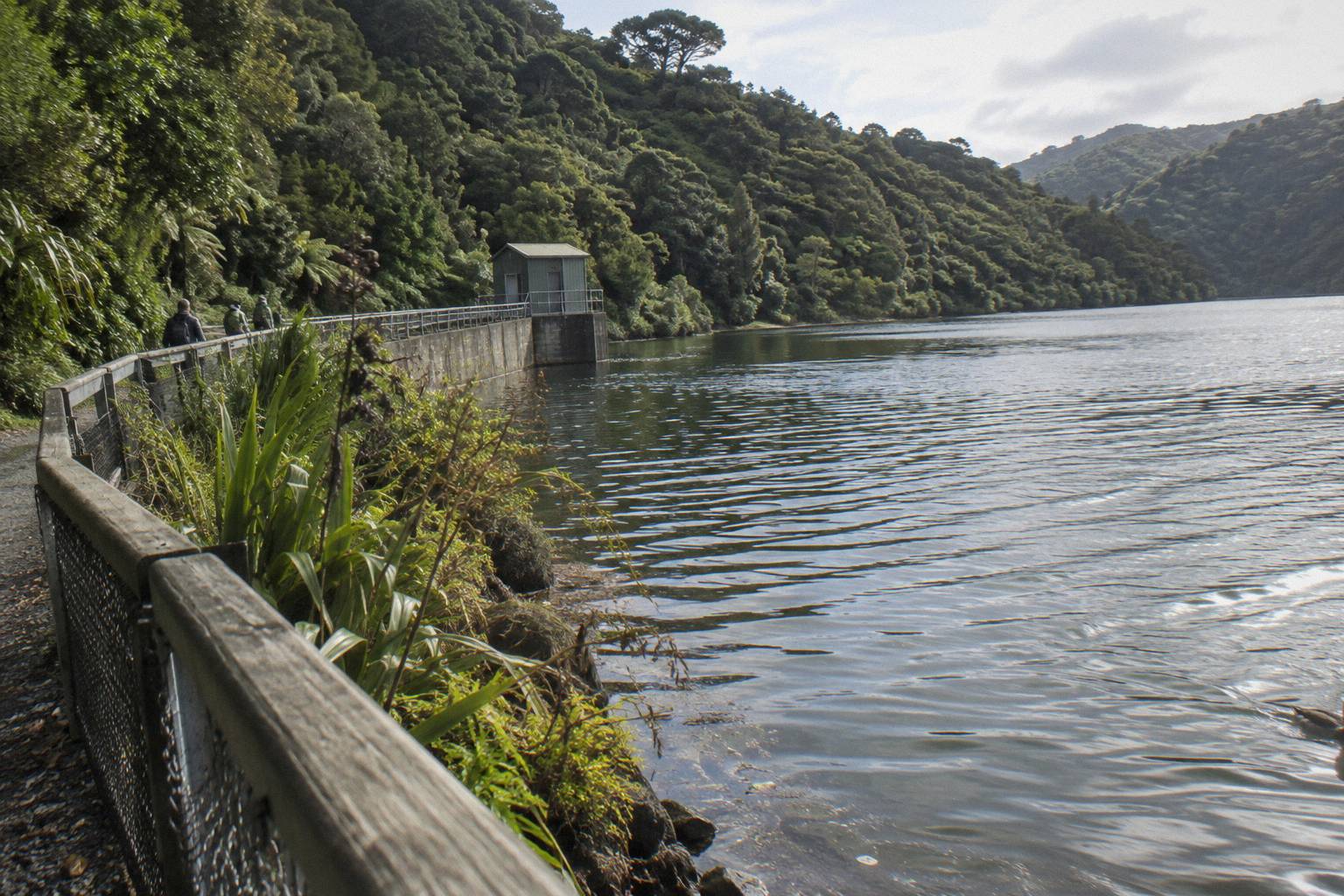
The backstory explains why the odds are what they are. Forty little spotted kiwi were released into the valley in 2000 and 2001, into a forest from which possums and hedgehogs had been removed by the end of 1999 and the last rabbit by 2000, all behind the fence. The species is classed as At Risk, Recovering, and the valley population is now estimated in the hundreds. These are wild birds in 225 hectares of forest with more than 32 km of tracks; they are not fed, called in, or held anywhere. Everything else covered here is indexed on Zealandia Day Tour.
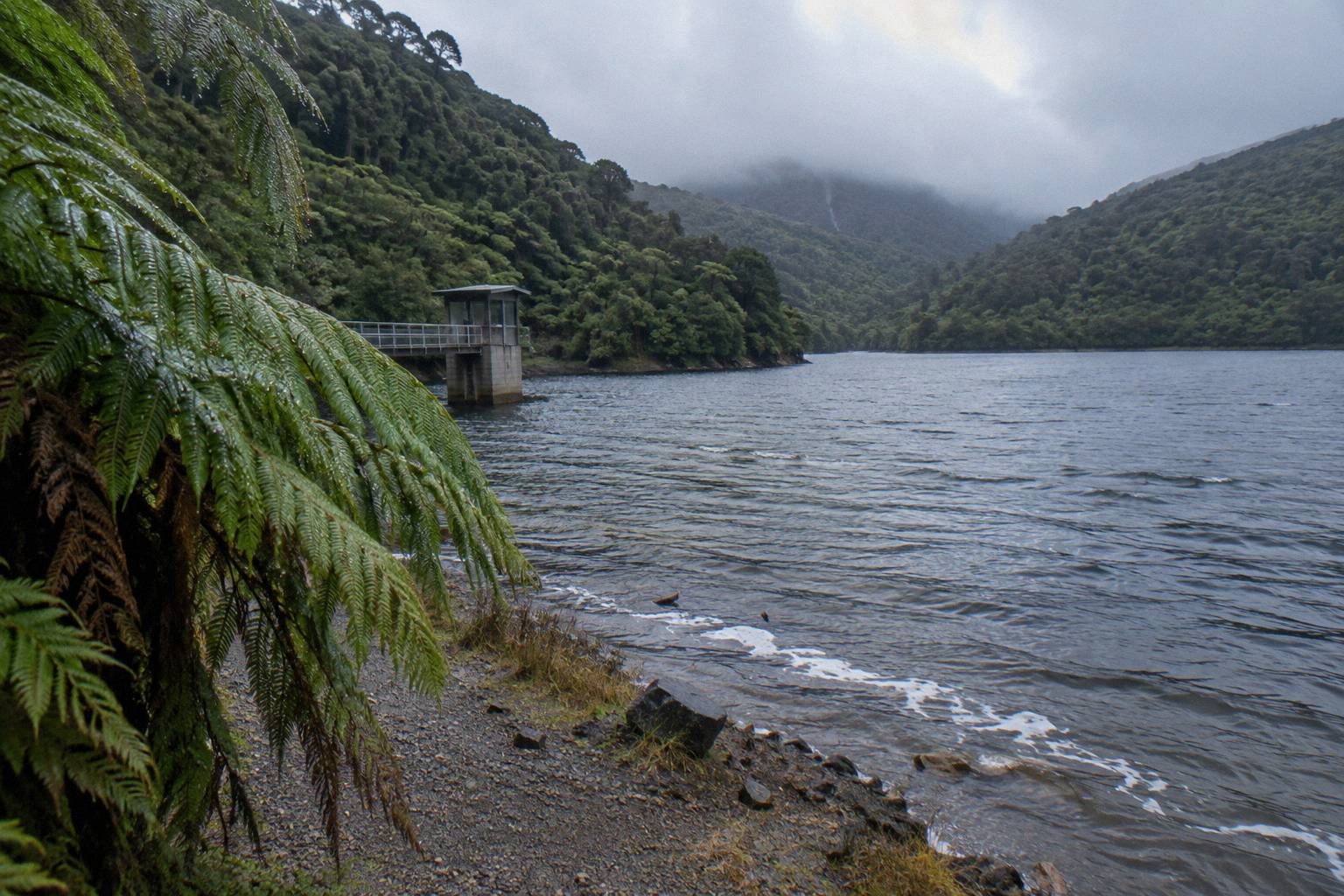
What a sighting actually looks like, when it comes, is usually sound first: a male's shrill call or the birds rustling in the leaf litter, then a torch beam held low and steady while a round, feathery body trundles past. Guides are skilled at this, and the group walks quietly in single file for exactly this reason. Visitors who talk loudly, use phone screens, or wander off the group reduce their own odds, which is why the etiquette around torches and silence matters as much as the route.
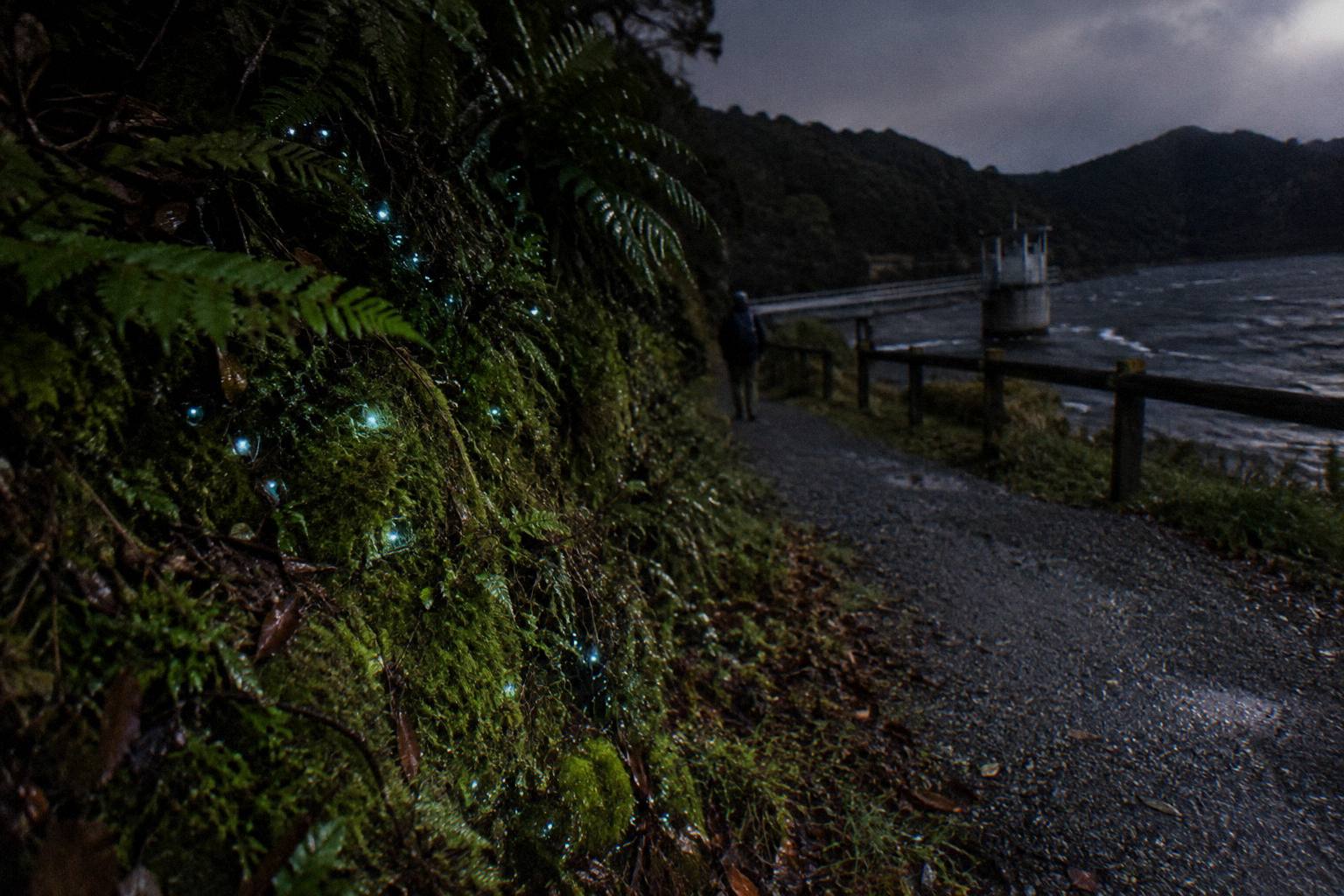
If the kiwi stays quiet, the night is not a write-off, far from it. Ruru call, glowworms thread the banks, tuatara sometimes sit out in the cool, and wetapunga, the giant weta, are among the creatures guides look for. The tour also ends with that warm kawakawa, lemongrass and ginger tea at the visitor centre, which turns a wildlife gamble into an evening out either way. More on where kiwi fit among Wellington's options is covered in where to see a kiwi in Wellington, and the sanctuary's own night tour page carries the official sightings wording.
Where Does The Night Tour Meet, And How Do You Get Home?
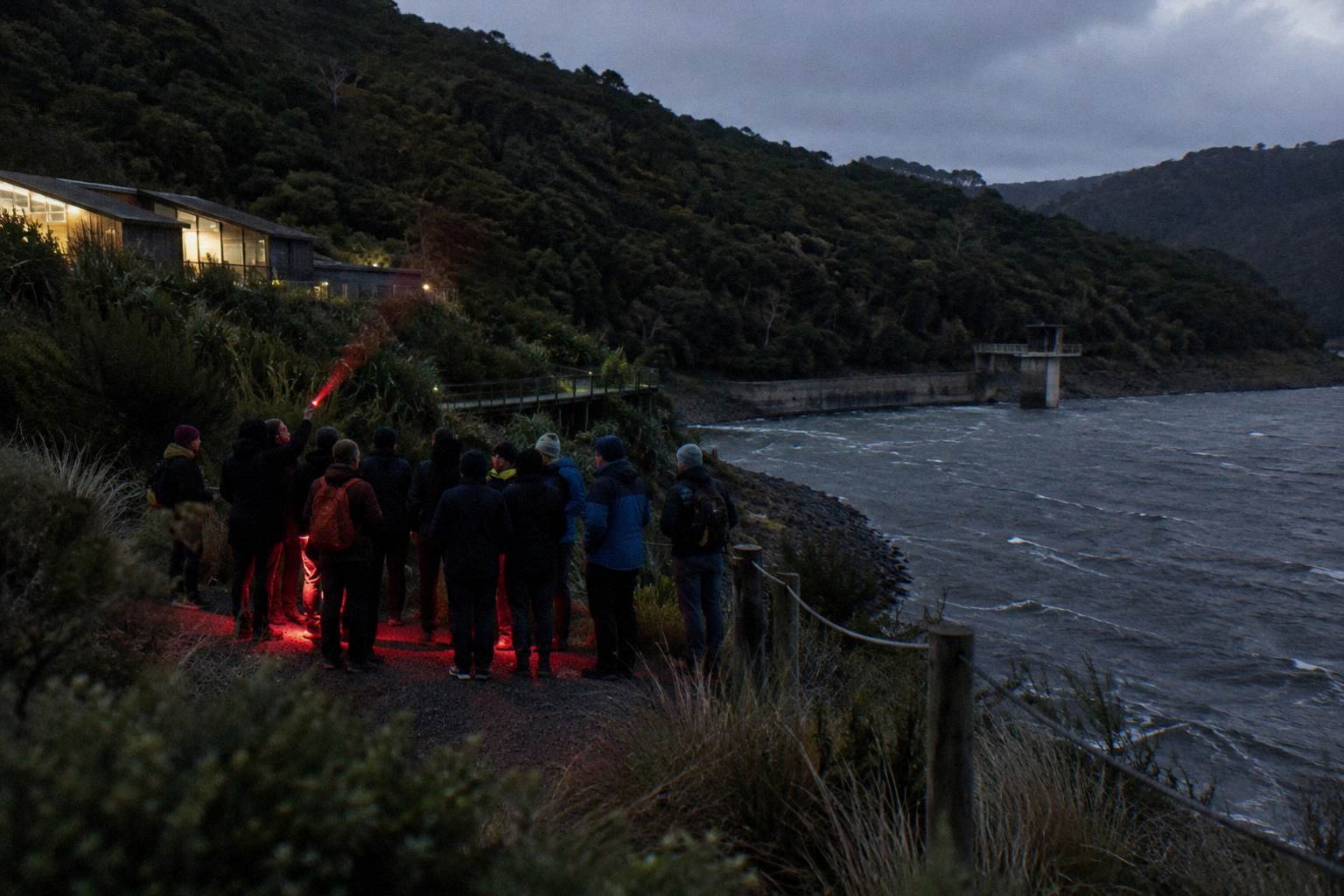
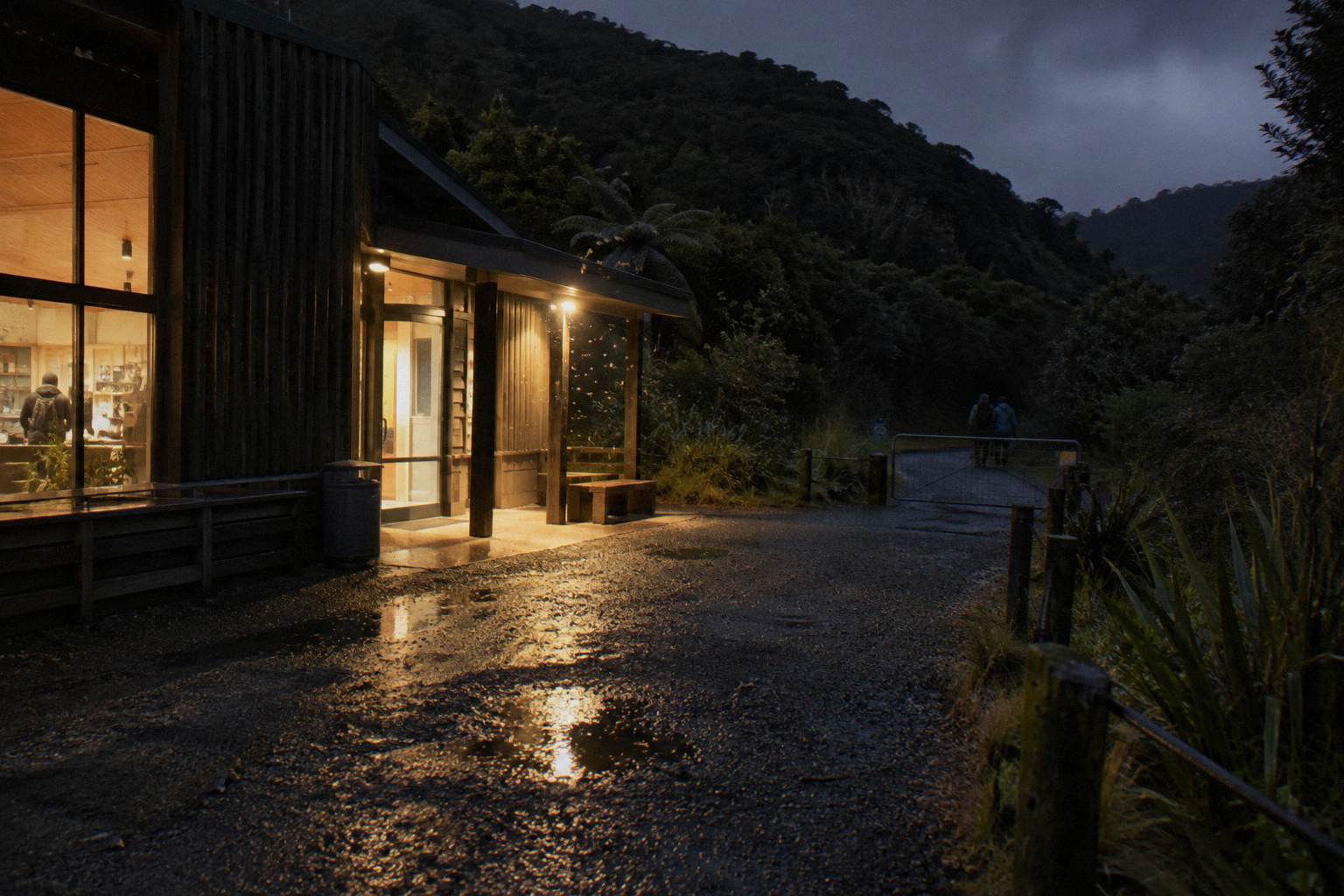
The meeting logistics are simple but worth getting right. The address is 53 Waiapu Road, Karori, Wellington 6012. For after-hours tours, the sanctuary's guidance is explicit: arrive at the visitor centre 15 minutes before the start, come up the driveway to the right of the building, and do not plan on lingering inside the sanctuary or visitor centre after closing, because the gates close behind the tour.
Getting there earlier in the day is easier than getting home. The free electric shuttle runs from outside the Takina Convention Centre on Wakefield Street and from the top of the Cable Car, about 10 to 15 minutes to the sanctuary, with 11 seats and space not guaranteed; priority seating goes to day tour ticket holders who arrive 10 minutes early. But the shuttle is a daytime operation, and night tours start after it stops. Public bus stops at Northland Road and Birdwood Street are about a five-minute walk from the gate, so check the last services before you rely on them. Limited parking exists at the sanctuary with an overflow car park on Birdwood Street, which makes driving yourself and leaving after the tour the simplest night option. The full transport picture, including the Cable Car plus about a 30-minute walk option, is in the getting-to-Zealandia guide.
One more evening-specific note: biosecurity applies at every entry, and everyone checks their own bags and pockets for seeds, mice and lizards at the double gates before entering. At night this happens by torchlight, so have your bags accessible rather than buried. Service dogs are never admitted at night, a firm sanctuary rule that applies to the night tours themselves.
How Do Cancellation And Booking Work?
All four tours carry free cancellation up to 24 hours before the start, and booking ahead is the norm because groups cap at 12. The night tour's start time is confirmed at booking, not printed in advance, since it moves with the season around dusk. If extreme weather forces a cancellation, the operator contacts booked visitors, and the day tour's own terms note it may be called off in extreme conditions.
The 24-hour window is the practical number to remember. Inside it, you are committed; outside it, you can move or cancel without penalty through the operator's live listing. That makes same-evening rebooking decisions simple: if Wellington turns wet and windy at lunchtime on your tour day, you are inside the window, so the choice is go or lose it. The question of whether tours run in the rain at all has its own answer, covered in do Zealandia tours run in the rain, and the short version is that the walks run in almost all weather, with extreme conditions the exception.
| Booking question | The rule, in practice |
|---|---|
| Cancellation | Free up to 24 hours before the tour starts |
| Group size | Up to 12 people per guided tour |
| Night tour start time | Confirmed at booking; runs around dusk, nightly |
| Ages on the night tour | Minimum age 12, no exceptions for younger children |
| Admission | Every tour ticket includes General Admission for the tour day and the next day |
| Meeting point | Inside the visitor centre, 53 Waiapu Road; arrive 15 minutes early |
Advance booking matters more in summer, when Wellington's visitor numbers peak and the 12-person cap bites. The advance-booking post covers the general question in detail, but for the night tour specifically, the combination of small groups, nightly demand and a 4.8 from 164 reviews means popular evenings fill. The booking page shows live availability, and prices vary by date, so the from-price is a floor rather than a quote. Payment terms and any pay-later options appear on the operator's listing at checkout.
What To Ask The Operator Before You Book
Ask four things when you book: whether the date you want has Mandarin or other language support if you need it, what the confirmed start time is for your night, what the weather policy means for your specific date, and whether any accessibility needs can be met on an after-dark walk. The operator's answer is authoritative; a website's guess, including any website's, is not.
Language is the clearest example. The tours covered here run in English, and Mandarin-language day departures exist with a minimum of four people. No other language, audio guide or translated handout is stated for the night tour, so if you need one, ask the operator when you book rather than assuming. The same principle, ask the operator, is the right answer for accessibility questions too. Much of the lower valley is wheelchair and pram friendly and the visitor centre has a lift, but the night walk covers uneven surfaces in the dark, and the shuttle has no chairlift, so the operator's own conditions govern what is workable for you.
Accessibility and age questions for mixed groups deserve a phone call rather than a checkout guess. The sanctuary's official guidance already points families with under 12s to the Twilight Tours and the Kids' Night Walks, and the twilight option also comes with hot kawakawa tea included, minimum age 5, October to March. If your group spans the age line, the twilight tour is the sanctioned answer for the younger half while the adults take the night walk, and the sanctuary's own tours and tickets page lists the current schedule for both.
Weather is the third question. The day tour runs in almost all weather and may be called off in extreme conditions, and the same logic governs the evening walks. Asking what happens if your night is cancelled, refund, credit or rebooking, costs you one message and removes the main surprise the 24-hour window can spring on you. Booking-platform reviews cannot answer operator-policy questions; the operator can.
Common Mistakes To Avoid
The recurring mistakes are booking under-12s onto the night tour, expecting a guaranteed kiwi, arriving without a plan for getting home after the shuttle stops, missing the next-day admission included in every tour ticket, and treating the printed from-price as a fixed quote. Each of these is avoidable with one piece of planning, and none of them is the operator's fault to fix afterwards.
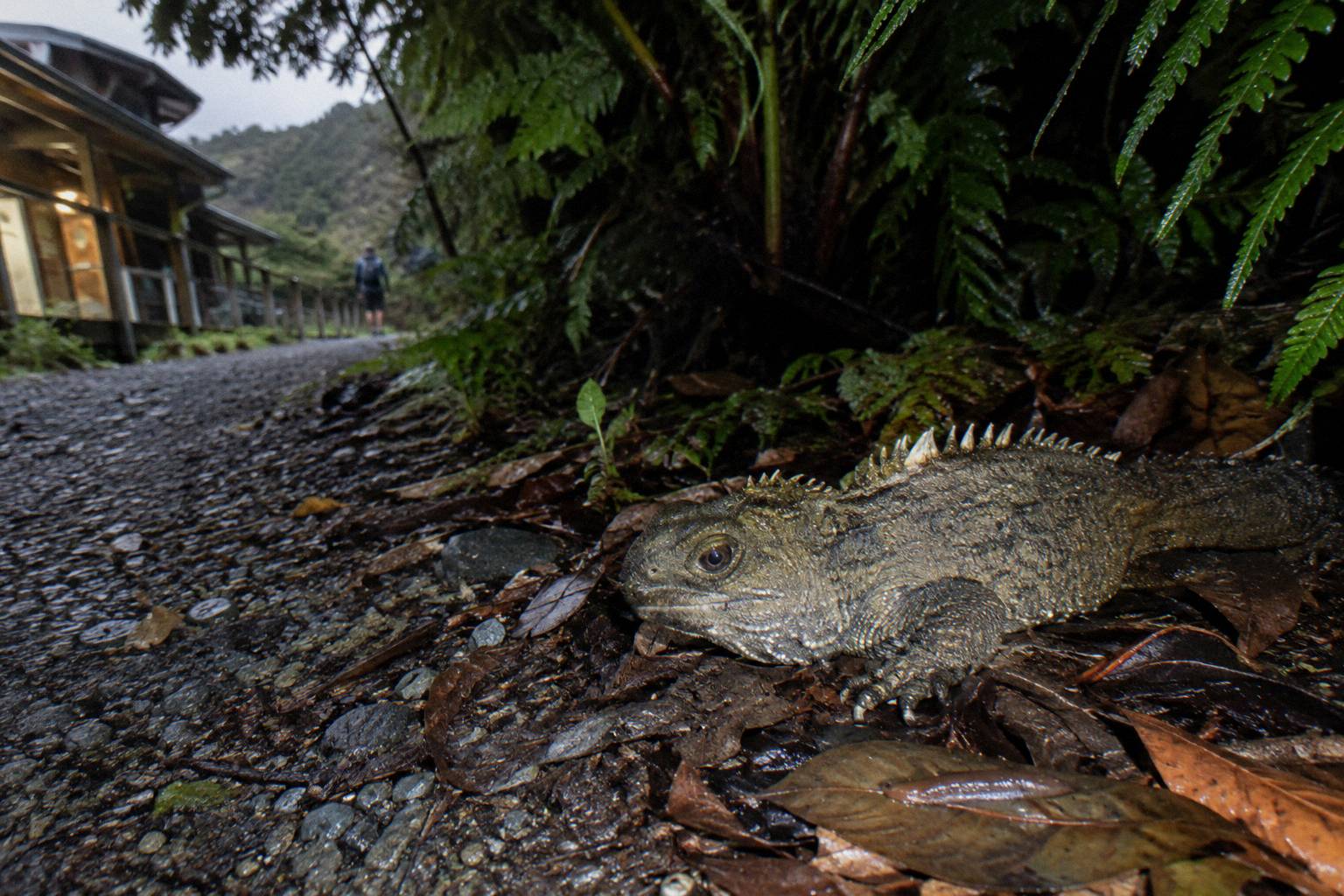
The age mistake is the most common and the least recoverable. The minimum age of 12 is a sanctuary rule, not a suggestion, and a family that books four night seats with a 10-year-old will be turned away at the visitor centre. The twilight tour, minimum age 5, exists precisely for this, and the Kids' Night Walks run April to September for younger children.
The kiwi-expectation mistake is subtler. Some visitors read "seen on most tours" and hear "you will see one", then spend the walk frustrated. The better frame is that a sighting is the best-case outcome of a good evening, not its definition; the tea, the torchlight, the ruru and the glowworms are the parts you can count on. And on the subject of counting, do not skip the included admission. Every tour ticket covers General Admission for the tour day and the next day, so a night tour booked for Saturday quietly opens the valley to you on Sunday, when daytime kiwi prospects are very unlikely but tuatara basking and kaka overhead are not.
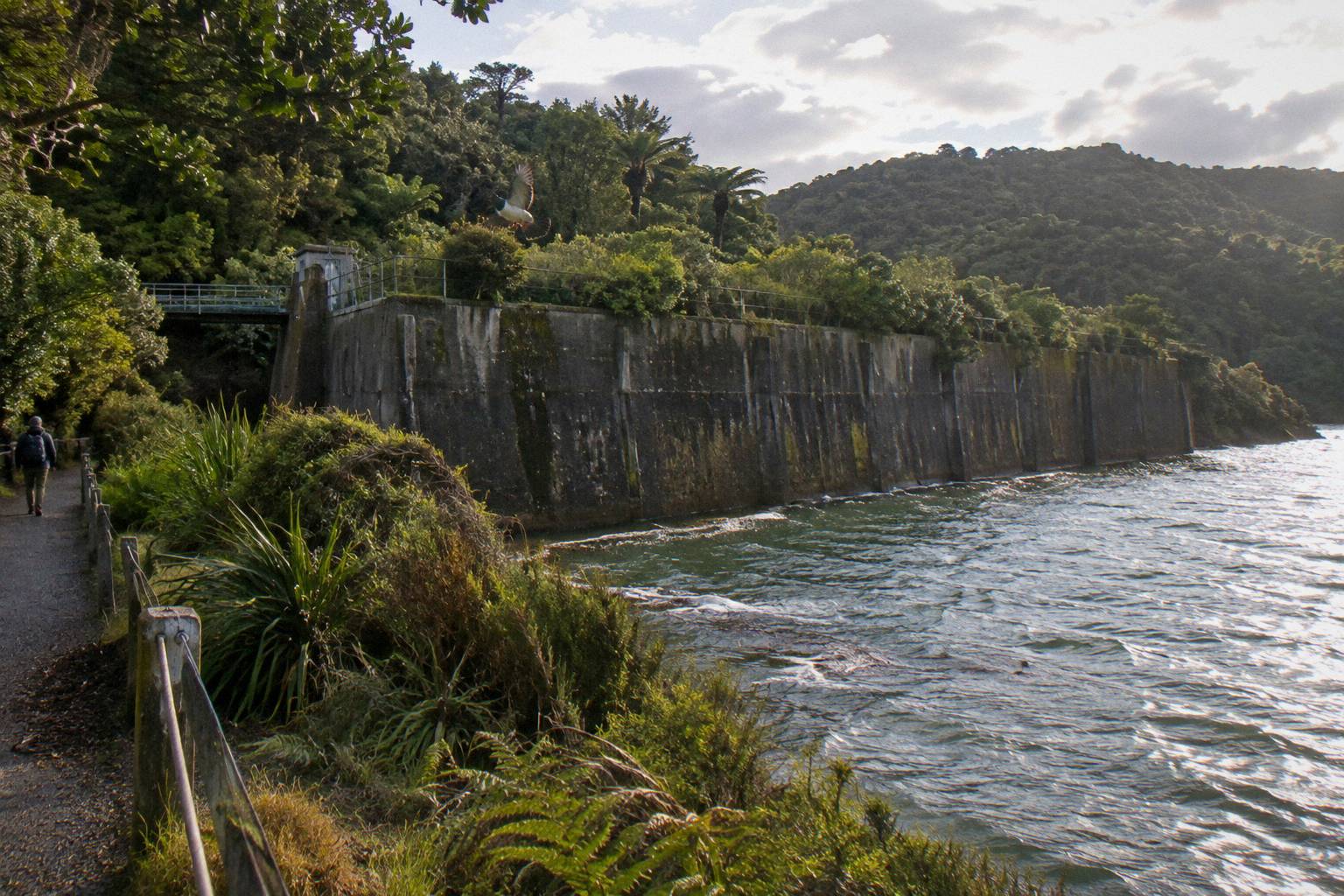
The logistics mistakes round it out: assuming the free shuttle runs after the tour, arriving at the main daytime entrance rather than up the driveway to the right after hours, and forgetting the 15-minute-early arrival. Each is a one-line fix, and each is covered in the sections above.
Common Questions About The Zealandia Night Tour
Is The Zealandia Night Tour Worth It, And Will You See A Kiwi?
For most adult visitors with an evening free, yes. The tour costs from NZ$120 per person, rates 4.8 from 164 reviews, and is the only Zealandia walk where kiwi are a realistic prospect. The official wording is that little spotted kiwi are seen on most tours, sightings are not guaranteed, and no percentage is published.
Can Kids Join The Zealandia Night Tour?
No. The night tour has a firm minimum age of 12. Families with children under 12 are pointed by the sanctuary to the Twilight Tours, minimum age 5, October to March, and the Kids' Night Walks, which run April to September.
What Time Does The Night Tour Start?
The tour runs about 2.5 hours around dusk, and the start time is confirmed at booking because it moves with the season. No clock time is published in advance; arrive at the visitor centre 15 minutes before your confirmed start.
What If It Rains On The Night Of The Tour?
The walks run in almost all weather and may be called off only in extreme conditions. Cancellation is free up to 24 hours before the start, so a same-day weather decision falls inside the committed window.
Are There Glow Worms On The Night Tour?
Glowworms are among the animals guides look for and point out in banks where they appear, but they are never promised, like every wildlife sighting in the sanctuary. Tuatara, takahe, pateke, wetapunga, Hamilton's frog, ruru and kaka are also chances on the night walk.
Is The Night Tour The Same As The Twilight Tour?
No. The twilight tour runs from daylight into dark, minimum age 5, October to March, from NZ$110 per person. The night tour runs in full dark around dusk, minimum age 12, nightly, from NZ$120 per person, and ends with a warm kawakawa, lemongrass and ginger tea.