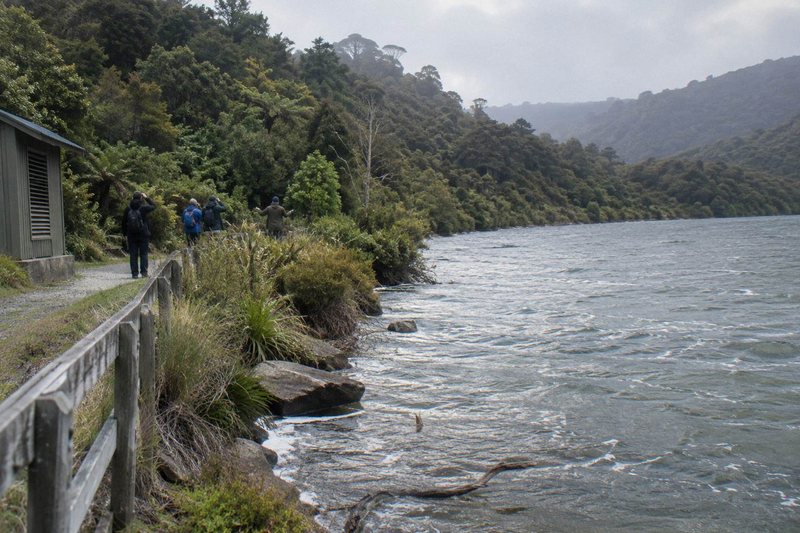
Do Zealandia Walks Run In The Rain, And Is It Worth Going?
Zealandia's day walk runs in almost all weather, and tours can be cancelled free up to 24 hours ahead. Here is what rain actually changes for each of the four guided walks.
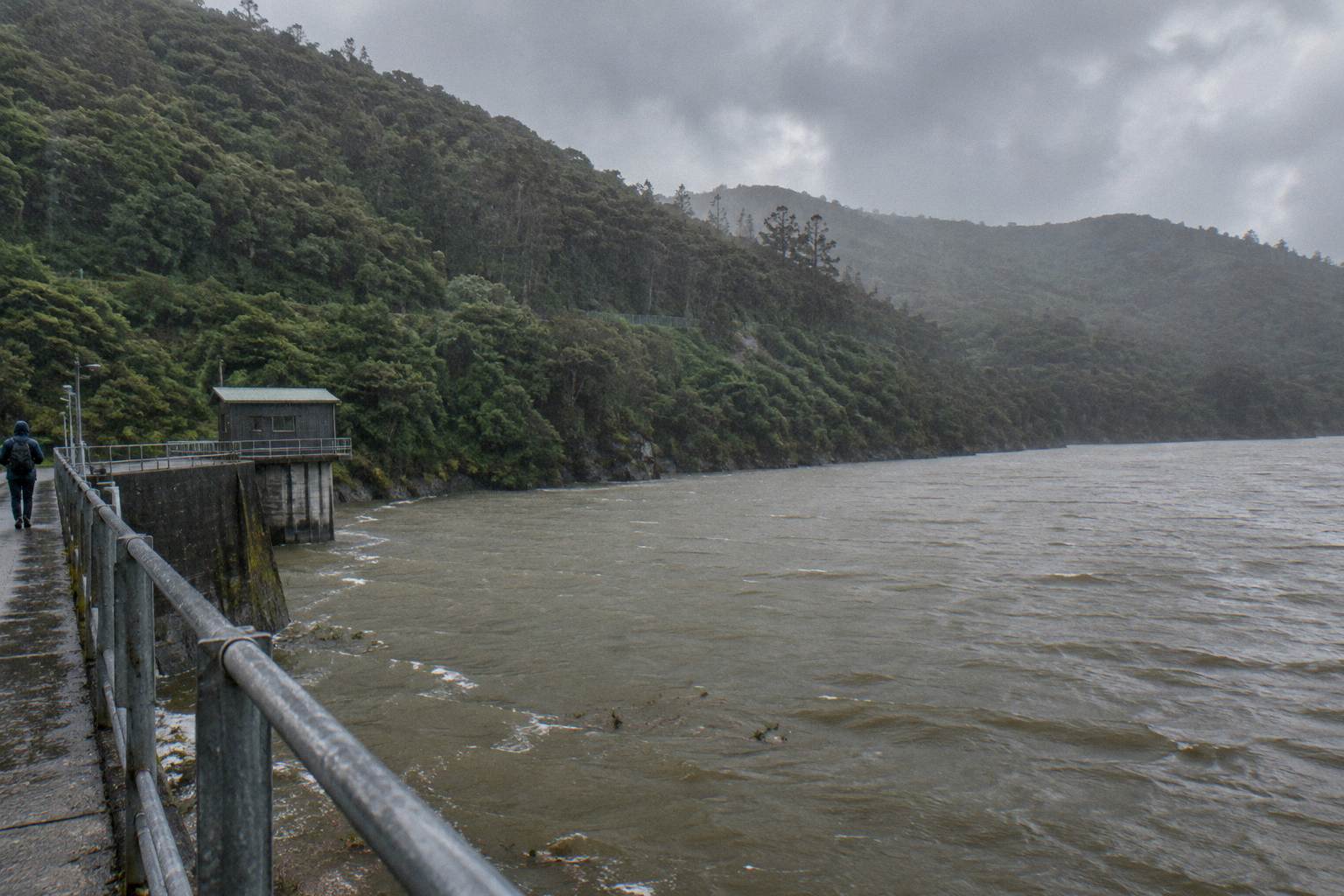
Yes, the walks run in the rain. The operator's own conditions say the day walk runs in almost all weather, with call-offs reserved for extreme conditions, and the sanctuary's valley tracks are built for Wellington's climate rather than against it. Every guided tour in the lineup carries free cancellation up to 24 hours before the start, so a wet forecast is a reason to dress properly, not a reason to stay away.
Wellington averages wet days in every season, and a sanctuary sitting in a valley between Karori hills gets its share of drizzle, showers and the occasional properly soggy afternoon. That has not stopped more than 252 reviewers giving the flagship day walk a 4.8 rating, many of them, by the nature of the city's weather, visiting on grey days. The walk itself is described by the operator as not strenuous, on slopes, gravel and uneven ground, which is exactly the kind of surface that handles rain without becoming dangerous, provided you wear sturdy shoes.
The framing is this: rain changes the experience, it rarely cancels it. Birdlife tends to stay active, the forest canopy in the valley gives reasonable cover on much of the route, and the guides adjust pace and route to conditions as a matter of course. What rain does change is your kit, your comfort and, for the dusk and night walks, how much you feel like standing still in the dark listening for kiwi. Those are manageable problems with a waterproof layer and realistic expectations.
If you are deciding whether to book at all, the decision math is generous. Book the slot, watch the forecast, and if it turns genuinely foul you can cancel free up to 24 hours before the start. Inside that 24 hour window the booking is committed, which is why the sections below on what to wear and what to ask the operator matter more than the forecast does. For a fuller planning picture, our guide to Zealandia Day Tour options covers how the four walks compare across the whole year, and the seasonal differences are laid out in Zealandia tours by season.
What Decides Whether Rain Changes Your Plans?
Three things decide whether a rainy day still gives you a good walk: how heavy the rain actually is, which of the four tours you are booked on, and how you are dressed. The operator's conditions only mention call-offs for extreme weather, so ordinary rain, drizzle and showers sit firmly inside the runs-anyway category. What you control is the clothing decision and the timing decision.
The first factor is intensity. A Wellington shower, even a persistent one, is within normal operating range. Extreme conditions, the kind that close roads and airports, are what the operator reserves call-offs for. If you are unsure whether tomorrow's forecast counts as extreme, the answer in the next sections is simple: ask the operator about extreme weather when you book, and they will tell you where that line sits on the day.
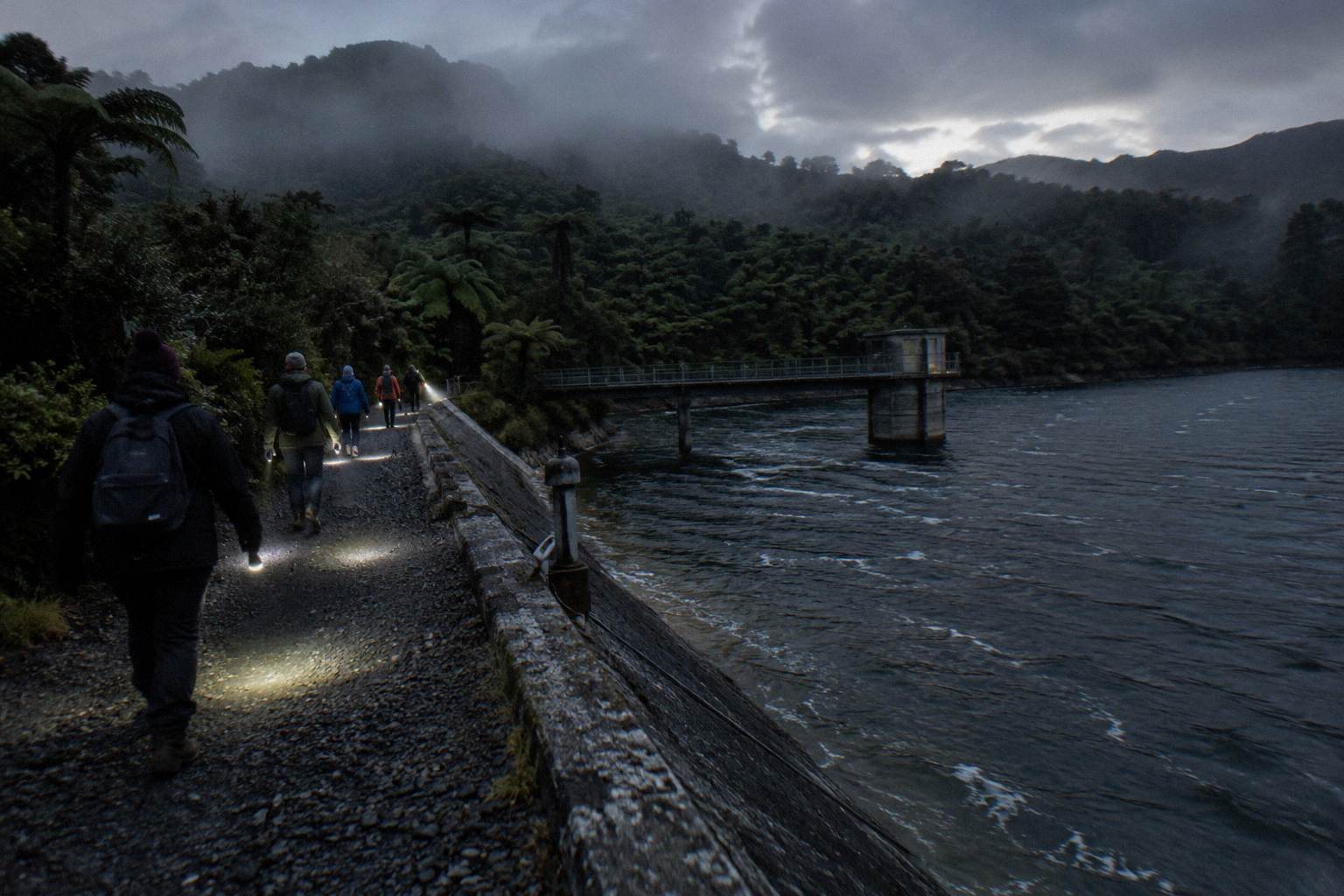
The second factor is the tour format. The day walk is about 2 hours on mixed surfaces in daylight, which is the most forgiving format in rain. You can see where you are stepping, the group moves at walking pace, and the visitor centre is the start and end point, so you are never more than about an hour from shelter and a warm drink. The night walk is about 2.5 hours around dusk with torches, minimum age 12, ending with a warm kawakawa, lemongrass and ginger tea, and rain makes a torchlit valley walk feel colder and damper than the same distance in daylight. The twilight tour, about 2.5 hours from daylight into dark with a minimum age of 5, sits between the two.
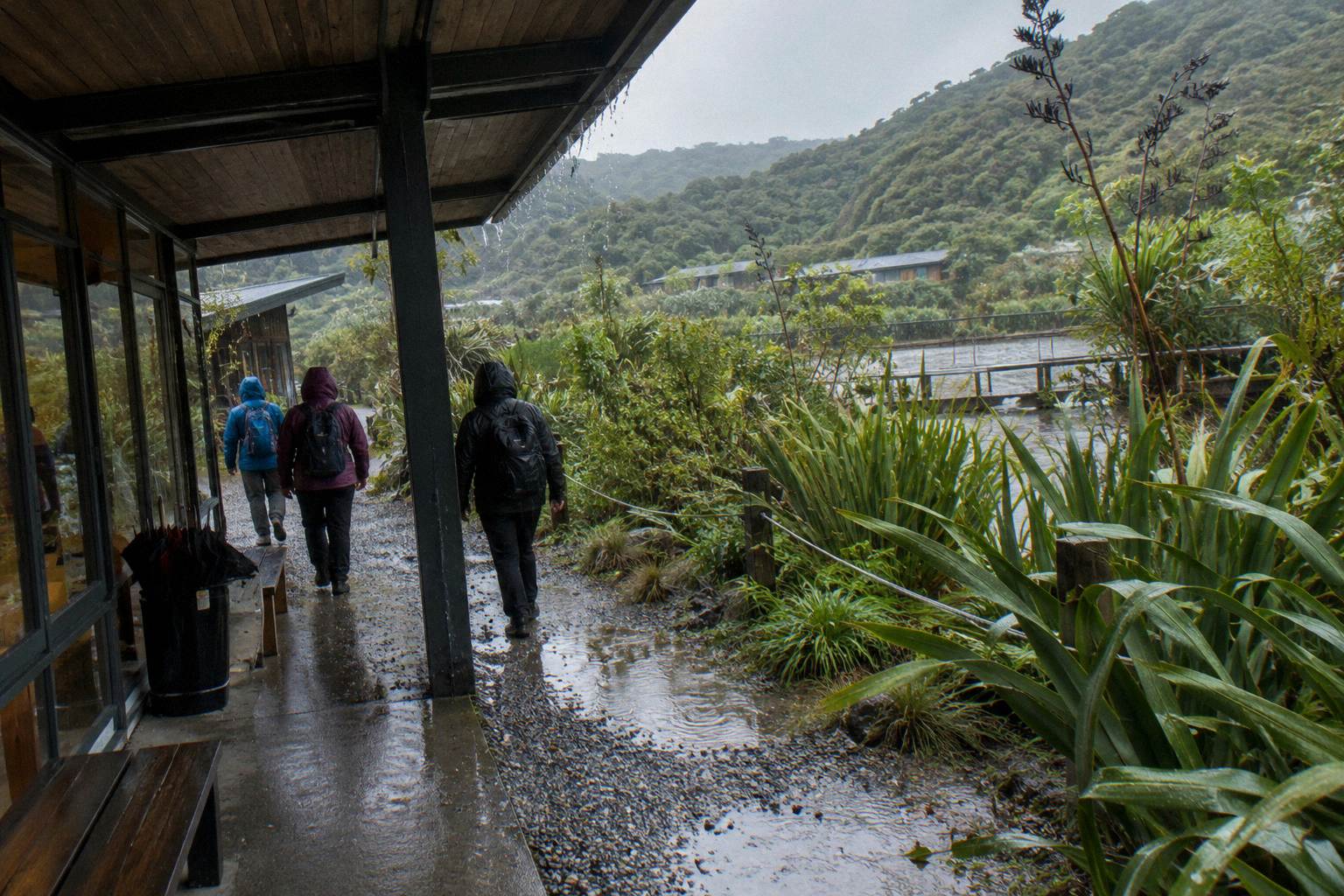
The third factor is you. The recommended kit is sturdy shoes, warm clothes and a waterproof layer, and that recommendation exists precisely because the walk does not stop for weather. A visitor in runners and a cotton hoodie will have a miserable hour two; the same visitor in proper shoes and a shell jacket will barely register the rain. Our detailed what to wear and bring guide breaks the kit list down item by item.
Which Tour Fits Which Traveller?
Rainy-day suitability splits cleanly by format: families and first-timers do best on the day walk, from NZ$70 per person with no minimum age and under 5s free; adults who want the kiwi chance take the night walk, from NZ$120 with a minimum age of 12; families with children aged 5 and up fit the twilight tour, from NZ$110 between October and March. Each carries free cancellation up to 24 hours ahead.
The day walk is the obvious rain-safe default. It runs daily with departures from 10am and more in summer, in groups of up to 12, and it starts with a short intro video inside the visitor centre before the guided walk begins. Rain changes very little about its structure: the guide still leads, the wildlife chances still exist, and the two-day General Admission included with the ticket means you can come back the next day for a self-guided second look if the first afternoon was a washout. That two-day ticket is the rainy-day traveller's insurance policy, and it is worth more than any forecast.
Booking in advance matters more in wet months, not less, because departure numbers are fixed and our piece on whether you need to book ahead explains the cut-offs.
How Does Each Walk Handle Wet Weather?
The four walks differ in length, age rules, season and price: the day walk runs about 2 hours with no minimum age, the night walk about 2.5 hours from age 12, the twilight tour about 2.5 hours from age 5 between October and March, and the plant walk runs Sunday mornings at 10:30am with no minimum age.
The table below is the comparison, drawn from the operator's own listing facts. Prices are per-person from-prices; ratings are printed with their review counts so you can judge the pool yourself, and the plant walk is a new listing with no rating yet, which is stated plainly rather than dressed up.
| Walk | Length | Minimum age | From price | Rating | Rain notes |
|---|---|---|---|---|---|
| Zealandia By Day | About 2 hours | None, under 5s free | NZ$70 | 4.8 from 252 reviews | Runs in almost all weather; daylight, mixed surfaces |
| Zealandia By Night | About 2.5 hours around dusk | 12 | NZ$120 | 4.8 from 164 reviews | Torchlit; torches supplied; ends with warm kawakawa tea |
| Zealandia Twilight | About 2.5 hours, daylight into dark | 5 | NZ$110 | 4.8 from 84 reviews | October to March on the sanctuary schedule; hot kawakawa tea included |
| Forest Secrets Plant Walk | About 2 hours, 10:30am Sundays | None | NZ$70 | New listing, no rating yet | Plants-led; same valley surfaces as the day walk |
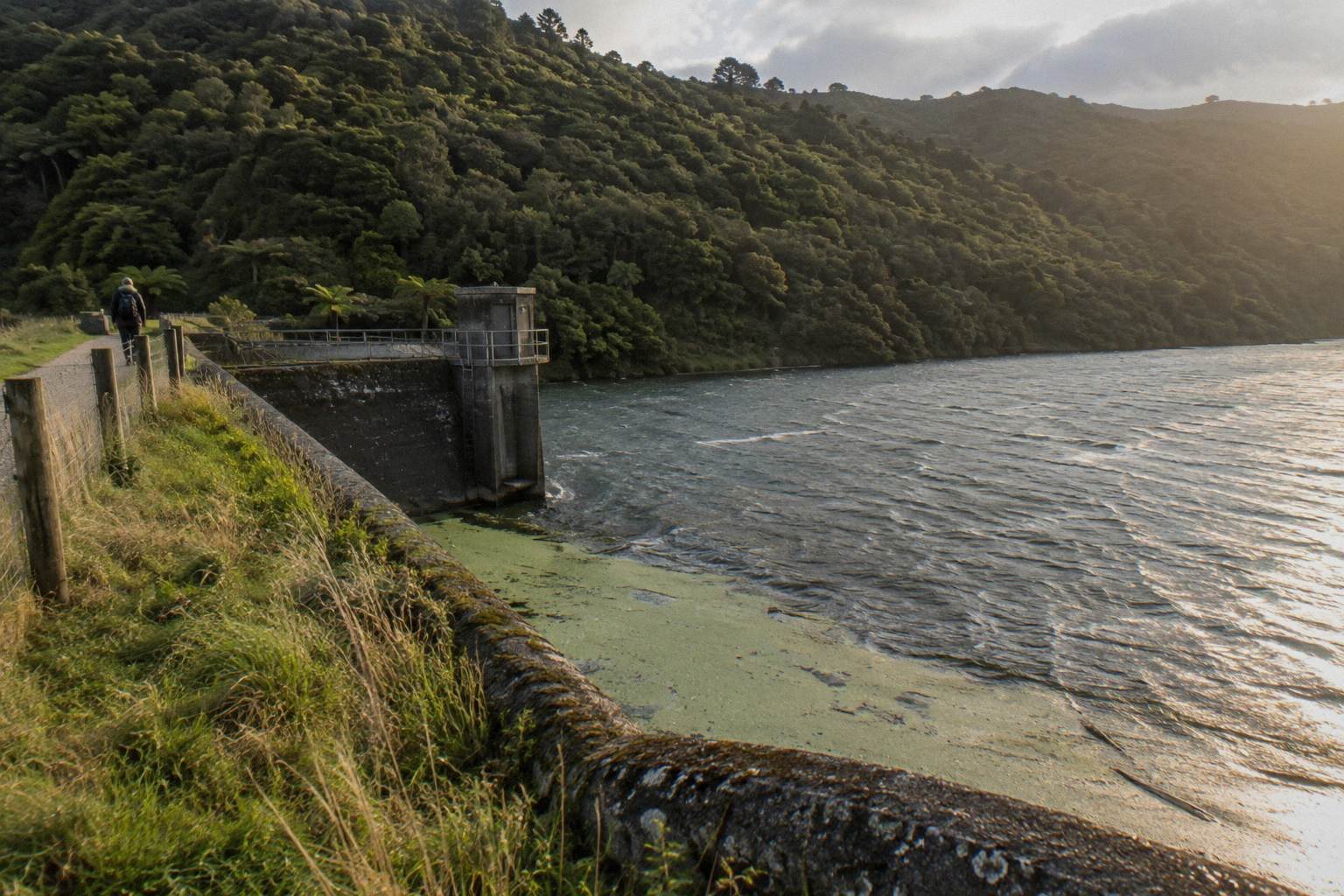
Two details in that table do quiet work for rainy-day planners. The first is the tea. Both the night and twilight walks end with a warm kawakawa, lemongrass and ginger tea at the visitor centre, which is exactly the finish a damp two and a half hours deserves. The second is the departure pattern: the day walk has multiple departures with more in summer, so if the morning is grim there is often a later slot the same day, while the night walk runs nightly with its start time confirmed at booking, since dusk moves with the season.
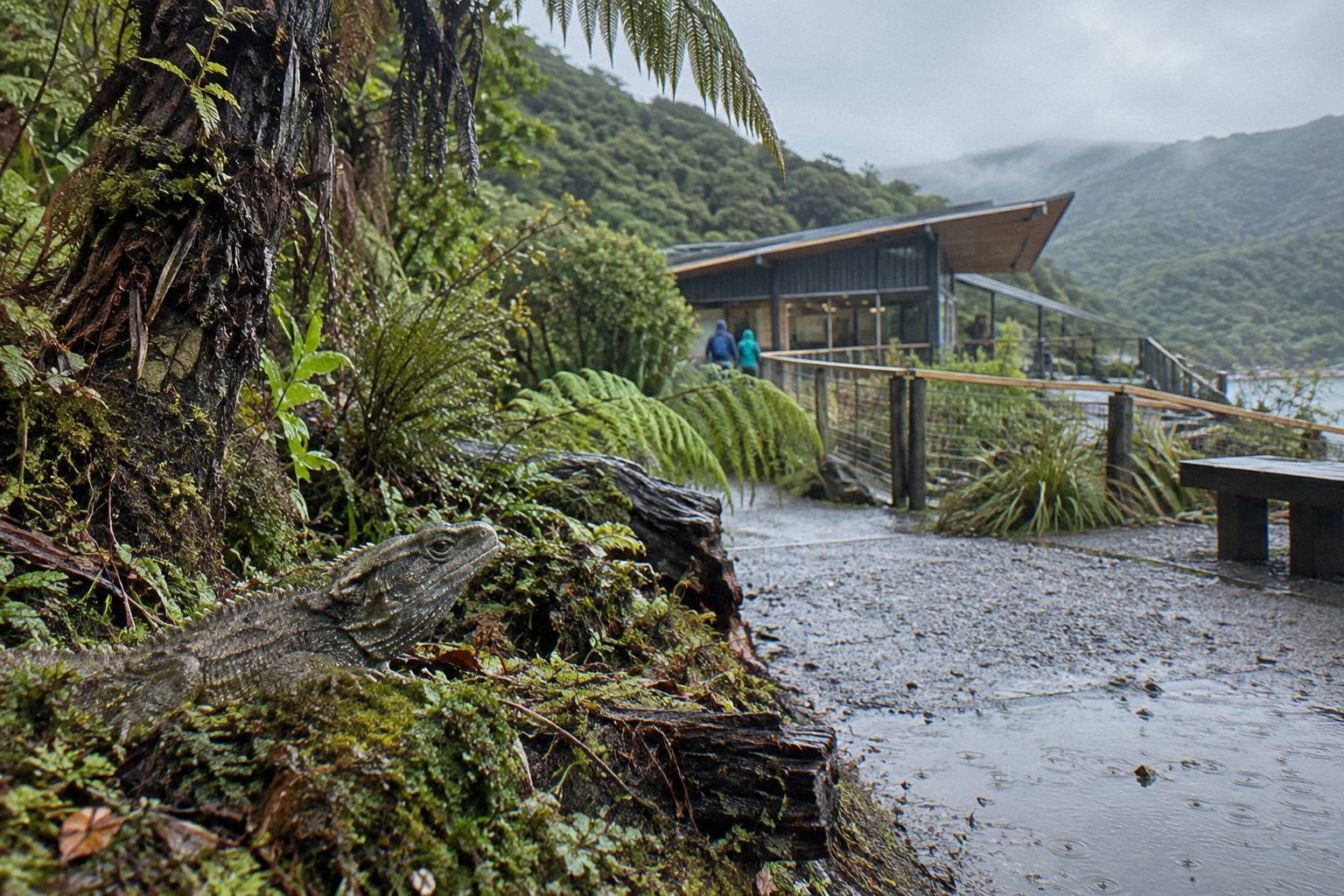
Wildlife chances continue in rain, phrased always as chances: day-walk guides look for takahe, tuatara, hihi, kaka, tieke, toutouwai and pateke, plus tui, kereru and korimako, and the night walk adds little spotted kiwi, wetapunga, Hamilton's frog, ruru and glowworms to the list of possibilities. The operator's own wording on kiwi is that they are seen on most tours and sightings are never guaranteed. Kiwi are not a day-tour prospect at all; the official General Admission page calls nocturnal wildlife such as kiwi, ruru, weta and frogs very unlikely by day.
How Do Cancellation And Booking Work?
Every one of the four tours offers free cancellation up to 24 hours before the start, and that single rule is what makes booking ahead in uncertain weather a low-risk move. Inside the final 24 hours the booking stands, and a call-off for extreme weather is the operator's call, not yours. The practical playbook is to book early, decide at the 24-hour mark, then commit and dress for it.
Think of the 24-hour line as your weather checkpoint. Forecasts in Wellington are reasonably reliable a day out and much less reliable three or four days out, so cancelling earlier than the window often means cancelling on a forecast that would have changed anyway. The better pattern is to hold the booking, re-check the forecast inside the free window, and only then choose: go, or cancel free. After that line, the booking is committed, and rain within the operator's normal operating range is not grounds for a refund, because the walk is running.
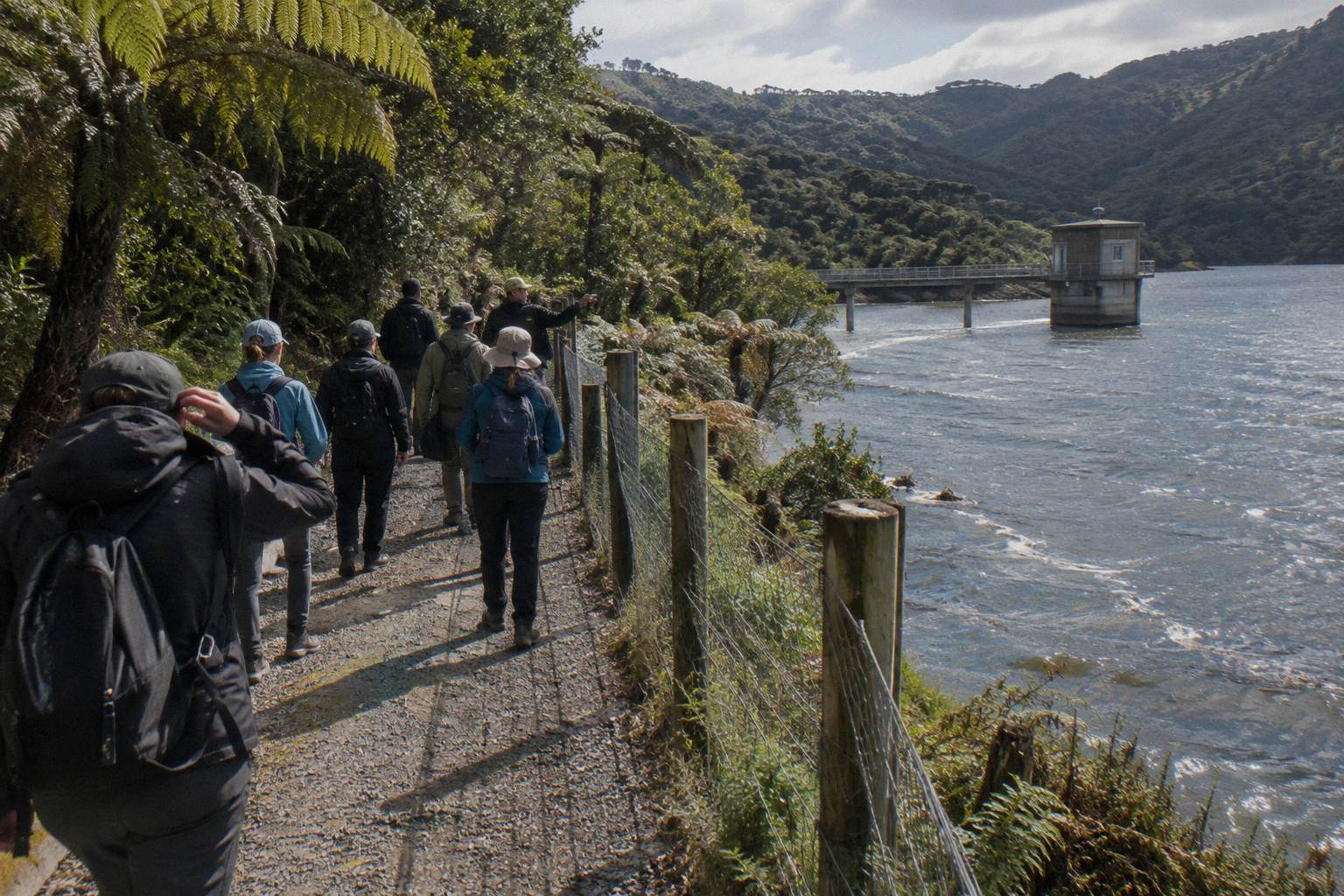
The extreme-weather case is different, and it is the operator's decision. If conditions are bad enough that the sanctuary calls off a departure, that is a cancellation on their side, not a no-show on yours. This is why the section on what to ask before booking matters: the line between heavy rain and extreme conditions is a judgement the operator makes, and asking about it in advance, rather than assuming, is the difference between a plan and a hope.
Two lineup details interact with cancellation in ways worth knowing. Mandarin-language day departures exist but need a minimum of four people, and the tour may be cancelled if that number is not reached, a booking-side cancellation unrelated to weather. And the included General Admission, valid for the tour day and the next day, keeps working even on a grey first visit: if the tour afternoon is damp, the following day's self-guided return is already paid for. The sanctuary's official getting here page covers the practical arrival details if you are re-planning around weather.
What To Wear On A Wet Zealandia Walk
The operator's kit advice is explicit and weatherproof: sturdy shoes, warm clothes and a waterproof layer, because the walk runs in almost all weather on slopes, gravel and uneven ground. Add warm layers for the night and twilight walks, since standing still in the dark is colder than walking in daylight, and remember the two-dam valley funnels wind as well as rain.
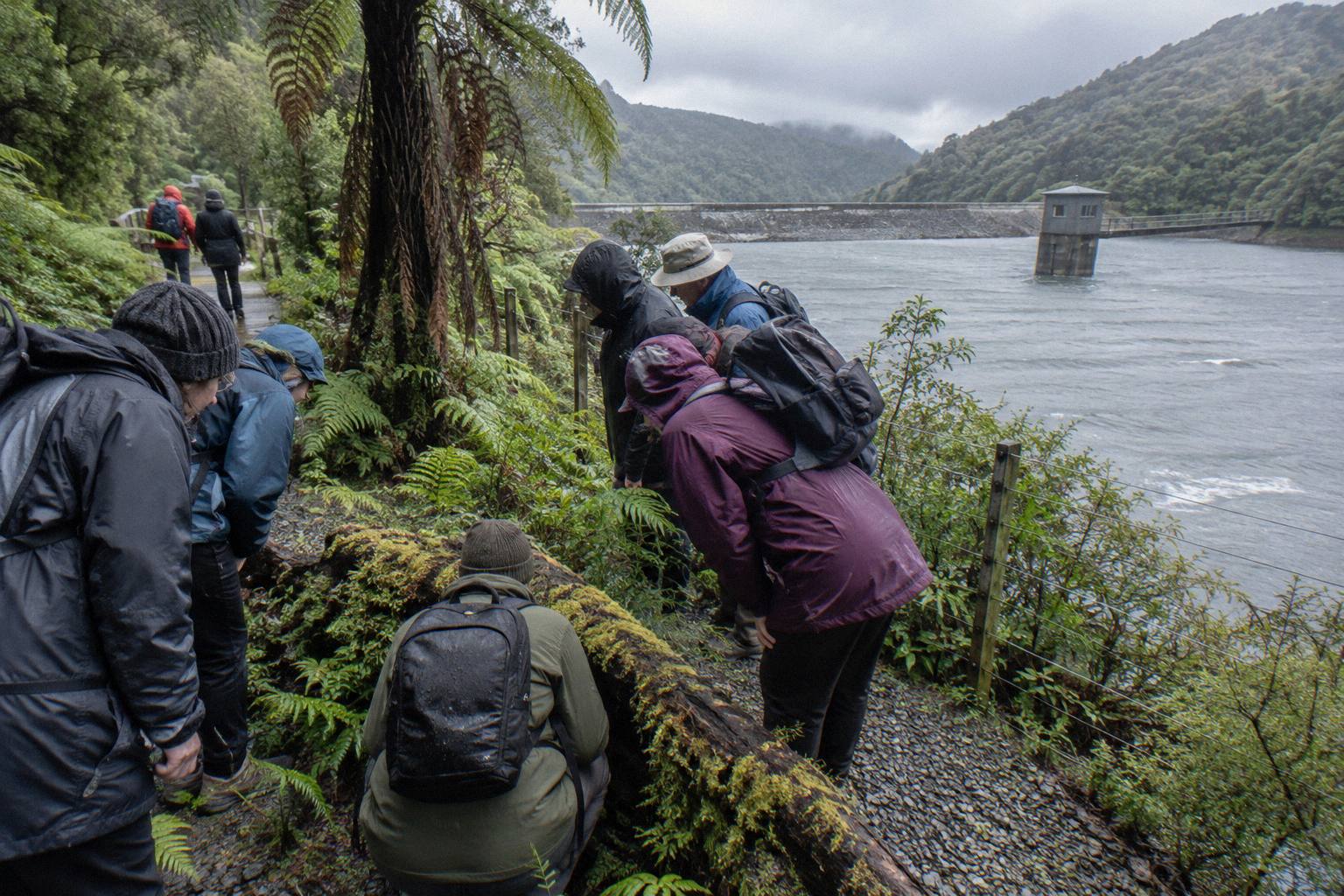
Footwear is the item that actually decides your day. The surfaces are gravel, slope and uneven ground, wet versions of which punish smooth soles. Anything with grip works; anything that soaks through in ten minutes does not. Pushchairs are fine on the day walk and infants sit on an adult's lap, but a rain cover for the pushchair is worth packing if you are bringing one.
Layers matter more than a single heavy coat. A waterproof shell over two warm layers beats one soaked jacket, and the visitor centre at both ends of every tour means you can shed or add at the turnaround. For the night walk, gloves and a hat are not decoration: the walk is about 2.5 hours, much of it slower than daylight pace, with torches supplied per the booking page. The twilight tour, October to March from age 5, has the same arithmetic in the shoulder months when daylight fades into a cold dusk.
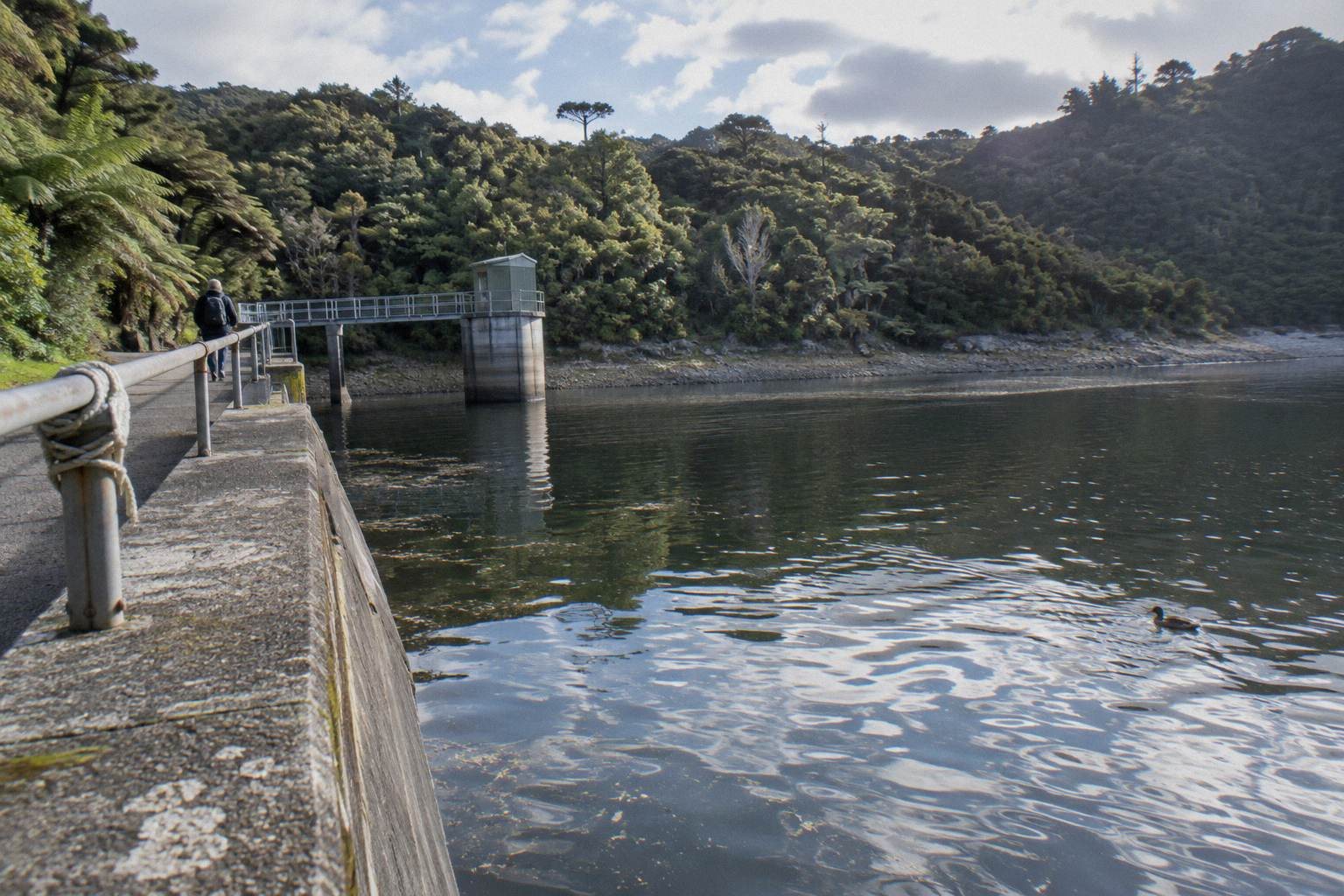
| Item | Day walk | Night walk | Twilight | Why |
|---|---|---|---|---|
| Sturdy shoes | Essential | Essential | Essential | Wet gravel and uneven slopes |
| Waterproof shell | Essential | Essential | Essential | Runs in almost all weather |
| Warm layers | Recommended | Essential | Essential | Valley wind; standing still in the dark |
| Hat and gloves | Optional | Essential | Recommended | 2.5 hour dusk walks cool fast |
| Torch | Not needed | Supplied | Supplied | Torches supplied per the booking page |
A small biosecurity note that pairs with packing: everyone checks their own bags and pockets for seeds, mice and lizards at the double gates before entering, so empty your pockets of the day's snack wrappers before you reach the gate rather than holding up your group in the drizzle.
What To Ask The Operator Before You Book
Four questions cover the rain scenario properly: whether your date's forecast sits inside normal operating range or counts as extreme weather, what happens on your side if the operator calls a departure off, whether the sanctuary's other seasonal walks might suit your group better, and what the accessibility conditions mean for anyone in your party with limited mobility. The operator's own conditions answer each of these; assumptions do not.
The extreme-weather question is the one to ask in those words. Asking whether the tour runs in rain gets you the conditions line again; asking where they draw the extreme line, and what the forecast trigger is, gets you a usable answer. Pair it with the refund question: if the operator cancels, how is that processed. That is an operator-side cancellation and the answer belongs to them, so get it from them.
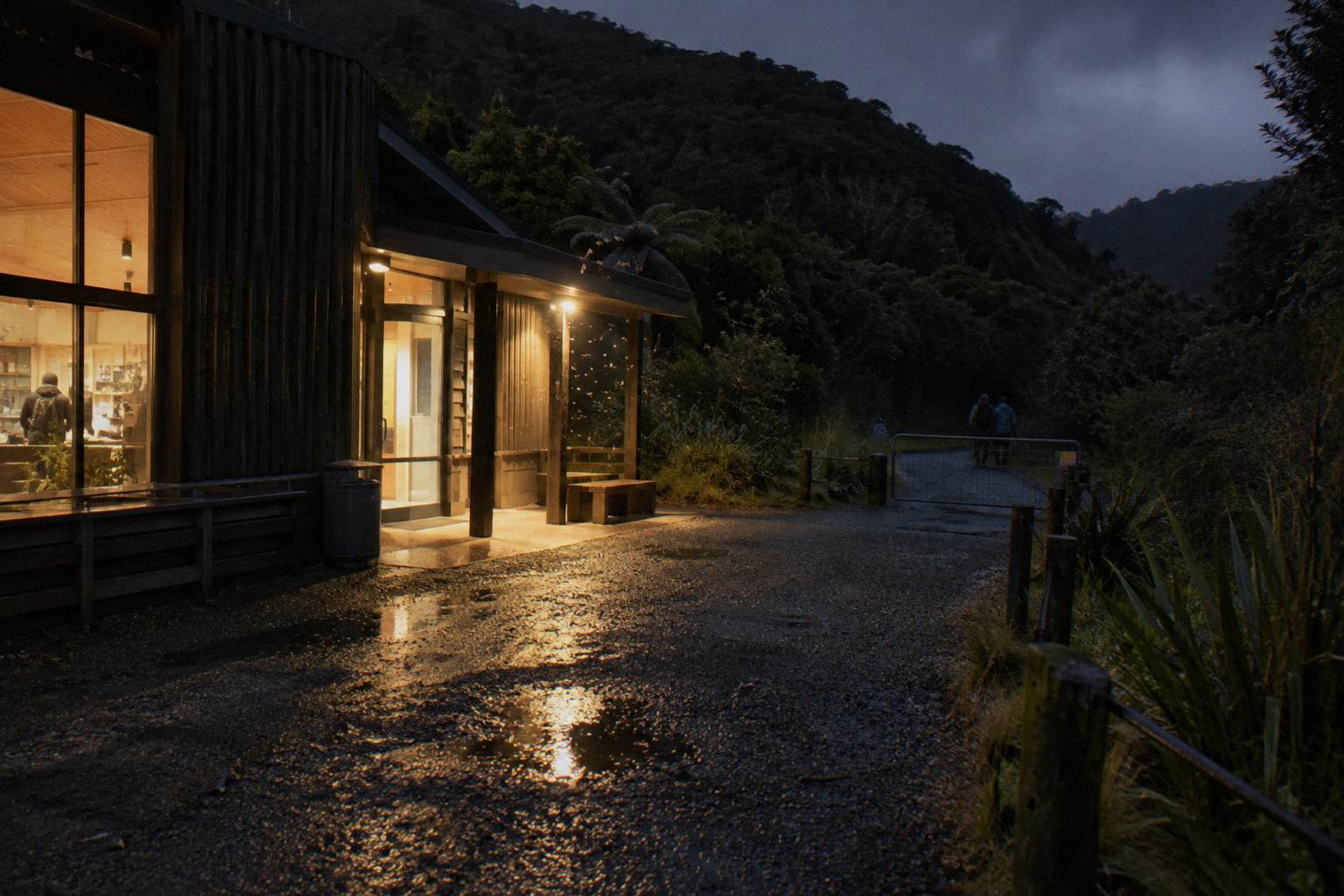
The second question is about alternatives. Families with children under 12 cannot join the night walk, and the sanctuary itself points those families to the twilight tours and the Kids' Night Walks, which run April to September from age 5. The sanctuary's own schedule also lists dawn walks and photography tours on select weekends; mention them to the operator if the format interests you, but details belong to the official pages.
Third, accessibility in wet conditions. The official accessibility position is that much of the lower valley is wheelchair and pram friendly, there is a lift in the visitor centre, free mobility scooters if you ask ahead, a free companion entry and accessible toilets, while the tour booking page describes uneven surfaces and a moderate level of walking, and the free shuttle has no chairlift. The right move, on any question of suitability, is to ask the operator when you book and quote their conditions back to them rather than relying on a generalisation. Service and guide dogs are admitted with advance notice by day, never at night, which is another detail to raise directly. The sanctuary's official General Admission page covers the self-guided side if a guided walk proves the wrong fit.
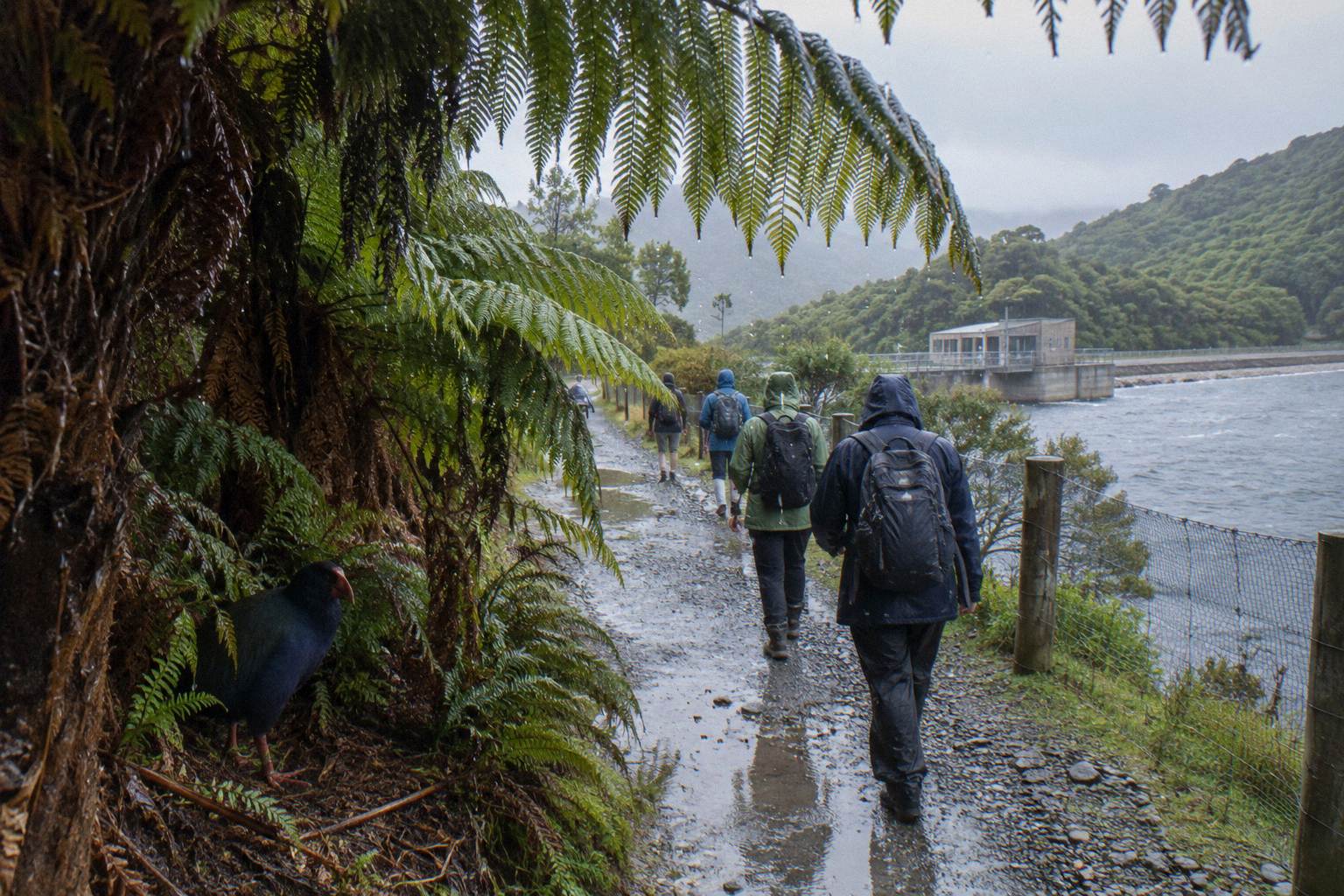
Common Mistakes Rain-Worried Bookers Make
The recurring mistakes are cancelling too early on a distant forecast, dressing for the car rather than the track, assuming rain means no wildlife, treating the 24-hour window as flexible, and skipping the day walk because a night booking exists that the family's youngest cannot even join. Every one of these is avoidable with the lineup facts already in this article.
Cancelling early is the costliest habit. A five-day-out forecast that looks grim is often wrong, and cancelling then forfeits a booking that free cancellation would have protected until the 24-hour mark. The disciplined move is to wait until you are inside the window with a forecast you can trust, then decide once.
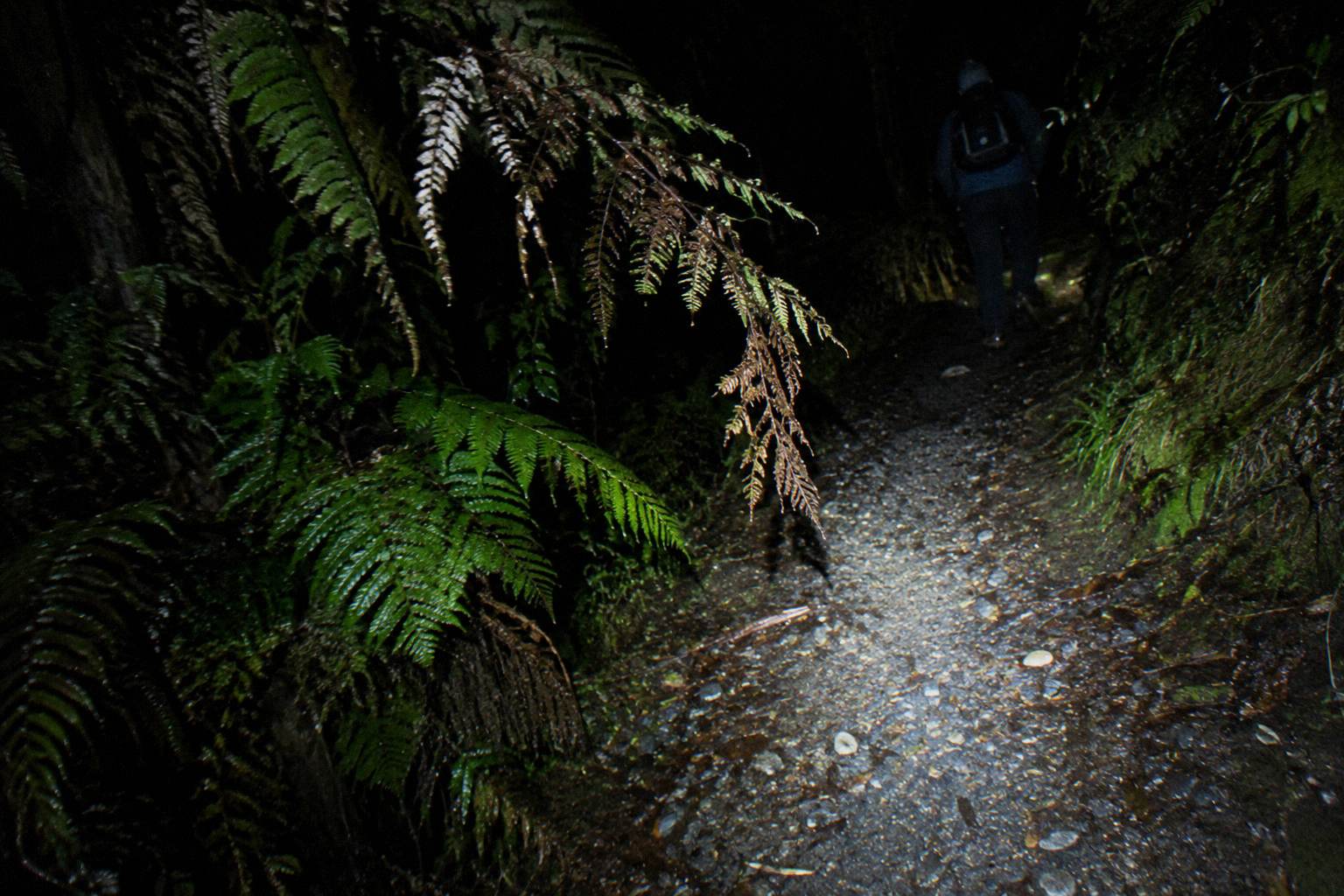
Dressing wrong is the most common on-the-day failure, and it is purely a packing problem. The kit table above is the whole answer: sturdy shoes, waterproof shell, warm layers scaled to the format. Assuming rain empties the forest is the third mistake. Wildlife sightings are always chances, never promises, but the guides look for the same species list in rain, and takahe, tuatara and pateke do not read forecasts. Treating the window as flexible is the fourth: the 24-hour rule is the operator's stated condition on all four tours, not a negotiating position. The fifth is forgetting age rules, booking a night walk, from age 12, for a family with a nine-year-old, when the twilight tour from age 5 or the day walk with no minimum age fits the same household.
The quietest mistake is undervaluing the included admission. Every tour ticket includes General Admission for the tour day and the next day, so a damp first afternoon converts into a free clearer second morning. Rain, in other words, is the scenario where the two-day ticket pays for itself.
Is A Rainy Zealandia Walk Still Worth The Money?
On the lineup's own numbers, yes. The day walk from NZ$70 per person includes a guide and two days of admission, the 4.8 ratings across the three established walks hold up across 252, 164 and 84 reviews respectively, and free cancellation up to 24 hours ahead caps the downside of booking. Rain changes comfort, not value.
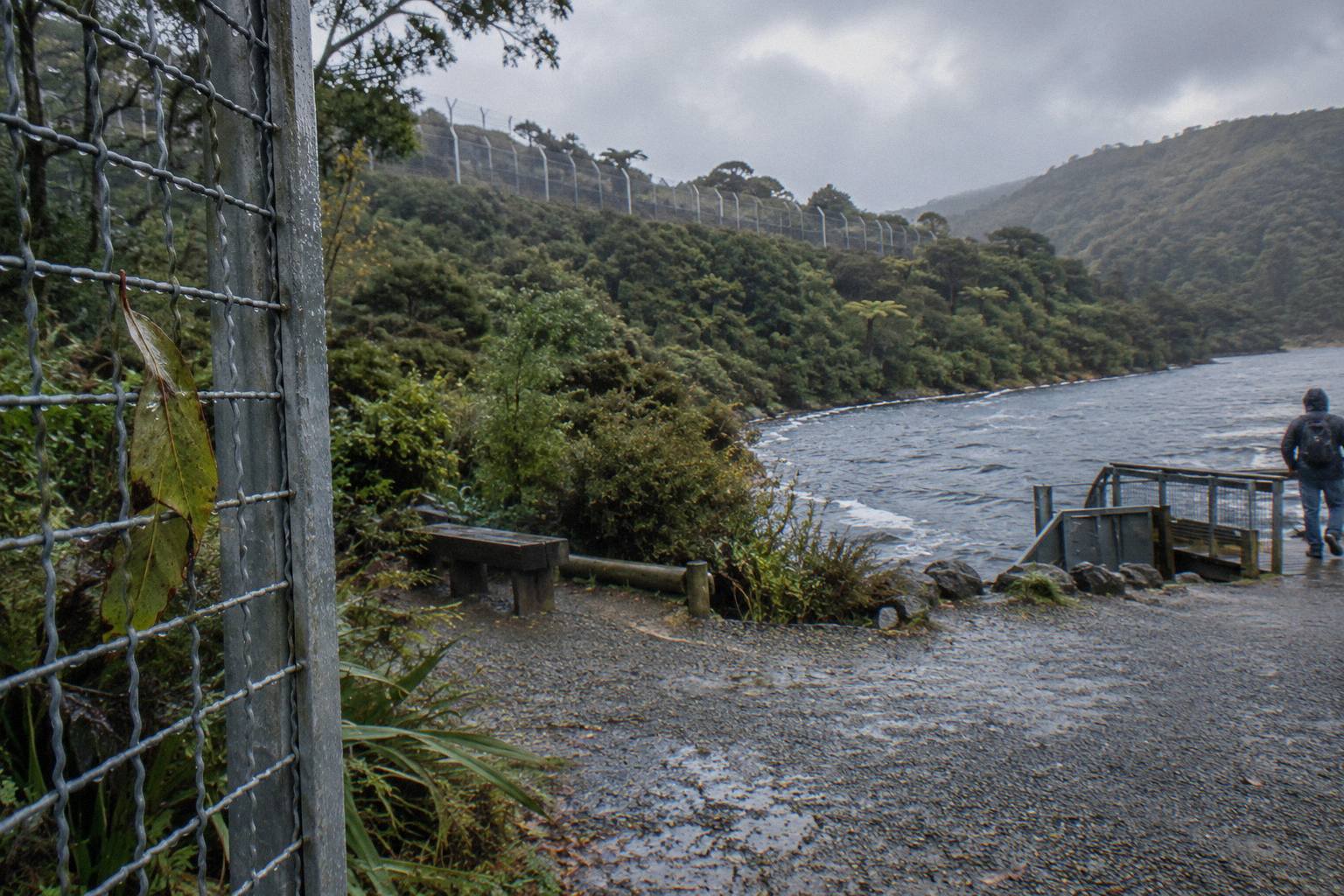
Work the arithmetic. A from-price of NZ$70 for a two-hour guided small-group walk, with admission to 225 hectares and more than 32 km of tracks valid for two consecutive days, is a per-hour cost most city experiences do not approach, and the rain does not add a cent to it. The 500-year restoration story, the 8.6 km predator-exclusion fence finished in 1999, and the return of tuatara in 2005 and 2007 and kaka in the early 2000s are all part of what the guide narrates, and none of it is weather-dependent.
The night and twilight walks carry the same logic at higher from-prices, NZ$120 and NZ$110, with the kiwi chance, never a kiwi promise, and a warm tea at the end. If your whole reason for visiting is the little spotted kiwi, whose population descended from 40 birds brought in during 2000 and 2001 and is now estimated in the hundreds, the night walk is the only format that makes sense, rain or not.
The final plain word: Wellington will sometimes be wet on your booking day, the walk will probably run anyway, and the visitors who enjoy it are the ones who dressed for the valley rather than the forecast. Book the slot, use the 24-hour window deliberately, pack the shell, and let the forest do the rest.
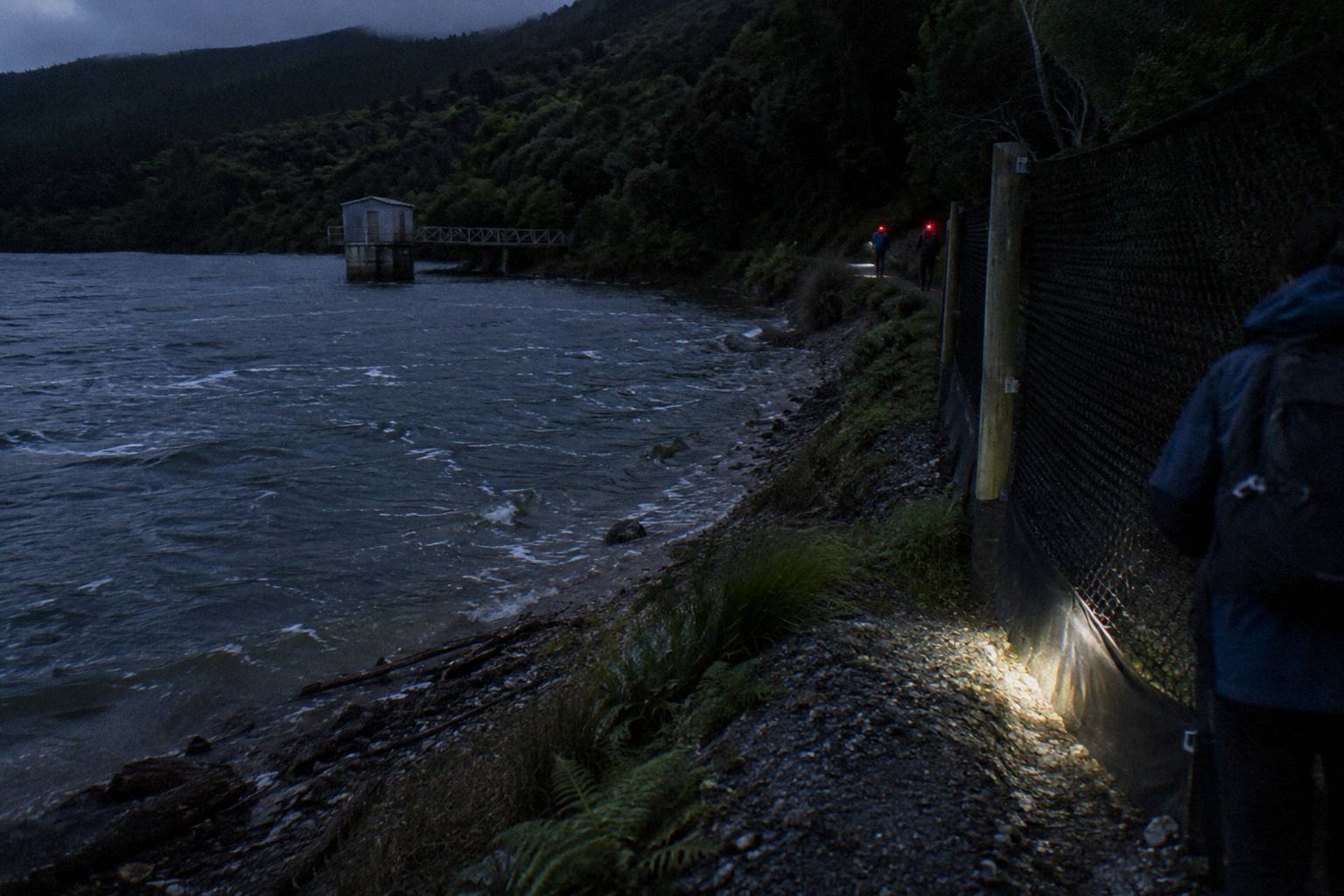
The night walk earns its own line in the rain question because it is the format most changed by weather and the one most worth protecting with good gear: about 2.5 hours, torches supplied, minimum age 12, ending warm. For the family format, covers the twilight alternative from age 5, October to March, with hot kawakawa tea included.
Common Questions About Zealandia Walks In The Rain
Do Zealandia Walks Run In The Rain, And Is It Worth Going?
Yes. The day walk runs in almost all weather, call-offs are for extreme conditions at the operator's discretion, and every tour in the lineup offers free cancellation up to 24 hours before the start. With the included two-day General Admission and a 4.8 rating from 252 reviews on the day walk, from NZ$70 per person, a rainy visit remains good value.
Can I Cancel For Free If The Forecast Turns Wet?
Yes, up to 24 hours before the tour starts, on all four guided walks. Inside that window the booking is committed. If the operator calls a departure off for extreme weather, that is an operator-side cancellation and the operator's own process applies, which is why asking about extreme weather when you book is worthwhile.
What Should I Wear On A Rainy Tour?
Sturdy shoes, warm clothes and a waterproof layer, per the operator's own advice. The walk covers slopes, gravel and uneven ground that stay manageable in rain with proper grip. For the night and twilight walks, add warm layers, a hat and gloves, since about 2.5 hours around and after dusk is colder than the same distance in daylight.
Does Rain Mean Fewer Birds And Wildlife?
Sightings are always chances, never guarantees, rain or shine. Day-walk guides look for takahe, tuatara, hihi, kaka, tieke, toutouwai and pateke plus tui, kereru and korimako; night-walk guides add little spotted kiwi, wetapunga, Hamilton's frog, ruru and glowworms. The operator's wording on kiwi is that they are seen on most night tours and never guaranteed.
Which Walk Is Best On A Wet Day With Kids?
The day walk: no minimum age, under 5s free, about 2 hours in daylight with pushchairs fine and the visitor centre at both ends. The twilight tour, from age 5 and running October to March, is the evening alternative for families, and the sanctuary points families with under 12s to twilight and Kids' Night Walks rather than the night tour.
Do The Tours Still Include The Two-Day Admission In Bad Weather?
Yes. Every tour ticket, on every one of the four walks, includes General Admission valid for the tour day and the following day. If the first afternoon is a washout, the next day's self-guided return is already included, which is exactly when that ticket earns its keep.