One Day In Wellington Built Around A Zealandia Guided Tour
Wellington is compact enough that a single day can hold a guided walk inside the world's first fully fenced urban ecosanctuary plus a relaxed ride there and back. Here is how the timing actually stacks up.
Short answer
A Zealandia By Day walk lasts about 2 hours, runs daily in groups of up to 12 from 10am, costs from NZ$70 per person, and includes a General Admission ticket valid for the tour day and the next. A free electric shuttle connects the city to the sanctuary in about 10 to 15 minutes.
Wellington squeezes a harbour capital, a botanic hillside and a 225-hectare fenced forest into a space you can cross in half an hour. That compactness is what makes a one-day plan built around Zealandia Day Tour work: the sanctuary sits in Karori, about 10 to 15 minutes from the city by a free electric shuttle, and the guided walks themselves are short enough, two to two and a half hours, that they never swallow the day. The planning problem is not whether the day fits. It is what order to do it in.
The reason to anchor the day on a guided walk rather than a general visit is simple arithmetic. Every tour ticket includes General Admission valid for the tour day and the next day, so a walk buys you two days of access for one booking. Book the walk first, then fill the hours around it. The article does exactly that: slot times, transfers, what fits before and after, and the evening walk options for travellers who would rather see the valley in the dark.
How Do You Build A Wellington Day Around A Zealandia Walk?
Start from the walk, not the city: choose your Zealandia departure first, work backwards to a shuttle or Cable Car connection, then fill the remaining morning or afternoon hours around the fixed two-hour block the walk occupies. The sanctuary opens 9am to 5pm with last entry at 4pm, so a day anchored on a guided walk has hard edges but a soft middle.
Zealandia By Day is the natural anchor. It lasts about 2 hours, runs daily, departs from 10am with more departures in summer, and takes a small group of up to 12 people. The from-price is NZ$70 per person, and its rating stands at 4.8 from 252 reviews. There is no minimum age, under 5s go free, pushchairs are fine, and photography is allowed, which makes it the most plan-friendly slot on the sanctuary's schedule. The walk begins inside the visitor centre at 53 Waiapu Road, Karori, with a short intro video, then moves onto slopes, gravel and uneven ground. The operator calls it not strenuous, with reasonable fitness needed, and it runs in almost all weather.
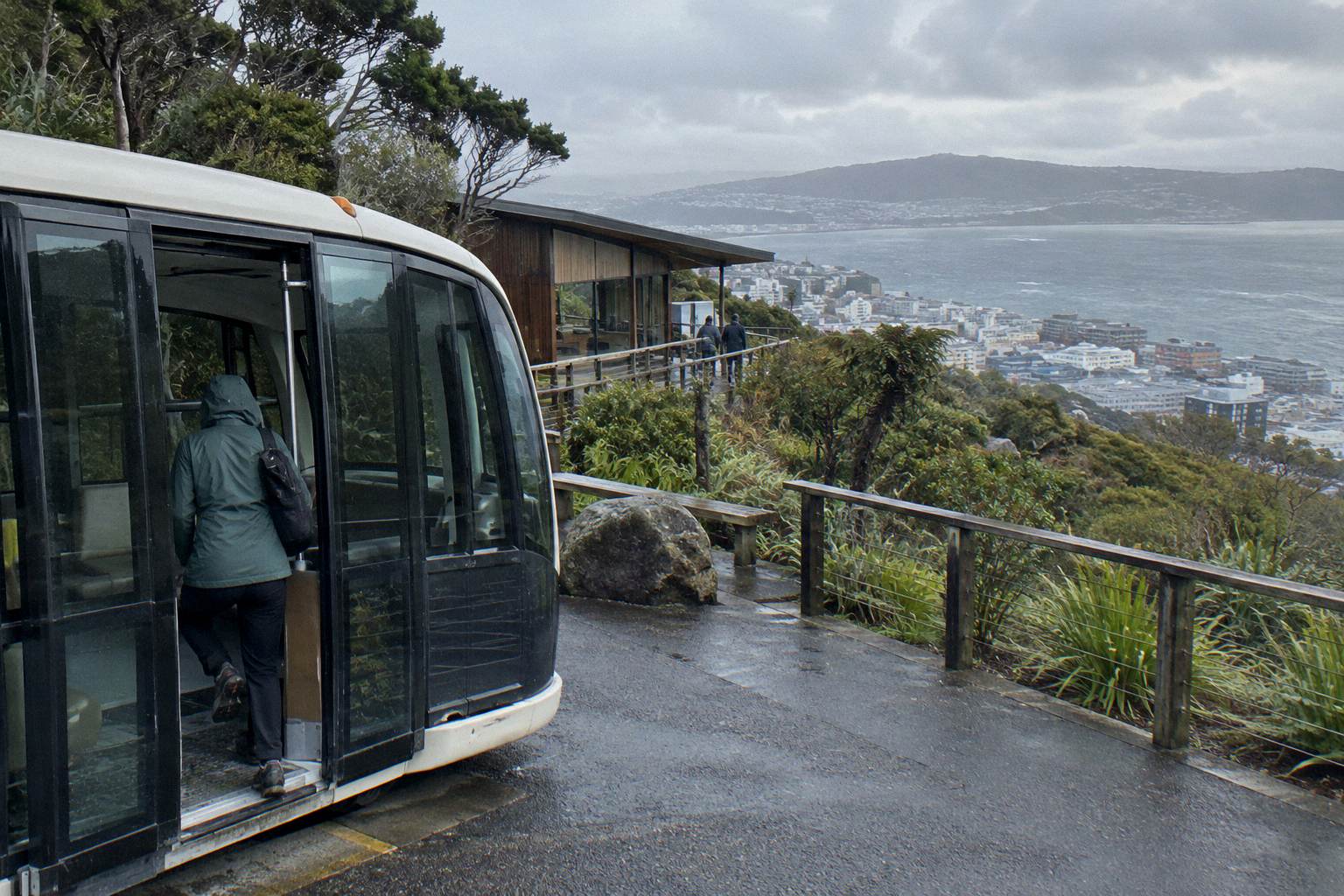
Booking the walk first also fixes your transport. Holders of a Zealandia By Day ticket get priority seating on the free electric shuttle if they arrive 10 minutes early, which matters because the shuttle has only 11 seats and space is not guaranteed. Every tour ticket, day or otherwise, includes that General Admission valid for the tour day and the next day, so if your plans stretch past one afternoon you can return self-guided. Free cancellation applies up to 24 hours before the start, which keeps the booking low-risk while the rest of the day is still in flux. For a fuller comparison of the two ways in, our guided tour or self-guided visit guide breaks down what a guide adds.
One structural fact shapes the whole day: kiwi are not a day-tour prospect. The official General Admission page describes nocturnal wildlife such as kiwi, ruru, weta and frogs as very unlikely by day. If a kiwi sighting is the goal, the day plan needs to leave the evening open for the night walk, which is covered later in the article. If daytime forest and rare birds are the goal, the morning walk plus a second self-guided afternoon inside the same ticket covers it.
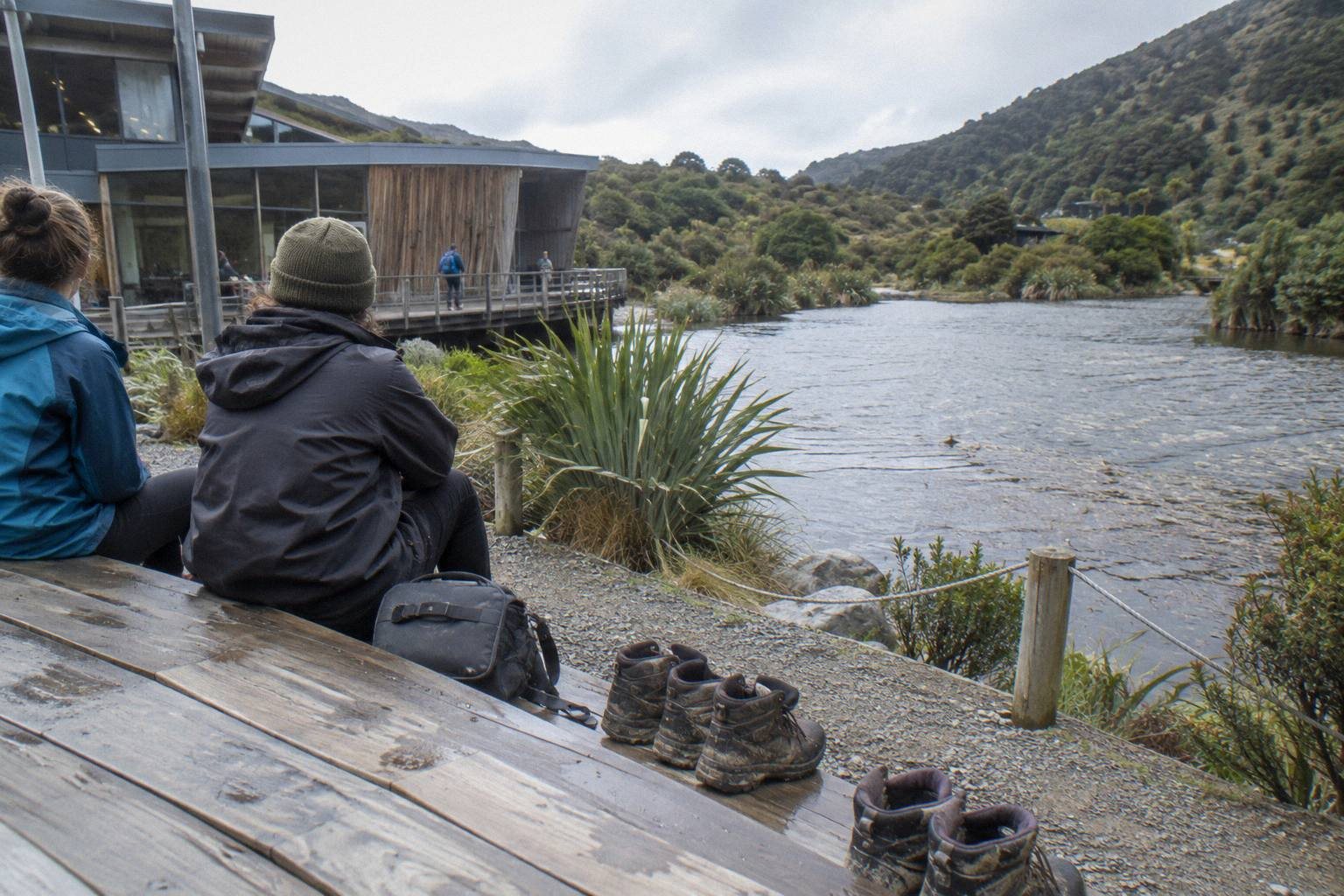
It also helps to know what the walk physically asks of you before you build hours around it. The valley tracks are the same ones self-guided visitors use, but a guided group moves at the guide's pace and stops for interpretation, so the two hours pass at a moderate walking rhythm rather than a march. Sturdy shoes, warm clothes and a waterproof layer are the operator's own recommendation, and since the walk runs in almost all weather, drizzle should change your clothing plan, not your itinerary. The 500-year restoration vision behind the valley, which our restoration, fence and 500-year vision guide explains in full, is also why the guides narrate so much: the forest is mid-story, and the walk is partly a lesson in what comes next.
Which Walk Slot Fits Which Day Shape?
A 10am or 11am Zealandia By Day departure fits a morning-anchored day and returns you to the city by early afternoon; a 1pm departure flips the day into city-morning, sanctuary-afternoon; an evening walk turns the whole plan into a daytime-Wellington, dusk-in-the-valley shape. Choose the slot before booking anything else.
Departures for the day walk run from 10am, with more added in summer, and each lasts about 2 hours. That means a mid-morning slot leaves the afternoon free in the city, while an early-afternoon slot leaves the morning free. The comparison below matches each walk to the day shape it serves. It is worth checking the sanctuary's own tickets and tours page for the current departure list before you commit to a shape, since summer adds slots.
| Walk | Length | Schedule | Minimum age | From-price | Best day shape |
|---|---|---|---|---|---|
| Zealandia By Day | About 2 hours | Daily, from 10am, more in summer | None, under 5s free | NZ$70 | Morning or afternoon anchor |
| Zealandia By Night | About 2.5 hours | Nightly, around dusk | 12 | NZ$120 | Evening-only day plan |
| Zealandia Twilight Tour | About 2.5 hours | October to March | 5 | NZ$110 | Family evening plan |
| Forest Secrets Plant Walk | About 2 hours | Sunday mornings, 10:30am | None | NZ$70 | Slow Sunday shape |
Two constraints tighten the fit. The night and twilight walks start after the day shuttle stops running, so evening plans need their own way home from Karori. And every walk meets inside the visitor centre with a request to arrive 15 minutes early, so a slot is really a slot minus a quarter hour of buffer. Our guide to opening hours and the best time of day for a tour goes deeper on light and timing.
Season shifts the menu as well as the clock. The Twilight Tour runs October to March, so a summer one-day plan can pair a city afternoon with a daylight-into-dark walk, while the cooler months replace it with the Kids' Night Walks for the five-and-over crowd. The sanctuary's own schedule also lists dawn walks on select weekends from April to September and photography tours on select weekends from October to April, one sentence of possibility for travellers whose dates align. For a fuller seasonal view, see our Zealandia tours by season guide.
If you are torn between two slots on the same day, remember the two-day General Admission. Booking the day walk and returning the following morning self-guided effectively splits the sanctuary across two days, which suits slower travellers better than cramming two walks into one afternoon.
How Do You Move Between The City And The Sanctuary?
Take the free electric shuttle from outside the Takina Convention Centre on Wakefield Street, or from the top of the Cable Car: the ride takes about 10 to 15 minutes, holds 11 people, and space is not guaranteed, so Zealandia By Day ticket holders should arrive 10 minutes early for priority seating. Buses stop about five minutes' walk away.
The shuttle is the backbone of a one-day plan because it costs nothing and connects the two ends of the day. The catch is capacity: 11 seats, no guaranteed space. Priority seating for day-walk ticket holders who arrive 10 minutes early is the operator's own answer to that, and it is the single most useful planning fact on this page. If the shuttle is full, public bus stops at Northland Road and Birdwood Street sit about a five-minute walk from the sanctuary entrance.
| Option | Time each way | Notes |
|---|---|---|
| Free electric shuttle | About 10-15 minutes | 11 seats, space not guaranteed; day-walk ticket holders get priority arriving 10 minutes early |
| Cable Car plus walk | Ride plus about 30 minutes on foot | The shuttle also serves the Cable Car top; the official Cable Car site has current details |
| Public bus | Depends on route | Stops at Northland Road and Birdwood Street, about five minutes' walk |
| Car | Depends on traffic | Limited parking at the sanctuary, overflow car park on Birdwood Street |
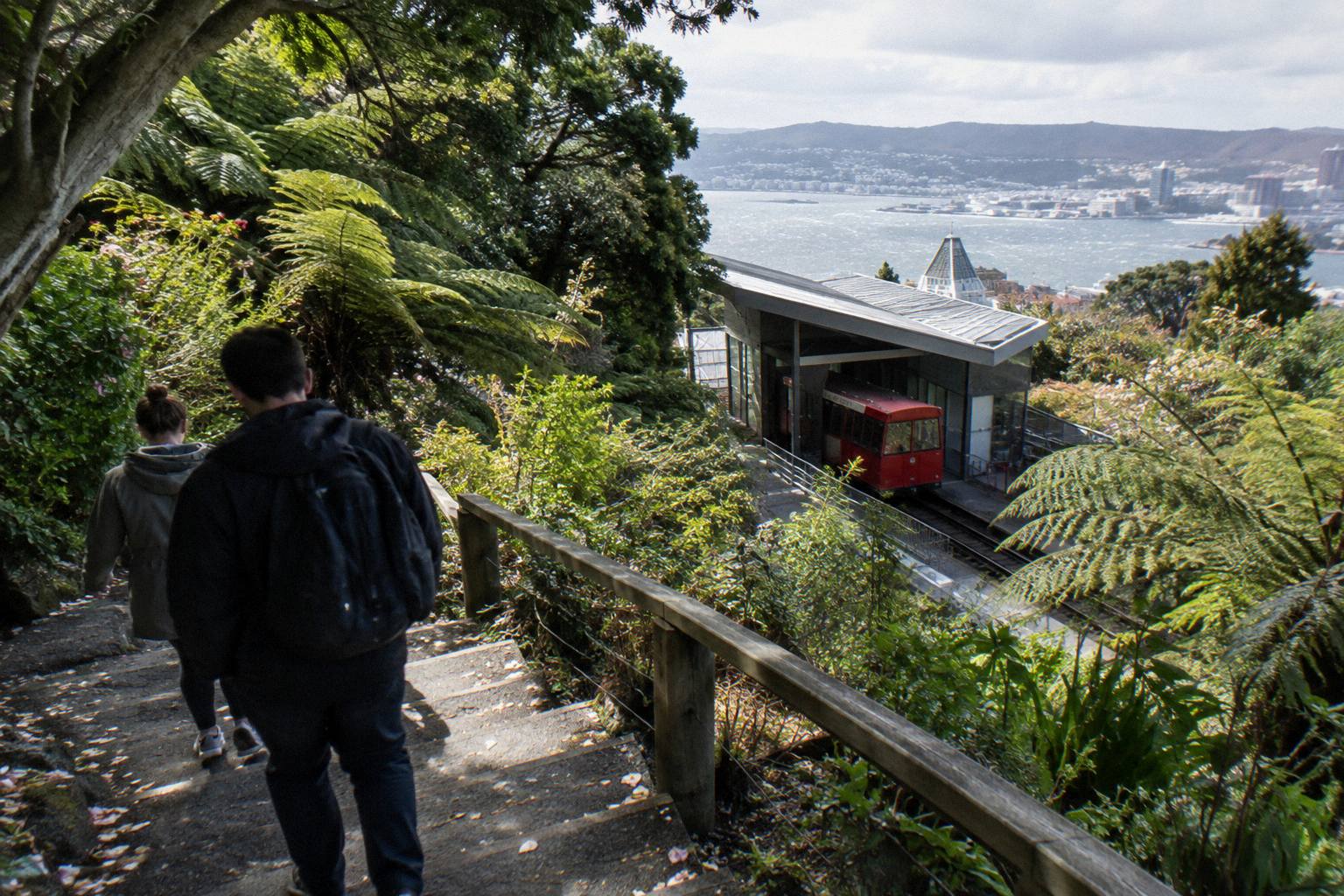
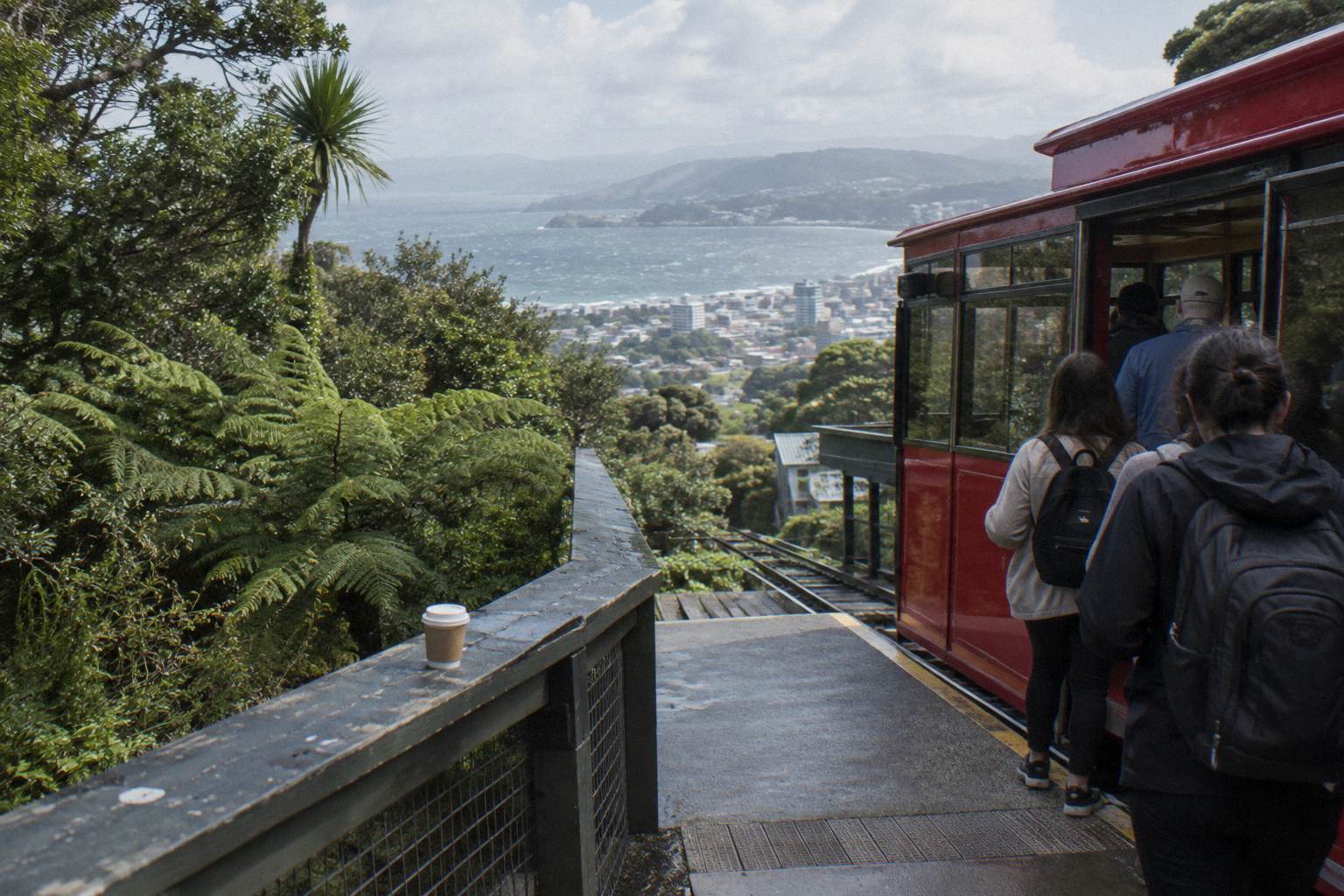
The Cable Car route deserves a line of its own because it doubles as sightseeing. Ride to the top of the Botanic Garden, then either take the free shuttle from there or walk about 30 minutes to the sanctuary. No fare, ride time or schedule belongs on this page: check the operator's own information when planning. Our getting to Zealandia guide covers every option in detail, including campervan and EV-charging notes for drivers.
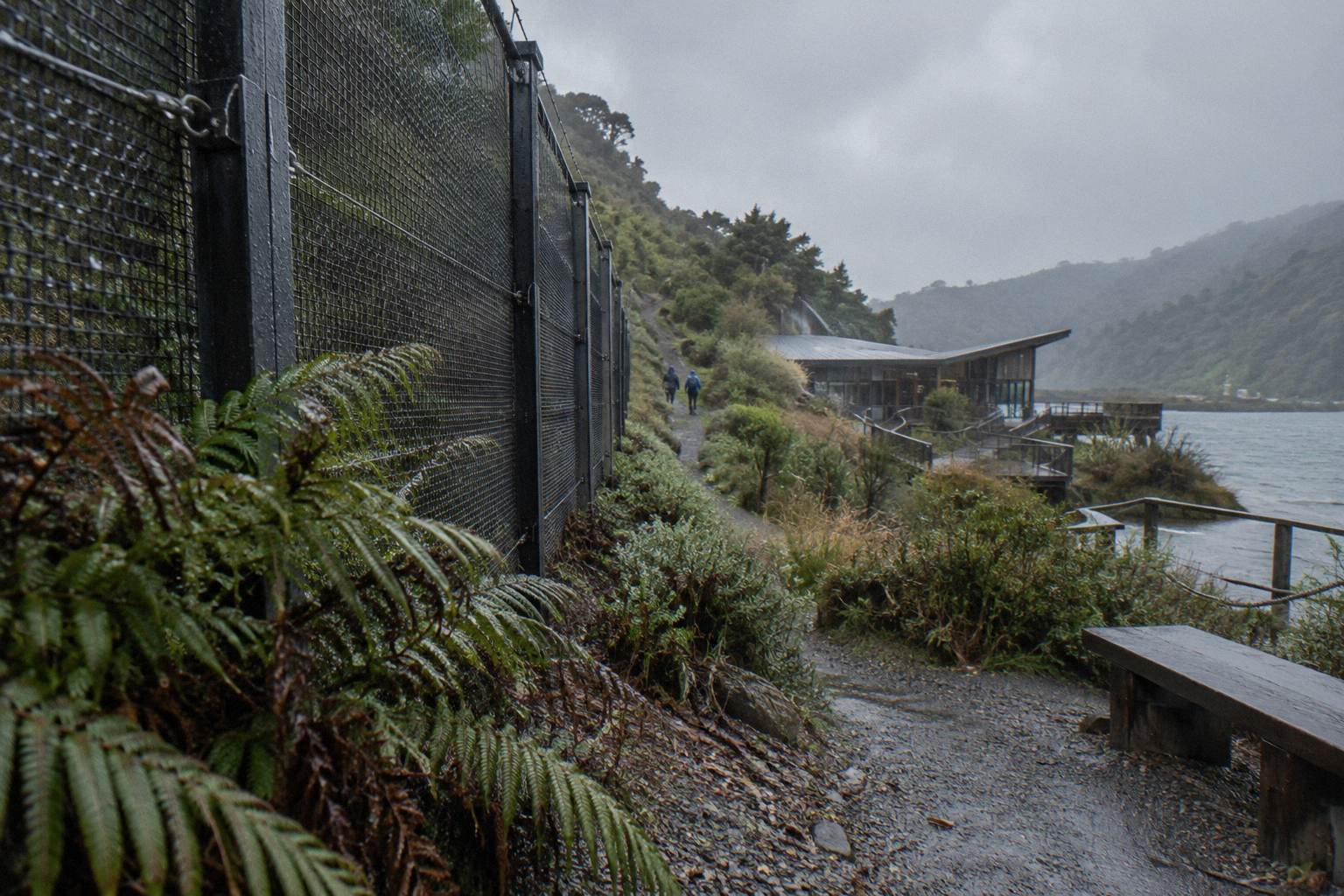
Drivers face their own version of the capacity problem. Parking at the sanctuary is limited, and the overflow sits on Birdwood Street, so a busy summer morning can push you a short stroll from where you expected to park. Campervans over 5.4 metres long or 2.4 metres wide must use the overflow or Chaytor Street, and the Karori tunnel caps height at 3.05 metres, which matters for tall rentals. The sanctuary grounds also carry a biosecurity rule that shapes the first minutes of any visit: at the double gates, everyone checks their own bags and pockets for seeds, mice and lizards before entering. Build that pause into the 15-minute early arrival rather than treating it as extra time.
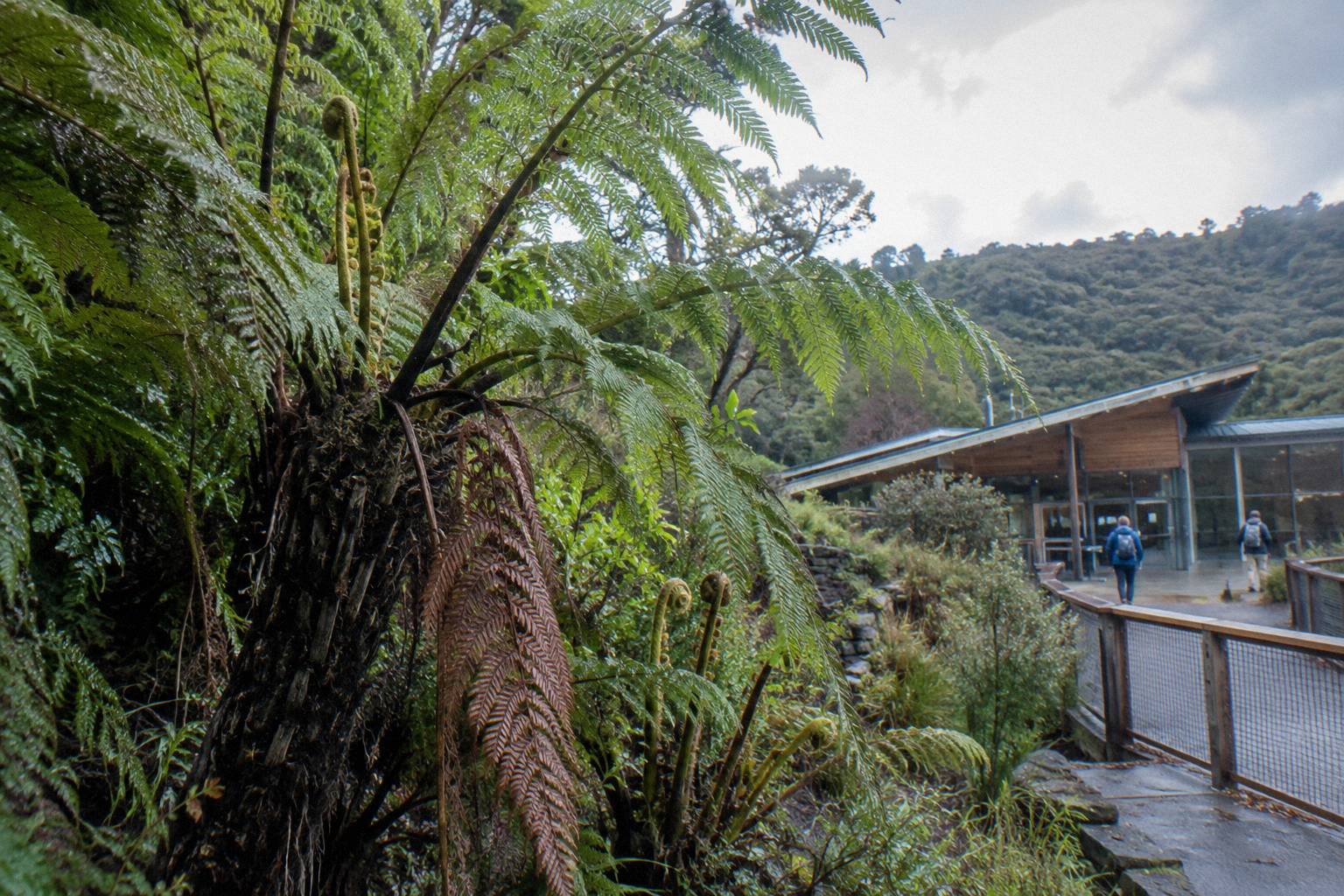
Evening walkers must plan the return leg, not the outbound one. Night and twilight walks start after the day shuttle stops, and the sanctuary is explicit that visitors may not stay behind after closing to wait. After-hours entry is up the driveway to the right of the visitor centre, and the walk ends back there, which means a bus, a taxi or a pre-arranged pickup for the trip back into the city. None of the four tours includes hotel pickup or drop-off.
What Fits Before Or After A Walk?
A morning walk returns you to the city by early afternoon, leaving four to five usable daylight hours; an afternoon walk leaves the morning free from about 9am; and because every tour ticket includes General Admission for the tour day and the next, the cheapest filler is simply returning to the valley self-guided on day two.
The maths of the day is generous. A 10am walk, with the 15-minute early arrival, has you back at the visitor centre around midday and in the city shortly after. An early-afternoon departure inverts it: a city morning until roughly noon, then the shuttle out. Either way the walk itself never exceeds about 2 hours, so the plan holds together even with a slow start.
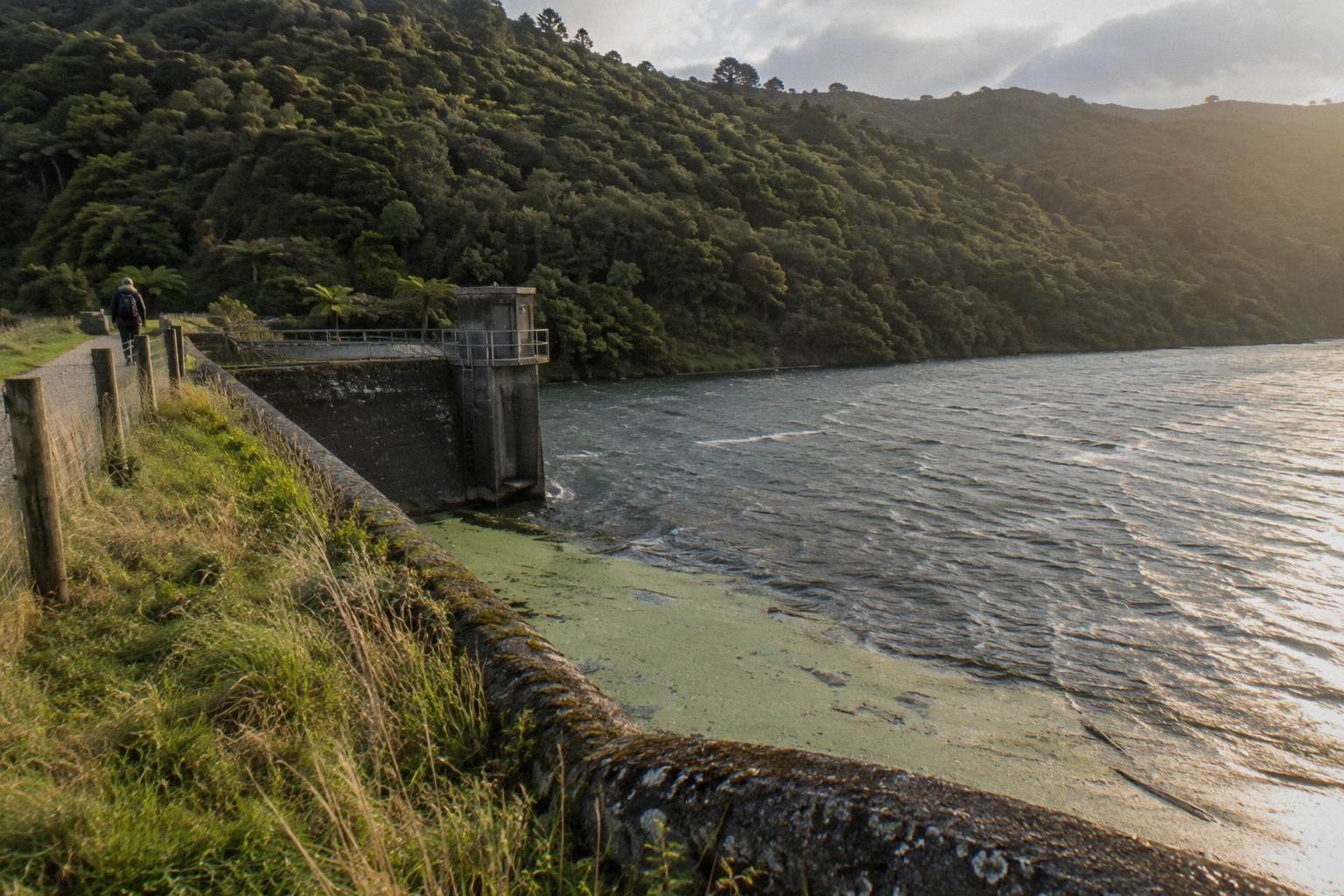
The article deliberately does not recommend restaurants, museums or attractions: the facts that make a one-day plan work are walk lengths, start rules and transfer times, and those are the only ones worth planning around. But one piece of adjacent planning is worth stating plainly. No live Wellington combo or multi-stop product that includes a Zealandia walk exists among the tours covered here, so the move is booking Zealandia By Day on its own and arranging everything else independently. Our Cable Car and Zealandia tour page shows how those two pieces connect without a bundle.
Fill the gap with the valley itself when energy allows. The General Admission that comes with your ticket is valid for the tour day and the next day, sold self-guided at the Level 1 desk otherwise, so a second short visit costs nothing extra. Day two also suits the slower walker: the intro video and guided pace are done, and you can stay on the easier lower-valley tracks, much of which is wheelchair and pram friendly, with a lift in the visitor centre and free mobility scooters if you ask ahead.
Food needs a note, because none of the walks include it. Food and drinks, lunch and alcohol are all excluded from the day walk, and the walk itself covers slopes, gravel and uneven ground, so eat before you go rather than planning to snack on the track. Our post on whether you can take food into Zealandia covers the biosecurity side, which starts at the double gates: everyone checks their own bags and pockets for seeds, mice and lizards before entering.
Weather barely dents the structure. The day walk runs in almost all weather and may only be called off in extreme conditions, so a grey Wellington morning is a walk morning with a better waterproof layer, not a lost morning. What the weather does change is clothing arithmetic: the operator's own list, sturdy shoes, warm clothes and a waterproof layer, is the packing rule for every season, because valley shade and wind make the sanctuary cooler than the streets you left. Our what-to-wear guide expands on this, and our post on whether Zealandia tours run in the rain answers the question most first-time visitors ask.
What About An Evening Walk?
Zealandia By Night runs about 2.5 hours around dusk, nightly, for up to 12 people aged 12 and over, from NZ$120 per person, with torchs supplied and a warm kawakawa, lemongrass and ginger tea at the end; little spotted kiwi are seen on most tours, but sightings are never guaranteed.
An evening-first plan flips the whole day. Instead of anchoring on the morning walk, you spend the daylight hours in the city and head to Karori as the light drops. The start time is confirmed at booking rather than printed, because the walk begins around dusk and the clock moves with the season. Arrive at the visitor centre 15 minutes before, and note that after-hours entry is up the driveway to the right of the building.
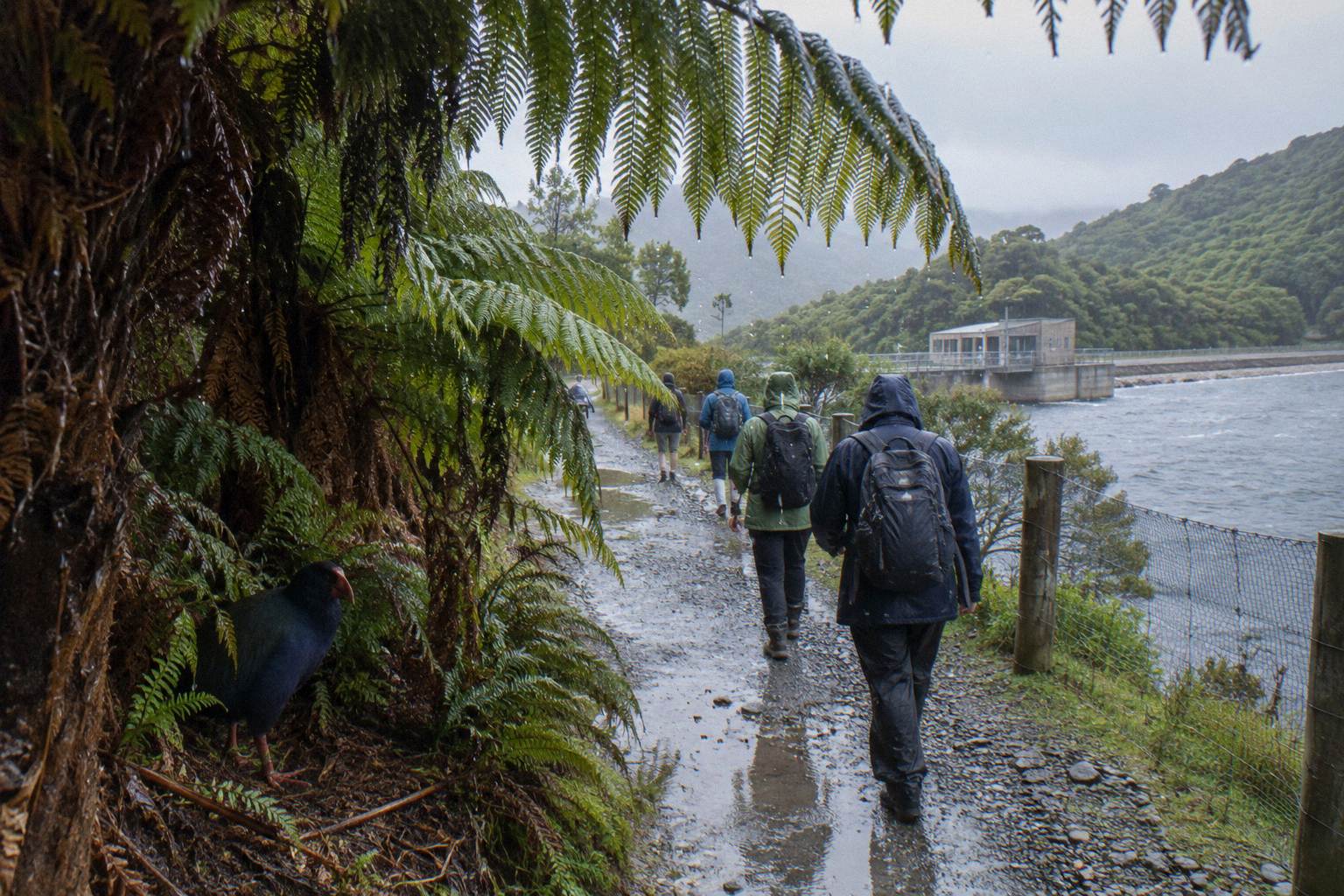
The rating, 4.8 from 164 reviews, sits at the same level as the day walk, but the experience is a different product: a torchlit valley walk with guides looking, as chances only, for tuatara, takahe, pateke, wetapunga, Hamilton's frog, ruru, glowworms and kaka. Glowworms are pointed out in the banks by the guides, never promised, and Hamilton's frog is officially described as sometimes seen on the night and twilight walks. The tea at the visitor centre ends the evening, and because the day shuttle has stopped by then, plan the ride home in advance.
For families, the Twilight Tour is the sanctioned route in: about 2.5 hours from daylight into dark, minimum age 5, October to March on the sanctuary's schedule, from NZ$110 per person, with hot kawakawa tea included. It is rated 4.8 from 84 reviews. Families with children under 12 are pointed here, and to the Kids' Night Walks that run April to September, by the sanctuary itself. Our comparison of day versus twilight Zealandia tours covers what actually changes between the two lights.
One combination is genuinely tempting and genuinely blocked: the two-walk day, day walk at 10am and night walk at dusk. It works on paper, since each ticket carries its own General Admission and the day walk finishes by early afternoon. The catch is stamina, not scheduling. Both walks cover uneven valley ground, the evening one in the dark, and the sanctuary's own advice to arrive 15 minutes early for each leaves little genuine rest between. Attempt it only if the legs are willing.
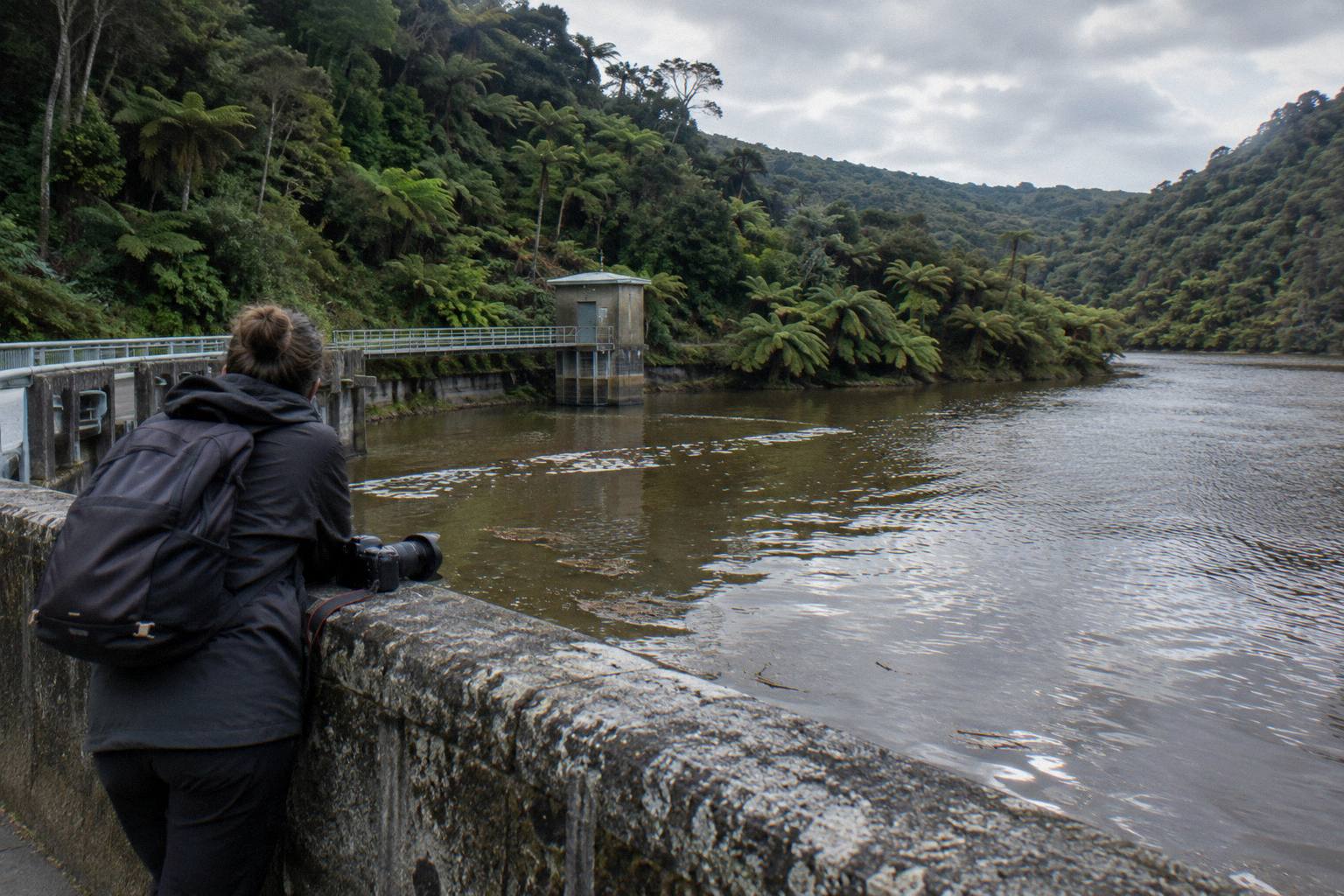
Two smaller rules complete the evening picture. Service dogs are never admitted at night, so travellers who rely on one should plan the daytime walk instead, where service and guide dogs are welcome with advance notice and certification. And children must be with an adult on every walk, which for the night tour pairs naturally with its age 12 floor. Our post on whether kids can join the night tour covers the sanctuary's steering of families toward the twilight alternatives.
Which Plan Suits Which Traveller?
Families with young children suit the day walk, which has no minimum age and free under 5s; solo and couple travellers can take any slot; kiwi hopefuls need the night walk and its age 12 minimum; and plant-minded Sunday visitors have a dedicated walk at 10:30am. Match the plan to the party before matching it to the clock.
The table below matches each realistic one-day shape to the party it serves. Every plan assumes the same mechanics: book the walk first, arrive 15 minutes early, use the shuttle or Cable Car for the outbound leg, and rely on the two-day General Admission for any return visit.
| Party | Anchor walk | Why it fits | Evening option |
|---|---|---|---|
| Family with under 5s | Zealandia By Day | No minimum age, under 5s free, pushchairs fine | Twilight Tour, minimum age 5, October to March |
| Adults chasing kiwi | City by day | Kiwi very unlikely by day, so save the valley for dusk | Zealandia By Night, minimum age 12 |
| Short-stop visitor | 10am day walk | About 2 hours, back in the city by early afternoon | None needed |
| Plant-curious local | Forest Secrets Plant Walk | Sunday 10:30am, about 2 hours, no minimum age | Any |
Two party-specific notes finish the matching. Mandarin-language departures of the day walk exist and need a minimum of four people, with the tour possibly cancelled if that threshold is not reached; our post on foreign language Zealandia tours covers what to ask when booking. And accessibility questions should always go to the operator directly: much of the lower valley is wheelchair and pram friendly and the visitor centre has a lift, but the shuttle has no chairlift, so ask when you book rather than assuming.
Photographers deserve a word too, since a one-day plan is often a photo plan. Photography is allowed on the walks, and the sanctuary's own schedule offers photography tours on select weekends from October to April for those who want the format built around the camera. Bird photographers should temper expectations plainly: the guides look for takahe, tuatara, hihi, kaka, tieke, toutouwai and pateke as chances, never promises, and fast forest light in a valley means the best shots usually come from patience rather than a packed schedule. Our photography on a guided tour guide goes into the detail.
Common Mistakes In A One-Day Plan
The recurring errors are booking the city before the walk, misjudging the shuttle's 11 seats, forgetting the 15-minute early arrival, expecting kiwi on a daytime walk, and planning a night-walk return with no transport arranged. Each one is avoidable at the booking stage, before any money moves.
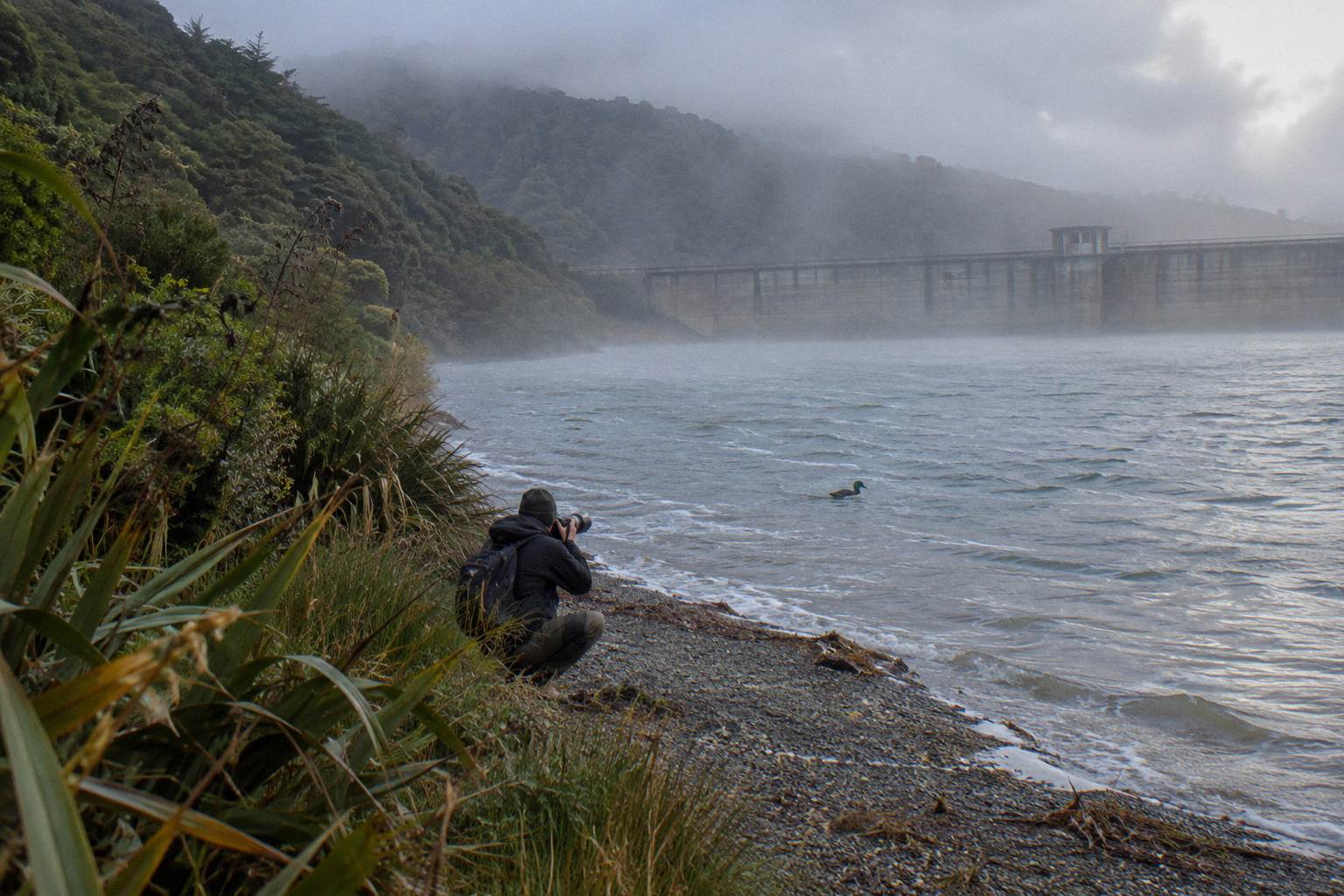
The first mistake is sequencing. Travellers book a hotel-adjacent morning and then discover the walk they wanted is sold out or sits awkwardly against it. Reverse it: the walk has fixed slots, the city does not. Book the walk, note its two-day General Admission, then fill the hours around it.
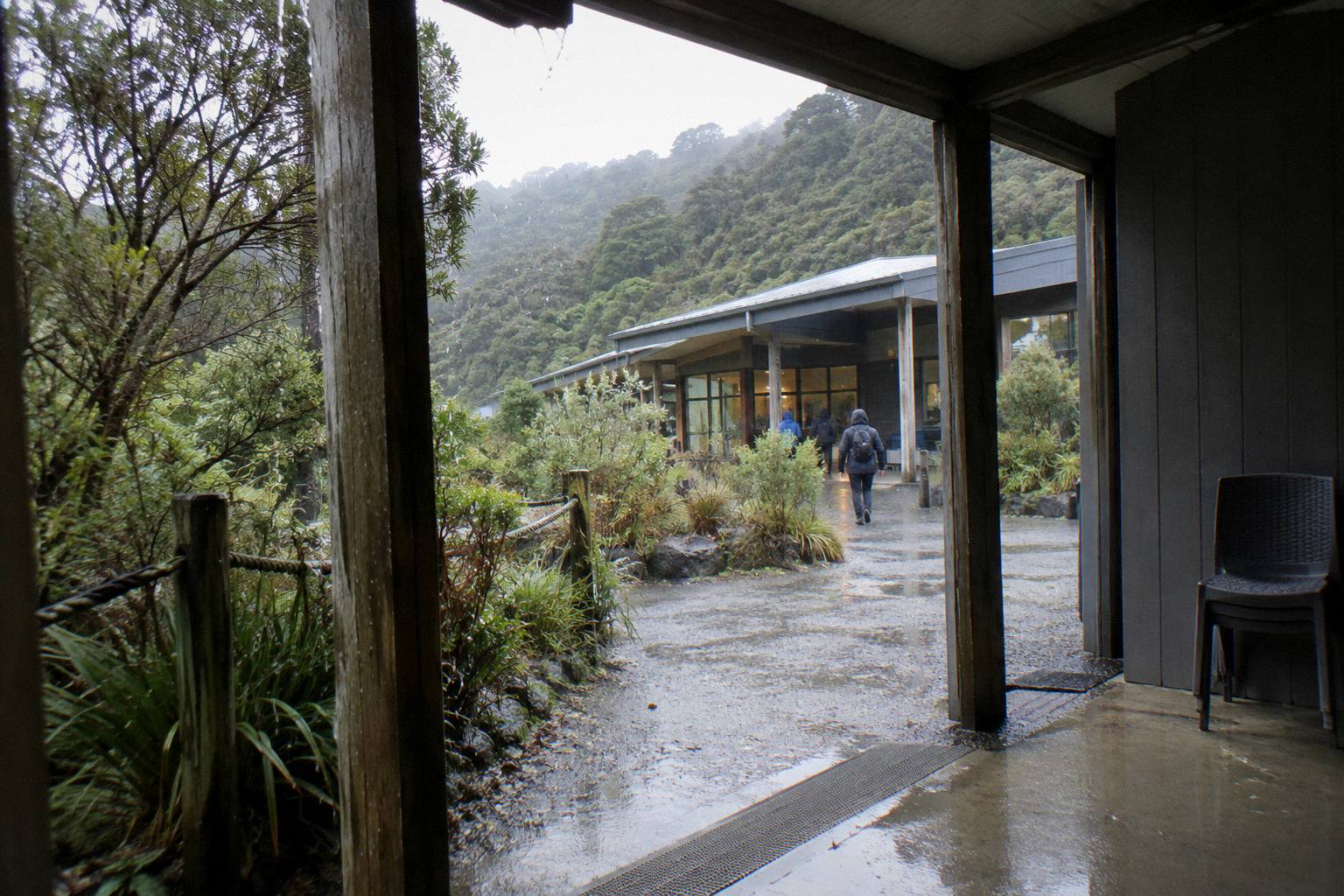
The second is treating the free shuttle as guaranteed. Eleven seats, space not guaranteed, and priority only for day-walk ticket holders arriving 10 minutes early. Miss the priority window on a busy morning and the fallback is a bus from Northland Road or Birdwood Street, about a five-minute walk, which is fine but not what the timetable in your head assumed. The third is the 15-minute early arrival, which applies to every walk and which tight plans routinely shave off.
The fourth mistake is expecting the wrong wildlife at the wrong hour. Nocturnal species, especially kiwi, are very unlikely by day on the sanctuary's own wording, so a daytime-only plan that quietly hopes for a kiwi is a plan built to disappoint. The fifth is the night-walk return: the day shuttle has finished by dusk, visitors may not linger after closing, and no tour includes hotel drop-off, so the ride home must exist before the walk begins.
A quieter mistake is overlooking the Sunday plant walk as an anchor. It is a new listing with no rating yet, about 2 hours at 10:30am Sunday mornings, from NZ$70 per person, plants-led rather than wildlife-led, and it fills exactly the same structural role in a one-day plan as the standard day walk. For Sunday visitors curious about how forest plants compete and adapt, it is a like-for-like anchor with a different lens. Free cancellation up to 24 hours before applies to it, as to all four walks, which is the final safeguard against any of these mistakes turning costly.
Common Questions About A One Day Wellington Plan
How Do You Build A Wellington Day Around A Zealandia Walk?
Book the guided walk first, since it has fixed departure slots and includes General Admission for the tour day and the next. Then work backwards: a shuttle or Cable Car connection about 10 to 15 minutes out, arrival 15 minutes early, and the city's remaining hours around the two-hour walk block.
Which Zealandia Walk Slot Should I Book For One Day?
A 10am Zealandia By Day departure suits a morning anchor and frees the afternoon; an early-afternoon departure flips the plan to a city morning. Evening planners should book Zealandia By Night, which runs about 2.5 hours around dusk, or the Twilight Tour for families with children aged 5 and over.
How Do I Get Between Central Wellington And Zealandia?
A free electric shuttle runs from outside the Takina Convention Centre on Wakefield Street and from the top of the Cable Car, taking about 10 to 15 minutes. It has 11 seats and space is not guaranteed; Zealandia By Day ticket holders get priority seating by arriving 10 minutes early. Buses stop about five minutes' walk away.
Will I See A Kiwi If I Only Do The Day Walk?
No. The sanctuary's own General Admission page describes kiwi and other nocturnal wildlife as very unlikely by day. Kiwi are a night-walk prospect only, and even then the official wording is that they are seen on most tours, with sightings never guaranteed.
Can I Do Two Zealandia Walks In One Day?
On the schedule it works, a morning day walk finishing by early afternoon and a night walk starting around dusk. Both cover slopes, gravel and uneven ground, the second in the dark, so it is a stamina question rather than a timing one.
Do I Need To Book A Zealandia Walk In Advance For A One-Day Plan?
Yes, booking ahead is the safer move. Groups are capped at 12, Mandarin-language departures need a minimum of four people, and free cancellation up to 24 hours before the start keeps the booking flexible while the rest of the day firms up.