Zealandia Guided Tour Or Wellington Botanic Garden And Otari-Wilton's Bush
Wellington gives nature lovers three headline stops: the fenced valley of Zealandia, the city Botanic Garden, and Otari-Wilton's Bush. They are different in kind, not just in price, and the right choice depends on what you want from a half day.
Short answer
A Zealandia tour is a guided wildlife experience inside a predator-fenced sanctuary, from NZ$70 per person for about 2 hours. The Botanic Garden and Otari-Wilton's Bush are public garden and plant collections. Many travellers do both: the Cable Car lands you at the top of the Botanic Garden, and a free shuttle runs from there to Zealandia.
How Do These Places Differ In Kind?
The three places answer different questions. Zealandia is a fenced ecological restoration project where a guide walks you past wild native animals; the Botanic Garden is a curated public garden on the city edge; Otari-Wilton's Bush is a native-plant collection and forest reserve. Only one of them sells a guided wildlife tour with a ticket that also covers a second day.
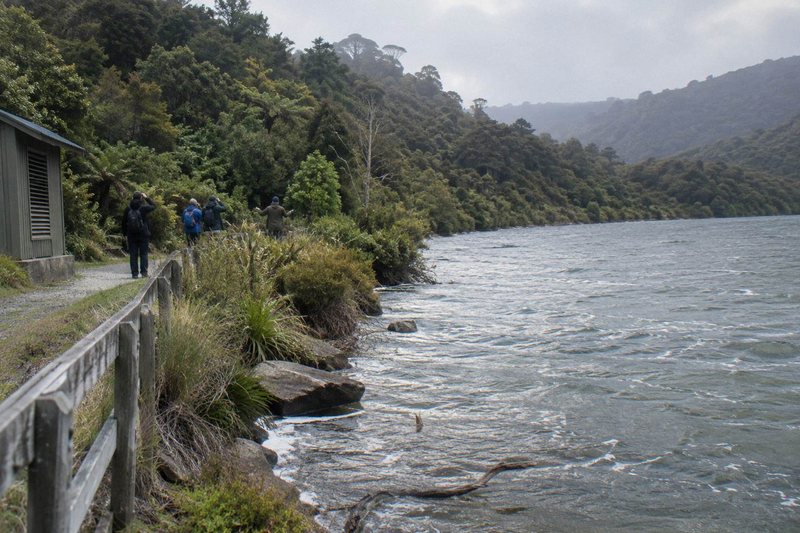
The distinction that matters most is the fence. Zealandia is surrounded by 8.6 kilometres of predator-exclusion fencing finished in 1999, which made it the world's first fully fenced urban ecosanctuary. Inside that boundary, introduced mammals were removed, possums and hedgehogs by the end of 1999 and the last rabbit in 2000, and rare native species were reintroduced to a valley that had served as a Wellington water supply for more than a century. The animals you may encounter there, takahe, tuatara, hihi, kaka and others, are wild birds and reptiles living inside a protected valley, not exhibits in enclosures.
The Botanic Garden and Otari-Wilton's Bush are different propositions altogether. Our comparison holds no verified details on their collections, hours or entry arrangements, so we won't invent any: for anything about them, ask the Botanic Garden or Otari-Wilton's Bush directly for their own details. What we can say from the transport facts is how they connect. The Cable Car climbs from the city to the top of the Botanic Garden, and from that same top station a free electric shuttle runs to Zealandia in roughly 10 to 15 minutes. The geography hands you a natural combined day, which we come back to below.
Price is where the kinds of place diverge sharpest. Zealandia's guided walks are ticketed experiences: Zealandia By Day runs from NZ$70 per person for about 2 hours in a group of up to 12, and a plants-led Forest Secrets walk costs the same. The gardens are public spaces with their own arrangements, and we print nothing about their costs here. If your measure is "what does a half day of Wellington nature cost," you are comparing a paid guided experience against whatever the gardens themselves charge or don't. That is a legitimate comparison, but it should be made knowingly, with the format difference in view rather than just the headline number.
It is also worth being clear that this is not a ranking. People who love cultivated gardens, city views and ease of access can have a superb morning in the Botanic Garden without a booking or a guide, wandering at whatever pace suits them and stopping wherever a bed or a view catches the eye. People who want to stand a few metres from a tuatara while someone explains a 500-year restoration plan are buying something the gardens structurally cannot sell. Most visitors with a full day have time for both, in one direction or the other, and the transport links described later in the article make the pairing almost frictionless.
A third difference is pace and structure. A garden visit is self-directed: you set the route, the duration and the depth. A guided sanctuary walk runs on the guide's route and the group's rhythm, roughly two hours on the day tours, with stops chosen by someone who knows where the animals tend to be. Neither is superior; they simply serve different travel styles. Travellers who chafe at guided anything will enjoy the gardens more, while those who value interpretation, context and local knowledge get far more from the sanctuary with a guide than walking its 32-plus kilometres of tracks alone with a map.
What Is Unique About A Predator-Fenced Sanctuary?
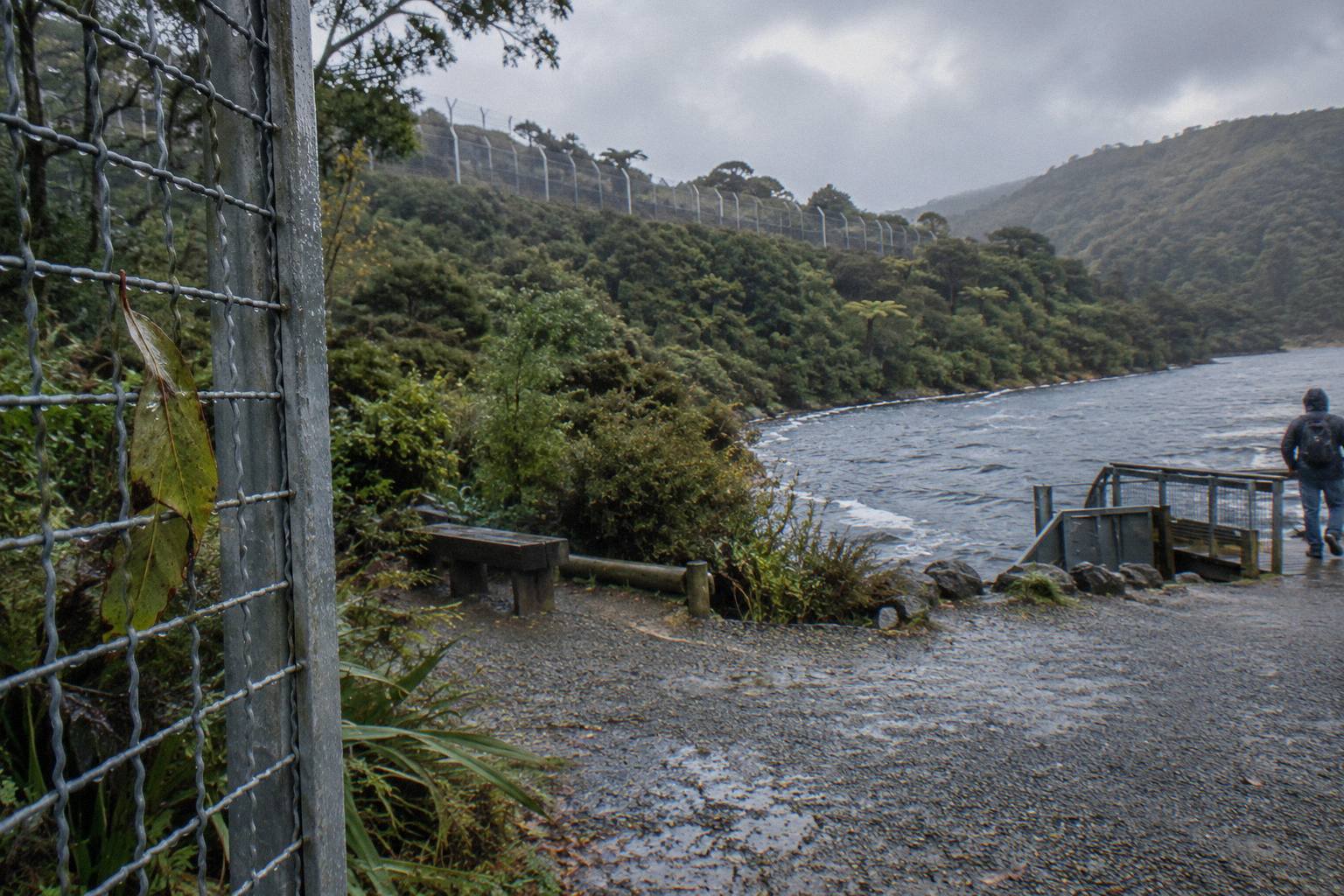
A predator fence changes everything inside it. Zealandia's 8.6 kilometre fence, completed in 1999, excludes introduced mammals, which allows rare native birds and reptiles to survive in the open, breed, and be seen at close range on a guided walk. No public garden or unfenced reserve in Wellington offers that combination of wild animals and guided access.
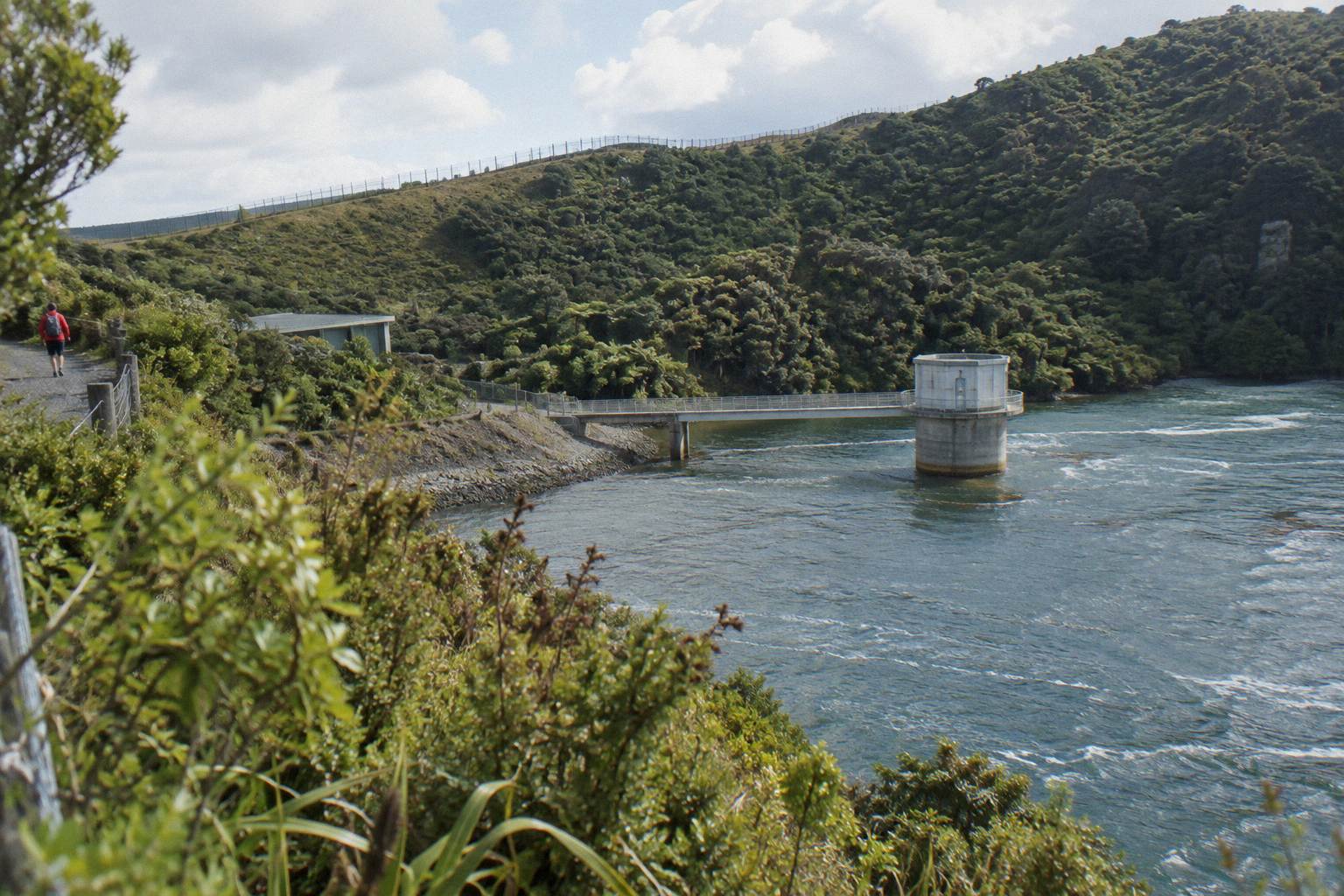
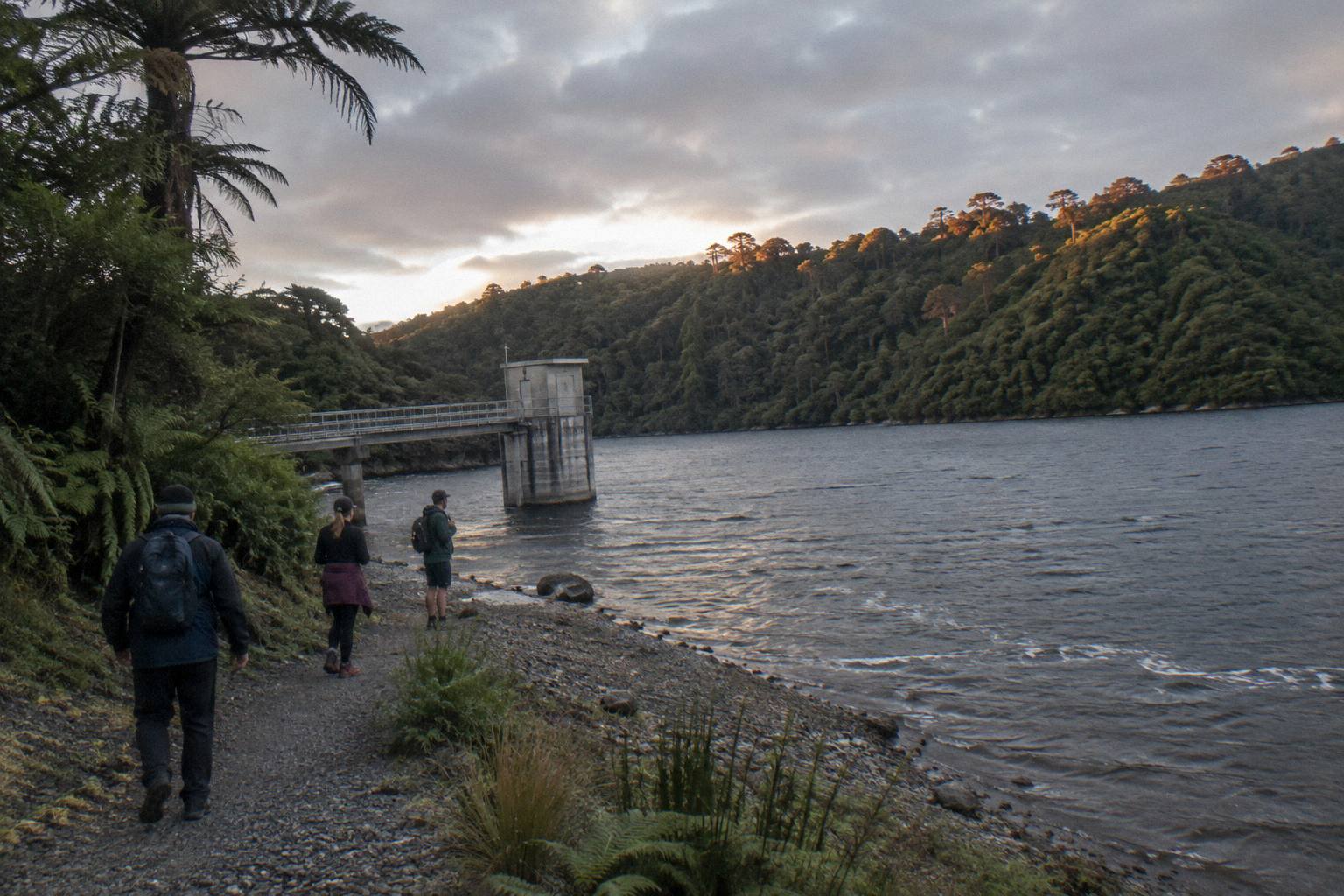
The sanctuary's origin story explains why the fence exists. It began with a 1992 proposal by Jim and Eve Lynch, became the Karori Sanctuary Trust in 1995, and delivered the fence in 1999: 2.2 metres high, with a skirt buried 400 millimetres underground and mesh fine enough to stop even small mammals. Thirteen pest species were eradicated in total. The valley above the dams, an earth dam built between 1876 and 1878 and a concrete gravity dam completed in 1908, was then replanted and restocked over the following decades.
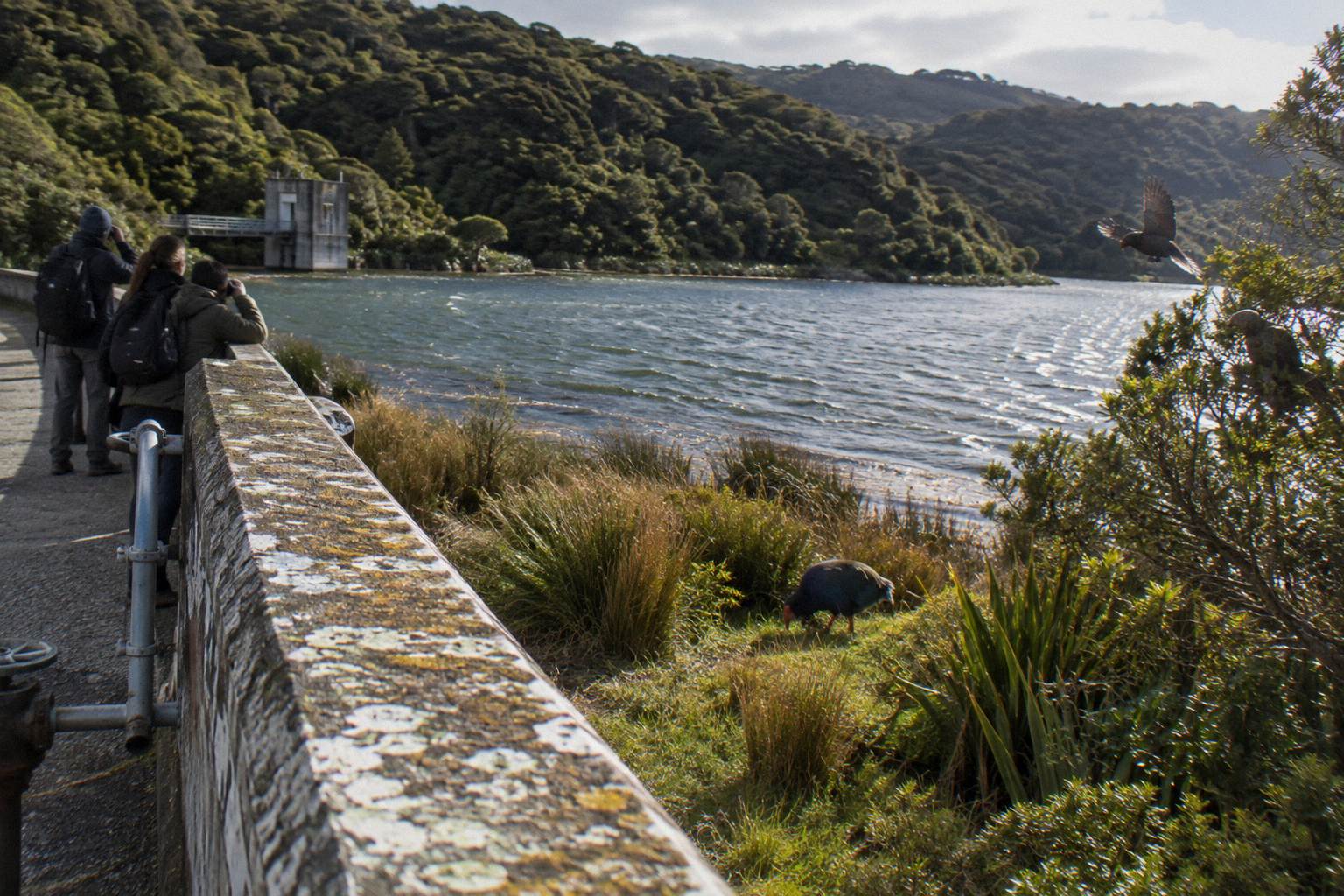
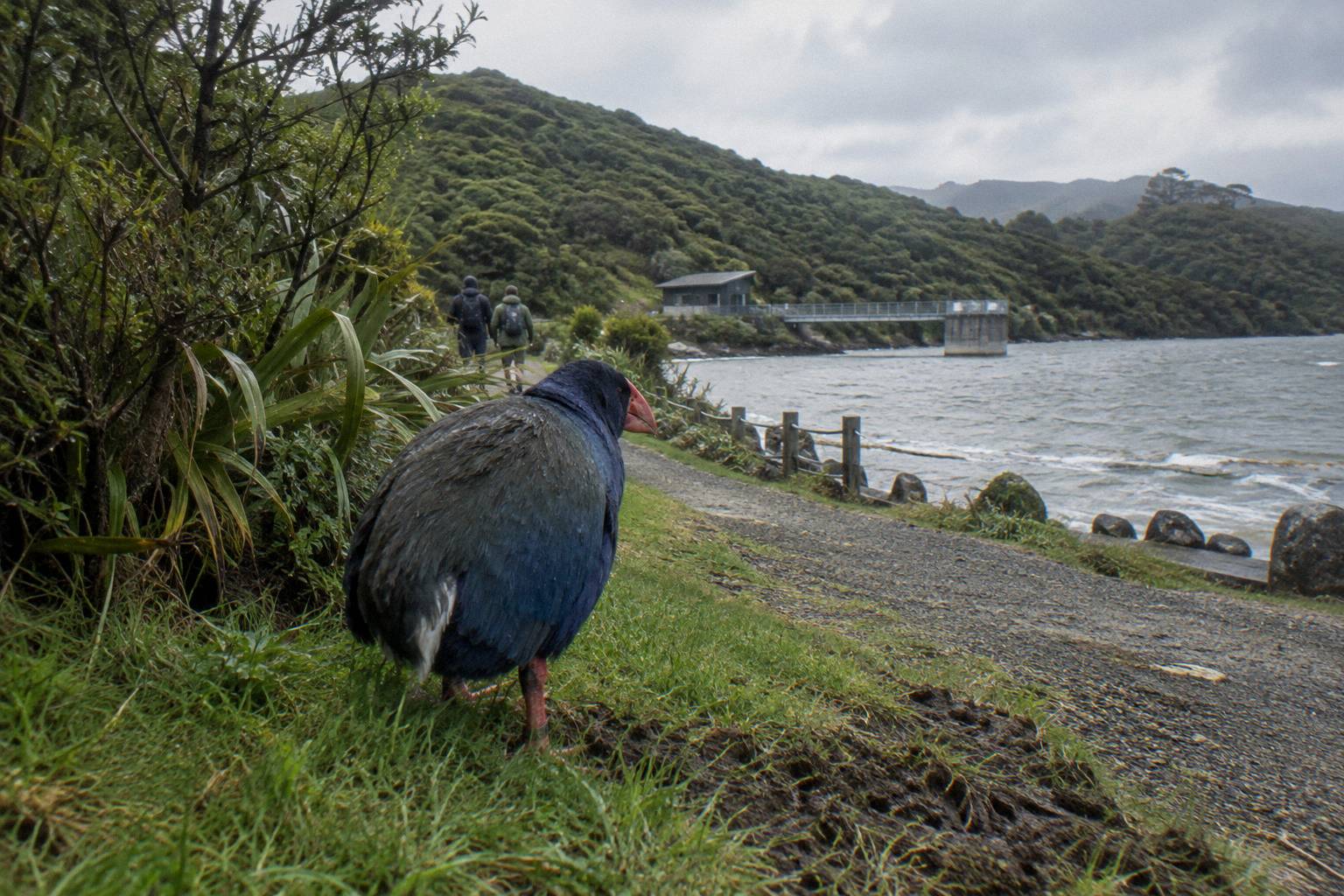
The reintroductions are what a visitor actually notices. Little spotted kiwi, 40 birds brought in during 2000 and 2001, now number in the hundreds, though as nocturnal birds they are very unlikely to be seen by day. Tuatara returned in 2005 and 2007 in the first mainland release of its kind. A takahe pair arrived in 2011, and kaka returned in the early 2000s. On the day walk, guides look for takahe, tuatara, hihi, kaka, tieke, toutouwai and pateke, alongside familiar forest birds like tui, kereru and korimako. These are always chances rather than promises, but the fence is the reason the chances exist at all.
The scale is part of the point: more than 32 kilometres of tracks across 225 hectares, run by a not-for-profit trust with more than 500 volunteers, working to a stated 500-year vision because planted rata and rimu need centuries to mature. That long horizon is the biggest conceptual gap between the sanctuary and any garden. A garden is maintained in a steady state; Zealandia is being steered back toward pre-human forest, slowly, with the dam walls and waterworks history still visible in the valley floor. The conservation status of the residents tells the same story: takahe are Nationally Vulnerable and little spotted kiwi are At Risk-Recovering, and the sanctuary exists precisely because those labels exist.
If your interest is plants rather than birds, note that the sanctuary runs a dedicated plants-led walk, which we cover in the next section, and that our wider guide to the sanctuary's fence, restoration and 500-year vision goes deeper on the science. For a look at what that fence produces on a normal morning, the takahe, kaka and tuatara you might meet on tour covers the animals one by one.
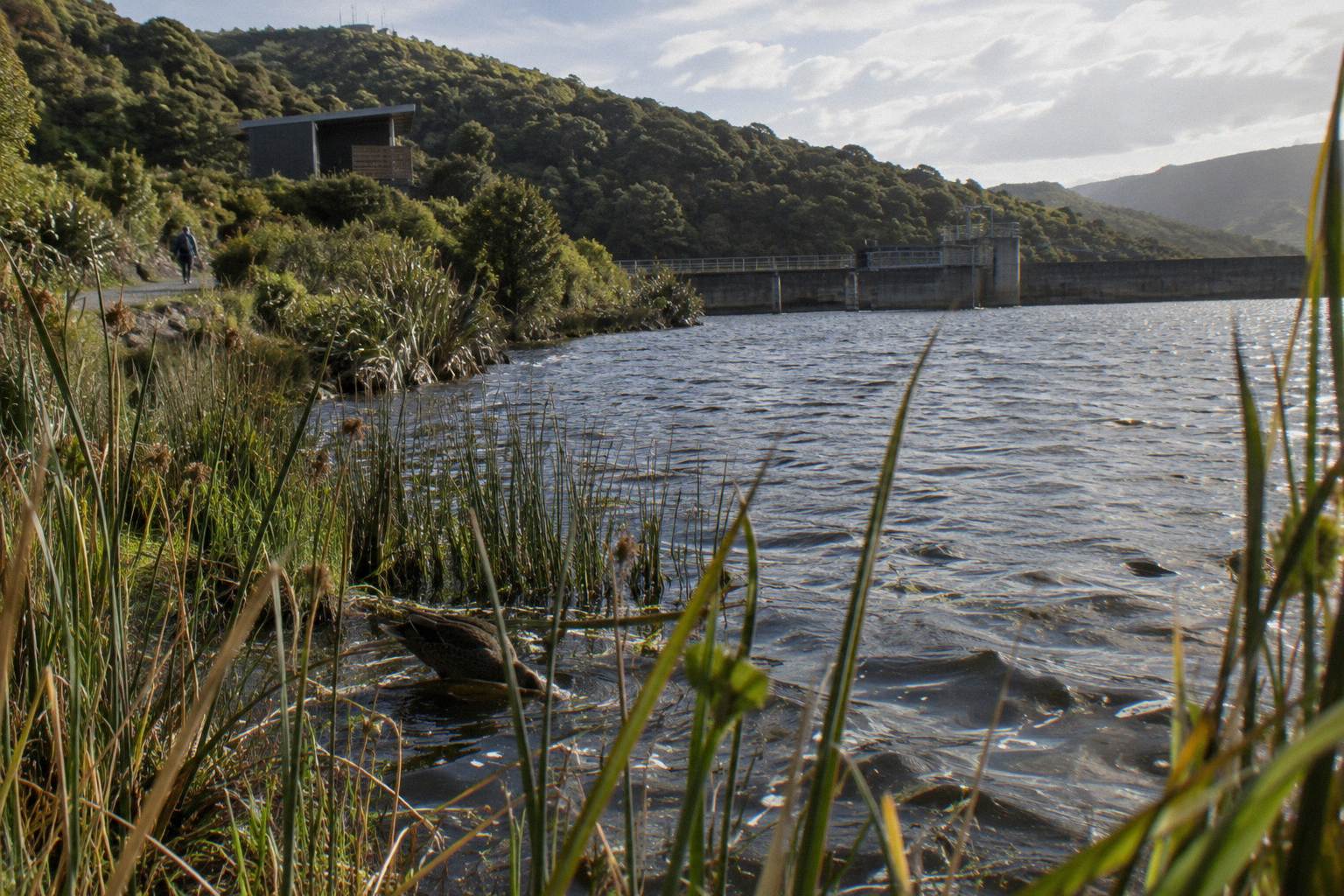
Practically, the guided day walk needs reasonable fitness but is not strenuous: slopes, gravel and uneven ground for about 2 hours, sturdy shoes, warm clothes and a waterproof layer, and it runs in almost all weather, only being called off in extreme conditions. Groups are capped at 12, there is no minimum age and under 5s are free, and every tour ticket includes General Admission valid for the tour day and the following day, so you can return solo the next morning and revisit whatever the guide showed you. Photography is allowed throughout, so the walk doubles as a rare chance to photograph wild native birds at close range, a subject our guide to photography on a Zealandia tour treats in full.
Where Does The Guided Plant Walk Fit?
The Forest Secrets Plant Walk is Zealandia's answer for travellers whose real interest is botany rather than birds. It costs from NZ$70 per person, runs about 2 hours at 10:30am on Sunday mornings per the sanctuary's own page, caps groups at 12, and explains how forest plants compete and adapt inside the fence.
That framing matters for the comparison with the Botanic Garden and Otari-Wilton's Bush. If you were weighing a Zealandia visit against a garden visit because plants are your thing, the sanctuary has a product built for you, and it is the same price as the wildlife-led day walk. It is a new listing with no rating yet, so there is no review pool to report, but the format is the sanctuary's own: a professional guide, the same valley, and a lens trained on competition, adaptation and restoration ecology rather than on finding takahe. There is no minimum age, so families can bring children along, and cancellation is free up to 24 hours before the start.
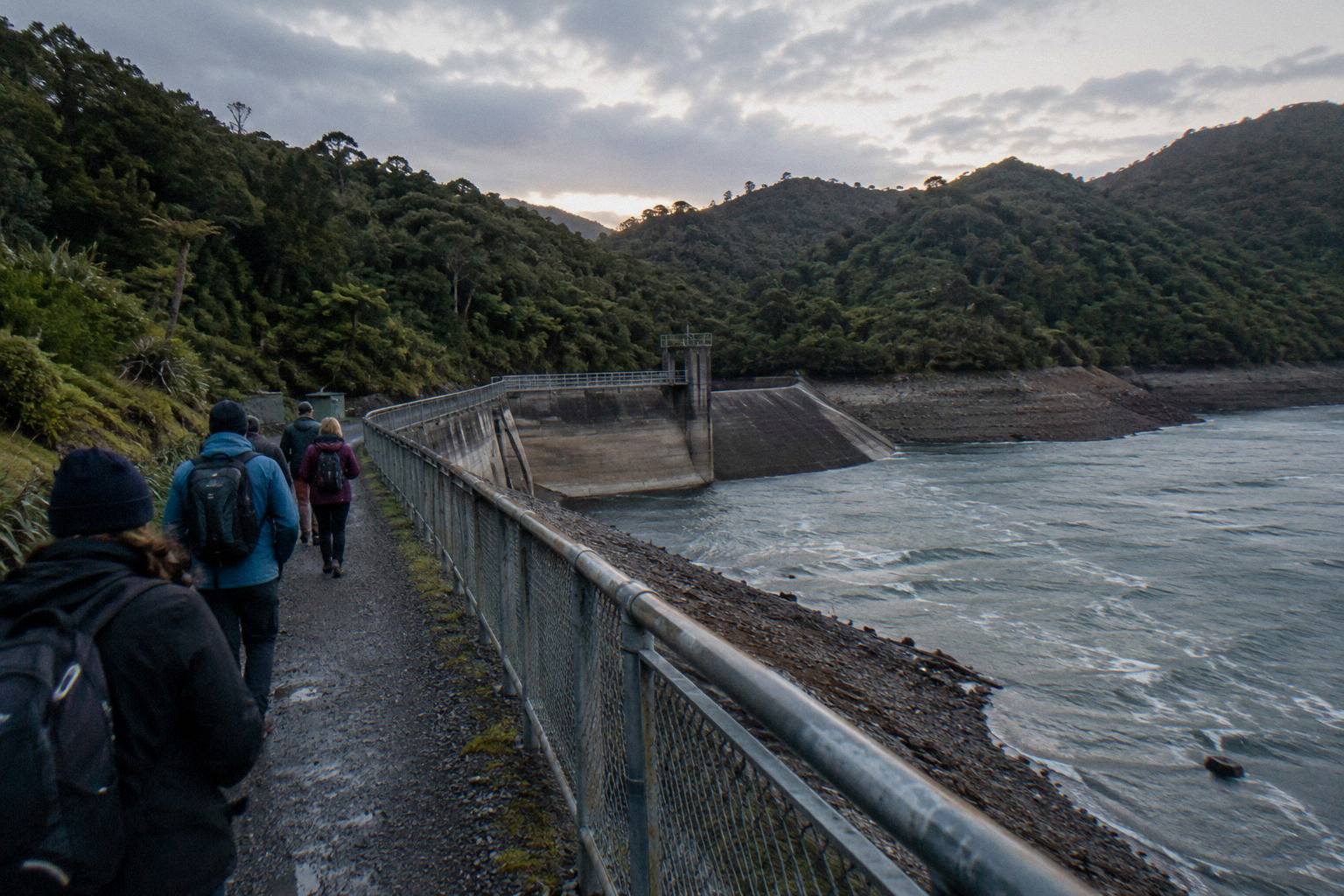
It is also the most garden-adjacent thing Zealandia sells. Otari-Wilton's Bush is Wellington's native-plant institution, and we make no claims about its collections or arrangements here, but travellers sometimes assume a sanctuary is only for birdwatchers. The plant walk corrects that: two hours on the same fenced slopes, looking at how the forest rebuilds itself once browsing mammals are gone. What you lose in bird-spotting emphasis you gain in ecological explanation, and the Sunday-morning slot leaves the rest of the day free for the gardens or the city.
For a fuller rundown of that specific walk, see our dedicated guide to the Forest Secrets plant walk and what it covers. And if the choice is really between a guided walk and exploring the sanctuary on your own with a map, the guide on guided tour versus a self-guided visit lays out what a guide adds in sightings and interpretation. The comparison table below puts the sanctuary's three day-visit formats side by side, which is the decision most plant-curious travellers are actually making.
| Zealandia format | Length | From price | Group | Best for |
|---|---|---|---|---|
| Zealandia By Day | About 2 hours | NZ$70 per person | Up to 12 | First visit, wildlife chances with a guide |
| Forest Secrets Plant Walk | About 2 hours, Sunday mornings | NZ$70 per person | Up to 12 | Plant and ecology focus |
| Self-guided General Admission | Two consecutive days | See the official General Admission page | n/a | Returning the day after a tour |
For readers ready to commit to the main guided walk, the booking question is simpler than it looks.
How Do You Combine The Botanic Garden With A Zealandia Walk?
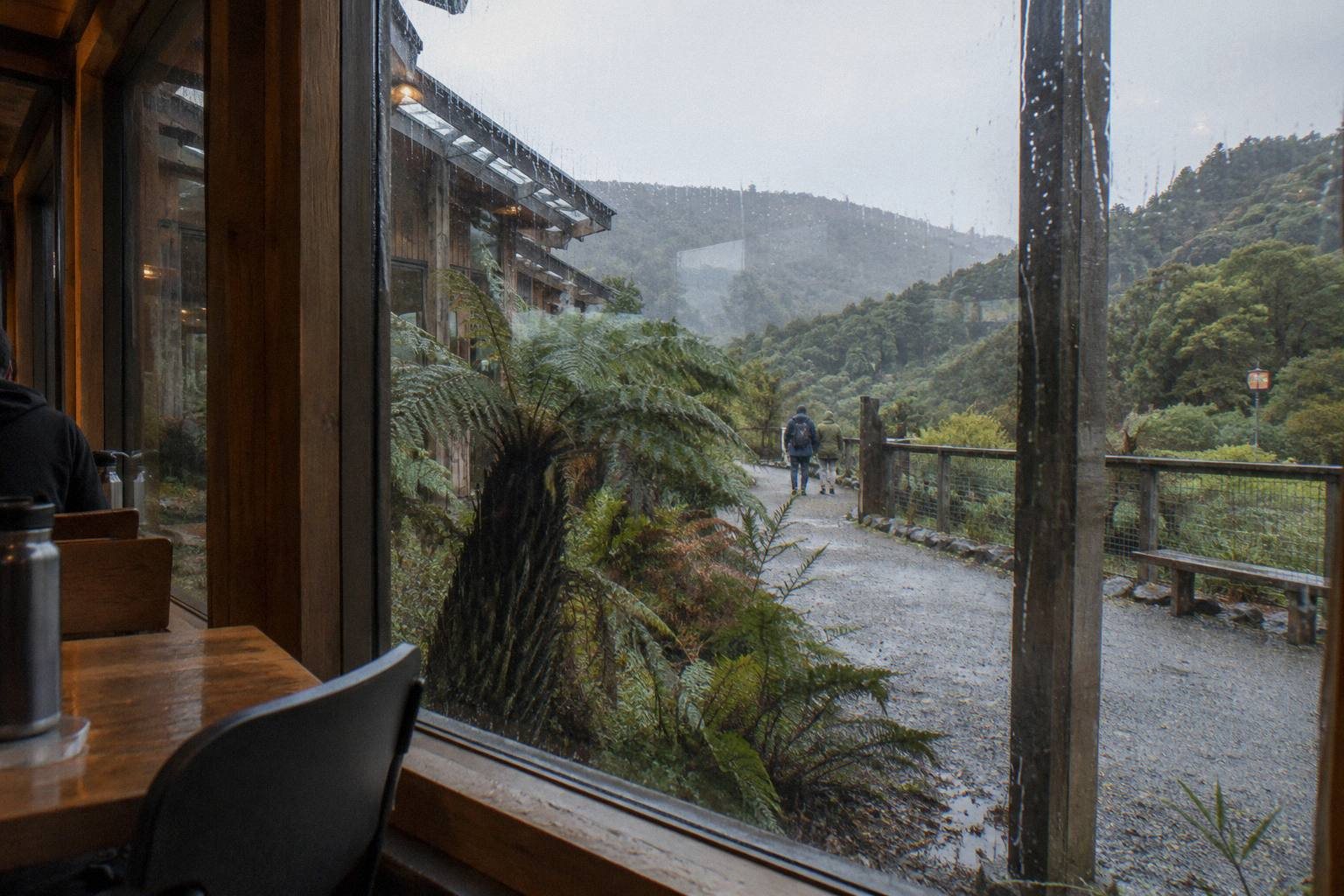
Take the Cable Car up, walk or shuttle across. The Cable Car climbs to the top of the Botanic Garden, and from that same top station a free electric shuttle covers the roughly 10 to 15 minutes to Zealandia, or you can walk about 30 minutes. Do the Botanic Garden first, then the sanctuary, using the free shuttle to bridge them.
The mechanics are genuinely convenient, and they are the reason this comparison rarely has to be an either-or. The shuttle carries 11 people per trip, space is not guaranteed, and Zealandia By Day ticket holders get priority seating if they arrive 10 minutes early. Night and twilight tours start after the day shuttle finishes, so afternoon garden time followed by an evening tour is not a shuttle-supported combination: plan transport for after-dark tours separately. We print no timetables, because the schedules are the operators' own; check the official sites for current times.
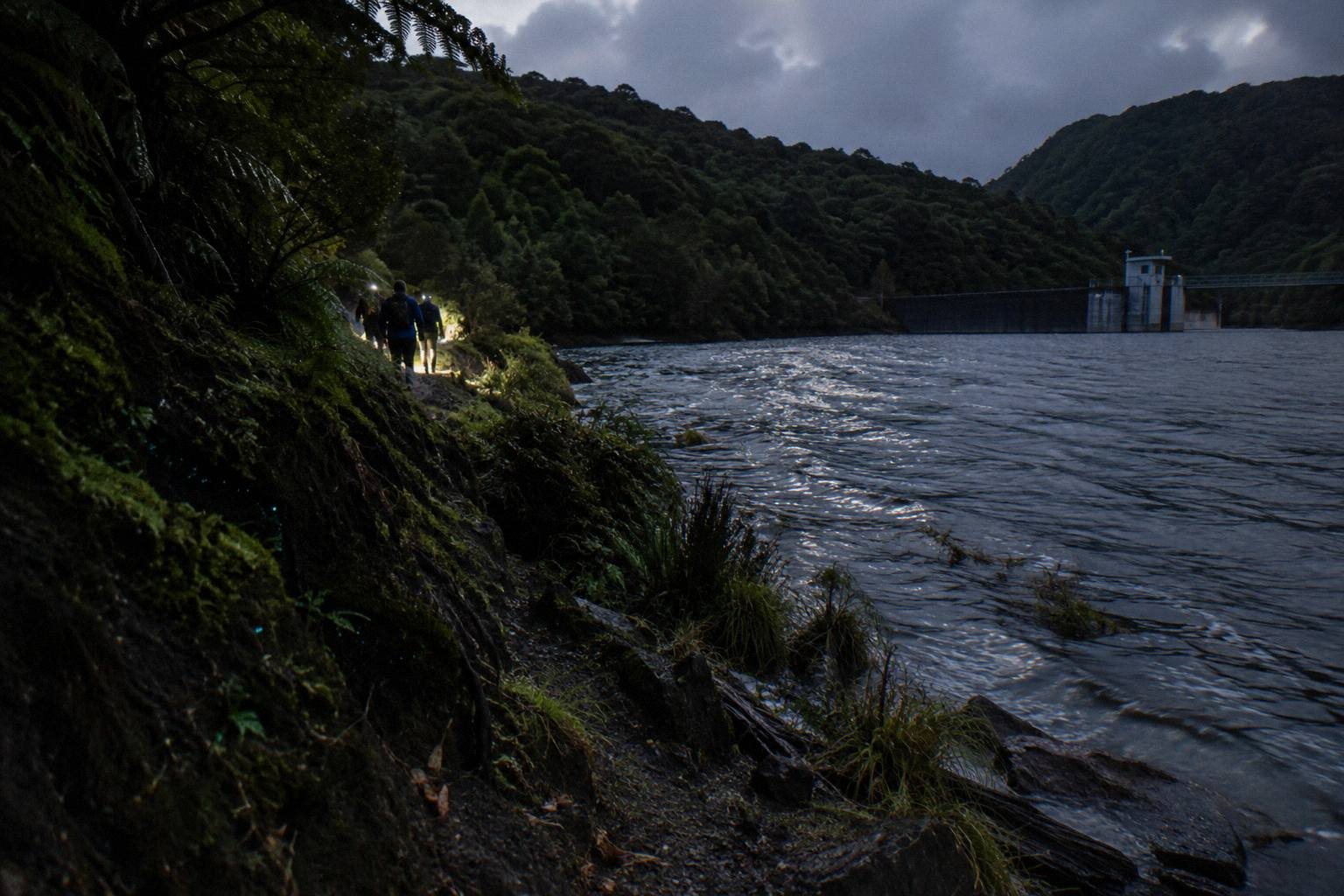
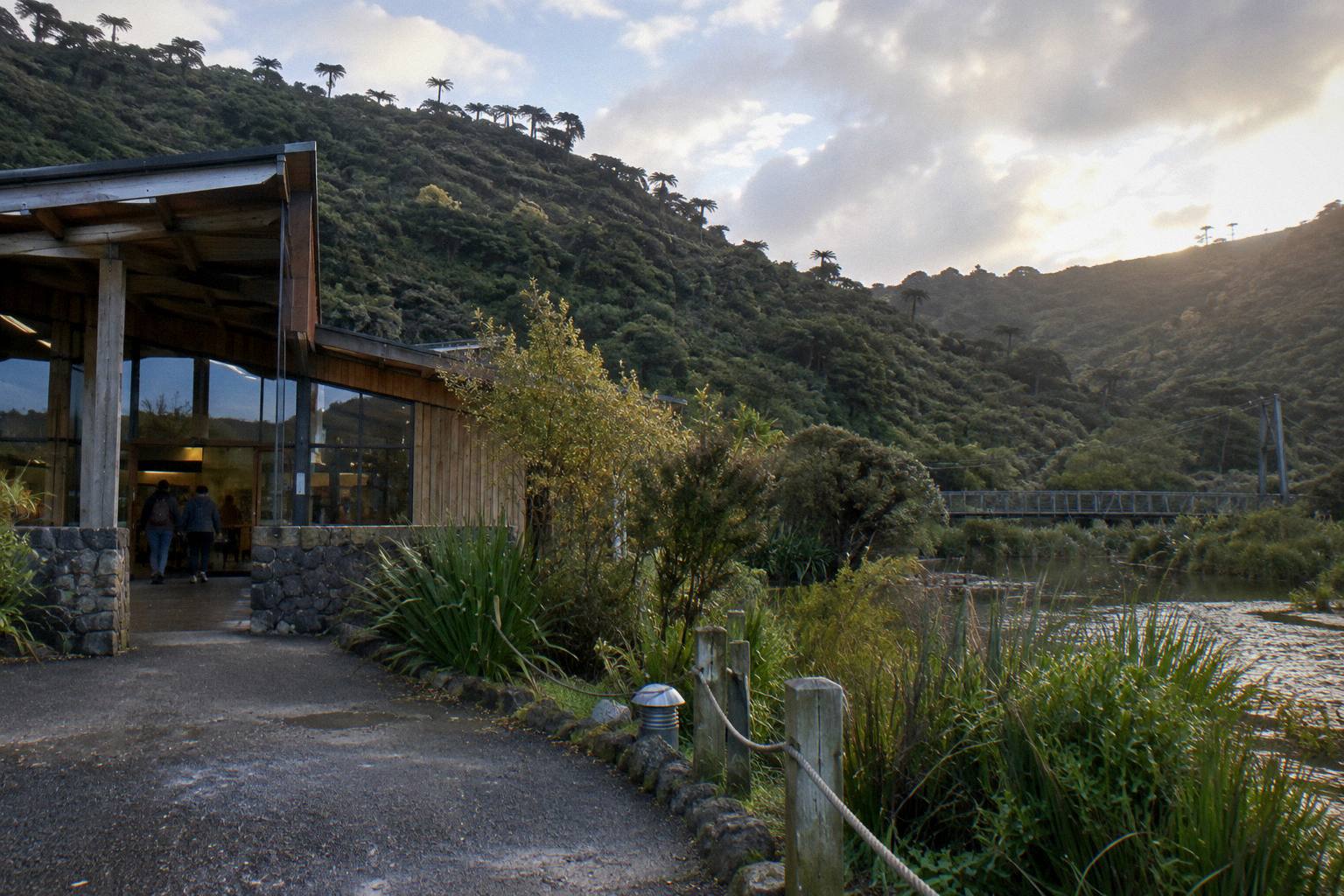
A workable day shape looks like this: a morning in the Botanic Garden working down from the Cable Car's top station, lunch in the city or Karori, then a Zealandia By Day departure. Tours run daily from 10am with more departures in summer, so a 1pm or 2pm slot after a garden morning is realistic. Arrive at the visitor centre, 53 Waiapu Road, Karori, 15 minutes early: every tour starts inside with a short intro video before the walk. Our guide on getting to Zealandia for your tour covers bus stops, parking and the overflow car park on Birdwood Street in detail.
One structural point in Zealandia's favour for combiners: every tour ticket includes General Admission for the tour day and the next day. A combined day therefore leaves you a free second visit, and many people spend it returning to spots the guide showed them. The Zealandia Day Tour itself is the anchor product here, rated 4.8 from 252 reviews, and you can check the featured day tour page for its current departure options, or read our piece on whether a Zealandia guided tour is worth it.
Otari-Wilton's Bush sits on the other side of town and is not on the Cable Car and shuttle line, so it belongs on a separate outing; ask Otari-Wilton's Bush for its own access details rather than relying on anything here. If you are short on time, the Botanic Garden plus Zealandia pairing is the one the transport network has effectively built for you. Cruise passengers with a single day ashore face the same logic, and our guide to a Wellington cruise ship day built around a Zealandia tour works through the tighter timing.
| Step | Move | Notes |
|---|---|---|
| 1 | Cable Car to the Botanic Garden top | No fares or schedules printed; see the operator |
| 2 | Botanic Garden time at your own pace | Ask the garden for its own details |
| 3 | Free shuttle from the Cable Car top to Zealandia | About 10-15 minutes, 11 seats, space not guaranteed |
| 4 | Zealandia By Day tour, arrive 15 min early | Meets inside the visitor centre |
| 5 | Return the next day on the included admission | Valid the tour day and the day after |
Which Suits Which Traveller?
Families with young children, wildlife watchers and one-time visitors get the most from a Zealandia tour; travellers who want free-roaming, unhurried garden strolling or plant collections may prefer the gardens; plant lovers get a genuine bridge option in the Sunday plant walk at the same NZ$70 from-price as the day tour.
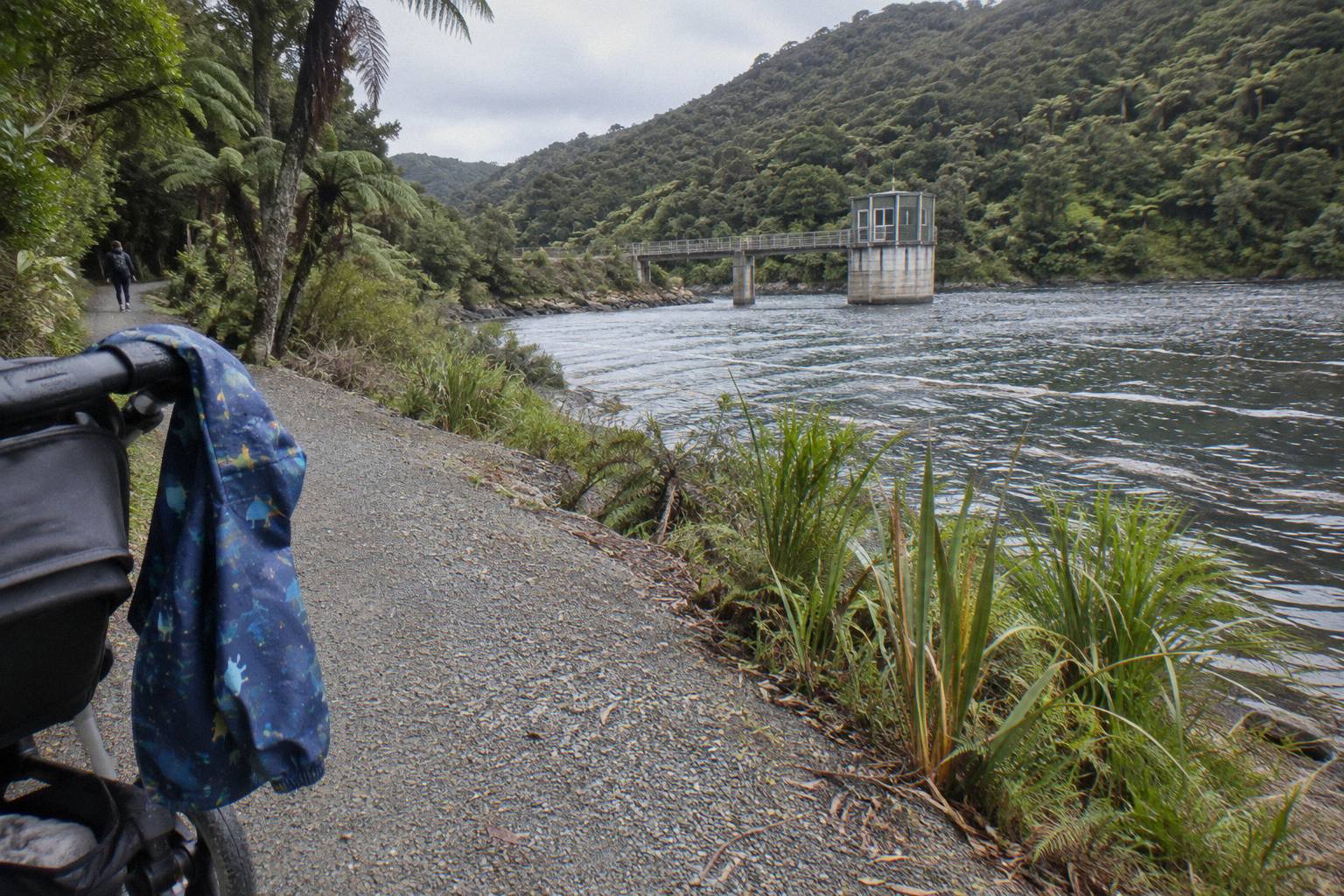
The decision usually turns on children and on wildlife interest. Zealandia By Day has no minimum age, under 5s go free, pushchairs are fine on much of the lower valley, and much of that area is wheelchair and pram friendly, with a lift in the visitor centre and free mobility scooters if you ask ahead, and a companion enters free. The night tour, by contrast, has a minimum age of 12, and families with younger children are pointed by the sanctuary to the twilight tours, which run October to March on the sanctuary's own schedule with a minimum age of 5. Our piece on whether kids can join the night tour unpacks that split.
Wildlife watchers should be candid about what a day visit delivers. Takahe, tuatara and kaka are real possibilities with a guide, but kiwi are not a day-tour prospect: the official general admission page calls nocturnal wildlife such as kiwi, ruru, weta and frogs very unlikely by day. If kiwi are the goal, Zealandia By Night, about 2.5 hours around dusk, minimum age 12, from NZ$120 per person and rated 4.8 from 164 reviews, is the sanctuary's own answer, and its booking page notes that while kiwi are seen on most tours, sightings are never guaranteed. Torches are supplied, and the walk ends with a warm kawakawa, lemongrass and ginger tea at the visitor centre, which is a pleasant way to finish any Wellington evening.
| Traveller | Best fit | Why |
|---|---|---|
| First-time visitor to Wellington | Zealandia By Day | Guided, 2 hours, ticket covers a second day |
| Family with under-5s | Zealandia By Day or Twilight | No minimum age (day) or age 5 (twilight), under 5s free on the day tour |
| Plant and garden enthusiast | Forest Secrets walk, plus the gardens | Plants-led guided walk at the same from-price |
| Kiwi hopeful | Zealandia By Night | Dusk walk, kiwi seen on most tours, never guaranteed |
| Tight budget or free-form day | The gardens | Ask each place for its own arrangements |
Budget readers should read our breakdown of Zealandia tickets versus guided tour prices, which explains exactly what the tour from-prices include, and note again that we print no figures for the gardens. Weather is rarely a decider: tours run in almost all weather, only being called off in extreme conditions, and our post on whether Zealandia tours run in the rain covers what to wear. Season matters more than rain: the twilight tours pause outside the October to March window, and the sanctuary's own schedule adds kids' night walks, dawn walks and photography tours at other times of year, so check the official site for what runs when you visit.
Common Mistakes When Choosing
The recurring mistakes are treating the three places as substitutes, expecting kiwi on a daytime visit, assuming the gardens and sanctuary are hard to connect, and skipping the plant walk because it sounds niche. Each one costs either money, time or the sighting the trip was really about.
The substitution mistake is the most common. A garden and a fenced sanctuary are different products: one is a maintained public space, the other a guided walk through an active restoration project where the animals are wild. Choosing between them on price alone usually disappoints someone in the group. The second mistake, expecting kiwi by day, is baked into the sanctuary's own literature: nocturnal species are very unlikely during daylight hours, so the night tour is the only format built around them.
The third mistake is assuming the combination is complicated. It is not: the Cable Car and the free shuttle do the work, and the included second-day admission rewards the pairing. The fourth is dismissing the plant walk. At the same from-price as the day tour, Sunday mornings only, it is the format most directly comparable to a garden visit, and travellers with botany interests consistently under-rate it, partly because it is a new listing with no reviews yet.
Two smaller slips round out the list. Arriving late is a real risk because tours start inside the visitor centre with an intro video and the group moves promptly; 15 minutes early is the stated buffer. And booking a night tour for a family with children under 12 wastes everyone's evening, since the minimum age is firm and the sanctuary itself redirects those families to twilight and kids' formats. Language is a final detail worth knowing: the tours covered here run in English, and Mandarin-language day departures exist subject to a minimum of four people, with the tour possibly cancelled if that minimum is not reached, so ask the operator when you book if that matters to your group.
| Mistake | Consequence | Fix |
|---|---|---|
| Expecting kiwi on the day tour | Disappointment by design | Book the night tour, accept it is never guaranteed |
| Choosing on price alone | Wrong product for the group | Compare format first, price second |
| Assuming the two stops don't connect | A wasted half day | Cable Car plus free shuttle, about 30 min walk alternative |
| Ignoring the plant walk | Missing the garden-adjacent option | Sunday 10:30am, from NZ$70 |
| Arriving on time, not early | Missing the intro and group | Arrive 15 minutes before start |
| Booking the night tour with under-12s | Refund or reshuffle | Day tour, or twilight from age 5 |
Common Questions About Zealandia, The Botanic Garden And Otari-Wilton's Bush
Is A Zealandia Tour Better Than Visiting The Botanic Garden?
They are different in kind, not better or worse. A Zealandia tour is a guided walk inside a predator-fenced sanctuary with chances to see wild takahe, tuatara and kaka, from NZ$70 per person. The Botanic Garden is a public garden; ask the garden for its own arrangements. Many travellers do both in one day using the Cable Car and free shuttle.
Can You Do The Botanic Garden And Zealandia On The Same Day?
Yes. The Cable Car climbs to the top of the Botanic Garden, and from that top station a free electric shuttle reaches Zealandia in about 10 to 15 minutes, or you can walk about 30 minutes. Day tours run from 10am with more departures in summer, so a garden morning and an afternoon tour works well.
What Does The Zealandia Tour Price Include?
Zealandia By Day, from NZ$70 per person for about 2 hours, includes a professional guide and General Admission valid for the tour day and the next day. Food, drinks, hotel pickup and drop-off are not included. Free cancellation applies up to 24 hours before the start.
Is Otari-Wilton's Bush An Alternative To Zealandia?
It is a native-plant collection and forest reserve, so it suits plant-focused visitors, but we hold no verified details on its hours, prices or collections and print none. Ask Otari-Wilton's Bush for its own details. Zealandia's plants-led alternative is the Forest Secrets Plant Walk, from NZ$70 on Sunday mornings.
Which Zealandia Tour Is Best For Plant Lovers?
The Forest Secrets Plant Walk, about 2 hours at 10:30am on Sunday mornings per the sanctuary's own page, groups up to 12, no minimum age, from NZ$70 per person. It is plants-led, covering how forest plants compete and adapt, and it is a new listing with no rating yet. Cancellation is free up to 24 hours before.
Will You See Kiwi At Zealandia In The Daytime?
No. The official general admission page calls nocturnal wildlife such as kiwi, ruru, weta and frogs very unlikely by day. Kiwi belong to Zealandia By Night, about 2.5 hours around dusk from NZ$120 per person, minimum age 12, where little spotted kiwi are seen on most tours but sightings are never guaranteed.