Zealandia Forest And Plant Walk Tour: What Is Different From The Wildlife Tours
Most Zealandia tours are about the birds. The Forest Secrets Plant Walk is the one that stops and looks at the forest itself.
Short answer
The Forest Secrets Plant Walk is a plants-led guided walk at Zealandia, about 2 hours, from NZ$70 per person, running 10:30am on Sunday mornings with up to 12 people and no minimum age. Instead of tracking takahe and kaka, it looks at how forest plants compete and adapt.
Most visitors come to Zealandia for the animals: the takahe strutting across a lawn, the kaka overhead, the tuatara basking near a track. That is a fair reason, and the sanctuary delivers it well. But the valley is also a restoration project covering 225 hectares behind an 8.6 km predator-exclusion fence, and the forest that has grown back there is a story in its own right. The Forest Secrets Plant Walk is the tour built around that story. It is new, it is quiet, and it answers a question the wildlife walks mostly skip: how does a forest actually work?
The article lays out what the tour is, how it differs from the better-known wildlife options, when it runs, who it suits, and what to wear and bring. Where a figure is not stated by the sanctuary, we say so rather than guessing, and wildlife anywhere on this page is a chance, never a promise.
What Is The Forest Secrets Plant Walk?
The Forest Secrets Plant Walk is Zealandia's plants-led guided tour: about 2 hours, from NZ$70 per person, starting 10:30am on Sunday mornings per the sanctuary's own page, capped at 12 people, with no minimum age and free cancellation up to 24 hours before. It is a new listing with no rating yet, so there are no traveller reviews to lean on.
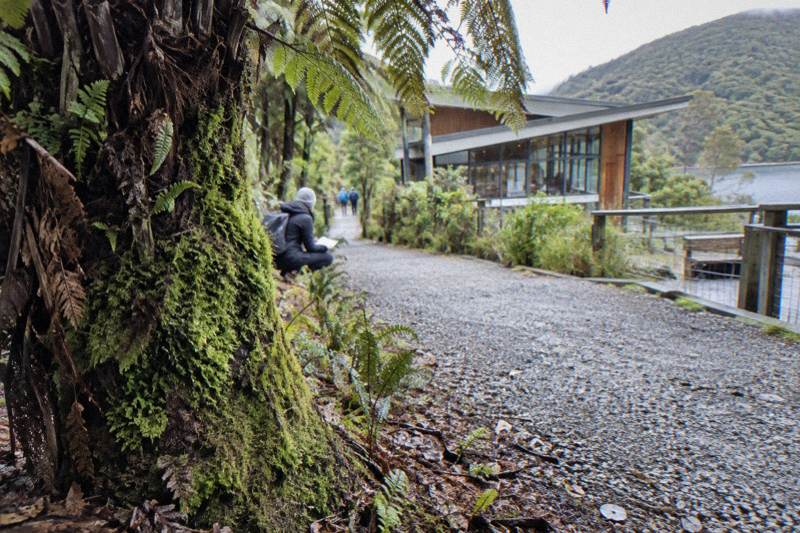
The premise is simple. Every other Zealandia tour is wildlife-led: the guide's eye, and yours, follows the birds and reptiles. On this walk the guide turns the lens onto the forest itself and its theme is how forest plants compete and adapt. On a valley-wide scale that is a rich subject. The sanctuary runs on a 500-year vision, and trees planted there, including rata and rimu, need centuries to mature, so the forest you walk through is a work in progress at every stage of growth.
The facts beyond that are deliberately thin, and candor is worth more here than colour. The sanctuary's materials describe the walk as plants-led rather than wildlife-led, and stop there: they hold nothing on specific plants, routes, or exactly what the guide points out. Any article naming particular species or flowering seasons on this tour is filling a gap the operator has not filled. What can be said with confidence is the frame: two hours in a fenced valley with a guide whose subject is the forest, not the fauna.
Because it is new, the walk has no rating and no review count on its listing yet. That cuts both ways. There is no crowd wisdom to check, but there is also no risk of a stale formula: this is the sanctuary, the operator of every tour in the valley, trying a format aimed squarely at visitors whose interest runs to botany, ecology and forest processes rather than sightings lists.
The booking terms match the rest of the valley's lineup, which keeps the decision low-risk. Free cancellation applies up to 24 hours before the start, the same window as the day, night and twilight tours, and there is no hotel pickup or drop-off on any of them: everyone makes their own way to the visitor centre at 53 Waiapu Road, Karori. The price sits at the accessible end of the sanctuary's own range, level with the day tour and well below the night tour's NZ$120 from-price, which is a sensible place for a format the operator is still introducing to its audience.
How Does It Differ From The Wildlife Walks?
On the flagship Zealandia By Day tour, the guides look for takahe, tuatara, hihi, kaka, tieke, toutouwai and pateke, plus tui, kereru and korimako, and every one of those is written as a chance, never a promise. The tour opens with a short intro video in the visitor centre and then walks slopes, gravel and uneven ground for about two hours. The plant walk covers roughly the same shape of experience: about two hours, up to 12 people, starting inside the same visitor centre. What changes is the running commentary. A wildlife walk stops when something moves. A plant walk stops when something grows.
| Forest Secrets Plant Walk | Zealandia By Day | Zealandia By Night | |
|---|---|---|---|
| Focus | Plants-led: how forest plants compete and adapt | Wildlife-led: rare and native birds, tuatara | Wildlife-led after dark, including kiwi as a chance |
| Length | About 2 hours | About 2 hours | About 2.5 hours |
| Schedule | 10:30am Sunday mornings | Daily, departures from 10am, more in summer | Nightly, around dusk, time confirmed at booking |
| Minimum age | None | None, under 5s free | 12 |
| From-price | NZ$70 per person | NZ$70 per person | NZ$120 per person |
| Rating | New listing, no rating yet | 4.8 from 252 reviews | 4.8 from 164 reviews |
A second difference hides inside the first. Because wildlife is mobile and weather-dependent, wildlife tours live with uncertainty: on any given morning the takahe may be distant and the kaka absent. Plants do not wander off. The sanctuary's own materials make no promises about what the plant walk shows, but the subject matter is inherently more reliable, which matters if you are the kind of visitor who would rather understand one valley deeply than chase a sightings list. For more on that trade-off, our piece on whether a guided tour beats a self-guided visit works through the same question for the day tour.
One caution worth carrying: if your heart is set on a particular animal, no walk in the valley guarantees it, and kiwi specifically are not a daytime prospect at all. The official General Admission page is blunt that nocturnal wildlife such as kiwi, ruru, weta and frogs is very unlikely by day, which is exactly why the night and twilight tours exist.
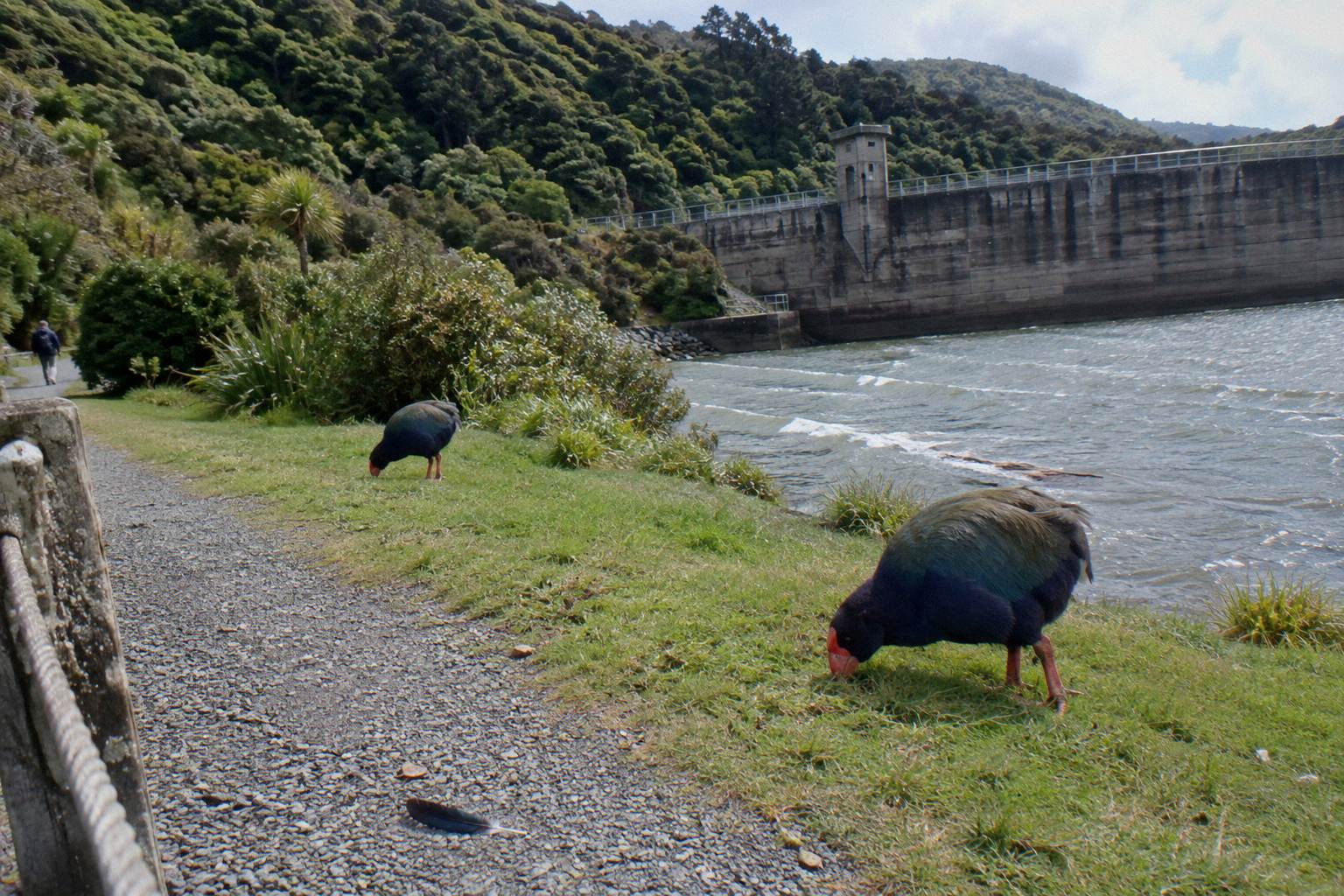
A third difference is pace and attention. Wildlife walks reward alertness: eyes up, ears open, quick moves when a guide flags something. A plants-led walk rewards the opposite, patience and close looking, and it suits visitors who enjoy a guide with time to answer questions. If you are the person at the back of every tour asking the guide about the trees, this format was effectively designed around you, and the small cap of 12 means your questions will not be drowned out by a crowd.
When Does It Run And How Long Is It?
The Forest Secrets Plant Walk runs about 2 hours and starts 10:30am on Sunday mornings per the sanctuary's own page, so unlike the daily wildlife tours it is a once-a-week commitment: miss the Sunday slot and the next one is seven days away. Groups are capped at 12, and the meeting point is inside the visitor centre at 53 Waiapu Road, Karori, arriving 15 minutes early.
The Sunday-morning schedule is the single most important planning fact on this page. Zealandia By Day departs daily with departures from 10am and more in summer, so it fits almost any Wellington itinerary; the plant walk does not. If your stay runs Monday to Saturday, this tour is simply not available, and the move is to take the day tour and quiz the guide about the forest as you go.
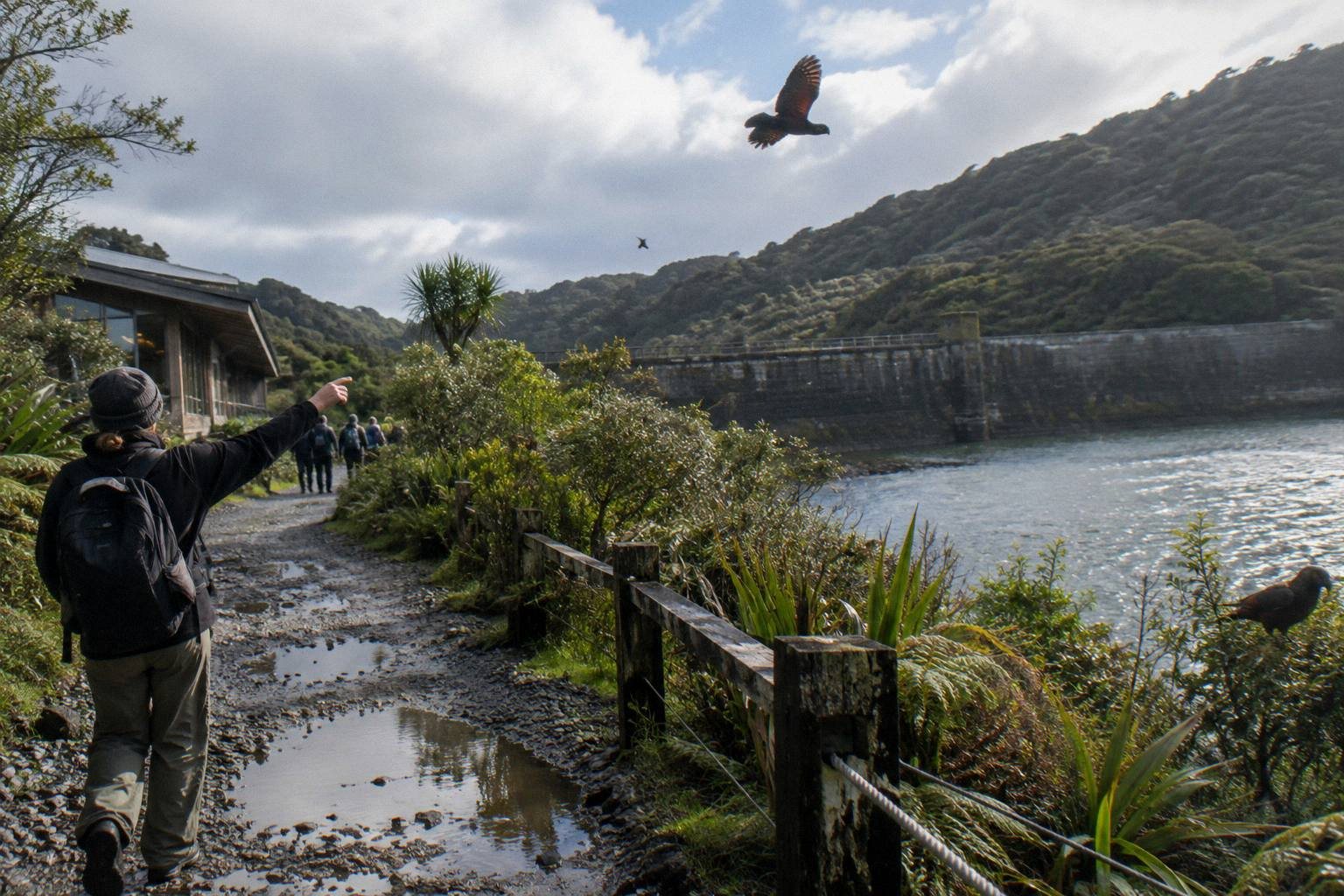
Getting there on a Sunday morning is straightforward. A free electric shuttle runs from outside the Takina Convention Centre on Wakefield Street and from the top of the Cable Car, taking about 10 to 15 minutes, with 11 seats per trip and space not guaranteed; day tour ticket holders get priority seating if they arrive 10 minutes early, and the plant walk shares the same valley logistics. Public bus stops at Northland Road and Birdwood Street are about a five-minute walk, and there is limited parking at the sanctuary plus an overflow car park on Birdwood Street. The sanctuary's own getting here page carries the current details, and our fuller guide to reaching Zealandia for your tour steps through each option.
Every tour ticket, this one included, also carries a General Admission valid for the tour day and the following day, which turns a Sunday plant walk into a weekend pass: come back Monday on the same ticket and walk the 32 km of tracks at your own pace, checking the forest the guide described against your own eye.
The sanctuary itself is open daily except Christmas Day, 9am to 5pm with last entry at 4pm, and check the official site for current hours before you travel. A 10:30am start lands you in the quietest stretch of the visiting day, after the opening rush and before the midday arrivals, which is a genuinely pleasant time to be in the valley: the birdsong is still strong and the tracks are not yet busy. If a Monday return trip appeals, note that your second-day admission covers exactly that window again.
Who Is It For?
It is for visitors whose main interest is plants, forest ecology and restoration rather than a sightings list: botanically curious adults, gardeners, students of ecology, and photographers happy with static subjects. With no minimum age and groups of up to 12, families can join, but children who need animals to stay engaged may find the day tour a better fit.
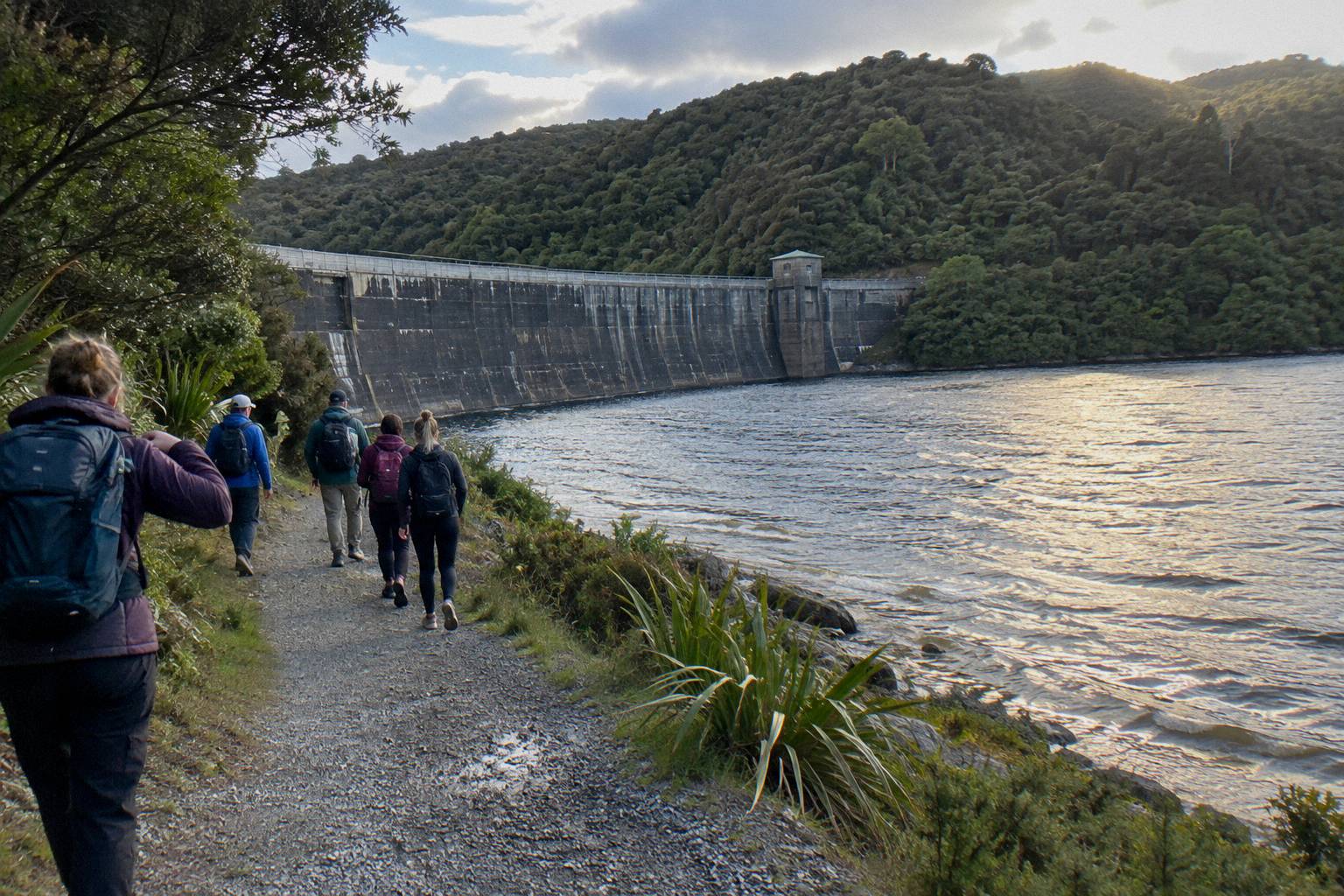
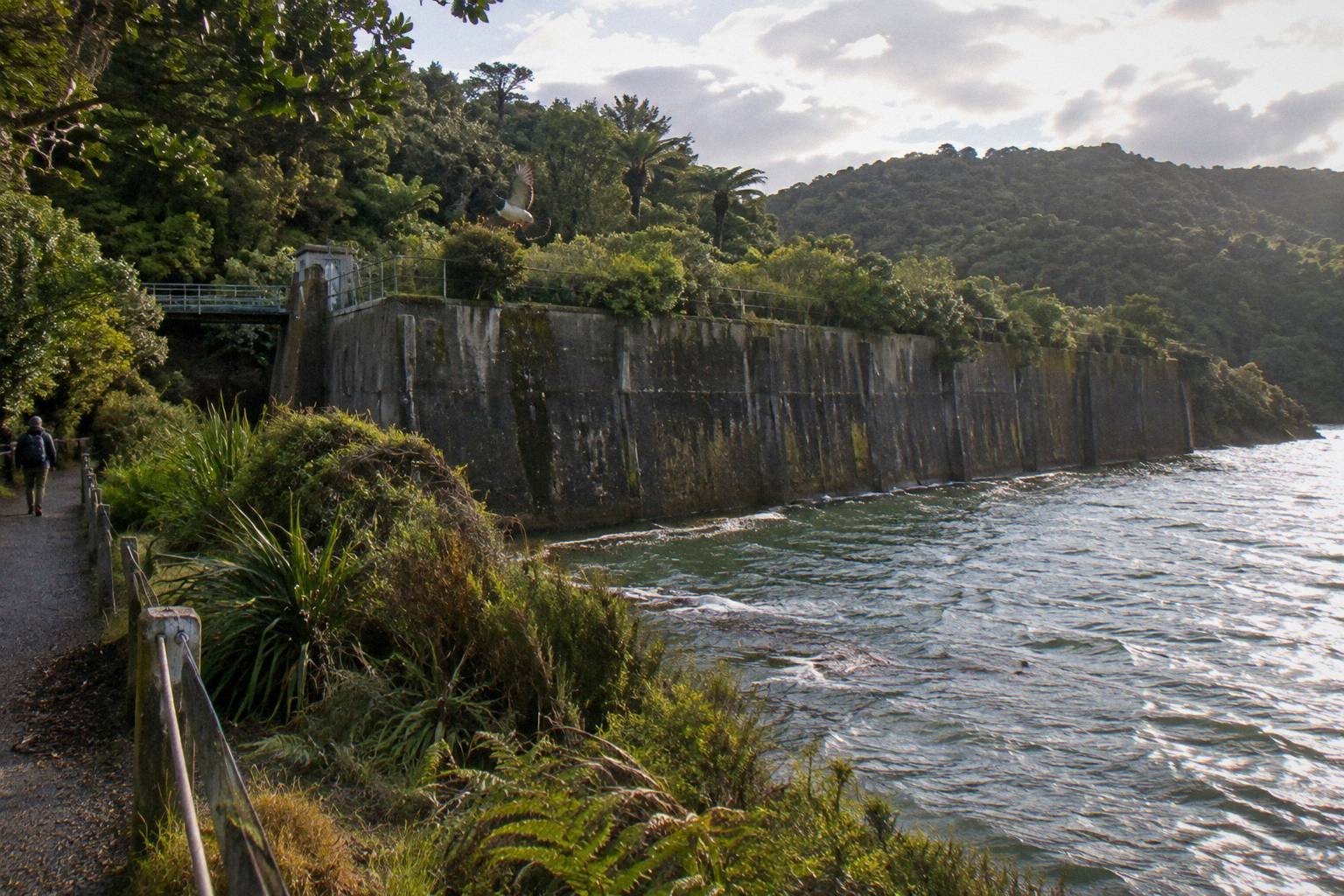
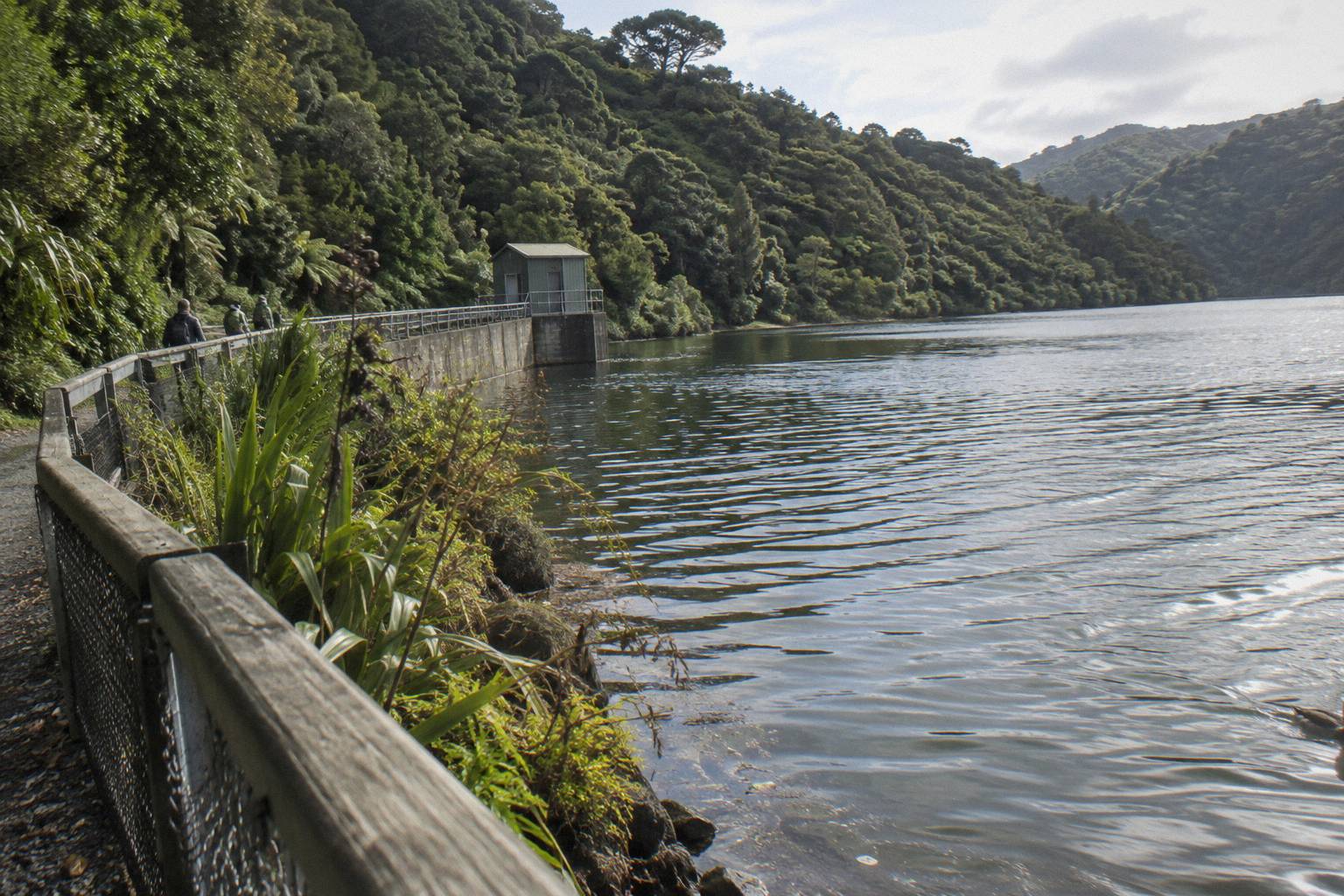
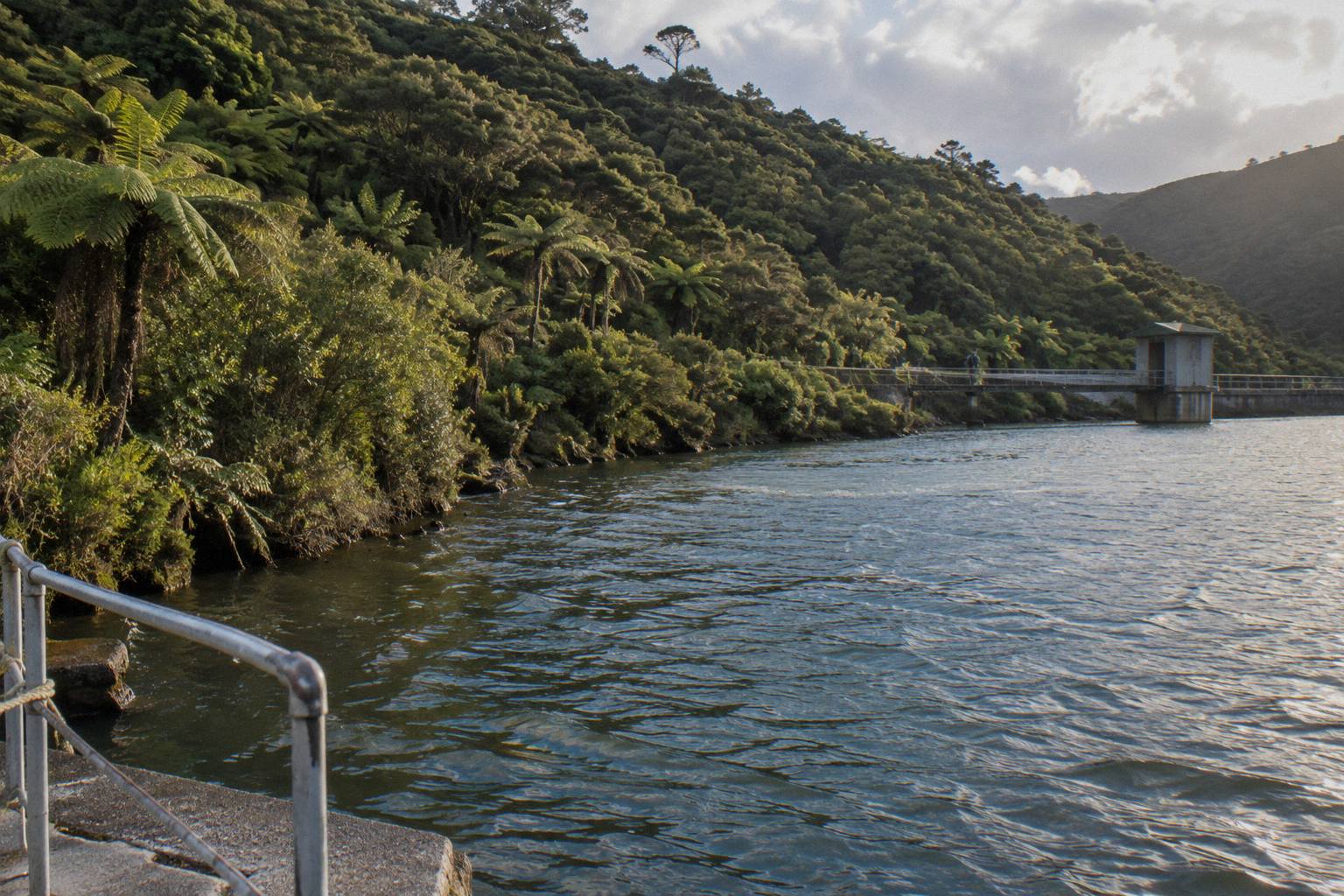
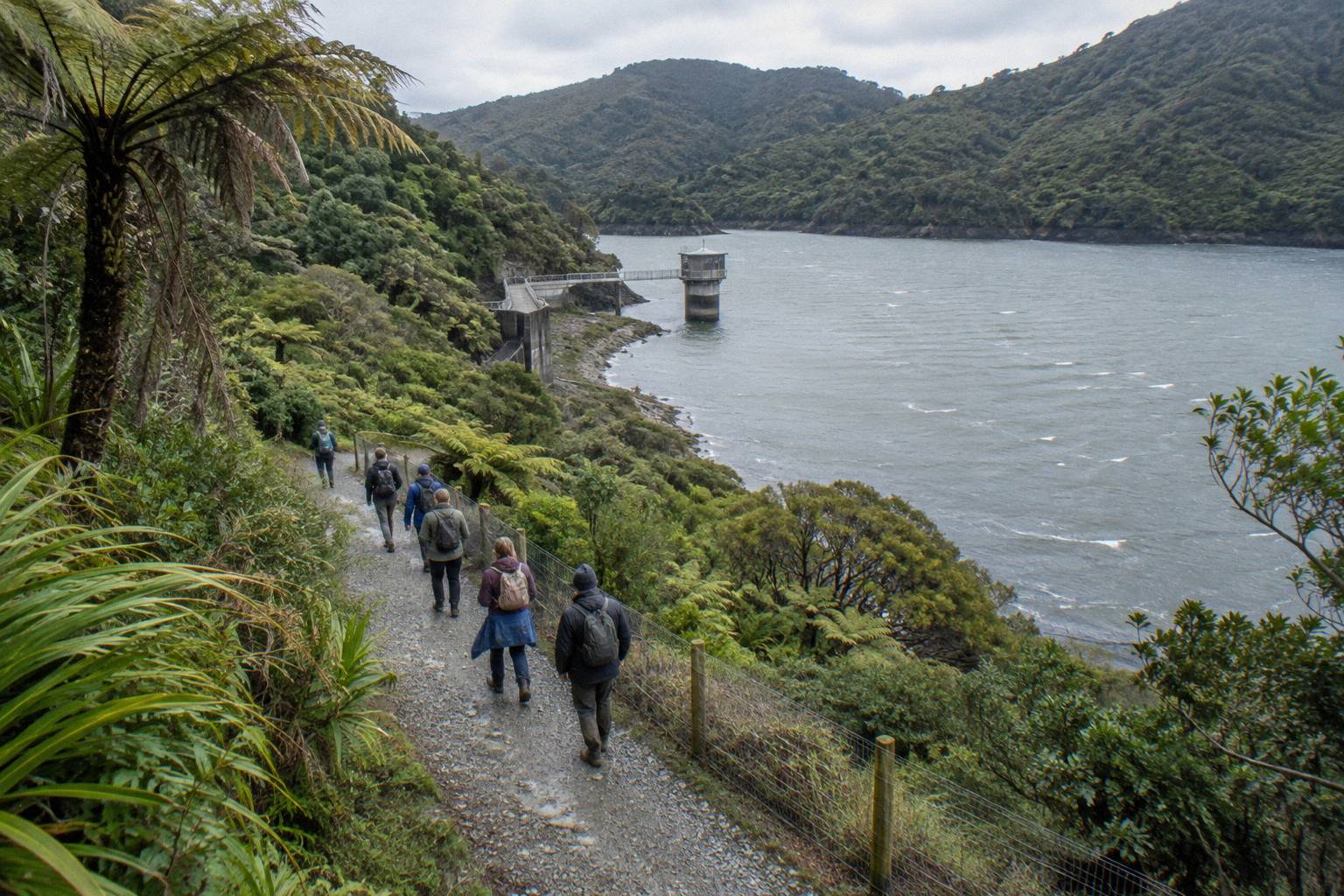
The clearest fit is the visitor who has already done the wildlife circuit somewhere, or who reads interpretive signs properly rather than skimming them. The sanctuary's framing, how forest plants compete and adapt, is essentially a live ecology lecture in a 225-hectare classroom, set inside a project that began with a 1992 proposal by Jim and Eve Lynch, became the Karori Sanctuary Trust in 1995, and finished its 8.6 km fence in 1999 as the world's first fully fenced urban ecosanctuary. The valley itself was once a Wellington water supply, with an earth dam built 1876 to 1878, a concrete dam completed in 1908, and the upper dam taken out of service in 1991, so the terrain carries layers of use beyond the forest.
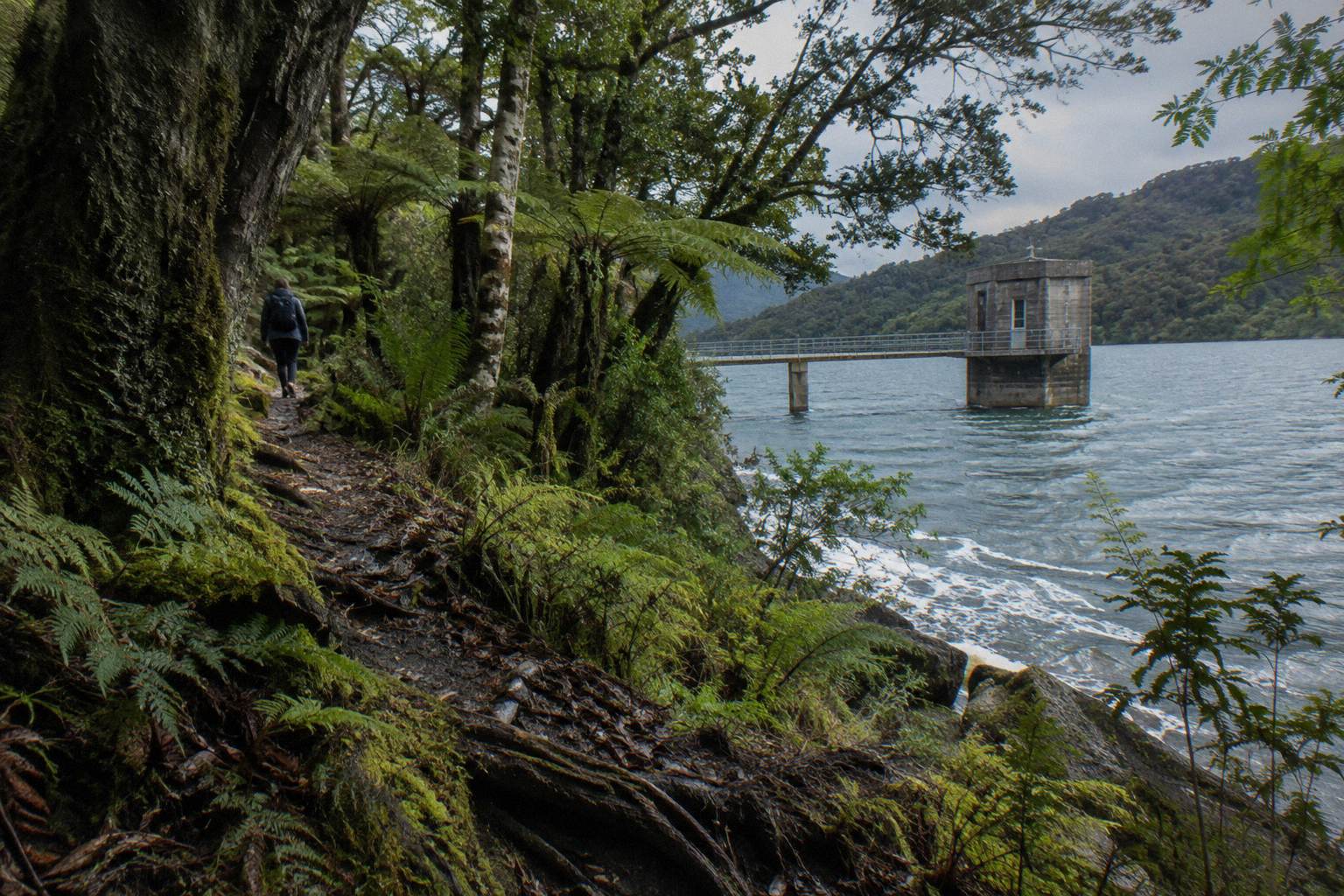
Accessibility is worth raising directly rather than burying. Much of the lower valley is wheelchair and pram friendly, there is a lift in the visitor centre, free mobility scooters are available if you ask ahead, a companion enters free, and accessible toilets are on site. The booking pages for the valley's tours describe uneven surfaces and a moderate level of walking, and the shuttle has no chairlift. Rather than any blanket claim, ask the operator when you book; they will give you their own conditions for this specific walk.
On the other side of the ledger, if you are in Wellington partly for the birds, the plant walk should probably be a second tour rather than your only one. The little spotted kiwi story alone, 40 birds brought in during 2000 and 2001 with the population now estimated in the hundreds, plus tuatara returned in 2005 and 2007 as the first mainland release, and kaka back in the early 2000s, is the kind of narrative the wildlife guides tell best. Our guide to the wildlife you can meet on a Zealandia tour covers what each walk realistically offers.
Photographers deserve a specific mention. A wildlife tour puts a premium on long lenses and fast reflexes; a plant walk rewards composition, detail and light, and photography is allowed on the valley's tours. If your idea of a good morning is a macro shot of moss rather than a distant bird, the plants-led format plays to your strengths, and the sanctuary separately lists photography tours on select weekends from October to April for those who want dedicated shooting time. Language matters too: the tours covered here run in English, and while Mandarin-language day departures exist with a minimum of four people, no translated plant walk is stated, so ask the operator when you book if that would affect you.
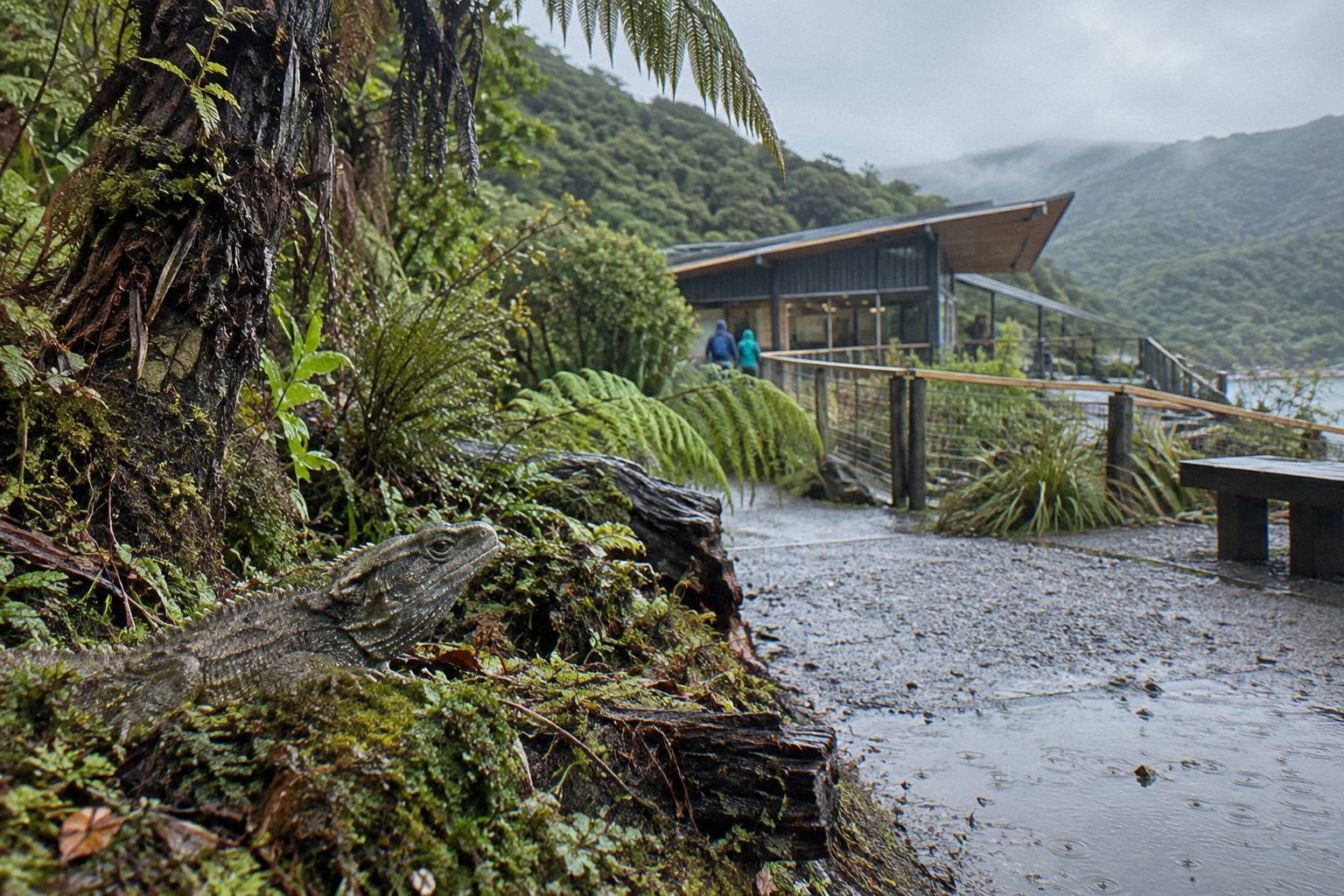
How Does It Compare With The Day Walk?
Price and length are identical, from NZ$70 per person and about 2 hours, but the day walk runs daily from 10am while the plant walk is Sunday-only at 10:30am; the day walk is rated 4.8 from 252 reviews while the plant walk has no reviews yet. Choose by interest: forest processes, or the sanctuary's rare wildlife, with both including next-day General Admission.
| Question | Better answer: Plant Walk | Better answer: By Day |
|---|---|---|
| You want to understand how the forest works | Yes | Less depth on plants |
| You want the best chance of seeing rare birds and tuatara | No | Yes, wildlife-led |
| You are in Wellington midweek | No, Sunday-only | Yes, daily departures |
| You are deciding on the day | Harder, one weekly slot | Easier, more slots, more in summer |
| You want a proven tour with a review history | No rating yet | 4.8 from 252 reviews |
| You are a gardener or plant enthusiast | Yes | Only in passing |
There is a case for doing both, and the identical from-price makes it a fair fight. A Sunday plant walk plus a weekday day walk gives you the valley twice through two different lenses, and each ticket's second-day General Admission stretches the value further. The schedule also leaves room to slot the sanctuary's own tickets and tours page into your planning, since the sanctuary additionally lists Kids' Night Walks, dawn walks on select weekends and photography tours on select weekends; those are separate from the four tours covered here.
If your curiosity runs to what the plant walk cannot deliver, kiwi after dark, the night tour is the specialist tool: about 2.5 hours around dusk, minimum age 12, torches supplied, ending with a warm kawakawa, lemongrass and ginger tea. The official wording on kiwi is plain and worth repeating: little spotted kiwi are seen on most tours, sightings are not guaranteed. Our night tour guide unpacks that in detail, and for the seasonal middle ground, the Twilight Tour runs October to March, about 2.5 hours from daylight into dark, minimum age 5, from NZ$110 per person, with hot kawakawa tea included.
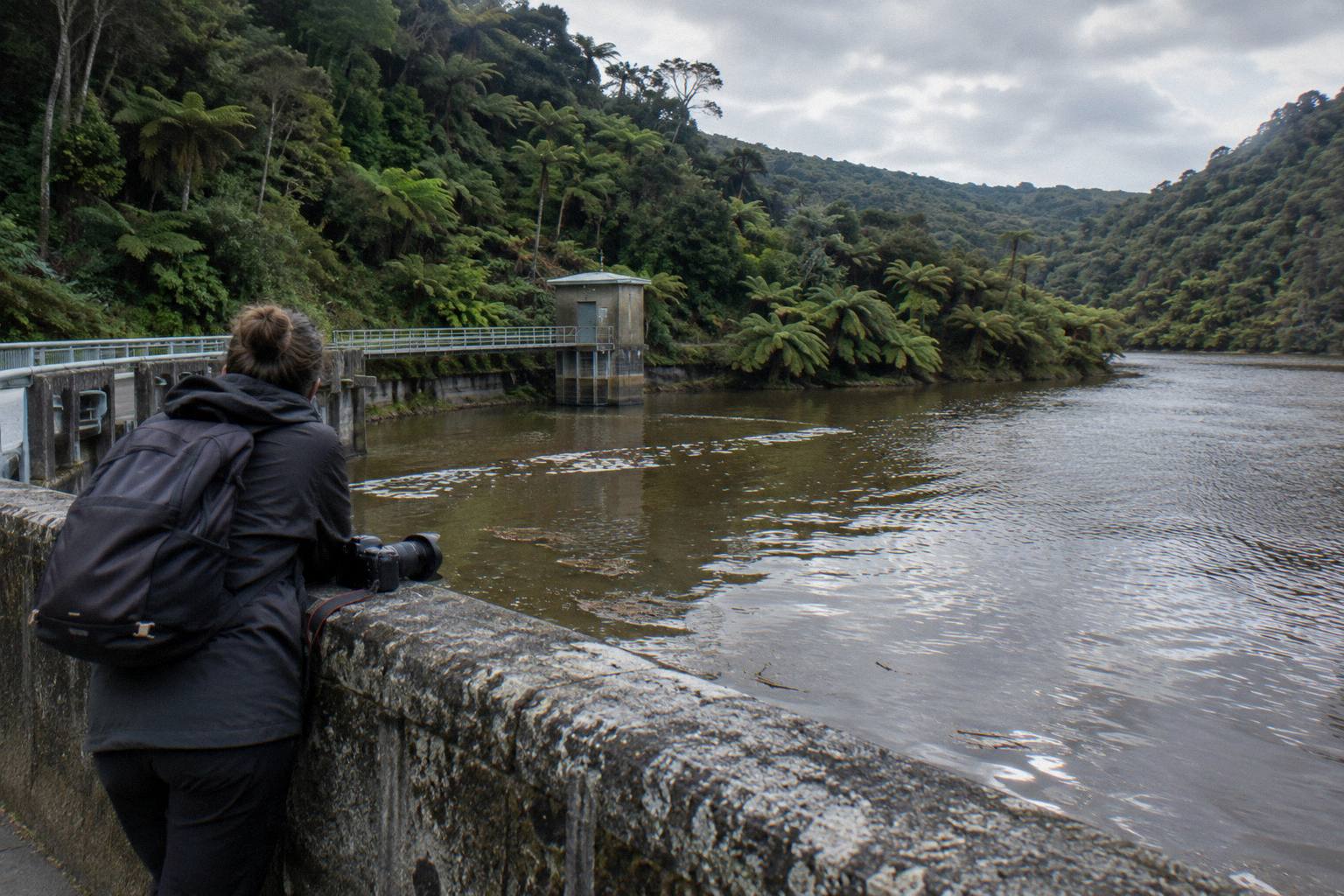
A useful way to think about the choice is what you will remember a month later. Day-tour memories are usually moments: a takahe's bulk up close, a kaka calling overhead. Plant-walk memories are more likely to be frameworks, the way a forest sorts itself out, who wins the race for light and who waits in the shade. Neither is better; they are different products at the same price from the same operator, and the only wrong answer is booking one while wishing you had booked the other.
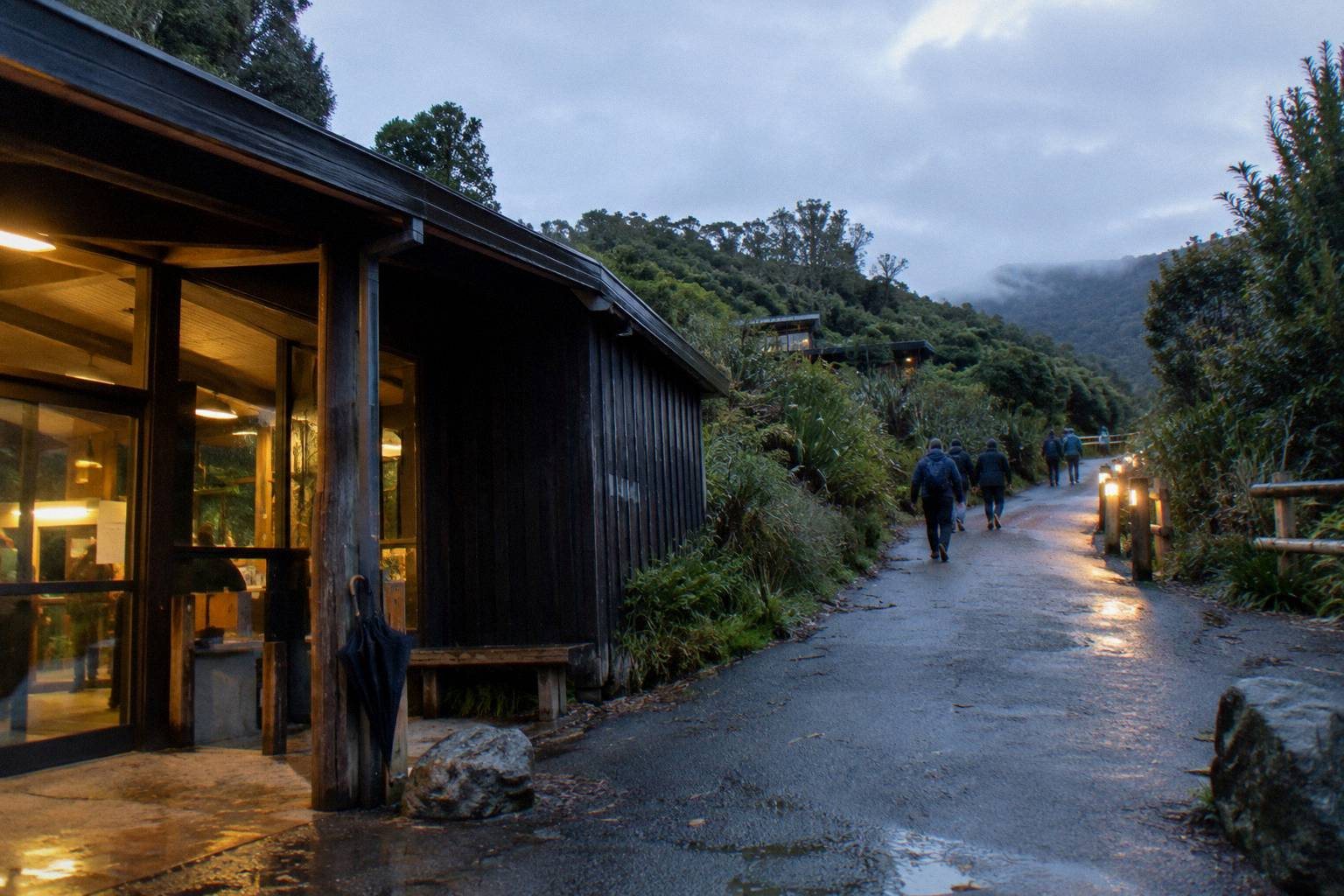
What To Wear And Bring
Wear sturdy shoes, warm clothes and a waterproof layer, the same kit the sanctuary recommends across its walks: the valley has slopes, gravel and uneven ground, the tour runs in almost all weather, and a Wellington morning can turn. Bring nothing extra that matters, since food and drinks are not included; photography is allowed, so a camera earns its space.
The ground is the main wardrobe driver. The booking pages describe the walking as moderate with uneven surfaces, and the day tour's guidance, not strenuous but requiring reasonable fitness, is the best available proxy since the sanctuary describes the same valley. Pushchairs are fine on the valley's lower reaches and infants sit on an adult's lap, but for a plants-led walk with stops and discussion, comfortable shoes matter more than on a moving wildlife tour where you are looking up half the time.
| Item | Why | Note |
|---|---|---|
| Sturdy shoes | Slopes, gravel, uneven ground | Sanctuary recommendation across its tours |
| Warm layer | Valley microclimate, morning start | Applies even on a fine city morning |
| Waterproof jacket | Runs in almost all weather | Extreme conditions are the only call-off |
| Water bottle | Food and drinks not included | None provided on any tour |
| Camera | Photography allowed | Static subjects suit slow composition |
| Nothing to declare | Biosecurity bag checks at the double gates | Everyone checks own bags and pockets for seeds, mice and lizards |
That last row is a Zealandia ritual worth knowing before you arrive. At the biosecurity double gates, everyone checks their own bags and pockets for seeds, mice and lizards before entering, a small habit that protects a valley from which possums and hedgehogs were gone by the end of 1999 and the last rabbit in 2000. Our fuller what-to-wear guide covers the whole checklist, including the rain question, and the tour runs with free cancellation up to 24 hours before if your Sunday turns sour.
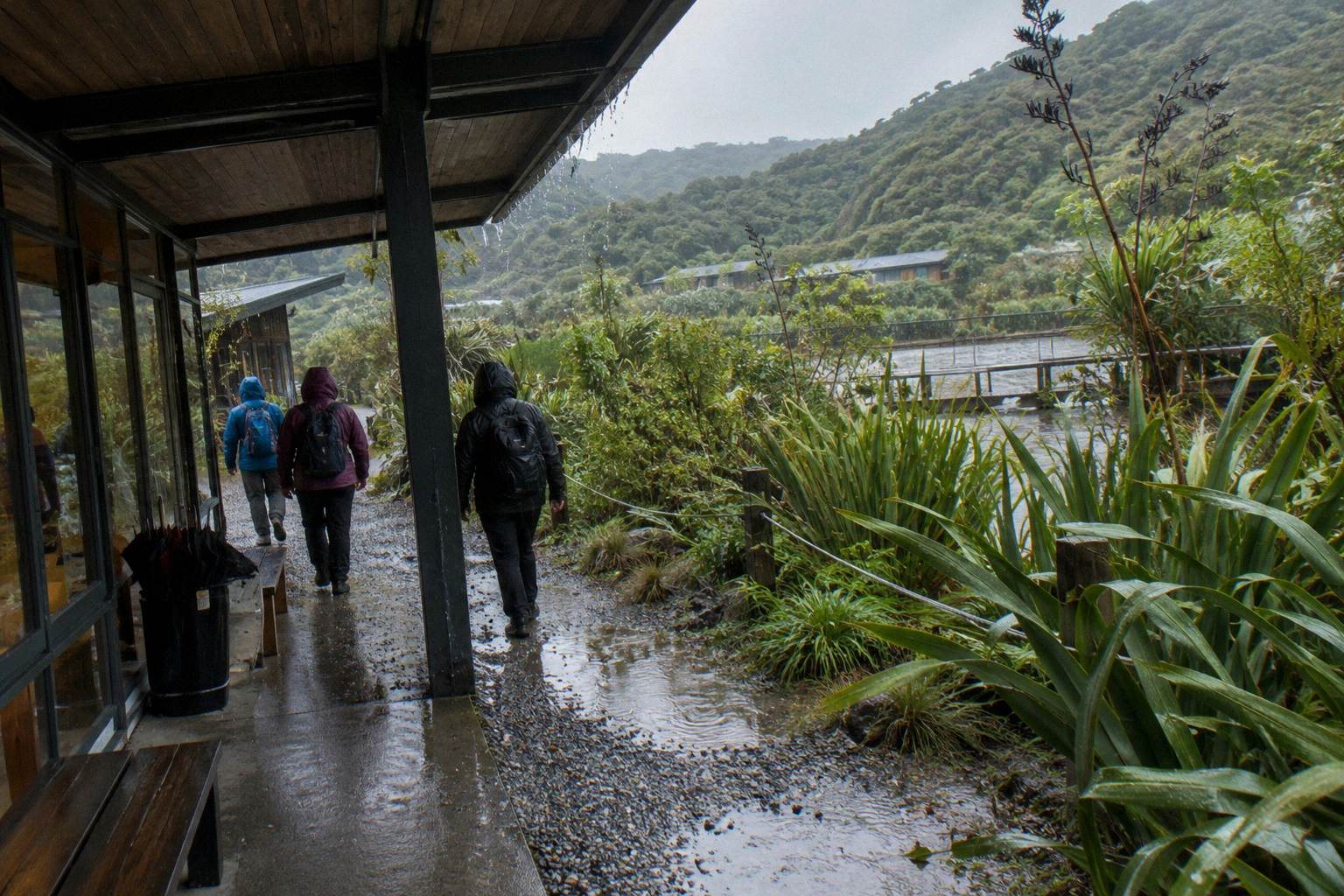
Weather planning deserves one plain line of its own. The tours run in almost all weather and may only be called off in extreme conditions, so a drizzly Sunday is still a walking Sunday, and the forest, frankly, often looks better for it: wet moss, dark greens and dripping canopy are part of the plants-led appeal. What you cannot do is pick a backup date on the same weekend, because there is only one departure a week, so the free-cancellation window matters more here than on the daily tours.
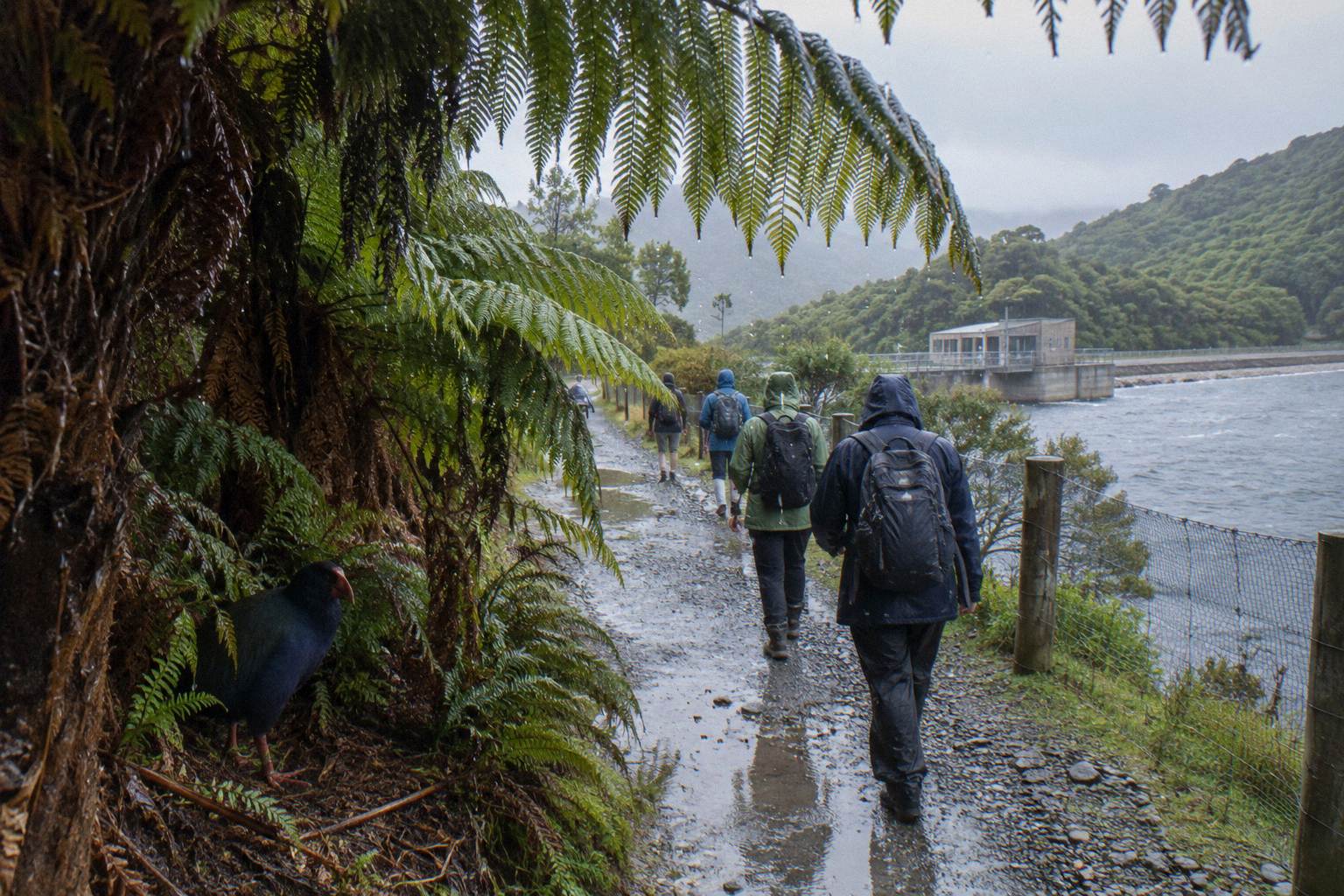
Common Mistakes When Choosing A Plant Walk
The common mistakes are assuming the Sunday slot will bend to your itinerary, expecting a rating or review history that a new listing does not have, assuming the guide will name specific plants the sanctuary has not stated it shows, and booking a plant walk when what you actually want is the rare wildlife the day tour exists for. Each one is avoidable with one plain question to yourself.
The first mistake is calendar-driven. Travellers build Wellington itineraries around what they read, then discover the plant walk runs Sunday mornings only. If you are in the city Tuesday to Thursday, no amount of wishful thinking changes that; the day tour's daily departures from 10am are the flexible alternative. Decide your dates first, then your tour.
The second is expectation-driven: treating a new listing as a reviewed one. The plant walk has no rating and no review count yet. That is not a warning, it is simply an absence of data, and articles that dress it up with borrowed praise from other tours are selling you someone else's experience. What stands behind the walk is the operator itself: the sanctuary, a not-for-profit trust with more than 500 volunteers and the 2023 Air New Zealand Supreme Tourism Award, running every tour in the valley.
The third is interest mismatch. If you would be disappointed to leave without hearing about takahe, Nationally Vulnerable, or little spotted kiwi, At Risk-Recovering, book the wildlife walk and let plants be the bonus rather than the main course. And the fourth is logistical: forgetting the 15-minutes-early arrival inside the visitor centre, or planning a tight post-tour connection, when a 10:30am start plus about 2 hours plus a return shuttle puts you back in the city early-to-mid afternoon at best. Book the walk, then let the rest of the Sunday stay soft.
A final mistake is subtler: assuming the plant walk is an easier or lesser version of the day tour. Nothing in the sanctuary's materials supports that. It is the same length, the same price, the same group cap and the same operator, with a specialist theme rather than a diluted one. Visitors who book it as a soft option, expecting less walking or less standing, will get a tour that stops and discusses just as much ground, only with a different subject at each stop.
Deciding between this and the classics is easier with the whole picture, and Zealandia Day Tour covers the full range: the daily wildlife walk, the dusk options and this quiet Sunday alternative for the plant-minded.
Common Questions About The Zealandia Plant Walk
What Is The Forest Secrets Plant Walk?
A plants-led guided walk at Zealandia, about 2 hours, from NZ$70 per person, running 10:30am on Sunday mornings with up to 12 people and no minimum age. Its subject is how forest plants compete and adapt, rather than the sanctuary's birds and reptiles.
Is The Zealandia Plant Walk Worth It?
It depends on your interest. If forest ecology, botany and restoration are your reasons for visiting, it is the only tour in the valley built around that. It is a new listing with no rating or reviews yet, so there is no traveller feedback to consult; what backs it is the sanctuary itself, which operates every tour in the valley.
How Long Does The Plant Walk Take?
About 2 hours, the same length as the day tour. Every tour ticket also includes General Admission valid for the tour day and the following day, so you can stay on or return the next day.
When Does The Forest Secrets Plant Walk Run?
10:30am on Sunday mornings, per the sanctuary's own page. Unlike the daily wildlife tours it runs once a week, so check your travel dates before planning around it.
Can Children Join The Plant Walk?
Yes, there is no minimum age and groups run up to 12 people. Children must be with an adult. Families wanting an evening option should note the night tour requires age 12, while the Twilight Tour takes children from age 5.
Will I See Birds And Kiwi On The Plant Walk?
The walk is plants-led, not wildlife-led, so birds are background rather than the focus. Kiwi are a night prospect only: the official General Admission page calls nocturnal wildlife such as kiwi, ruru, weta and frogs very unlikely by day, and even on the night tour sightings are never guaranteed.