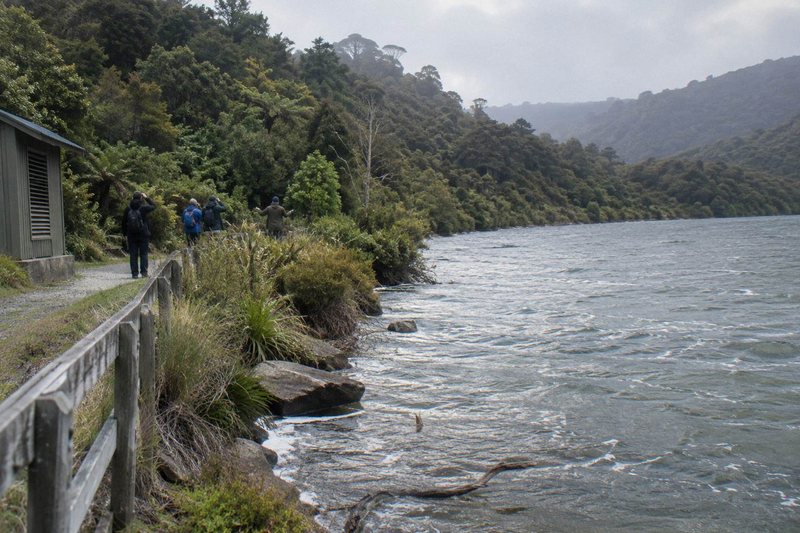
Should You Take A Zealandia Guided Tour Or Just Visit In The Daytime?
A plain comparison of a guided Zealandia day tour against a self-guided daytime visit: what each includes, what the tours cost, and which traveller each option suits.
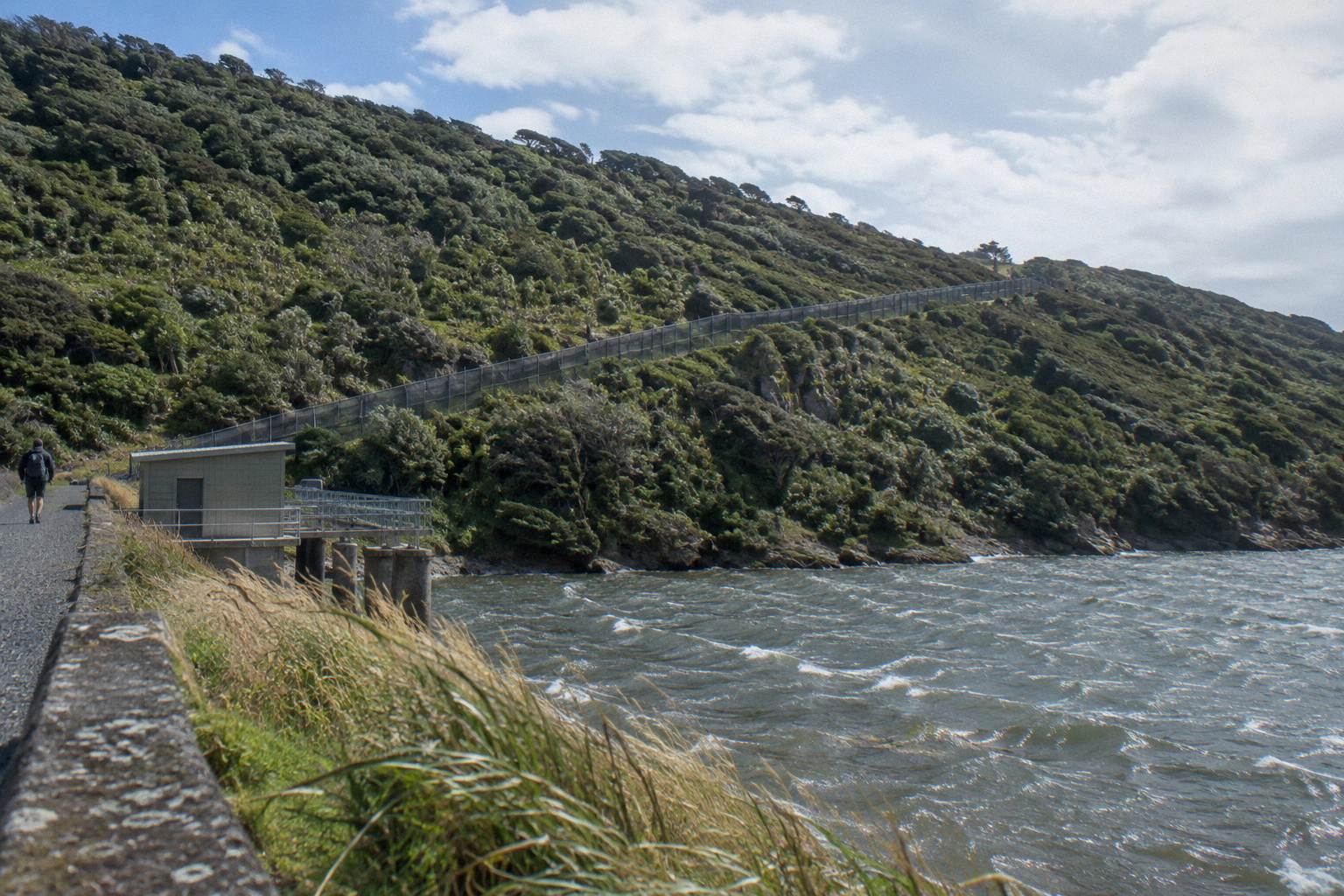
The answer is that a guided tour wins on wildlife-finding and context, while a self-guided daytime visit wins on pace and price, and the two are closer than most people expect because every tour ticket includes General Admission for the tour day and the next. Zealandia By Day costs from NZ$70 per person, runs about two hours in a group of up to 12, and covers slopes, gravel and uneven ground with a professional guide pointing out species you would almost certainly walk past alone. General Admission, sold at the Level 1 desk with no need to pre-purchase, buys two consecutive days of the same tracks but no guide, and its prices live on the official page rather than here.
That is the short version. The longer version depends on who you are travelling with, how much you already know about New Zealand birds, and whether the species on the day-tour list are names you could recognise on sight. Takahe, hihi, tieke, toutouwai and pateke are not zoo animals with signage; they are free-living birds in 225 hectares of regenerating forest, and a guide is the difference between seeing them and hearing about them later.
The three daytime-relevant products sit above: the guided day walk that anchors this comparison, and the two dusk options for readers whose real goal is nocturnal wildlife. If your question is strictly day versus day, the rest of this article works through it section by section.
What Decides Between A Walk And A Solo Visit?
The answer depends on four main factors: your ability to spot rare New Zealand birds without a guide, whether children under 5 are part of your travel group, how much time your Wellington itinerary allows for the visit, and whether you expect to return for a second morning at the attraction. A confident birder with a field guide and a full day may extract everything a sanctuary visit offers alone. A first-time visitor who cannot yet tell a tui from a kereru will get more from two guided hours than from two solo days, because the guide is doing the finding, not just the naming.
Children tilt the decision. The day tour has no minimum age, under 5s are free, pushchairs are fine, infants sit on an adult's lap, and children must be with an adult. That is a family product. A solo visit is also workable with small children, and much of the lower valley is wheelchair and pram friendly, but nobody is helping you spot a tuatara while you steer a buggy.
Time matters more than people assume. Every tour ticket, not just the day tour, includes General Admission valid for the tour day and the following day. So the guided walk is not instead of a self-guided visit: it is a guided first day and a free-roaming second morning. That structure quietly changes the maths, and it is the single most underused fact in this comparison.
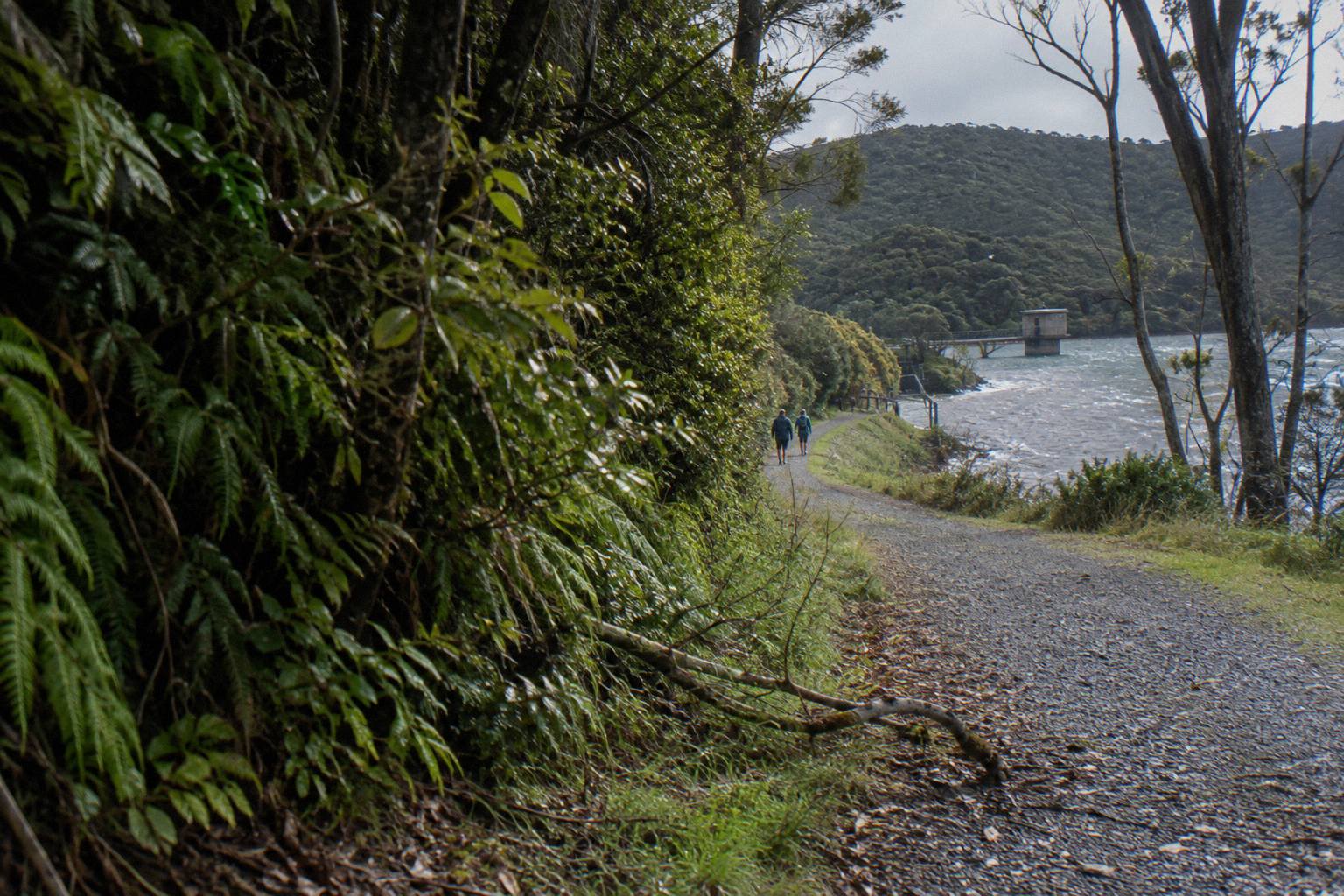
Budget is the fourth factor, and it is the one the site will not fake with invented numbers. Tour from-prices are printed below from the lineup. General Admission pricing is deliberately not printed here: it is valid for two consecutive days, pre-school children enter free, and current figures sit on the official tickets and tours page. Compare the two there before deciding.
There is also a middle path worth naming: walk in alone on your first afternoon, see how you go, then book the day tour for the next morning if the birds defeated you. Nothing in the booking rules prevents that, and free cancellation up to 24 hours before makes it low-risk.
What Is Actually Included In A Guided Day Tour?
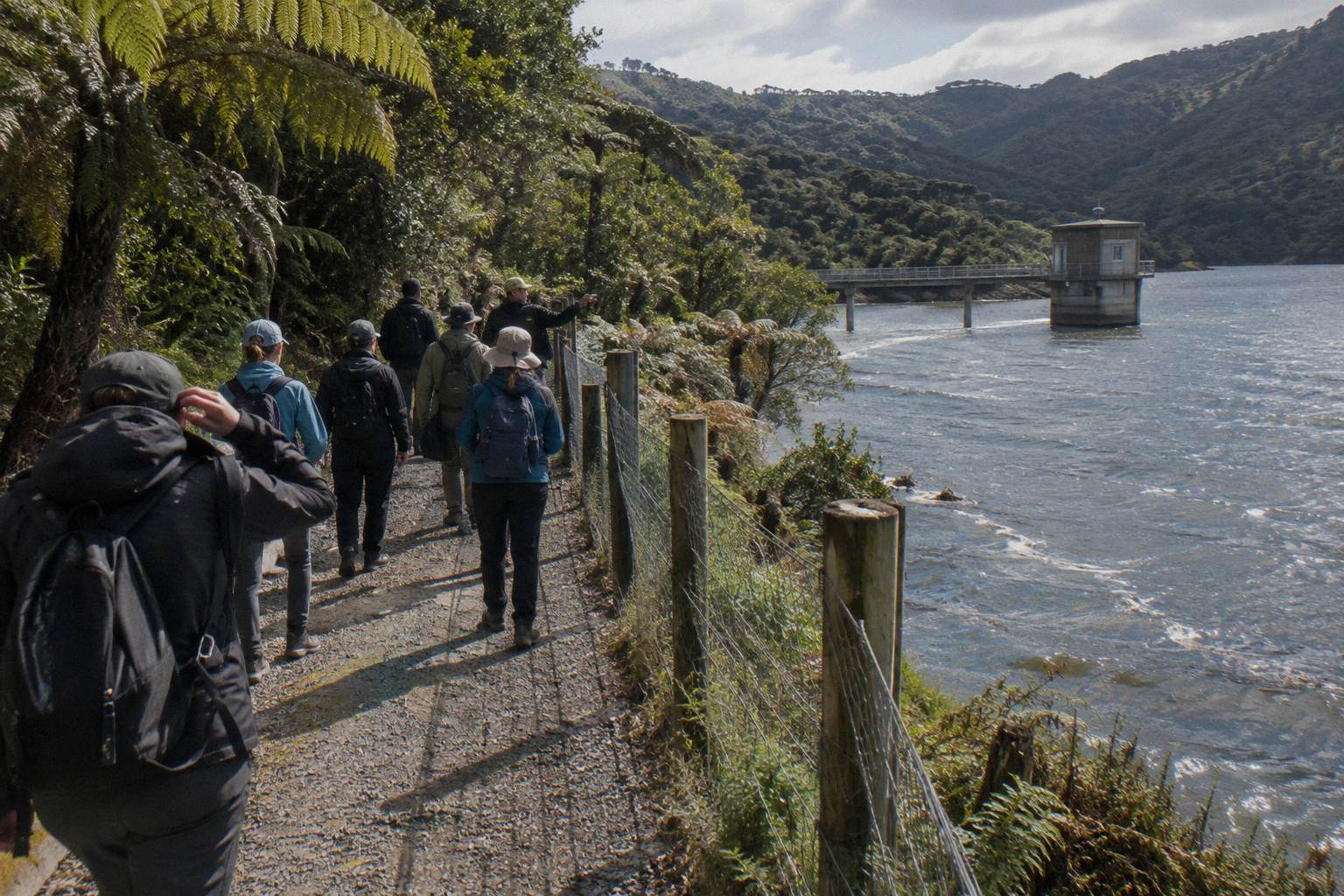
Zealandia By Day includes a professional guide, a short intro video in the visitor centre, a guided walk of about 2 hours for up to 12 people, and a General Admission ticket valid for the tour day and the next day, from NZ$70 per person with under 5s free. It runs daily with departures from 10am and more in summer, it meets inside the visitor centre at 53 Waiapu Road, Karori, and you should arrive 15 minutes early. It carries a 4.8 rating from 252 reviews.
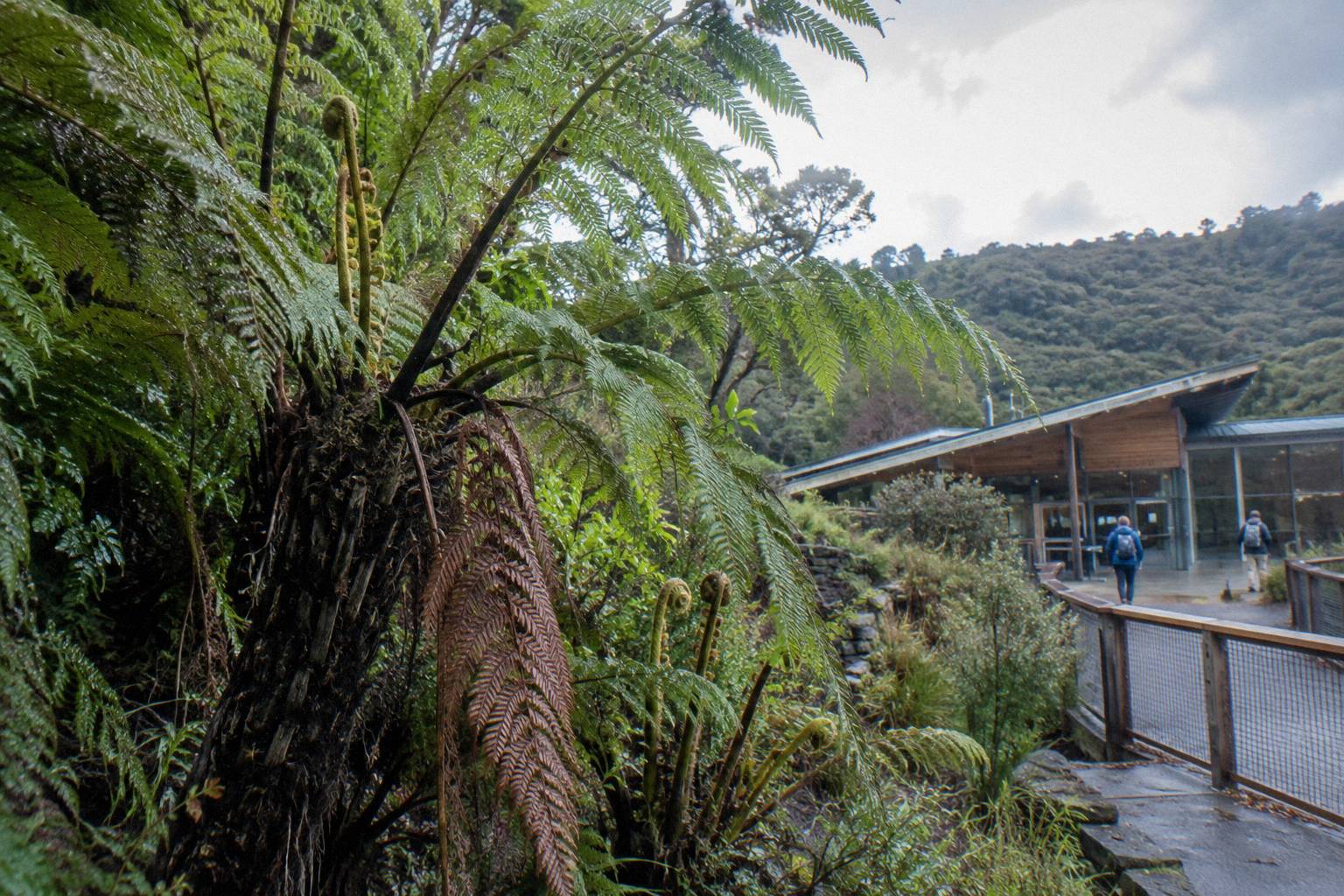
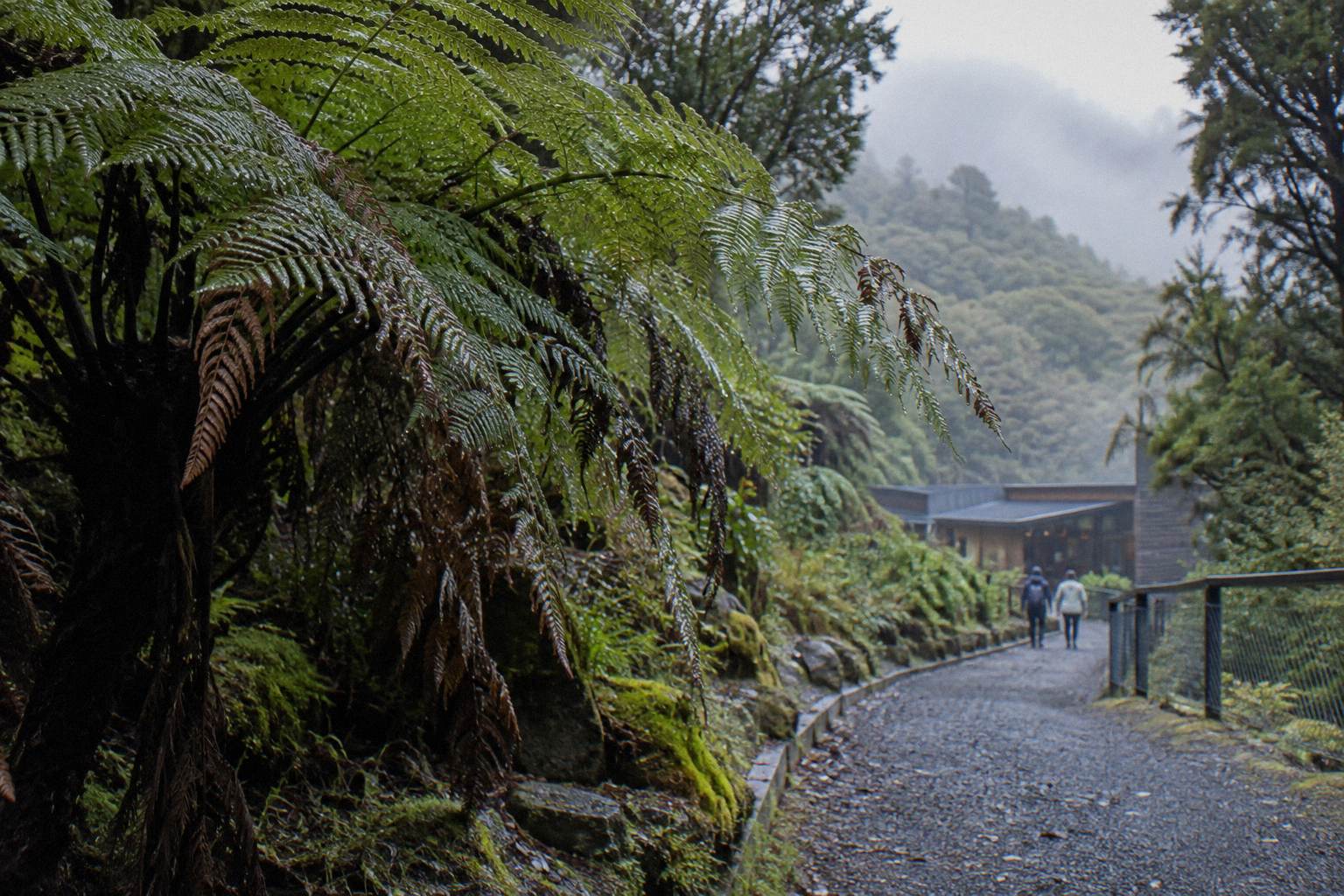
The walk itself is described by the operator as not strenuous but on slopes, gravel and uneven ground, needing reasonable fitness. Sturdy shoes, warm clothes and a waterproof layer are the stated kit, and the tour runs in almost all weather, with cancellation reserved for extreme conditions. Photography is allowed throughout.
What is not included is equally concrete: food and drinks, lunch, alcohol, and hotel pickup and drop-off. No tour in the lineup offers hotel pickup, so transport to Karori is always yours to arrange. The free electric shuttle from outside the Takina Convention Centre on Wakefield Street, or from the top of the Cable Car, takes about 10 to 15 minutes with 11 seats per trip, space is not guaranteed, and day-tour ticket holders get priority seating if they arrive 10 minutes early, per the official getting here page.
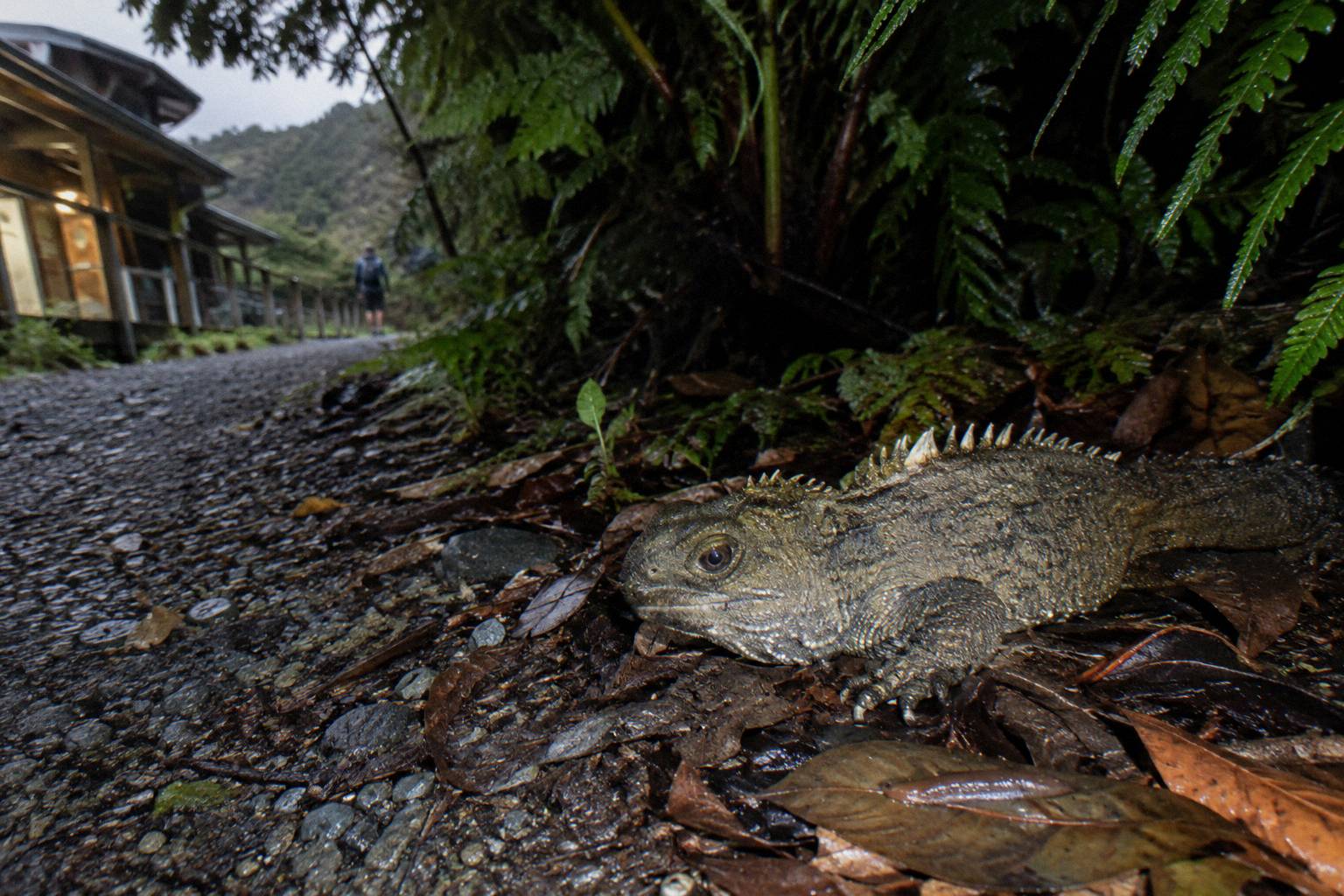
The wildlife list the guides work from, always as chances rather than promises: takahe, tuatara, hihi, kaka, tieke, toutouwai and pateke, plus tui, kereru and korimako. One thing the day tour is not: a kiwi ticket. The official General Admission guidance calls nocturnal wildlife such as kiwi, ruru, weta and frogs very unlikely by day, and no daytime product here claims otherwise. Readers whose real goal is a kiwi should read the night options later in this article rather than hoping a daylight walk delivers one.
A smaller practical point: Mandarin-language day departures exist and need a minimum of four people, and the tour may be cancelled if that number is not reached. If that affects you, ask the operator when you book.
What Do You Get Walking In On General Admission?
General Admission gives you two consecutive days of access covering more than 32 km of walking tracks spread across 225 hectares, so you can come and go freely within that window. Pre-school children enter free, and you don't need to pre-purchase tickets; current pricing is listed on the official page rather than repeated here. It buys no guide, no intro session, and no help finding anything. The sanctuary is open daily except Christmas Day, 9am to 5pm with last entry at 4pm; check the official site for current hours.
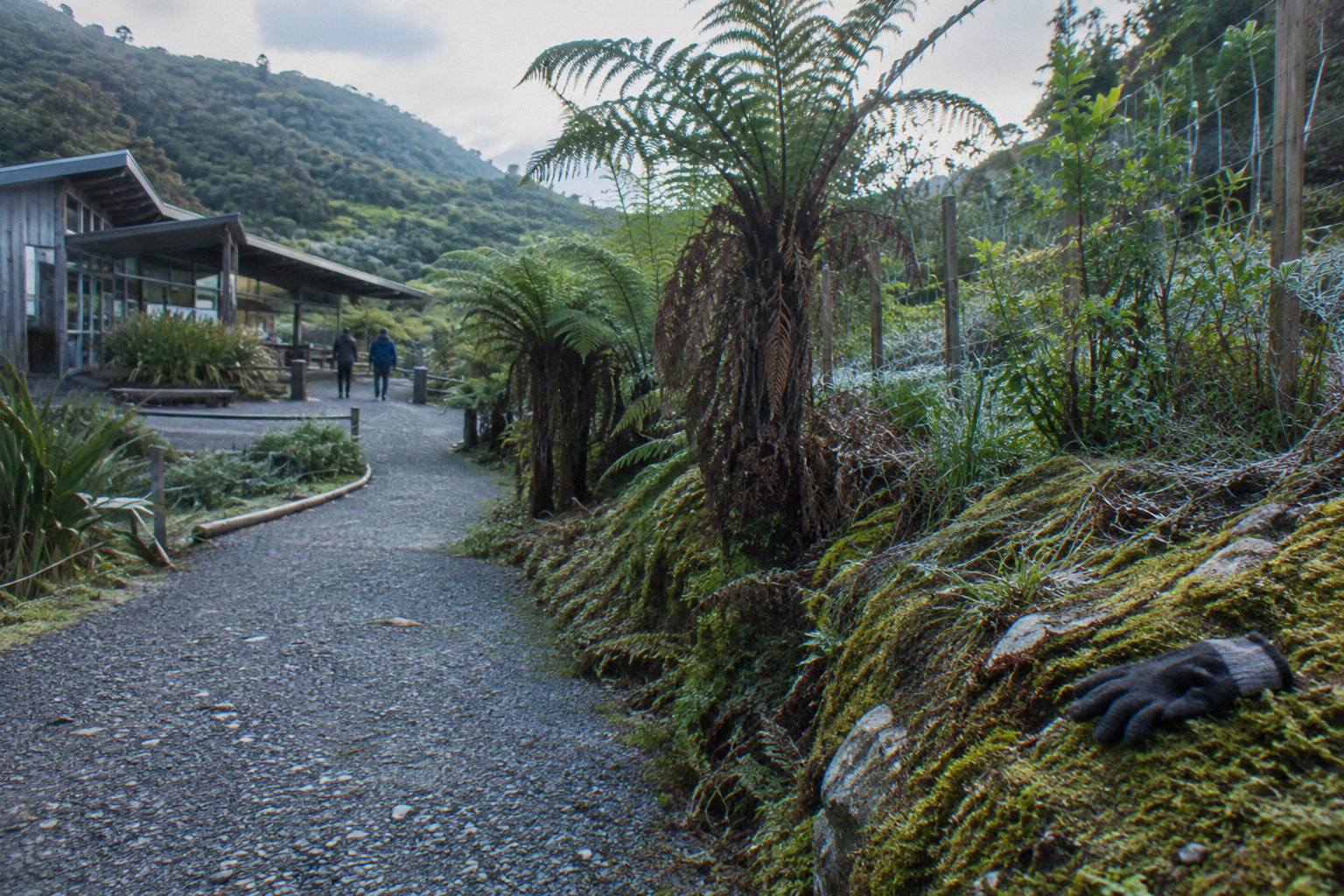
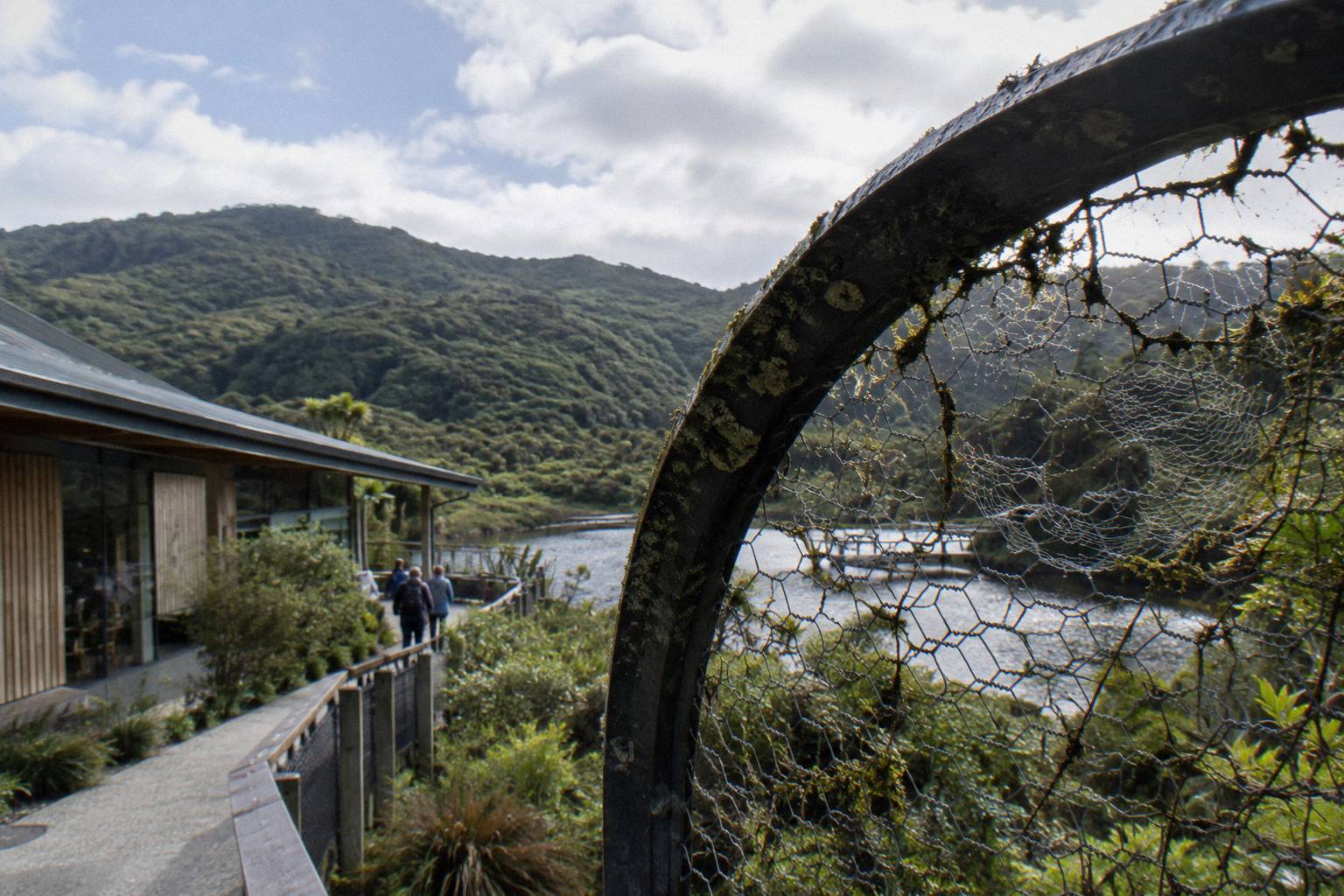
What you are walking into is genuinely unusual. The valley was a Wellington water supply, with an earth dam built between 1876 and 1878 and a concrete gravity dam completed in 1908, before the upper dam was taken out of service in 1991. In 1999 an 8.6 km predator-exclusion fence was finished around the valley, the world's first fully fenced urban ecosanctuary, and by the end of that year possums and hedgehogs were gone, with the last rabbit removed in 2000. That history is on the fences and dams in front of you, but almost none of it is obvious without someone explaining it, which is the self-guided visit's real cost.
Entry has its own ritual: everyone checks their own bags and pockets for seeds, mice and lizards at the biosecurity double gates. It takes a minute and it is a genuine part of how the sanctuary stays predator-free.
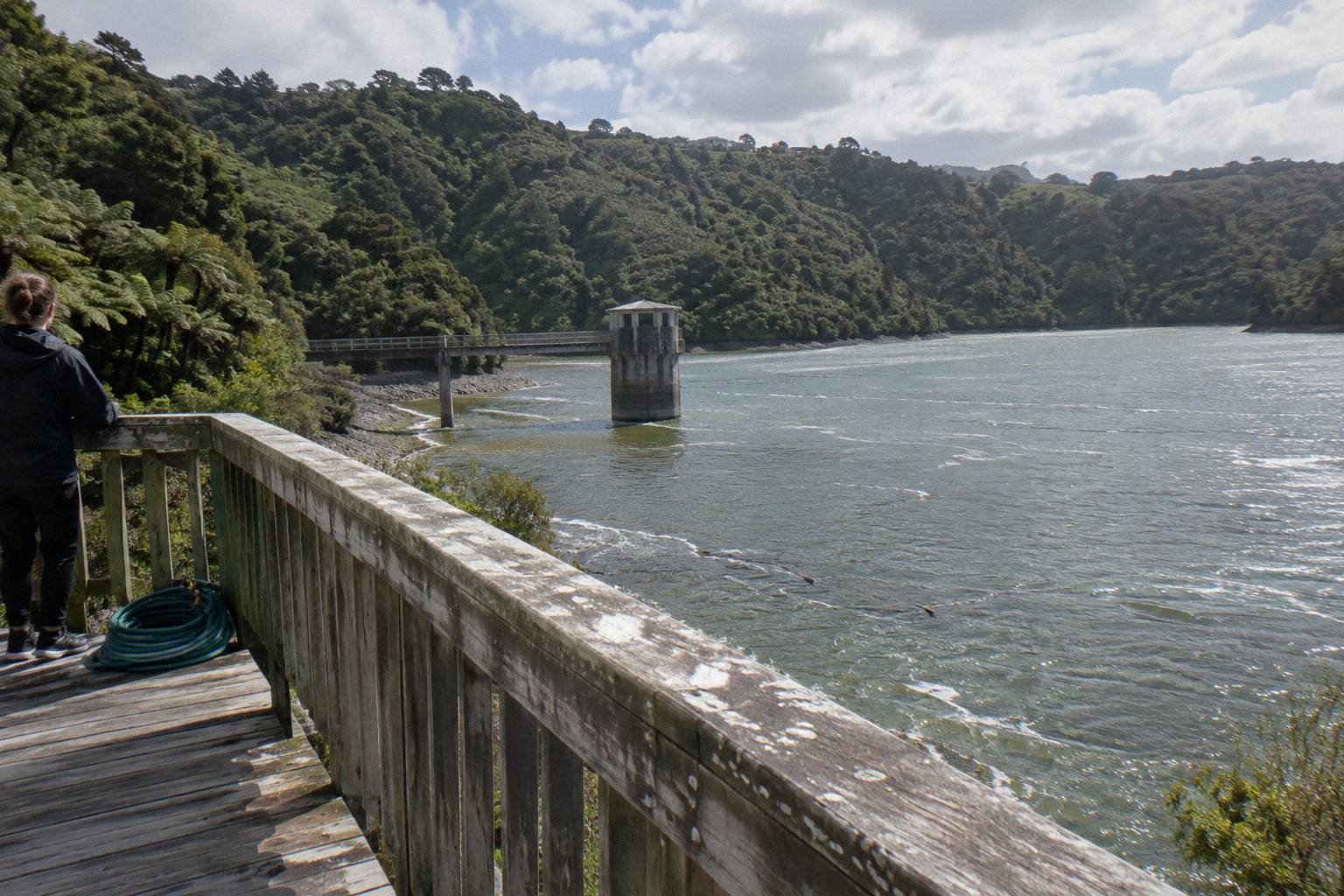
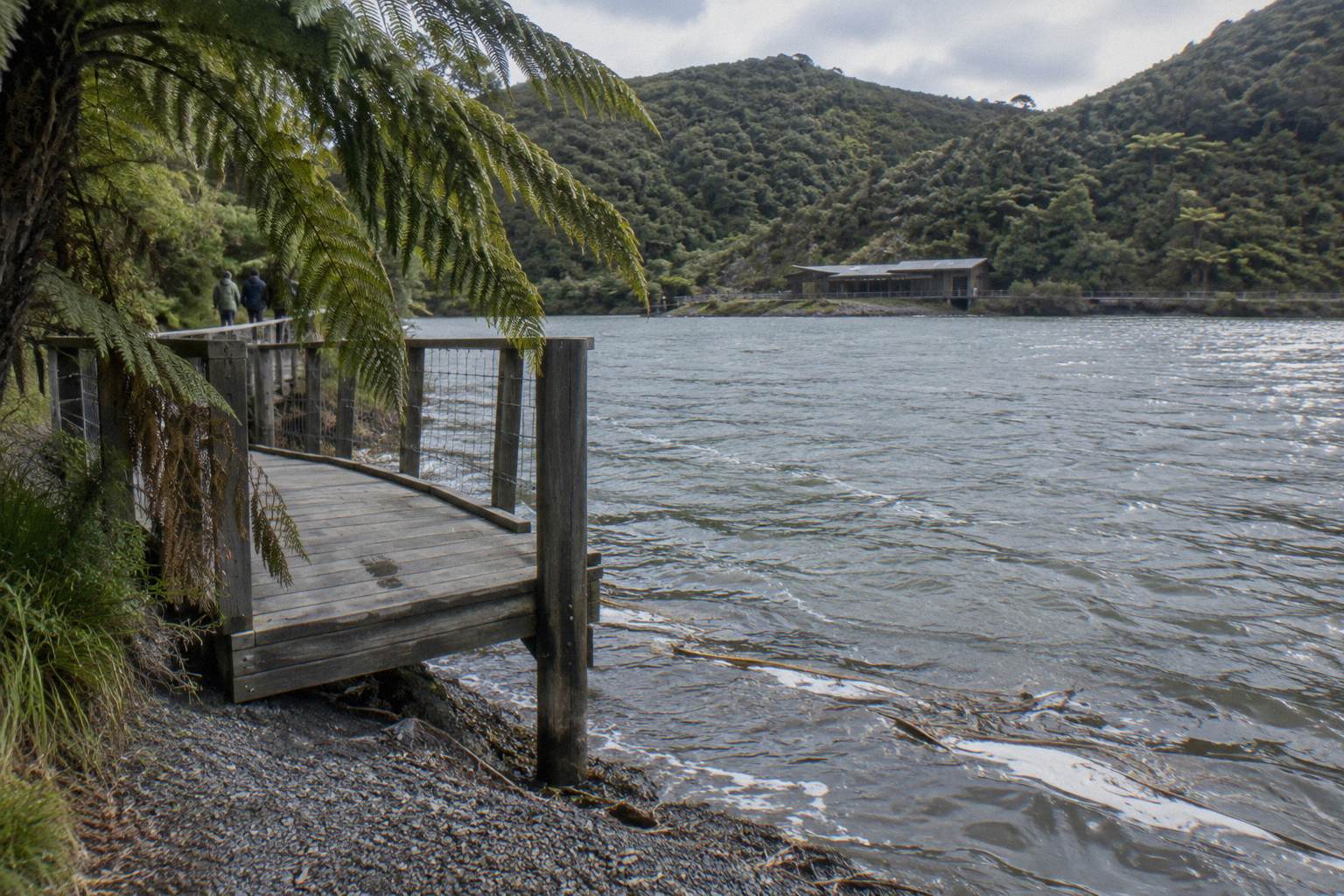
The self-guided day does have quiet advantages. You set the pace, you can linger at the reservoir as long as you like, and you can repeat a track the next day because the ticket covers two consecutive days. Birders who know their calls can do very well here. Visitors who do not will still see tui and kereru easily, and kaka are often loud and conspicuous, but the shyer species such as hihi and toutouwai are genuinely hard without trained eyes.
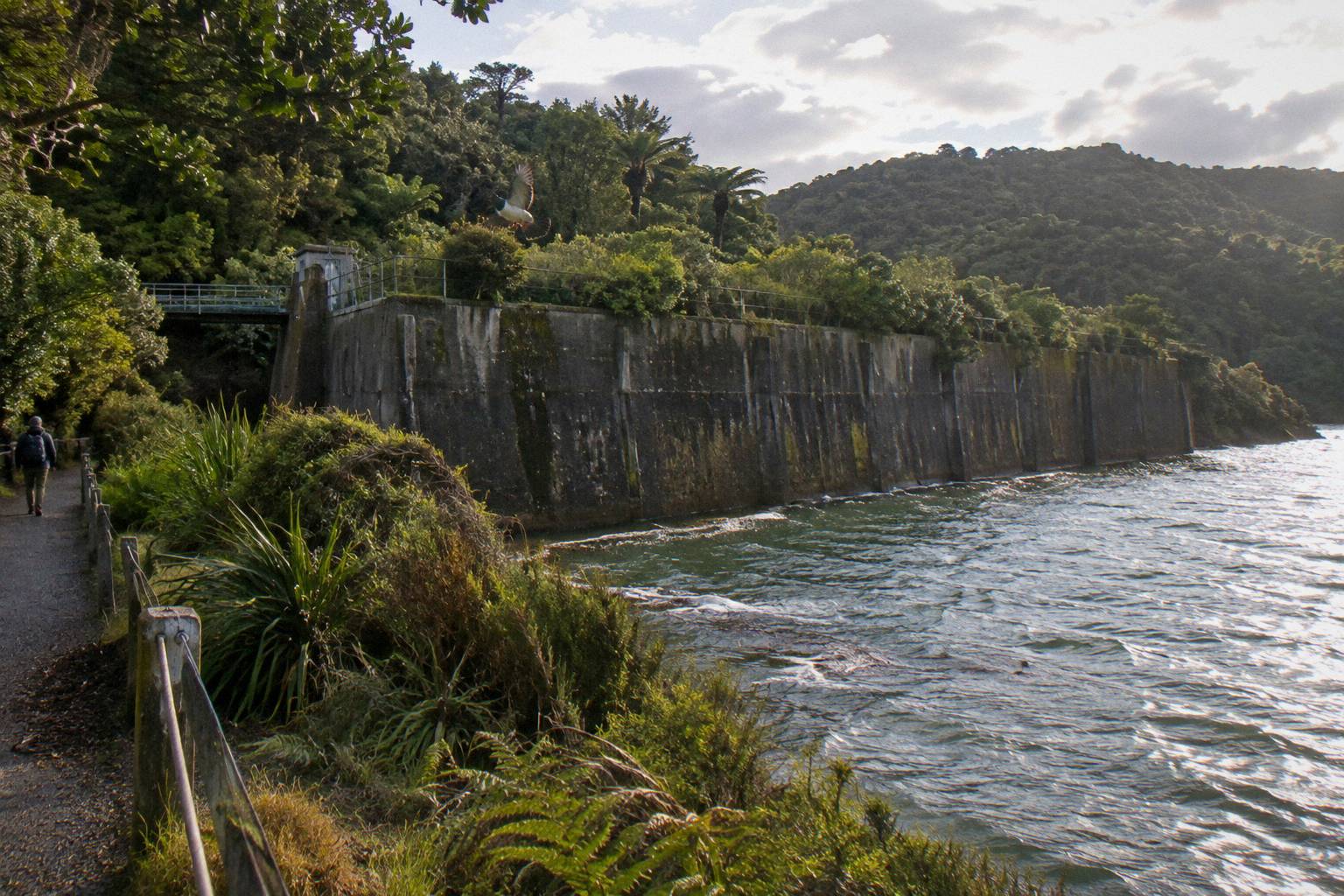
A fair summary: the solo visit is a good walk in a remarkable forest. The tour is the same walk plus an interpreter, and the interpreter is the product.
What Do The Guided Walks Add To A Daytime Visit?
The four bookable products divide cleanly: a 2-hour guided day walk from NZ$70 with no minimum age, a 2.5-hour night walk from NZ$120 with a minimum age of 12, a 2.5-hour twilight walk from NZ$110 with a minimum age of 5, and a 2-hour Sunday plant walk from NZ$70 with no rating yet as a new listing. All four include General Admission for the tour day and the next day, all cap groups at 12, and all allow free cancellation up to 24 hours before the start.
| Tour | From price | Length | Group | Min age | Rating | Included extras |
|---|---|---|---|---|---|---|
| Zealandia By Day | NZ$70 | about 2 hrs | up to 12 | none, under 5s free | 4.8 from 252 reviews | guide, intro video, 2-day admission |
| Zealandia By Night | NZ$120 | about 2.5 hrs | up to 12 | 12 | 4.8 from 164 reviews | torches supplied, kawakawa tea at the end |
| Zealandia Twilight Tour | NZ$110 | about 2.5 hrs | up to 12 | 5 | 4.8 from 84 reviews | hot kawakawa tea, dusk chorus |
| Forest Secrets Plant Walk | NZ$70 | about 2 hrs | up to 12 | none | new listing, no reviews yet | plants-led guiding, 10:30am Sundays |
Read the table as a decision tool rather than a menu. The night and twilight walks answer a different question, the kiwi question, and they only make sense alongside the daytime choice if you are willing to do both. The official line on kiwi is careful and worth quoting in spirit: little spotted kiwi are seen on most night tours, and sightings are never guaranteed. Roughly 40 birds were brought in during 2000 and 2001 and the population is now estimated in the hundreds, so the odds are real, but nobody plain will promise you one.
The twilight tour deserves a specific mention for families. It runs October to March on the sanctuary's own schedule, from daylight into dark, with a minimum age of 5, and the sanctuary itself points families with children under 12 toward it rather than the night tour. Kids' Night Walks run April to September on the same age rule, and details are on the official tickets page.
The Forest Secrets Plant Walk is the lineup's wildcard: a Sunday-morning, plants-led walk about how forest plants compete and adapt, rather than a wildlife hunt. It is new, it has no reviews yet, and that is stated plainly rather than dressed up.
Which Tour Fits Which Traveller?
Families with children under 5 should choose the day tour, while kiwi-hunters aged over 12 are best suited to the night walk. Families with children aged 5 to 11 fit the twilight tour, which runs between October and March, and plant enthusiasts will feel most at home on the Sunday walk. The solo daytime visit fits confident birders, very slow travellers, and anyone whose budget or schedule rules out a guided slot.
| If you are... | Best fit | Why |
|---|---|---|
| A first-time visitor to New Zealand | Zealandia By Day | A guide turns unfamiliar birds into sightings |
| A family with under 5s | Zealandia By Day | No minimum age, under 5s free, pushchairs fine |
| A visitor who wants a kiwi | Zealandia By Night | Kiwi seen on most tours, minimum age 12, never guaranteed |
| A family with children 5 to 11 | Twilight Tour | Min age 5, October to March, kawakawa tea included |
| A birder with field skills | General Admission alone | Two days of tracks, your own pace |
| Someone short on time | Day tour, then shuttle back | 2 hours plus next-day re-entry if time allows |
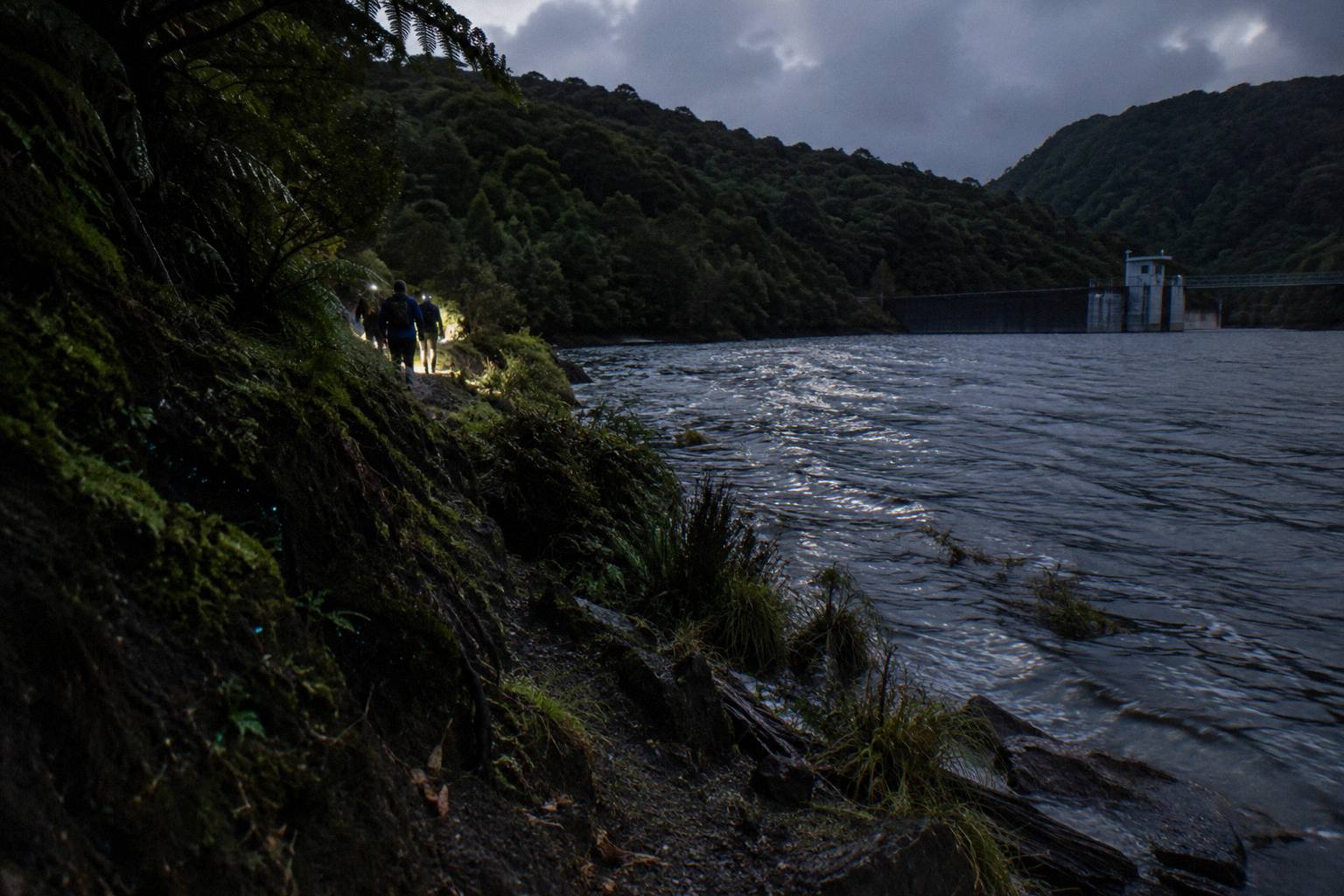
Two overlaps are worth flagging. First, the tour-versus-visit question and the tour-versus-tour question often collapse into one booking, because the day tour's included next-day admission means the guided walker also gets the solo experience free. Second, the night and twilight walks are not upgrades of the day walk; they are different products in different light with different animals on the menu, from tuatara and wetapunga to ruru and glowworms pointed out in the banks by guides, never promised.
Language is a real edge case. The tours covered here run in English, Mandarin-language day departures exist with a four-person minimum, and no audio guide or translated handout is stated, so ask the operator when you book if that matters to your group.
How Do Cancellation And Booking Work?
All four tours offer free cancellation up to 24 hours before the start, and groups are capped at 12 people per departure, while General Admission requires no pre-purchase at all, so you can decide on the day itself. Between generous cancellation windows, small group sizes, and walk-up ticket options, the booking process here is genuinely low-risk in every direction you look. The 24-hour window is uniform across the lineup, which means you can hold a tour slot and still change your mind inside a day of travel.
Booking ahead matters most for the day tour in summer, when departures run more frequently but visitor numbers climb, and for the night walk, which is the sanctuary's signature product. Whether advance booking is truly necessary is its own question, and the site covers it separately in whether you need to book a Zealandia tour in advance. The short version: a 12-person cap on every product means popular slots do fill.
One structural point that surprises people: visitors on after-hours tours, meaning the night and twilight walks, arrive at the visitor centre 15 minutes before and may not stay behind in the sanctuary after closing to wait; after-hours entry is up the driveway to the right of the building. It is a small logistics detail, but it shapes the evening products differently from the daytime ones, where you can walk in during opening hours at will.
Payment and pricing candor matter here too. The site prints from-prices only: NZ$70 for the day tour and the plant walk, NZ$110 for twilight, NZ$120 for night. Anything more specific than a from-price, including General Admission figures, concession rates and any private-tour price, belongs to the operator's live listing or the official pages, and a page that invents those numbers is guessing.
If you are weighing a deeper head-to-head on the money side, the site's guided versus self-guided comparison guide works through the same trade-off with a longer lens than this article.
What To Ask The Operator Before You Book
Ask four things: whether your date's Mandarin departure has reached its four-person minimum, what the confirmed start time is for any dusk tour, whether a mobility scooter is available if you need one, and what the weather plan is for extreme conditions. None of these are answered by a fixed rule, and all of them have operator-side answers that change by season and day.
The start-time question matters because night tours run around dusk and the clock start moves with the season; the booking page confirms the actual time, and this article deliberately prints none. The accessibility question matters because much of the lower valley is wheelchair and pram friendly, there is a lift in the visitor centre, free mobility scooters exist if you ask ahead, a companion enters free, and the shuttle has no chairlift, so the phrasing is ask the operator when you book rather than any blanket claim. Service and guide dogs are admitted with advance notice, but never at night.
Weather is the third question. The day tour runs in almost all weather and may be called off in extreme conditions, so a grim forecast is worth a message rather than an assumption. What to actually wear is covered in full in the site's kit guide for a Zealandia tour, so only the headline belongs here: sturdy shoes, warm clothes, a waterproof layer.
The fourth question is the quietest one: ask what the group is like that day. With a cap of 12, one loud party changes the birding, and guides will often tell you plainly whether a quieter departure exists later.
Common Mistakes
The most common mistakes are booking a day tour and expecting to see a kiwi, arriving without a map or signage to guide you, skipping the free second day, failing to arrive 15 minutes early, and assuming the shuttle is guaranteed to be available when you need it. Each one is avoidable with a single fact, and each fact is printed somewhere official.
The kiwi mistake is the most common and the most forgiveable. Zealandia is famous for kiwi, roughly 40 little spotted kiwi arrived in 2000 and 2001, and the population is now estimated in the hundreds, but they are nocturnal, and the official General Admission page calls them and other nocturnal wildlife very unlikely by day. The fix is simple: book the night walk, minimum age 12, if a kiwi is the goal, or accept that the day tour is about takahe, tuatara, hihi, kaka and the rest.
The signage mistake cuts the other way. Some visitors expect zoo-style interpretation and find a forest with more than 32 km of tracks. Some interpretation exists, but the self-guided visit is a walk, not an exhibit, and readers who want the layer of explanation should read the guided tour versus daytime visit verdict alongside the operator's own pages before choosing.
The free second day is simply forgotten by most tour ticket holders. Every tour ticket includes General Admission for the tour day and the next day, so the tour buyer who leaves the valley for good on day one has paid for a morning they never used. Come back early: the sanctuary opens at 9am, and the dawn light on the reservoir is the quietest part of the day.
The last two are logistics. Arriving 15 minutes before your tour matters because tours start inside the visitor centre, and the shuttle, with 11 seats per trip, is a free service but not a guaranteed seat, so day-tour ticket holders should be at the stop 10 minutes early for priority boarding.
The Verdict, Plainly
Take the guided day tour if a guide's eyes, two structured hours and the free next-day re-entry fit your trip; walk in on General Admission if you know the birds, want your own pace, or are watching the budget, because the valley itself is the main event either way. For most first-time visitors the tour is the better first move, and the included second day converts the decision from either-or into both.
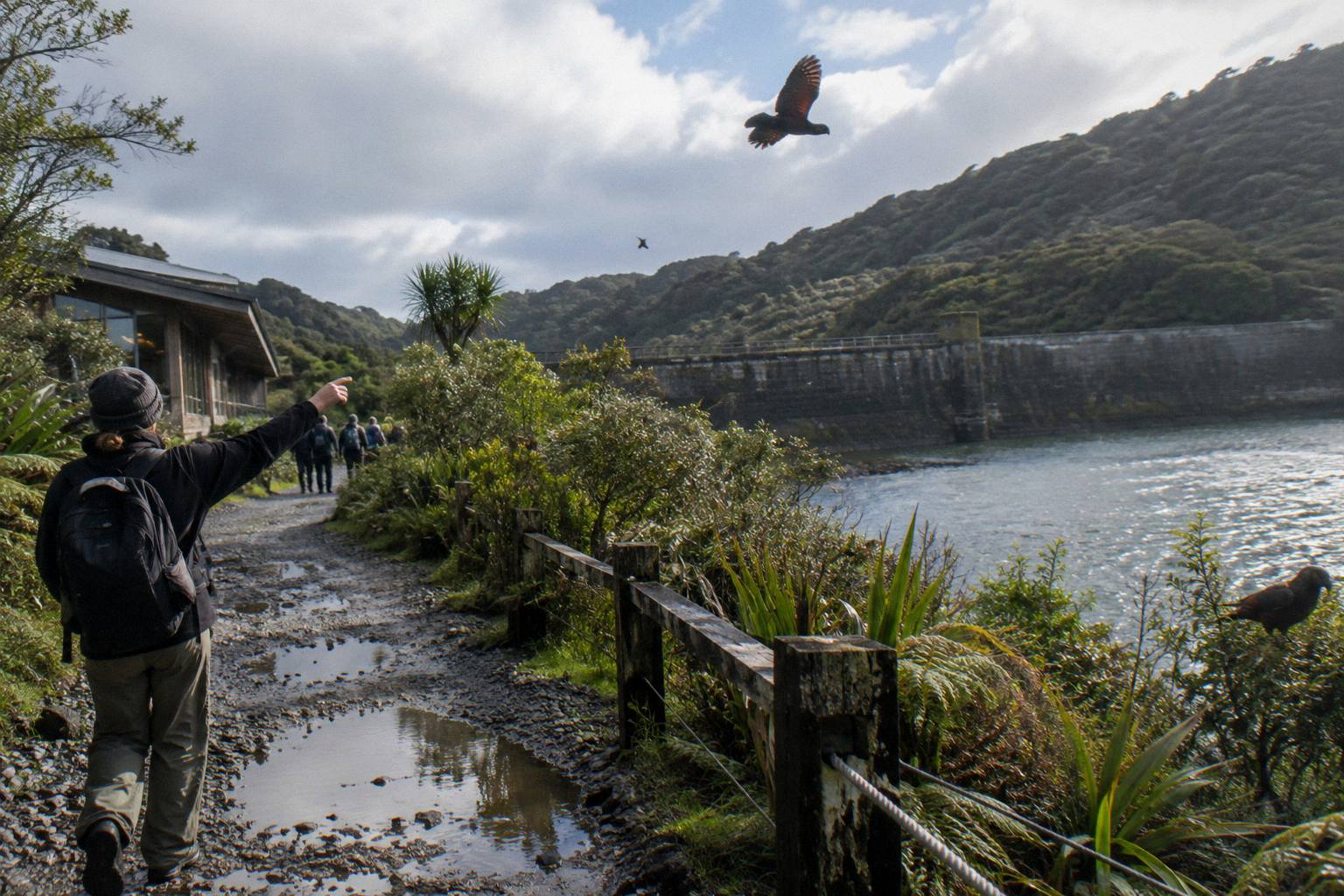
The strongest argument for the tour is not the walk but the finding. Takahe, hihi, tieke, toutouwai and pateke are scarce, quiet or both, and a 4.8-from-252-reviews product built around a professional guide helps with exactly these species. The strongest argument for going solo is that the sanctuary's 500-year restoration vision, the 8.6 km fence, the dams and more than 32 km of tracks are all accessible without a guide, on a ticket valid two consecutive days, and a confident walker loses very little.
Whichever way you lean, the featured walk is covered in full on the Zealandia By Day page, and Zealandia Day Tour as a site exists to keep this comparison fair rather than to push one answer. The sanctuary's own world-first sanctuary page is worth ten minutes of reading before any visit, guided or not, because the fence and the 500-year vision are the reason any of these birds are here at all.
Common Questions About Tours Versus Daytime Visits
Should You Take A Zealandia Tour Or Just Visit In The Daytime?
Take the tour if you want a guide to find takahe, tuatara, hihi, kaka and the other rare residents; visit on General Admission if you know the birds or want your own pace. Since every tour ticket includes General Admission for the tour day and the next, the tour also gives you the solo experience free on day two.
Can You See A Kiwi On A Daytime Visit Or The Day Tour?
No. The official General Admission page calls kiwi and other nocturnal wildlife very unlikely by day. Kiwi are a night-tour prospect: little spotted kiwi are seen on most Zealandia By Night tours, and sightings are never guaranteed.
Does The Tour Ticket Include Entry To The Sanctuary?
Yes. Every tour ticket includes a General Admission ticket valid for the tour day and the following day, so you can return and walk the tracks solo the next morning.
Is The Guided Day Tour Suitable For Young Children?
Yes. Zealandia By Day has no minimum age, under 5s are free, pushchairs are fine, infants sit on an adult's lap, and children must be accompanied by an adult. The twilight tour, minimum age 5, suits families with older children in the October to March season.
How Much Does General Admission Cost On Its Own?
Current admission prices are not printed here. It is valid for two consecutive days, pre-school children enter free, and there is no need to pre-purchase; see the official General Admission page for figures.
What Happens If The Weather Is Bad?
The day tour runs in almost all weather and may be called off in extreme conditions, and all four tours allow free cancellation up to 24 hours before the start. Sturdy shoes, warm clothes and a waterproof layer are the operator's stated kit.