Where Can You See A Kiwi In Wellington, And Does A Zealandia Night Tour Cover It?
The little spotted kiwi of Zealandia are the realistic kiwi prospect in Wellington, and the Zealandia By Night walk is the tour that looks for them. Here is what the facts actually say.
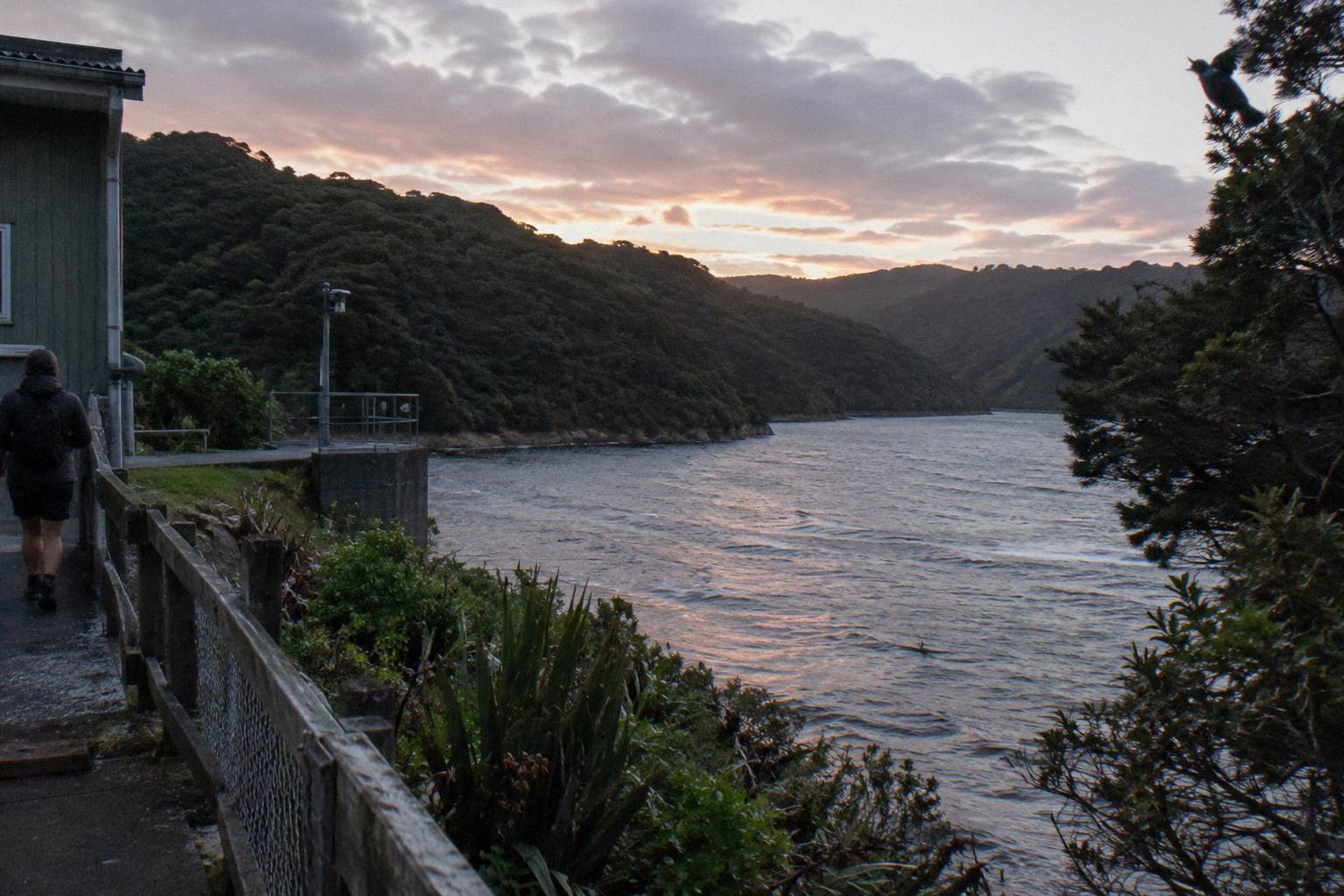
In Wellington, the realistic place to see a wild kiwi is Zealandia, the fenced ecosanctuary in Karori, and yes, the Zealandia By Night tour is the walk that looks for them. Little spotted kiwi were brought in during 2000 and 2001 and now number in the hundreds inside the 225-hectare valley. The sanctuary's own wording is that kiwi are seen on most tours, but sightings are never guaranteed.
That last clause matters more than everything else on this page. A kiwi is a shy, nocturnal bird living in a forested valley of more than 32 km of tracks, and no operator anywhere can promise one will stroll across the path. What Zealandia can offer is the best odds in the capital: a predator-free fence, a breeding population estimated in the hundreds, and guides with torches who know where the birds tend to feed. Understanding what you are actually buying, a high-probability chance rather than a sighting voucher, is the difference between a memorable night and a disappointed one.
The sanctuary itself grew from a 1992 proposal by Jim and Eve Lynch. The Karori Sanctuary Trust launched in 1995, and the 8.6 km predator-exclusion fence was finished in 1999, making Zealandia the world's first fully fenced urban ecosanctuary. Possums and hedgehogs were gone by the end of 1999 and the last rabbit by 2000, and into that emptied valley came 40 little spotted kiwi. Two decades later the population is estimated in the hundreds, and the species is classed as At Risk-Recovering.
That recovery is the whole reason a night walk here has any kiwi odds at all. An unfenced Wellington bush remnant still holds stoats, rats and cats, and kiwi chicks do not survive them. Inside the fence, the birds breed, and the sound of them calling through the dark is part of what the guides listen for. If a kiwi question is what brought you to this page, the night tour is the product that answers it, and the rest of this article sets out exactly what the facts support.
For readers who want to compare the options side by side, these are the three guided walks that matter for a kiwi-focused visit:
What Changes Your Odds Of Seeing A Kiwi?
Whether you see a kiwi depends on three things: timing, season and luck. Kiwi are nocturnal, so daylight visits almost never produce one; the official General Admission page states plainly that nocturnal wildlife such as kiwi, ruru, weta and frogs are very unlikely by day. The night tour runs around dusk, when the birds wake and start feeding, which is why it, and only it, is the kiwi walk.
Timing within the evening matters too. The tour runs about 2.5 hours starting around dusk, and the start time moves with the season, confirmed at booking rather than printed on a timetable. A mid-winter departure begins in full dark; a midsummer one starts in late light and darkens as you walk. Neither is better for kiwi in any way the sanctuary claims, because the birds' activity is what it is, but the walk's character changes a lot between the two.
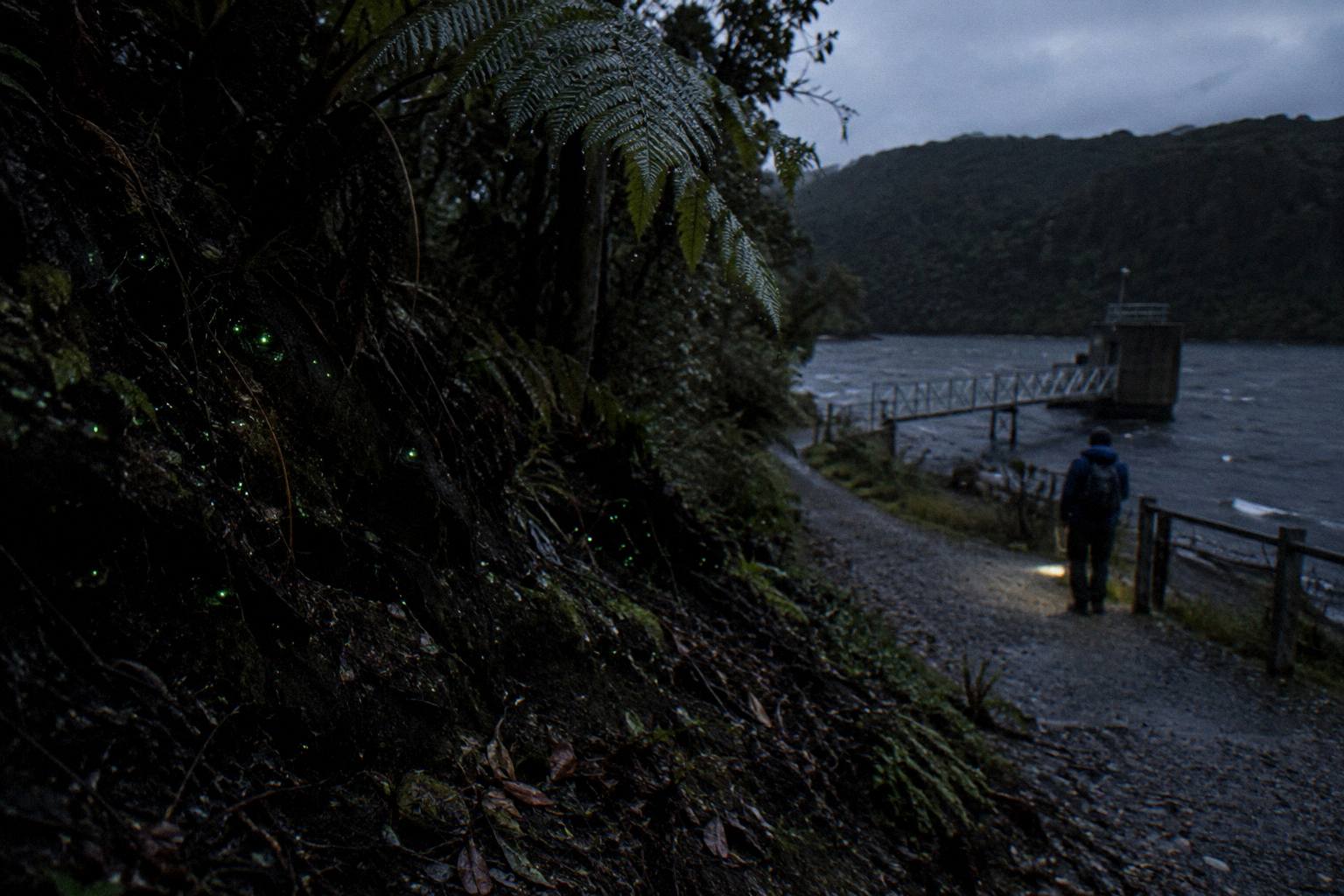
Season also shapes the wider cast. The lineup of animals the guides look for on the night walk, always as chances, includes tuatara, takahe, pateke, wetapunga, Hamilton's frog, ruru, glowworms and kaka alongside the little spotted kiwi. Hamilton's frog is described by the sanctuary's own reptiles page as sometimes seen on the night and twilight tours. Glowworms are pointed out in banks by the guides, never promised. A winter night and a summer night can feel like different tours entirely, and neither comes with a guarantee attached.
The third factor, luck, is the one no amount of planning fixes. The sanctuary's official wording is worth repeating because it is the most candid sentence in kiwi tourism: little spotted kiwi are seen on most tours, and sightings are not guaranteed. Groups walking the same paths on consecutive nights can have opposite experiences. What tilts the odds slightly in your favour is quiet walking, following the guide's torch discipline, and accepting that a heard kiwi call counts as an encounter too. The Zealandia Day Tour site covers the daylight side of the valley for readers planning both halves of a visit.
Which Tour Fits Which Traveller?
Adults and teenagers aged 12 and over fit the night tour, which caps groups at 12 people and needs a minimum age of 12. Families with children under 12 are pointed by the sanctuary to the Twilight Tours and the Kids' Night Walks instead. Day visitors of any age fit Zealandia By Day, which has no minimum age and takes under 5s free, or the Sunday-morning Forest Secrets Plant Walk, which is plants-led rather than wildlife-led.
The age split is not a suggestion, it is the sanctuary's own rule, and it exists for good reason. A night walk is quiet, slow and dark, torches are supplied but the ground is a valley path, and kiwi stop feeding when a group is loud. Twelve is the age at which the sanctuary trusts a visitor to hold that discipline for two and a half hours. Families hoping for a kiwi-adjacent experience with younger children have a real option in the Twilight Tour, which runs from daylight into dark, has a minimum age of 5, and includes hot kawakawa tea, though kiwi are not its prospect in the way the full night walk's are.
The Twilight Tour also answers a genuine dilemma for couples or groups split between the two. It costs from NZ$110 per person against NZ$120 for the night tour, runs October to March on the sanctuary's schedule, and catches the dusk chorus and birds settling to nest before the light goes. It is rated 4.8 from 84 reviews, against 4.8 from 164 reviews for the night tour, so the satisfaction gap between the two is negligible on paper. The real difference is what the dark section buys you: the night walk spends its final hour in the hours kiwi actually feed.
Beyond the walks covered here, the sanctuary's own schedule also lists Kids' Night Walks from April to September, dawn walks on select weekends and photography tours on select weekends, all bookable through the official site. This article sticks to the four regular tours, because those are the ones with stable schedules and printed from-prices. If your question is whether a specific child, mobility aid or language need fits a given walk, ask the operator when you book; the sanctuary's own conditions, not a summary, are what govern the night.
Which Walks Carry The Kiwi Odds?
The Zealandia By Day tour runs about 2 hours from NZ$70 with no minimum age and under 5s free, rated 4.8 from 252 reviews. The Twilight Tour runs about 2.5 hours from NZ$110, minimum age 5, rated 4.8 from 84 reviews, while the night tour runs from NZ$120 per person, about 2.5 hours around dusk, up to 12 people, minimum age 12, rated 4.8 from 164 reviews.
Those are the only printed figures that matter, and they line up neatly: all three walks score identically on rating, so the choice is about time of day, age mix and price rather than quality. The table below sets the three side by side as the lineup states them.
| Tour | From price | Length | Rating | Min age | Group cap |
|---|---|---|---|---|---|
| Zealandia By Night | NZ$120 per person | About 2.5 hours around dusk | 4.8 from 164 reviews | 12 | 12 |
| Zealandia By Day | NZ$70 per person | About 2 hours | 4.8 from 252 reviews | None, under 5s free | 12 |
| Zealandia Twilight Tour | NZ$110 per person | About 2.5 hours, daylight into dark | 4.8 from 84 reviews | 5 | 12 |
Two details sit outside the table but belong in any careful comparison. First, every tour ticket includes General Admission valid for the tour day and the following day, which means the night tour effectively bundles your next daylight visit: you can walk the valley by day having searched it by dark, and the two experiences explain each other. Second, the night tour's tea is not a token. The walk ends back at the visitor centre with a warm kawakawa, lemongrass and ginger tea, which is a genuine wind-down after two and a half hours in cold air.
The Forest Secrets Plant Walk, from NZ$70 per person on Sunday mornings at 10:30am, up to 12 people and no minimum age, is the fourth option, but it belongs in a different conversation. It is plants-led, about how forest plants compete and adapt, and it carries no rating yet because it is a new listing with no review count to print. For a kiwi-focused question it is a no, but for a returning visitor who has already done the night walk it is a different window into the same valley. The four tours are covered in full in the main Wellington tour and visit guide.
How Do Cancellation And Booking Work?
All three walks carry free cancellation up to 24 hours before the start, booked through the operator's live listing. The night tour's start time is confirmed at booking because it tracks dusk, so check your confirmation rather than assuming a clock time. Groups are capped at 12 on every walk, which is why popular nights sell out and advance booking is the safe play.
The 24-hour window is the number to remember. Wellington weather turns fast, and while the tours run in almost all conditions, a night you would rather not spend on a dark valley path is cancellable at no cost up to a day out. Inside that window the ticket is committed, so the decision point is really the day before, not the morning of. The advance booking question comes up often enough to have its own answer, and the short version is that the 12-person cap plus Wellington's steady visitor flow makes same-day spots a gamble in summer.
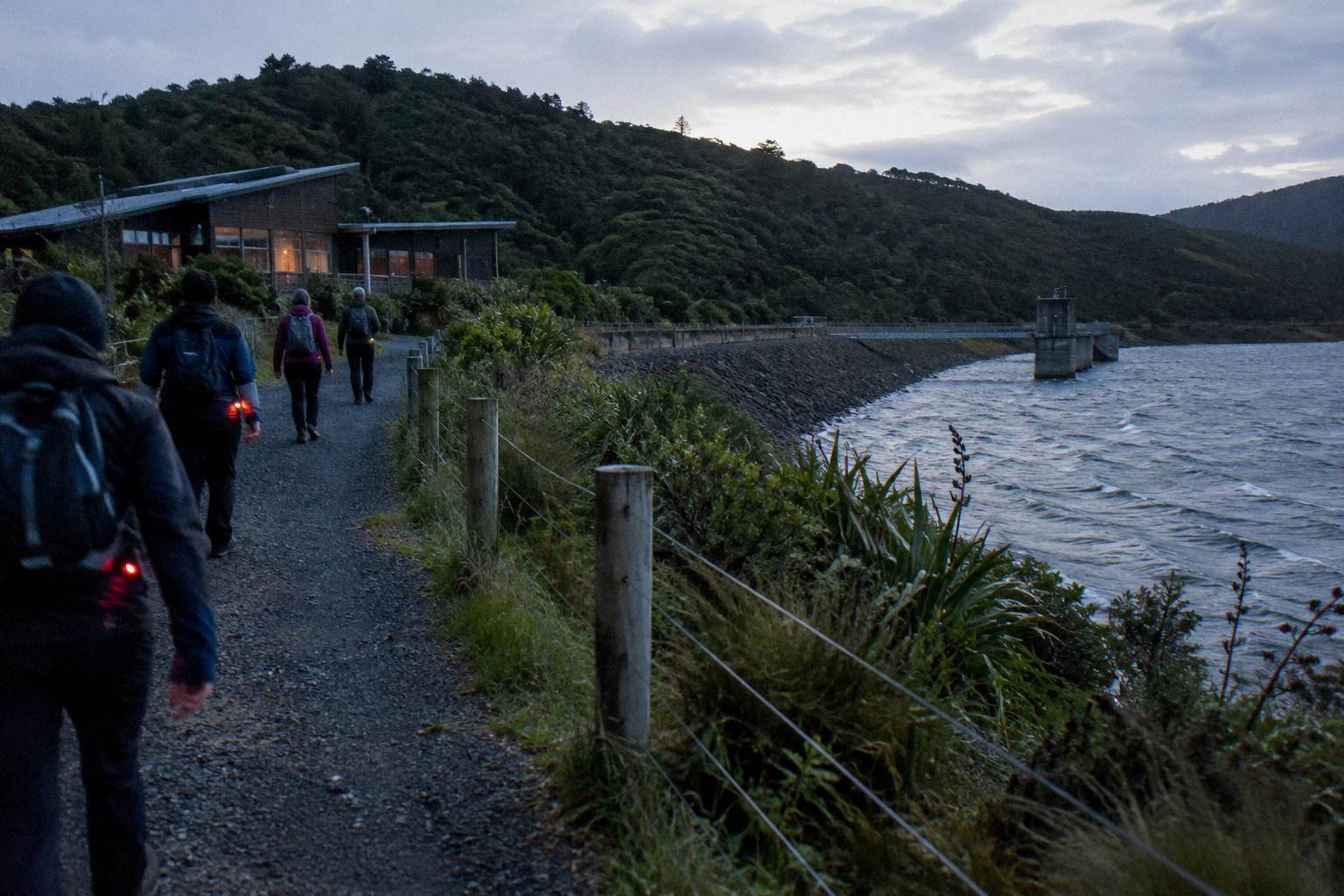
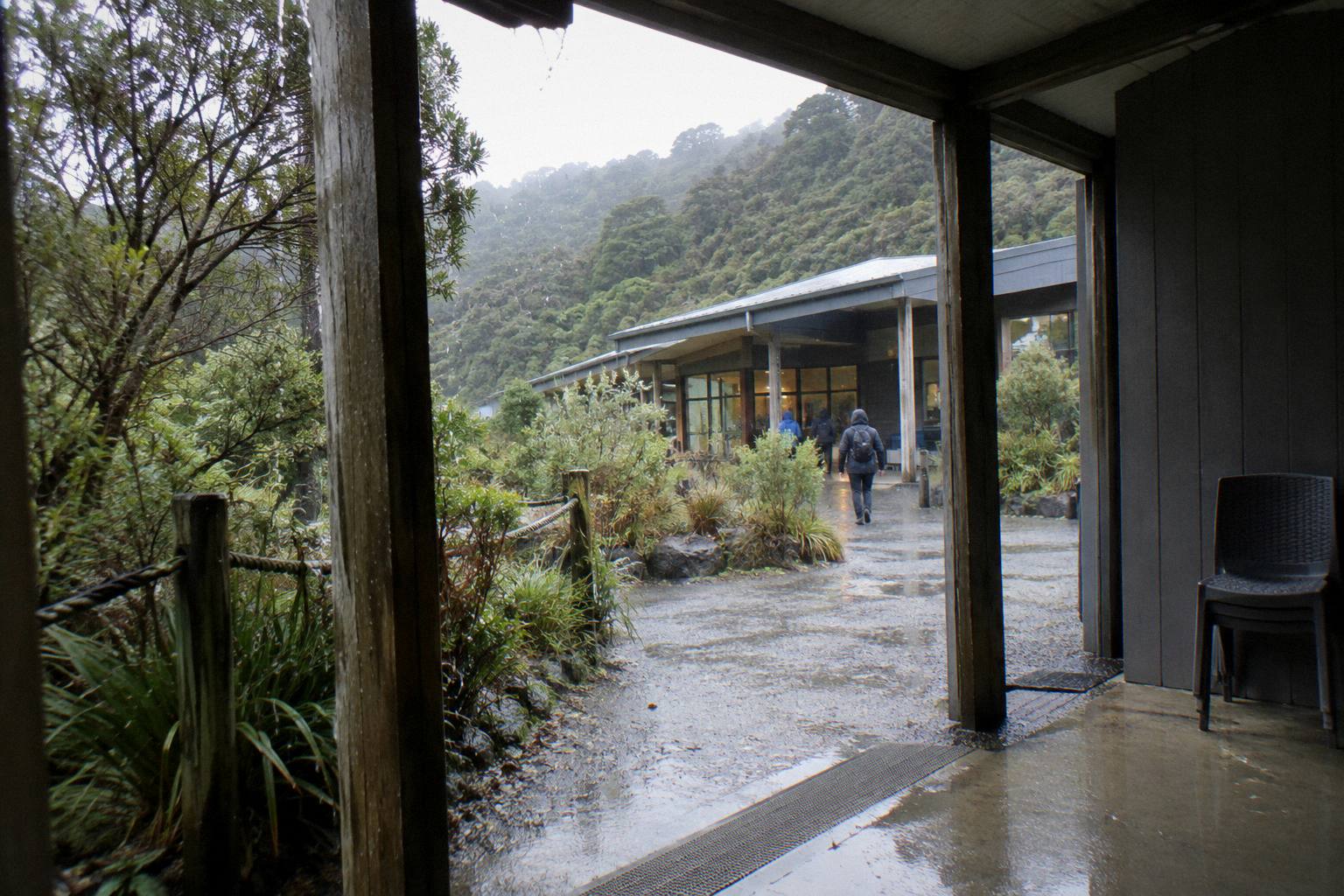
Booking brings a few practical strings worth knowing before you commit. The meeting point is inside the visitor centre at 53 Waiapu Road, Karori, and you should arrive 15 minutes early. Because the night tour starts after the sanctuary has closed to day visitors, after-hours entry is up the driveway to the right of the building, and visitors may not stay behind in the sanctuary after closing to wait. None of this is difficult, but it is different from a daytime visit, and knowing it removes the small stress of arriving at a dark, closed-looking gate.
One more booking-level detail: service dogs are never admitted at night, at any time, which is the sanctuary's own accessibility condition rather than a judgement call. By day, service and guide dogs are admitted with advance notice and certification. If any accessibility question shapes your booking, the lower valley is largely wheelchair and pram friendly with a lift in the visitor centre and free mobility scooters on request, but the guided walks cover uneven ground with a moderate level of walking, so ask the operator when you book and quote your own needs rather than assuming.
For the night walk itself, the operator's live listing is the place to check dates and space:
Why Is Zealandia The Only Realistic Answer In The Capital?
Because the little spotted kiwi population inside the fence is the only sizeable wild kiwi population in Wellington, and the fence is why it survives. Forty birds arrived in 2000 and 2001; the population is now estimated in the hundreds. Outside a fully fenced ecosanctuary, ground-dwelling nocturnal birds do not hold their numbers in an urban environment, and no other spot in the capital offers a guided walk among them.
The fence deserves its own sentence, because it is the engineering fact behind every kiwi sighting in the valley. It runs 8.6 km, was finished in 1999, stands 2.2 m high with a 400 mm underground skirt and mesh fine enough to stop juvenile mammals, and it made Zealandia the first fully fenced urban ecosanctuary in the world. Thirteen mammal species were eradicated inside it. That is an extraordinary claim for a valley a 15-minute shuttle ride from a capital city centre, and it is why the birds are there at all.
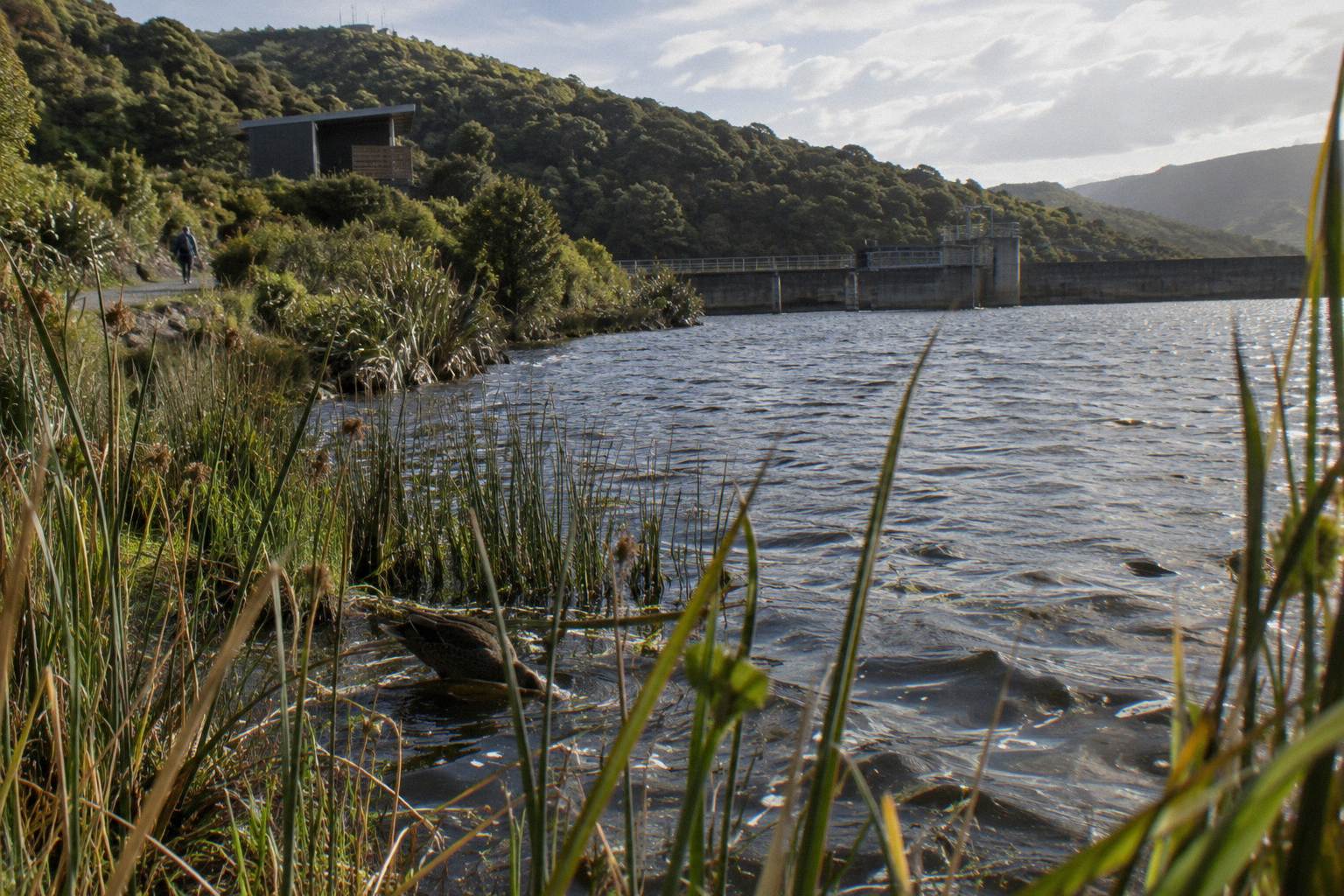
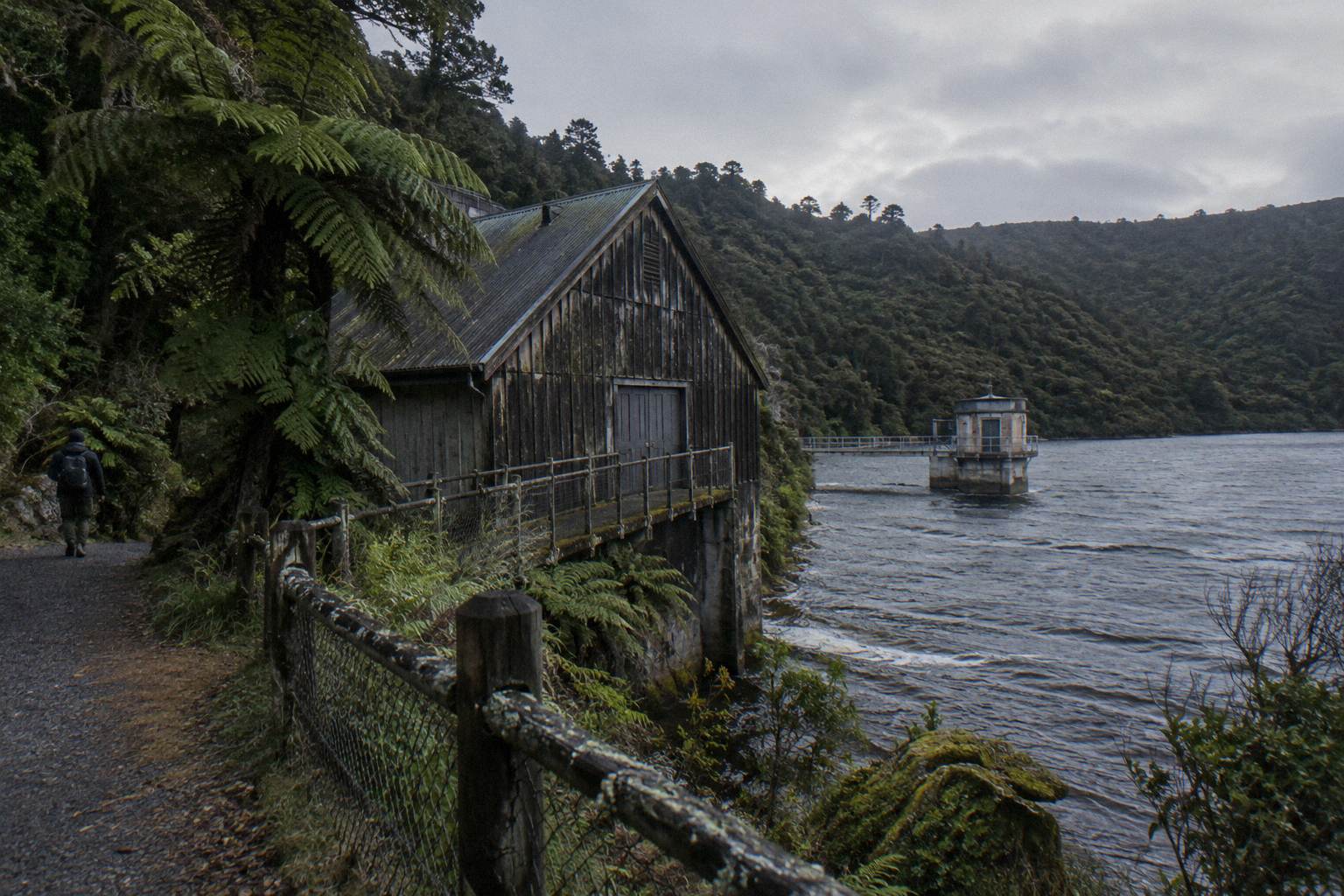
The valley's own history explains the shape of the habitat. It was a Wellington water supply for over a century: an earth dam went up between 1876 and 1878, a concrete gravity dam followed in 1908, and the upper dam was taken out of service in 1991, leaving the reservoir and the bush-clad catchment that the trust then fenced. The restoration vision that followed is deliberately long, a 500-year plan, because planted rata and rimu need centuries to become the forest the founders imagined. A visitor walking it today is seeing the early chapters of that plan, run by a not-for-profit trust with more than 500 volunteers.
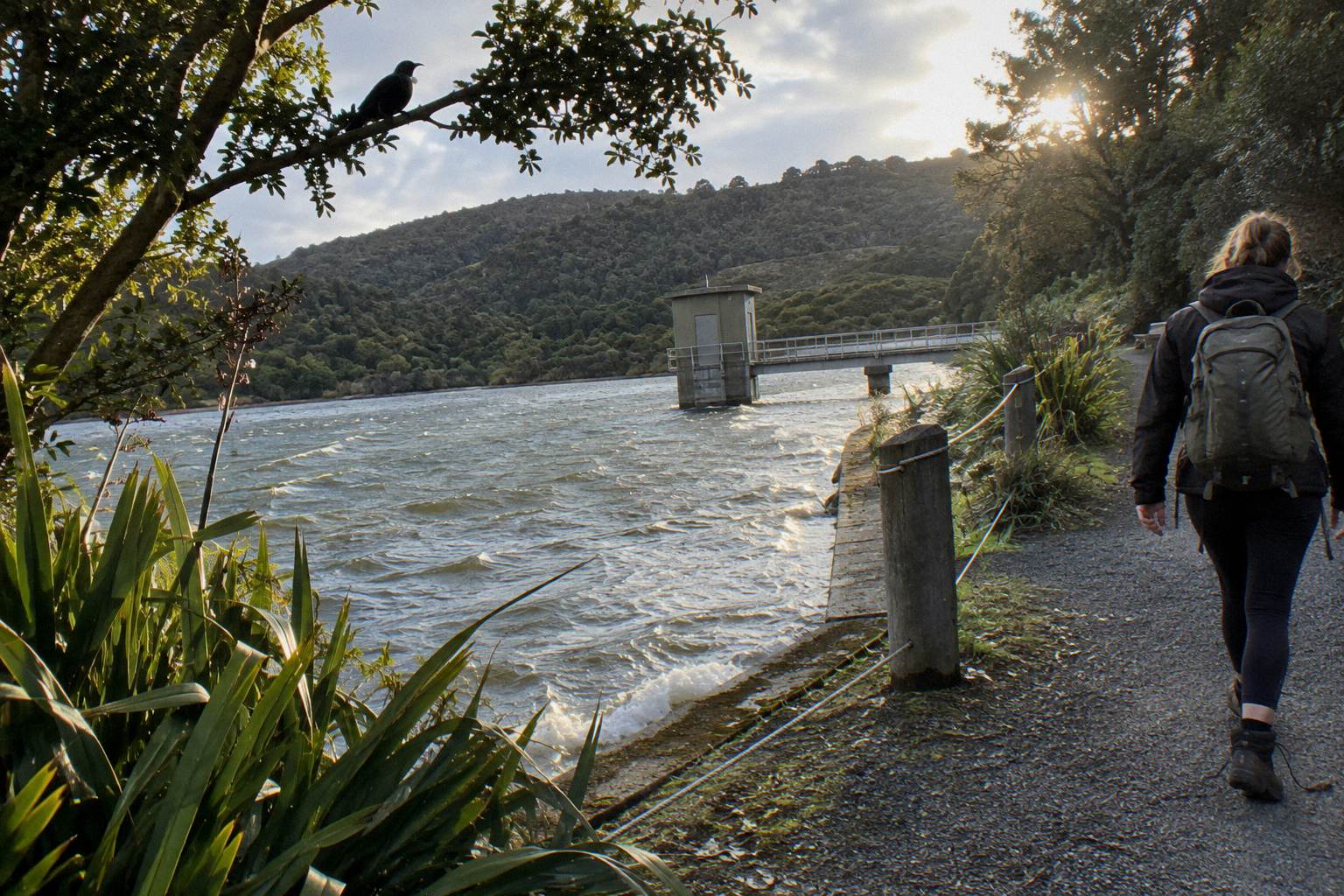
The kiwi are the emblem of that patience, but not the only proof. Tuatara returned in 2005 and 2007 in the first mainland release of its kind, a takahe pair arrived in 2011, and kaka returned in the early 2000s and are now the loud, cheeky presence overhead on many walks. Takahe are Nationally Vulnerable, little spotted kiwi At Risk-Recovering, and the trust's work was recognised with the 2023 Air New Zealand Supreme Tourism Award. None of that guarantees a sighting on any given night, but it explains why the odds are here and nowhere else in the city. The wider restoration and 500-year vision story fills in the rest.
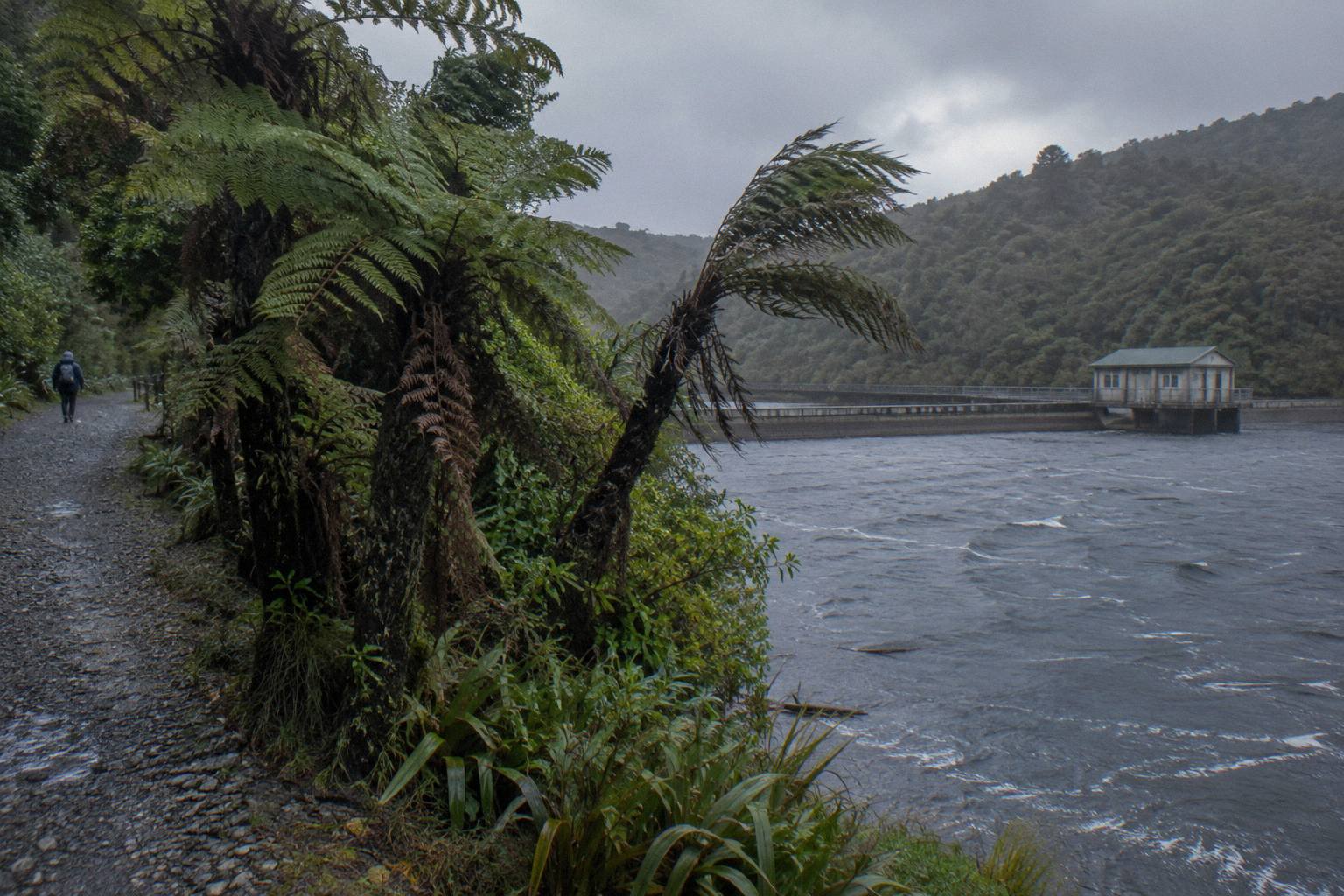
What Happens On The Night Walk Itself?
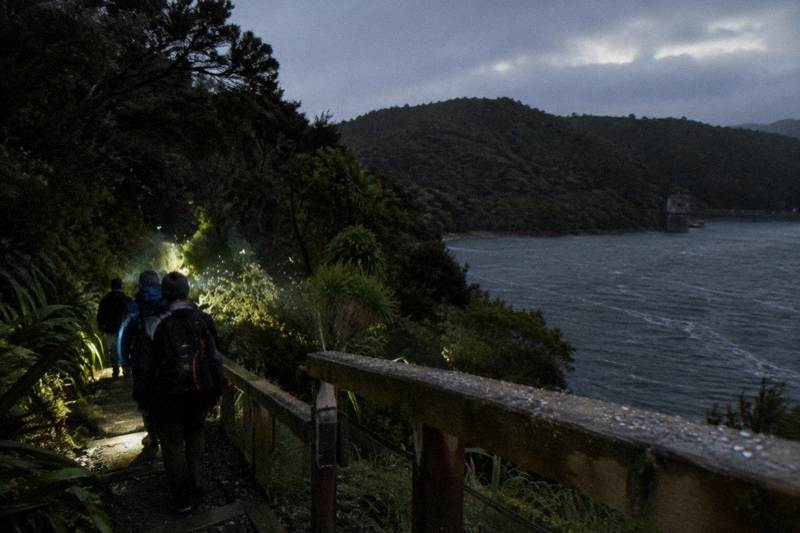
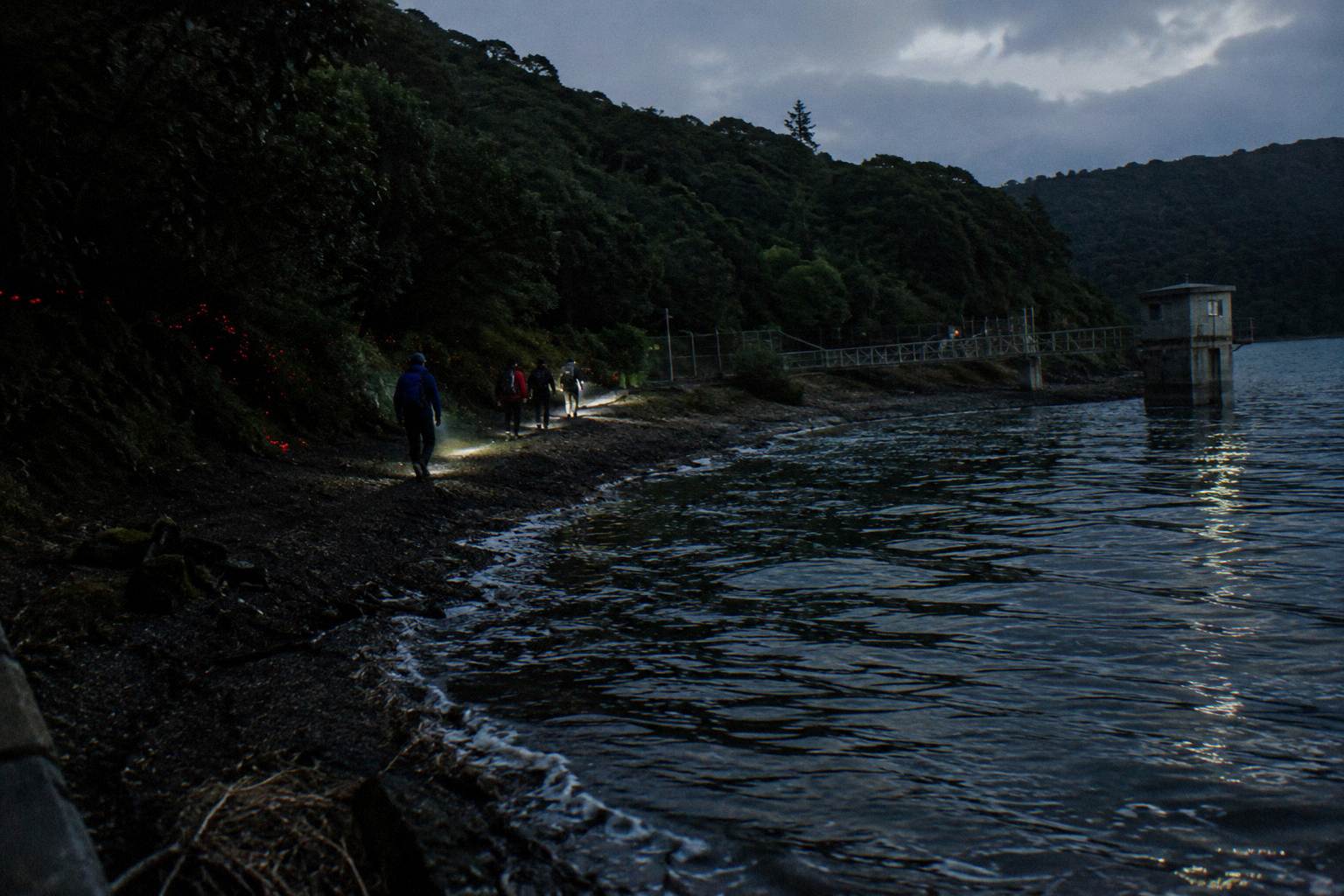
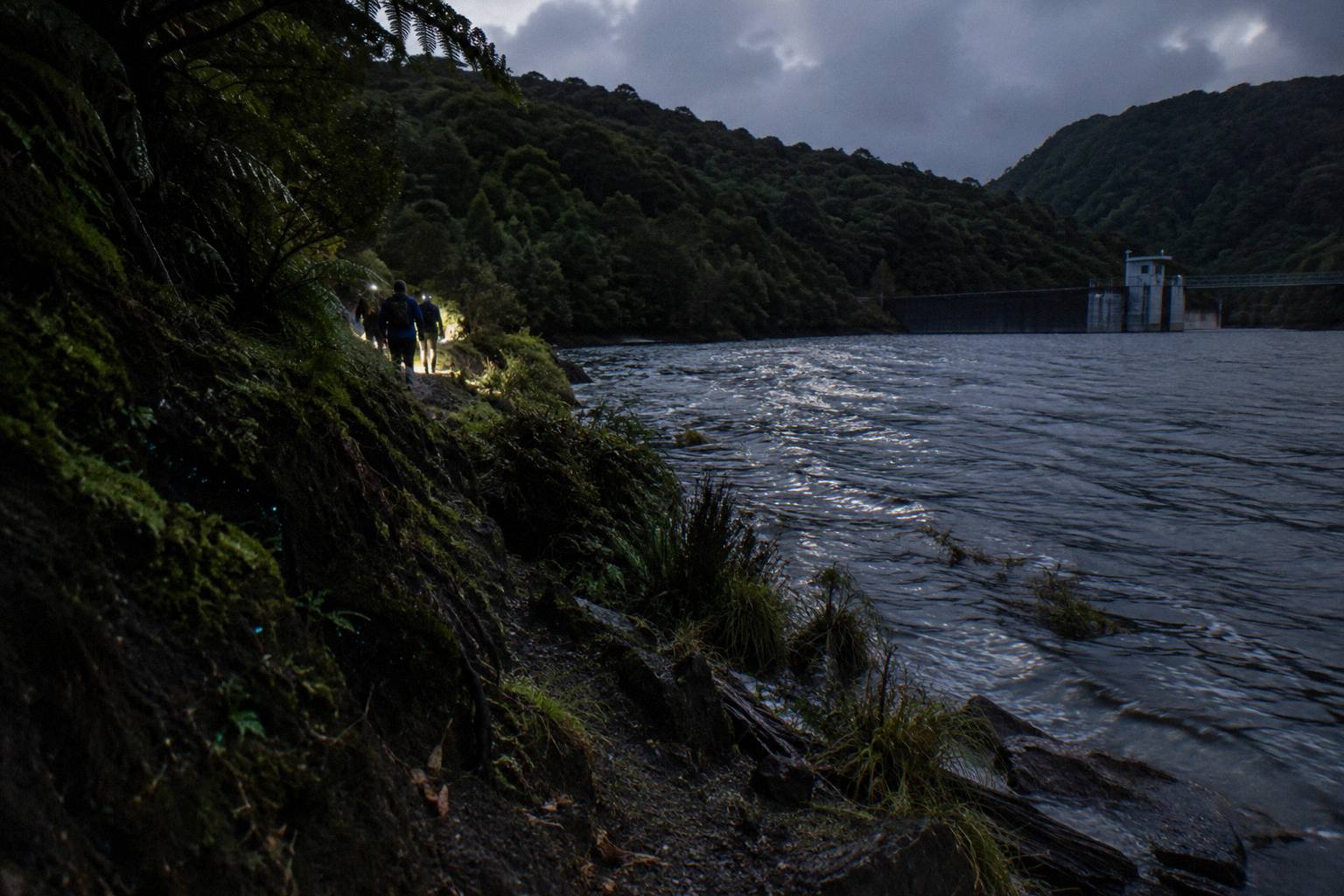
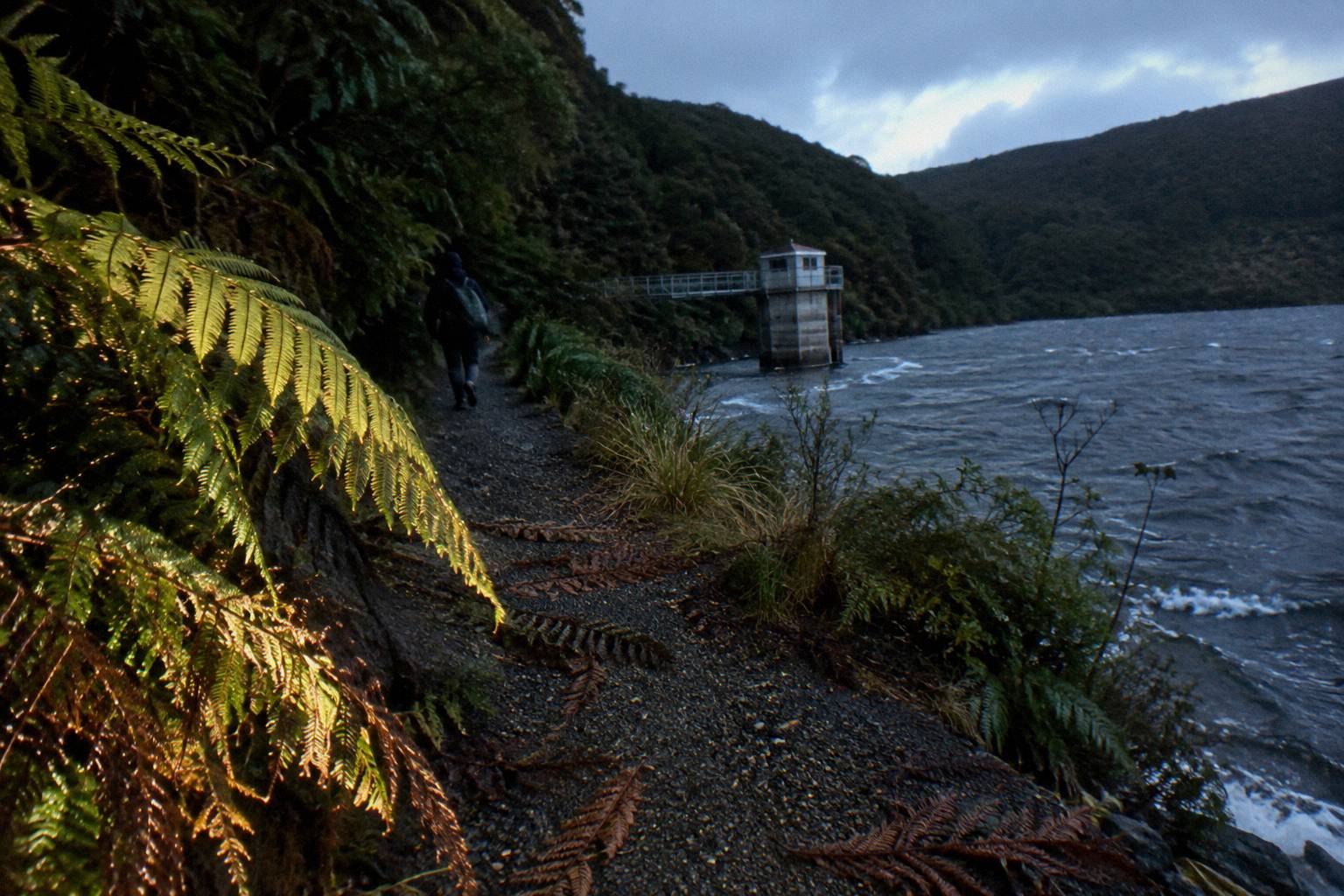
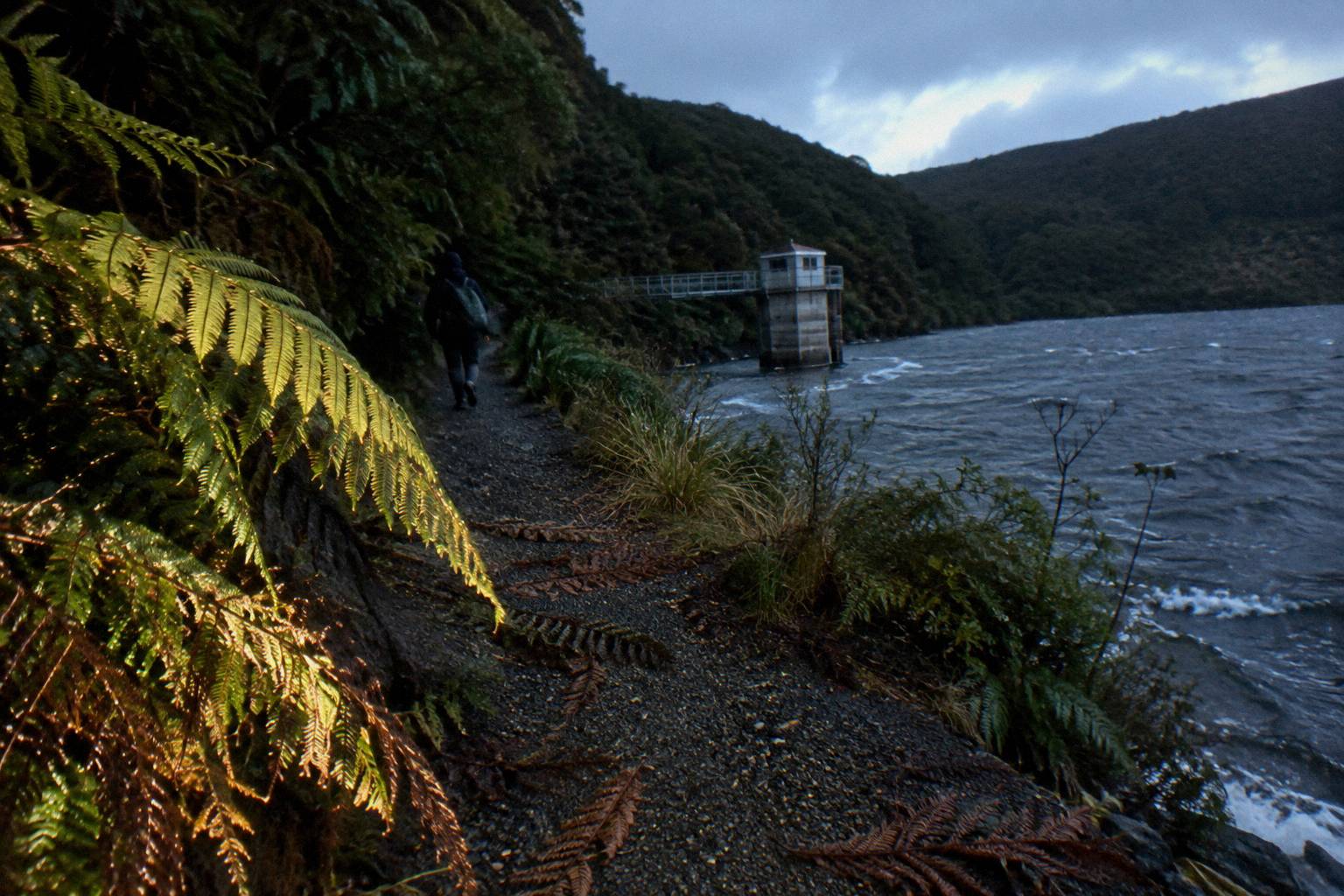
The walk runs about 2.5 hours, capped at 12 people with a guide, starting inside the visitor centre after dark has begun to fall. Torches are supplied. The route follows valley tracks past the reservoir while guides listen and look for kiwi, tuatara, takahe, pateke, wetapunga, Hamilton's frog, ruru, glowworms and kaka, and it ends with warm kawakawa, lemongrass and ginger tea at the visitor centre.
The rhythm of the evening is slower than most visitors expect, and that is deliberate. Kiwi and other night animals respond to noise and light, so the group moves quietly, stops often, and the guide's torch work is disciplined: red light where possible, aimed low, and eyes-up moments when something calls. The dark sections between stops are where the valley's sounds take over, and ruru calls and the shimmer of glowworms in a bank are the texture of the walk even on a night when a kiwi stays hidden. Glowworms are pointed out by the guides when they are there, never promised.
The full cast of the night walk, in the sanctuary's own phrasing of chances rather than promises, is worth setting out in one place. Every animal below is on the guides' night list, and every one is a "might see" rather than a will.
| Animal | What it is | How it shows up on the night walk |
|---|---|---|
| Little spotted kiwi | Nocturnal ground bird, At Risk-Recovering | Seen on most tours, never guaranteed; often heard calling first |
| Tuatara | Reptile, returned 2005 and 2007 | Sometimes spotted near daytime basking spots after dark |
| Takahe | Large flightless bird, Nationally Vulnerable | Occasionally encountered near tracks and clearings |
| Ruru | Native owl | Frequently heard calling through the valley |
| Glowworms (titiwai) | Bioluminescent larvae | Pointed out in banks by the guides, never promised |
| Wetapunga and Hamilton's frog | Invertebrate and rare native frog | Occasional finds for sharp-eyed guides |
| Kaka and pateke | Parrot and brown teal | Sometimes active or audible near the water |
What to wear is simple and worth saying twice: sturdy shoes, warm layers and a waterproof jacket. A Karori valley after dusk drops cold even in summer, the tracks include slopes and gravel, and the booking page describes a moderate level of walking with uneven surfaces. It is not strenuous, but it is not a city footpath either. The fuller what-to-wear guide covers the daylight walks, and the night list is essentially the same plus an extra layer, since you will be standing still in the dark for stretches at a time.
The ending is a quiet ritual worth knowing about. The group returns to the visitor centre for a warm kawakawa, lemongrass and ginger tea, and reviews often single this out as the moment the evening lands: cold hands, hot cup, and the guide answering questions about what you did and did not see. Remember the after-hours mechanics from earlier, entry up the driveway to the right of the building and arrival 15 minutes before the confirmed start, and the practical side of the night takes care of itself. The night tour guide walks the same ground in more detail.
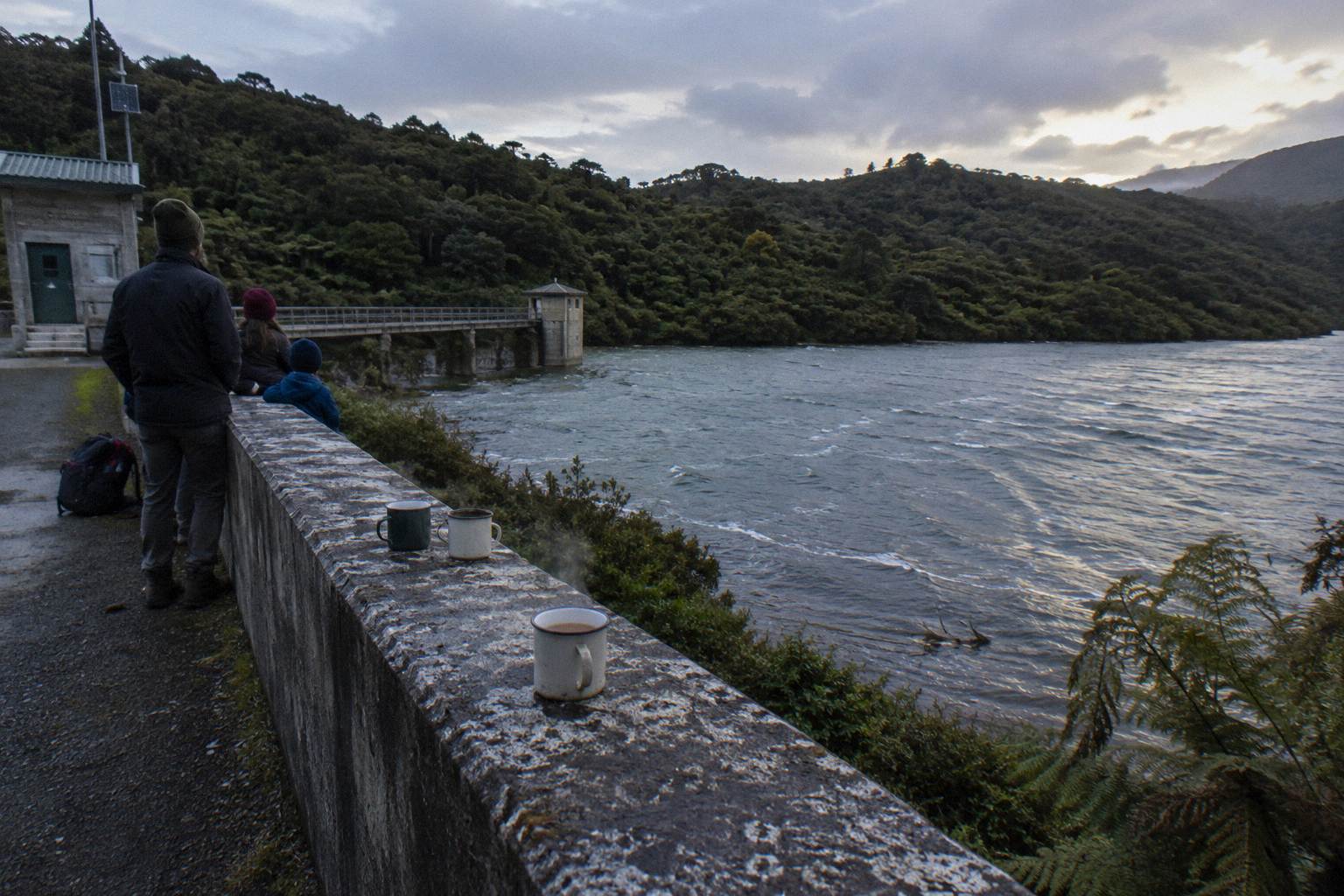
What If The Kiwi Stays Hidden?
The tour is still a full experience, and most groups do see kiwi, but the sanctuary's own phrasing, seen on most tours, sightings not guaranteed, sets the expectation. The backup cast is strong: tuatara, takahe, pateke, wetapunga, Hamilton's frog, ruru, glowworms and kaka are all on the guides' night list, and the torchlit valley and the tea at the end are part of what the ticket buys.
Managing expectation is not managing disappointment, and the distinction is worth spelling out. A visitor who arrives told "you will see a kiwi" has a coin-flip chance of feeling cheated; a visitor who arrives knowing the official odds, most tours but not all, has already accepted the terms of a wild-bird encounter. Kiwi are heard far more often than seen in any New Zealand forest, and a loud caller metres off the track is a genuine encounter by any fair standard. Ask the guide at the start how the recent nights have gone, because they will tell you straight.
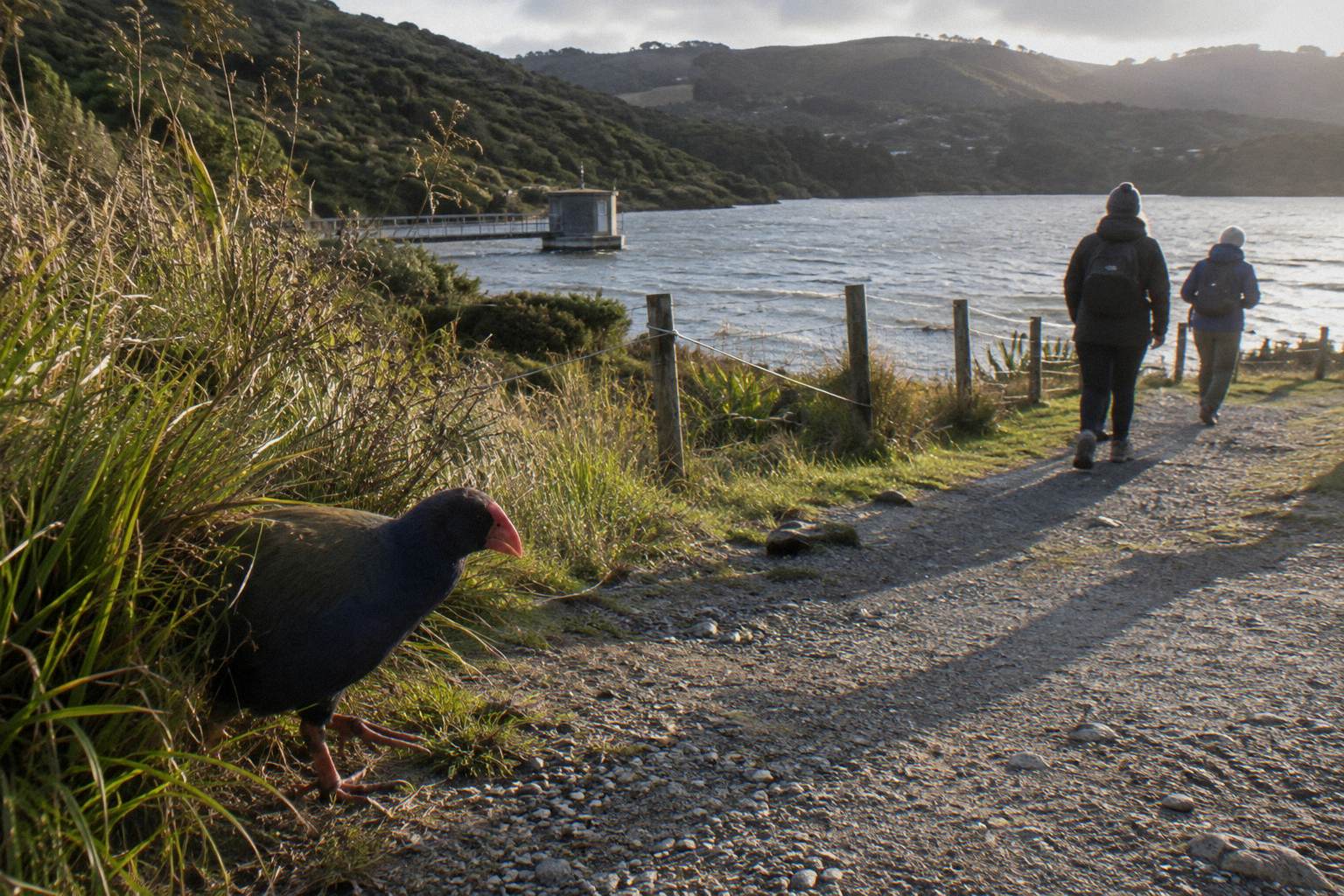
There is also a structural consolation built into the ticket. Every tour ticket includes General Admission valid for the tour day and the next day, so a blank night is followed by a free daylight roam of the same valley. By day the realistic sightings are different: takahe, tuatara, hihi, kaka, tieke, toutouwai and pateke are the guides' day-tour list, always as chances, and kiwi are very unlikely. Walking the valley in both lights is the fullest version of a Zealandia visit, and the guided versus self-guided comparison covers how to split the two days.
The final fallback is simply to come back. The night tour runs nightly, the free cancellation window is 24 hours, and a second attempt on a different night is a real strategy for a determined kiwi-seeker with time in Wellington. No careful writer can promise the second night succeeds where the first failed, but the population is estimated in the hundreds and the walk is designed around their habits, which is as good as kiwi odds get anywhere in a capital city.
Common Mistakes To Avoid
The recurring mistakes are assuming a kiwi is guaranteed, showing up late to the wrong entrance, expecting a shuttle after dark, and booking children under 12 onto the night walk. Each one is avoidable with the facts already on this page: sightings are never guaranteed, the meeting point is inside the visitor centre 15 minutes early, after-hours entry is up the driveway to the right, and the minimum age of 12 is firm.
The shuttle mistake deserves its own warning because it catches people every week. The free electric shuttle from the city runs during the day, and night and twilight tours start after the day shuttle has finished, so plan a taxi, a ride share or the walk from the bus stops on Northland Road and Birdwood Street, each about five minutes on foot. Never print a shuttle timetable into your plan for an evening visit; there isn't one for that hour. The getting there guide covers the daytime options in full.
The other mistakes are smaller but real. Wearing street shoes on gravel and slopes turns a pleasant walk into a soggy one. Talking loudly through the dark sections lowers the whole group's odds, not just yours. Skipping the biosecurity step, everyone checks their own bags and pockets for seeds, mice and lizards at the double gates, slows the group down. Expecting food or drink beyond the closing tea at the end is also off: the walk ends at the visitor centre rather than a cafe. None of these need a checklist, just a minute of planning.
What To Ask The Operator Before You Book
Ask four things: the confirmed start time for your date, whether recent nights have had kiwi sightings, what the weather plan is, and any accessibility or language need you have. The start time is only ever confirmed at booking, recent sighting form is a fair question with a plain answer, tours run in almost all weather but may be called off in extreme conditions, and special needs are handled by asking, not assuming.
The language question has a clean answer for the day tours: Mandarin-language departures exist and need a minimum of four people, and the tour may be cancelled if that number is not reached. For the night walk, the tours covered run in English, and no audio guide or translated handout is stated, so ask the operator when you book if language support shapes your decision. The accessibility answer is similar: the lower valley is largely wheelchair and pram friendly and the visitor centre has a lift, but the night walk covers uneven ground in the dark, so the operator's own conditions govern, and mobility scooters are free on request by day with advance notice.
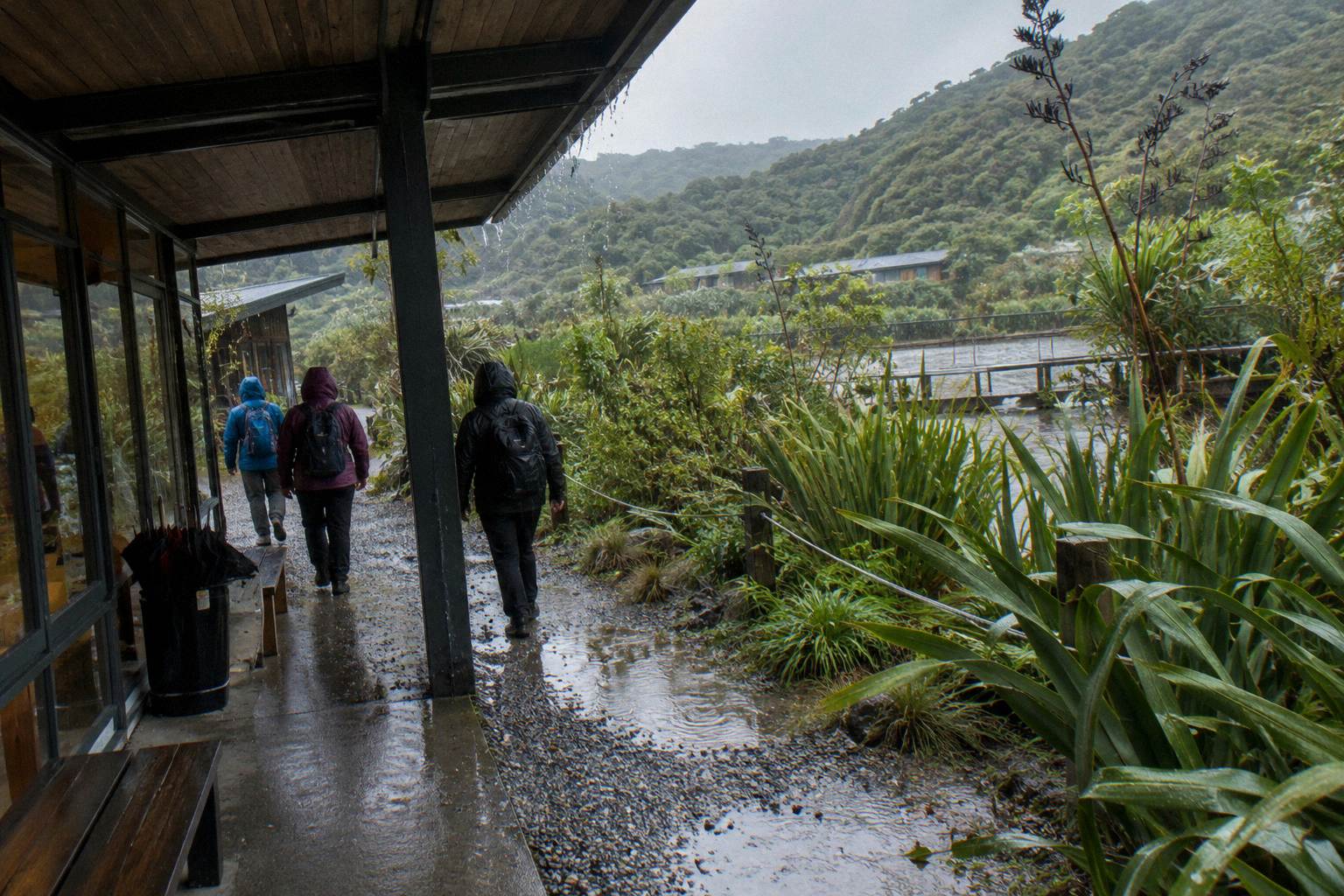
Weather is worth one practical question at booking. The sanctuary says the tours run in almost all weather and may be called off in extreme conditions, which puts the operator, not you, in the position of deciding. If your dates are fixed, ask what happens in the unlikely event of cancellation; if they are flexible, the free 24-hour cancellation window is your own weather insurance. A quick look at the tours by season guide helps frame when your dates sit in the year.
Finally, if a kiwi is the whole point of the trip, say so at booking and again at the start of the walk. Guides cannot promise anything, but they can tell you which end of the valley has been active, and they appreciate a group that has arrived with the right expectations. That is the version of a kiwi tourism transaction, and it is the one Zealandia itself describes on its own tickets and tours page.
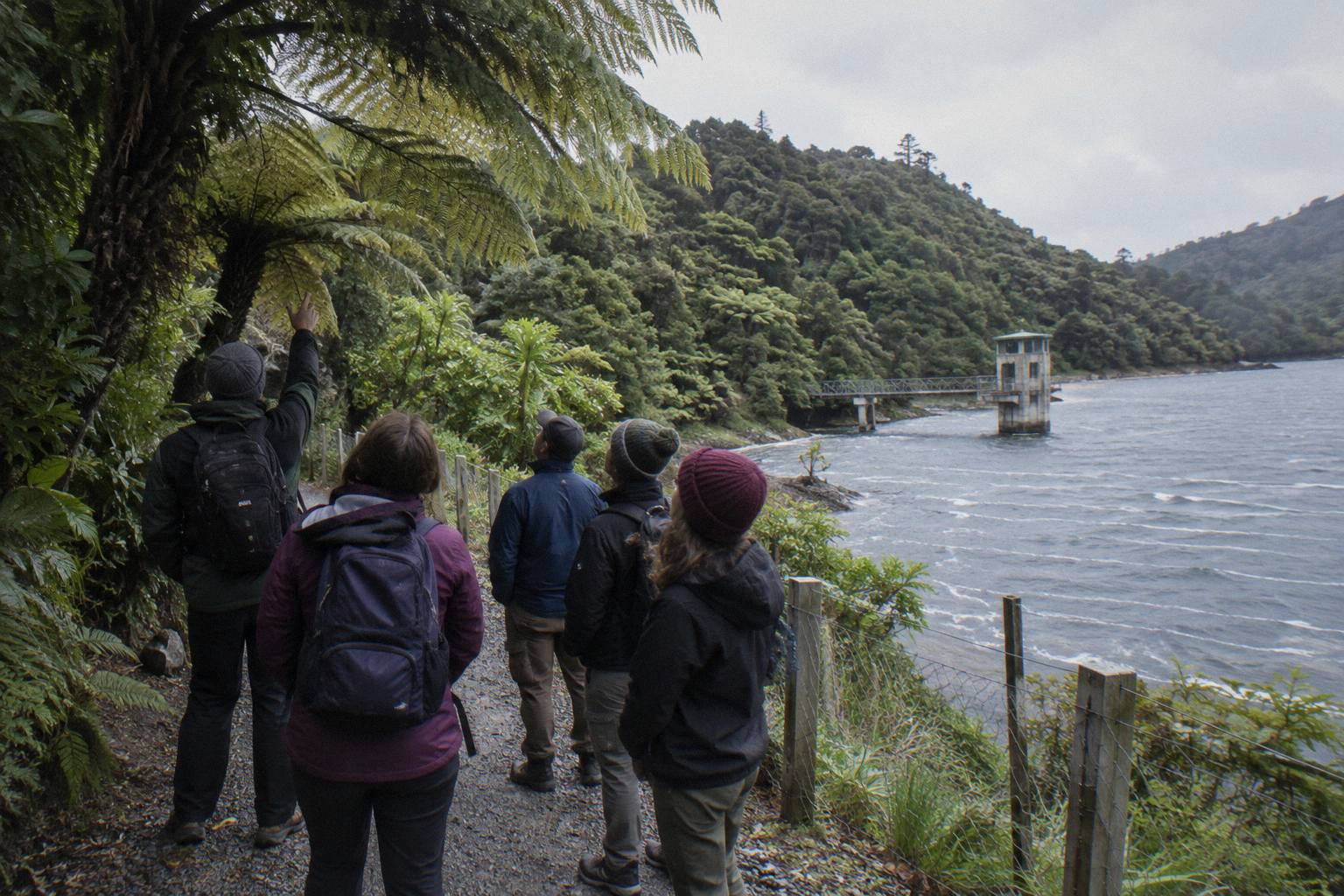
The twilight option is the natural fallback if the night walk's age limit or timing does not fit:
How Does A Kiwi Night Fit Into A Wellington Stay?
A kiwi-focused visit works as either a single evening or a two-day plan. The night tour stands alone as a 2.5-hour experience with tea at the end, or it pairs with a free next-day General Admission walk of the same valley, since every tour ticket covers the following day. Most visitors need no more than one evening plus one daylight roam to feel the visit is complete.
The two-day version is the sleeper value in the ticket and too few people use it. Night one: the guided walk, the torches, the tea. Day two: return at your own pace, walk the 32 km of tracks as far as you like, and look for the daytime cast of takahe, tuatara and kaka in full light. The sanctuary is open 9am to 5pm with last entry at 4pm, daily except Christmas Day, and check the official site for current hours before you go. The opening hours and best time of day guide works through the daylight scheduling.
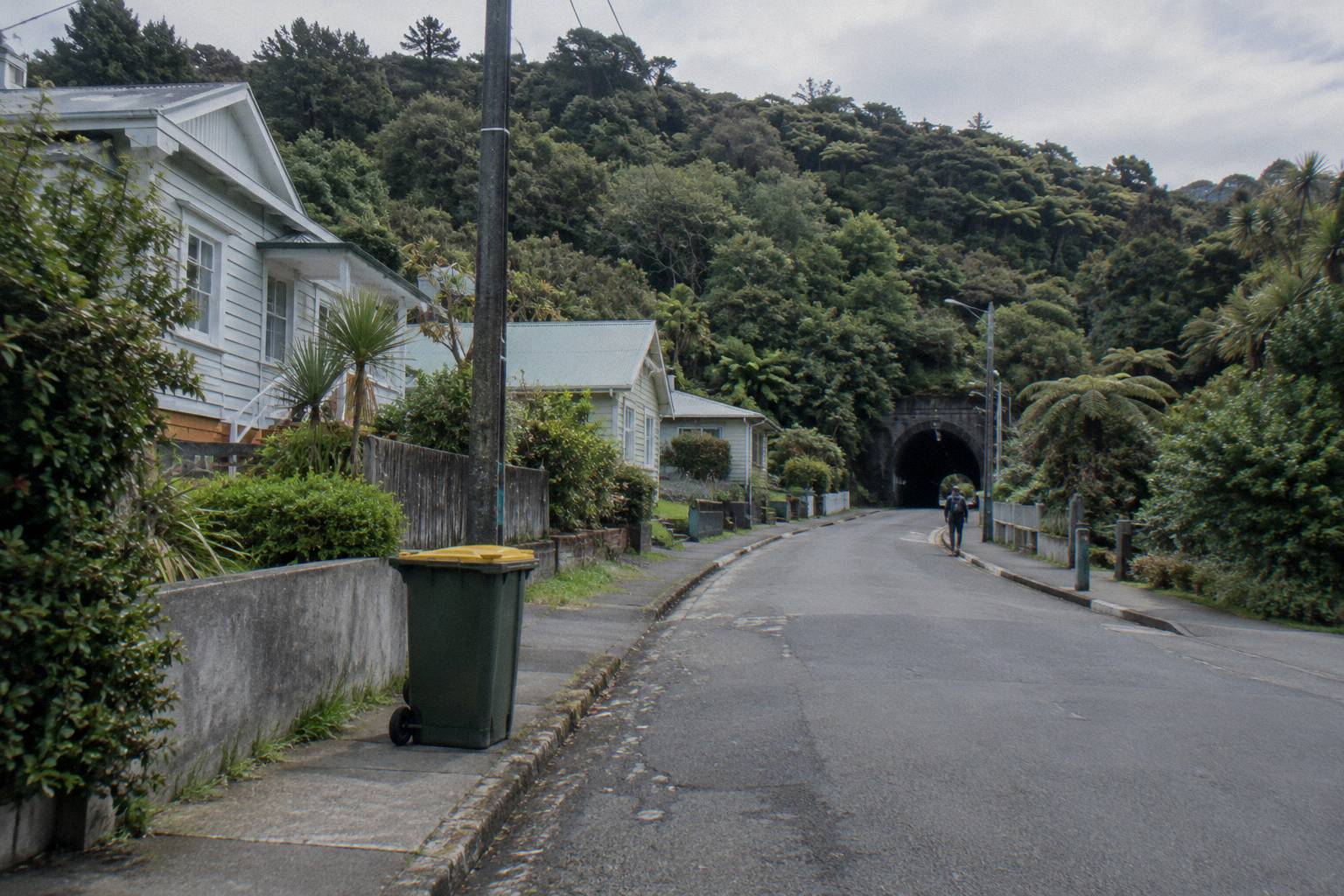
For travellers fitting Wellington into a bigger plan, the kiwi night slots neatly alongside the city's other draws. A common day pairs a morning in the city or the botanic garden with an afternoon shuttle to Karori and the dusk walk, and the one day in Wellington itinerary is built exactly around that shape. Cruise passengers face a tighter clock, and the cruise ship day guide addresses whether the timing works, which depends on sailing time against dusk.
The essential travel details are stable: the sanctuary sits at 53 Waiapu Road, Karori, Wellington 6012, with limited parking on site and an overflow car park on Birdwood Street. Buses stop about five minutes' walk away. The free daytime shuttle runs from outside the Takina Convention Centre on Wakefield Street and from the top of the Cable Car, about 10 to 15 minutes, 11 seats, space not guaranteed, with priority seating for Zealandia By Day ticket holders who arrive 10 minutes early. All of that, plus the after-hours entry route, is on the official getting here page.
Common Questions About Seeing A Kiwi In Wellington
Where Can You See A Kiwi In Wellington, And Does A Zealandia Night Tour Cover It?
In the fenced valley of Zealandia in Karori, and yes: the Zealandia By Night tour is the walk that looks for little spotted kiwi. The sanctuary's official wording is that kiwi are seen on most tours and sightings are never guaranteed.
Can Kids Join The Zealandia Night Tour?
No. The night tour has a firm minimum age of 12. Families with children under 12 are pointed by the sanctuary to the Twilight Tours, minimum age 5, which run October to March, and to the Kids' Night Walks, which run April to September.
Is The Kiwi Sighting Guaranteed On The Night Tour?
No. The sanctuary states that little spotted kiwi are seen on most tours and that sightings are not guaranteed. The guides also look for tuatara, takahe, pateke, wetapunga, Hamilton's frog, ruru, glowworms and kaka, all as chances rather than promises.
Can You See A Kiwi On The Day Tour?
Very unlikely. The official General Admission page says nocturnal wildlife such as kiwi, ruru, weta and frogs are very unlikely by day. The day tour's realistic list is takahe, tuatara, hihi, kaka, tieke, toutouwai and pateke, plus tui, kereru and korimako.
What Happens If The Kiwi Stays Hidden?
The walk still runs in full, ending with warm kawakawa, lemongrass and ginger tea at the visitor centre, and every tour ticket includes General Admission for the tour day and the next day, so you can return and walk the valley in daylight for free.
What Does The Night Tour Cost And Can I Cancel?
From NZ$120 per person, about 2.5 hours, up to 12 people, rated 4.8 from 164 reviews. Free cancellation applies up to 24 hours before the start, and the start time is confirmed at booking because it tracks dusk.