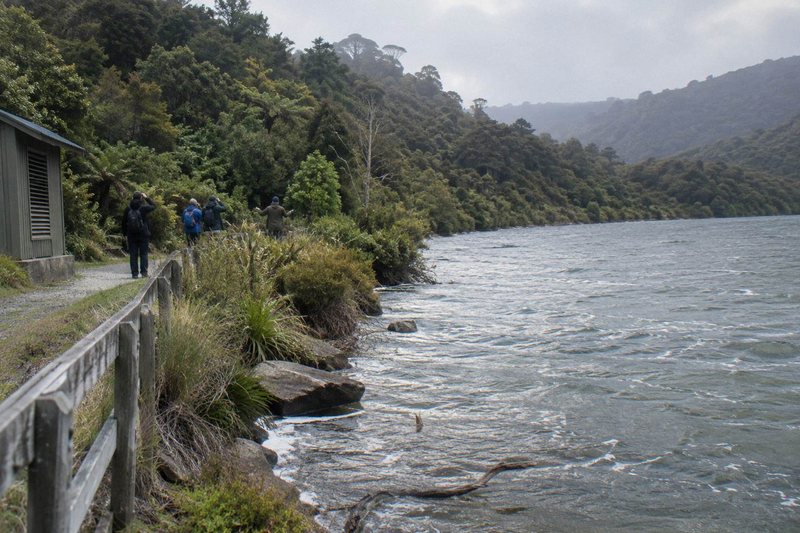
Can You See Takahe On A Zealandia Guided Tour?
Takahe are on the list of birds Zealandia guides look for on the day tour, as a chance rather than a promise. Here is what the official facts say about which tour gives you the best odds.
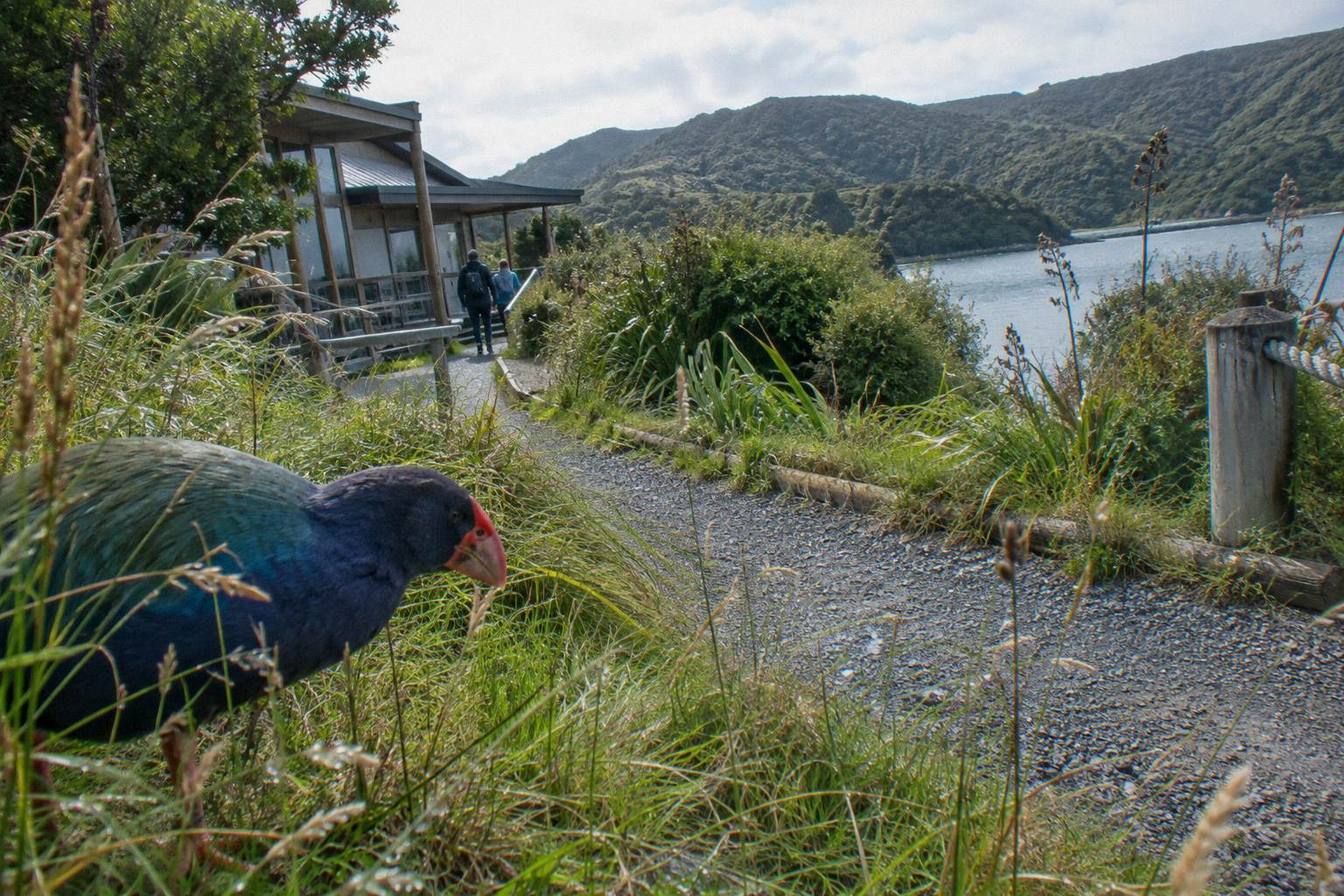
Yes, as a chance and never a guarantee. Takahe are on the official list of birds the guides look for on the Zealandia By Day walk, which runs daily from 10am in groups of up to 12, lasts about 2 hours, and is rated 4.8 from 252 reviews with tickets from NZ$70 per person. The tour's own pages phrase every sighting as a "might see", so no operator will promise you a takahe.
The version of the answer starts with what the sanctuary itself publishes. Takahe, tuatara, hihi, kaka, tieke, toutouwai and pateke all appear on the day tour's list of animals the guides look for, alongside familiar forest birds such as tui, kereru and korimako. That list is written in careful language. Nothing on it is a promise, because Zealandia is a wild valley of 225 hectares with more than 32 km of tracks, not a zoo with fixed exhibits. A guide who knows where takahe like to graze enormously improves your odds compared with walking alone, but the birds make their own decisions.
Takahe deserve the effort. They are Nationally Vulnerable, one of the rarest birds on the planet, and a pair arrived at Zealandia in 2011 after the sanctuary had spent more than a decade rebuilding the valley's birdlife behind an 8.6 km predator-exclusion fence finished in 1999. Seeing one grazing in the open, heavy and iridescent in the way few New Zealand birds are, is one of the experiences that draws people to a guided walk rather than a general visit. A guide also knows the story behind each species, which is a large part of what you are paying for.
If takahe are your main reason for visiting, the day tour is the natural fit, and the featured Zealandia By Day page covers it in full detail. The night and twilight walks are built around different animals, kiwi above all, so a reader choosing a tour purely for takahe should understand that distinction before booking. The rest of this article works through the facts tour by tour, then the practical questions: booking, cancellation, what to ask the operator, and the mistakes that cost people their best sighting chances.
What Shapes Your Takahe Chances?
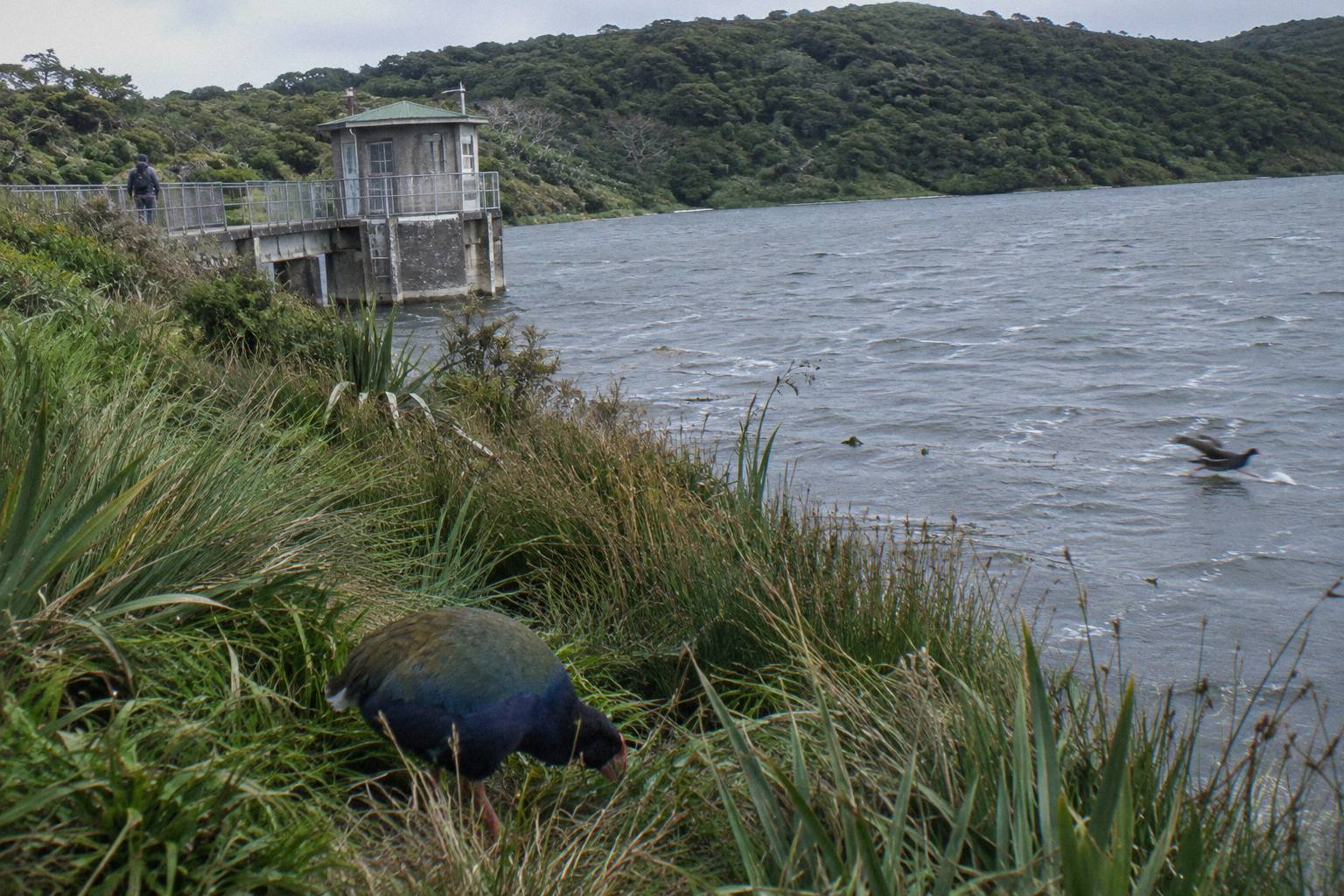
Three things decide your takahe odds: which tour you take, because takahe sit on the day walk's sighting list; how you travel, since a guide who tracks the birds daily beats a self-guided visit; and simple luck with weather, season and where the birds happen to be feeding. None of the four Zealandia tours promises any animal, and the booking pages phrase every species as a chance.
Tour choice matters first. Takahe are ground-dwelling birds most active in daylight, and it is the day walk whose official page lists them among the animals the guides look for. The night tour is built around dusk and darkness, when the guides look for little spotted kiwi, tuatara, takahe, pateke, wetapunga, Hamilton's frog, ruru, glowworms and kaka, so a takahe sighting is possible but not the walk's purpose. The twilight tour, about 2.5 hours from daylight into dark with a minimum age of 5, catches the dusk chorus and birds settling to nest, plus hot kawakawa tea. The Forest Secrets Plant Walk is plants-led rather than wildlife-led, focused on how forest plants compete and adapt, so it is the wrong tool for a takahe mission.
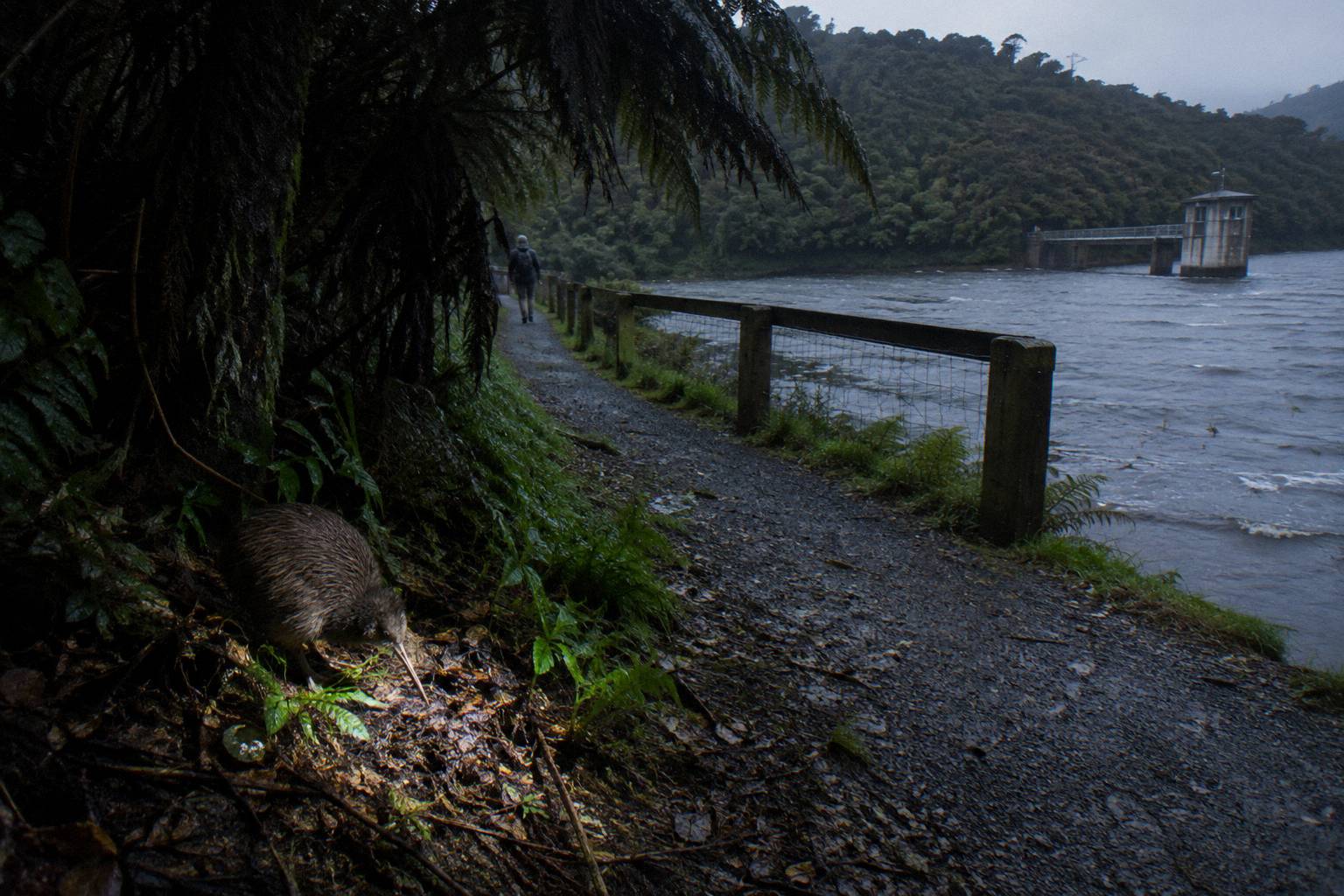
Guide versus self-guided is the second factor. Every tour ticket includes a General Admission pass valid for the tour day and the following day, which means you can walk the valley alone afterwards and double your chances. But a guide knows the recent behaviour of the birds, where pateke gather and which stretches of track takahe have been working. On a two-hour walk in a group of up to 12, that local knowledge is the product. The sanctuary's own comparison of options is covered in our guided tour versus self-guided visit guide, which is worth reading if you are unsure.
The third factor nobody controls. The tour runs in almost all weather, and it may be called off only in extreme conditions, but wind, rain and heat all change where birds feed. Season matters too: departures run from 10am with more added in summer, and bird activity shifts through the year, a pattern we break down in the Zealandia tours by season guide. Time of day shapes the valley as much as the calendar, so the best time of day for a tour is worth a look before you fix a departure. Book the right walk, take the guide's knowledge, then let the valley do the rest.
Which Tour Fits Which Traveller?
For a takahe-focused visitor, Zealandia By Day is the pick: about 2 hours, up to 12 people, from NZ$70 per person, no minimum age, and takahe on the sighting list. Families with under-12s who want evening magic should take the twilight tour from NZ$110; dedicated kiwi seekers take the night tour from NZ$120, minimum age 12.
The day walk suits almost everyone, which is why it is the featured tour here. There is no minimum age, under-5s are free, and pushchairs are fine, with infants sitting on an adult's lap and children always accompanied. The walk starts inside the visitor centre with a short intro video, then covers slopes, gravel and uneven ground: the operator calls it not strenuous but says reasonable fitness is needed. Sturdy shoes, warm clothes and a waterproof layer are the stated kit, because it runs in almost all weather. Photography is allowed, and the valley's takahe are among the most photographed birds in Wellington for good reason.
The twilight tour, about 2.5 hours running from daylight into dark, is the family evening option: minimum age 5, from NZ$110 per person, rated 4.8 from 84 reviews, running October to March on the sanctuary's own schedule. It suits travellers with children too young for the night walk who still want to feel the valley change as the light goes. The dusk chorus is the headline, and the included hot kawakawa tea at the end softens the walk back.
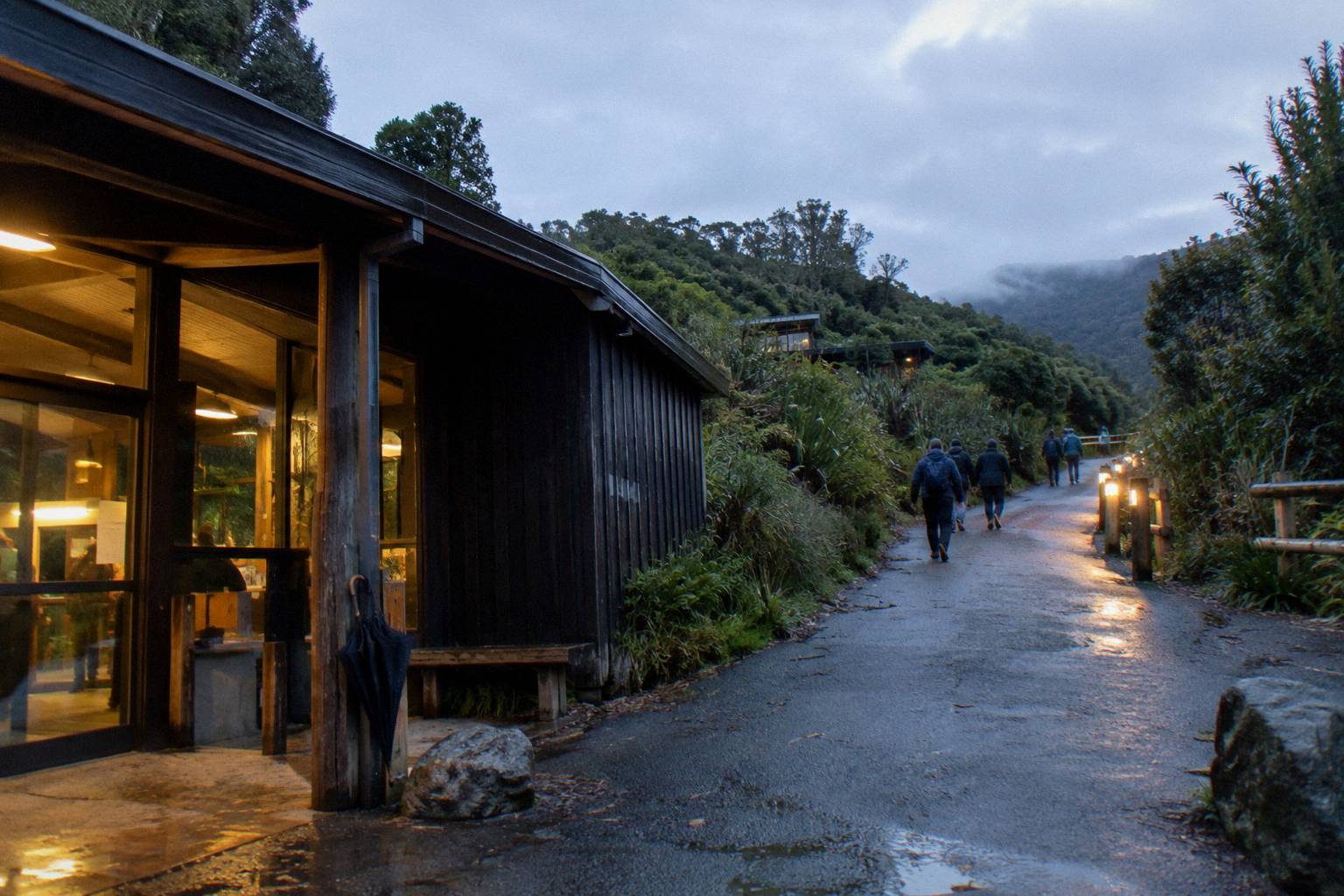
The night tour is the specialist choice. From NZ$120 per person, minimum age 12, about 2.5 hours around dusk with the start time confirmed at booking, it is rated 4.8 from 164 reviews and ends with a warm kawakawa, lemongrass and ginger tea at the visitor centre. Little spotted kiwi are seen on most tours but never guaranteed, as the sanctuary's own wording puts it. Takahe are on the night guides' list too, but booking a night walk purely for takahe is like ordering the tasting menu for one dish.
Which Walks Look For Takahe?
The four tours differ mainly in hours, price floor, age rules and purpose: the day walk (2 hours, NZ$70, no age minimum, wildlife-led) lists takahe; the twilight (2.5 hours, NZ$110, age 5, dusk chorus) and night (2.5 hours, NZ$120, age 12, kiwi-led) both note takahe among their chances; the plant walk (2 hours, NZ$70, Sunday mornings) barely touches animals at all.
The table below sets the four walks side by side using only figures the operators publish. Every tour includes free cancellation up to 24 hours before the start, and every tour ticket includes a General Admission pass valid for the tour day and the next day, so those rows of the decision are equal across the board.
| Tour | Length | From price | Minimum age | Rating | Takahe angle |
|---|---|---|---|---|---|
| Zealandia By Day | about 2 hours | NZ$70 per person | none, under 5s free | 4.8 from 252 reviews | On the guides' official sighting list |
| Zealandia Twilight Tour | about 2.5 hours | NZ$110 per person | 5 | 4.8 from 84 reviews | Daylight-into-dark walk; dusk chorus focus |
| Zealandia By Night | about 2.5 hours | NZ$120 per person | 12 | 4.8 from 164 reviews | Takahe among night chances; kiwi-led walk |
| Forest Secrets Plant Walk | about 2 hours | NZ$70 per person | none | New listing, no rating yet | Plants-led, not wildlife-led |
Two footnotes belong with that table. First, the Forest Secrets Plant Walk is a new listing with no reviews yet, so there is no rating to print; it runs about 2 hours at 10:30am on Sunday mornings per the sanctuary's own page, in groups of up to 12, and is built around how forest plants compete and adapt rather than around finding birds. Second, the night tour's start time moves with the season because it runs around dusk, and the booking page confirms the exact time when you book; no clock time is printed anywhere in advance.
A second table, this time on what each walk is really selling, helps the choosing:
| If you want... | Best fit | Why |
|---|---|---|
| The best takahe chance | Zealandia By Day | Takahe on the daylight sighting list; ground birds are most findable by day |
| Kiwi above all | Zealandia By Night | Kiwi seen on most tours, never guaranteed; minimum age 12 |
| An evening walk with kids | Zealandia Twilight Tour | Minimum age 5, dusk chorus, kawakawa tea, October to March |
| Forest knowledge, not birds | Forest Secrets Plant Walk | Plants-led itinerary, Sunday mornings, no minimum age |
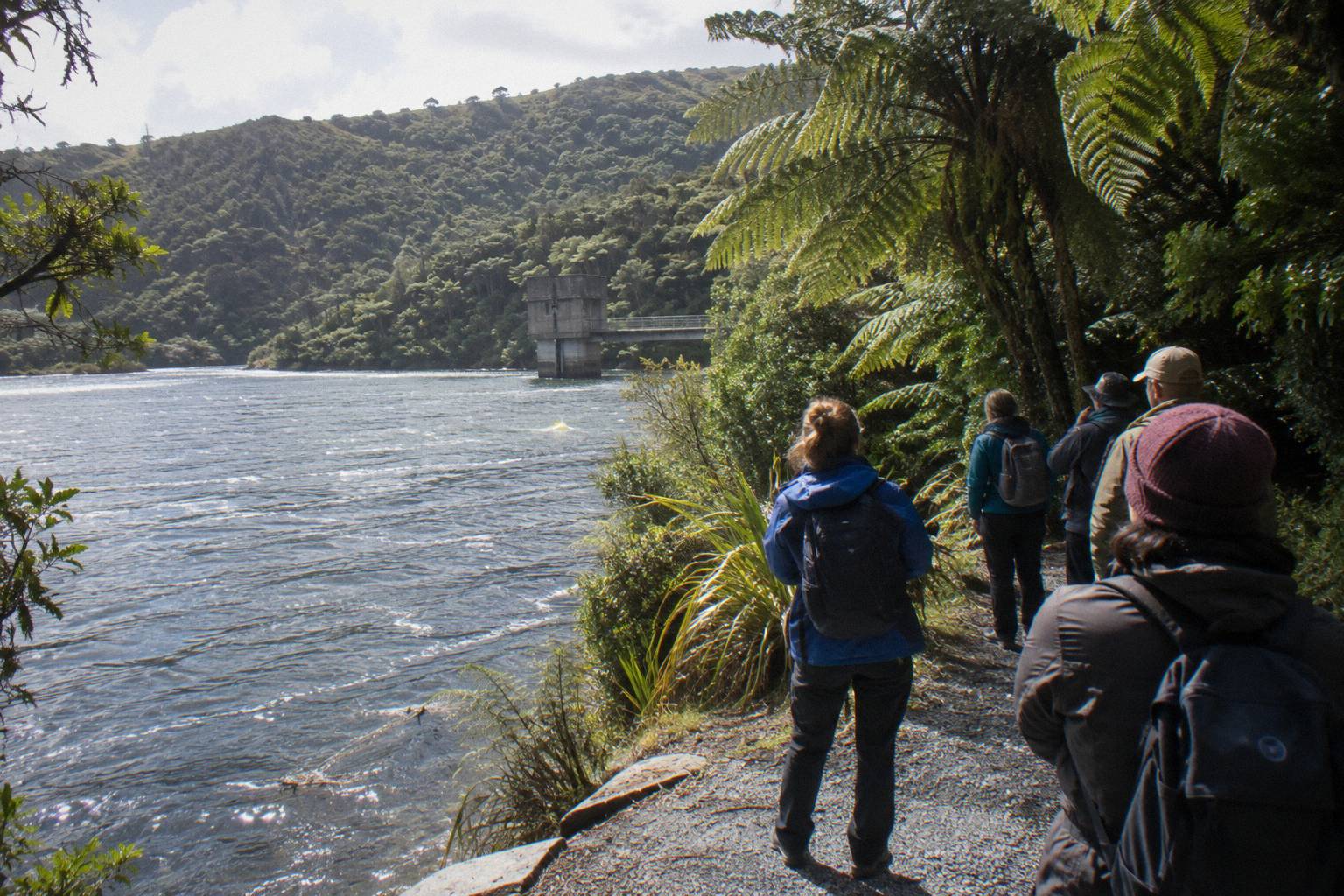
How Do Cancellation And Booking Work?
Every one of the four tours carries free cancellation up to 24 hours before the start, and each booking includes a General Admission ticket valid for the tour day and the following day. Book through the operator's live listing, check the start time it confirms, and arrive inside the visitor centre at 53 Waiapu Road, Karori, 15 minutes early.
The 24-hour cancellation window is uniform, which removes most of the risk from booking ahead. Wellington weather turns quickly, and the day tour runs in almost all weather, being called off only in extreme conditions; if the operator cancels, the free cancellation terms apply. For the night and twilight walks, the same 24-hour rule holds, which matters more than it looks because their start times shift with dusk across the seasons. You will not know the exact clock time until the booking confirms it.
The two-day General Admission is the quiet bargain in every ticket. Because it covers the day of the tour and the next day, a takahe-focused visitor can do the guided walk, learn from the guide where the birds have been, and return the following day to watch the same spots at their own pace. The sanctuary is open daily except Christmas Day, 9am to 5pm with last entry at 4pm; check the official site for current hours. Separate self-guided General Admission also exists, valid for two consecutive days, but tour from-prices are the only figures printed here, so see the official General Admission page for standalone admission pricing.
Booking ahead is sensible in summer, when departures are added but groups stay capped at 12. Our piece on whether you need to book in advance covers the timing question in depth. Mandarin-language day departures exist and need a minimum of four people, and the tour may be cancelled if that number is not reached, so language-tour travellers should book with that in mind. No hotel pickup or drop-off is included on any of the four tours, which leads neatly into the getting-there question.
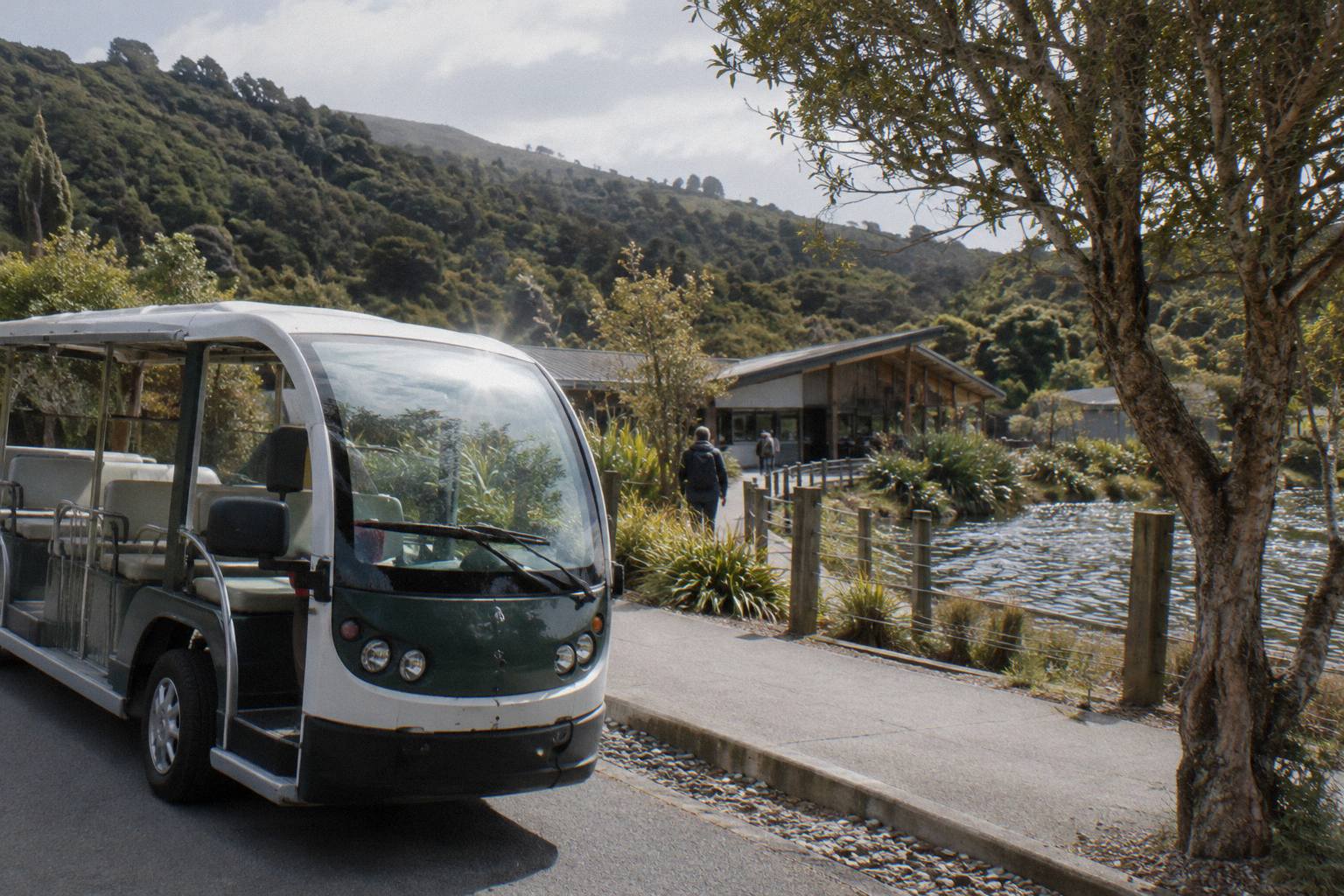
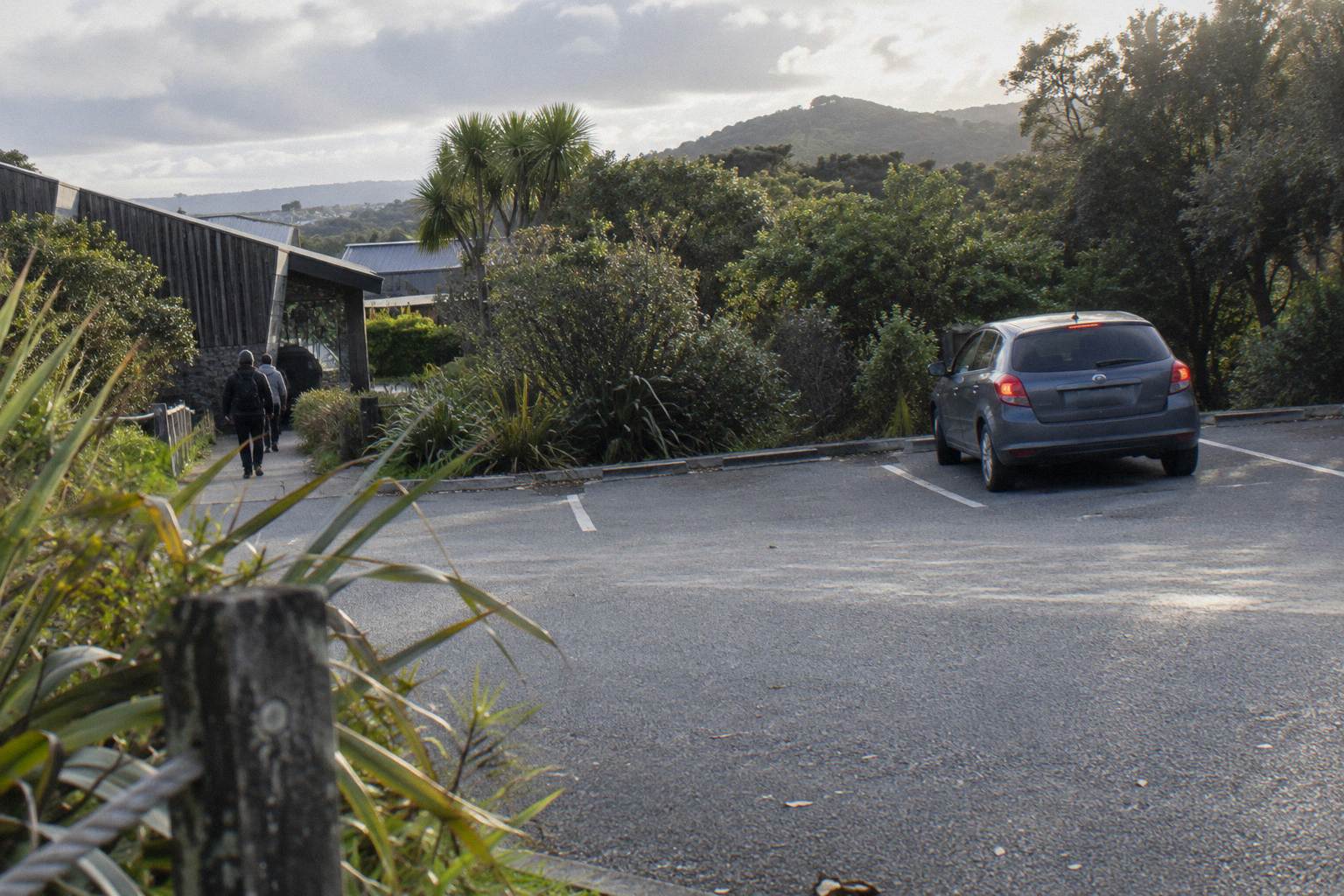
Getting there is simple but has sharp edges. A free electric shuttle runs from outside the Takina Convention Centre on Wakefield Street and from the top of the Cable Car, taking about 10 to 15 minutes with 11 seats and no guaranteed space; Zealandia By Day ticket holders get priority seating if they arrive 10 minutes early. Public bus stops at Northland Road and Birdwood Street are about a five-minute walk, and there is limited parking at the sanctuary plus an overflow car park on Birdwood Street. The full detail is in the getting-to-Zealandia guide.
Where Takahe Fit In Zealandia's Story?
A takahe pair arrived at Zealandia in 2011, joining a restoration project founded on a 1992 proposal by Jim and Eve Lynch that became the world's first fully fenced urban ecosanctuary when its 8.6 km predator-exclusion fence was finished in 1999. Takahe are Nationally Vulnerable, and their presence in the valley is part of a 500-year restoration vision.
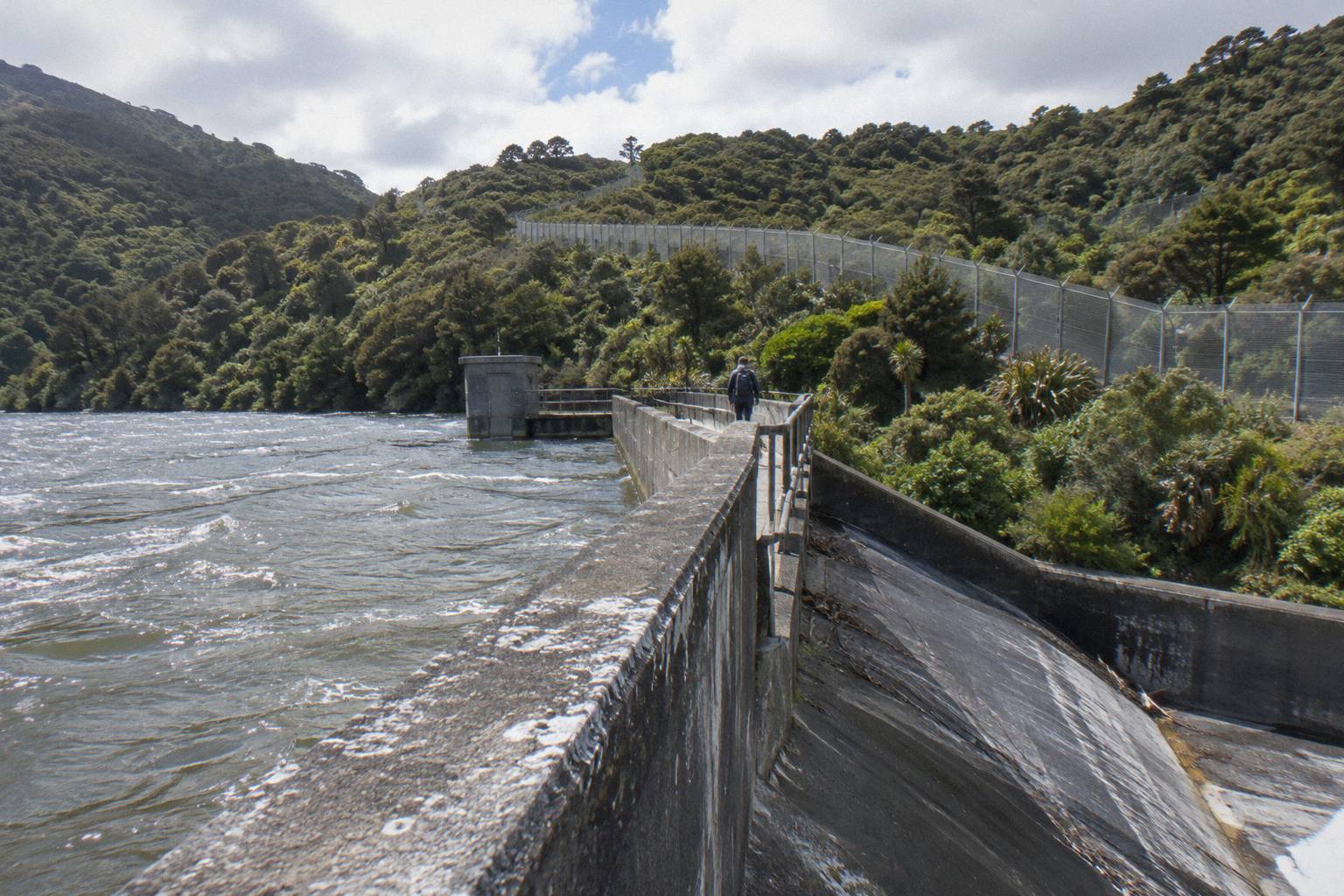
The story explains why the birds are there at all. The valley was once a Wellington water supply, with an earth dam built between 1876 and 1878 and a concrete dam completed in 1908, before the upper dam was taken out of service in 1991. The Karori Sanctuary Trust launched in 1995, the fence went up in 1999, and by the end of that year possums and hedgehogs were gone, with the last rabbit removed in 2000. Thirteen mammalian species were eradicated in total, creating the first mainland space where birds like takahe could walk the ground without stoats.
Then the returns began. Little spotted kiwi came first, 40 birds brought in during 2000 and 2001, with the population now estimated in the hundreds. Kaka returned in the early 2000s, tuatara in 2005 and 2007 in the first release of its kind on the mainland, and the takahe pair in 2011. Each arrival was a deliberate bet that a fenced valley inside a capital city could hold species that had vanished from the mainland. The 500-year vision exists because planted rata and rimu need centuries to become the forest the trust wants, an horizon covered in our restoration, fence and 500-year vision guide.
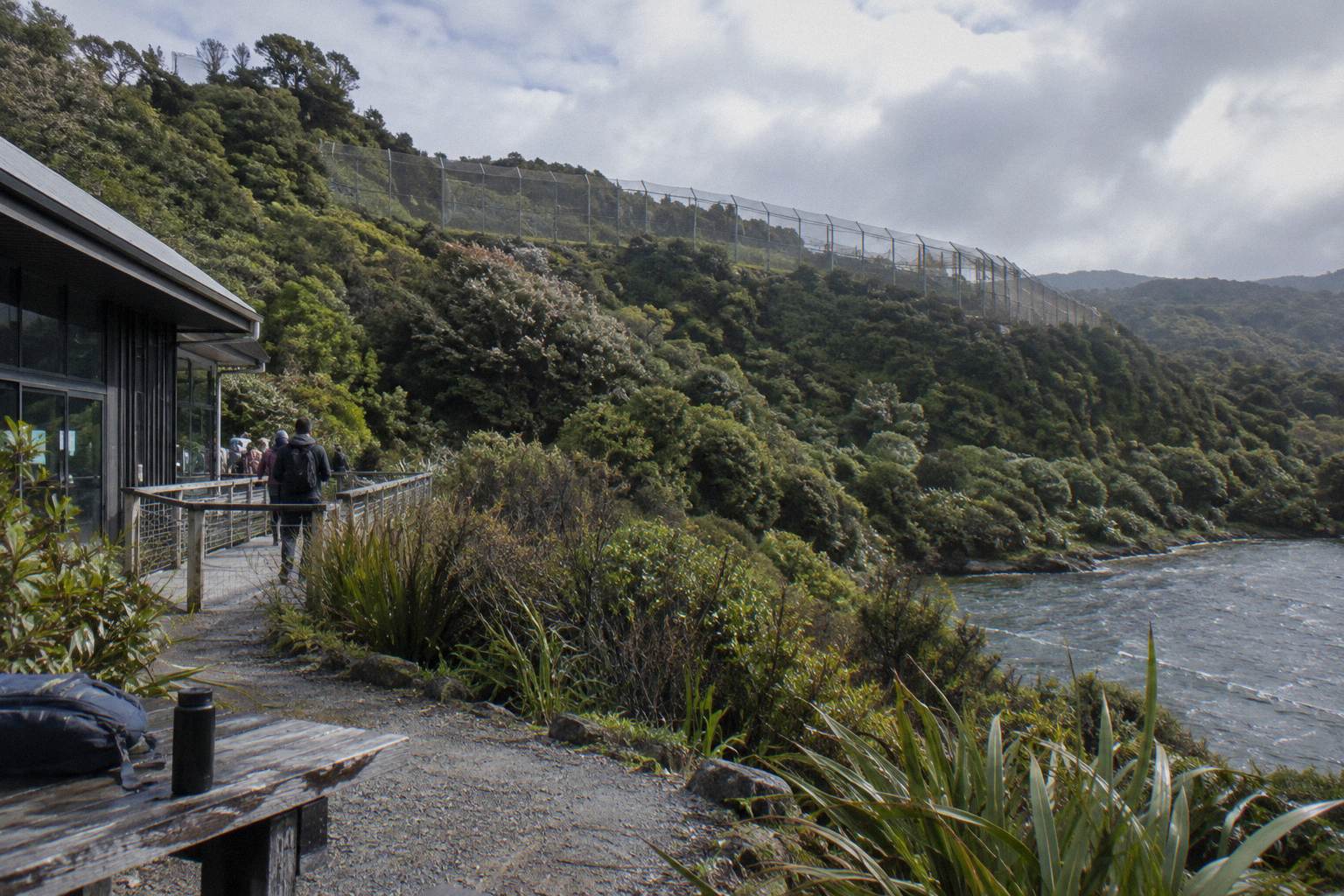
The operation behind it is a not-for-profit trust powered by more than 500 volunteers, and it won the 2023 Air New Zealand Supreme Tourism Award. For a visitor, this matters to the takahe question in a direct way: the birds you might see are part of an active scientific restoration, not a display. Guides on the day tour tell these stories as they walk, which is why the two hours feel shorter than they sound. For a deeper look at the birds themselves, our guide to takahe, kaka and tuatara on tour runs through what each species is doing in the valley.
What To Ask The Operator Before You Book?
Ask four things: whether recent takahe activity has been reported on the tracks your departure covers; what the confirmed start time is; what the weather plan is, since tours run in almost all weather; and any access needs, because the operator's own conditions describe uneven surfaces and a moderate level of walking, and only the operator can advise on your situation.
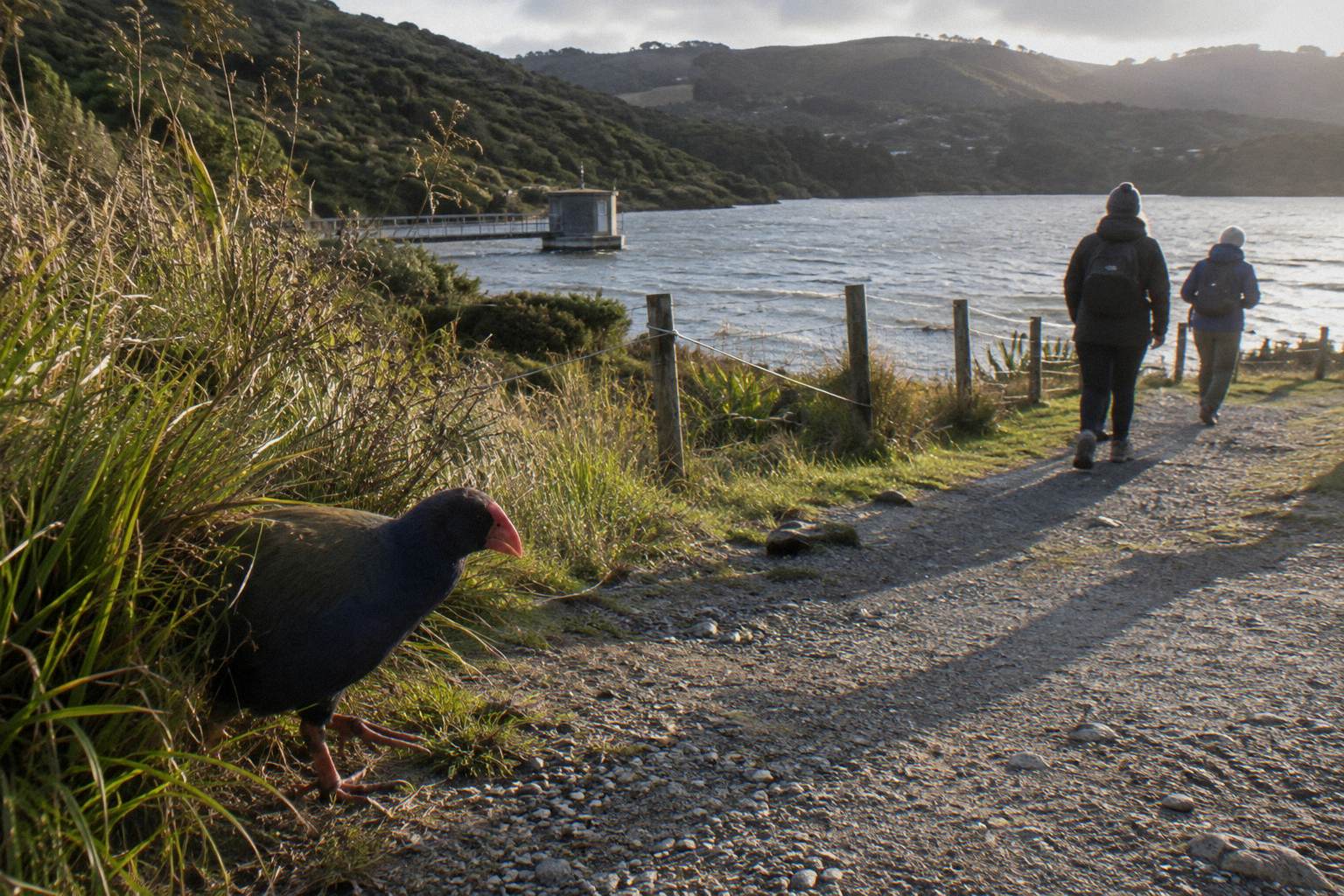
The first question is fair game and guides answer it happily. Takahe move around the lower valley, and guides track where they have been feeding; asking about recent activity when you book, or at the visitor centre before the intro video, helps you set expectations for the walk. It also signals to the guide that takahe are your priority, and a good guide will shape the route and the commentary accordingly where the group allows.
Start times and logistics come second. Day departures run from 10am with more added in summer, the twilight tour runs October to March on the sanctuary's schedule, and the night tour's start time is confirmed only at booking because it follows dusk. Ask what time to arrive: the standing rule is 15 minutes early inside the visitor centre, and after-hours entry for evening walks is up the driveway to the right of the building, with nobody permitted to stay behind in the sanctuary after closing to wait.
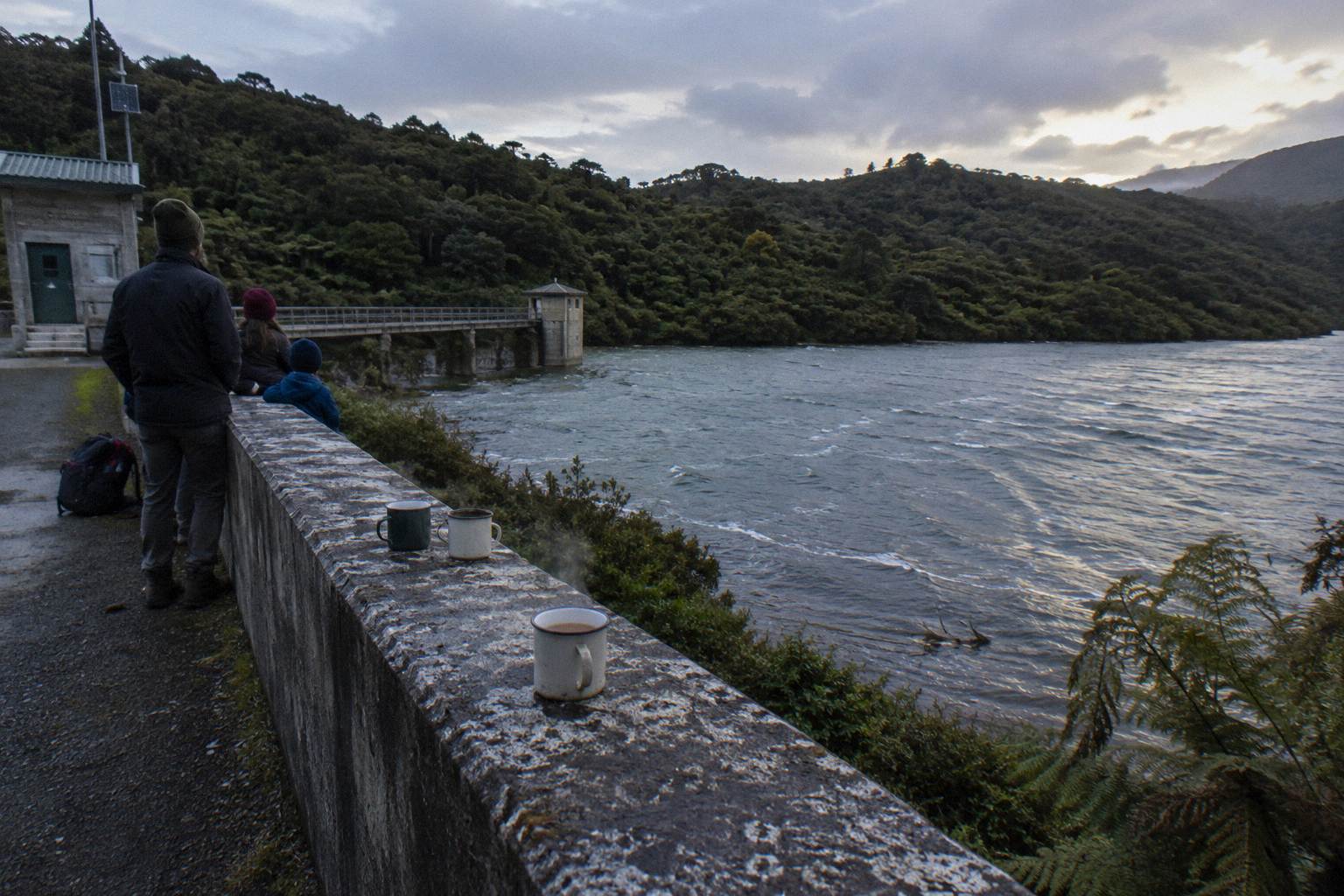
Access is the third conversation. The official accessibility page notes that much of the lower valley is wheelchair and pram friendly, there is a lift in the visitor centre, free mobility scooters are available if you ask ahead, a companion enters free, and accessible toilets exist. But the day tour booking page describes uneven surfaces and a moderate level of walking, and the shuttle has no chairlift. Never assume; ask the operator when you book and quote your own needs, as our kids and accessibility guide explains. Service and guide dogs are admitted only with advance notice, and never at night.
Common Mistakes
The four mistakes that cost people takahe sightings: booking a night tour when the goal is takahe, which belong to the daylight list; arriving late and missing the guide's briefing; skipping the second day of the included General Admission; and expecting a guarantee, when every official sighting list is written as "might see" and always has been.
The tour-choice mistake is the most common. Travellers hear "Zealandia" and "kiwi" in the same breath, book the night walk, and then ask about takahe at the gate. The night tour is a superb experience, but its purpose is nocturnal wildlife, and takahe are day birds. If takahe are the mission, the day walk is the tool; if kiwi are, the night walk is, as our where to see a kiwi in Wellington piece sets out.
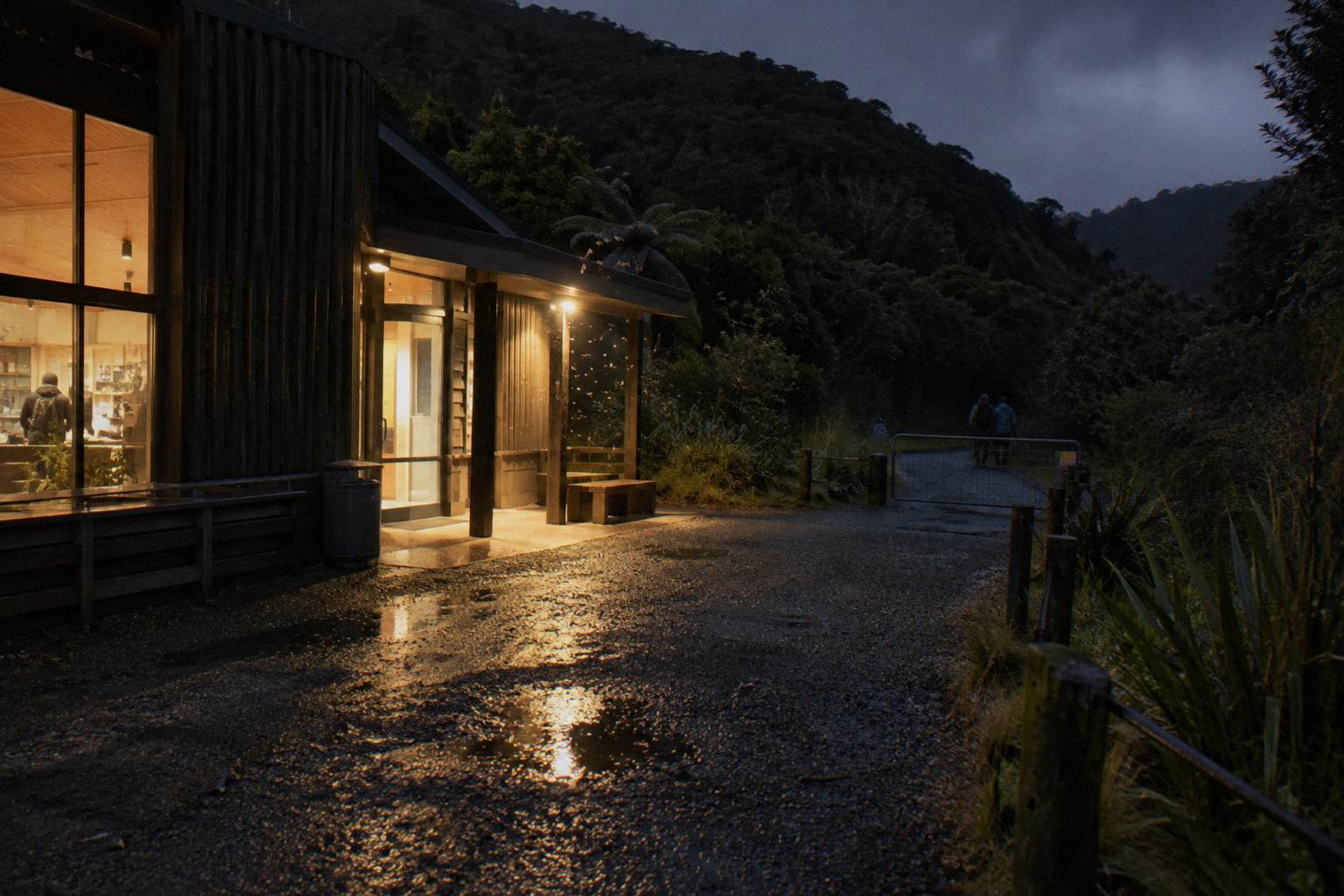
Timing mistakes come next. The tour starts inside the visitor centre at 53 Waiapu Road with a short intro video before the walk, and latecomers compress the whole route. In Karori traffic, build in a generous buffer before your departure, allowing for the free shuttle's 11 seats or a parking hunt. Under-dressing is its own error: the stated kit is sturdy shoes, warm clothes and a waterproof layer, because the tour runs in almost all weather, as our rain and weather answer explains in detail.
The wasted second day is the quietest mistake. Every tour ticket includes General Admission for the tour day and the next day, and many visitors never use it. For a takahe seeker this is the single best free upgrade available: take the guide's knowledge on day one, return on day two, and sit near the spots where the birds were working. Bring binoculars if you have them, keep voices low, and give ground-feeding birds space rather than approaching. The final mistake is treating any sighting as owed. Zealandia's language, "might see", is not marketing caution; it is the description of a wild valley, and it is exactly why a sighting means something.
At Zealandia Day Tour, the aim is that candor: the official pages for each walk, published on the sanctuary's own tickets and tours listings, phrase every animal as a chance, and so do we.
Common Questions About Seeing Takahe
Can You See Takahe On A Zealandia Tour?
Yes, as a chance. Takahe are on the official list of birds the guides look for on the Zealandia By Day walk, about 2 hours in a group of up to 12, from NZ$70 per person and rated 4.8 from 252 reviews. No tour guarantees any sighting; the sanctuary's own wording for all wildlife is "might see".
Are Takahe Guaranteed On The Day Tour?
No. Zealandia phrases every species on the day tour's list, including takahe, tuatara, hihi, kaka, tieke, toutouwai and pateke, as animals the guides look for, never as promises. A guide greatly improves your odds over walking alone, but the birds are wild.
Which Tour Is Best For Takahe?
Zealandia By Day. Takahe are ground birds most findable in daylight, and the day walk is the tour whose sighting list features them. The night tour, minimum age 12, is built around kiwi; the twilight tour, minimum age 5, is built around the dusk chorus.
When Did Takahe Arrive At Zealandia?
A takahe pair arrived in 2011, joining little spotted kiwi (40 birds in 2000 and 2001), kaka (early 2000s) and tuatara (2005 and 2007) inside the 8.6 km predator-exclusion fence finished in 1999. Takahe are classified Nationally Vulnerable.
Can I Cancel If The Weather Looks Bad?
Yes. All four tours carry free cancellation up to 24 hours before the start. The day tour runs in almost all weather and is called off only in extreme conditions, in which case the operator's cancellation terms apply.
Does The Tour Ticket Let Me Look For Takahe Again The Next Day?
Yes. Every tour ticket includes a General Admission pass valid for the tour day and the following day, so you can return to the tracks the guides showed you and watch for takahe at your own pace.