Zealandia Guided Tour Or Wellington Zoo: Which Wildlife Half Day Is Better?
A facts-only comparison of a Zealandia guided tour and a Wellington Zoo visit for a wildlife half day in Wellington, without a verdict.
The answer is that the two are not really the same product, so no single verdict applies. A Zealandia guided tour puts you inside a 225-hectare fenced valley with wild, free-living native birds and reptiles, led by a guide in a group of up to 12. A zoo visit is a different kind of wildlife outing, and for its animals, hours and prices, ask the zoo for its own details.
Wellington gives visitors a genuine choice on the wildlife front, and plenty of travellers with one free half day weigh a Zealandia tour against a zoo visit. The comparison is worth taking seriously rather than settling quickly, because the two experiences differ in almost every dimension that matters: how the animals live, what a guide adds, how long you spend, what it costs, and what you can plainly expect to see.
What this article does is lay out the verified facts about the Zealandia side, drawn from the sanctuary's own pages and the live tour listings, and then frame the questions you should ask before you spend the half day either way. Where the zoo side is concerned, this page deliberately prints nothing: no animal lists, no opening times, no prices. Those belong to the zoo, and the fair comparison is between what the sanctuary says about itself and what the zoo says about itself when you ask.
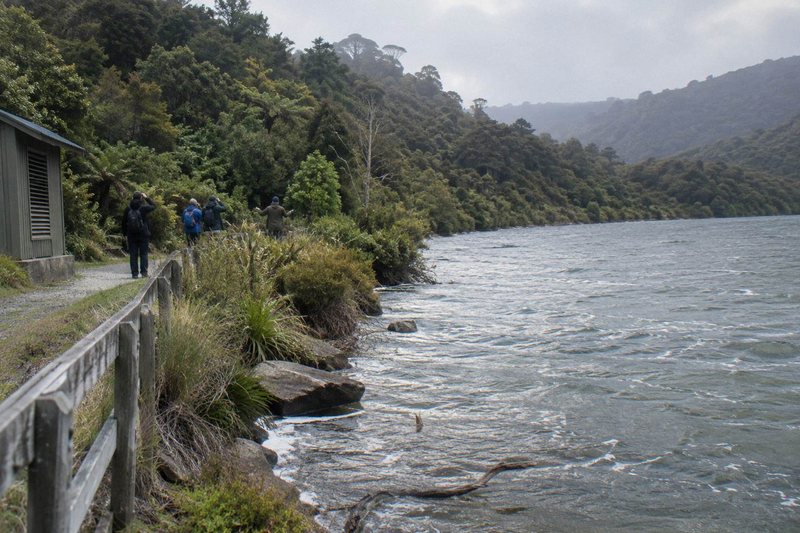
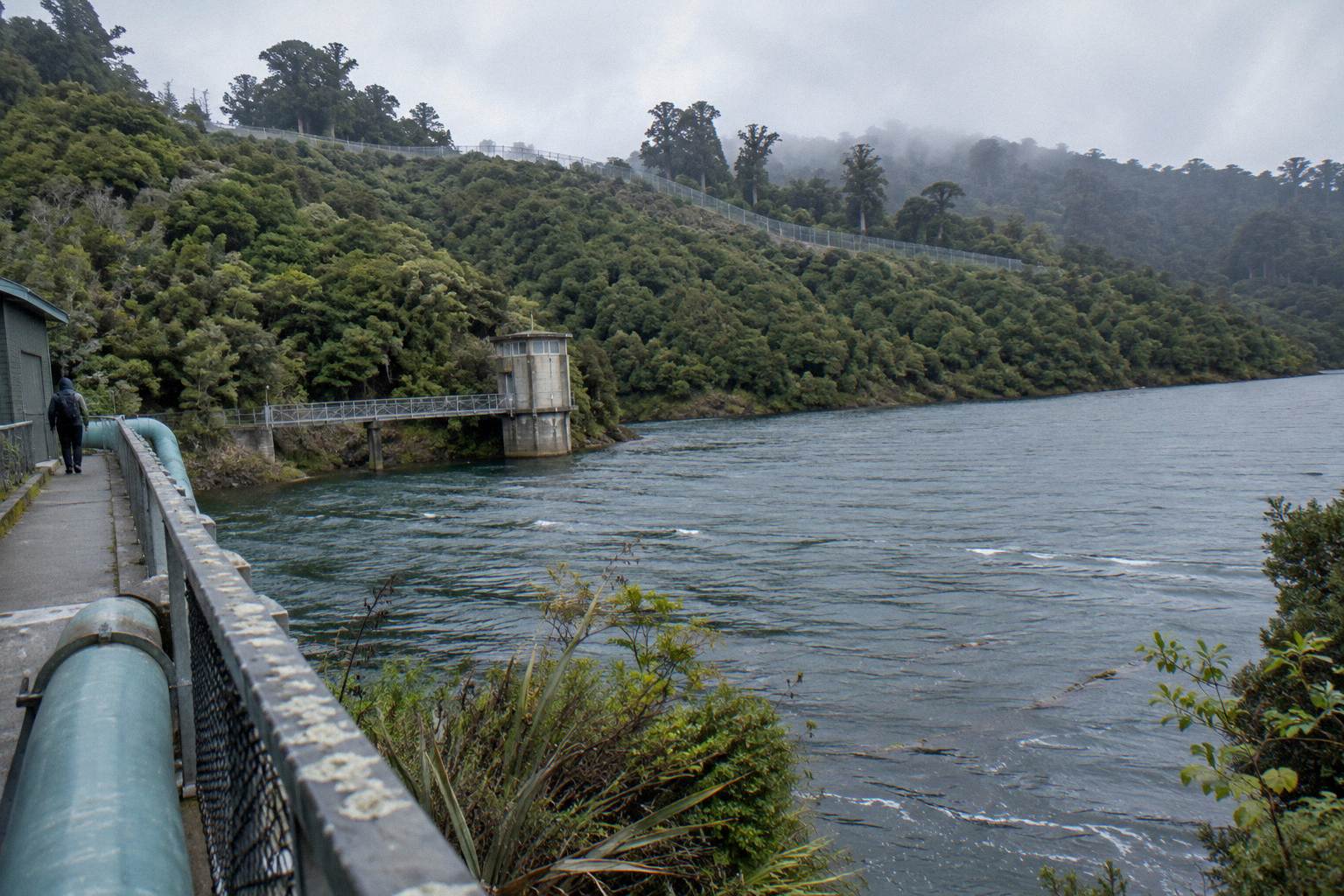
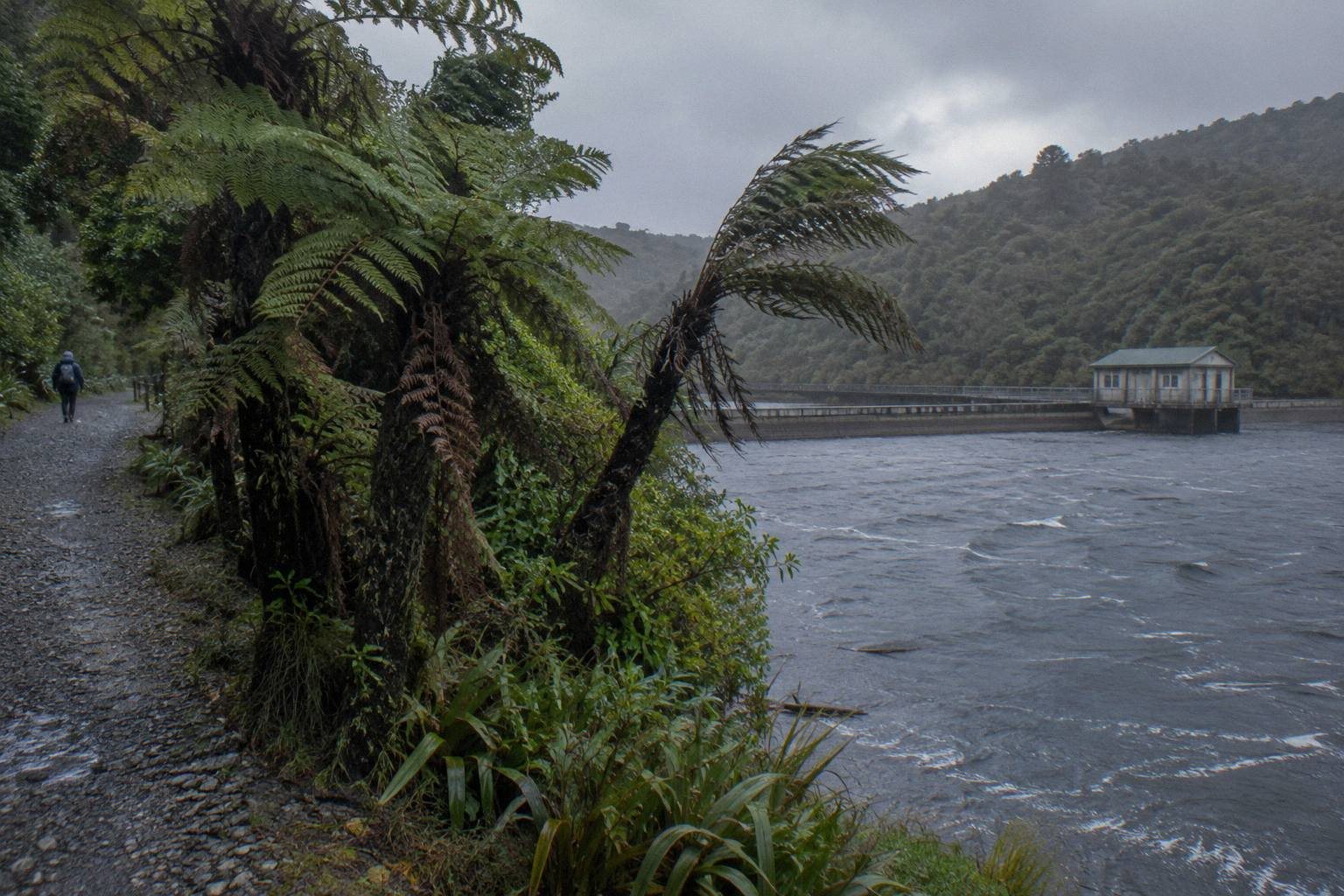
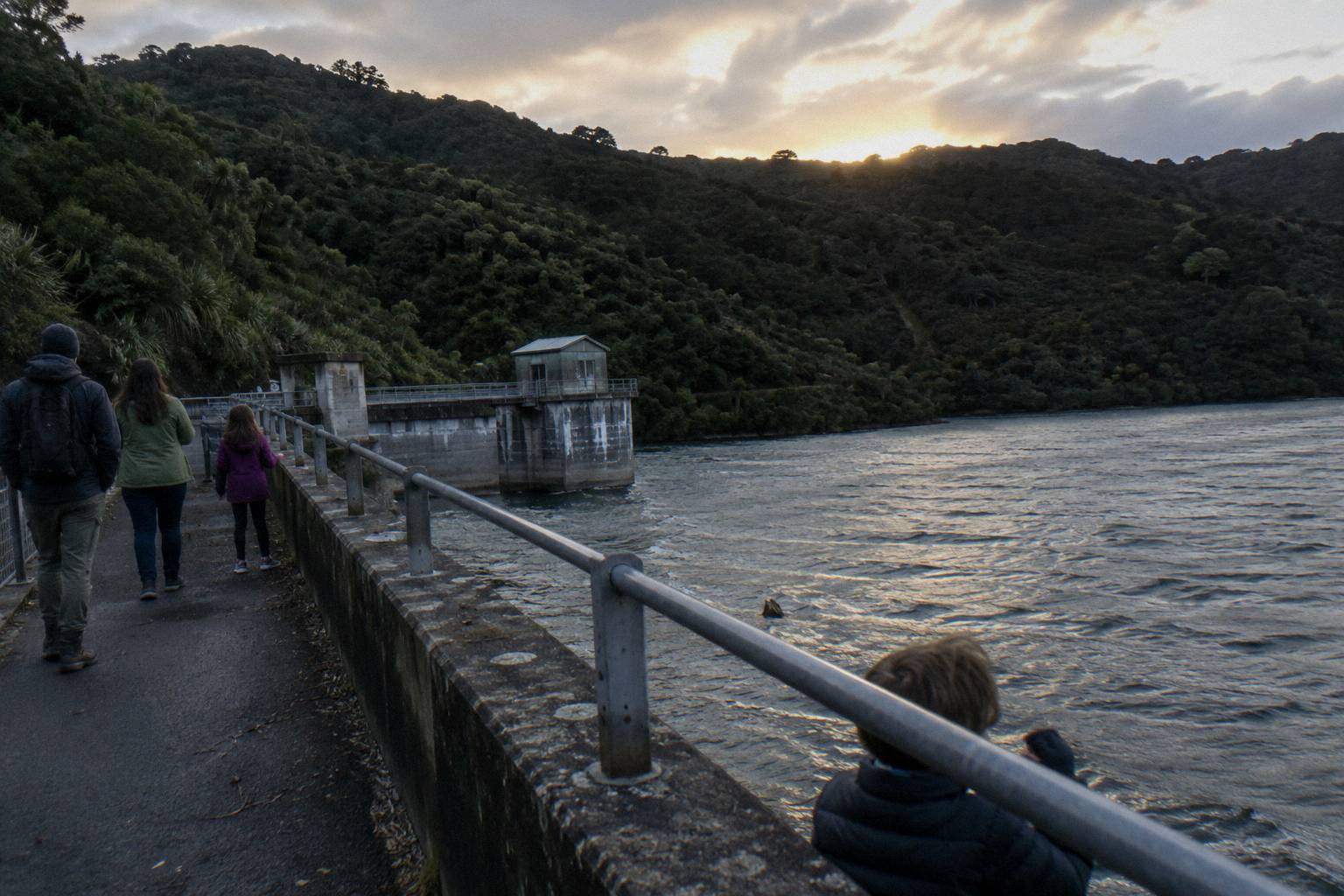
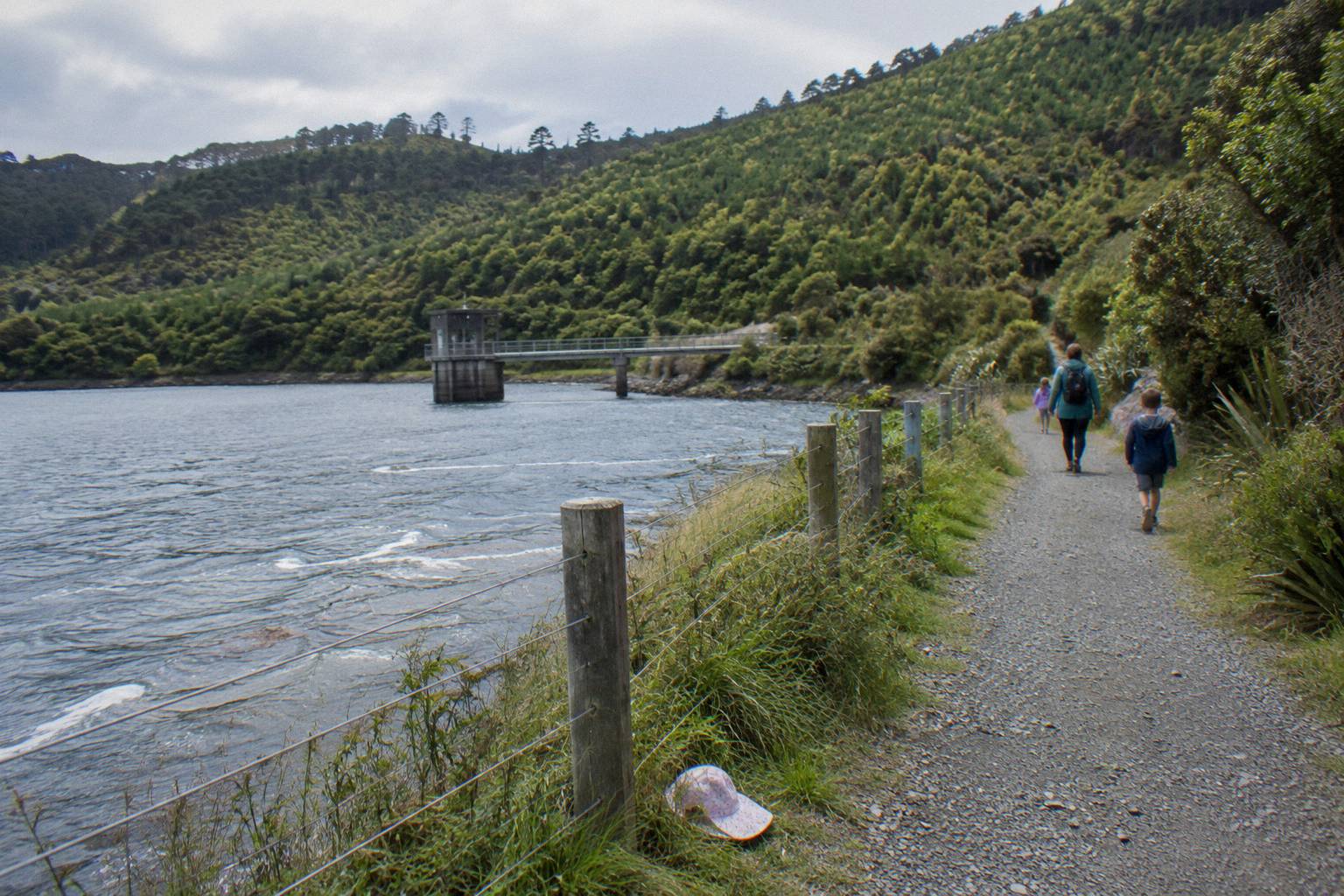
A useful starting point: Zealandia is the world's first fully fenced urban ecosanctuary, an 8.6 km predator-exclusion fence finished in 1999 around a valley that was once Wellington's water supply. The animals inside are not exhibits. They are wild birds and reptiles living in a regenerating forest, and the tours are built around finding them, which is why the guides always describe sightings as chances rather than promises.
That single distinction drives most of the decision. If your picture of a wildlife half day is guaranteed close views of specific animals in enclosures, that is the zoo model and the zoo can tell you what it offers. If it is a guided walk through a forest valley where takahe, tuatara, kaka and hihi live on their own terms, with a guide who knows where they feed and nest, the Zealandia tours are built for exactly that.
What Should Tip The Choice Between Them?
Four factors do most of the work: whether you want wild animals or curated exhibits, whether a guide adds value for you, who is travelling with you, and how fixed your schedule is. Zealandia tours are guided walks of about two to two and a half hours in groups capped at 12, with age limits on the evening options. A zoo visit runs on its own timetable, which you would confirm with the zoo directly.
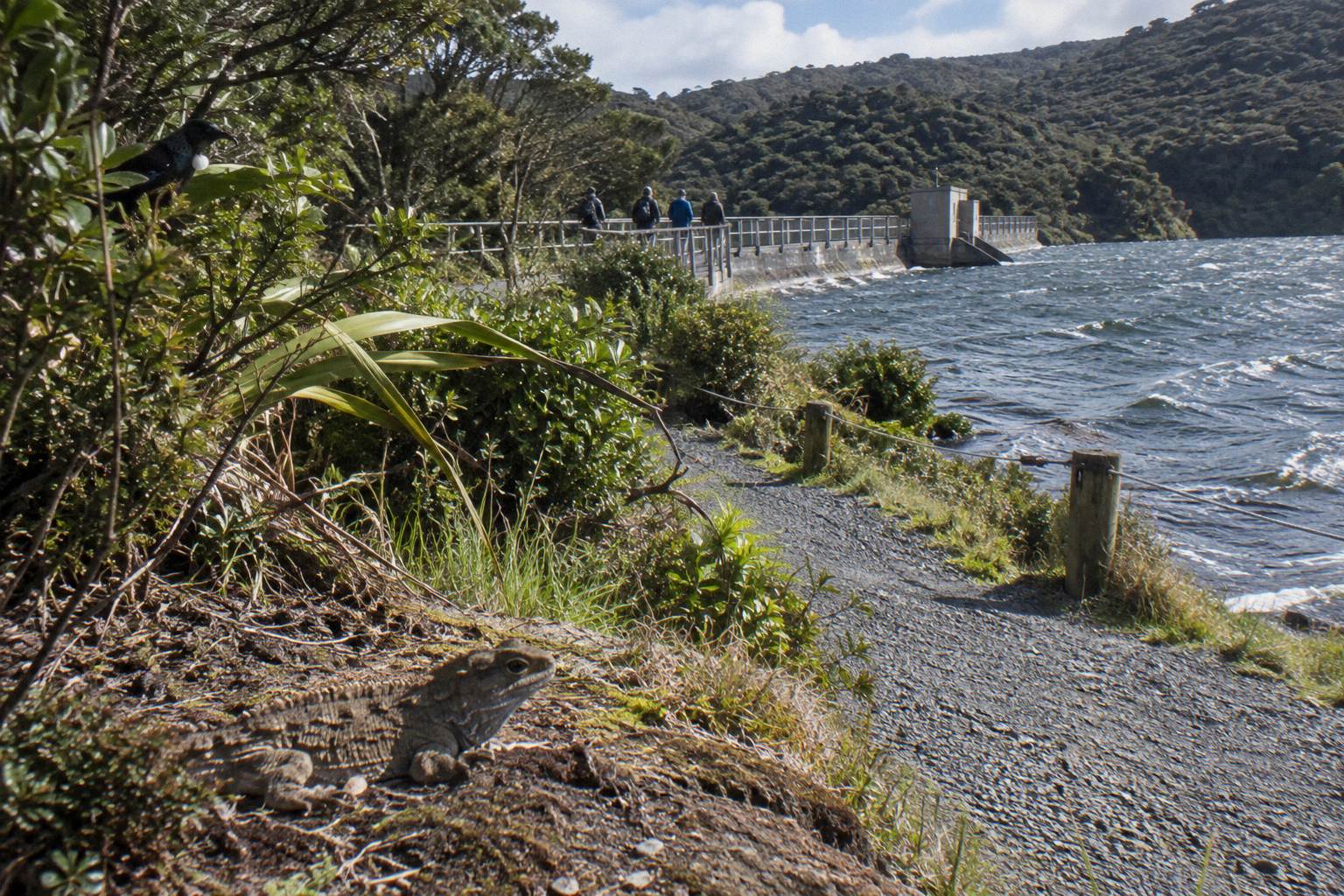
Start with the wild-versus-curated question, because everything else follows from it. Inside Zealandia the animals roam a whole valley. Takahe graze where they please, kaka circle the canopy, tuatara bask near their burrows, and hihi work the nectar feeders. Nothing is in an enclosure, which means nothing is certain. The official tour pages phrase every sighting list as what you "might see", and the general admission page goes further, noting that nocturnal wildlife such as kiwi, ruru, weta and frogs are very unlikely by day. A guide tilts the odds by knowing the valley, but the animals make the final call.
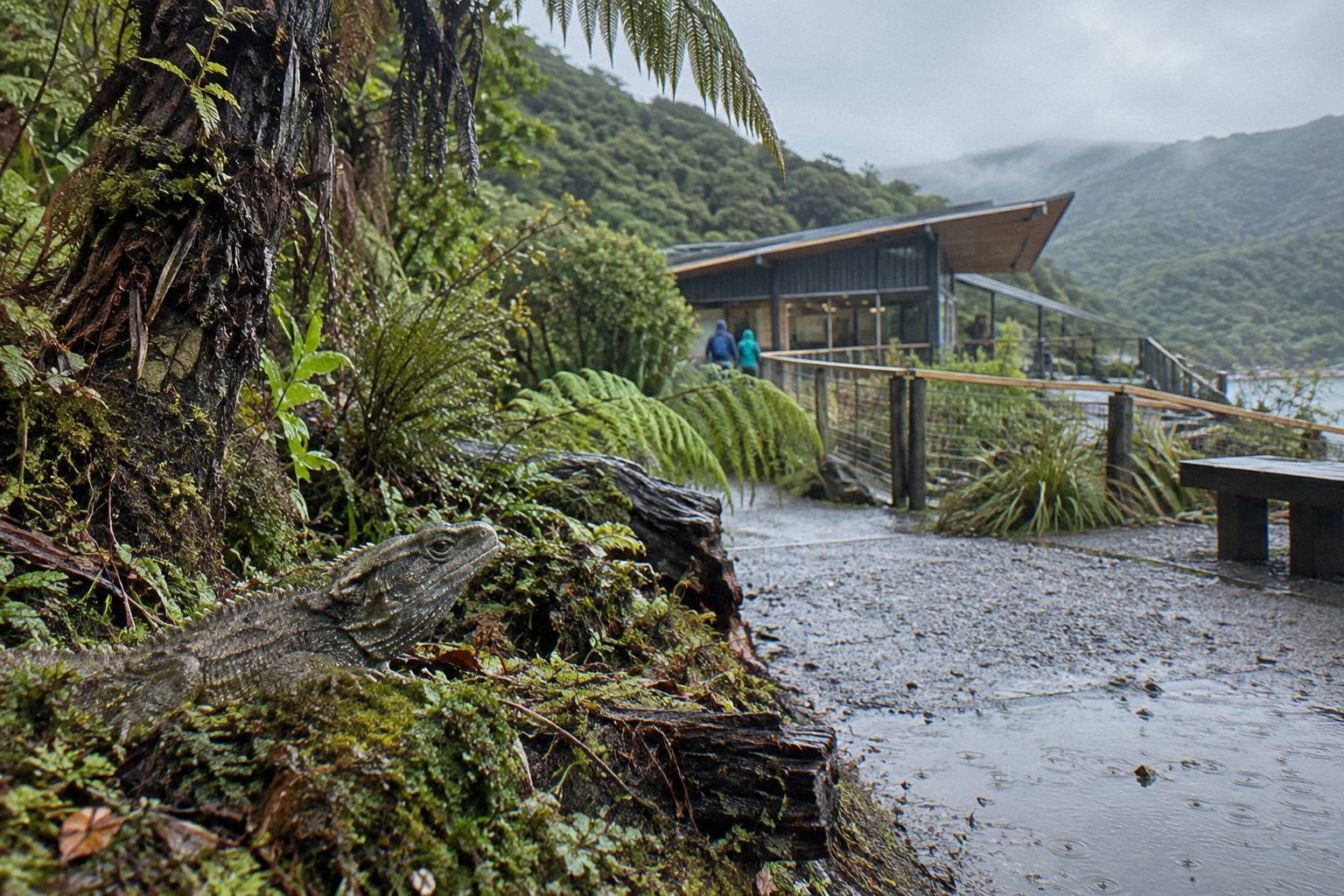
The guide question matters more than people expect. On a Zealandia By Day walk, a professional guide leads up to 12 people for about two hours, starting with a short intro video in the visitor centre. The guide reads the forest: where the tieke are working the leaf litter, which bench a tuatara has favoured this week, when the kaka will come through. On a self-paced visit you can still walk the tracks, and plenty of people enjoy exactly that, but the guided version converts a bushwalk into a wildlife-finding exercise. Our guide to whether a guided tour beats a self-guided visit works through that trade-off in detail.
Who is travelling shapes the choice sharply. The day tour has no minimum age, under 5s are free, pushchairs are fine, and children just need to be with an adult. The night tour sets a minimum age of 12, and the sanctuary points families with younger children to the Twilight Tours and the Kids' Night Walks instead. So a family with a six-year-old has a clear Zealandia option, while a couple chasing a kiwi sighting has a different one. Ask the zoo directly about its own provisions for children if that is the other half of your comparison.
Schedule flexibility is the fourth factor. The day tour runs daily with departures from 10am and more in summer, and every tour ticket includes a General Admission pass valid for the tour day and the next day, which effectively turns a two-hour tour into a two-day sanctuary access pass. Free cancellation up to 24 hours before the start also protects a tight itinerary. A zoo visit's hours and booking terms are its own to state, so check with them before locking in a plan.
Which Tour Fits Which Traveller?
Families with children of any age fit the day tour, from NZ$70 per person, no minimum age, under 5s free. Travellers wanting a kiwi chance need the night tour, from NZ$120, minimum age 12, kiwi seen on most tours but never guaranteed. Those wanting dusk atmosphere with kids five and over fit the twilight tour, from NZ$110, October to March.
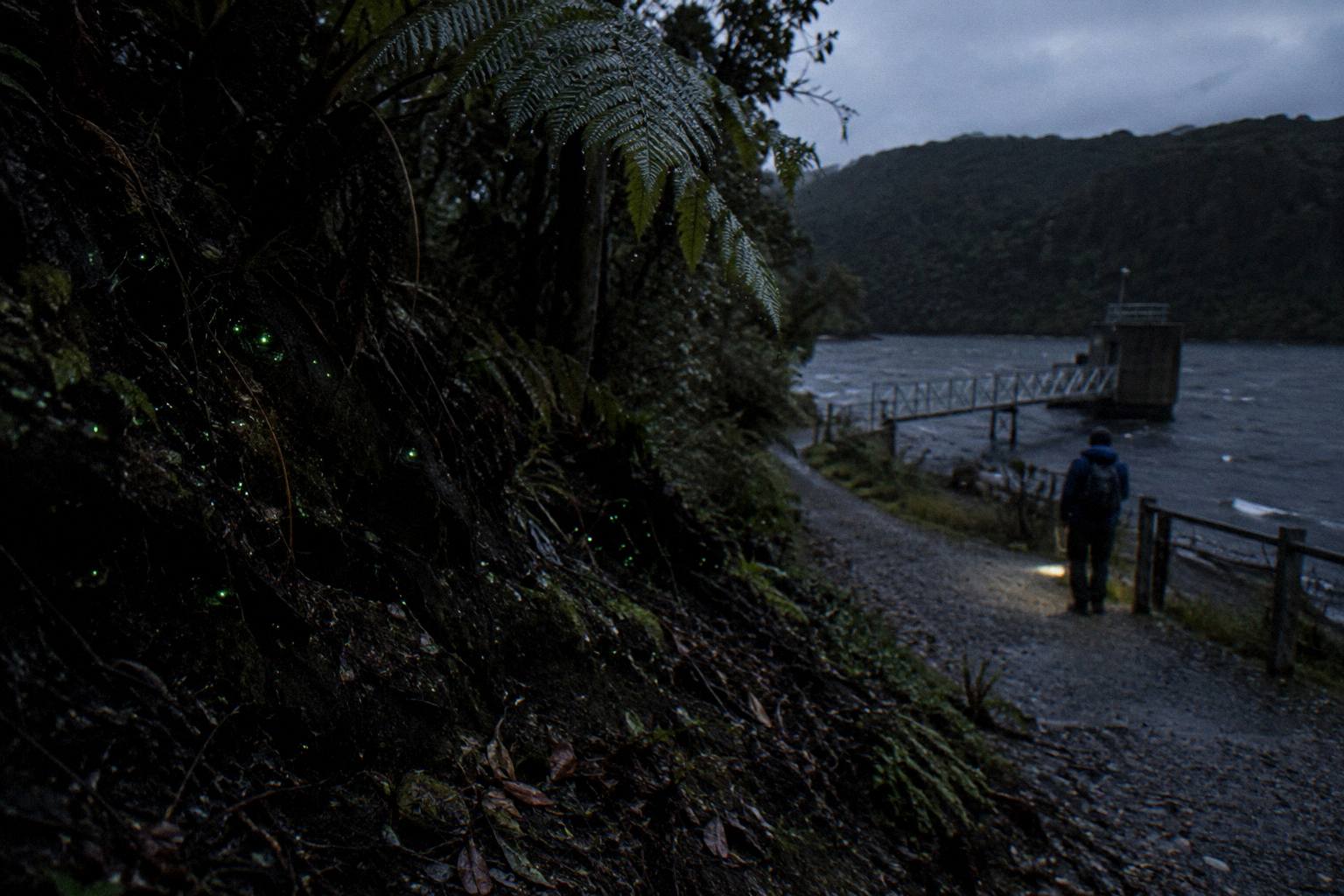
The day tour is the broadest fit. It runs about two hours, daily, with departures from 10am and extra slots in summer, in groups of up to 12. The walk covers slopes, gravel and uneven ground; the booking page calls it not strenuous but says reasonable fitness is needed, and sturdy shoes, warm clothes and a waterproof layer are the recommended kit because it runs in almost all weather. Photography is allowed throughout. For a first-time visitor to New Zealand who wants native birds explained rather than merely spotted, it is the natural entry point, and the two-day admission that comes with the ticket rewards anyone who wants to return and explore the more than 32 km of tracks alone.
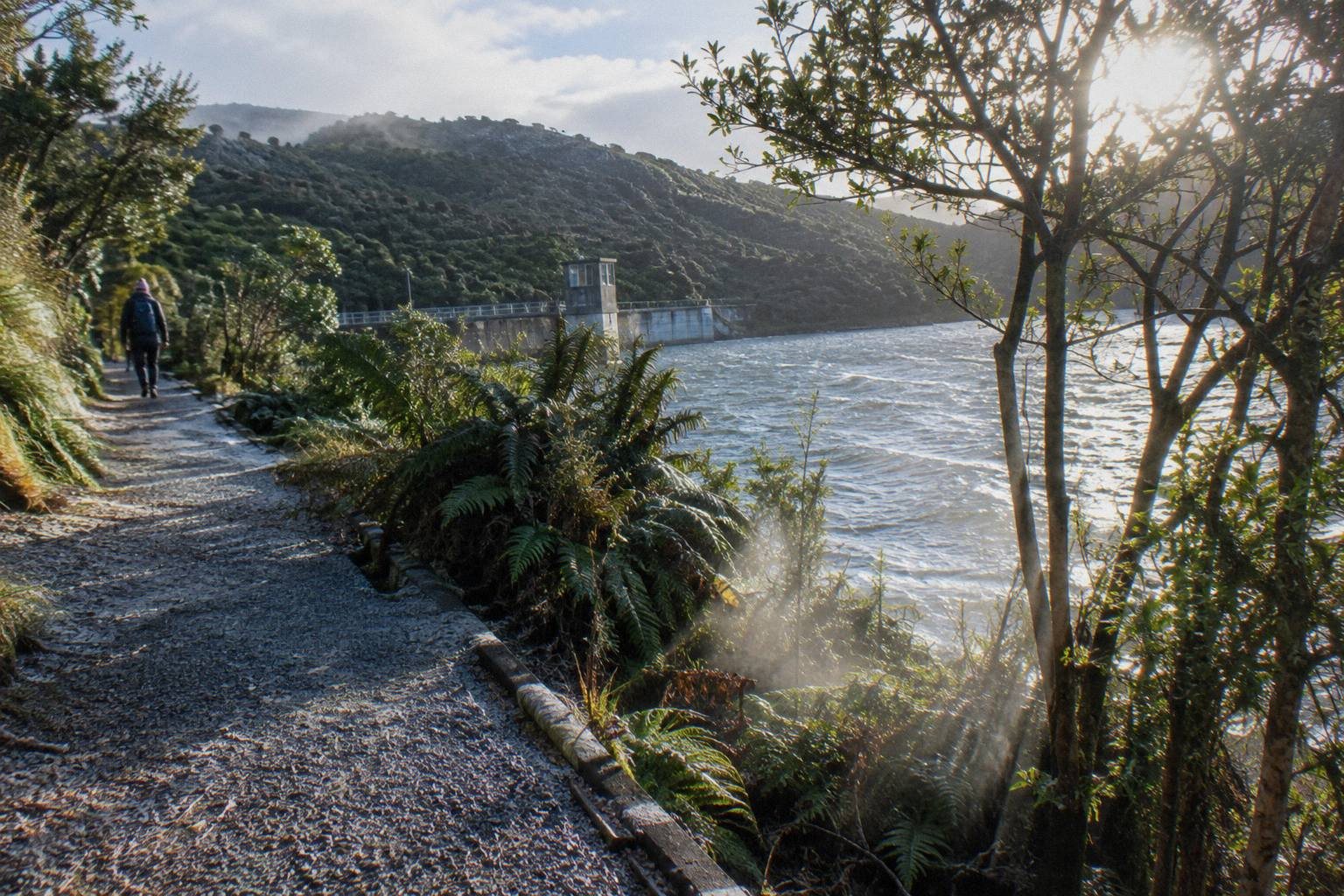
The night tour is the specialist option. It runs about two and a half hours around dusk, nightly, with the start time confirmed at booking because it moves with the season. Torches are supplied for the torchlit valley walk. This is the only one of the four tours where little spotted kiwi are a realistic prospect, and the official wording is careful: they are seen on most tours, but sightings are not guaranteed. The walk ends with a warm kawakawa, lemongrass and ginger tea at the visitor centre. The minimum age of 12 is firm, and families with younger children are pointed to the twilight and kids' options instead.
The twilight tour sits between them: about two and a half hours from daylight into dark, minimum age 5, October to March on the sanctuary's schedule, with the dusk chorus and birds settling to nest as the backdrop and hot kawakawa tea included. For readers weighing the day and evening formats against each other, our piece on what changes between day and twilight tours covers the differences in full.
There is also a fourth, quieter option worth knowing about: the Forest Secrets Plant Walk, a plants-led two-hour walk at 10:30am on Sunday mornings, up to 12 people, no minimum age, from NZ$70 per person. It is a new listing with no rating yet, and it suits travellers who have already seen the birds and want the forest itself explained, how the plants compete and adapt. If your zoo-versus-sanctuary question is really a "which nature experience" question, keep it on the list.
What Do The Four Guided Walks Offer On Paper?
The printable facts are: Zealandia By Day, about 2 hours, from NZ$70, rated 4.8 from 252 reviews, no minimum age. Zealandia By Night, about 2.5 hours, from NZ$120, rated 4.8 from 164 reviews, minimum age 12. The Twilight Tour, about 2.5 hours, from NZ$110, rated 4.8 from 84 reviews, minimum age 5, October to March.
These figures come from the official tour pages and the live listings, and they are the only numbers printed about the tours. Ratings always travel with their review counts here, because a rating without its pool invites readers to imagine a larger sample than exists. All three established tours currently sit at 4.8, with the day tour carrying the largest review base at 252 and the twilight tour the smallest at 84. The Forest Secrets Plant Walk has no rating or review count yet at all, which is worth knowing rather than glossing over: it is simply a new listing.
| Tour | Length | From price | Rating | Min age | Group size |
|---|---|---|---|---|---|
| Zealandia By Day | about 2 hours | NZ$70 per person | 4.8 from 252 reviews | none, under 5s free | up to 12 |
| Zealandia By Night | about 2.5 hours | NZ$120 per person | 4.8 from 164 reviews | 12 | up to 12 |
| Zealandia Twilight Tour | about 2.5 hours | NZ$110 per person | 4.8 from 84 reviews | 5 | up to 12 |
| Forest Secrets Plant Walk | about 2 hours | NZ$70 per person | no rating yet, new listing | none | up to 12 |
What the table hides is the difference in what each walk is for. The day tour is a general introduction: a short intro video, then a guided walk looking for takahe, tuatara, hihi, kaka, tieke, toutouwai and pateke, plus the commoner forest birds such as tui, kereru and korimako. All of those are chances, never promises. The night tour trades the daylight bird list for nocturnal possibilities: little spotted kiwi, tuatara, takahe, pateke, wetapunga, Hamilton's frog, ruru, glowworms and kaka, with the glowworms pointed out in the banks by the guides. The twilight tour overlaps both worlds, starting in light and finishing in dark.
Every tour ticket includes a General Admission ticket valid for the tour day and the next day. That inclusion changes the value calculation more than the headline price suggests: the day tour is a two-hour guided walk plus a second day of self-guided access to the valley, and the same applies to the night and twilight tickets. Food and drinks are not included on the day tour, nor is hotel pickup and drop-off on any of them, so budget a little extra and plan your own transport.
How Do Cancellation And Booking Work?
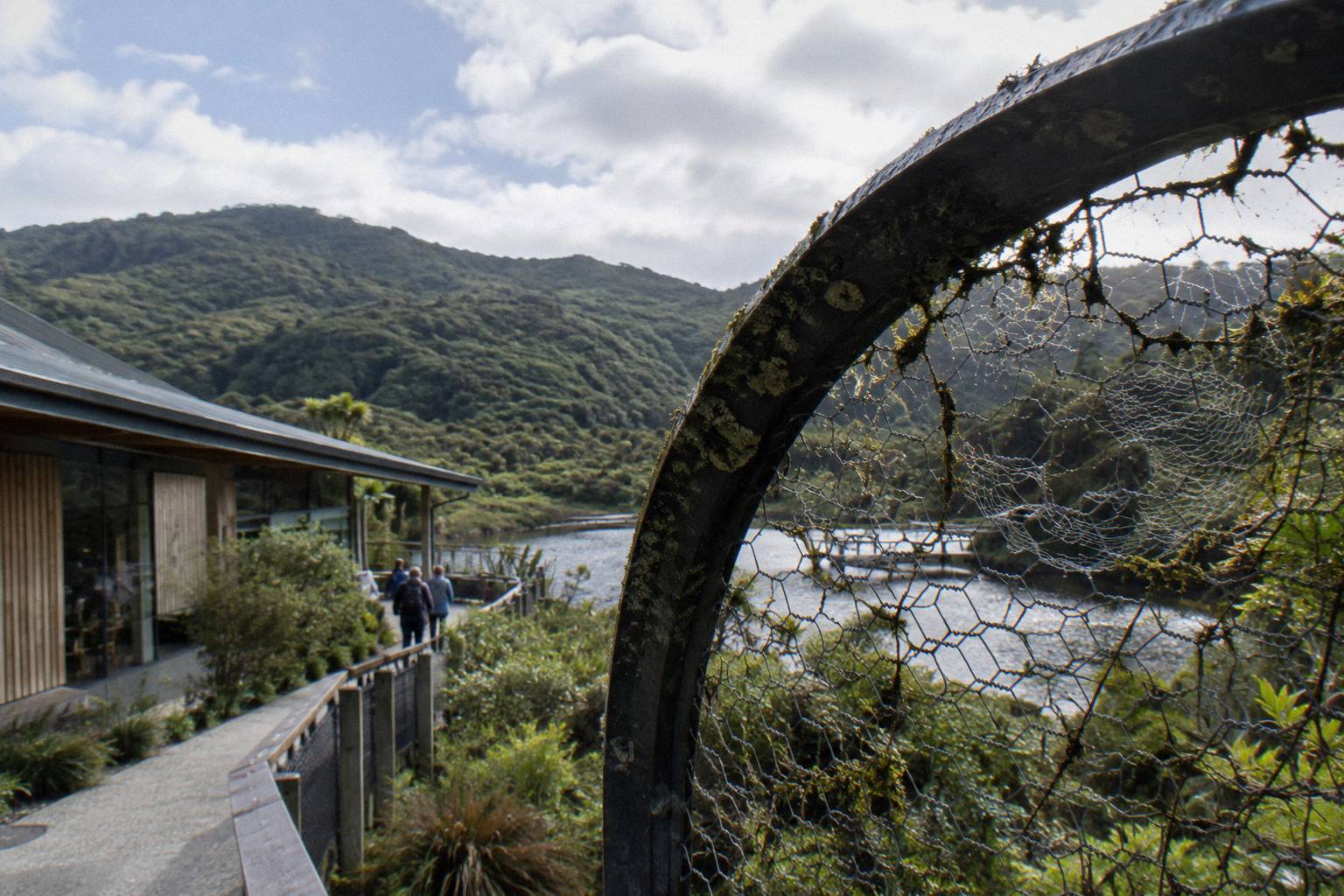
All four tours carry free cancellation up to 24 hours before the start. Booking runs through the operator's live listing, the meeting point is inside the visitor centre at 53 Waiapu Road, Karori, and you should arrive 15 minutes early. For the zoo's booking and refund terms, ask the zoo directly.
The 24-hour cancellation window is consistent across the whole lineup, which matters for a half-day decision: if Wellington's famously changeable weather turns, or a cruise schedule shifts, or a child wakes up unwell, you have a clean exit up to a day ahead. For more on how weather interacts with these tours, our post on whether Zealandia tours run in the rain covers the sanctuary's own position that the day tour runs in almost all weather and may only be called off in extreme conditions.
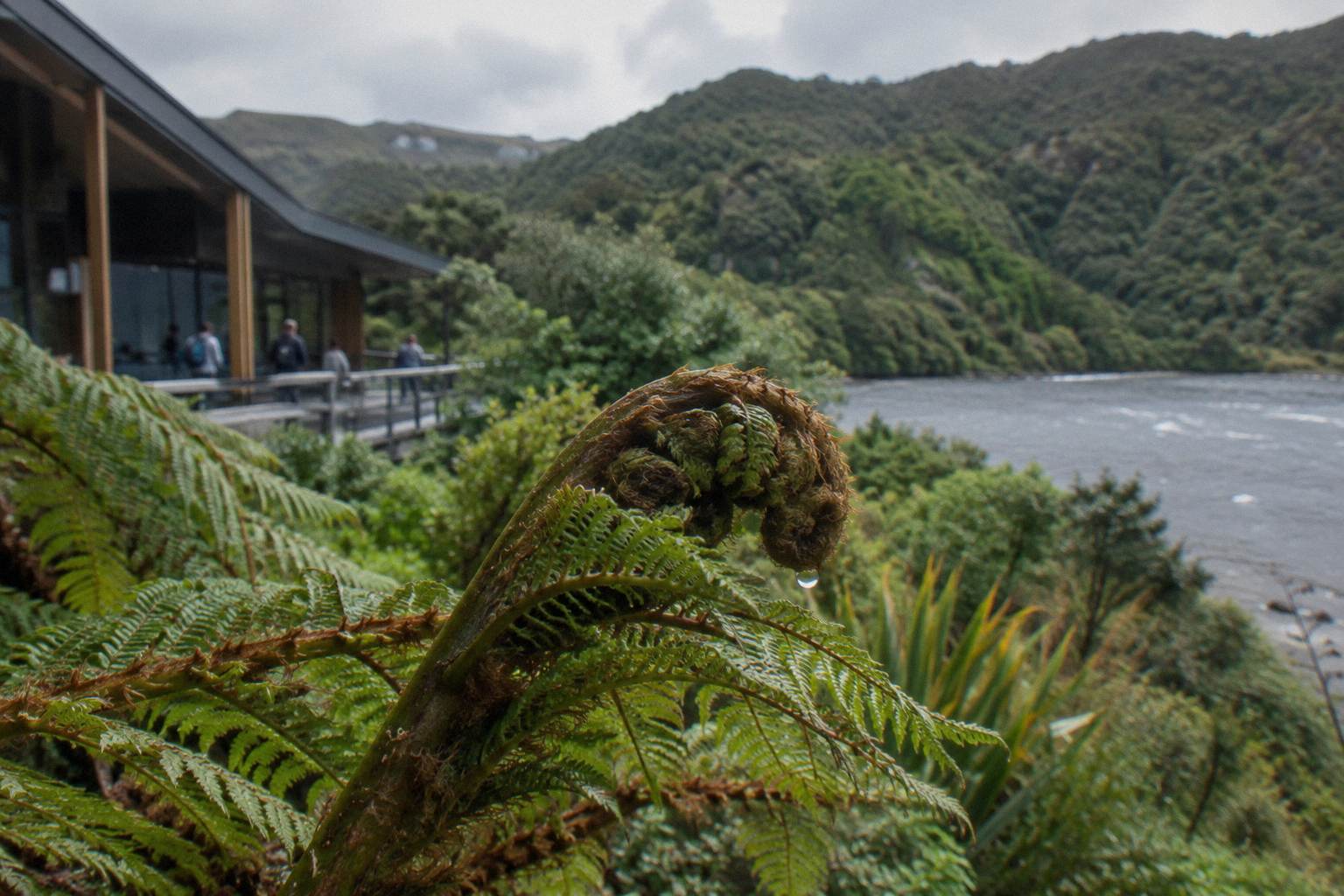
Booking logistics are simple on the sanctuary side. All tours start inside the visitor centre at 53 Waiapu Road, Karori, Wellington 6012, and the standard advice is to arrive 15 minutes early. The night and twilight tours start after the day shuttle has finished, so evening visitors make their own way; the after-hours entry is up the driveway to the right of the building, and visitors may not stay behind in the sanctuary after closing to wait. The sanctuary itself is open daily except Christmas Day, 9am to 5pm with last entry at 4pm, though hours are worth confirming on the official site before you travel. Other pages covering the same trip are gathered on Zealandia Day Tour.
One booking quirk worth flagging: Mandarin-language day departures exist and need a minimum of four people to run, and the tour may be cancelled if that number is not reached. If a Mandarin departure is what you need, that threshold is part of the deal, and the same "ask the operator when you book" rule applies to any language question on the other tours.
Do you need to book in advance at all? In peak summer, when the day tour adds departures and the night tour is running nightly, the 12-person cap on every tour means popular slots can fill. The full reasoning, including how the two-day admission plays into timing, is in our guide to whether to book a Zealandia tour ahead. The short version: booking ahead costs you nothing if plans change inside 24 hours, and it removes the risk of a full group.
What To Ask The Operator Before You Book
Ask four things: whether the tour still has space for your date, what the confirmed start time is for any dusk-based walk, what the operator's own conditions say about mobility and accessibility, and anything the listings do not state, such as a price or schedule detail you need. The printed facts only go so far, and the operator fills the gaps.
The first question is the obvious one and worth asking early: space on your date. Groups cap at 12 on every tour, so a family of five plus another couple can fill a third of a departure on their own. The live listing shows current availability, and the operator can confirm anything the listing's calendar does not make clear.
The second is the dusk-time question. The night tour starts around dusk and the twilight tour runs from daylight into dark, and in both cases the clock start moves with the season, so the exact time is confirmed at booking rather than printed anywhere. If your half day is actually a precise window, say a free afternoon before an evening flight, confirm the start and end times against that window before booking rather than assuming.
The third is accessibility. The sanctuary's own accessibility page says much of the lower valley is wheelchair and pram friendly, there is a lift in the visitor centre, free mobility scooters if you ask ahead, accessible toilets, and a companion enters free. Against that, the day tour booking page describes uneven surfaces and a moderate level of walking, and the free shuttle has no chairlift. No article should tell you a tour does or does not suit a particular disability: the operator can, quoting its own conditions, so ask when you book.
The fourth is the zoo side of your comparison. The site prints no zoo facts by design, so the questions that complete your decision, the animals you can see, the hours, the prices, the food options, the accessibility, belong to the zoo's own information channels. Ask them directly and put the answers beside the table above. The clean way to run this comparison is verified sanctuary facts on one side, the zoo's own statements on the other, and your verdict built from both.
A smaller fifth question, if it applies: dogs. Service and guide dogs are the only dogs admitted to the sanctuary, with advance notice, and never at night, including on night tours. If a service dog travels with you, arrange it before booking the evening walks.
What Makes The Sanctuary Different In Kind?
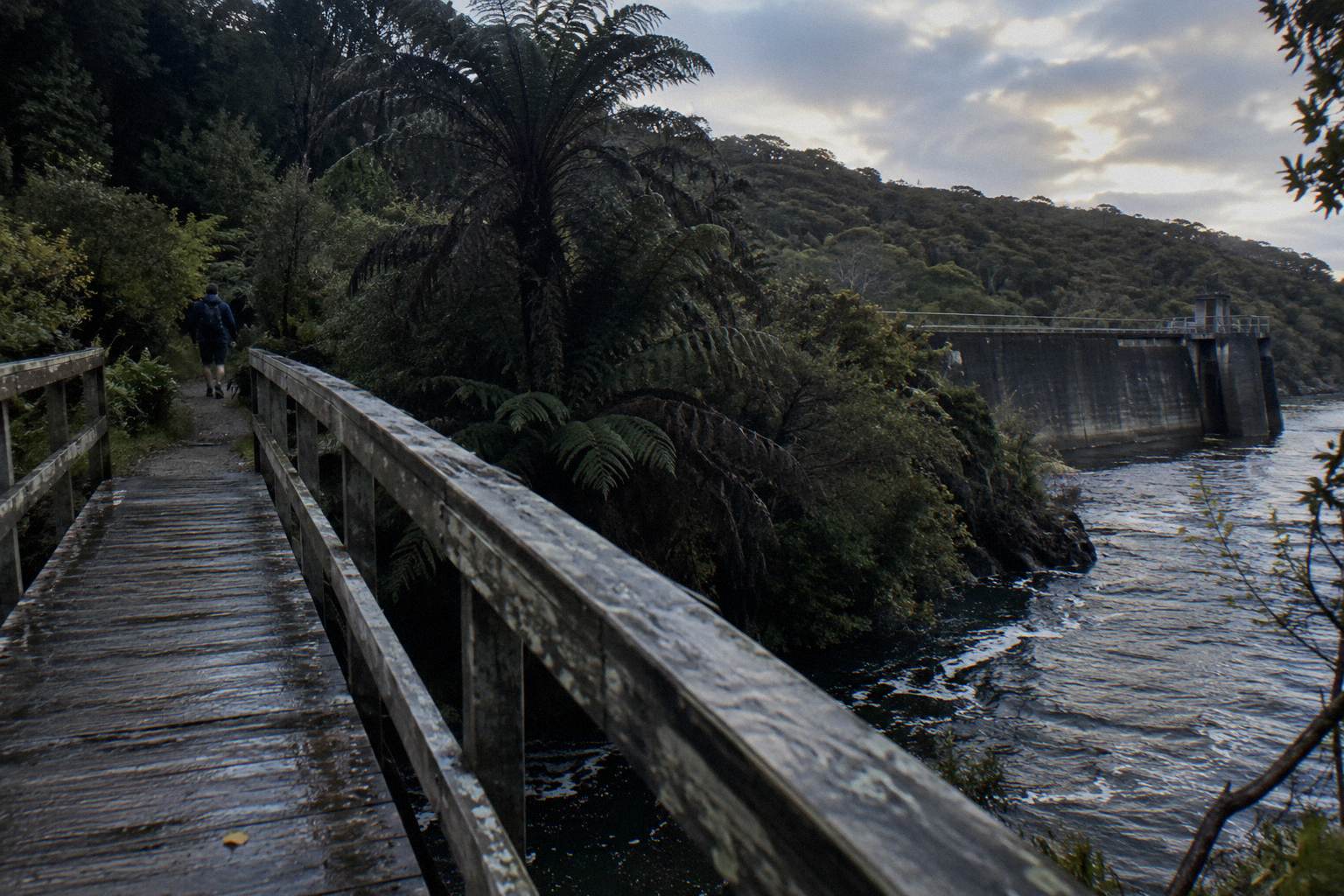
Zealandia is a fenced restoration project, not a collection: 225 hectares behind an 8.6 km predator-exclusion fence completed in 1999, the world's first fully fenced urban ecosanctuary, where the animals are wild residents rather than exhibits. The fence, not the tour, is the reason the wildlife is there.
The project began with a 1992 proposal by Jim and Eve Lynch, and the Karori Sanctuary Trust launched in 1995. The fence went up between April and August 1999: 2.2 metres high with a mesh skirt below ground, designed to exclude mammalian predators. Possums and hedgehogs were gone by the end of 1999 and the last rabbit by 2000, creating the first mammalian predator-free zone in an urban environment anywhere. Every takahe, tuatara and kaka you might see on a tour exists inside that fence because the fence made survival possible.
The reintroduction record explains what a tour walks through. Little spotted kiwi arrived in 2000 and 2001, tuatara returned in 2005 and 2007 in the first mainland release of its kind, a takahe pair arrived in 2011, and kaka came back in the early 2000s. Takahe are Nationally Vulnerable and little spotted kiwi are At Risk-Recovering, so the animals on any sighting list are conservation stories, not set dressing. A guide can usually tell you which reintroduction the bird in front of you belongs to.
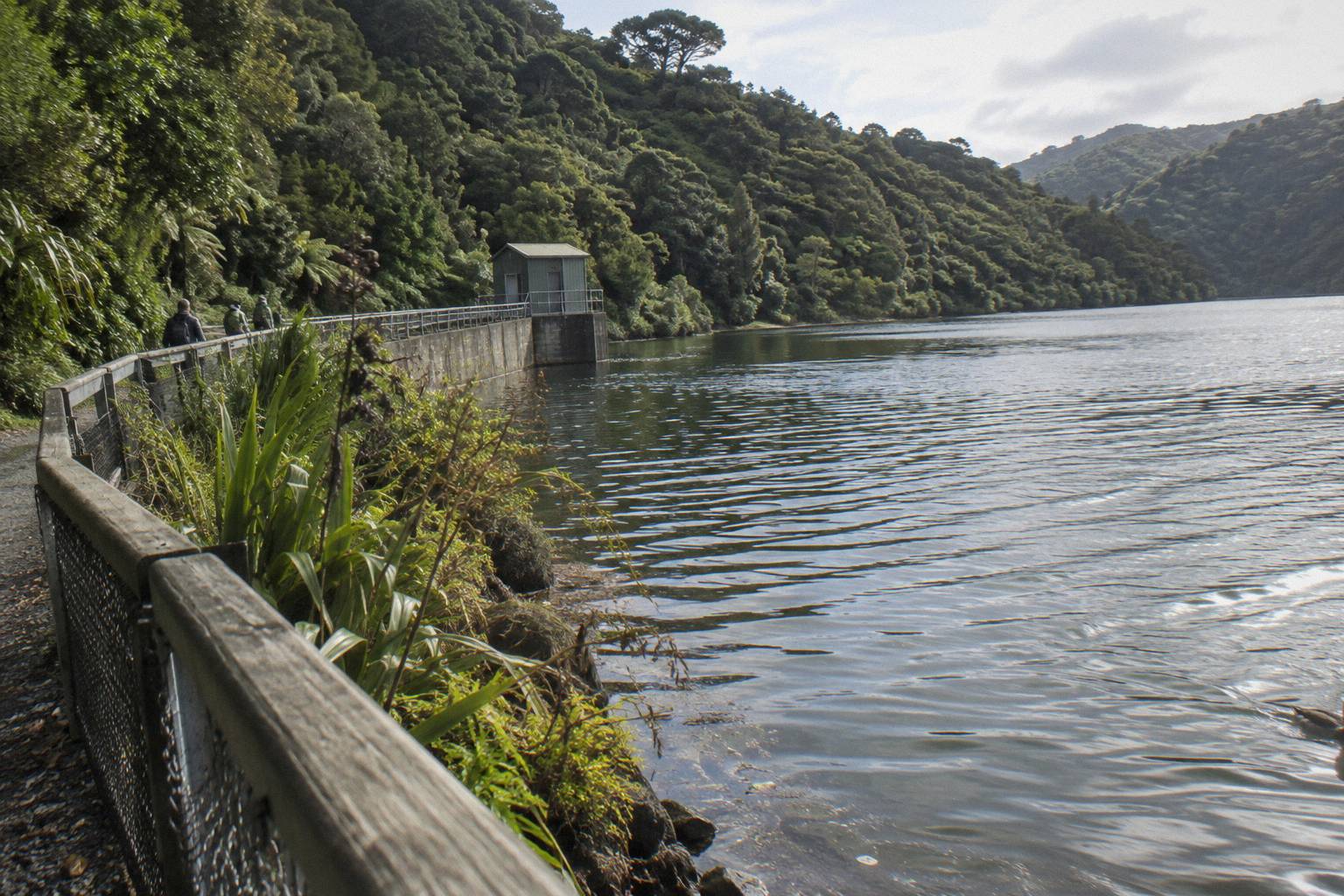
This is the structural difference from a zoo, stated without judgment. A zoo curates a guaranteed animal experience and tells you exactly what is there. Zealandia restores an ecosystem and lets the animals behave as residents, which means the experience is candid about chance: the same walk on two different days produces two different lists. Some travellers find that uncertainty the entire appeal, the thrill of a takahe stepping out of the flax on its own terms. Others prefer certainty and are better served elsewhere. Neither preference is wrong, and a "better" verdict from a writer would paper over that genuine difference of temperament.
The restoration also explains the pace. This is a 500-year vision, with a 25-year strategy running from 2016 to 2035, and the forest you walk through is mid-recovery rather than finished. Guides frame it that way: the valley is a work in progress you are standing inside, which is a rarer thing to buy a ticket to than it sounds.
How Does Getting There Shape A Half Day?
The sanctuary sits at 53 Waiapu Road, Karori, about 10 to 15 minutes by a free electric shuttle from outside the Takina Convention Centre on Wakefield Street or the top of the Cable Car. The shuttle has 11 seats, space is not guaranteed, and Zealandia By Day ticket holders get priority seating if they arrive 10 minutes early.
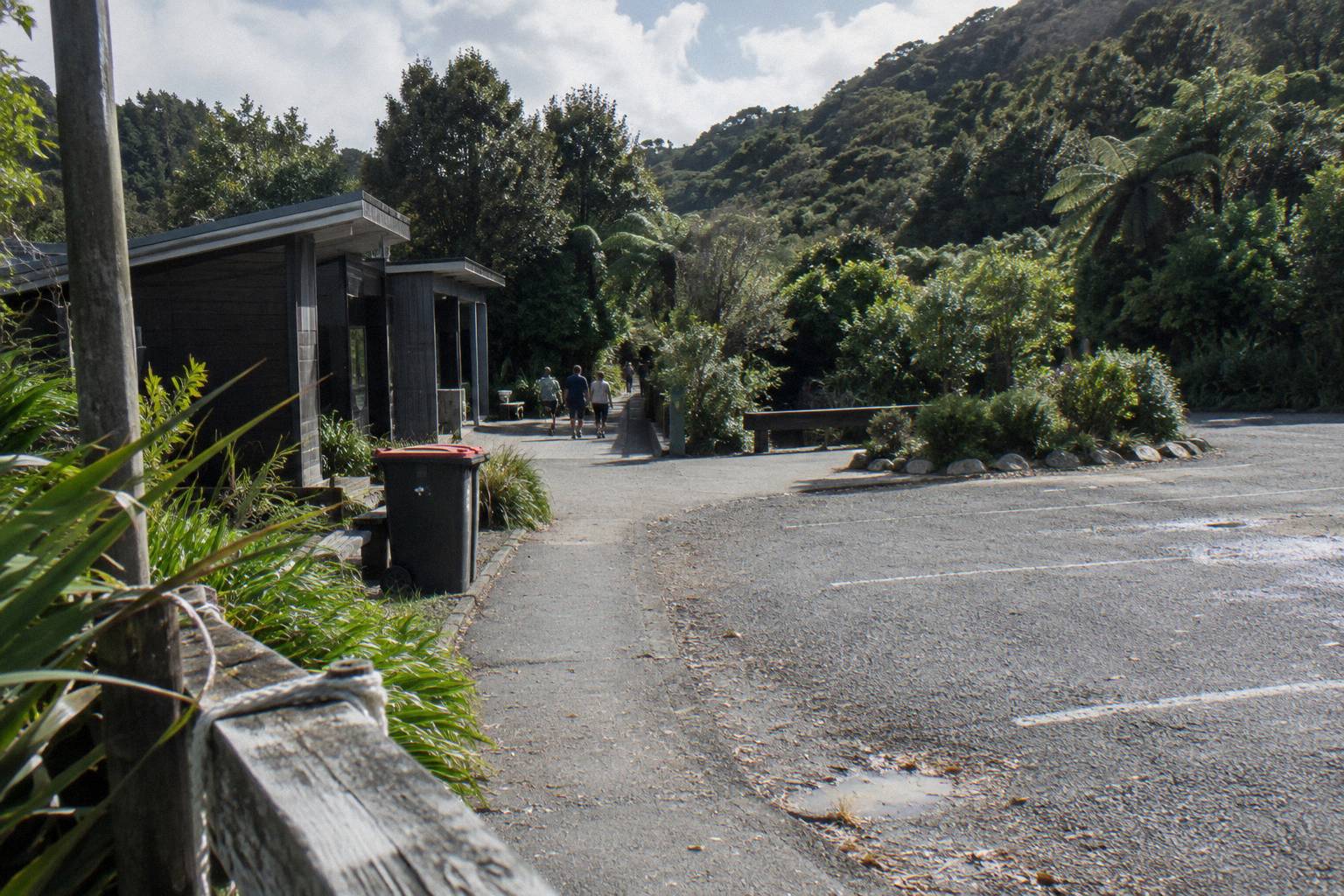
For a half-day plan, transport is the hidden time cost. The shuttle details are on the sanctuary's own getting here page, and the practical reading is this: the shuttle works well for the day tours, less well for evening ones, because night and twilight tours start after the day shuttle has finished. Evening visitors need a bus, a car or a taxi each way.
| Transport option | Route | Time | Things to know |
|---|---|---|---|
| Free electric shuttle | Takina Convention Centre (Wakefield Street) or top of the Cable Car to the sanctuary | about 10-15 minutes | 11 seats, space not guaranteed, day tour ticket holders get priority seating if 10 minutes early |
| Public bus | Stops at Northland Road and Birdwood Street | about a 5-minute walk from the stops | works for day and evening tours |
| Cable Car plus walk | Cable Car to the top of the Botanic Garden, then walk | about a 30-minute walk | or take the free shuttle from the Cable Car top instead |
| Car | Direct to 53 Waiapu Road, Karori | varies by traffic | limited parking on site, overflow car park on Birdwood Street about 500 m, register your plate at the kiosk |
Public buses stop at Northland Road and Birdwood Street, both about a five-minute walk from the entrance. Driving is viable too: parking at the sanctuary is limited, with an overflow car park on Birdwood Street about 500 metres away where you register your plate at the ground-floor kiosk, and campervans over 5.4 metres by 2.4 metres must use the overflow or Chaytor Street. Note the Karori tunnel's 3.05 metre height limit if you are driving anything tall. A third route many visitors enjoy is the Cable Car to the top of the Botanic Garden, then the free shuttle or a walk of about 30 minutes down to the sanctuary.
Once there, allow time for the biosecurity gates. Everyone checks their own bags and pockets for seeds, mice and lizards before entering through the double gates. It takes a couple of minutes and it is a real part of how the fence stays effective, so build it into your arrival rather than treating it as a queue.
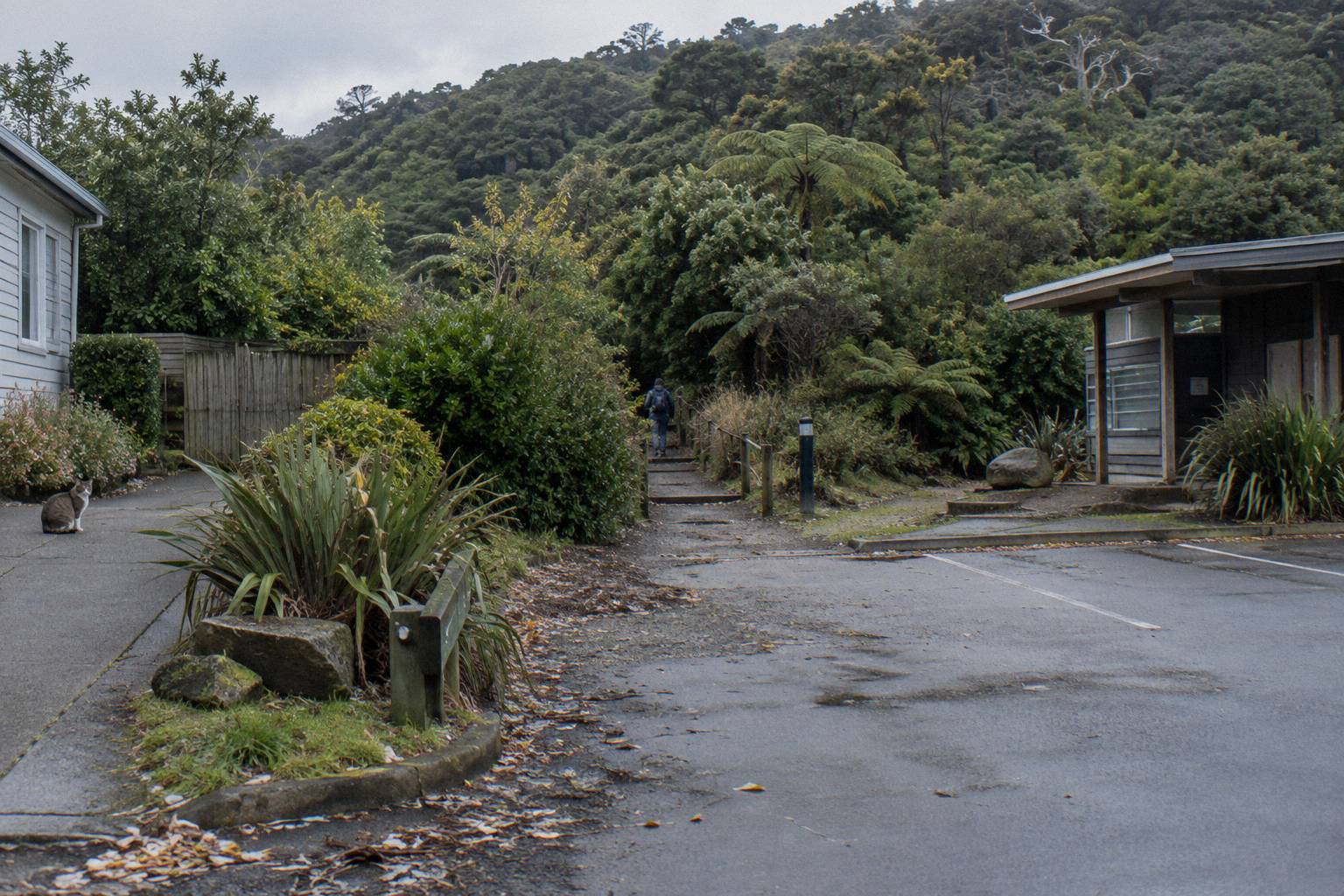
None of this is hard, but it adds up. A two-hour day tour plus shuttle each way plus the arrival buffer of 15 minutes early is closer to a four-hour round trip from the city centre, which still fits a half day with room to spare, especially since the ticket's second-day admission lets you return on a quieter morning if the birds were shy. Plan the zoo side of your comparison with the same round-trip candor, using the zoo's own location and transport information.
Common Mistakes When Choosing Between The Two
The recurring mistakes are expecting kiwi on a day tour, treating the two options as interchangeable wildlife products, ignoring the age limits on the evening walks, assuming transport is included, and expecting the same certainty from a sanctuary that a curated collection provides. Each one is avoidable with a fact in hand.
Expecting kiwi by day is the most common. Kiwi are nocturnal, and the sanctuary's own general admission page says nocturnal wildlife such as kiwi, ruru, weta and frogs are very unlikely by day. The kiwi prospect belongs entirely to the night tour, where sightings happen on most tours but are never guaranteed. Booking a day walk and hoping for a kiwi is a planning error, not bad luck.
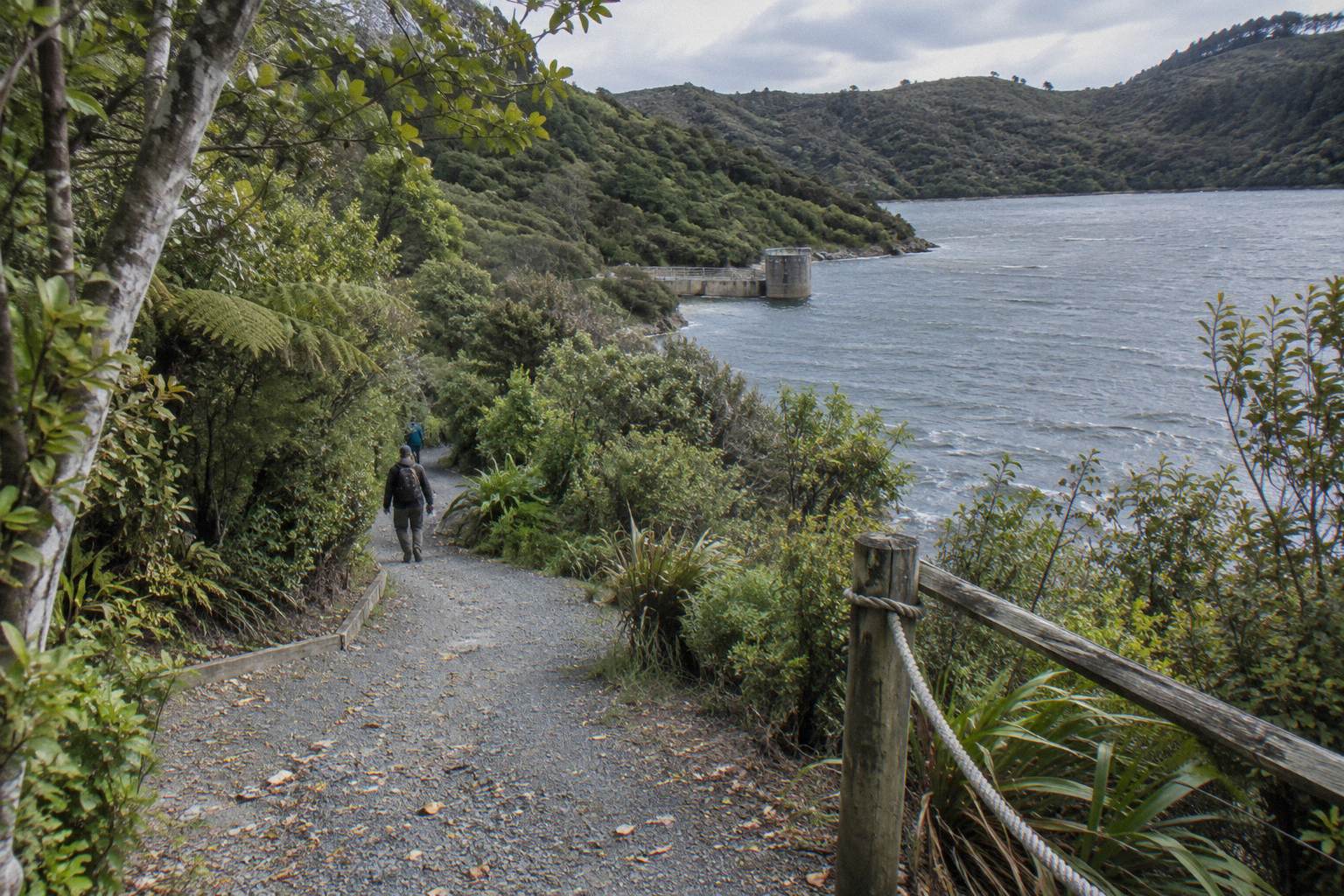
Treating the options as interchangeable is the deeper mistake. A fenced sanctuary tour and a zoo visit answer different questions: one is a bet on wild behaviour with a guide to improve the odds, the other is a designed experience with known contents. Deciding which question you are actually asking, wild chance or curated certainty, resolves most of the choice before any price comparison starts.
Ignoring the age limits bites families. The night tour's minimum age of 12 is firm, and the sanctuary deliberately points families with younger children to the Twilight Tours and the Kids' Night Walks, which run April to September with a minimum age of 5, while the twilight tours run October to March. Matching the calendar and the ages in your group to the right walk is a five-minute check that saves a cancelled booking.
Assuming transport and food are included is a smaller but real one. No Zealandia tour includes hotel pickup or drop-off, the day tour excludes food and drinks, and the evening walks start after the free shuttle finishes, so plan your own way home from Karori after dark. Finally, expecting certainty: every wildlife claim on the sanctuary side is phrased as a chance, and that phrasing is the product. If guaranteed sightings are the requirement, weigh the zoo's offer on its own stated terms instead.
Common Questions About Zealandia Versus The Zoo
Zealandia Tour Or Wellington Zoo: Which Wildlife Half Day Is Better?
There is no single verdict, because the two are different kinds of experience. Zealandia offers guided walks among wild, free-living native birds and reptiles in a 225-hectare fenced valley, with sightings always chances. For the zoo's animals, hours and prices, ask the zoo for its own details and compare directly.
Can You See A Kiwi On A Zealandia Tour?
Only on the night tour. Kiwi are nocturnal and the sanctuary's general admission page calls them very unlikely by day. Little spotted kiwi are seen on most night tours, but sightings are never guaranteed.
Which Zealandia Tour Suits Families With Young Children?
The day tour: no minimum age, under 5s free, pushchairs fine, children with an adult. The twilight tour takes ages 5 and over from October to March, and Kids' Night Walks run April to September for ages 5 and up.
How Long Does A Zealandia Tour Take?
About two hours for the day tour and the Forest Secrets Plant Walk, and about two and a half hours for the night and twilight tours. Add travel time and arrive 15 minutes early.
Do Zealandia Tour Tickets Include Entry To The Sanctuary?
Yes. Every tour ticket includes a General Admission ticket valid for the tour day and the following day, so you can return self-guided the next morning.
Can I Cancel A Zealandia Tour If My Plans Change?
Yes, all four tours carry free cancellation up to 24 hours before the start. The night tour start time is confirmed at booking because it moves with the season.