Is A Zealandia Membership Better Than Booking A Guided Tour?
Membership versus a guided tour at Zealandia: what a tour ticket includes, what the official site says about membership, and how to decide by number of visits.
No single answer fits every traveller, and any page that prints membership prices without sending you to the official source is guessing. The verified facts here cover the tour side: every guided ticket includes General Admission for the tour day and the next, tours run from NZ$70 per person, and membership terms sit on the official site. The decision then comes down to how many visits you will realistically make.
That is the shape of the comparison. A guided tour and a membership are not the same product wearing two price tags: one buys roughly two hours with a professional guide and a two-day admission window, the other buys repeat entry on terms the verified facts do not describe, because the official material holds nothing printable on membership pricing or benefits. Rather than invent a comparison table of made-up perks, this page does what the research supports: it lays out what the four lineup tours include, what the self-guided General Admission option covers, and the decision logic by number of visits.
The one thing worth saying plainly up front, because it changes the maths more than anything else: a tour ticket is not a single visit. Every tour ticket, on all four walks covered here, includes a General Admission ticket valid for the day of the tour and the following day. A traveller who takes Zealandia By Day on a Monday morning can walk the valley tracks alone on the Tuesday, at no extra cost. That second day is the piece most comparisons forget, and it is the reason a one-off tour can cover more ground than a single general admission purchase.
If your instinct is that a guide adds something a fence and a map cannot, the deeper comparison of whether a guided tour justifies its price over general admission works through the numbers in detail. And if you are still shaping the whole Wellington plan, the site exists for exactly that: Zealandia Day Tour covers the sanctuary's tours, timing and logistics end to end.
Start with the three walks that frame the decision.
When Does A Membership Beat A Guided Walk?
Three variables decide it: how many times you will enter the valley, whether a guide's knowledge matters to you on the first visit, and what time of day you want to be inside. The facts here fully cover the last two. On the first, membership terms are not in the verified record, so the number-of-visits logic has to run against general admission and tour tickets, with membership prices left to the official site.
Begin with visit count, because it is the only arithmetic that matters. A one-visit traveller comparing options is really comparing a guided two hours plus a second self-guided day, against a self-guided General Admission ticket valid for two consecutive days. That is a like-for-like entry window: two days either way. The difference is the guide, the group of up to 12, and the structured route on the tour side. A local who expects to come back monthly, a Wellington resident with visiting relatives several times a year, or a repeat cruise passenger is comparing something different: repeat entry over months, which is membership territory, and the move there is to read the terms on the official site rather than trust a third-party summary.
The second variable is guidance itself. On a first visit, a professional guide does the finding: the lineup facts list takahe, tuatara, hihi, kaka, tieke, toutouwai and pateke as the species day-tour guides look for, always as chances rather than promises, alongside tui, kereru and korimako. A solo walker with a map may still see tui and kereru, the species that move freely, but a guide who knows where a tuatara basks changes the odds on the shyer animals. Locals who already know the valley lose less by skipping the guide.
The third variable is time of day. Kiwi are not a day-tour prospect in any form: the official General Admission page is explicit that nocturnal wildlife such as kiwi, ruru, weta and frogs is very unlikely by day. A membership, as far as any verified fact here shows, covers entry during opening hours, and the sanctuary opens 9am to 5pm with last entry at 4pm. Twilight and night access comes only through guided tours. A traveller whose heart is set on a kiwi encounter is not choosing between membership and a tour at all; the guided night walk is the only route on this lineup, and no entry product replaces it.
Which Tour Fits Which Traveller?
Families with children under 12 are steered away from the night tour and toward the day and twilight walks; keen birders after dark need the night tour, minimum age 12; plant enthusiasts have a Sunday-morning option; and the standard first visit remains the two-hour day tour. Prices run from NZ$70, NZ$110 and NZ$120 per person across the three core walks, each with free cancellation up to 24 hours before.
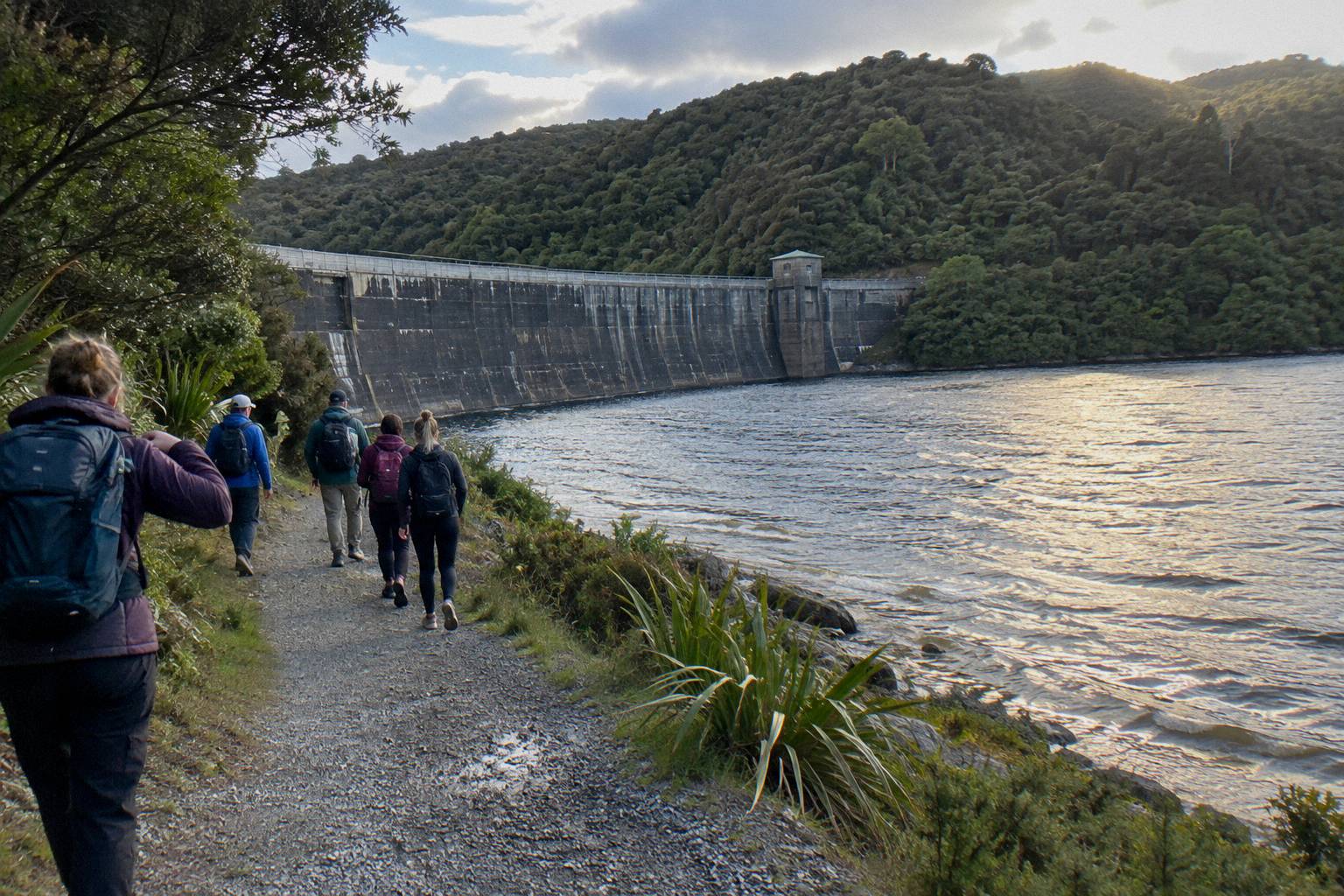
The day tour is the default for good reason. Zealandia By Day runs daily, about two hours, from NZ$70 per person, with no minimum age and under 5s free, in a group capped at 12. It scores 4.8 from 252 reviews, the largest review pool in the lineup. The walk starts with a short intro video in the visitor centre, then covers slopes, gravel and uneven ground: the operator calls it not strenuous but says reasonable fitness is needed, with sturdy shoes, warm clothes and a waterproof layer recommended. Pushchairs are fine, photography is allowed, and Mandarin-language departures exist with a minimum of four people.
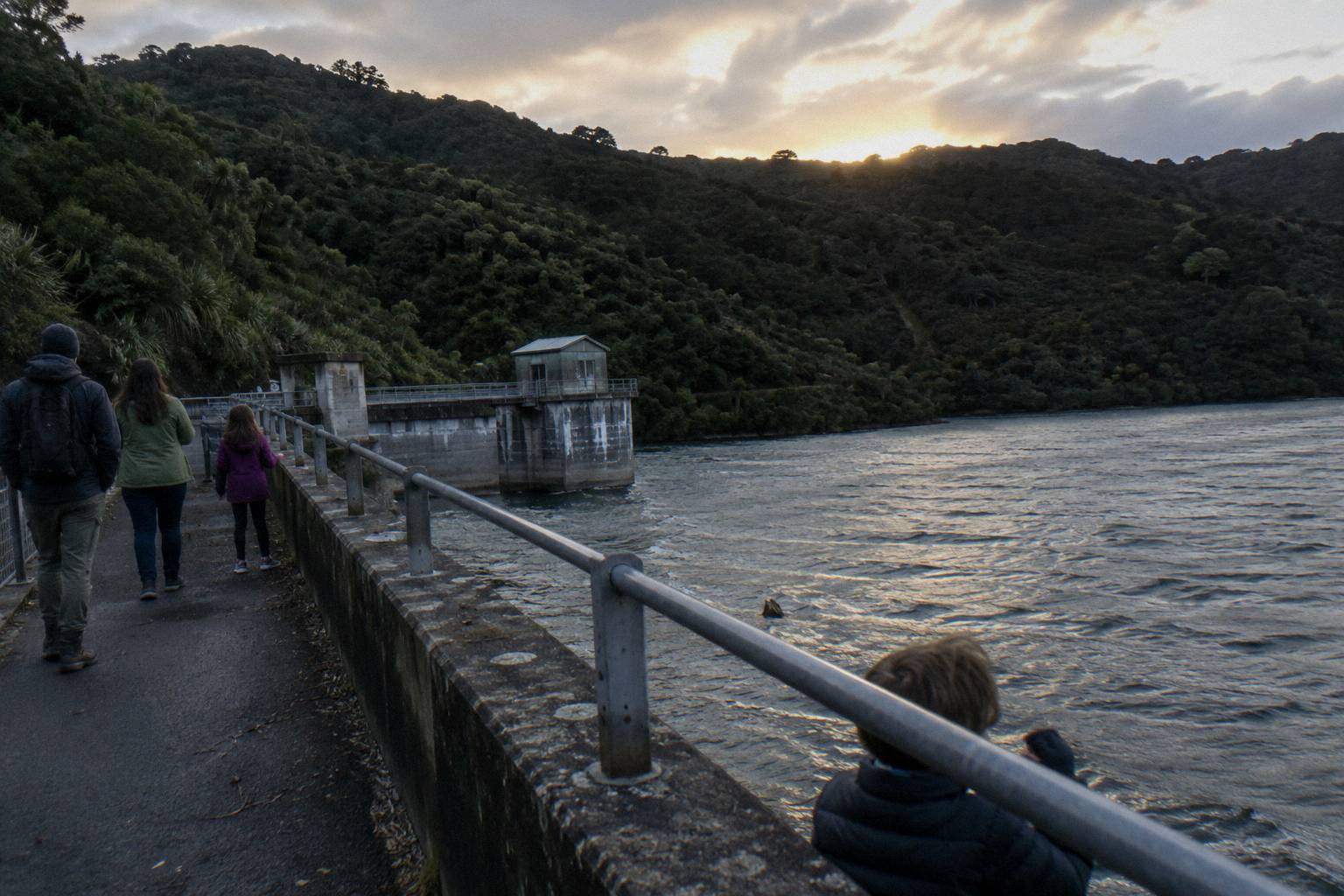
The twilight tour is the family compromise. It runs October to March on the sanctuary's own schedule, about 2.5 hours from daylight into dark, minimum age 5, from NZ$110 per person, rated 4.8 from 84 reviews. It catches the dusk chorus and birds settling to nest, includes hot kawakawa tea, and is the guided option that fits children too young for the night walk. The sanctuary also runs Kids' Night Walks from April to September for the same minimum age, which sit outside the four tours covered here.
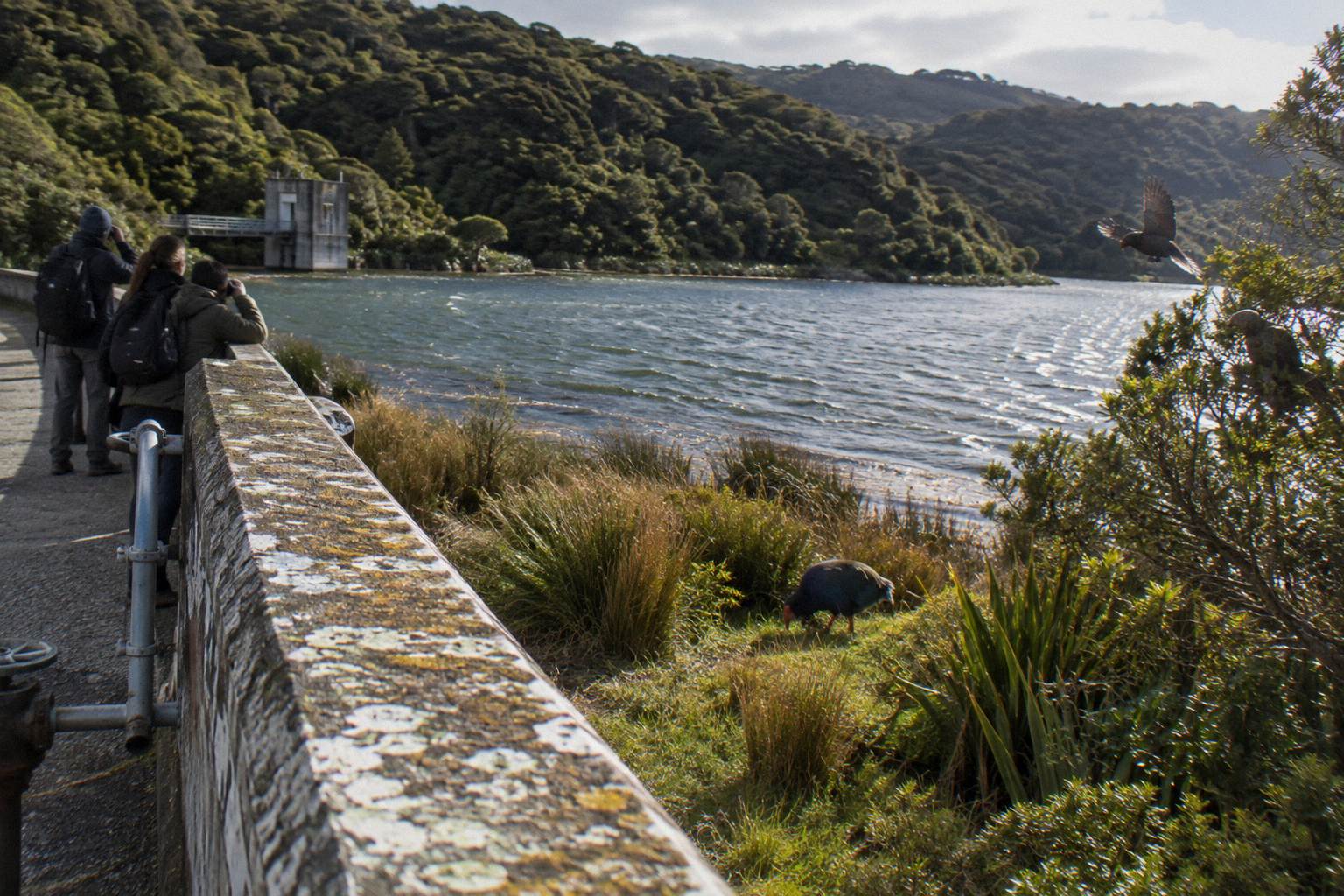
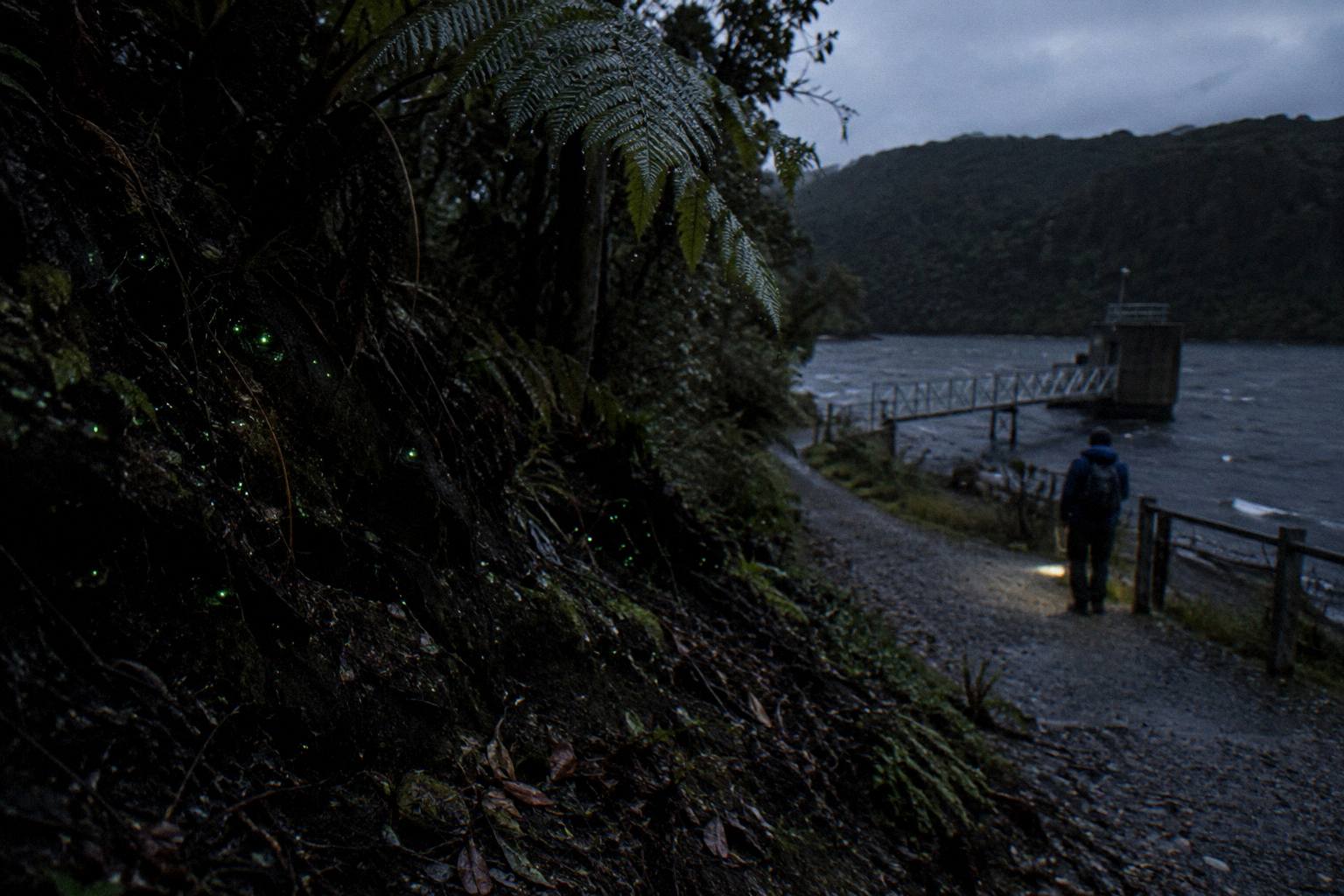
The night tour is the kiwi lottery. From NZ$120 per person, about 2.5 hours around dusk, minimum age 12, rated 4.8 from 164 reviews, it is a torchlit valley walk ending with warm kawakawa, lemongrass and ginger tea. The official wording is worth quoting precisely: little spotted kiwi are seen on most tours, sightings are not guaranteed. Guides also look for tuatara, takahe, pateke, wetapunga, Hamilton's frog, ruru, glowworms and kaka, again as chances. Families with under 12s are explicitly pointed to the twilight and kids' options.
There is also a fourth, quieter option: the Forest Secrets Plant Walk, a plants-led two hours at 10:30am on Sunday mornings, from NZ$70 per person, no minimum age, a new listing with no rating yet. If your interest is forest ecology rather than spotting species, it exists, and no entry product replicates it.
The quick-match table below compresses that guidance into one view: traveller type on the left, the walk that fits on the right, with the deciding fact stated alongside.
| Traveller | Best-fit walk | Deciding fact |
|---|---|---|
| First-time visitor | Zealandia By Day | Guide plus admission for two days, from NZ$70 |
| Family with children under 12 | Twilight Tour or day tour | Night tour minimum age is 12; twilight is 5 |
| Kiwi hopeful | Zealandia By Night | The only after-dark product, kiwi seen on most tours, never guaranteed |
| Plant and forest interest | Forest Secrets Plant Walk | Plants-led, 10:30am Sundays, no rating yet |
| Local repeat visitor | Membership, terms on the official site | Repeat entry over months, guided walks bought separately |
Unsure whether the two-hour format squeezes too much in? The breakdown of how long a Zealandia tour actually takes covers timing in detail.
What Does A Ticket Include On Each Walk?
The table below holds every printable lineup figure for the four guided walks. Ratings are printed with their review counts, from-prices with per-person wording, and the entries show ages, durations and inclusions exactly as the verified facts state them. Anything not listed is not stated by the operator, and this page prints nothing about it.
Read the table as a pricing ladder. The day tour anchors the bottom at NZ$70; the plant walk matches it with a different focus; twilight adds NZ$40 for the dusk window and a later finish; night adds NZ$50 for the kiwi chance and the torchlit valley. Every one of the four includes General Admission for the tour day and the next, which is the figure that feeds the membership comparison later on this page.
| Tour | From price | Rating | Duration | Min age | Included extras |
|---|---|---|---|---|---|
| Zealandia By Day | NZ$70 per person | 4.8 from 252 reviews | About 2 hours | None, under 5s free | Guide, admission for tour day and next |
| Zealandia By Night | NZ$120 per person | 4.8 from 164 reviews | About 2.5 hours | 12 | Torches, kawakawa tea, admission for tour day and next |
| Zealandia Twilight Tour | NZ$110 per person | 4.8 from 84 reviews | About 2.5 hours | 5 | Kawakawa tea, admission for tour day and next |
| Forest Secrets Plant Walk | NZ$70 per person | No rating yet, new listing | About 2 hours | None | Plants-led guide, admission for tour day and next |
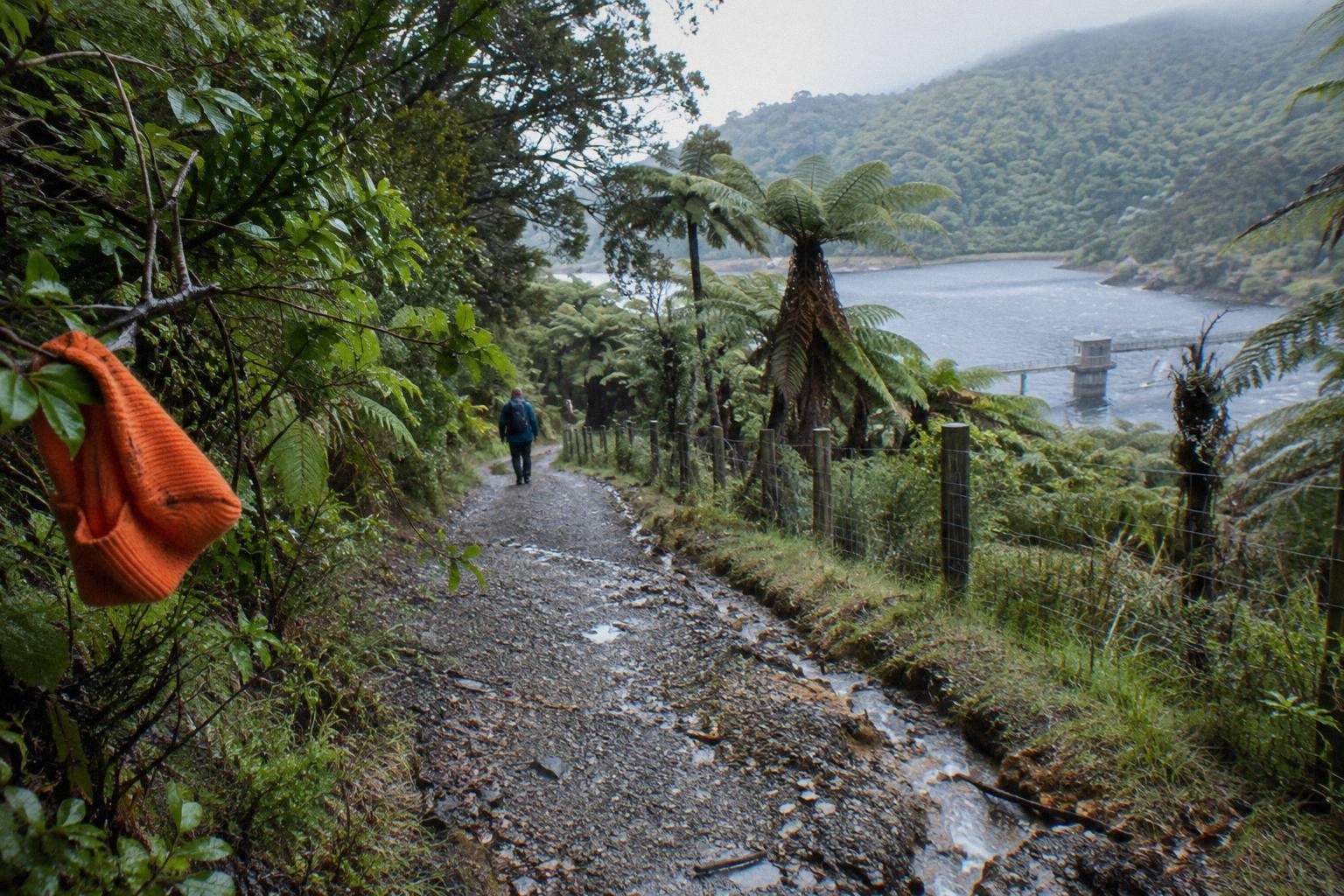
Two patterns stand out. First, the identical ratings across the three established tours, 4.8 in each case but with very different pool sizes: 252 reviews for the day tour against 84 for twilight. A rating means more with a larger pool behind it, and the day tour's pool is the strongest evidence in the lineup. Second, the two NZ$70 options buy the same duration and group size, roughly two hours and up to 12 people, so the choice between them is purely thematic: wildlife-led or plants-led.
The one tour-specific caveat worth carrying forward: the night tour's kiwi line. Seeing a kiwi is the reason most people book it, and the operator is careful with language for a reason. If a guaranteed kiwi is the requirement, nothing on this lineup, and no entry product, provides it.
How Does General Admission Fit Into The Comparison?
Self-guided General Admission exists separately from the tours, is valid for two consecutive days, needs no pre-purchase and is sold at the Level 1 desk, with pre-school children free. Its dollar price is deliberately not printed here: the official General Admission page carries it, and the comparison logic works without it.
This is the way to run the numbers, because a membership comparison is really a three-way comparison: tour ticket, general admission, membership. On the first two, the facts are solid. A tour ticket from NZ$70 buys roughly two guided hours plus two days of entry. A general admission ticket buys two days of entry, self-guided, no guide, no group, no structured route, and no after-dark access. For the admission price itself, see the official General Admission page, which is the only source with current figures.
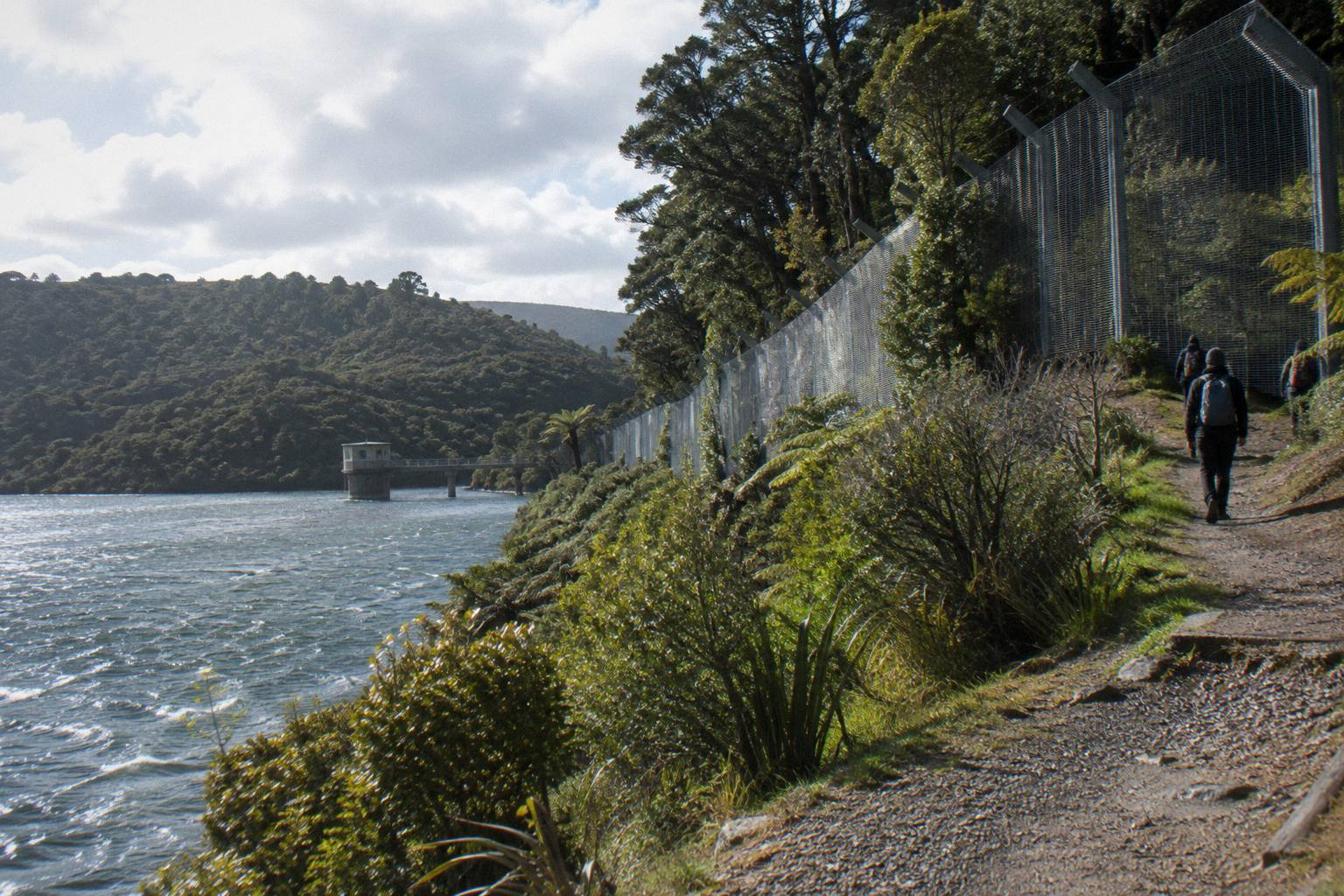
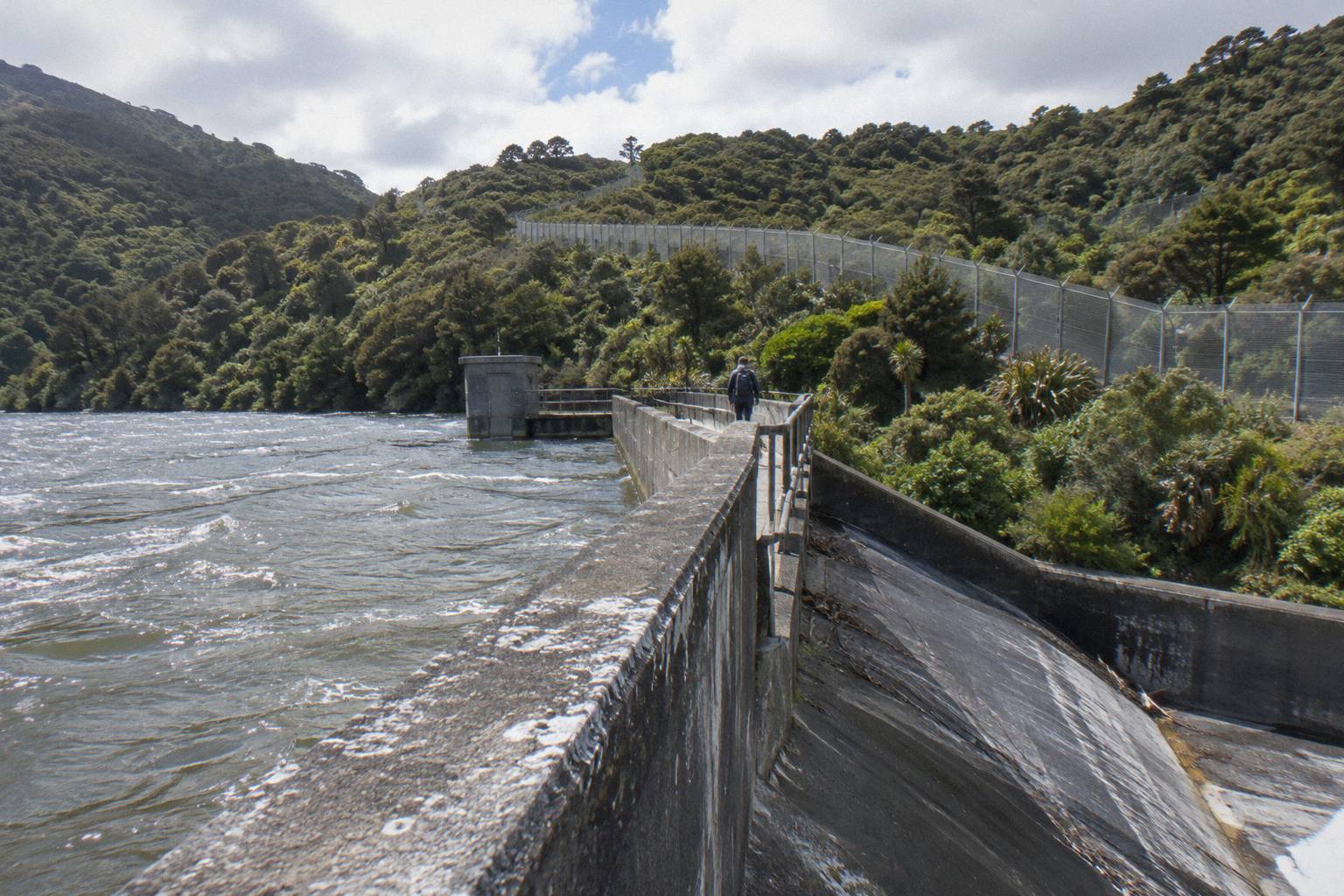
What general admission cannot buy is the guided layer, and it is a bigger layer than it sounds. The sanctuary covers 225 hectares with more than 32 km of tracks behind an 8.6 km predator-exclusion fence. A first-time visitor walking alone gets forest, tracks and the easier species. A guided group gets a route chosen for the day's conditions and a guide actively looking for takahe, tuatara and the rest. Nobody should expect guarantees either way: the lineup is consistent that wildlife sightings are chances. But the guided odds are the product, and 4.8 ratings across hundreds of reviews suggest visitors judge them worth it.
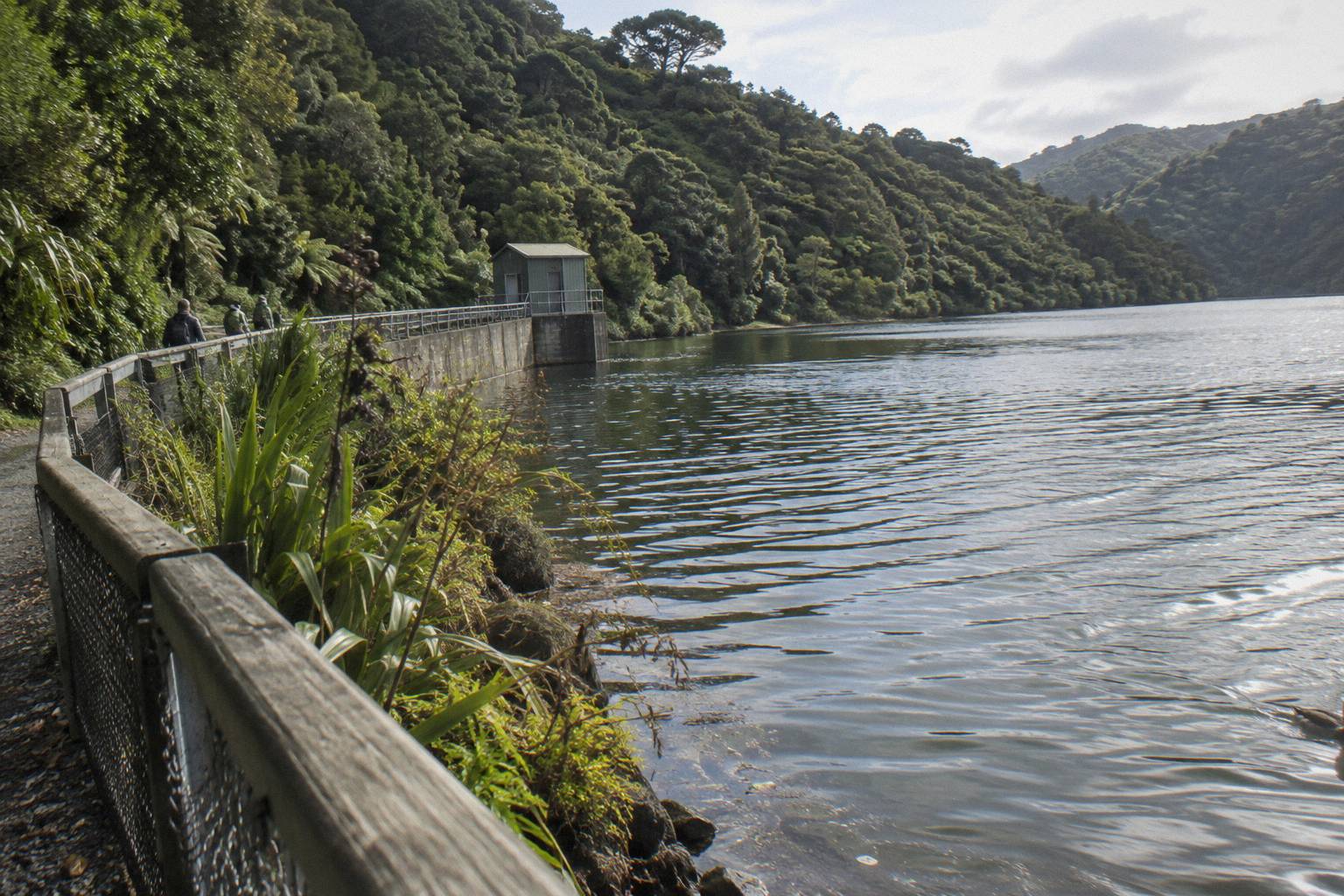
There is also a knowledge layer a solo walk simply cannot match. The valley's story is unusual: a 1992 proposal by Jim and Eve Lynch, the Karori Sanctuary Trust launched in 1995, the fence finished in 1999 making the world's first fully fenced urban ecosanctuary, possums and hedgehogs gone by the end of that year, the last rabbit in 2000. A guide folds that narrative into the walk. For some travellers it is trivia; for others it is the difference between a pleasant bush walk and an understanding of what the fence actually achieved. Only you know which traveller you are.
The membership question, then, reduces to this: if two days of self-guided entry plus one guided experience covers your interest, a tour ticket plus the included admission does it in one purchase. If you will return three, five or ten times across a year, entry products alone may sum past whatever the membership costs, and that sum is the only number that makes the membership decision. For that figure and its terms, the official site is the source.
How Do Cancellation And Booking Work?
All four tours carry free cancellation up to 24 hours before the start, which is the flexibility fact most relevant to a membership comparison. Booking in advance is the norm for the popular walks, and the Mandarin-language day departures need a minimum of four people or the tour may be cancelled.
The cancellation window matters here because it is the one place a tour ticket behaves better than most prepaid products. Plans change in Wellington, weather shifts, cruise schedules slip; a tour cancelled more than 24 hours ahead costs nothing. Inside 24 hours, the terms are the operator's, and the live listing states them at checkout. A membership's refund or pause terms are a different question entirely, on the official site, unverifiable from the facts held here.
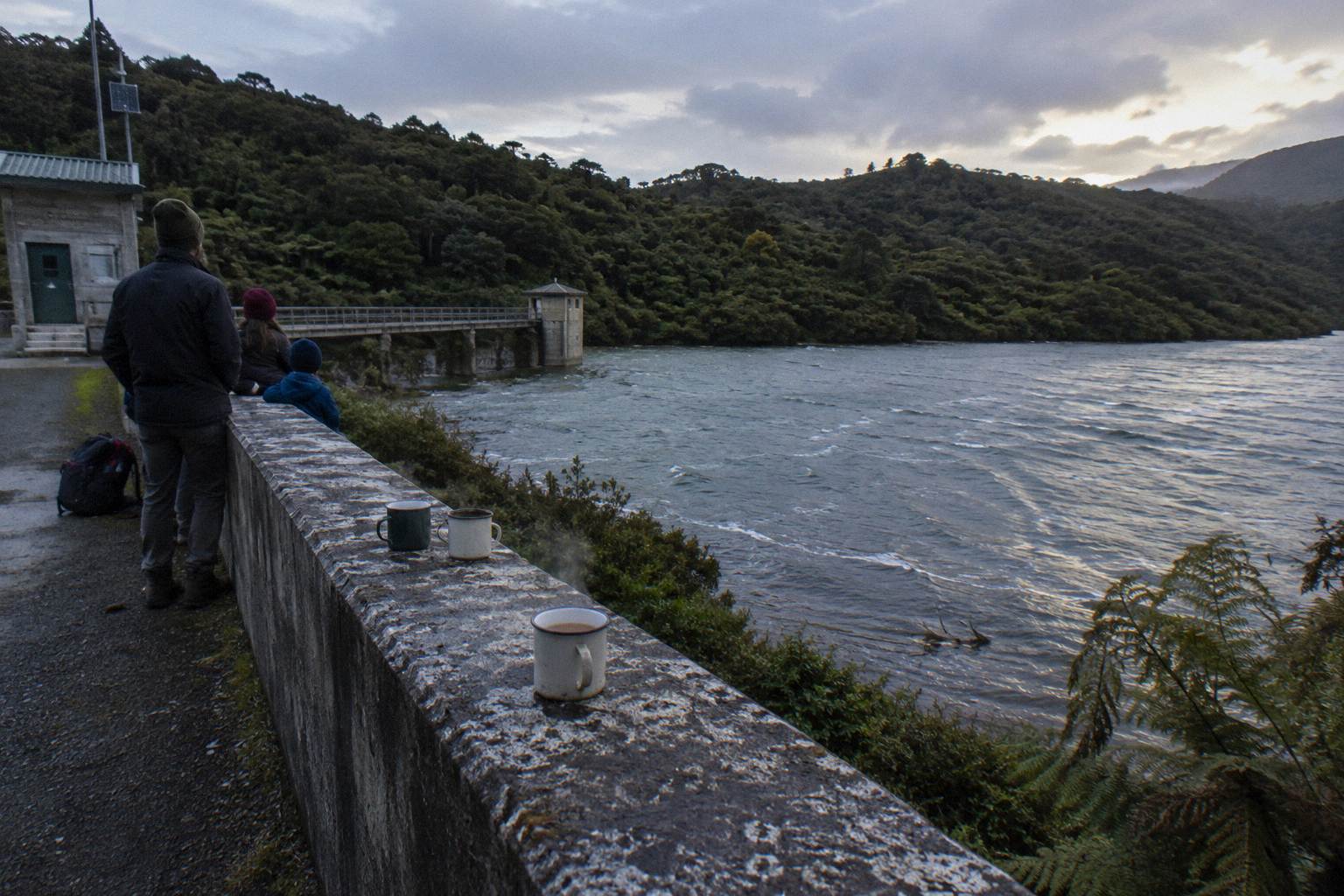
Booking mechanics are straightforward. All tours start inside the visitor centre at 53 Waiapu Road, Karori, and the standing advice is to arrive 15 minutes early. The day tour departs from 10am with more departures in summer; the night tour's start time is confirmed at booking because it moves with dusk across the seasons, so no printed clock time here. After-hours entry, for the evening walks, is up the driveway to the right of the building, and visitors may not stay behind in the sanctuary after closing to wait.
One planning wrinkle worth knowing before you commit to a date: whether advance booking is genuinely necessary varies by season and departure, and the analysis of whether you need to book a Zealandia tour in advance works through it. The short version is that the day tour's multiple daily departures give it the most flexibility, while the night and twilight walks run once per evening, and their smaller capacity fills first in peak season.
The Mandarin-language day departures carry the lineup's only minimum-headcount rule: four people, or the departure may be cancelled. If language matters to your group, confirm the departure has reached its minimum before building the rest of a day around it. Language questions generally are worth settling at booking time; the tours covered here run in English, and the operator is the right party for any request outside that.
What To Ask The Operator Before You Book
Ask about accessibility fit for your group, language needs, the night tour's confirmed start time, and any membership crossover question you have: those are the four areas where the verified facts end and the operator's answer begins. This page will not guess where the record is silent, and neither should a booking page.
Accessibility first, because it is the most consequential. The official accessibility position is genuinely good: much of the lower valley is wheelchair and pram friendly, there is a lift in the visitor centre, free mobility scooters if you ask ahead, accessible toilets, and a companion enters free. But the booking page for the day tour also describes uneven surfaces and a moderate level of walking, and the free shuttle from the city has no chairlift. No article should declare a tour suitable or unsuitable for a specific person; ask the operator when you book and quote your own conditions to them.
Language second. The tours run in English, with Mandarin day departures subject to the four-person minimum. There is no stated audio guide or translated handout, so any other language need goes directly to the operator as a question, not an assumption.
Timing third, specifically for the evening walks. The night tour runs around dusk and the twilight tour runs from daylight into dark, and both start times shift with the season. The confirmed time appears at booking. If you are connecting the tour to a dinner reservation, a cruise departure or a ferry, build the plan on the booked time, not on a time estimate from any article.
And membership fourth. If repeat visits are on your mind, ask the operator directly whether anything about a tour purchase interacts with membership, then read the membership terms on the official Zealandia site. The verified facts here hold nothing on membership pricing, benefits or terms, and a booking desk or an article that improvises them is doing you a disservice. What the facts do hold, solidly, is the tour side of the ledger, and that is where the rest of this page spends its weight.
Common Mistakes
The three commonest mistakes are counting a tour as one visit when it includes two days of admission, expecting a kiwi on a daytime product, and pricing membership from a summary page instead of the official terms. Each one skews the comparison, and each is avoidable with one fact.
The first mistake is the most expensive in logic terms. A traveller who prices the day tour at NZ$70 per person and treats it as a single entry is double-counting on one side of the ledger. Every tour ticket includes General Admission valid for the tour day and the next. The comparison for a first visit is NZ$70 for two guided hours plus a second self-guided day, against the admission price on the official page for the same two-day window. Once the second day is counted, the guided premium shrinks to a much smaller figure, and for many visitors it disappears into worth-it territory.
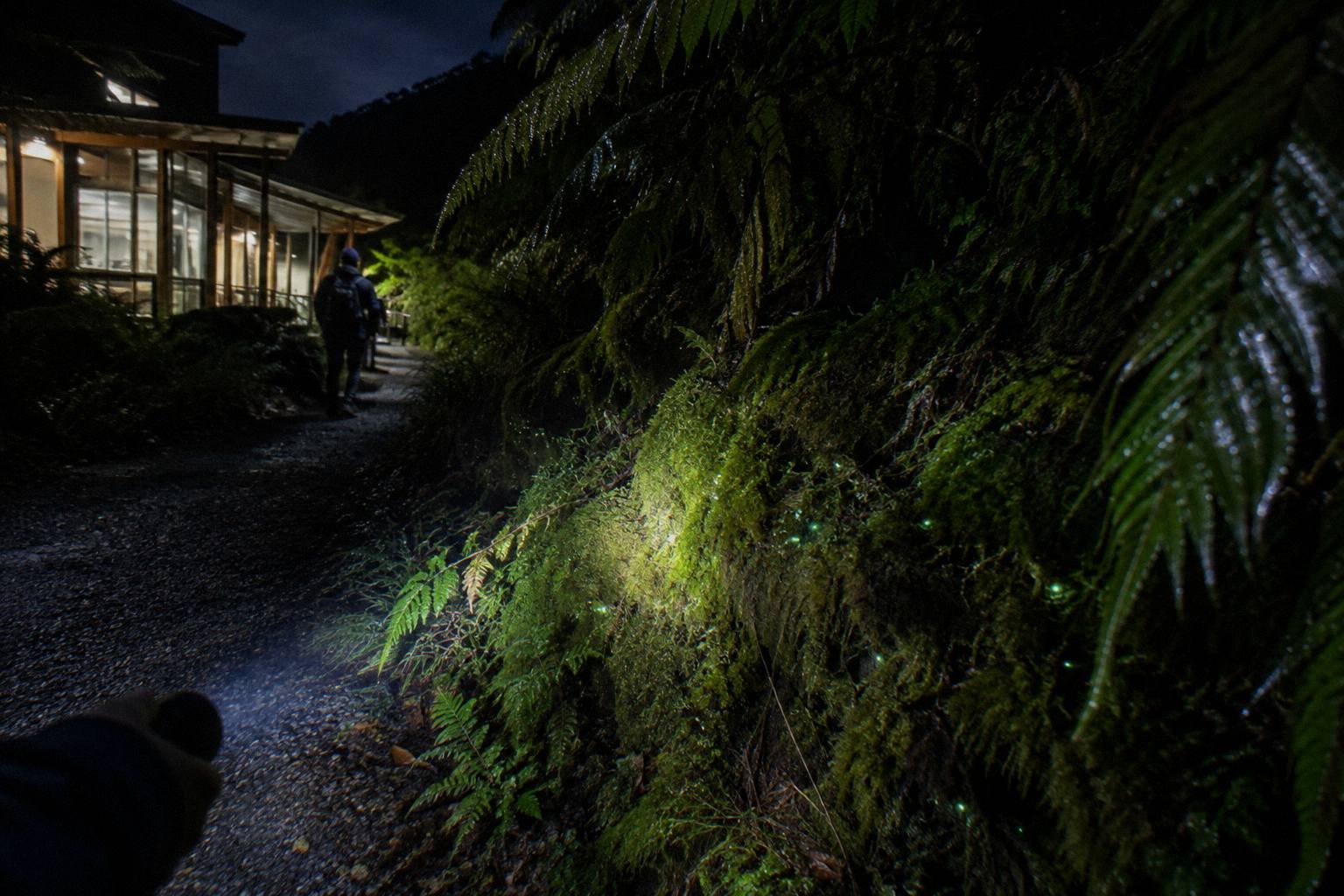
The second mistake is biological rather than arithmetic. Kiwi are nocturnal, and the official General Admission page states plainly that nocturnal wildlife, especially kiwi, is very unlikely by day. No membership, no annual pass and no number of daytime visits changes that. If a kiwi sighting is the goal, the guided night walk is the only product on this lineup aimed at it, and even there the operator's wording is careful: seen on most tours, never guaranteed. Travellers who book repeated daytime visits hoping for a kiwi are spending against the sanctuary's own biology notes.
The third mistake is trusting improvised membership figures. This page's verified record contains no membership price, benefit list or term, and it is not alone in that gap: any third-party page printing a membership price is either reading the official site at some past moment or inventing it. Prices move. Terms change. The official site lists the membership terms, and that is where the decision's final number belongs.
A fourth, smaller mistake: forgetting the shuttle's capacity. The free electric shuttle runs from outside the Takina Convention Centre on Wakefield Street and from the top of the Cable Car, about 10 to 15 minutes to the sanctuary, with 11 seats and no guaranteed space. Zealandia By Day ticket holders get priority seating if they arrive 10 minutes early, but evening tours start after the day shuttle stops, so night and twilight walkers need their own transport plan to Karori.
What Does A Second Day Actually Buy You?
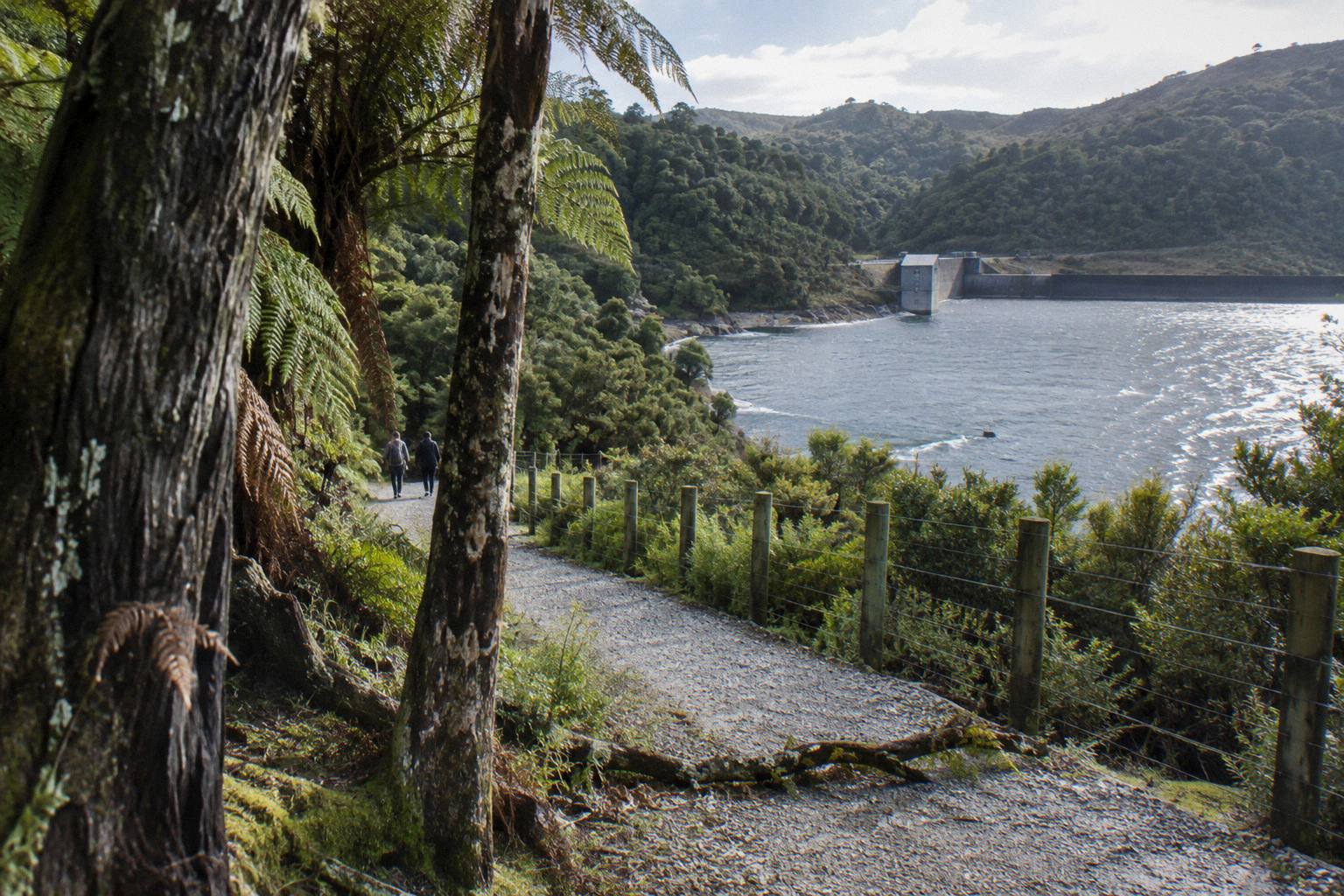
The included second day buys the tracks the guided walk does not reach, at your own pace, with the lower valley's 32 km-plus network open from 9am to 5pm. It is the strongest single argument that a first-time visitor gets full value from one tour ticket rather than needing a membership for coverage.
Two guided hours cannot cover 32 km of tracks across 225 hectares, and the tours are not designed to. The day tour's route is a curated slice: the intro video, then the lower valley's signature spots with a guide working the day's wildlife chances. The second admission day is where the rest sits, and it converts the tour purchase from a snapshot into a two-day programme, day one guided and targeted, day two self-directed and unhurried.
What the second day cannot add is anything the fence keeps out by design and the daylight keeps asleep. Night wildlife stays off the menu, as covered above. Weather also plays its part: the day tour runs in almost all weather and may be called off only in extreme conditions, but a self-guided second day in Wellington rain is a different experience from one in still conditions, so hold the second day loosely in the itinerary if the forecast is uncertain.
The second day also suits the repeat-visitor instinct that draws people toward membership in the first place. If you finish the guided walk and know you will be back, that reaction is the membership signal, and the official site's terms are the next read. If you finish the walk feeling the valley has given you what you came for, the two-day admission has already closed the loop, and there is nothing left to buy.
For photographers, the arithmetic tilts a little further toward repeat visits: light in a steep valley changes hour by hour, and one golden-hour window on day two costs nothing extra. The guide to photography on a guided tour at Zealandia covers the practical side.
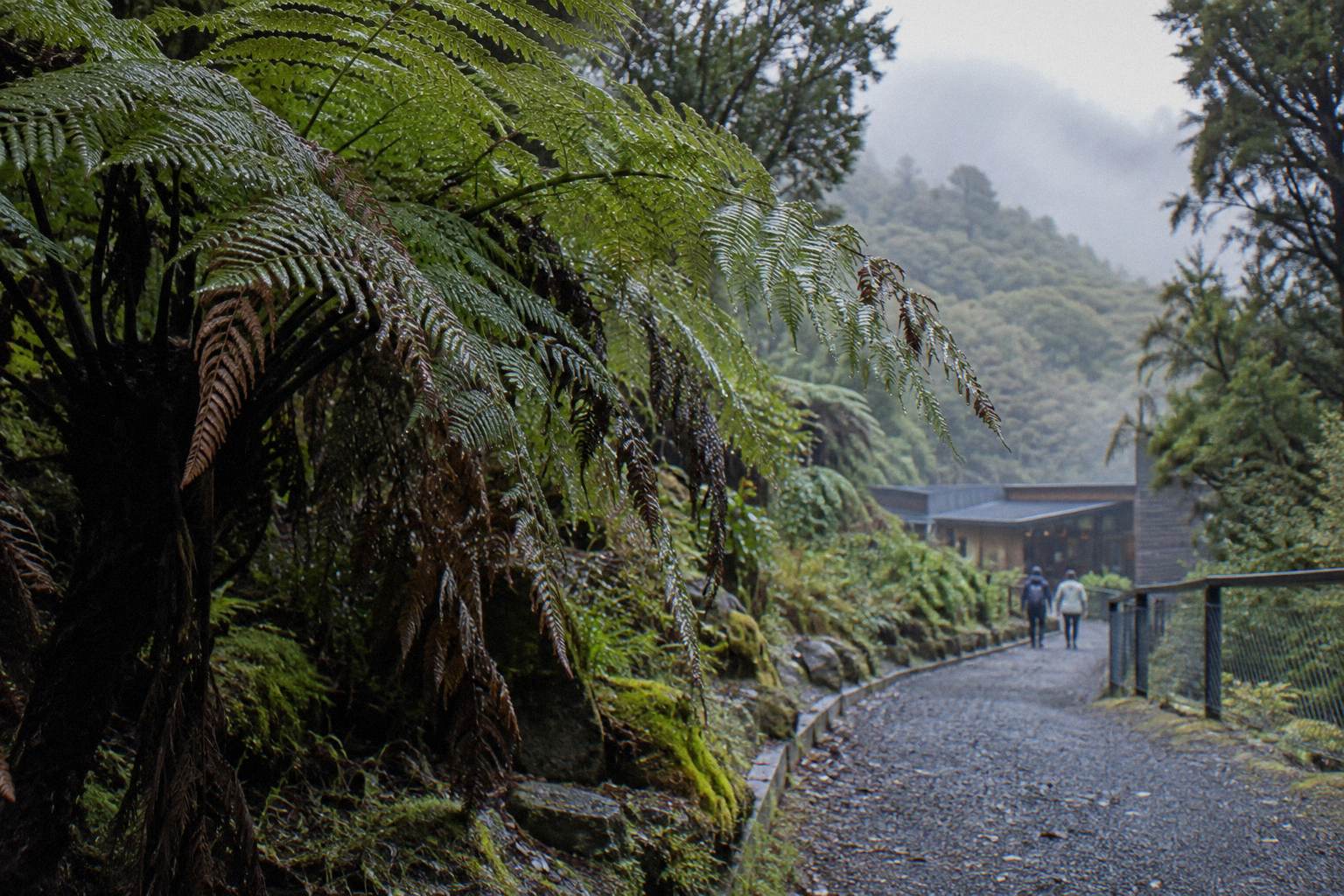
The Decision Logic By Number Of Visits
One visit: a tour ticket, because it bundles guidance with the same two-day admission window general admission sells. Two or three visits in one trip: still the tour ticket, using the included second day for one of them. Repeat visits across a year as a local: membership, priced and confirmed only on the official site, with the guided night walk added separately if kiwi are the draw.
Run the ladder from the bottom. A single-visit tourist comparing prices should compare NZ$70 for the day tour against the official general admission figure, holding the two-day entry constant on both sides, and judge the difference as the price of a professional guide, a small group and a route worked for the day's wildlife. That is the cleanest version of the decision, and for most visitors the guide wins it, as the day tour's 4.8 rating across 252 reviews attests.
A visitor planning two sanctuary days in one Wellington stay needs no membership logic at all: the tour ticket already contains both days. Book the tour on day one, walk freely on day two, and the comparison against any repeat-entry product never opens. Even a three-visit trip, unusual but possible on a longer stay, only needs one extra admission purchase beyond the tour's included window.
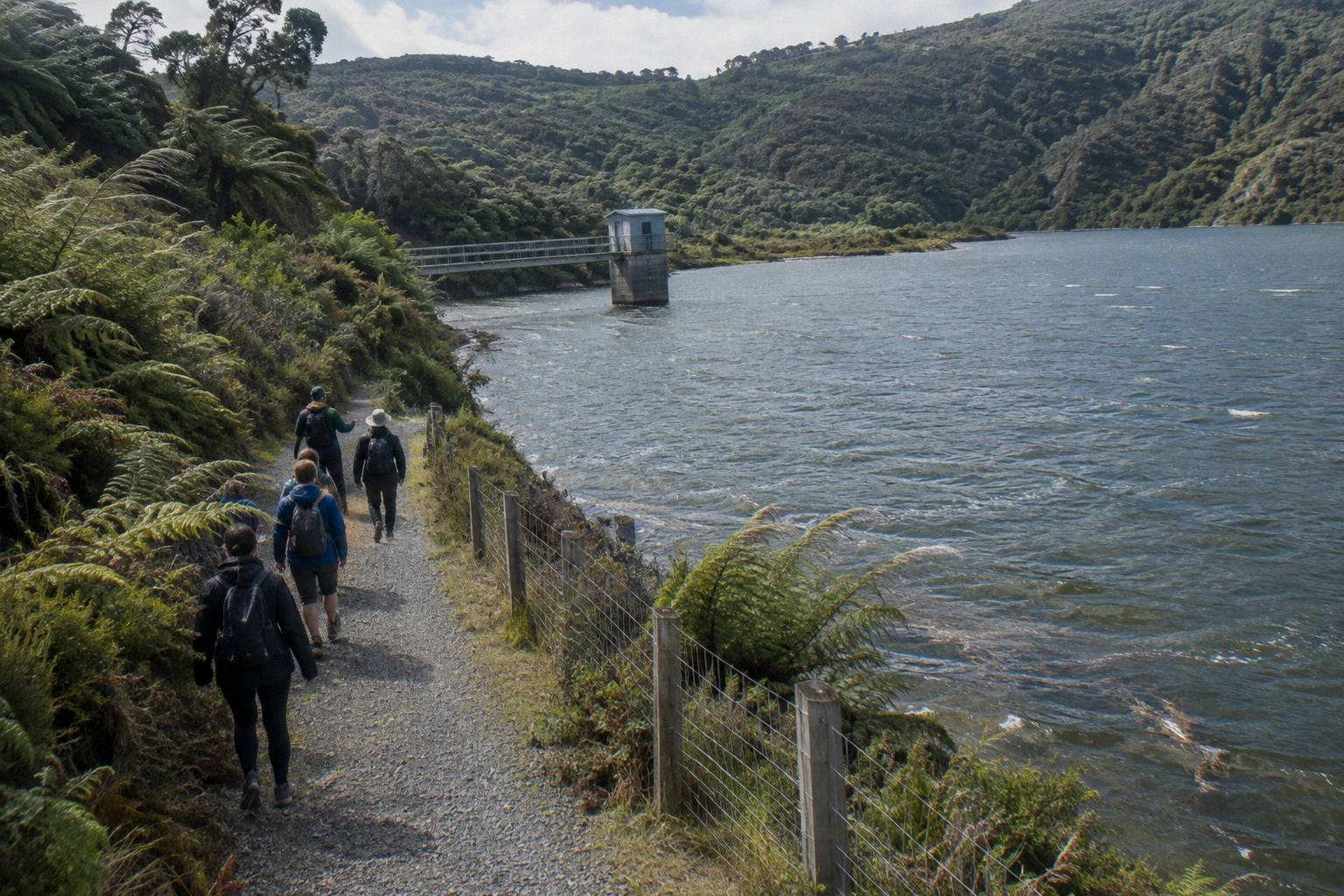
The local's ladder is different. A Wellingtonian visiting monthly, hosting relatives, or walking the tracks for fitness is buying entry repeatedly, and that is precisely the use case a membership exists for, on whatever terms the official site states. The guided layer remains a separate purchase decision each time, and the night tour in particular is the one product a repeat daytime visitor still cannot replicate alone, both for the after-dark access and for the guides' torchlit spotting.
Families should note where their children's ages push them. The night tour's minimum age of 12 excludes younger children outright, and the sanctuary points families with under 12s to the twilight tours and the Kids' Night Walks. The day tour has no minimum age, under 5s go free, and children must be with an adult. For a fuller treatment, the guide to tours and visits with kids covers ages, prams and accessibility together.
Whichever way the decision falls, the three walks below are the products being weighed.
Common Questions About Zealandia Memberships And Tours
Is A Zealandia Membership Better Than Booking A Guided Tour?
It depends entirely on visit frequency. Every tour ticket includes General Admission for the tour day and the next, so a single visit or a two-day stay is fully served by a tour from NZ$70 per person. Membership suits repeat visits across a longer period, and its price and terms are listed only on the official Zealandia site.
Does A Guided Tour Ticket Include General Admission?
Yes. Every tour ticket in the lineup includes a General Admission ticket valid for the day of the tour and the following day, so a two-hour guided walk also buys a full self-guided day.
Can A Membership Get Me In At Night To See A Kiwi?
No verified fact suggests any entry product provides after-dark access. The sanctuary opens 9am to 5pm with last entry at 4pm, and the official General Admission page notes that nocturnal wildlife such as kiwi is very unlikely by day. Evening access comes only through the guided night and twilight tours.
How Much Does Zealandia Membership Cost?
This page does not print a membership price, because the verified research holds nothing on membership pricing or benefits. The official Zealandia site lists the membership terms, and that is the source to read before deciding.
Which Tour Is Best For A First Visit?
Zealandia By Day is the standard first visit: about 2 hours, from NZ$70 per person, groups of up to 12, no minimum age with under 5s free, rated 4.8 from 252 reviews, and its ticket includes the second admission day.
Can I Cancel A Tour If My Plans Change?
Yes, all four tours carry free cancellation up to 24 hours before the start. Closer to departure, the operator's terms on the live listing apply.