How Many Days In Wellington Is Enough, And Where Does A Zealandia Guided Tour Fit?
A planning guide to how much time the Zealandia tours actually take, how the valley fits a Wellington itinerary, and which tour suits which traveller.
No fixed number of days suits everyone, and the verified facts here say nothing about the city's other attractions, so plan the rest around your own list. What the facts do fix is the Zealandia slice: the day tour takes about 2 hours, the night and twilight tours about 2.5, and travel adds a shuttle ride of about 10 to 15 minutes each way.
That last detail is the one itinerary builders miss. The tour itself is a half-morning or a half-evening commitment, but the ticket is a two-day ticket. Every tour ticket includes General Admission valid for the day of the tour and the following day, which means a guided walk on Saturday quietly hands you a free self-guided return on Sunday. If your Wellington stay is short, that is the single most efficient fact on this page: one booking, two days of access to more than 32 km of tracks across 225 hectares.
The 500-year restoration vision behind the valley explains why a second visit is worth factoring in. Zealandia was founded on a 1992 proposal by Jim and Eve Lynch, the Karori Sanctuary Trust launched in 1995, and an 8.6 km predator-exclusion fence finished in 1999 made it the world's first fully fenced urban ecosanctuary. Little spotted kiwi, 40 birds brought in during 2000 and 2001, are now estimated in the hundreds. You will not see those kiwi on a daytime walk, the official General Admission page calls nocturnal wildlife such as kiwi, ruru, weta and frogs very unlikely by day, but a second daylight entry lets you wander the lower valley at your own pace after the guide has pointed out where things live.
So the practical framing is this: budget one half-day block for the guided tour itself, add travel time, and treat the bundled second day as a bonus morning if your schedule allows. The full Zealandia By Day tour page breaks down what the guided version includes, and whether a guided tour is worth it is a question with its own plain answer on whether a Zealandia guided tour justifies the price.
What Sets How Many Days You Need?
Three things set how much space a Zealandia visit eats in an itinerary: which of the four tours you take, whether you use the bundled second-day admission, and how you travel to the valley. The day tour is about 2 hours, the night and twilight tours about 2.5, and no tour includes hotel pickup or drop-off.
Start with the tour choice, because it decides whether Zealandia sits in your morning or your evening. Zealandia By Day runs daily with departures from 10am and more departures in summer, which slots neatly before lunch. Zealandia By Night runs nightly around dusk, with the start time confirmed at booking because it moves with the season, so it occupies your evening instead. The Twilight Tour runs October to March on the sanctuary's own schedule, from daylight into dark, and the Forest Secrets Plant Walk runs at 10:30am on Sunday mornings, which effectively makes it a weekend-only option for most visitors.
Next, the two-day admission. All tour tickets include General Admission for the tour day and the following day. If you are in Wellington for two days, you can tour on day one and return on day two at no extra entry cost, walking flatter lower-valley tracks you skipped. If you are in the city for one day only, the second admission simply expires unused, and that is fine, the tour stands alone.
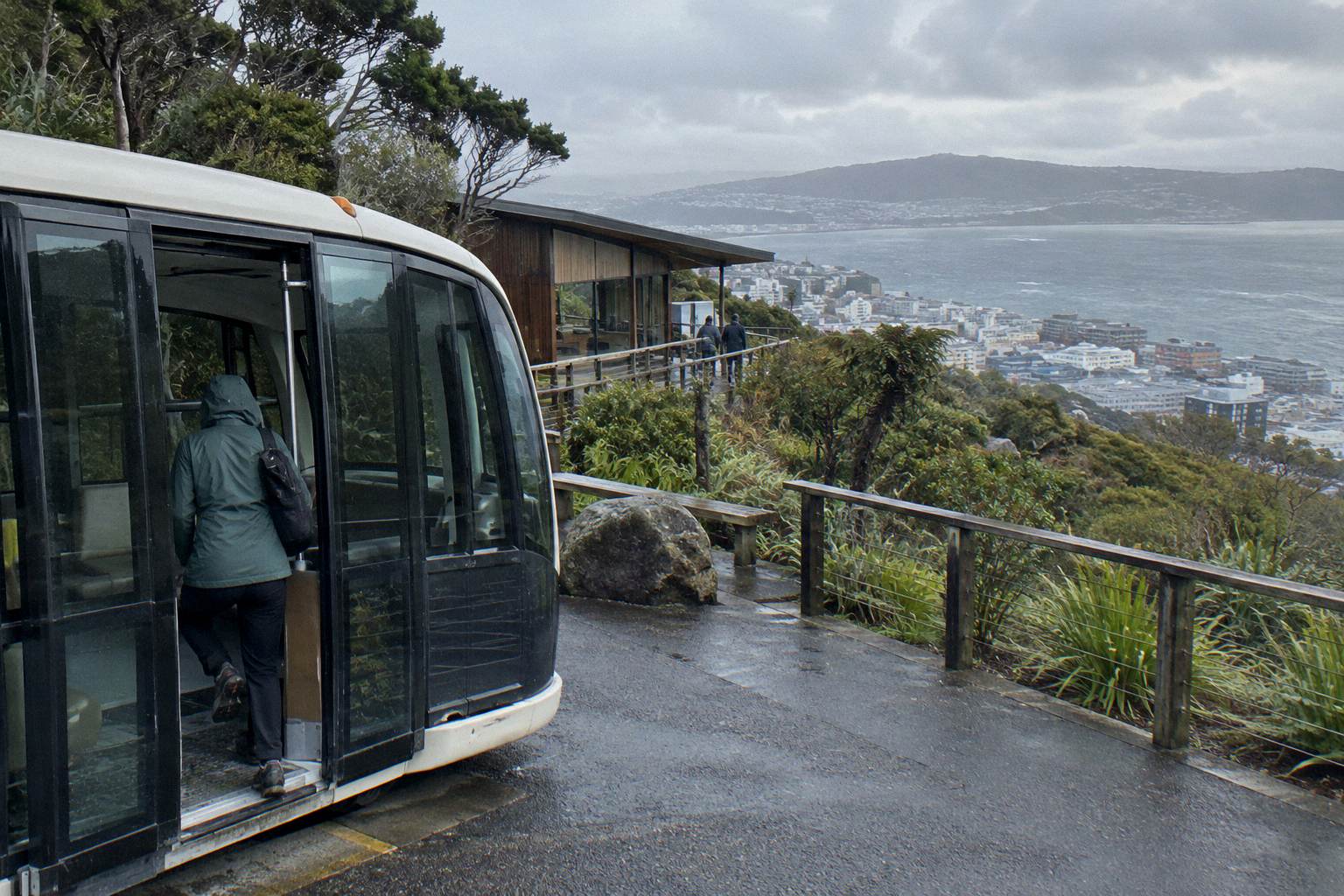
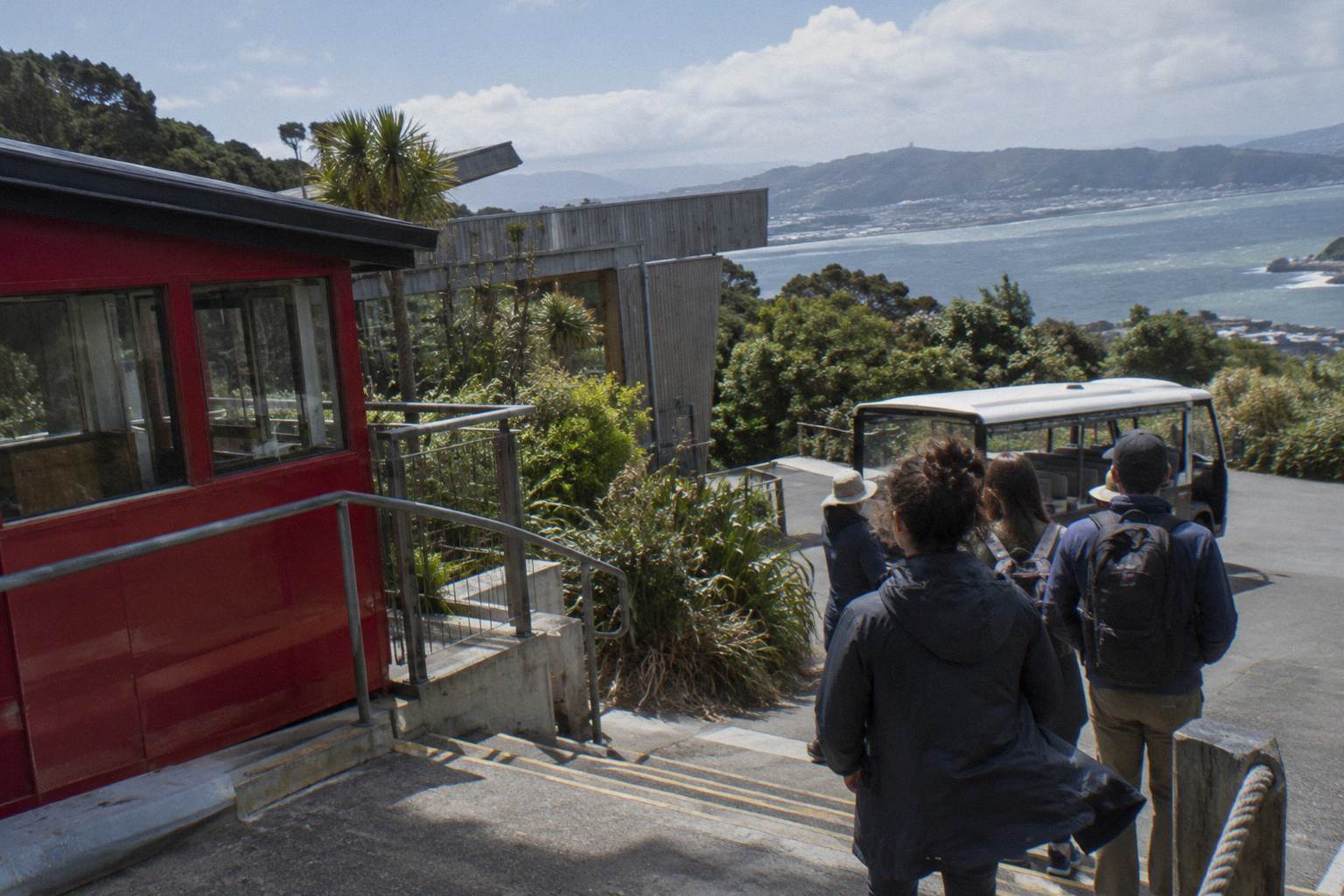
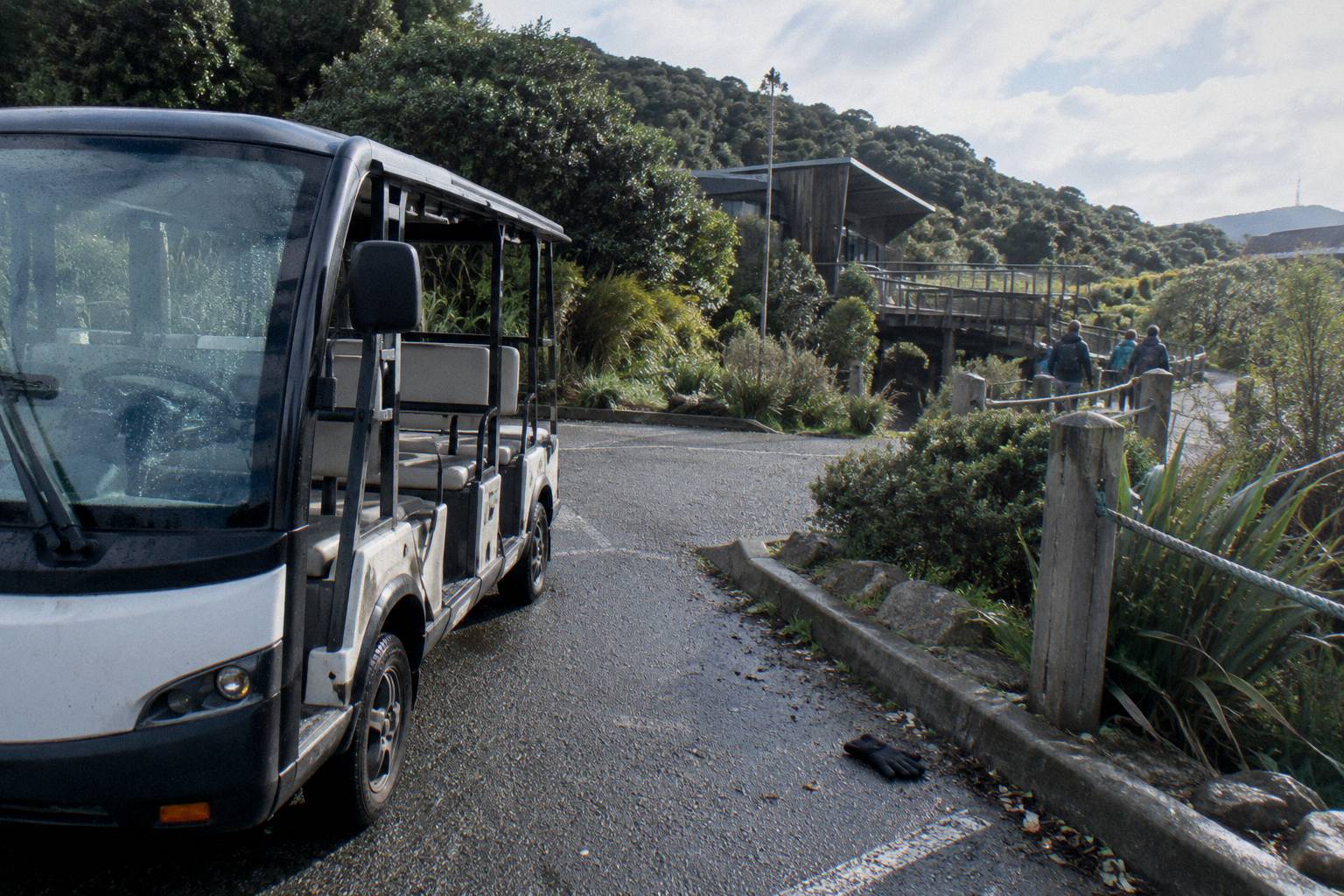
Travel is the third variable. A free electric shuttle runs from outside the Takina Convention Centre on Wakefield Street and from the top of the Cable Car, with about 11 seats per trip, and space is not guaranteed. Zealandia By Day ticket holders get priority seating if they arrive 10 minutes early, a genuine planning advantage for the day tour. Night and twilight tours start after the day shuttle has finished, so those visitors arrange their own way in; the sanctuary's own getting here page covers current options. Public bus stops at Northland Road and Birdwood Street are about a five-minute walk away, and limited parking exists at the sanctuary with an overflow car park on Birdwood Street.
Which Tour Fits Which Traveller?
The age rules are the sharpest filter, so take them seriously when sequencing a family trip. Pushchairs are fine on the day tour, infants sit on an adult's lap, and children must be with an adult. Families with children under 12 who want an after-dark experience are pointed by the sanctuary itself to the Twilight Tours and the Kids' Night Walks, which run April to September with a minimum age of 5, a neat seasonal complement to the October-to-March twilight schedule. Whether kids can join the night walk is covered fully in whether children can join the Zealandia night tour.
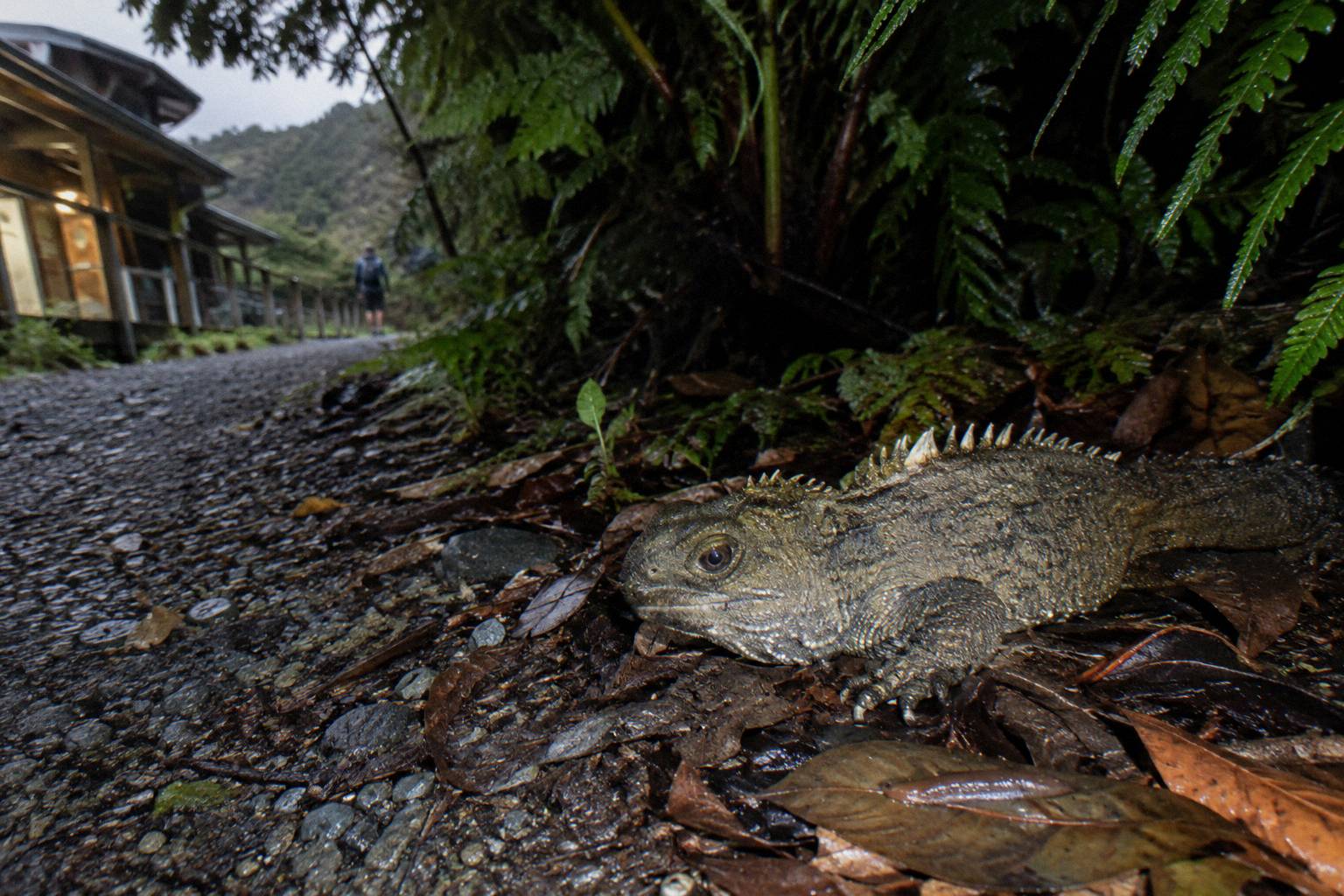
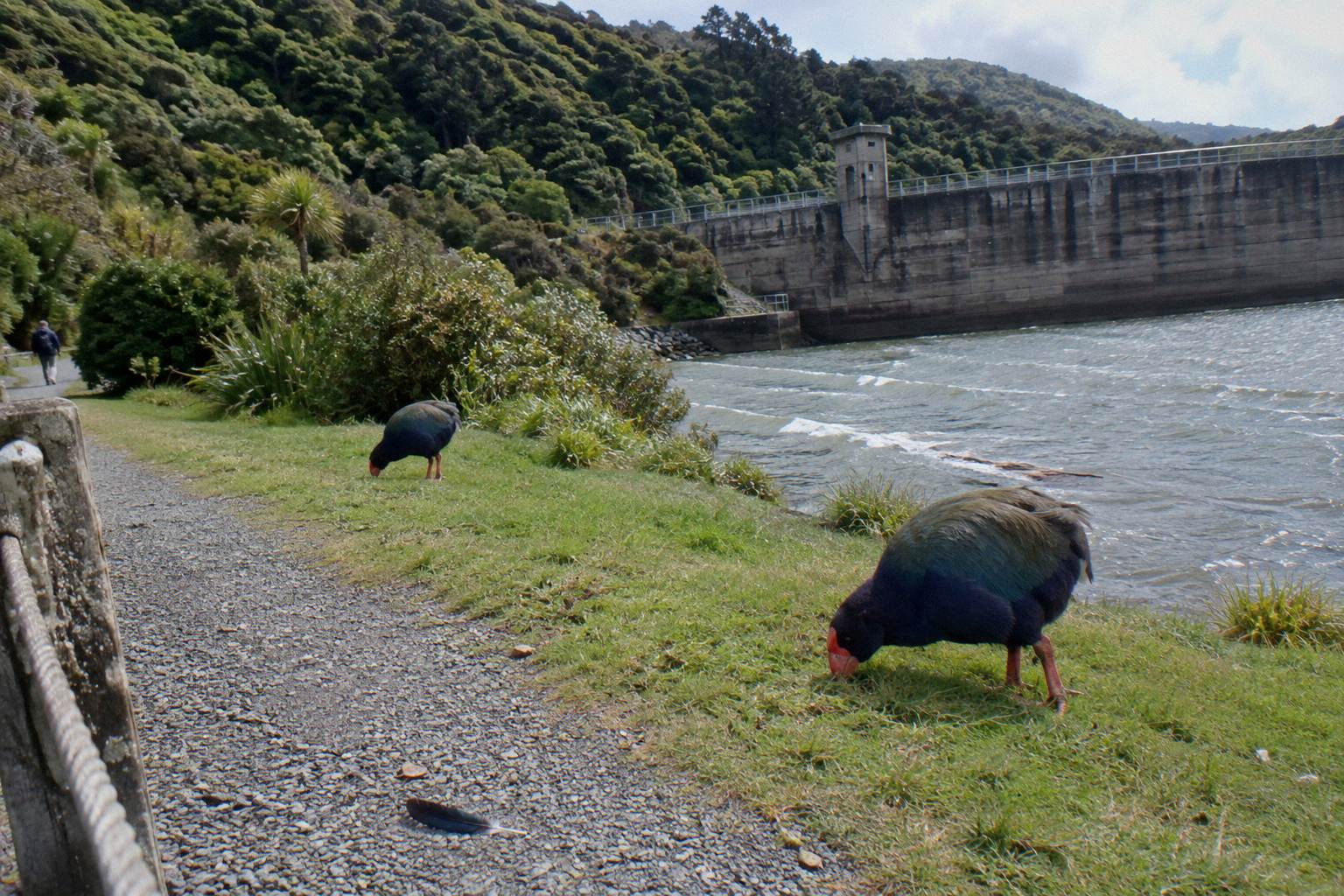
Beyond age, think about what you actually want from the valley. The day tour's guides look for takahe, tuatara, hihi, kaka, tieke, toutouwai and pateke, plus tui, kereru and korimako, always as chances rather than promises. The night tour's list shifts to little spotted kiwi, ruru, glowworms, wetapunga, Hamilton's frog, kaka, tuatara and takahe, with the official wording that kiwi "are seen on most tours, sightings are not guaranteed". Photography is allowed on the day tour, and the sanctuary's own schedule lists Photography tours on select weekends from October to April for those who want more than a snapshot.
Fitness and comfort matter too. The day walk is described as not strenuous but covers slopes, gravel and uneven ground, so reasonable fitness is needed, with sturdy shoes, warm clothes and a waterproof layer recommended because it runs in almost all weather. The night tour is a torchlit valley walk with torches supplied, ending with a warm kawakawa, lemongrass and ginger tea at the visitor centre, a civilised finish that makes the evening feel complete rather than rushed.
Travellers weighing the after-dark options against the standard walk can compare day versus twilight Zealandia tours and what changes before committing.
How Much Time Does Each Walk Need?
The four tours run between 2 and 2.5 hours, in groups capped at 12, with from-prices of NZ$70 for the day tour, NZ$110 for the Twilight Tour, NZ$120 for the night tour and NZ$70 for the plant walk, and every one of them includes the two-day General Admission and free cancellation up to 24 hours before the start. Those figures, not guesswork, are what you schedule around.
Here is the full lineup side by side, exactly as the listings state it. The Forest Secrets Plant Walk is a new listing with no rating yet, which is worth knowing plainly rather than reading anything into.
| Tour | Length | Group size | Minimum age | From price | Rating |
|---|---|---|---|---|---|
| Zealandia By Day | about 2 hours | up to 12 | none, under 5s free | NZ$70 per person | 4.8 from 252 reviews |
| Zealandia By Night | about 2.5 hours | up to 12 | 12 | NZ$120 per person | 4.8 from 164 reviews |
| Zealandia Twilight Tour | about 2.5 hours | up to 12 | 5 | NZ$110 per person | 4.8 from 84 reviews |
| Forest Secrets Plant Walk | about 2 hours | up to 12 | none | NZ$70 per person | new listing, no reviews yet |
Read the table as a timing tool. A 2-hour day tour that meets inside the visitor centre at 53 Waiapu Road, with arrivals 15 minutes early, means roughly 2.5 hours on site plus shuttle time each way. A 2.5-hour night tour, starting around dusk at a time confirmed only at booking, means your entire evening is spoken for, and the after-hours entry is up the driveway to the right of the building because visitors may not wait inside the sanctuary after closing.
The inclusions are consistent across all four: a professional guide and the two-day General Admission on the day tour, kawakawa tea on the night and twilight walks, and nothing in the way of food, lunch, alcohol or hotel transport on any of them. The exclusions matter for planning a full day, since you will want lunch organised elsewhere in Karori or back in the city. The day tour's rating of 4.8 from 252 reviews is the deepest pool of the four, which is a fair thing to weigh when the plant walk, attractive as it sounds for gardeners, has no review history at all.
How Do You Get To The Valley And Back?
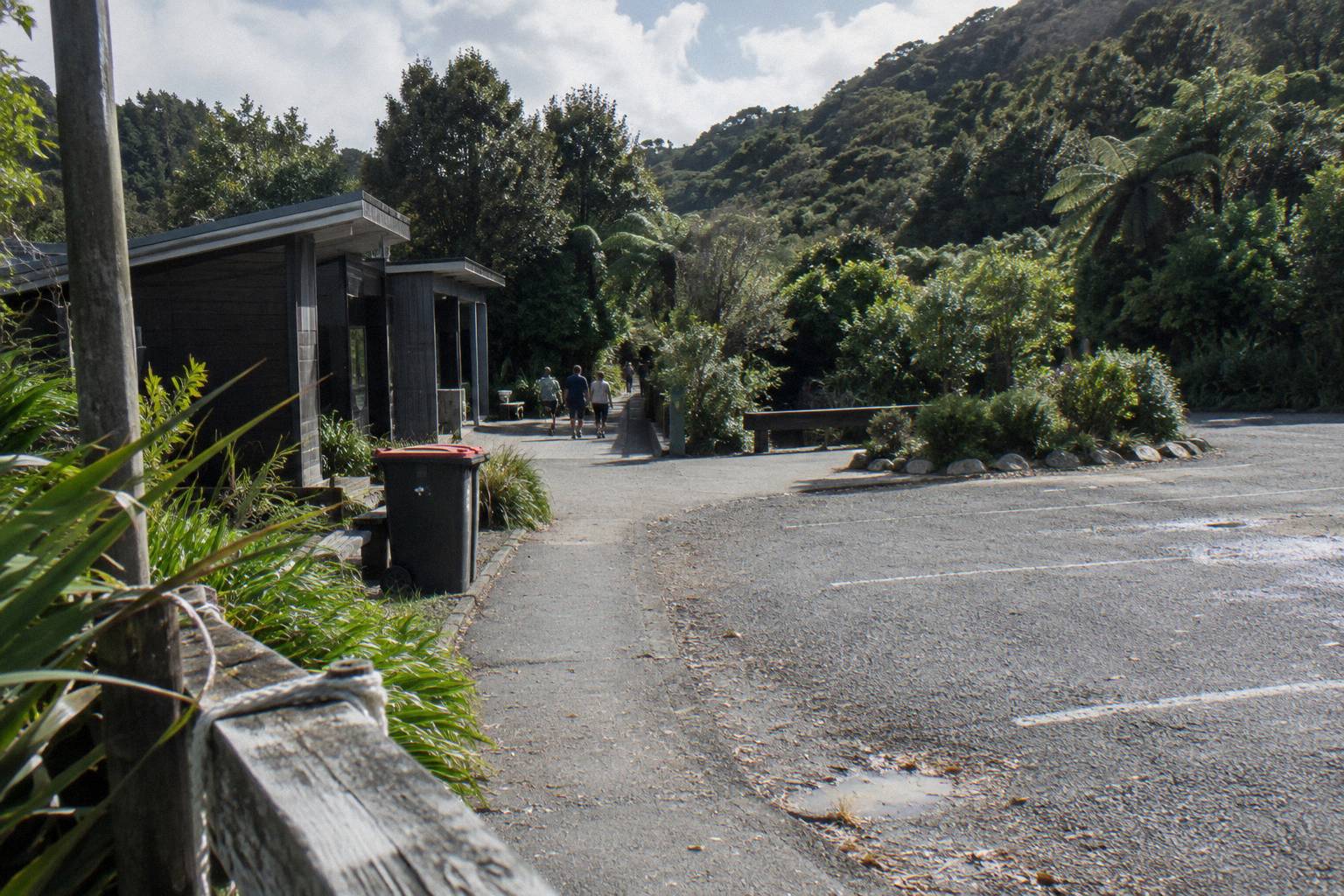
All four tours meet inside the visitor centre at 53 Waiapu Road, Karori, and no tour includes hotel pickup or drop-off, so transport is yours to solve: the free electric shuttle takes about 10 to 15 minutes from the city, buses stop about a five-minute walk away, and limited parking exists with an overflow car park on Birdwood Street.
The shuttle deserves the most attention because its quirks shape your timing. It has 11 seats per trip and space is not guaranteed, but Zealandia By Day ticket holders get priority seating if they arrive 10 minutes early, a real benefit on busy summer mornings. Night and twilight tours start after the day shuttle has stopped running, which is why after-dark visitors need their own arrangement, whether that is a bus, a rideshare or the after-hours entry route up the driveway to the right of the visitor centre, arriving 15 minutes before the confirmed start.
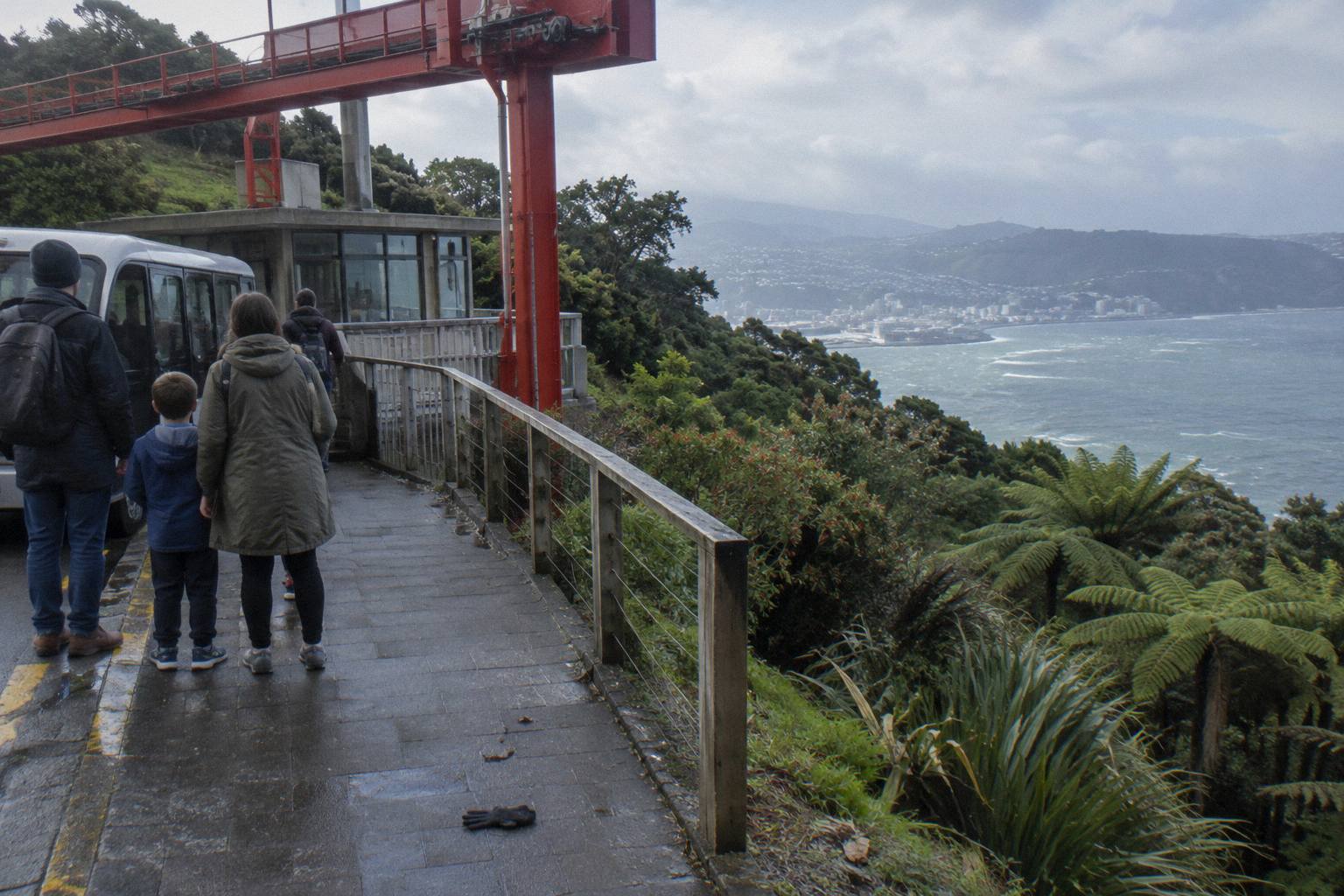
The scenic alternative costs you about half an hour. A Cable Car ride to the top of the Botanic Garden followed by a walk of about 30 minutes reaches the sanctuary, and it stitches two Wellington experiences into one route. Our page on combining the Wellington Cable Car with a Zealandia tour walks through that option in detail, including why it suits a leisurely day far better than a tight one.
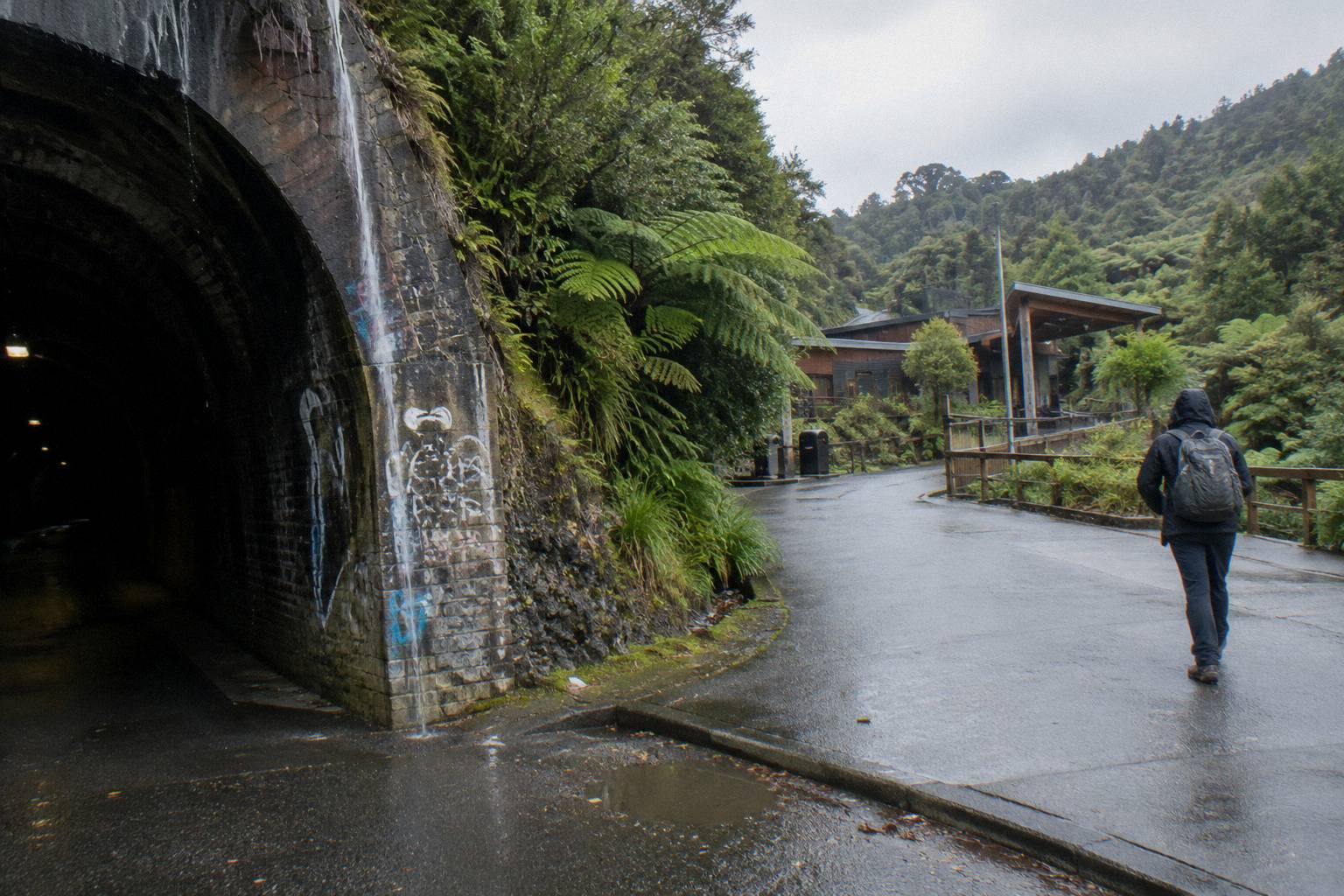
Drivers get limited parking at the sanctuary plus the overflow car park on Birdwood Street, and campervans over 5.4 m x 2.4 m must use the overflow or Chaytor Street, with the Karori tunnel capped at 3.05 m in height. Accessibility is genuinely considered here: much of the lower valley is wheelchair and pram friendly, there is a lift in the visitor centre, free mobility scooters if you ask ahead, and a companion enters free, though the shuttle has no chairlift. Anyone with specific mobility questions should ask the operator when booking, since the tours cover uneven surfaces and a moderate level of walking.
Here is how the main options compare for planning purposes.
| Option | Where it starts | Time to the sanctuary | Notes |
|---|---|---|---|
| Free electric shuttle | Outside Takina Convention Centre, Wakefield Street, or the top of the Cable Car | about 10 to 15 minutes | 11 seats, space not guaranteed; day-tour ticket holders get priority seating arriving 10 minutes early; after-dark tours start after the day shuttle |
| Public bus | Northland Road and Birdwood Street stops | about a five-minute walk from the stops | Suits evening tours when the shuttle has finished |
| Cable Car plus walk | Top of the Botanic Garden | about a 30-minute walk | Scenic route; pairs two experiences in one morning |
| Car | 53 Waiapu Road, Karori | varies | Limited parking on site; overflow car park on Birdwood Street |
How Do Cancellation And Booking Work?
Every one of the four tours offers free cancellation up to 24 hours before the start, which makes the Zealandia booking one of the low-risk items in a Wellington itinerary, and all four are small-group experiences capped at 12 people, which is a genuine reason to book ahead rather than turn up hoping.
The 24-hour window changes how you sequence the trip. If your arrival day is weather-dependent or flight-dependent, you can book the day tour for your second morning with the option to cancel without penalty the day before, then keep your first day loose. The tours run in almost all weather and may only be called off in extreme conditions, so a drizzly forecast is not usually a reason to cancel on your own. Whether tours genuinely run in the rain is answered fully in do Zealandia tours run in the rain.
The group cap of 12 is the other planning pressure. With seats limited and the day tour running daily from 10am, plus more departures in summer, peak-season mornings can fill. Advance booking is covered in detail in whether you need to book a Zealandia tour in advance, and the short version is that the small-group format is exactly why the answer leans yes in summer.
Two smaller booking details are worth a sentence each. Mandarin-language departures of the day tour exist and need a minimum of four people, and the tour may be cancelled if that minimum is not reached, so language-specific bookings carry a small extra risk worth asking about. And every tour ticket doubles as General Admission for the following day, so if you cancel inside the free window you lose nothing, but if you attend, your Sunday entry is already paid for.
What Should You Ask The Operator Before You Book?
Four questions cover almost everything the listings leave open: what time the night or twilight tour actually starts on your date, whether accessibility needs can be met on the chosen route, whether a Mandarin-language departure has reached its minimum of four, and what the weather plan is if conditions turn extreme. The operator answers these at booking.
The start-time question applies only to the after-dark walks, because they begin around dusk and the clock time moves with the season, confirmed only at booking. If you are sequencing a dinner reservation or a late flight after a night tour, you need that confirmed time before you plan anything downstream. The day tour is simpler, with departures from 10am, though summer adds more options.
Accessibility questions deserve direct asking rather than assumption. The official guidance says much of the lower valley is wheelchair and pram friendly, the visitor centre has a lift, and free mobility scooters are available if you ask ahead, but the guided walks themselves cover uneven surfaces and slopes, and the shuttle has no chairlift. Never assume a tour does or does not suit a particular need; quote the operator's own conditions back and ask. The sanctuary's accessibility page is the primary source for what is provided.
Language is the third question if it applies. The tours covered here run in English, Mandarin-language day departures exist with a four-person minimum, and no audio guide or translated handout is stated, so ask the operator when you book about anything beyond those. There is a fuller discussion in whether a foreign-language Zealandia tour exists.
Finally, ask about dogs only if relevant, because the rule is specific: service and guide dogs are admitted with advance notice, but never at night, including on night tours. And if your visit will include food, note that everyone checks their own bags and pockets for seeds, mice and lizards at the biosecurity double gates before entering, a quick ritual that protects a valley where possums and hedgehogs were eradicated by the end of 1999 and the last rabbit went in 2000.
Common Mistakes When Slotting A Tour Into An Itinerary
The recurring errors are booking the night tour for a family with under-12s, assuming kiwi are a daytime prospect, ignoring the shuttle's 11-seat limit and its priority-seating rule, and forgetting that every tour ticket includes a second day of General Admission that quietly expires if unused. Each one is avoidable with a fact you already have here.
The family mistake is the most common because the night tour sounds like the flagship experience. It is, for adults and teenagers: kiwi are seen on most night tours, sightings are never guaranteed, and the evening ends with warm kawakawa, lemongrass and ginger tea. But the minimum age of 12 is firm, and the sanctuary's own advice points younger families to the Twilight Tour from October to March or the Kids' Night Walks from April to September, both with a minimum age of 5.
The kiwi mistake flows from wishful thinking. The official General Admission page is blunt that nocturnal wildlife such as kiwi, ruru, weta and frogs are very unlikely by day, so a visitor who takes only the day tour and expects a kiwi has planned for disappointment. The day walk has its own riches, including tuatara that returned in 2005 and 2007 in the first mainland release, a takahe pair that arrived in 2011, and kaka that returned in the early 2000s, but the nocturnal stars belong to the night.
The transport mistakes are quieter. Assuming the shuttle will have space ignores its 11 seats and the not-guaranteed wording, though arriving 10 minutes early with a day-tour ticket gets you priority seating. Assuming the shuttle serves the night tour ignores that after-dark tours start after the day shuttle. And assuming hotel pickup exists ignores that none of the four tours includes it. Finally, the wasted second day: a tour on Saturday includes General Admission for Sunday, and skipping it means paying nothing extra but getting nothing extra either.
Putting It Together Without Overplanning
A workable default is one guided block plus one bonus morning: book the day tour or an after-dark walk for one day, arrive 15 minutes early at the visitor centre, let the tour run its 2 to 2.5 hours, and use the included next-day admission if your stay allows. Everything else in Wellington is yours to arrange around that fixed core.
Consider how the pieces stack for a two-day stay. Day one, take the shuttle with your day-tour ticket and priority seating if you arrive 10 minutes early, walk the guided 2 hours through the valley, return for lunch, and spend the afternoon elsewhere. Day two, return on your included General Admission for a self-guided wander through the lower valley, which is where the wheelchair and pram friendly tracks, the accessible toilets and the free mobility scooters make an easy morning. If your question is really how long the tours themselves take, how long a Zealandia tour takes has the full breakdown.
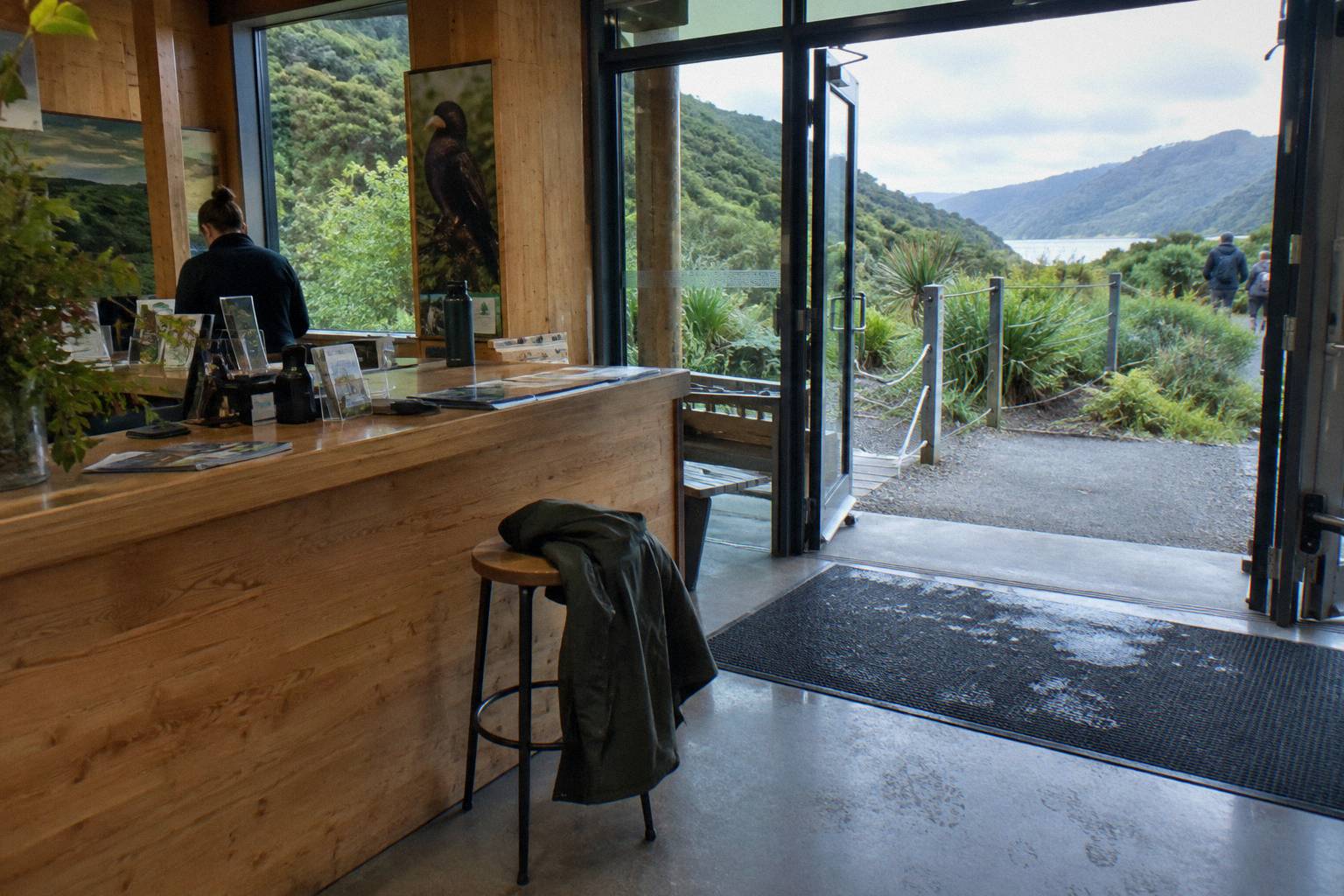
For a one-day stay, pick one tour and be candid about which. The day tour protects your evening and pairs well with a city afternoon; the night tour gives you the whole day in the city and the valley at dusk, ending with tea rather than a rushed dash. A planner asking where Zealandia Day Tour fits can treat the answer as modular: the tour block is fixed at 2 to 2.5 hours, the travel block at roughly 20 to 30 minutes round trip by shuttle, and the second-day admission as optional upside.
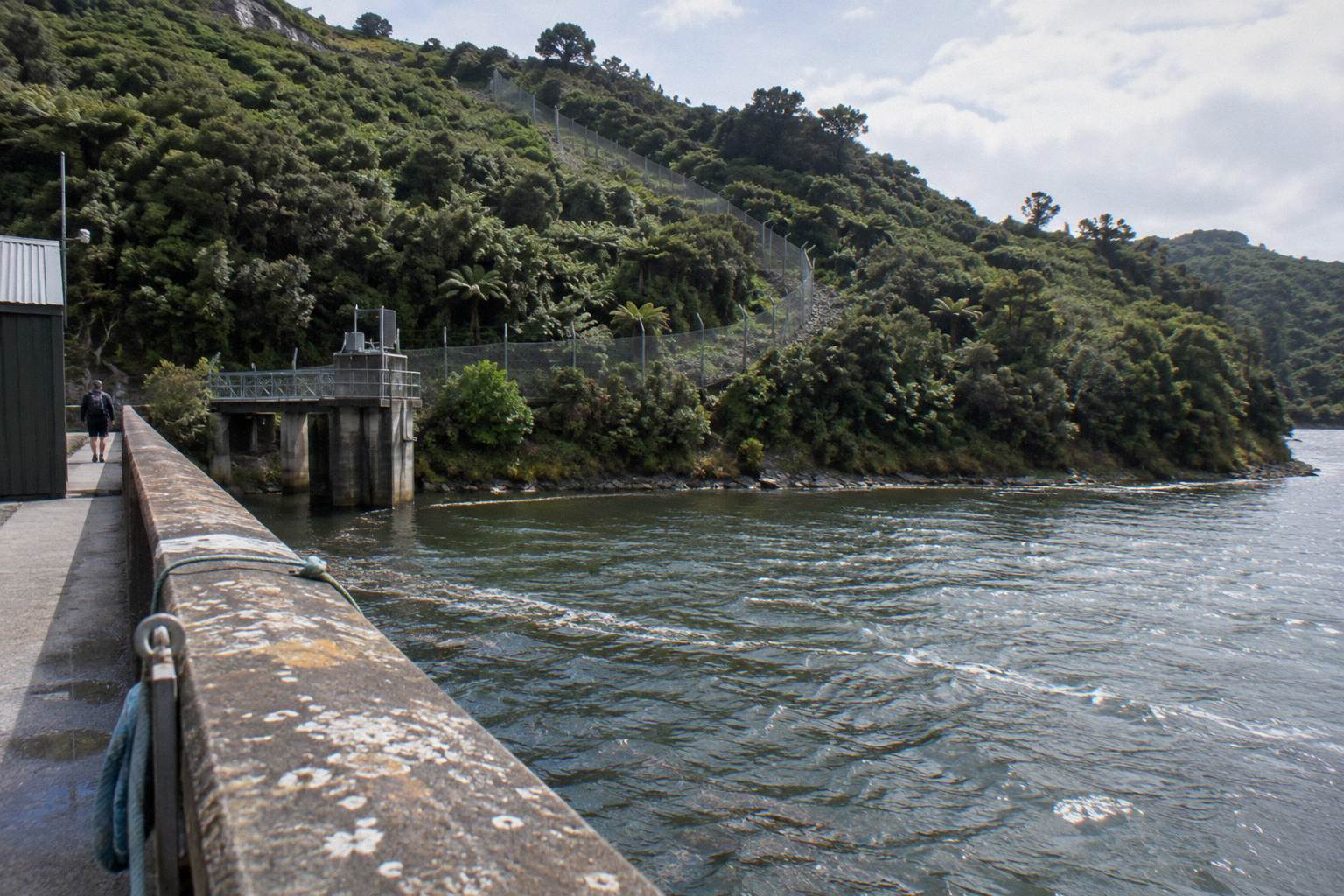
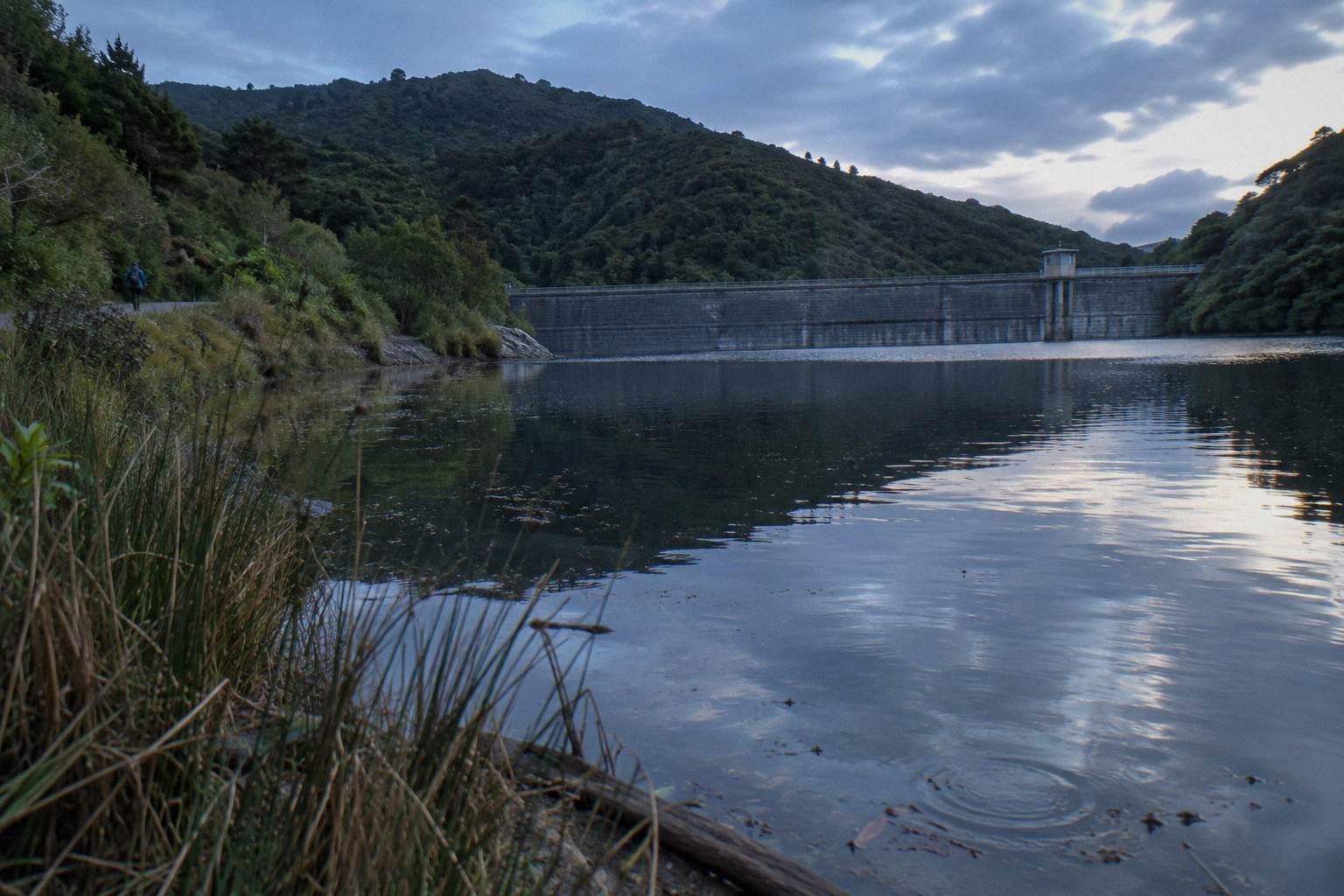
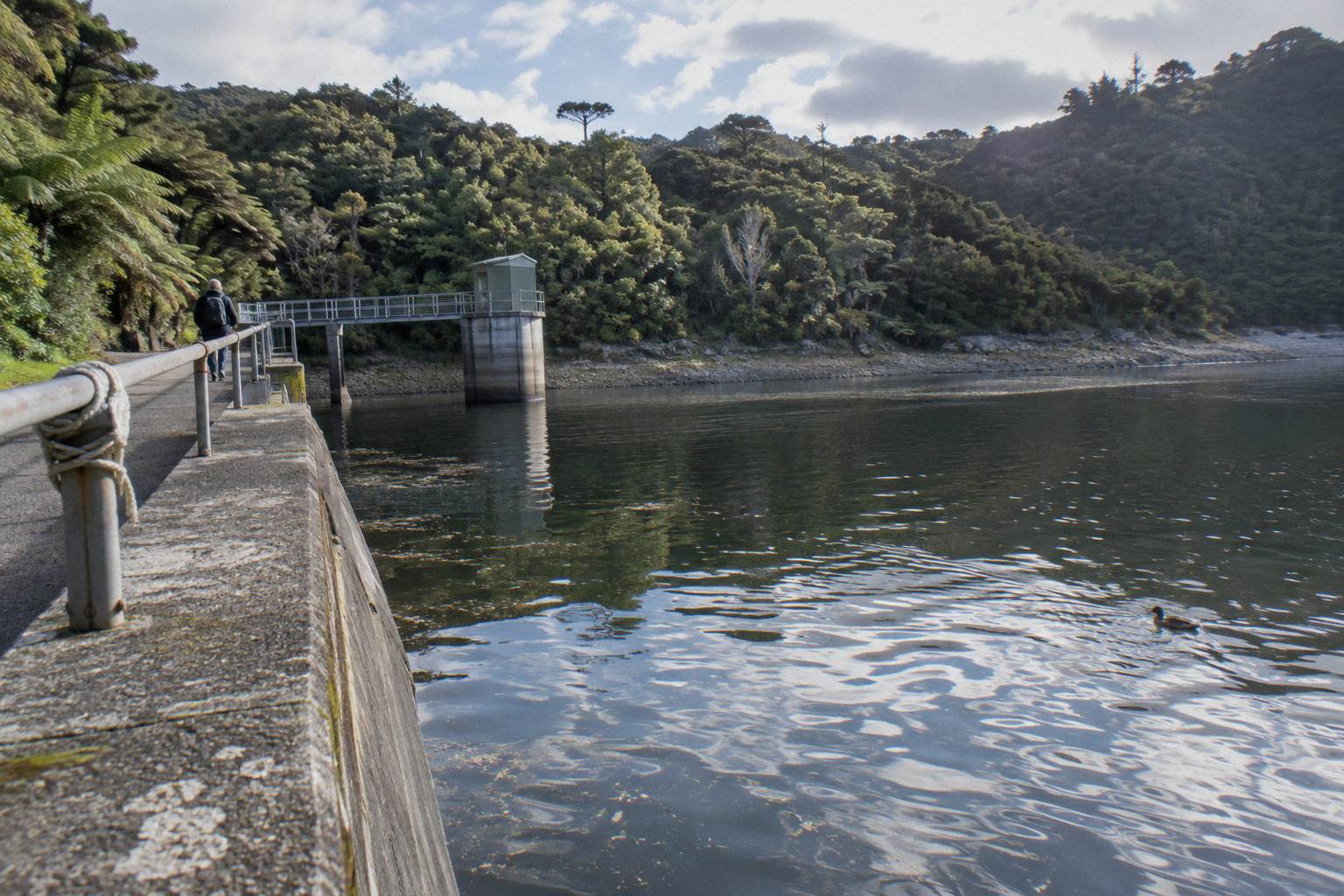
There is also a case for doing both a day and a night experience on a longer stay, because they show different valleys. Daylight delivers the colours, the tui and kereru calls, and open views over the dams that once supplied Wellington's water, the earth dam built from 1876 to 1878 and the concrete gravity dam completed in 1908. Dusk and darkness deliver the torchlit forest, glowworms pointed out in the banks, ruru calls, and the chance, only the chance, of a little spotted kiwi. Two bookings, two moods, one sanctuary.
Common Questions About Wellington Days And Zealandia
How Many Days In Wellington Is Enough, And Where Does A Zealandia Tour Fit?
There is no verified number of days for the city itself, so plan around your own list. What is fixed is the Zealandia block: about 2 hours for the day tour, about 2.5 for the night or twilight walks, roughly 10 to 15 minutes of shuttle travel each way, and an included second day of General Admission on every ticket.
Can I Use My Tour Ticket The Next Day?
Yes. All four tour tickets include a General Admission ticket valid for the day of the tour and the following day, so a guided walk one morning gives you a free self-guided return the next.
Is The Night Tour Suitable For Children?
No, the night tour has a minimum age of 12. Families with younger children are pointed by the sanctuary to the Twilight Tours from October to March and the Kids' Night Walks from April to September, both with a minimum age of 5.
Will I See A Kiwi On A Daytime Visit?
Very unlikely. The official General Admission page calls nocturnal wildlife such as kiwi, ruru, weta and frogs very unlikely by day. Kiwi are a night-tour prospect, and even there the official wording is that they are seen on most tours but sightings are not guaranteed.
Do The Tours Include Transport From My Hotel?
No. None of the four tours includes hotel pickup or drop-off. The free electric shuttle runs from the city during the day, buses stop about five minutes away, and after-dark visitors arrange their own travel since night tours start after the day shuttle.
What Happens If The Weather Is Bad?
The tours run in almost all weather and may be called off only in extreme conditions. All four tours allow free cancellation up to 24 hours before the start, and the listed kit advice is sturdy shoes, warm clothes and a waterproof layer.